Physical AI will be this year's Christmas present
What was discussed
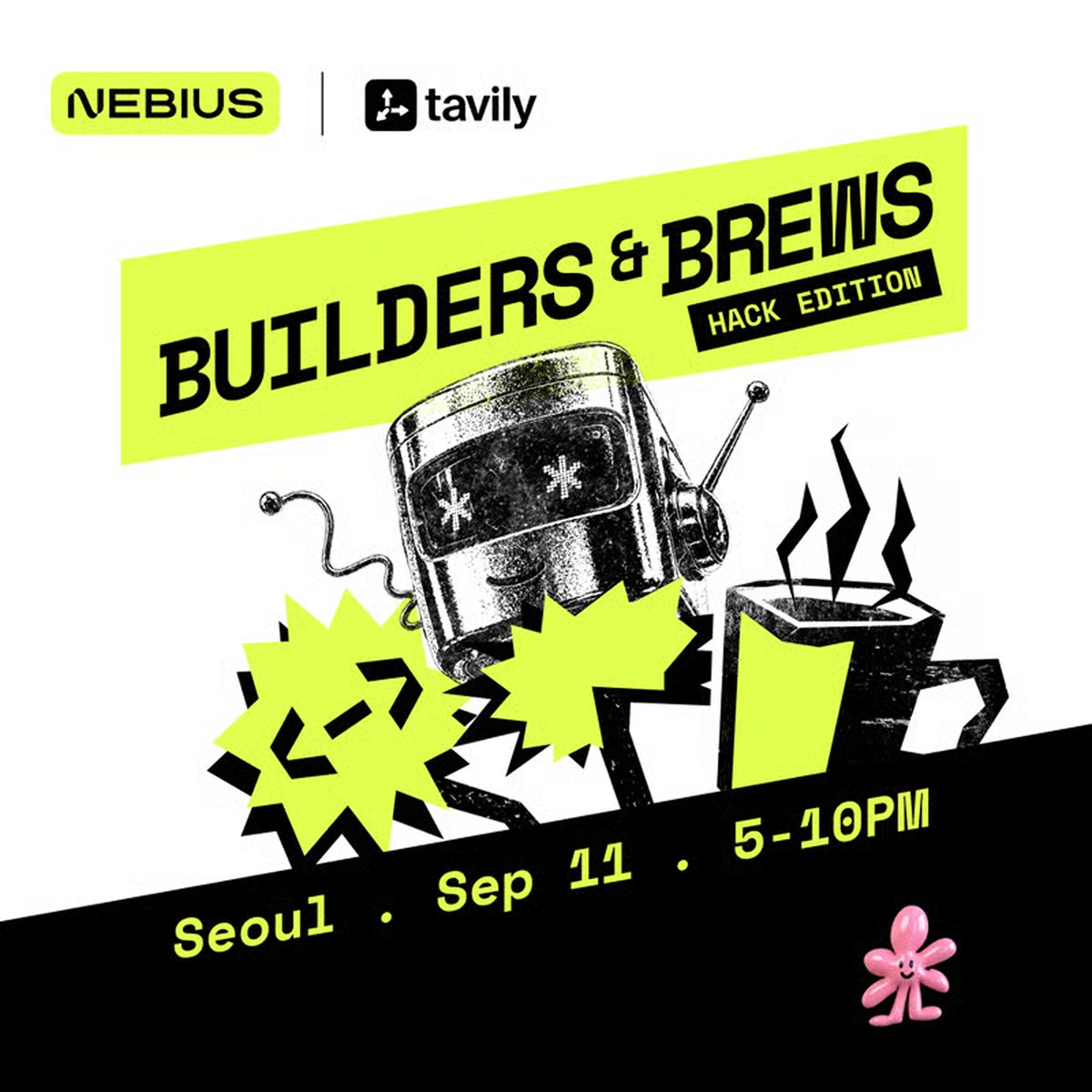
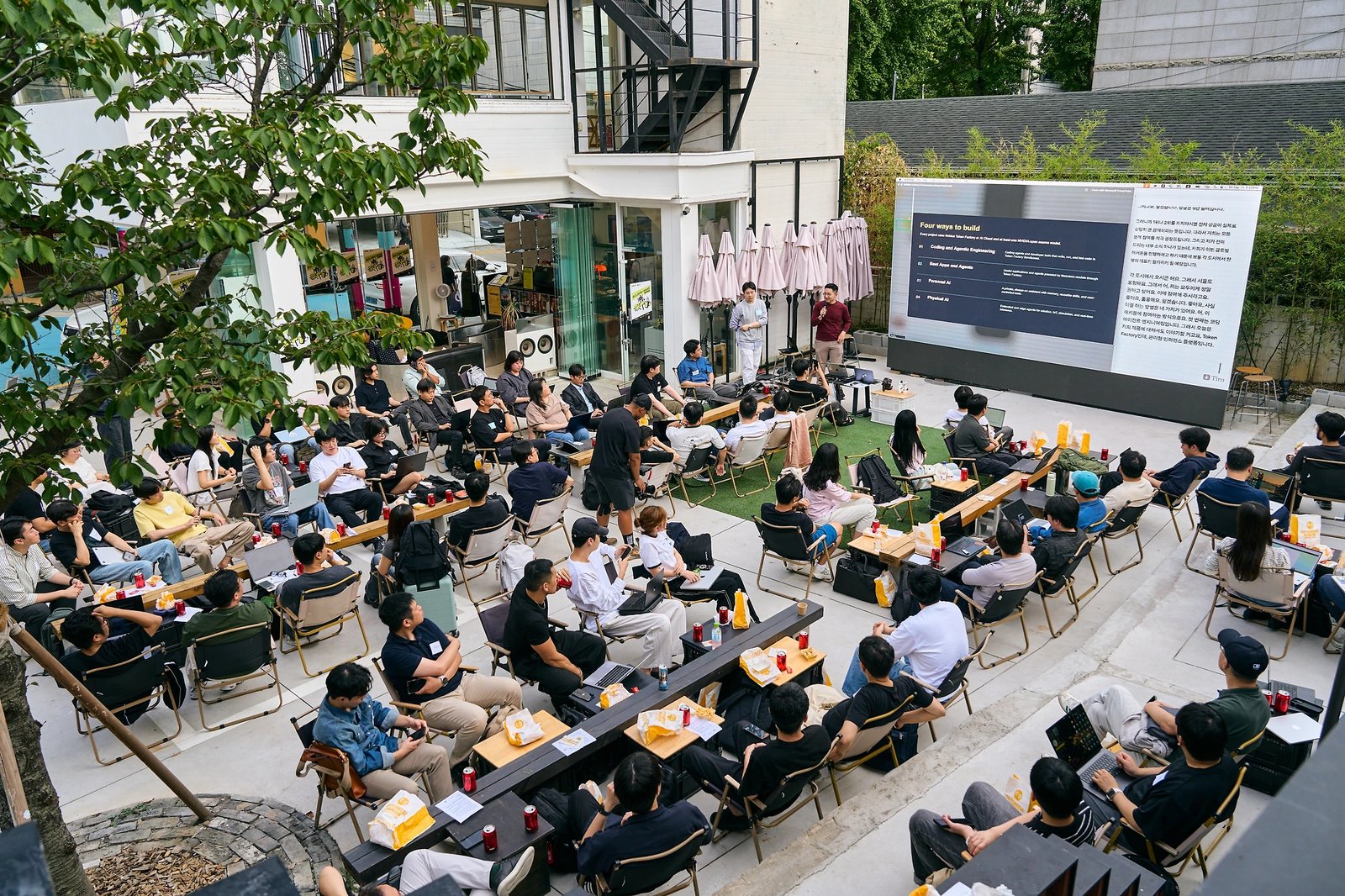
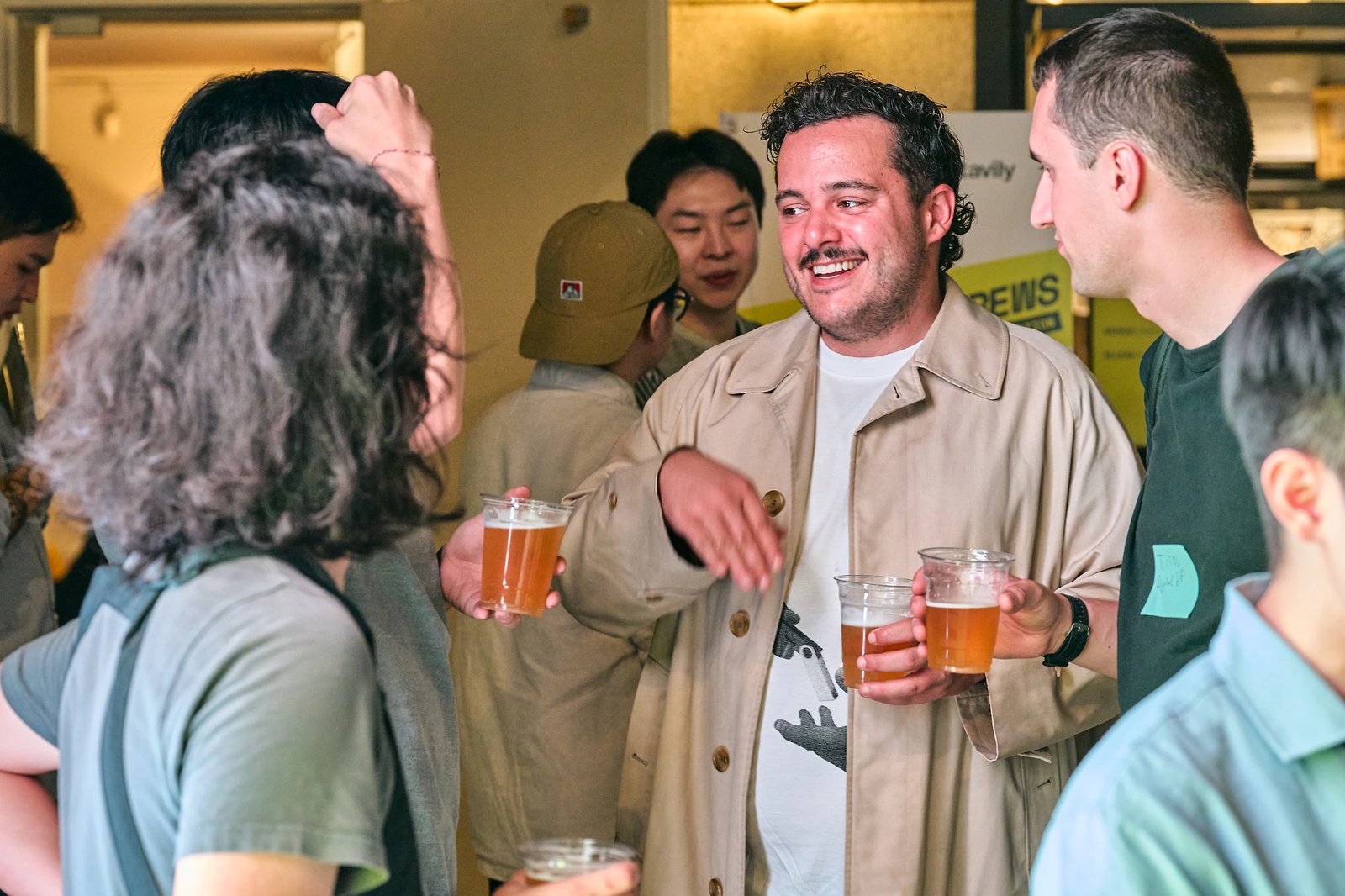
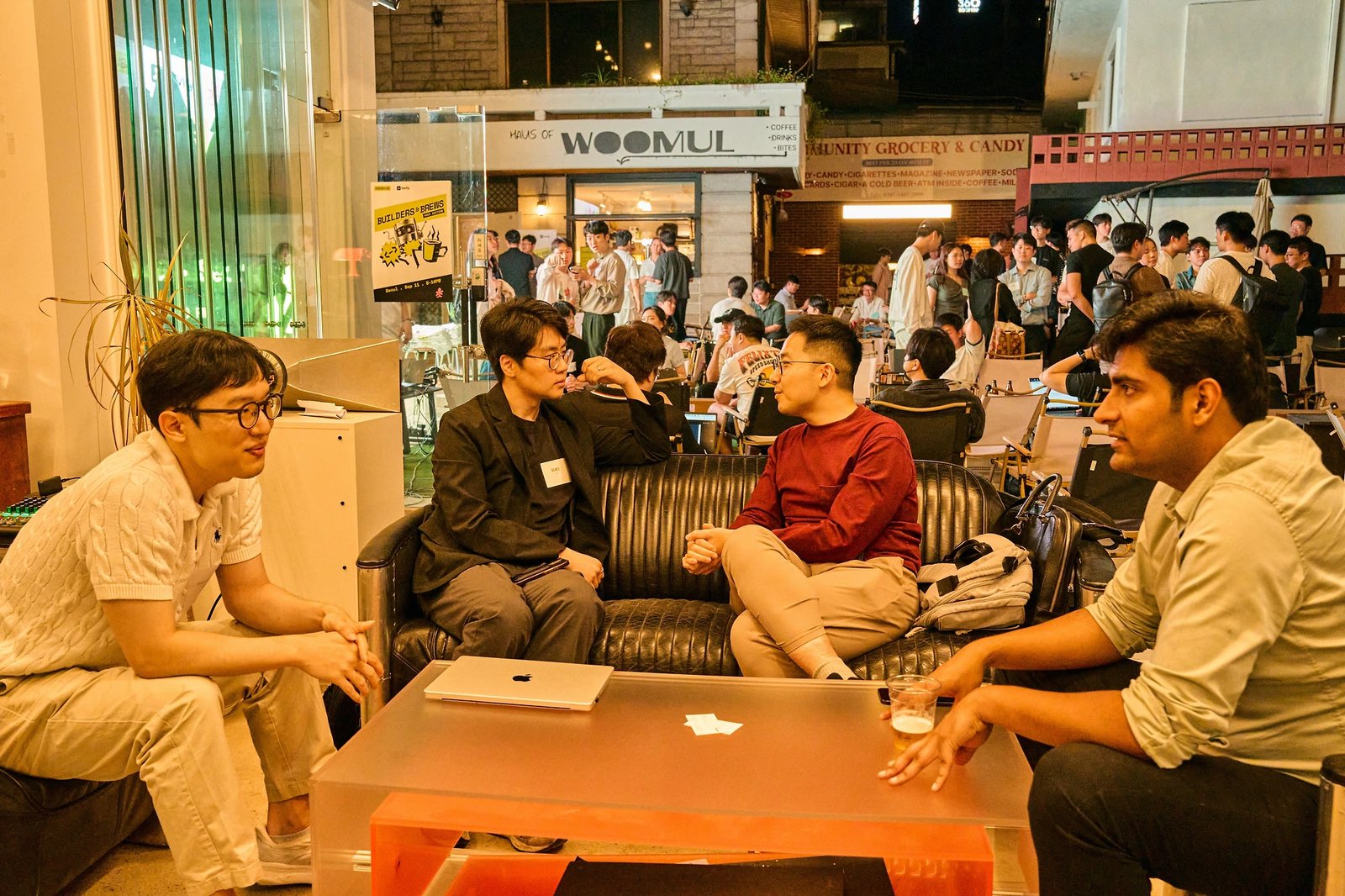
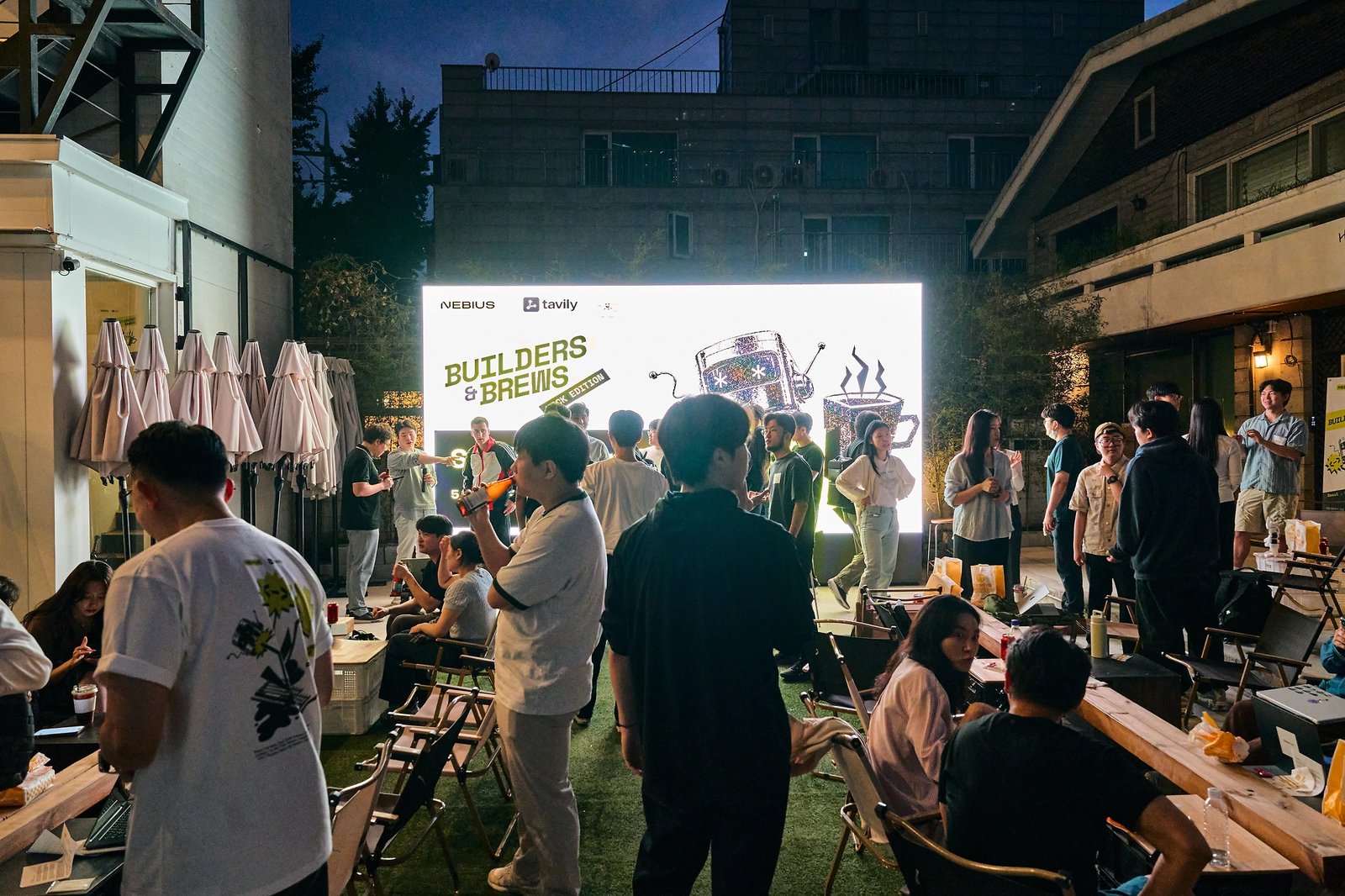
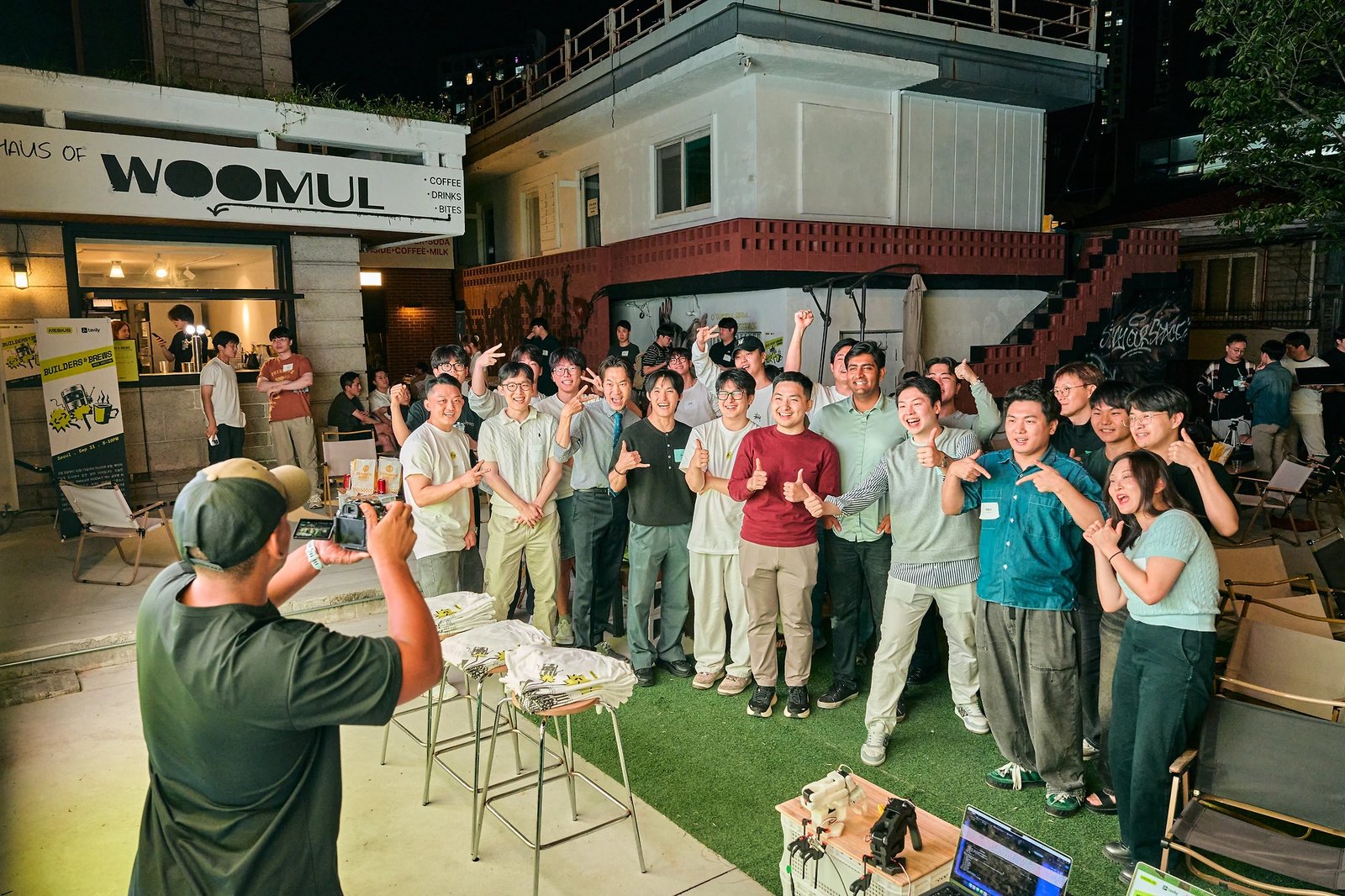
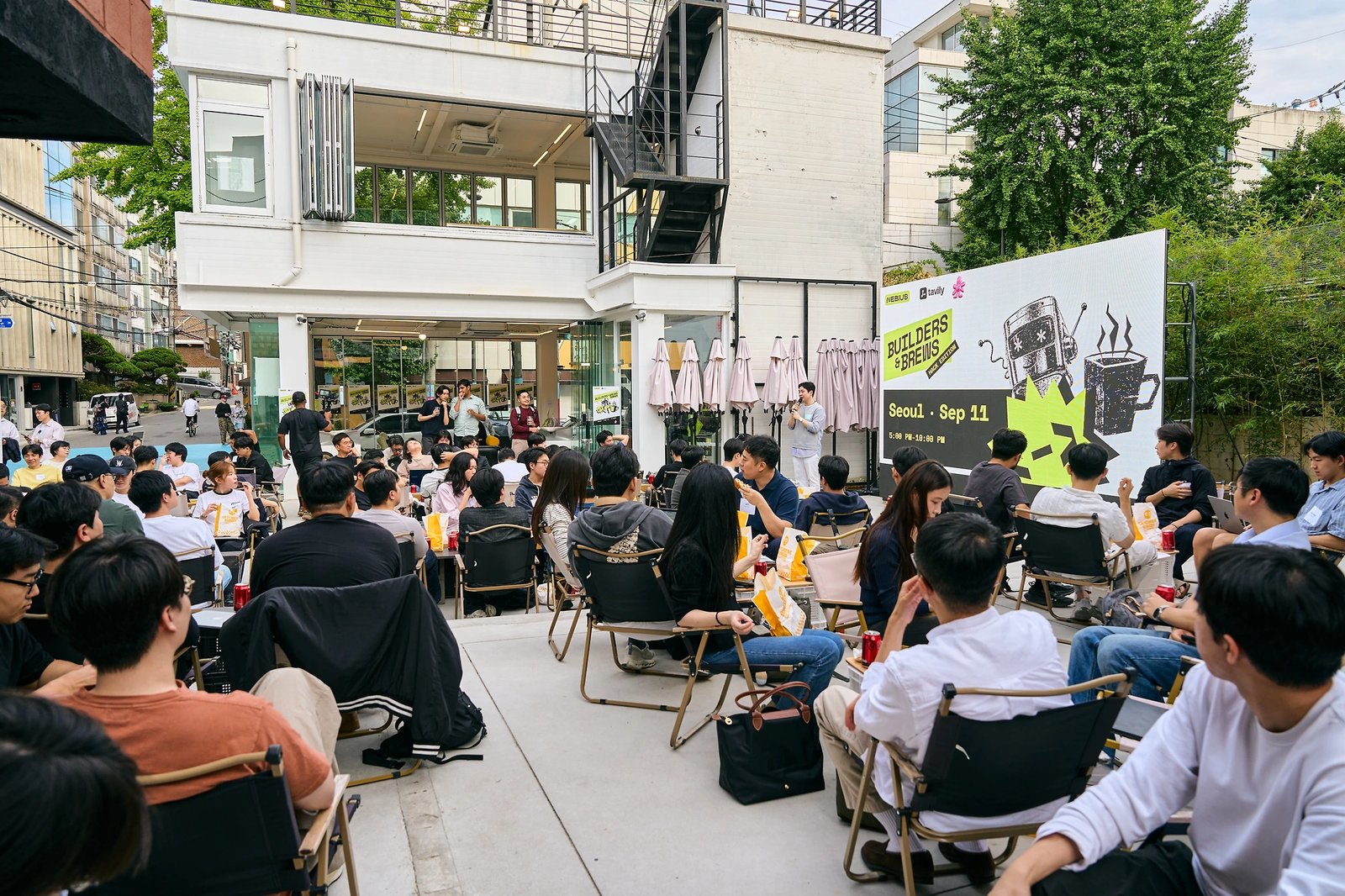
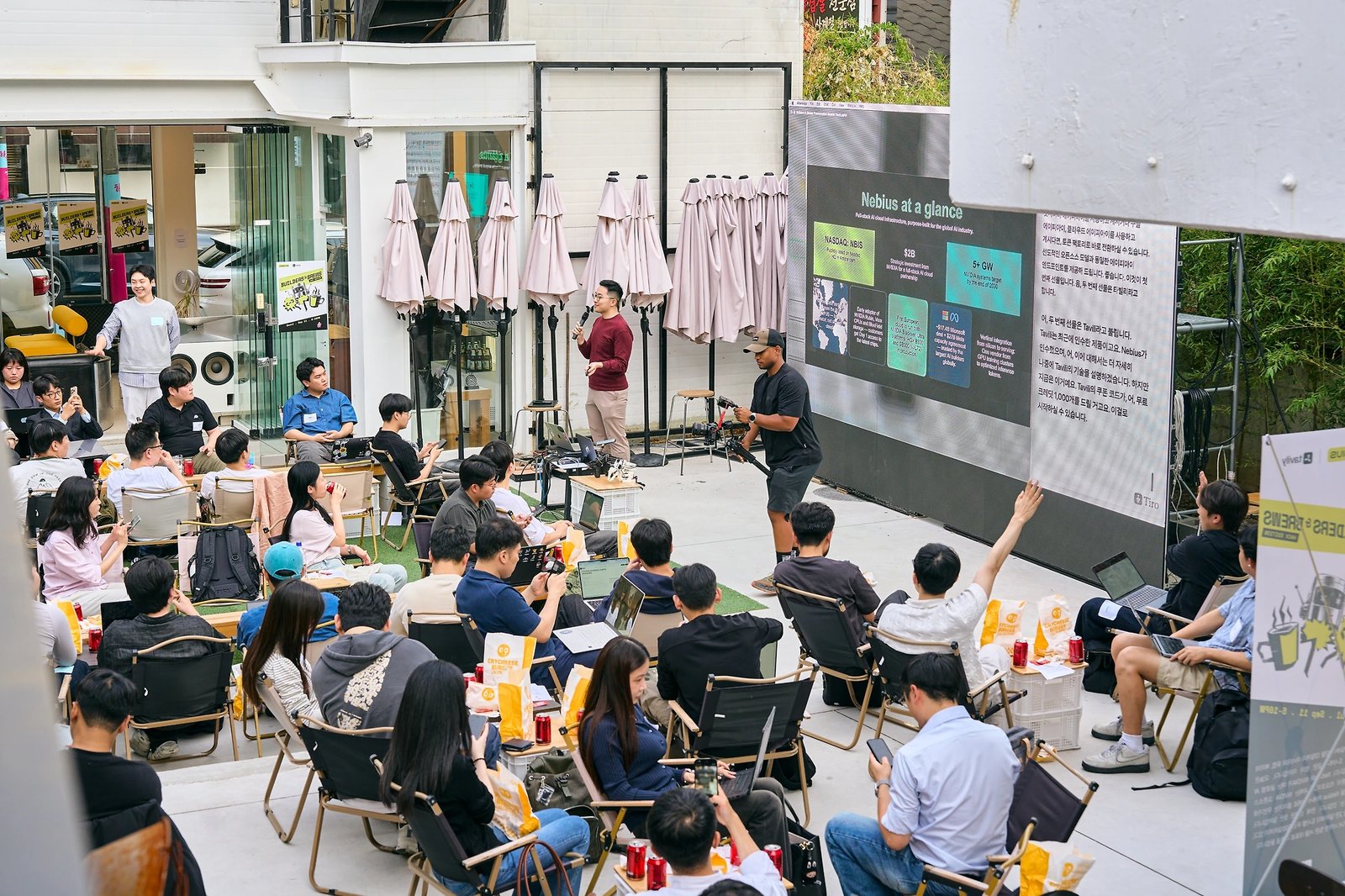
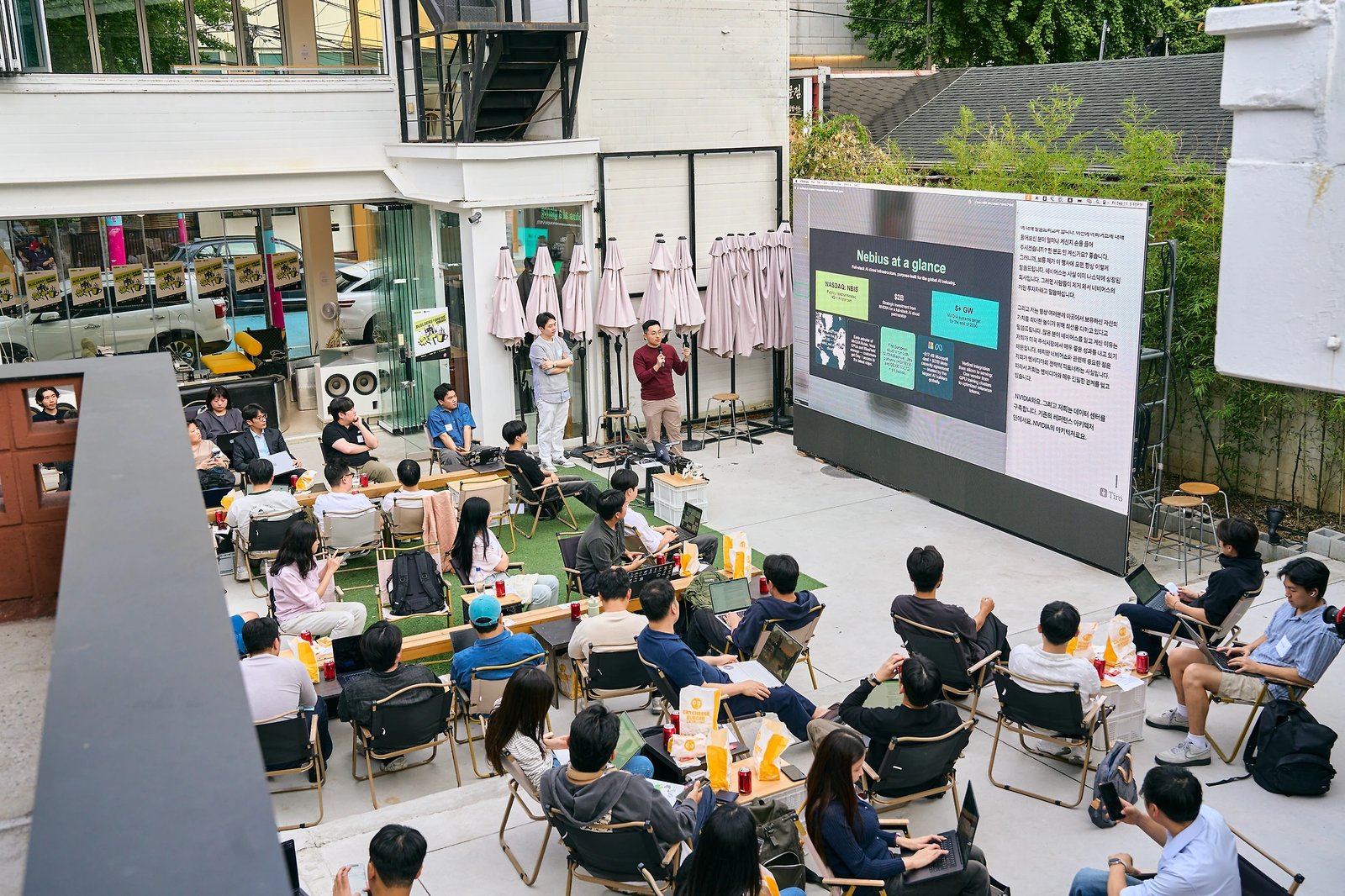
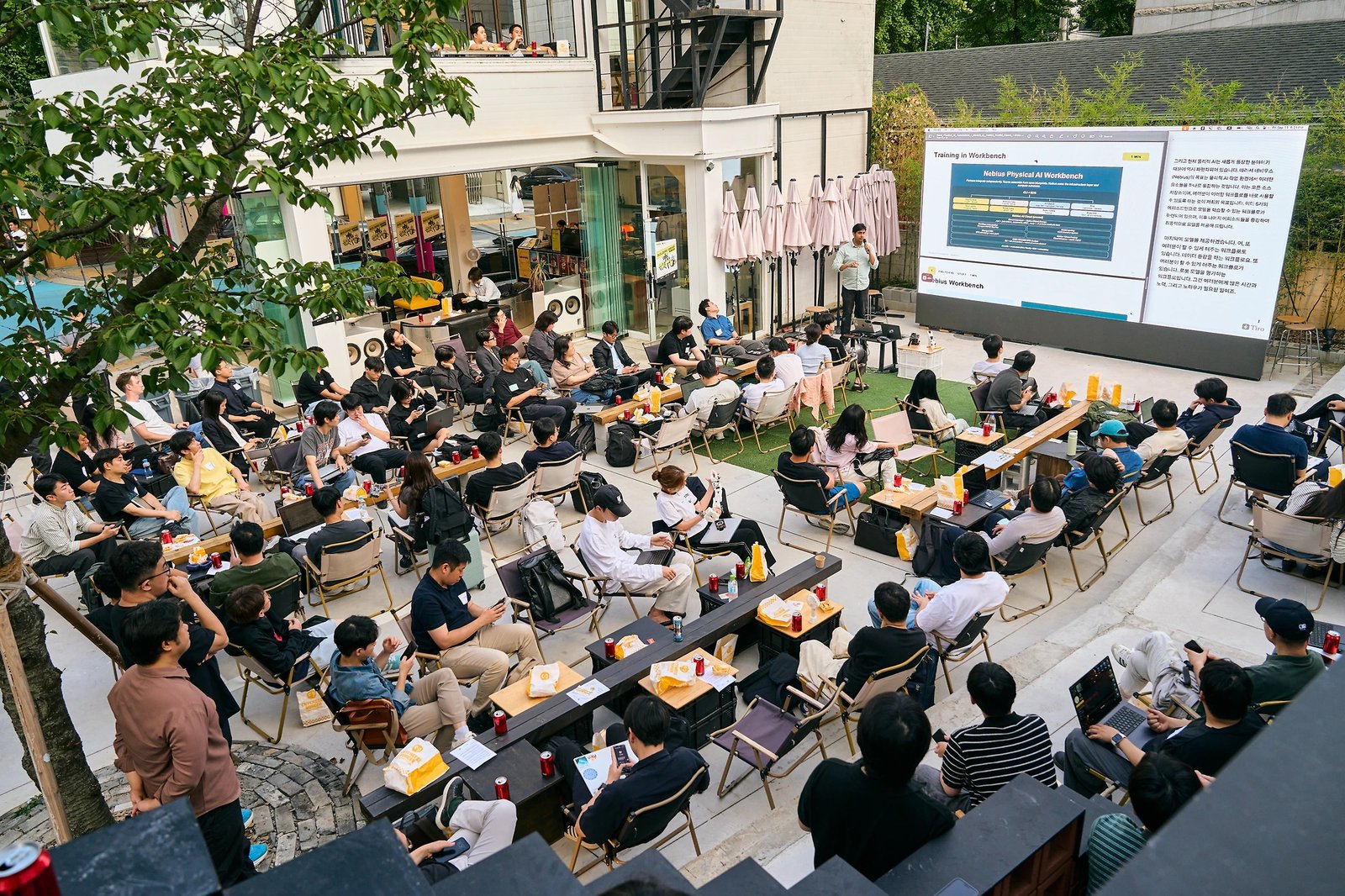
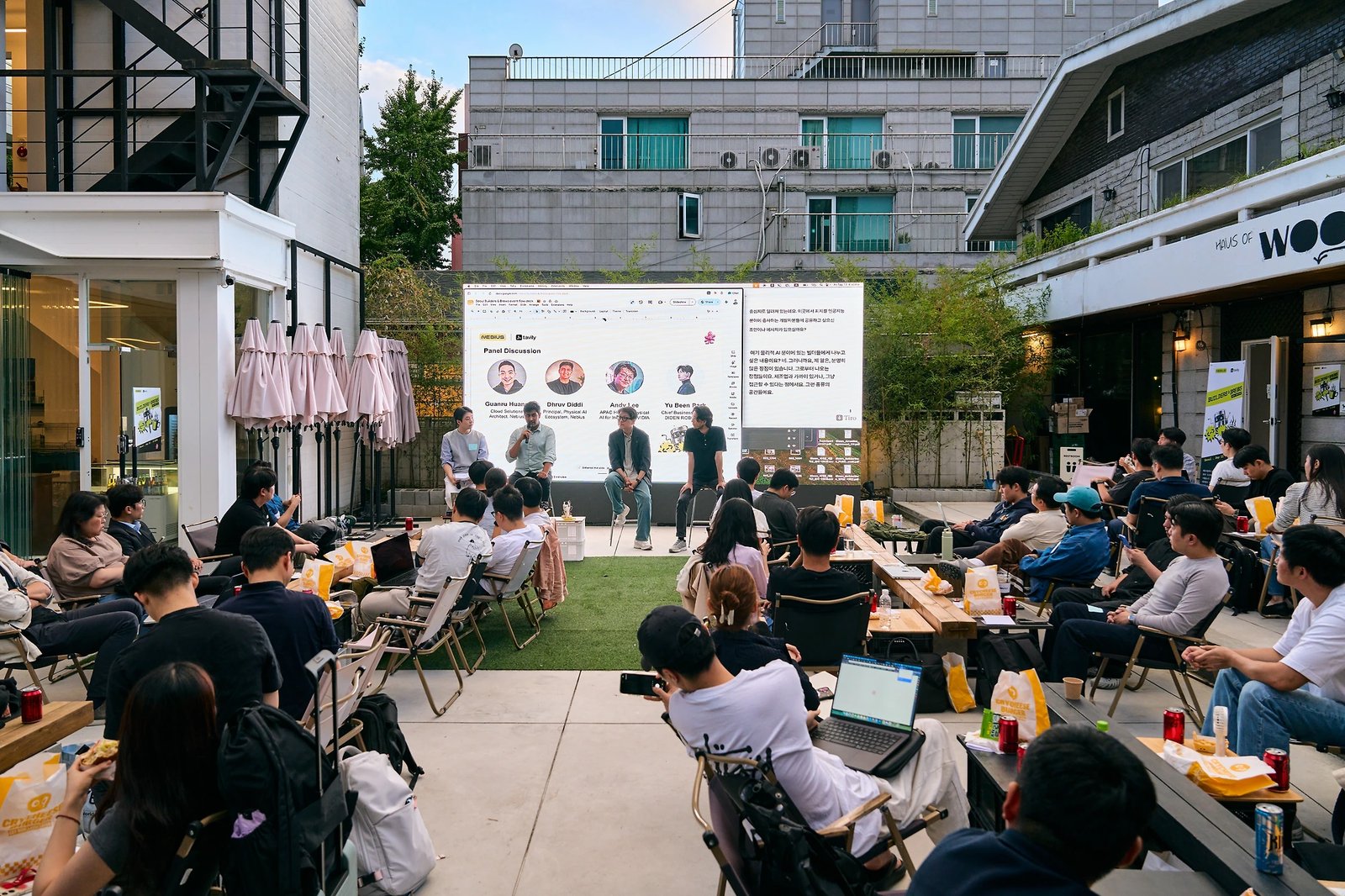
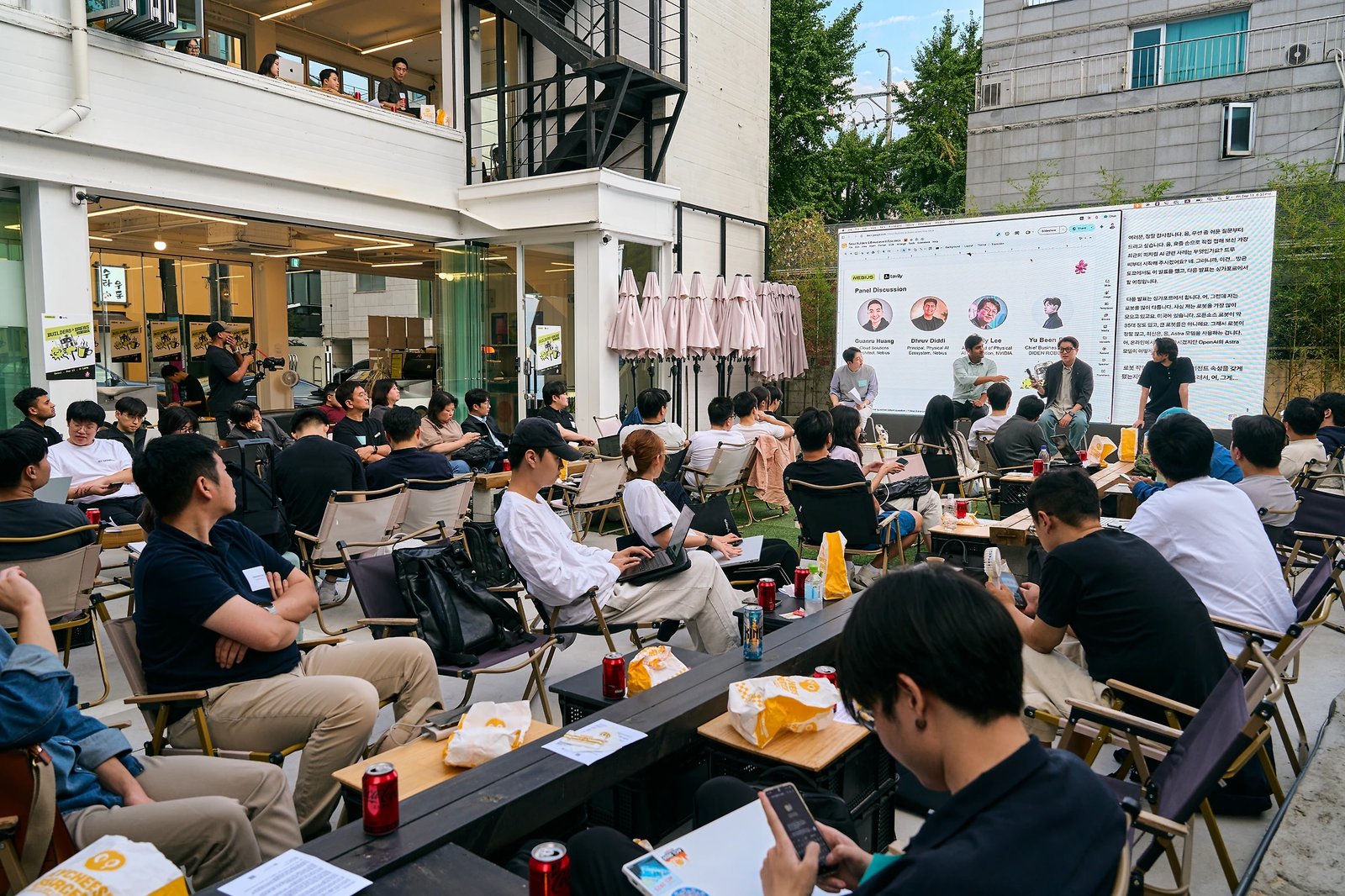
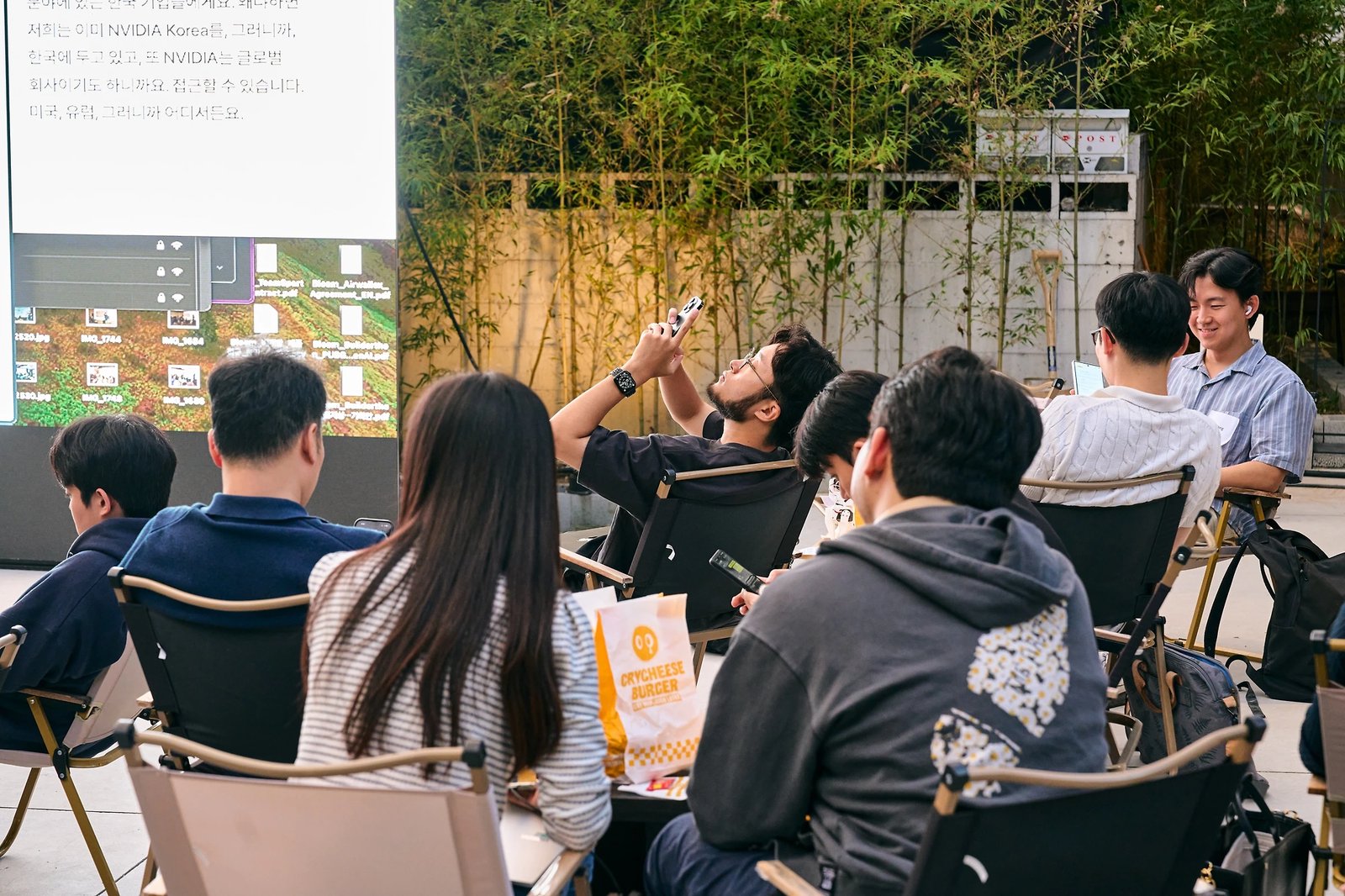
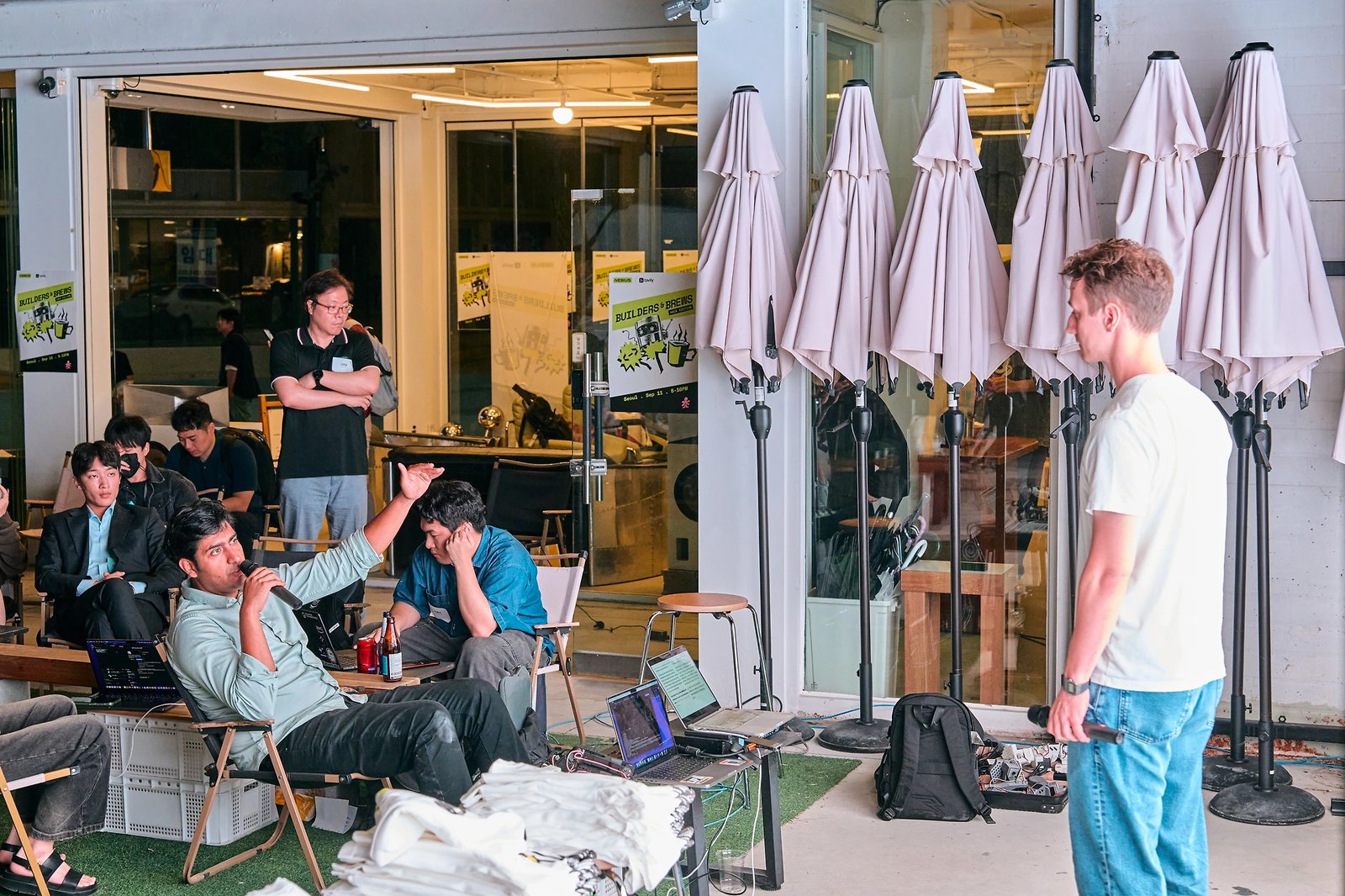
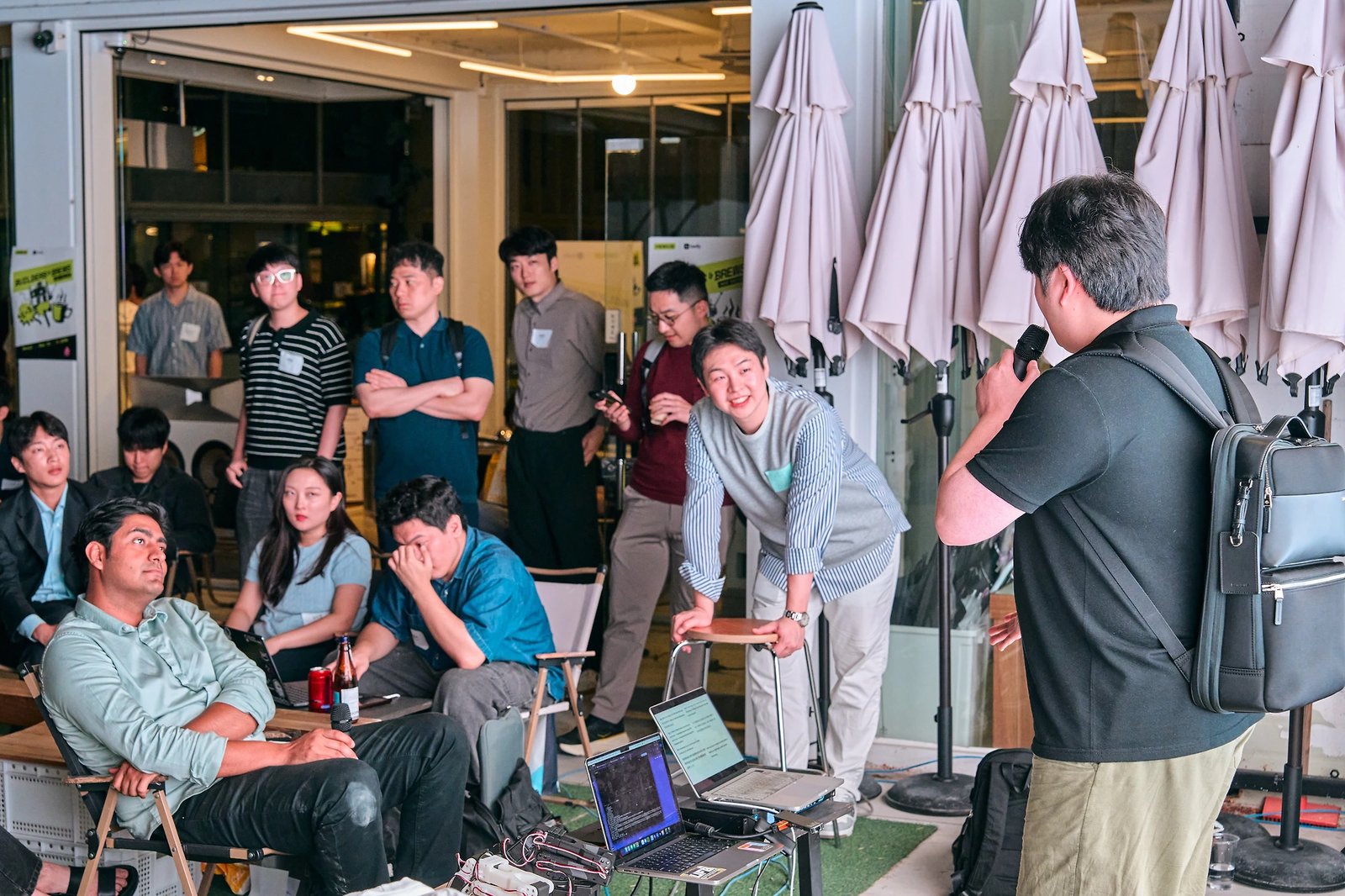
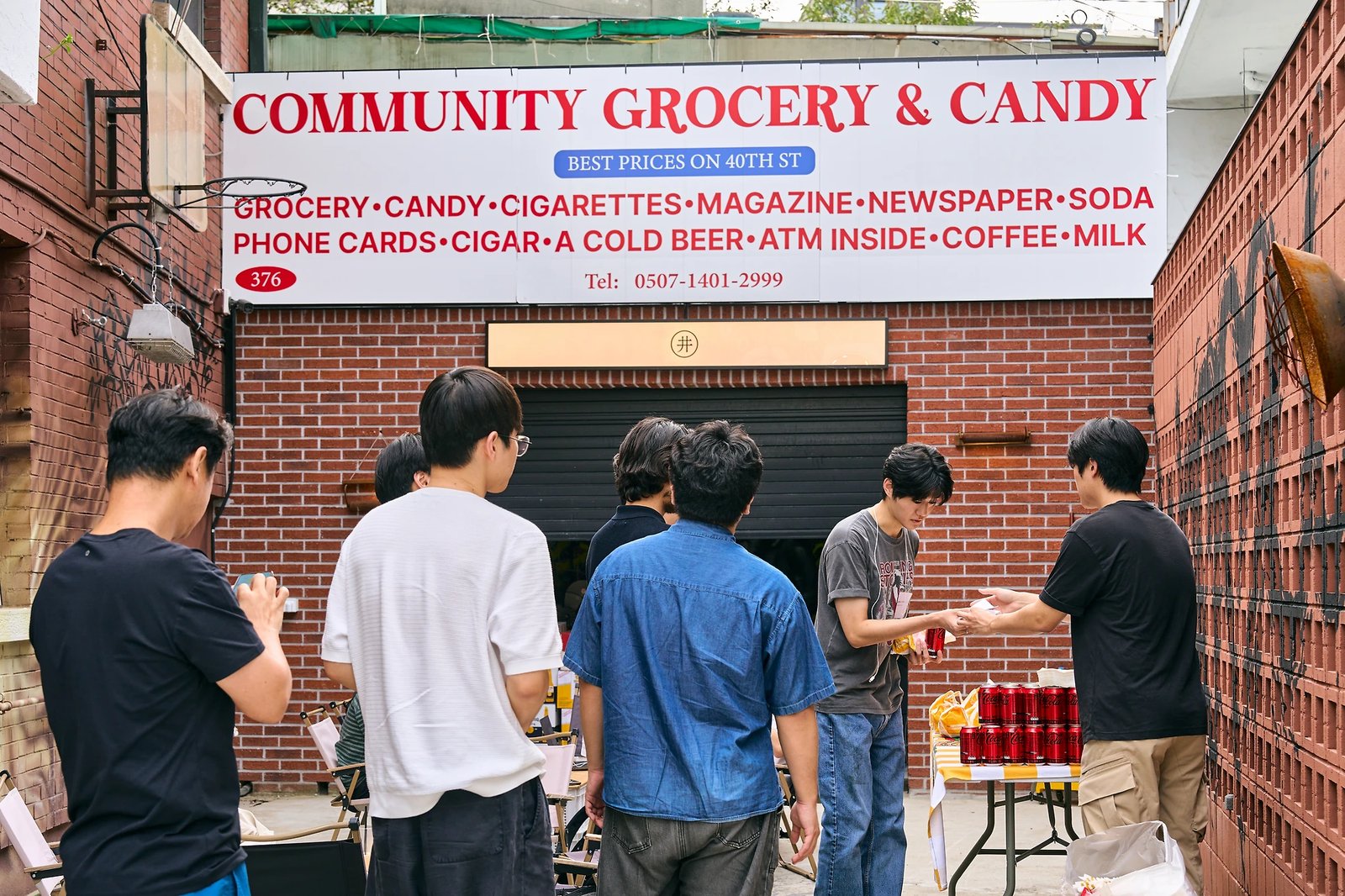
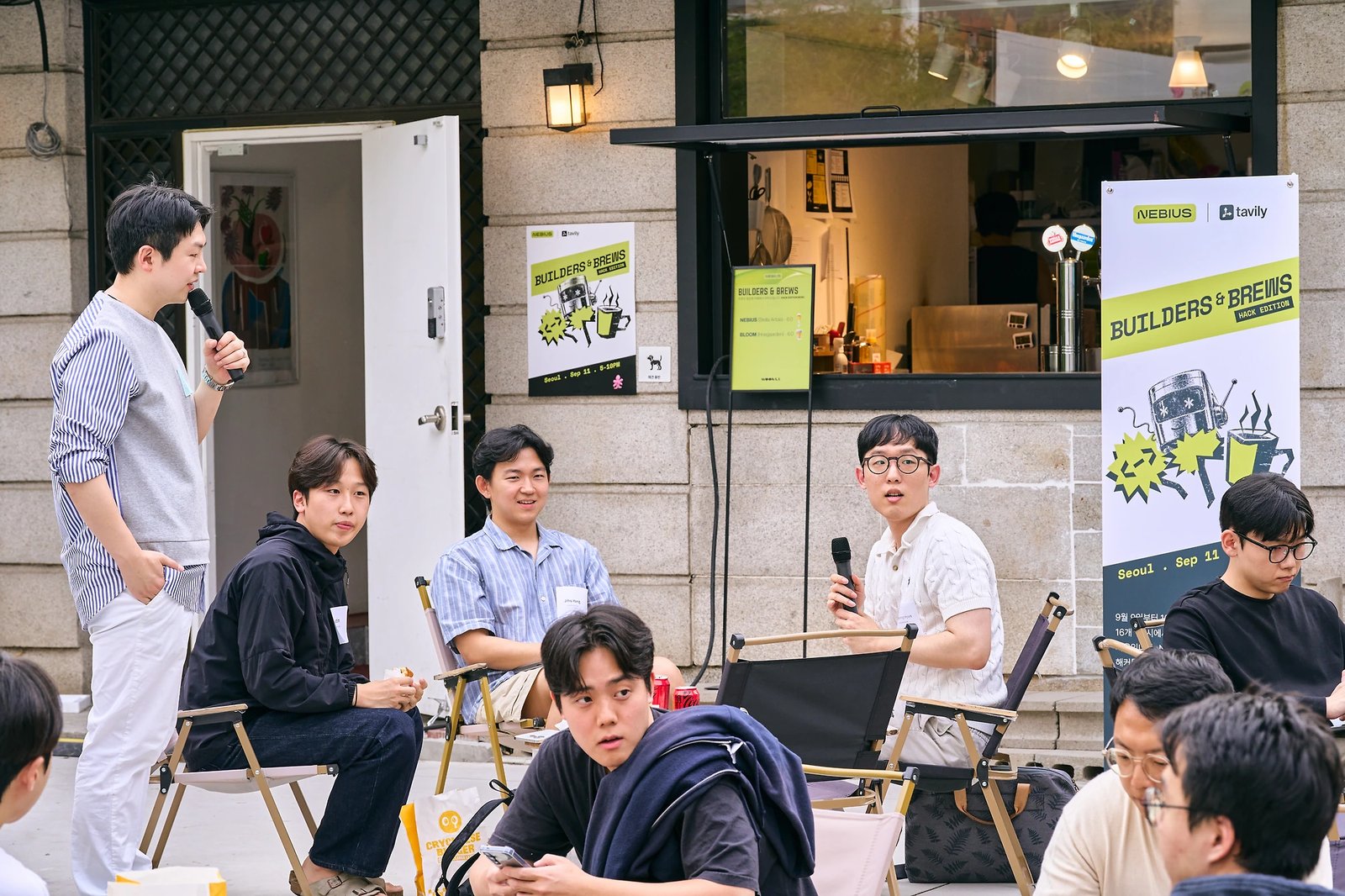
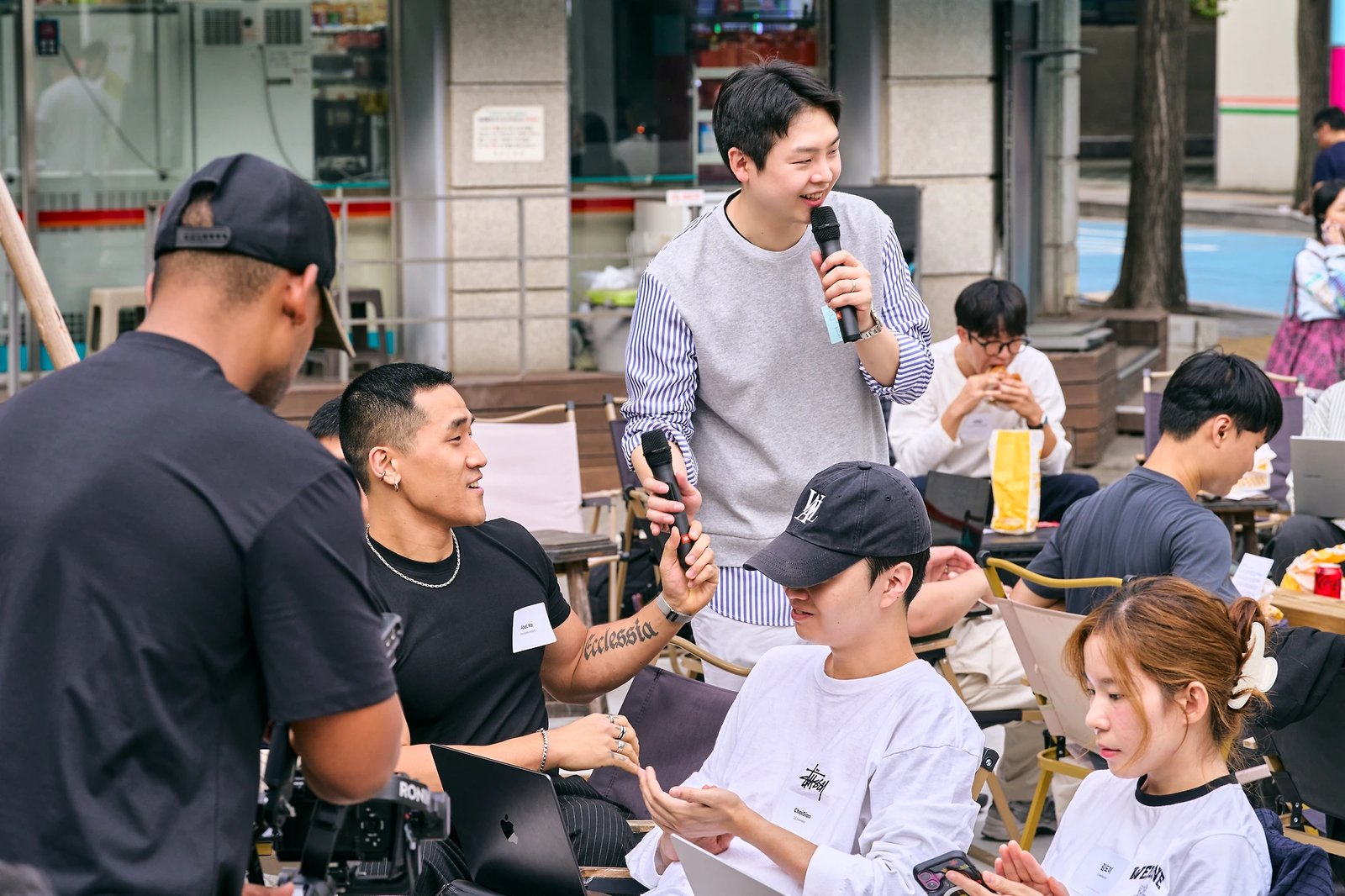
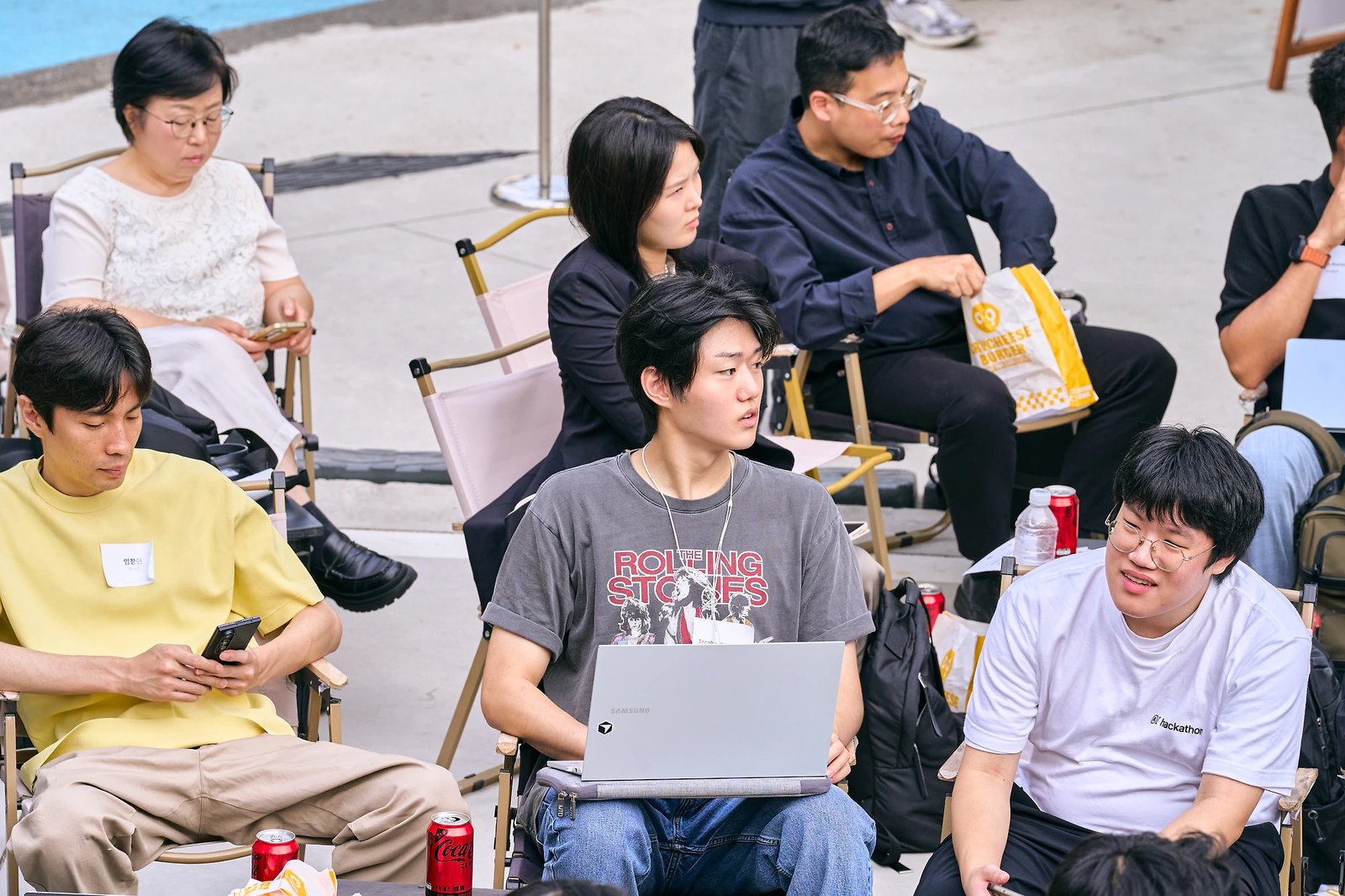
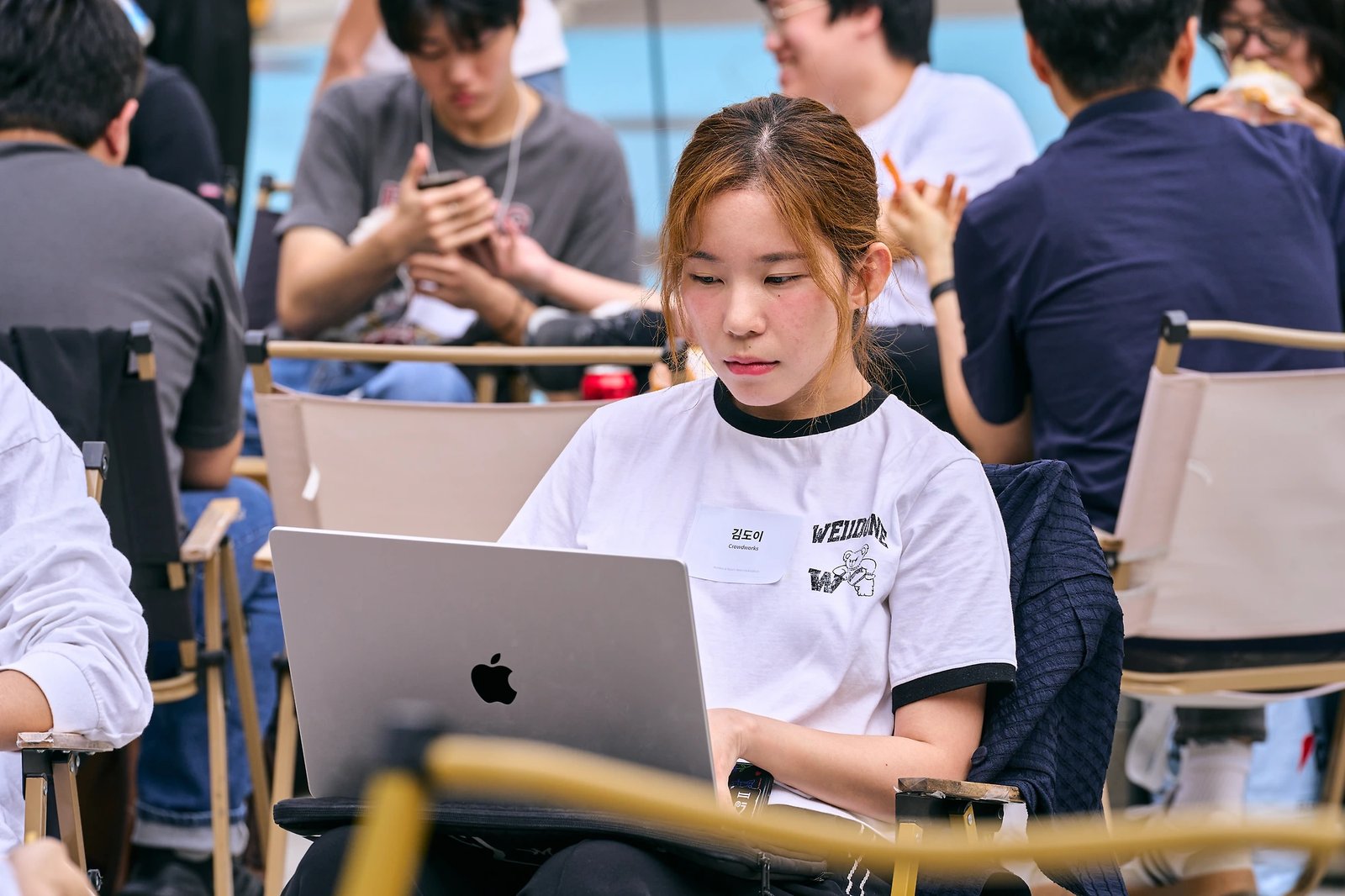
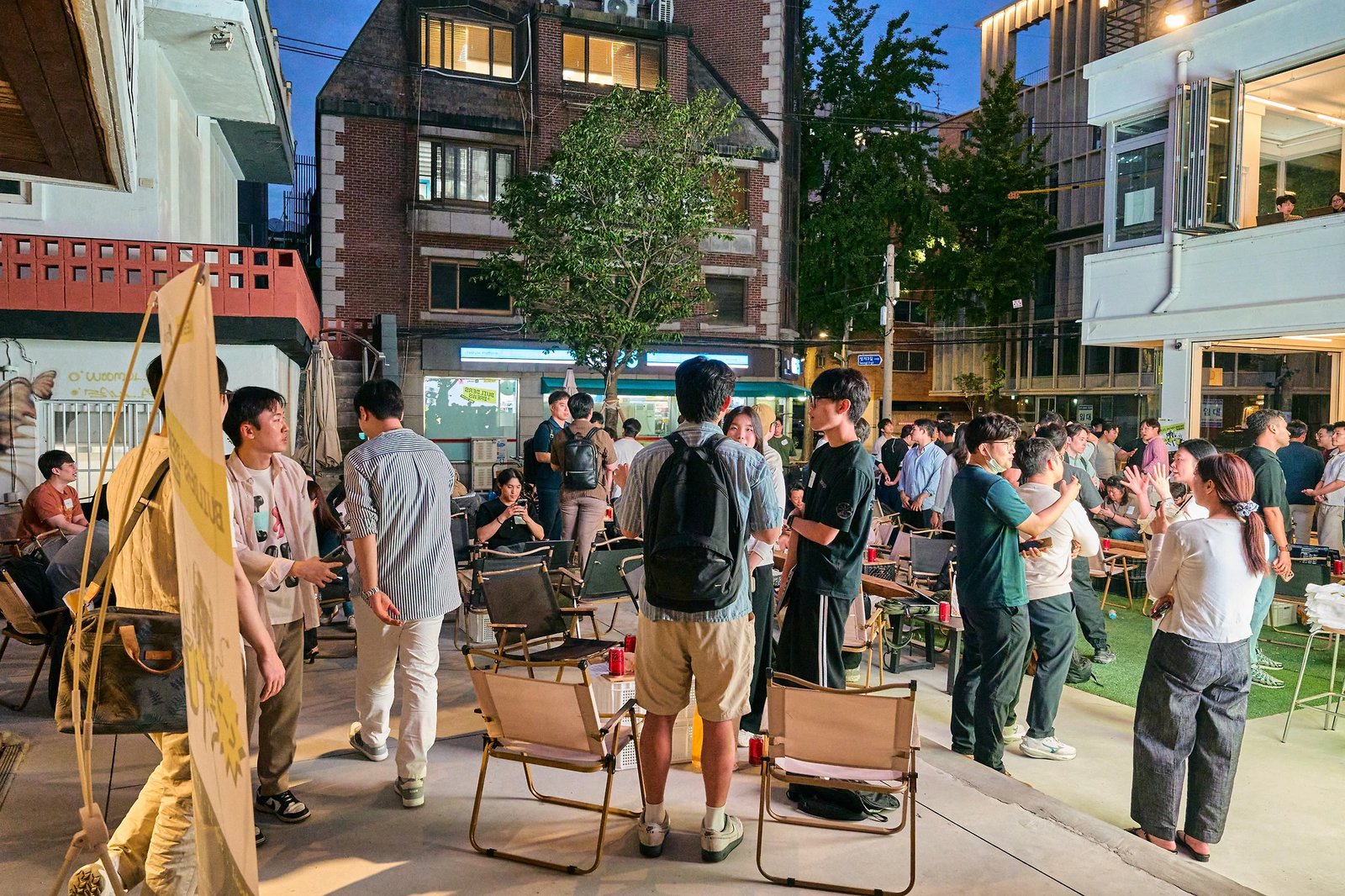
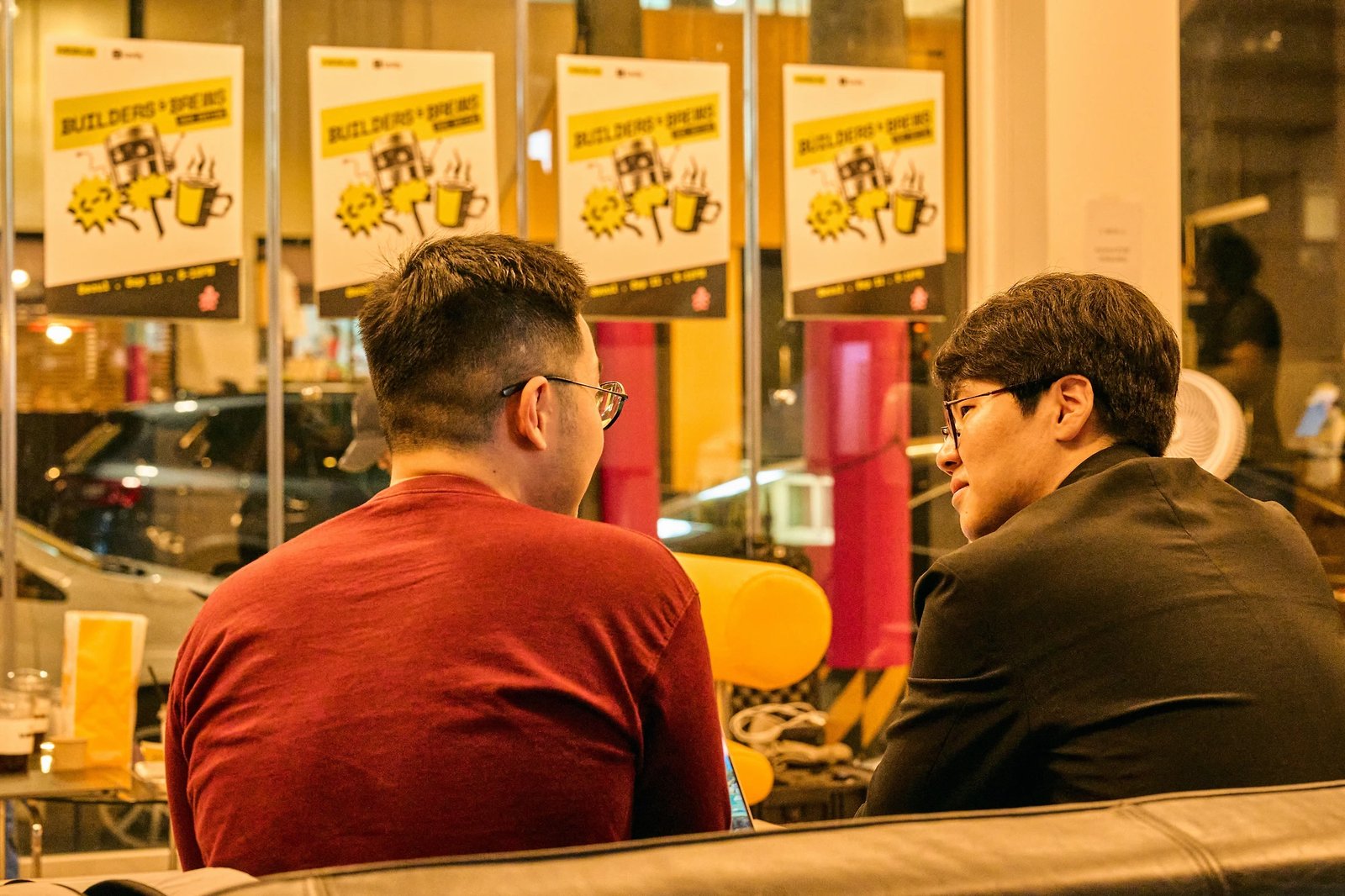
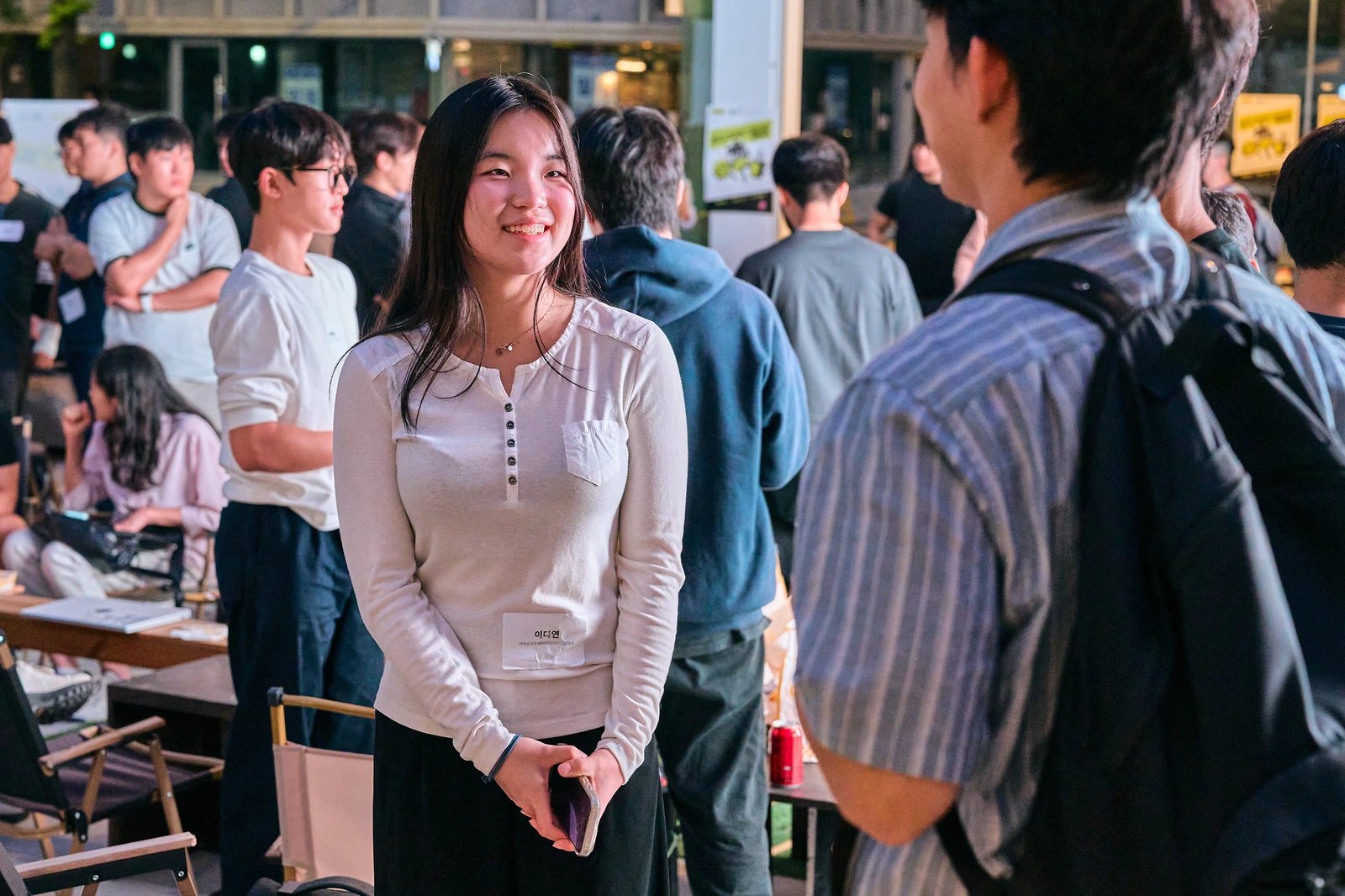
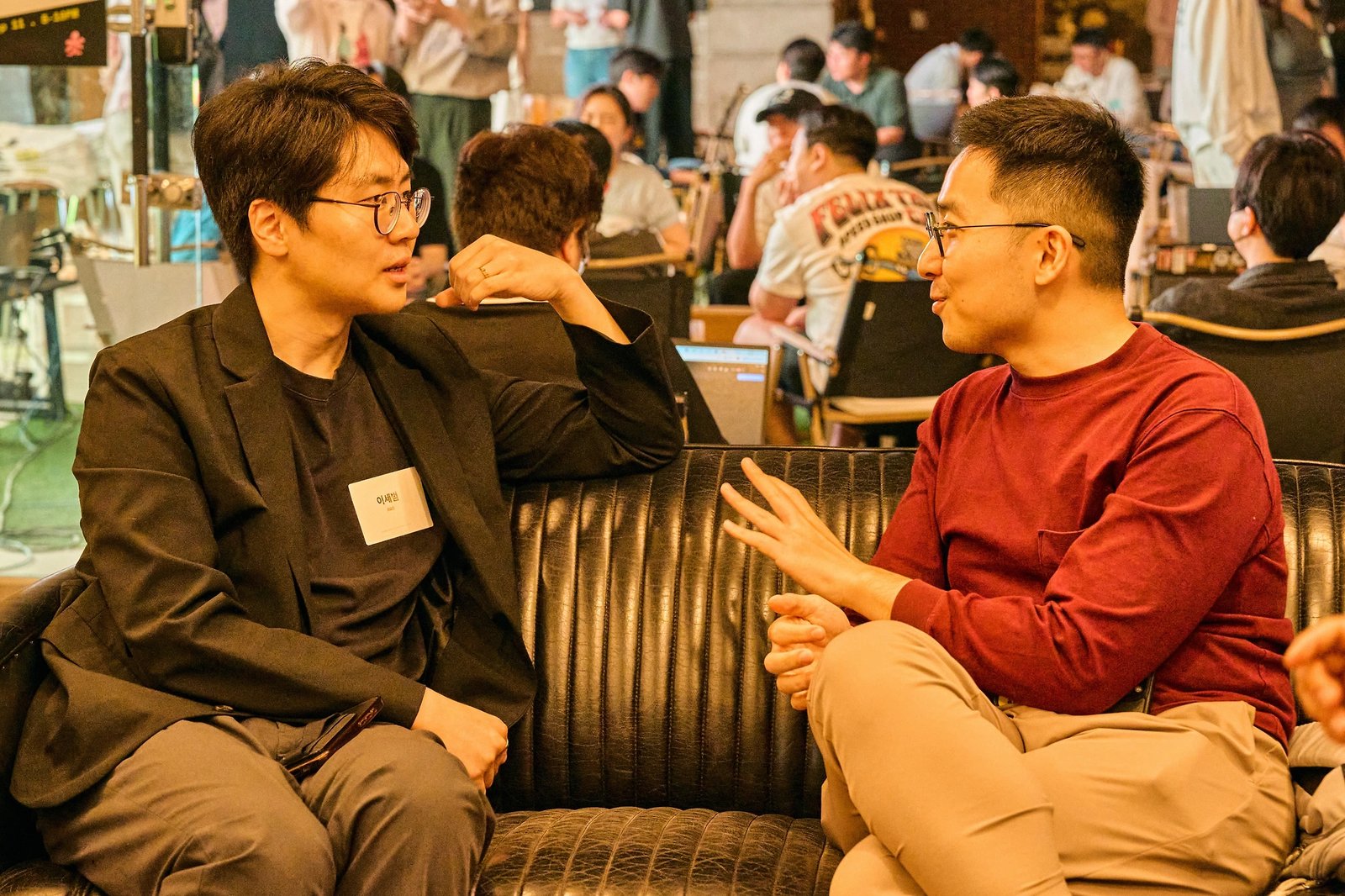
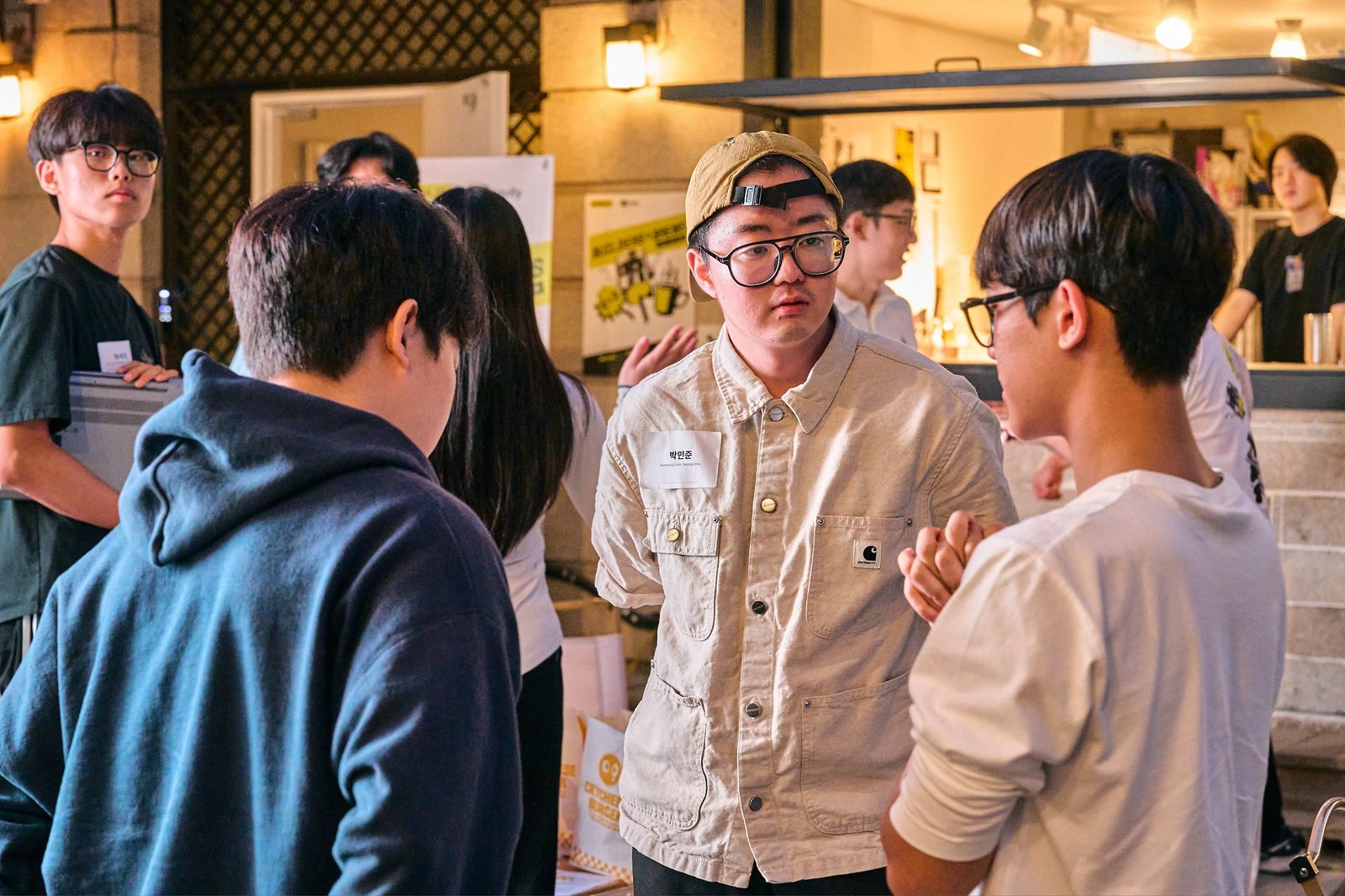
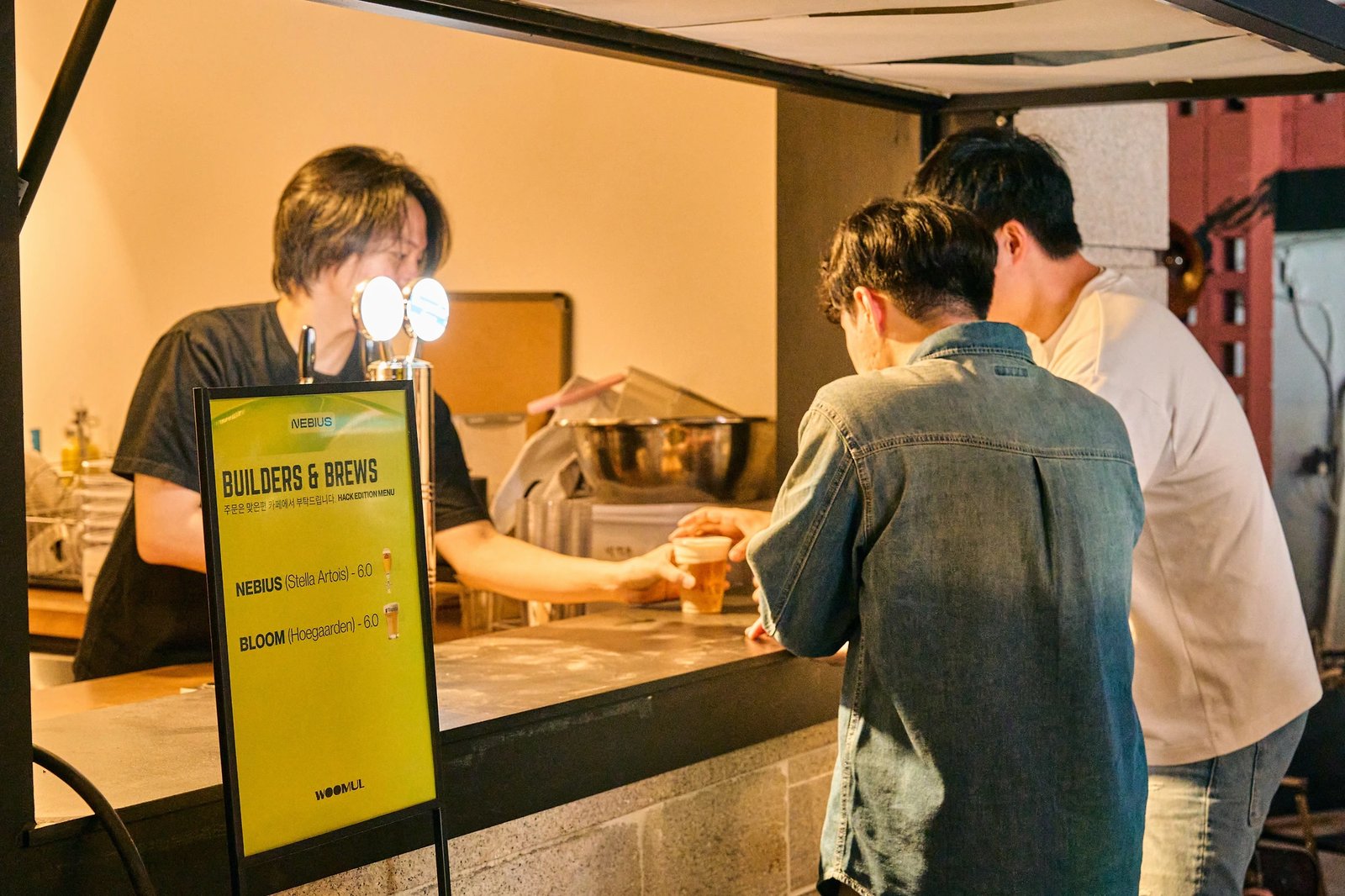
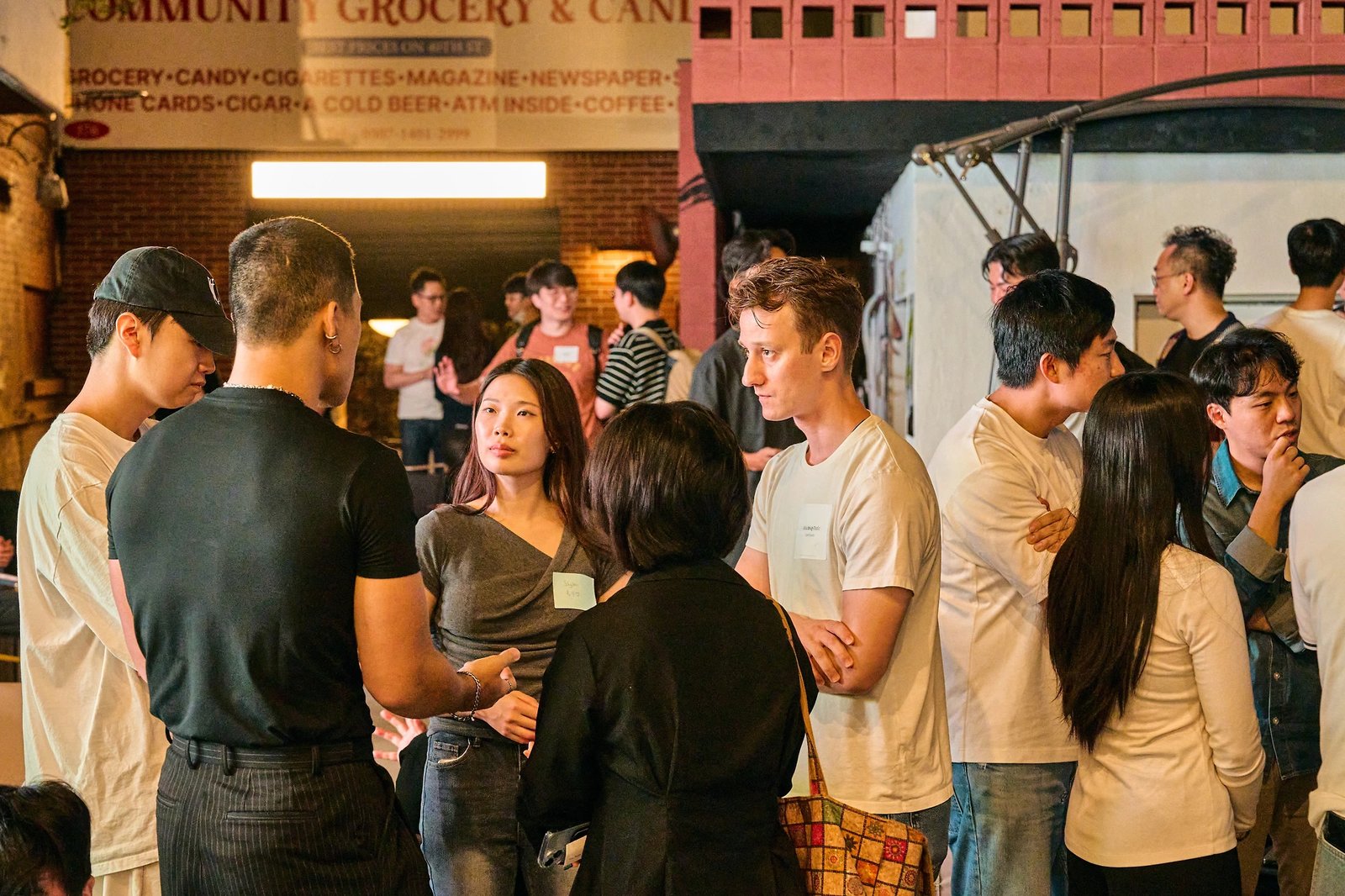
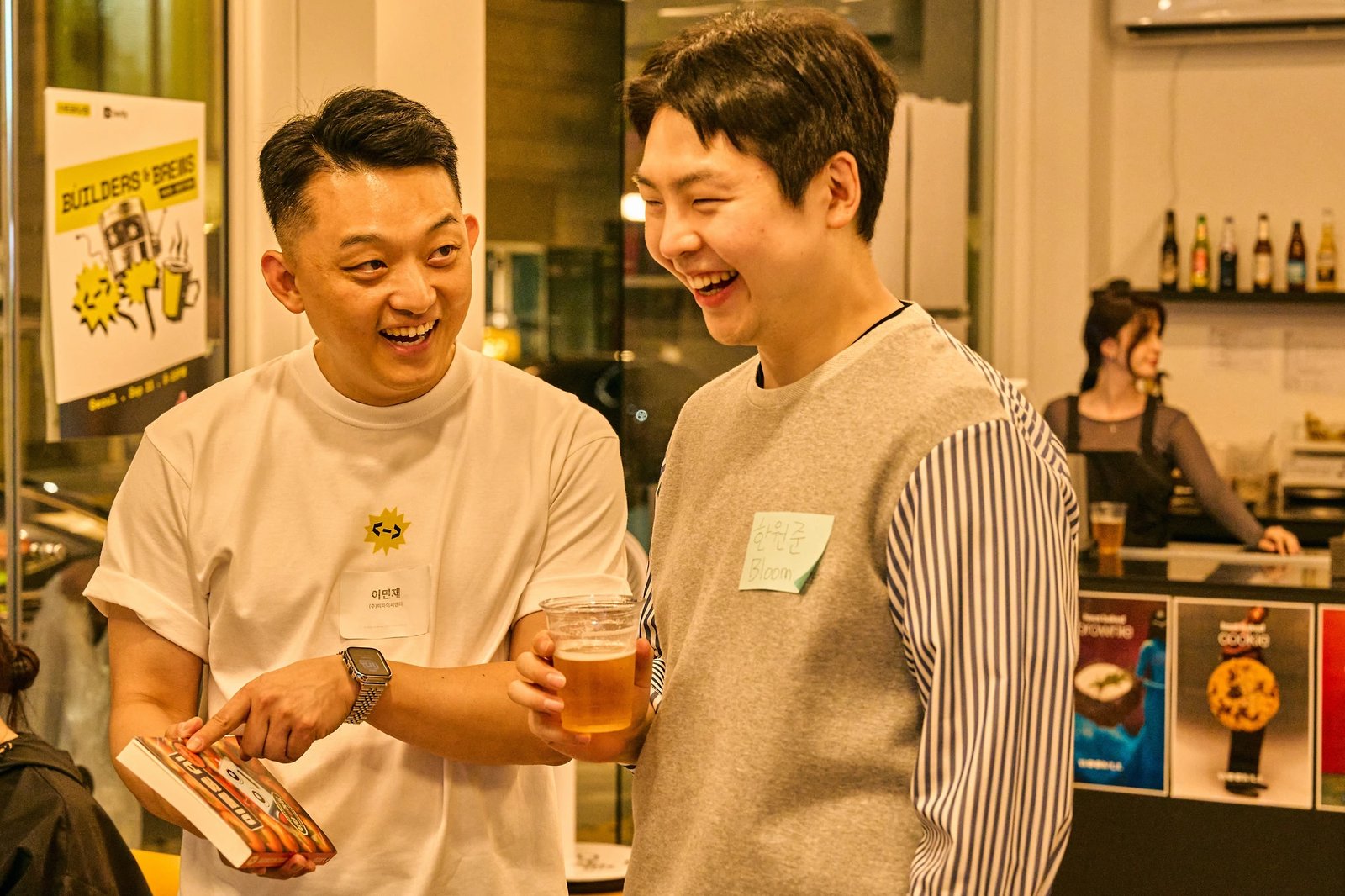
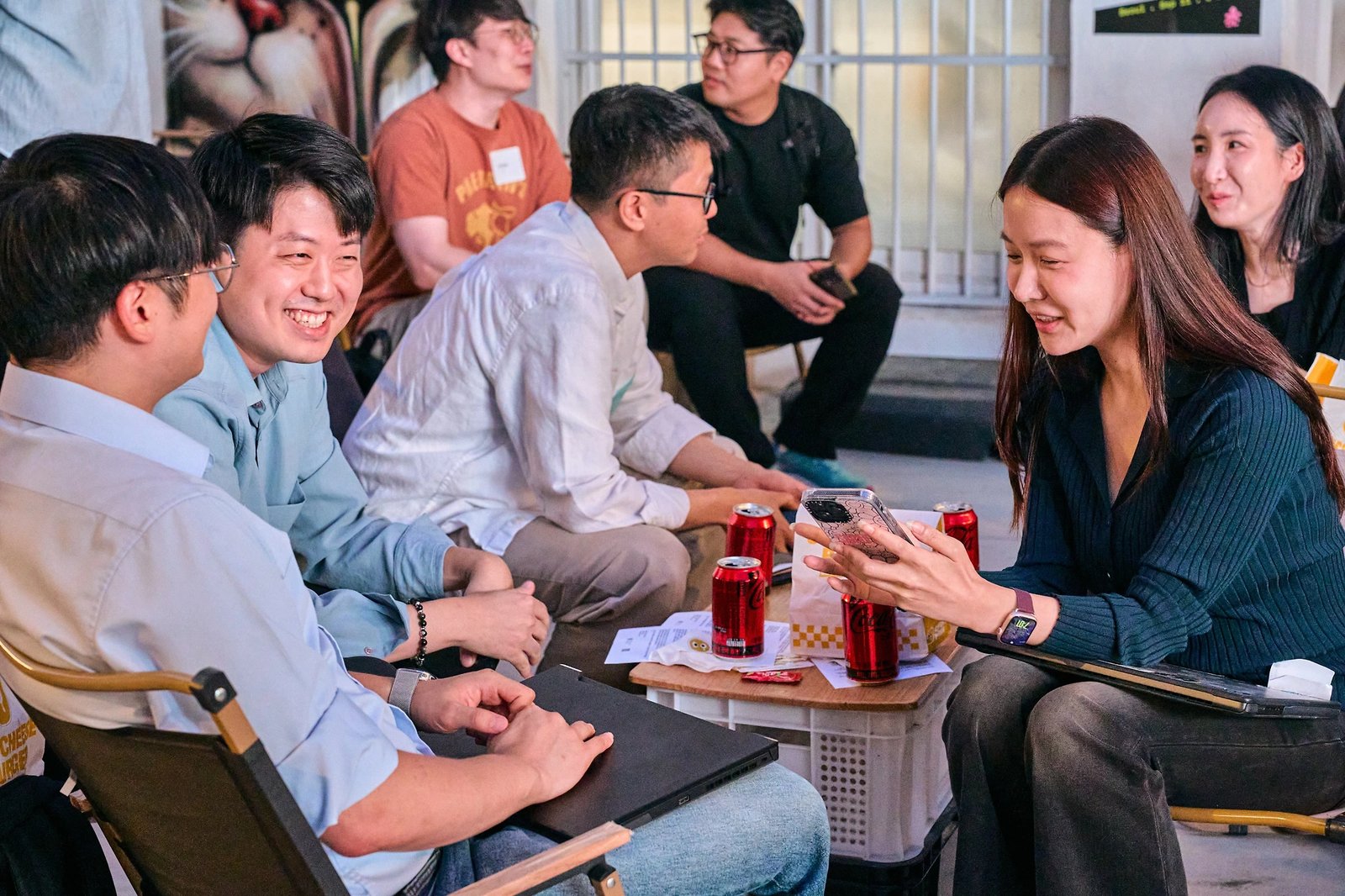
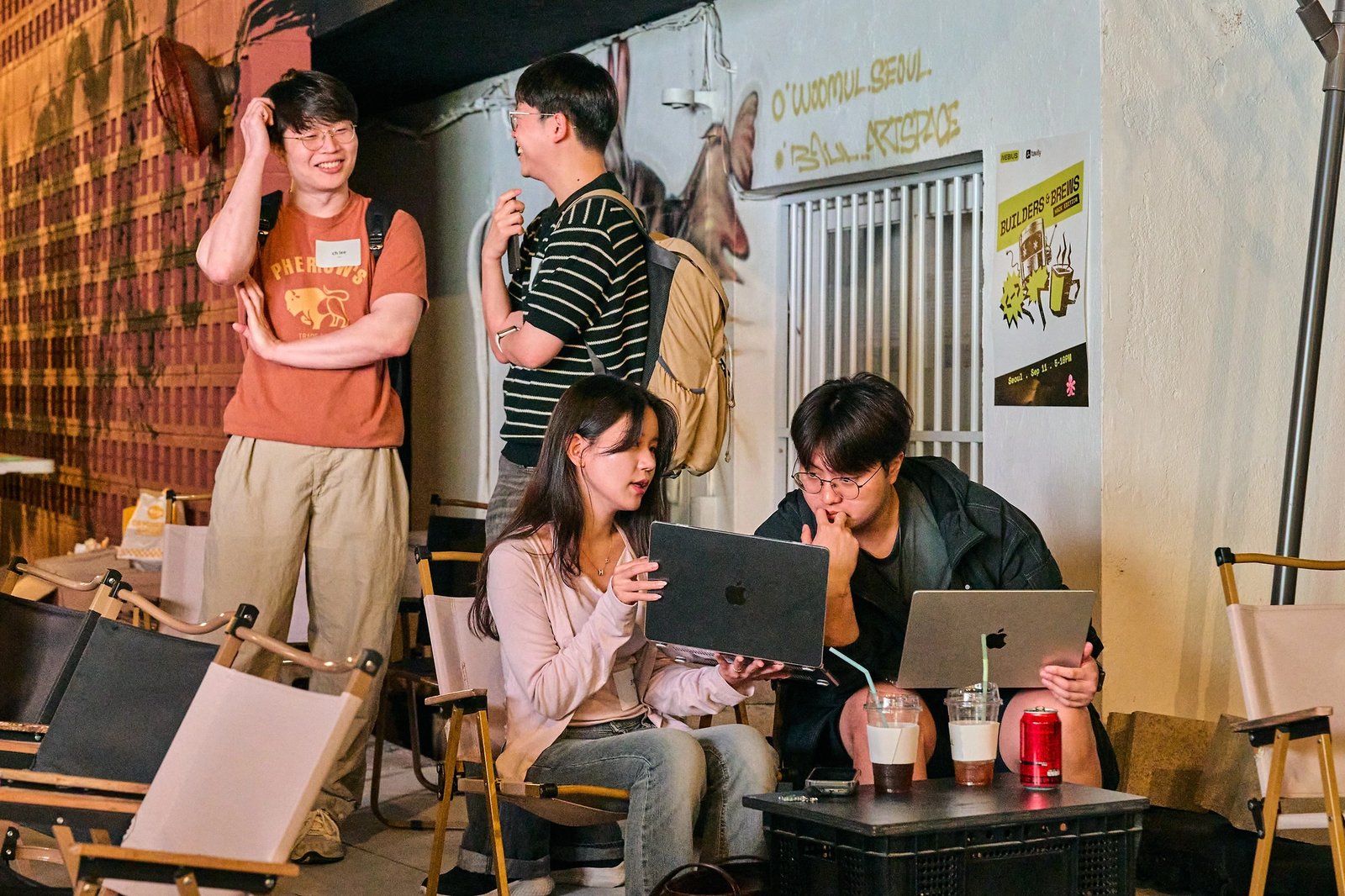
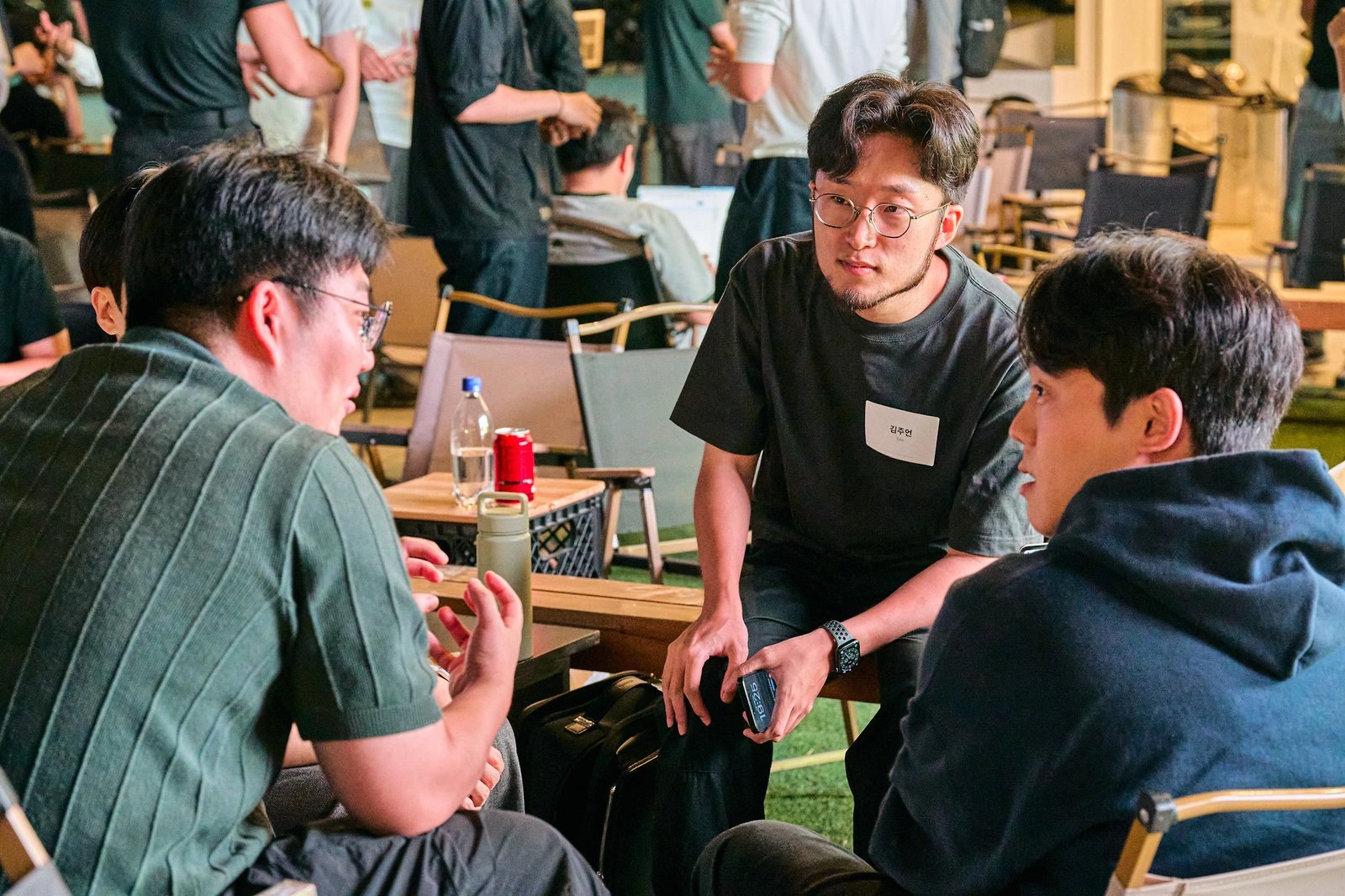
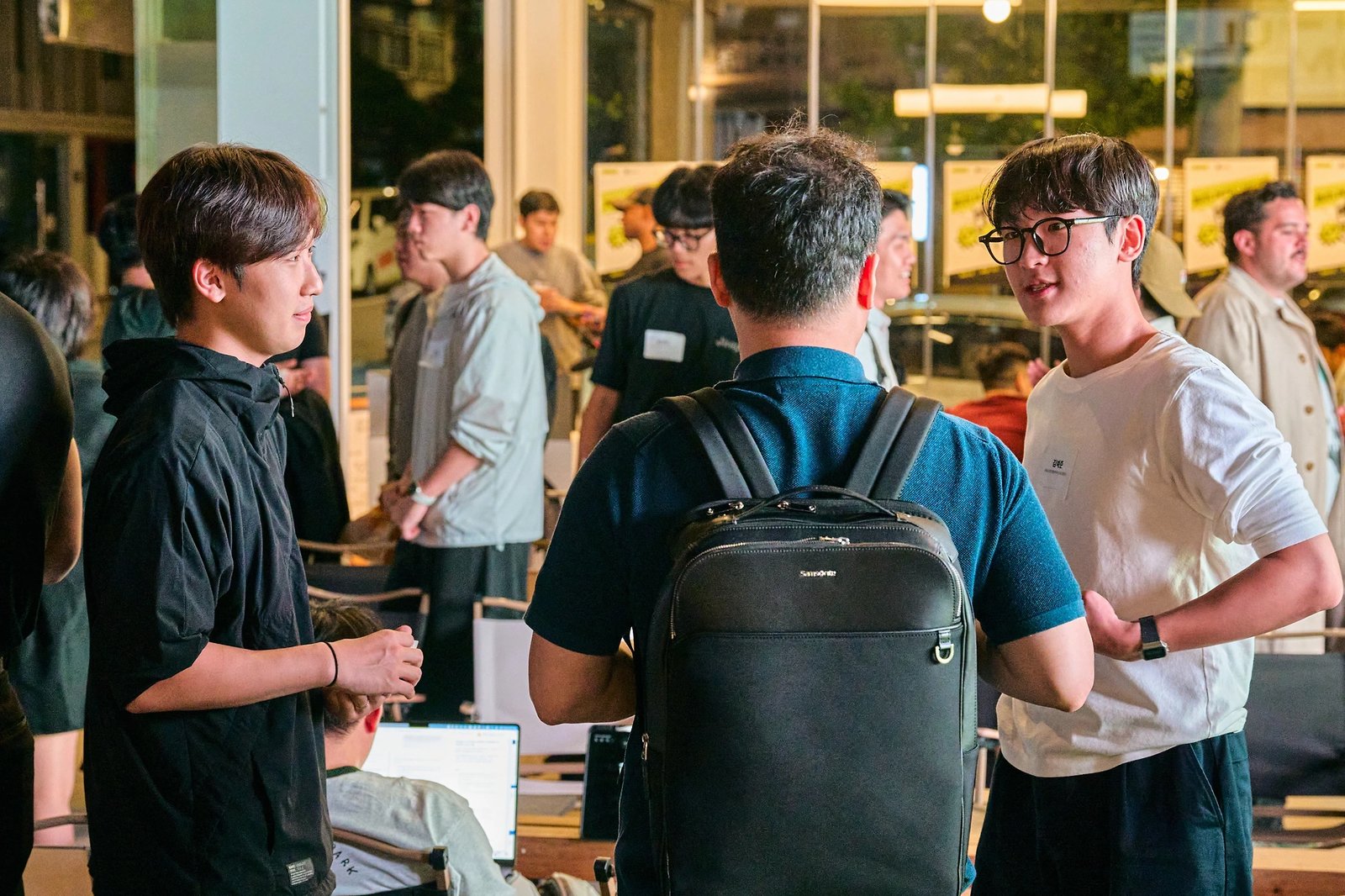
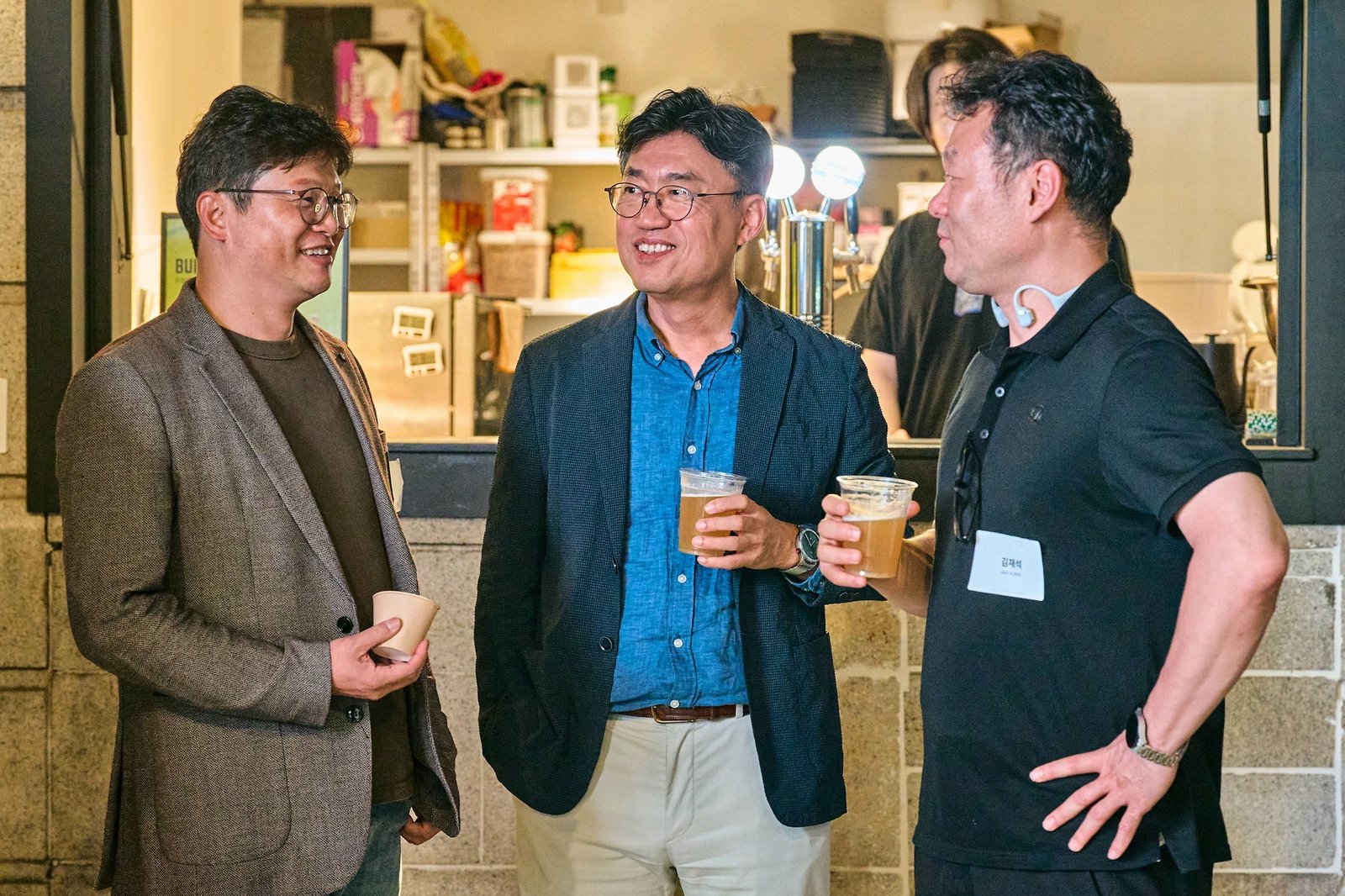
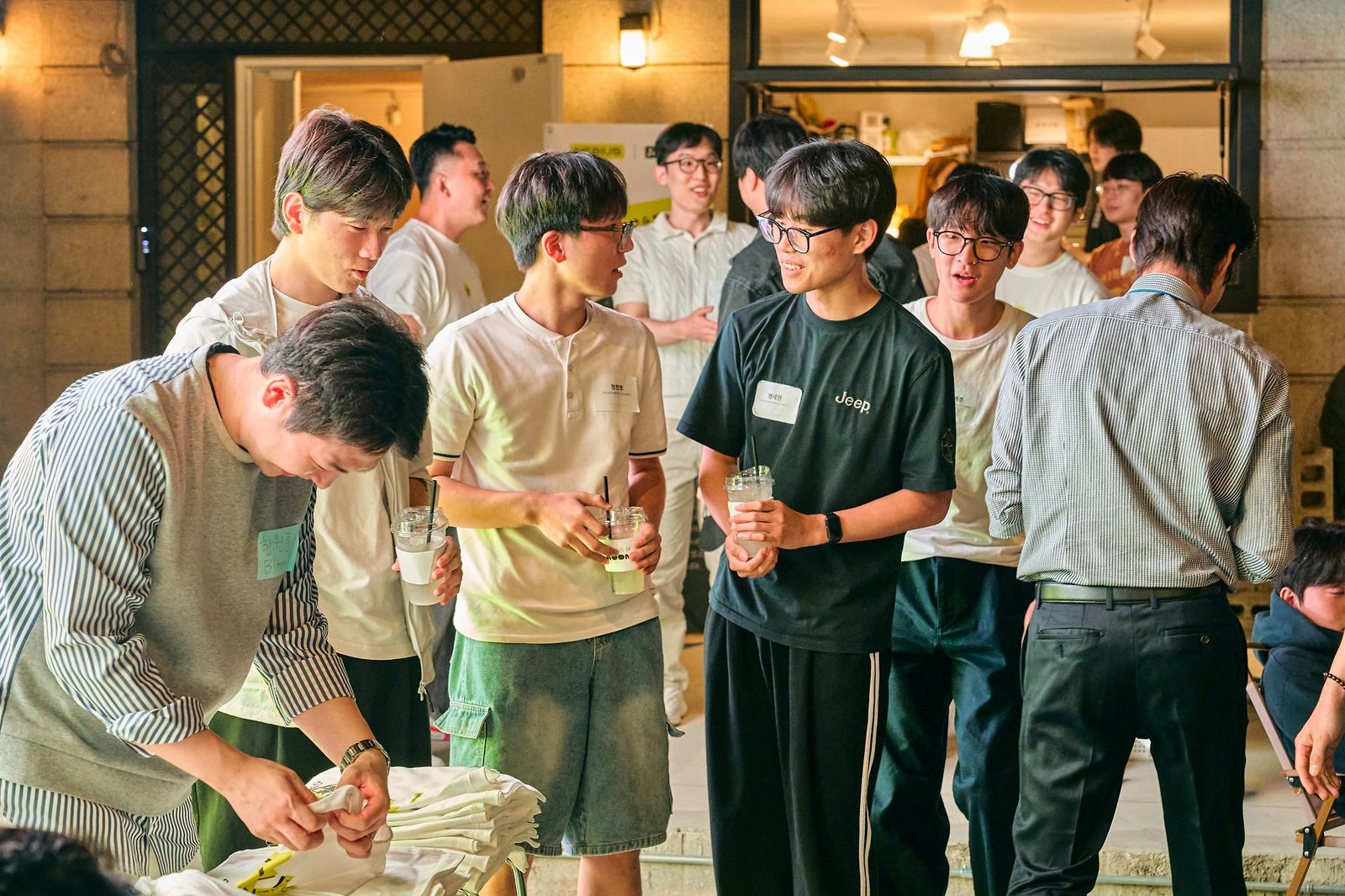
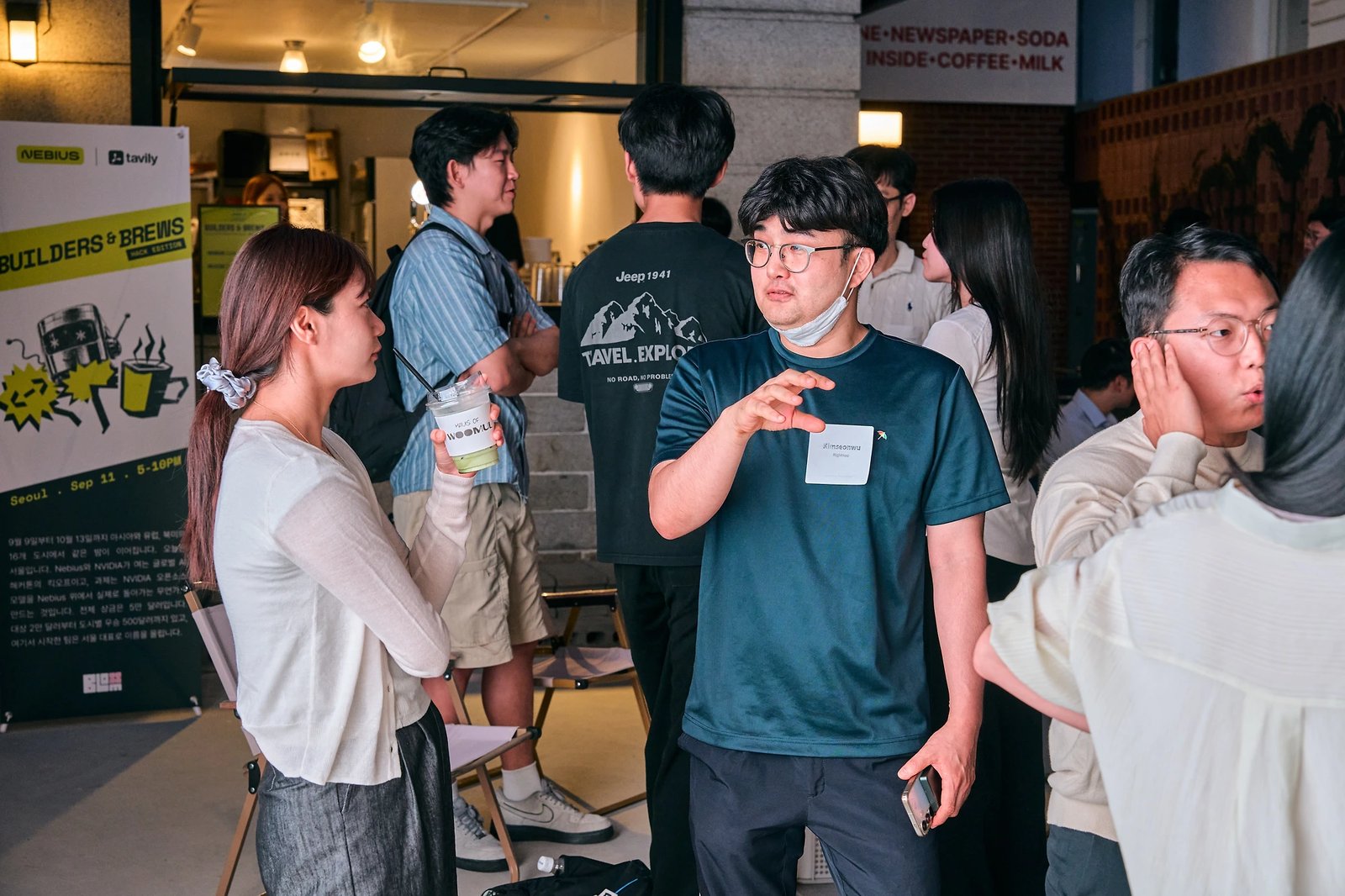
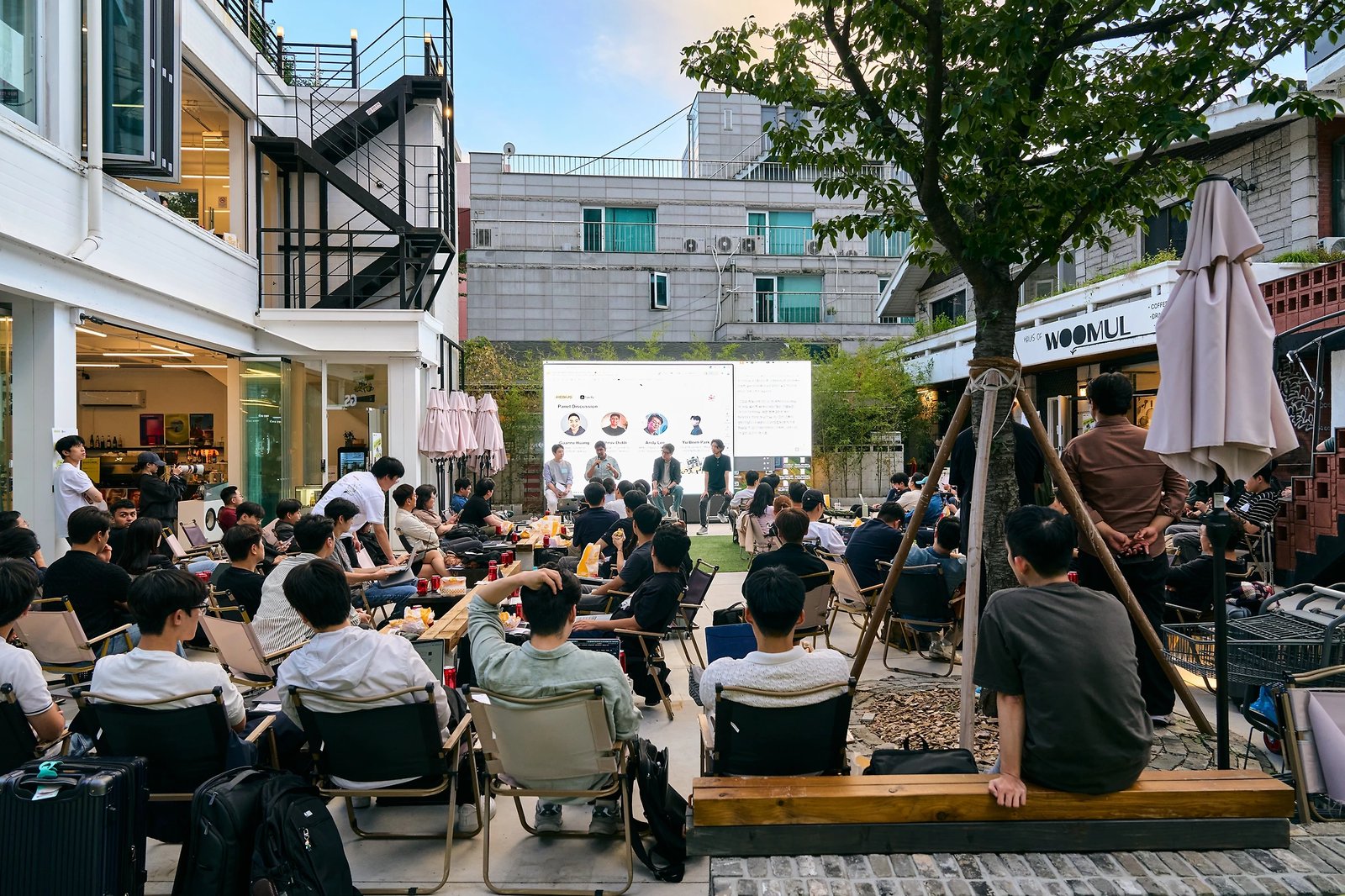
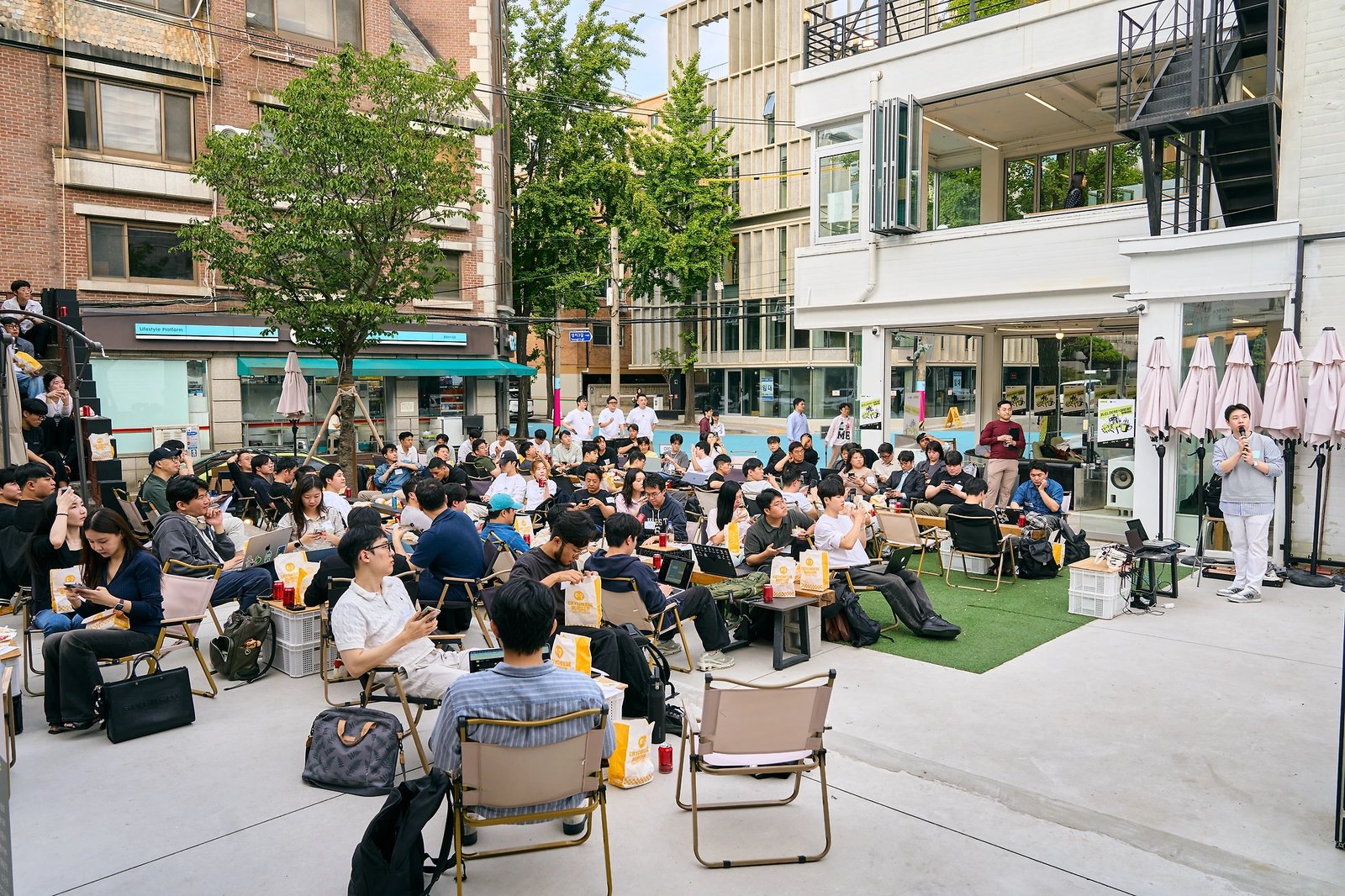
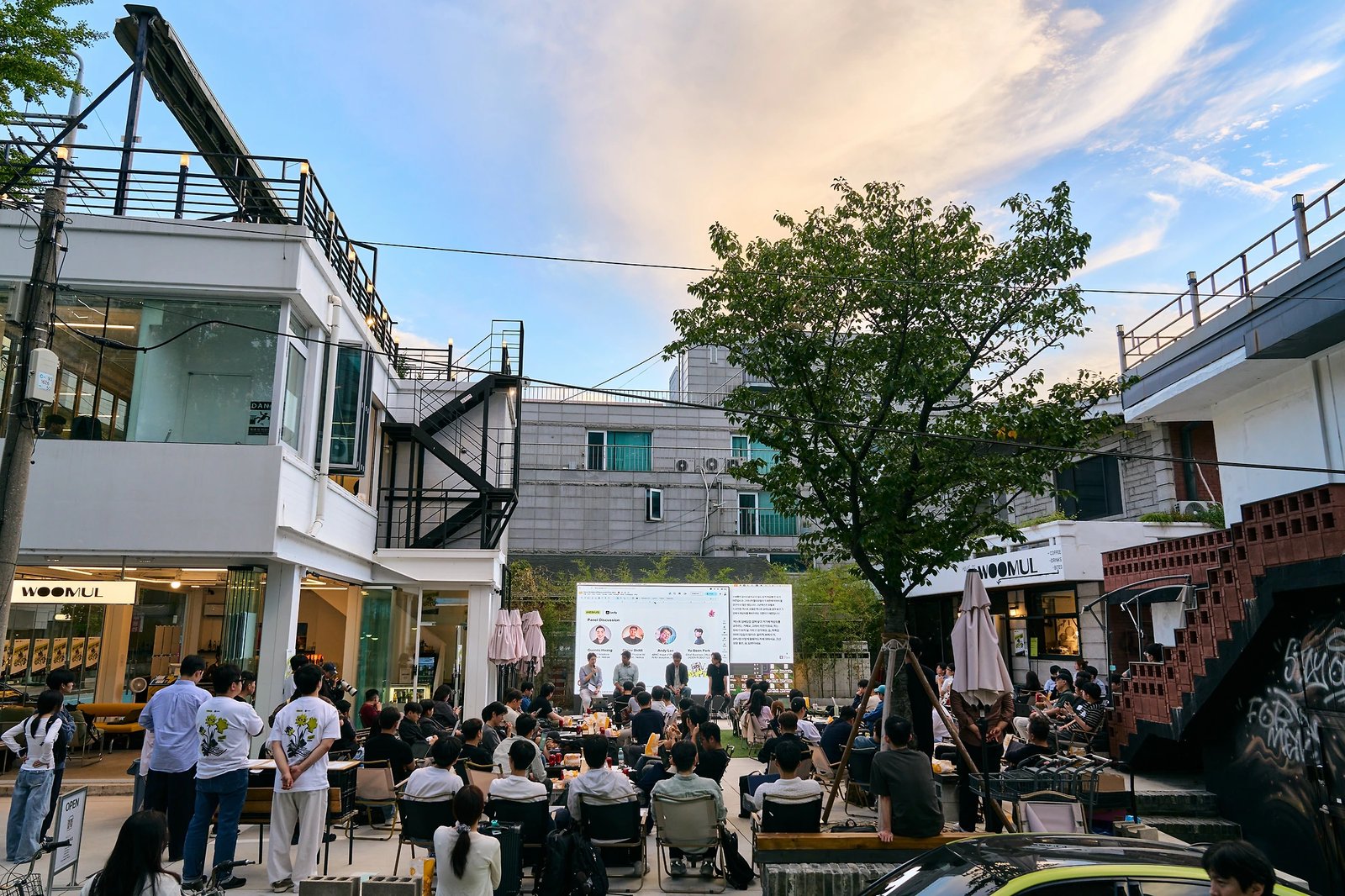
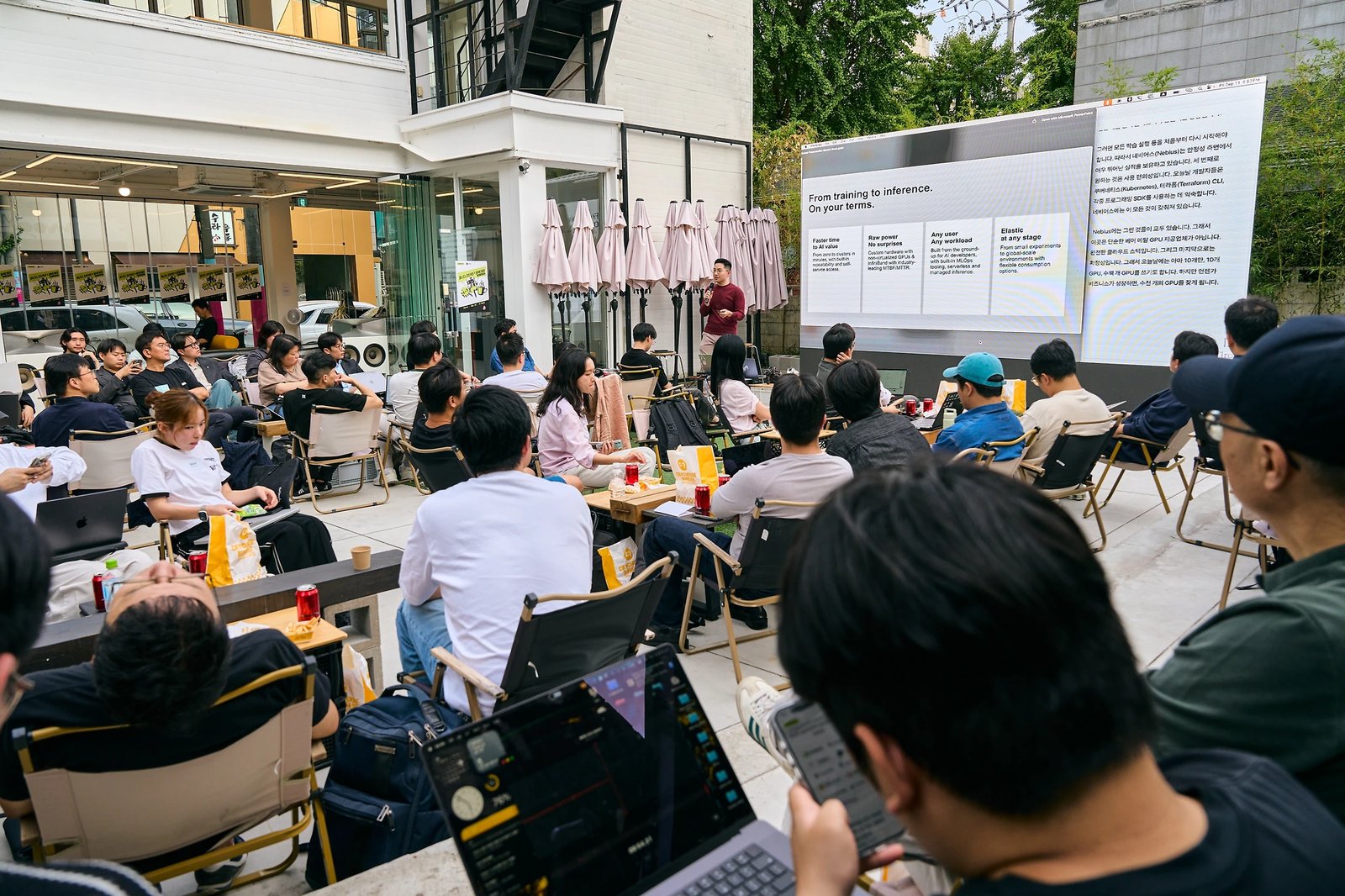
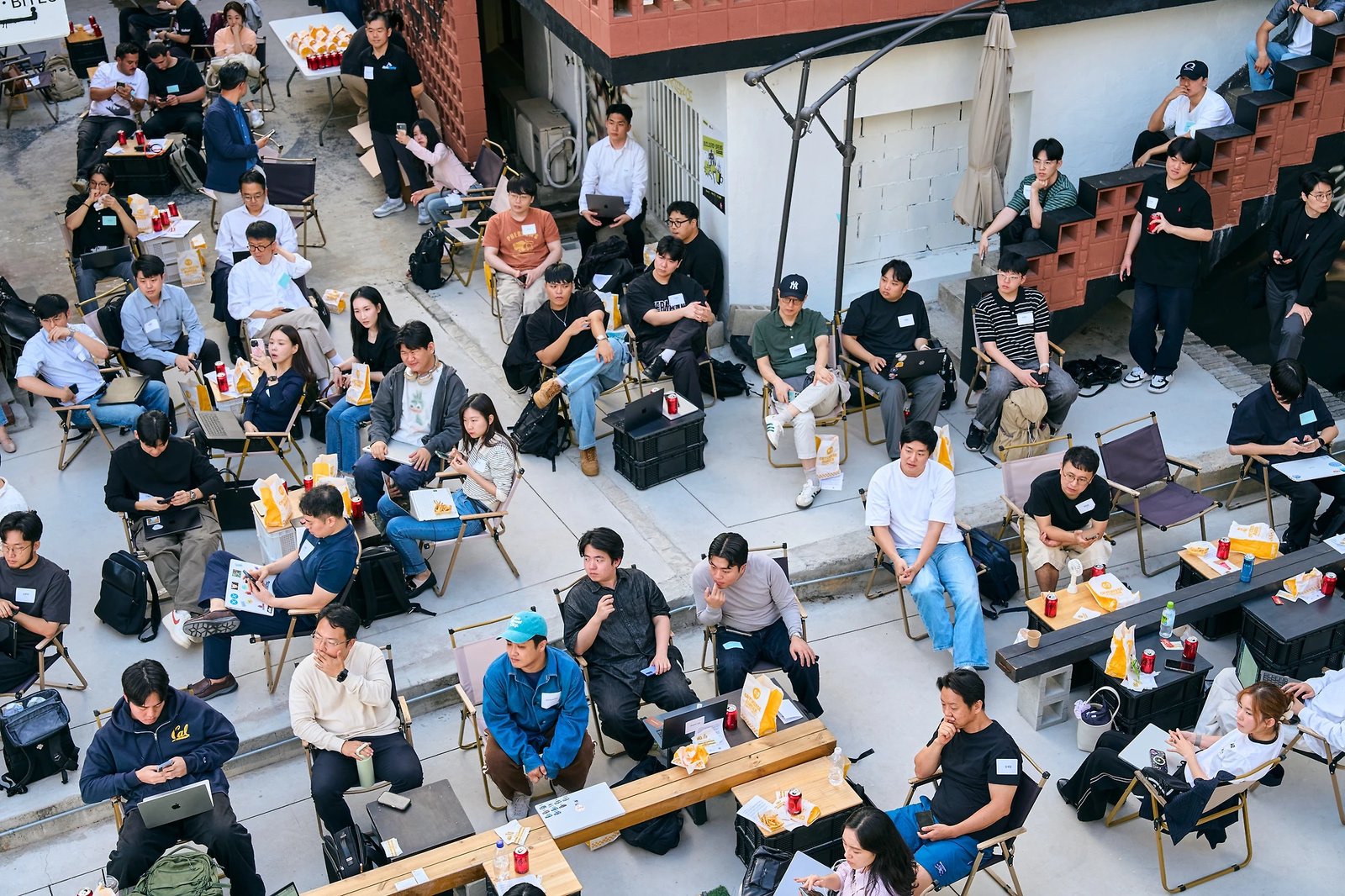
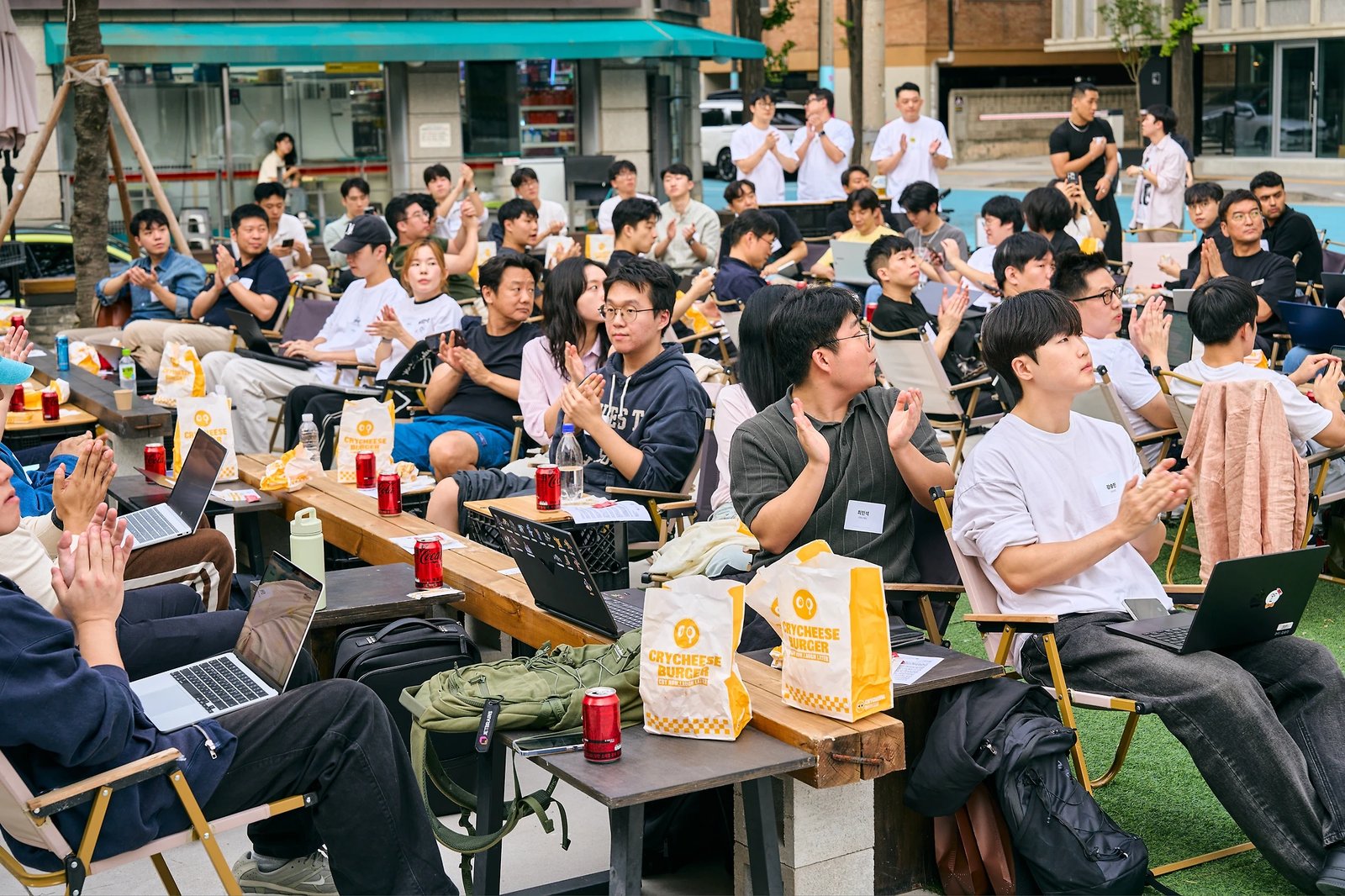
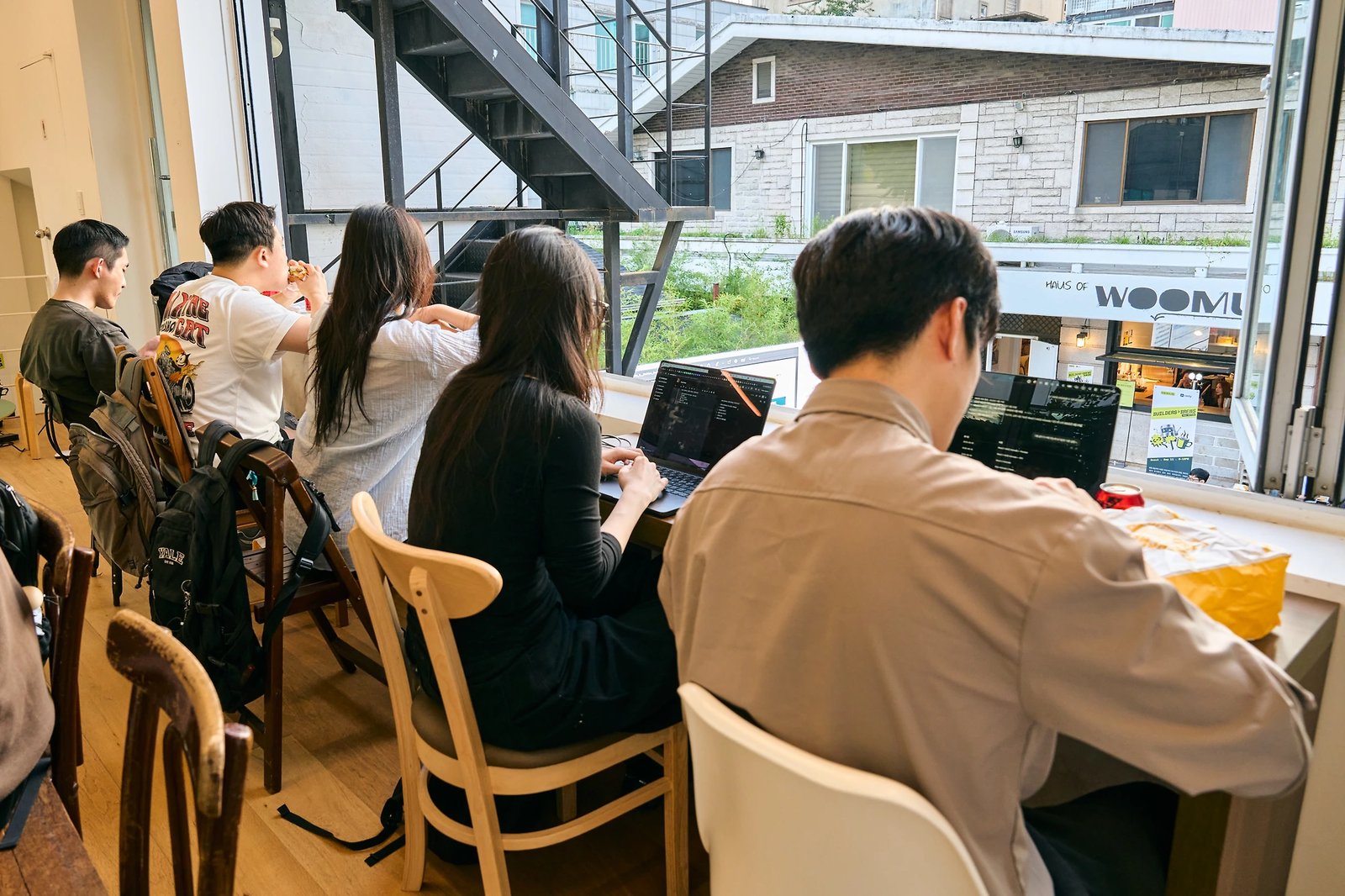
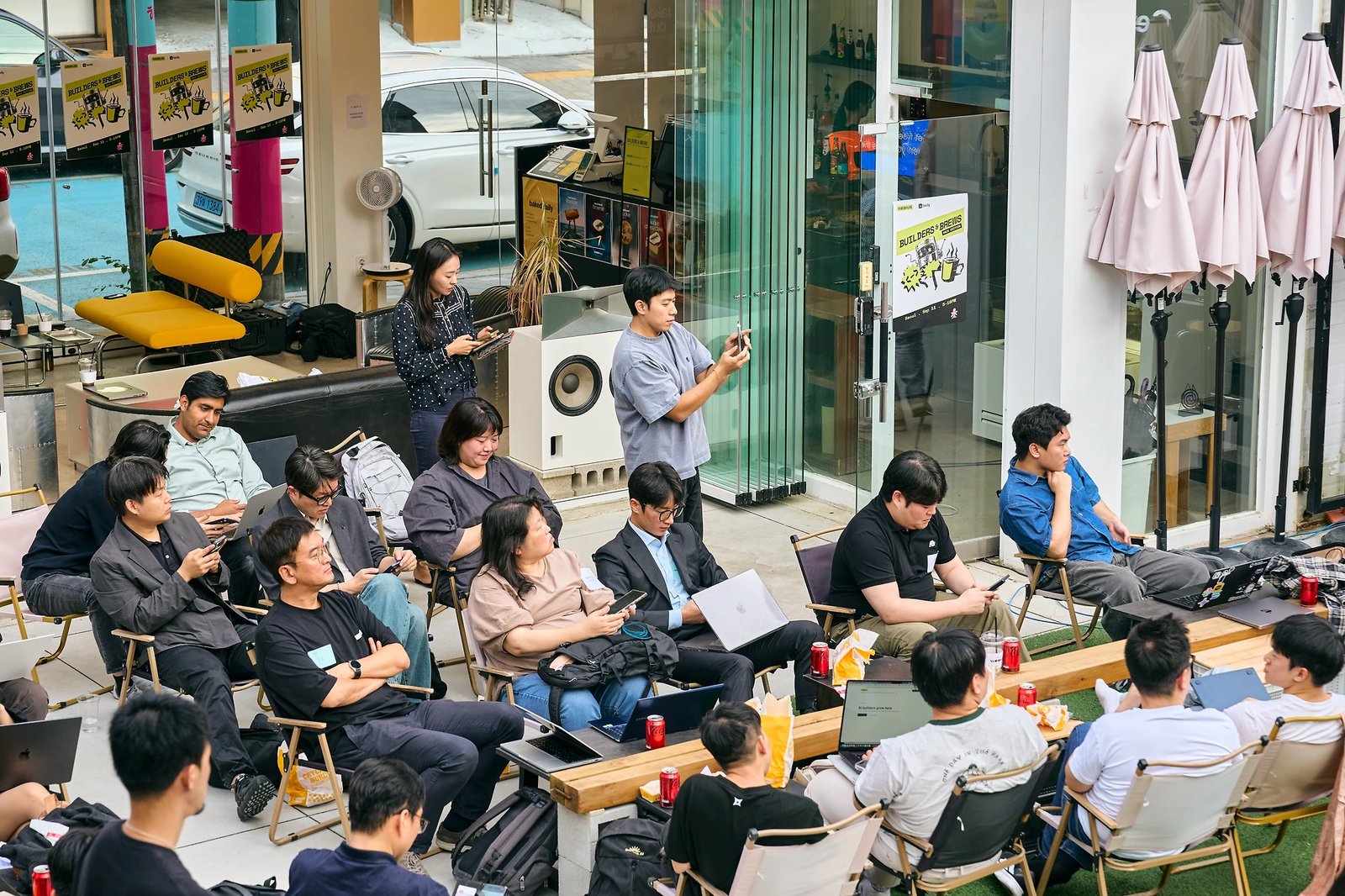
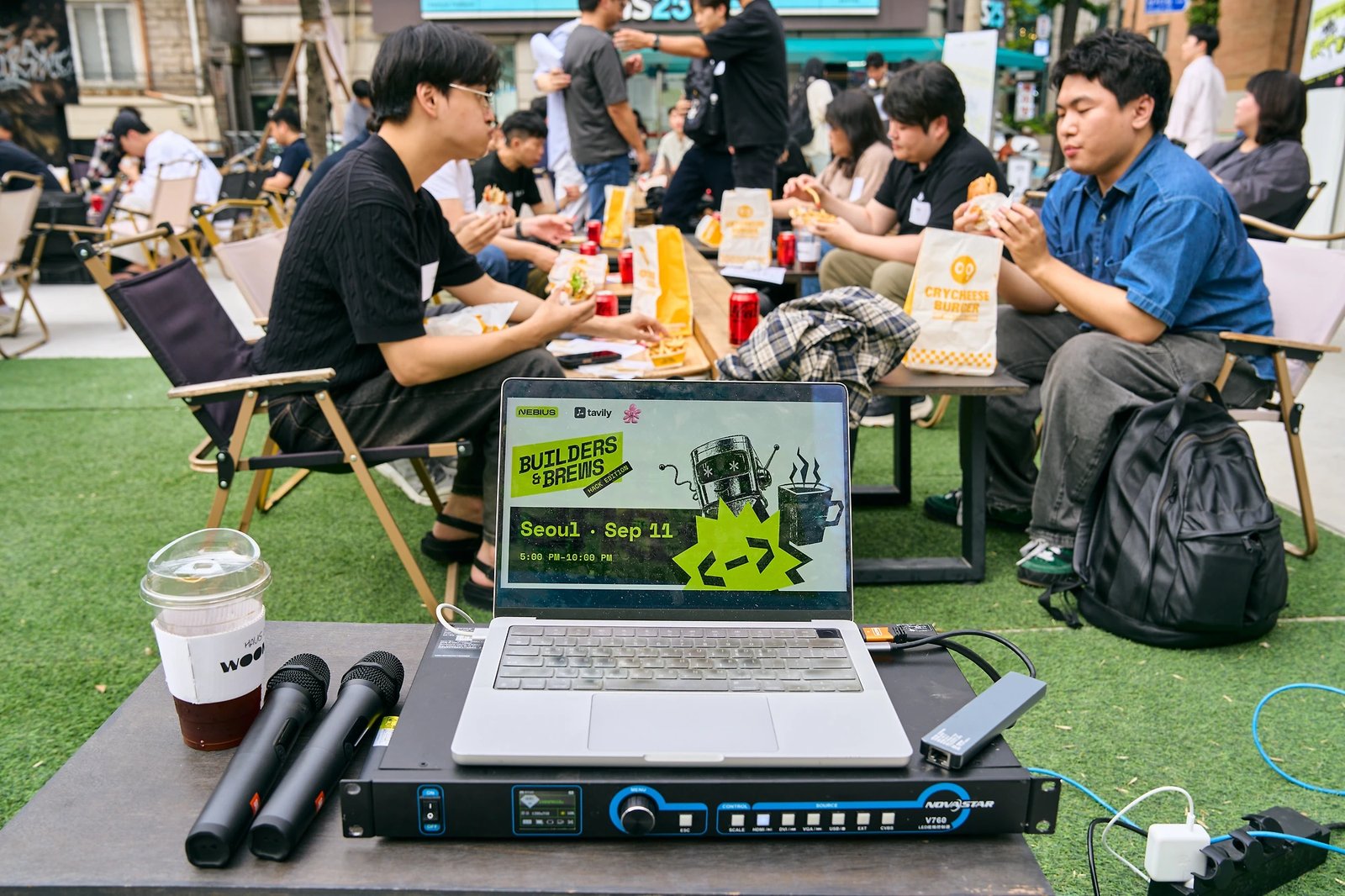
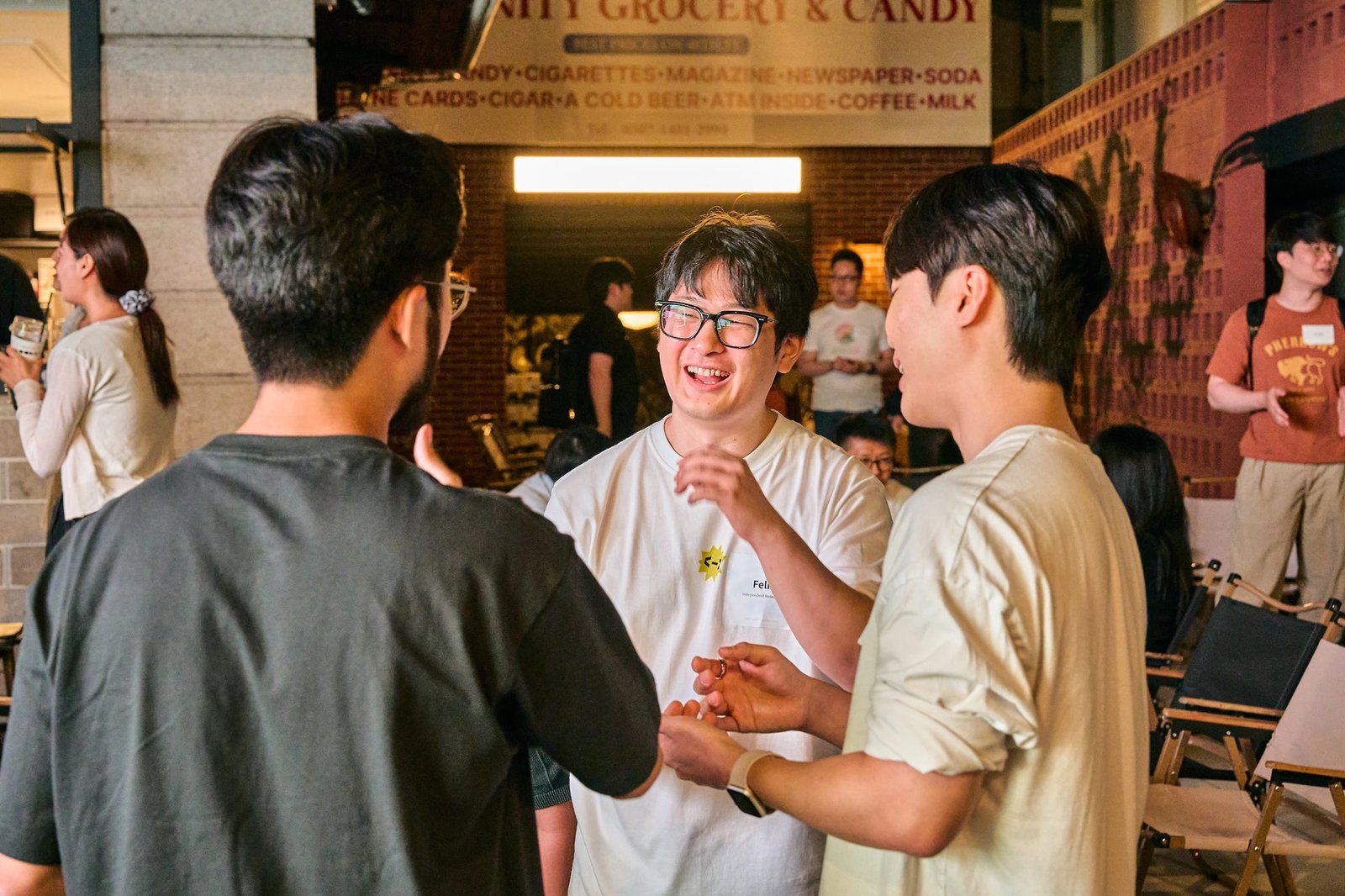
The venue was Woomul, a cultural space in Hapjeong — about 660 square metres with an outdoor yard, two indoor floors and a rooftop, and we took the whole thing for the evening. Bloom usually meets in something closer to a lecture room, and had run an indoor event with another company the day before, but this was the opening of a hackathon and called for a different kind of room. Even against a Friday evening commute, people arrived early for the 5pm check-in; we ate first and got started at 5:30. About a quarter of the room was at Bloom for the first time, and several faces had been at the previous day's event.
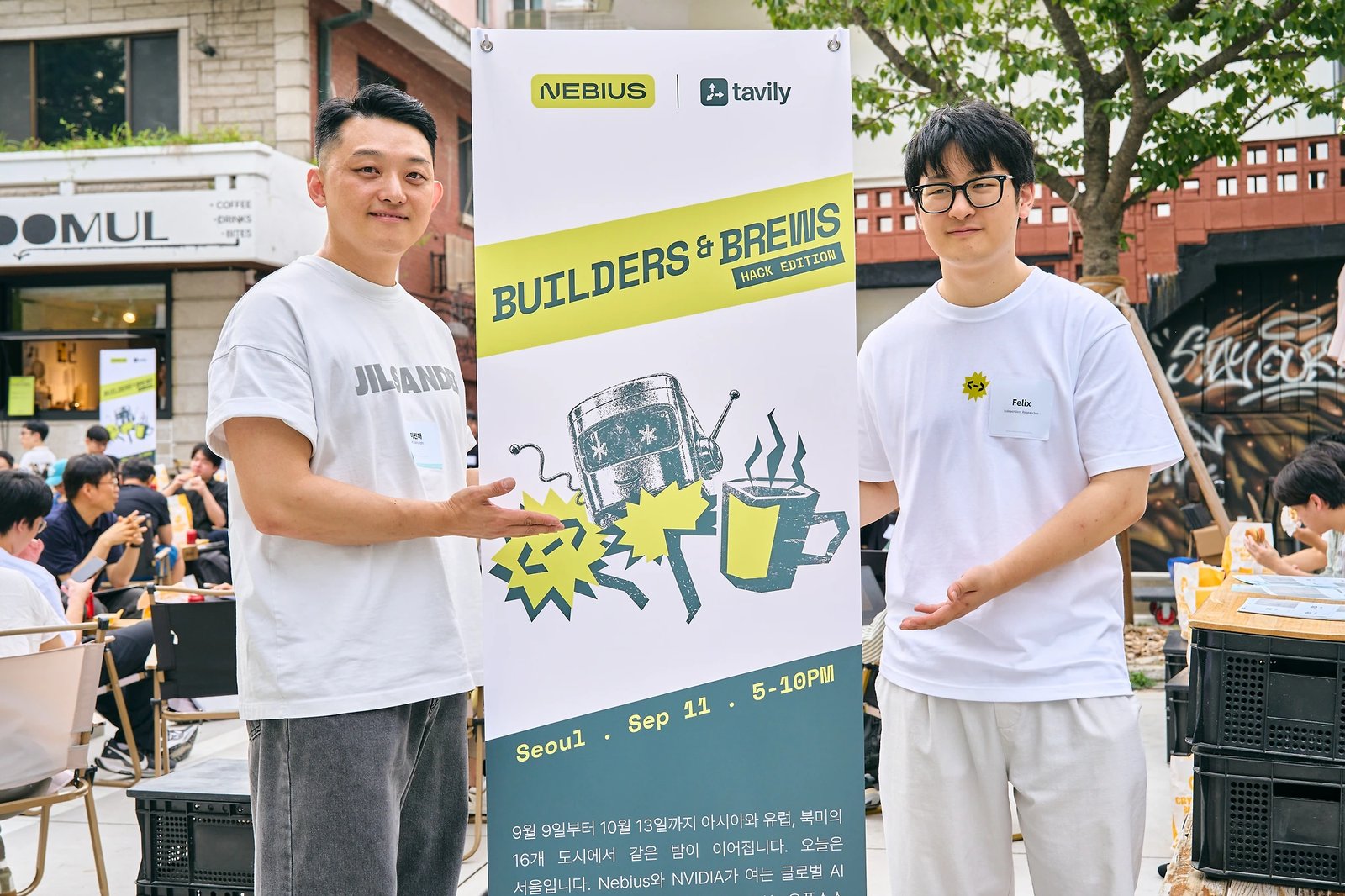
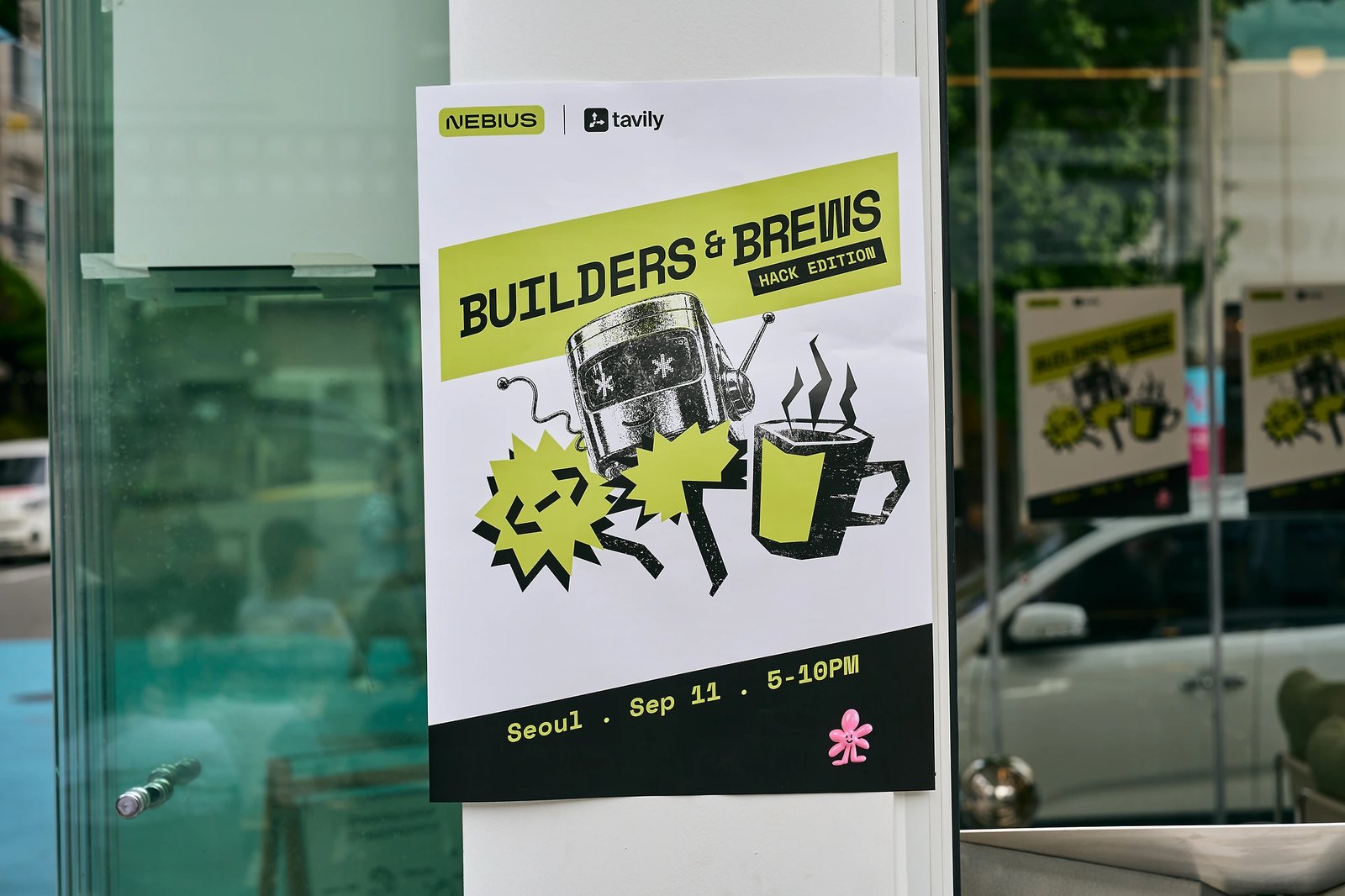
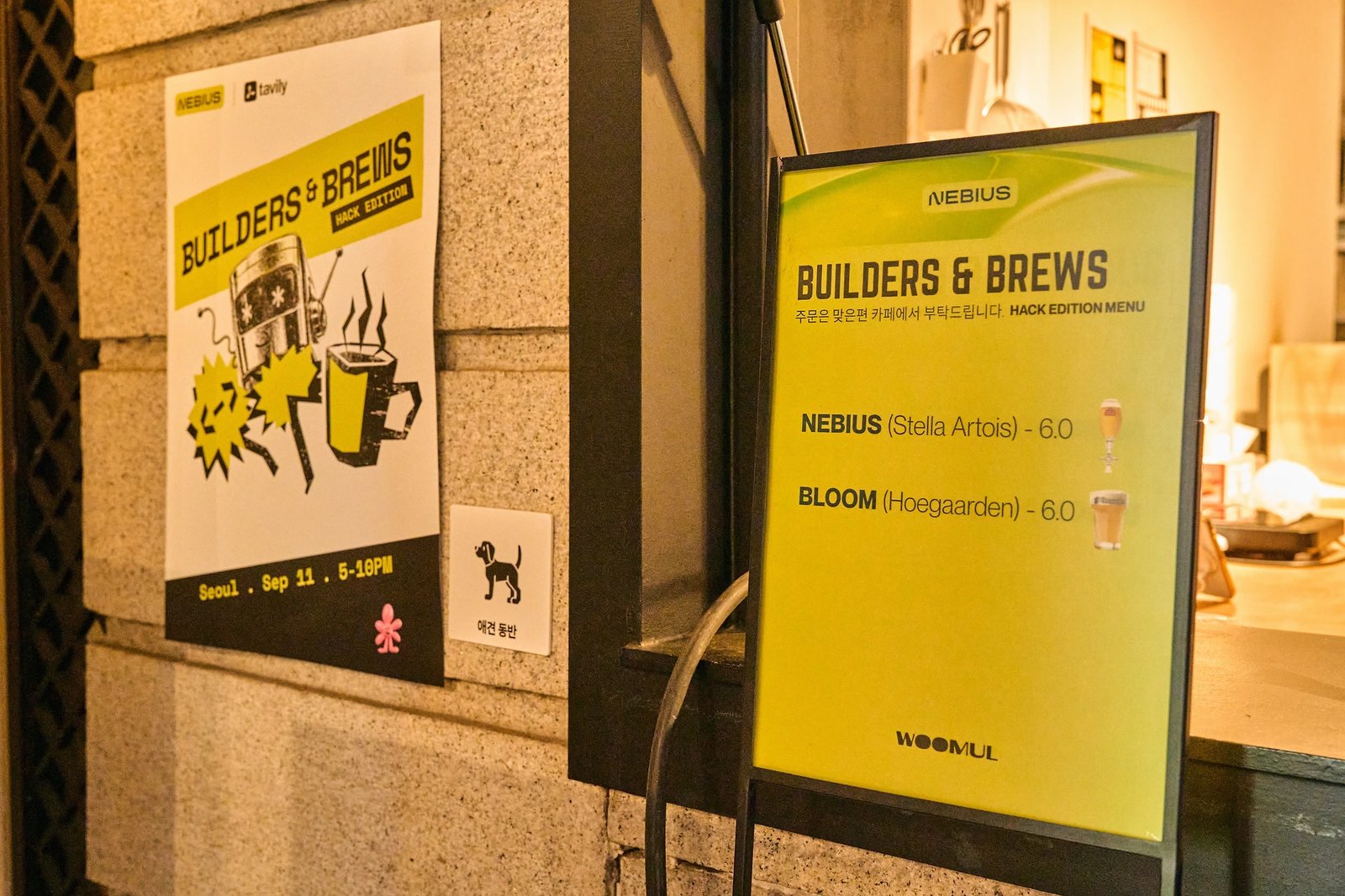
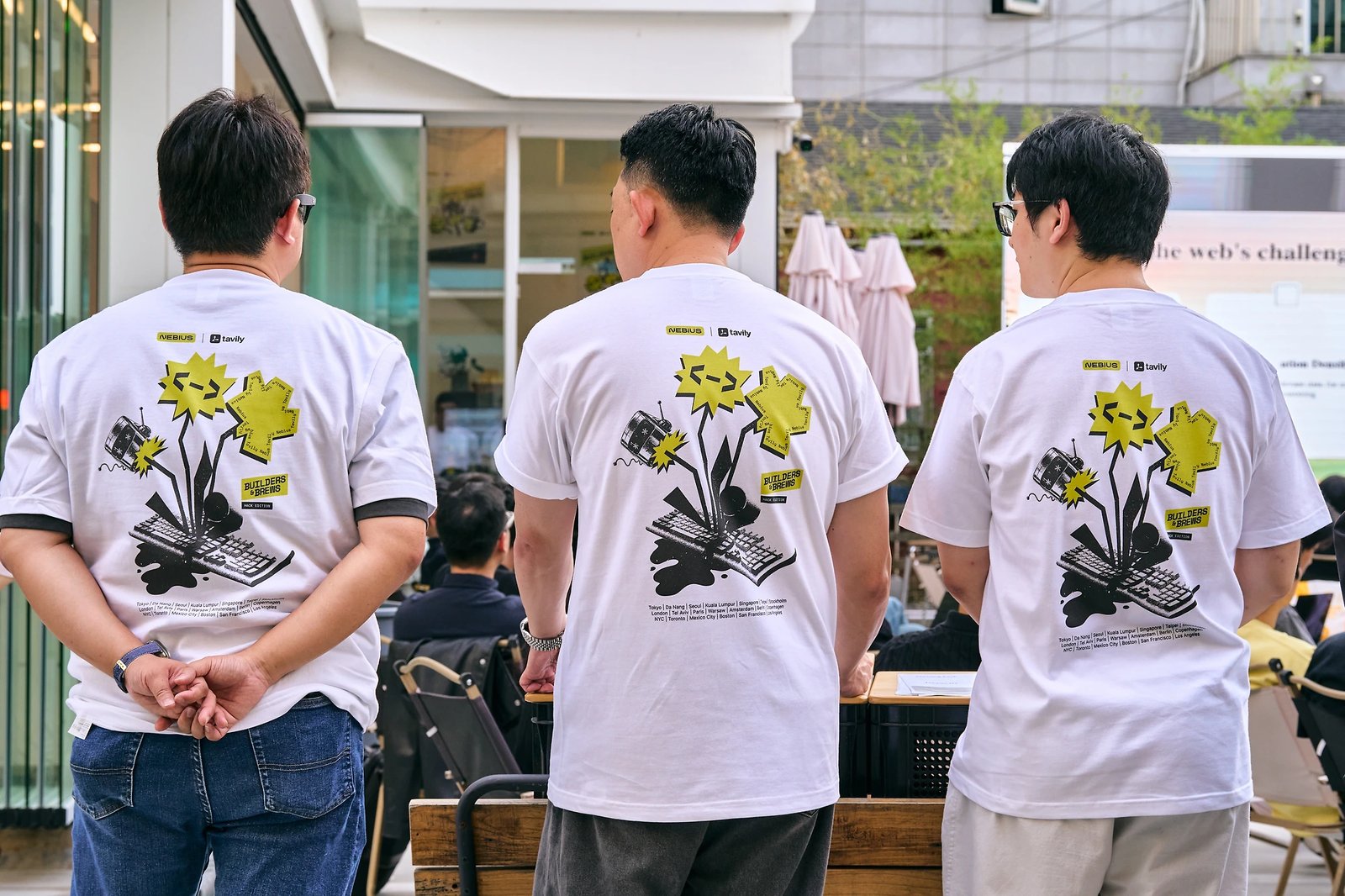
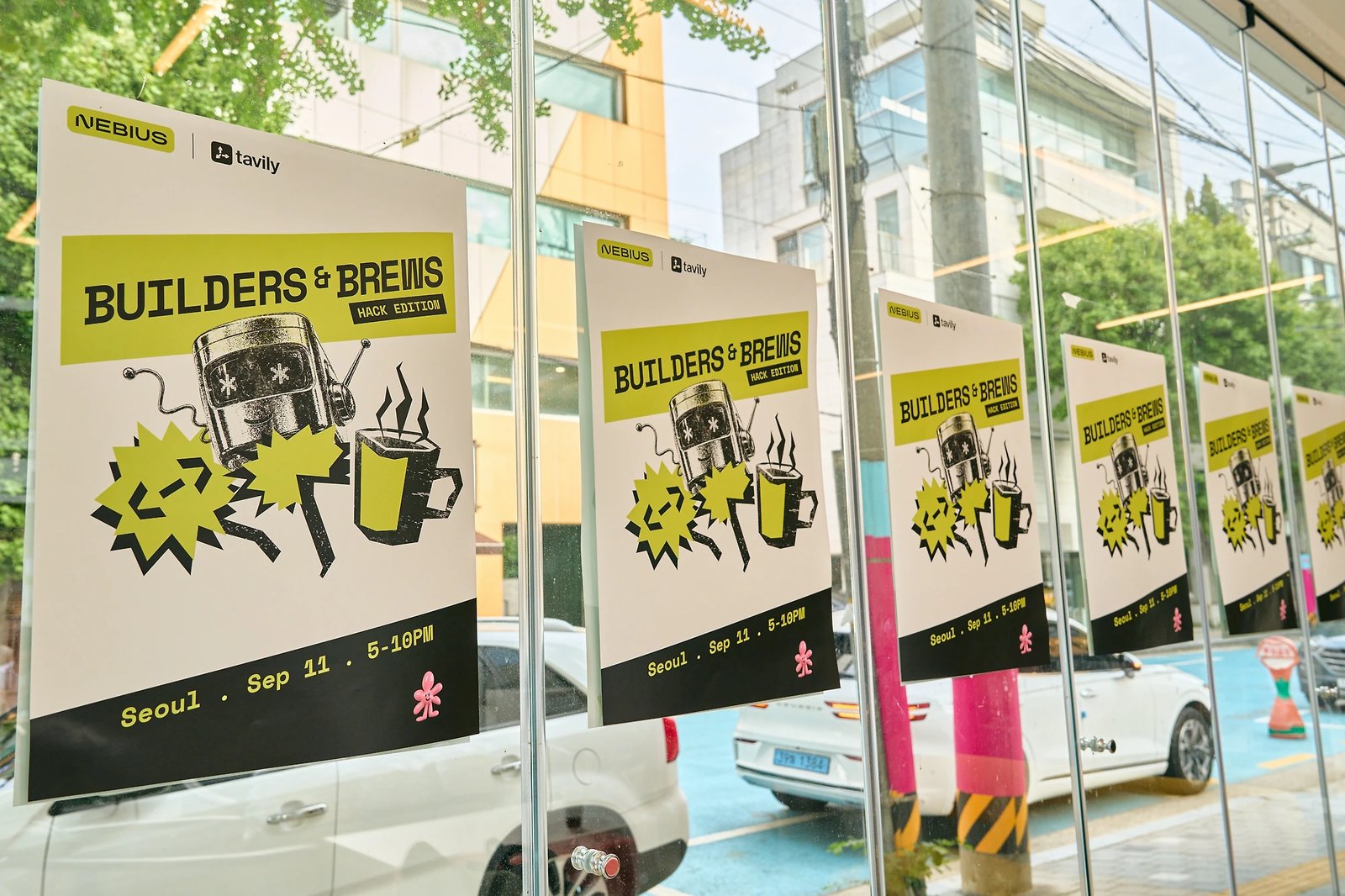
Nebius is an AI infrastructure company listed on Nasdaq, and this hackathon is a global one it runs with NVIDIA. It opened in Tokyo two days earlier and runs through Da Nang, Seoul, Kuala Lumpur, Singapore and Taipei, then London, Paris, Berlin, New York, Toronto and San Francisco — 20 cities in all. In the opening I admitted what had been on my mind while preparing: I wanted Seoul to end up the stop with the most people and the widest reach of the twenty.
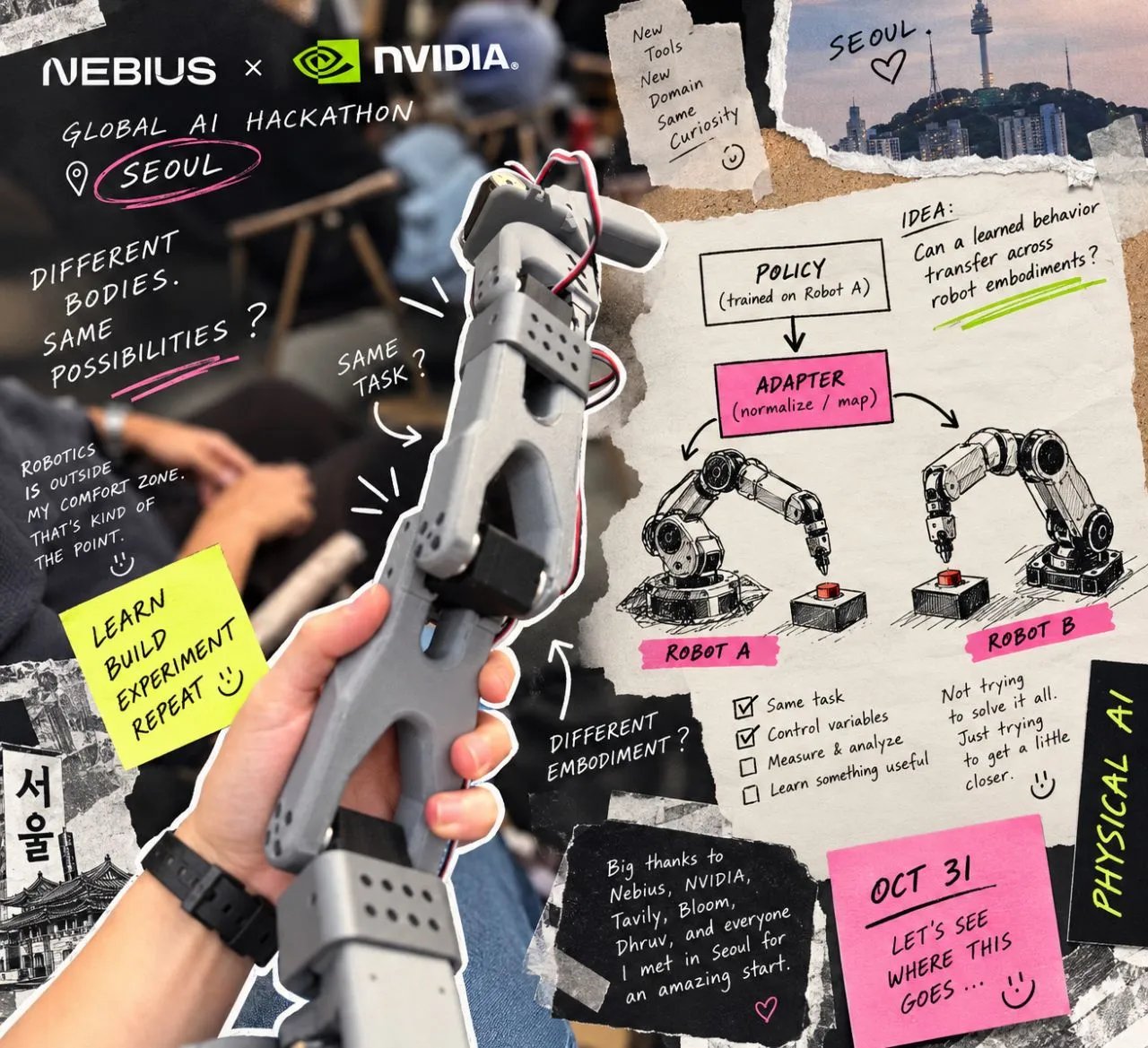
This was not a day for producing anything. The hackathon runs online, with submissions closing at 2am Korean time on 31 October. Anyone can enter without having come to Seoul, so we treated the evening as a starting point for forming teams and getting hands on the tools — the invitation said outright that there would be no demos and no pitching. To enter, what you build has to run on Nebius Token Factory or Nebius AI Cloud and use at least one NVIDIA open-source model. There are four tracks: coding and agentic engineering, apps and agents, personal AI, and physical AI. Prizes total more than $50,000, and the four track winners receive an NVIDIA Jetson Orin Nano. The physical AI track requires at least a minute of real hardware or a real robot moving in the submission video — simulation footage alone will not do, a condition that ran straight into what was said on stage.
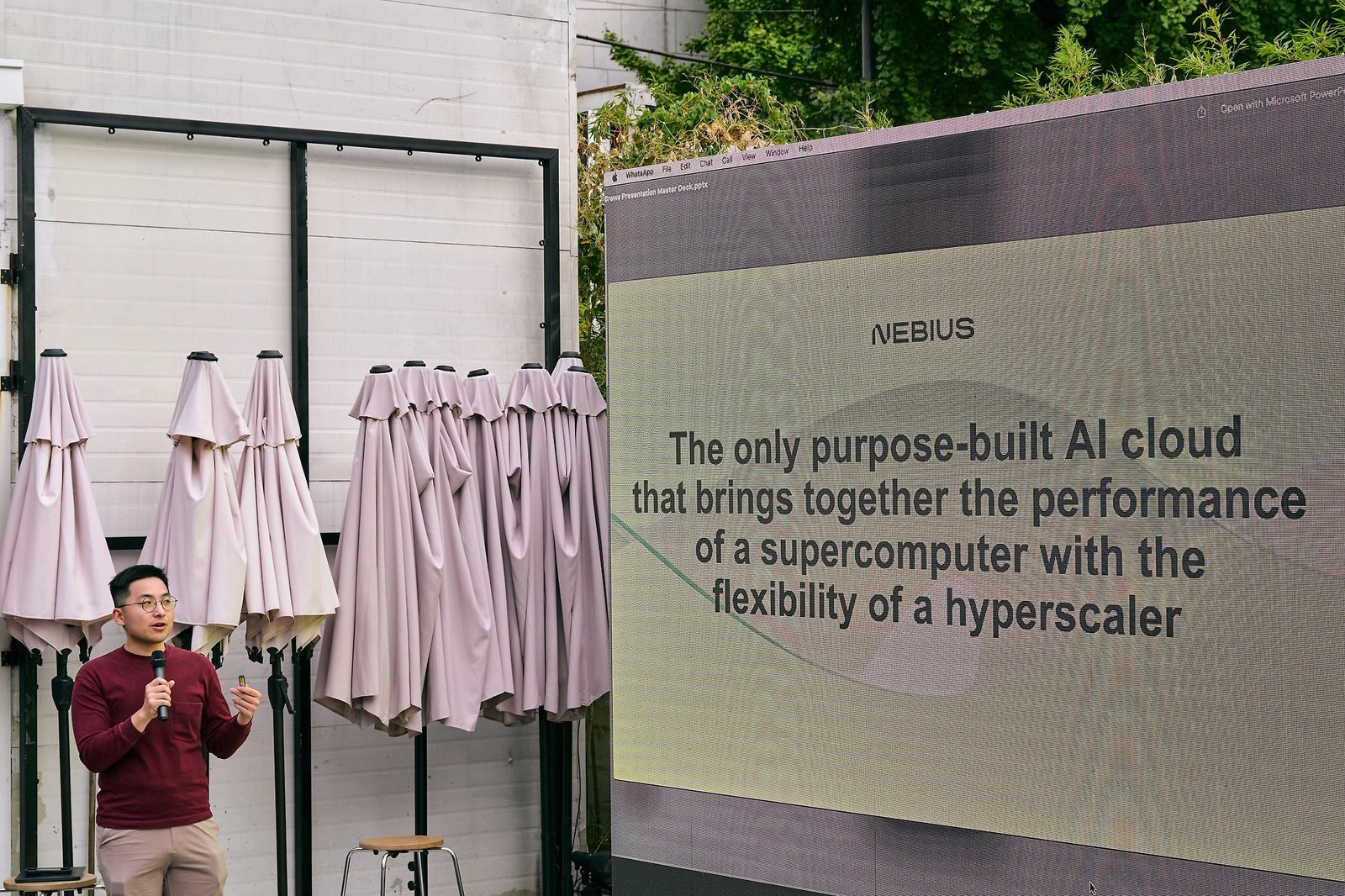
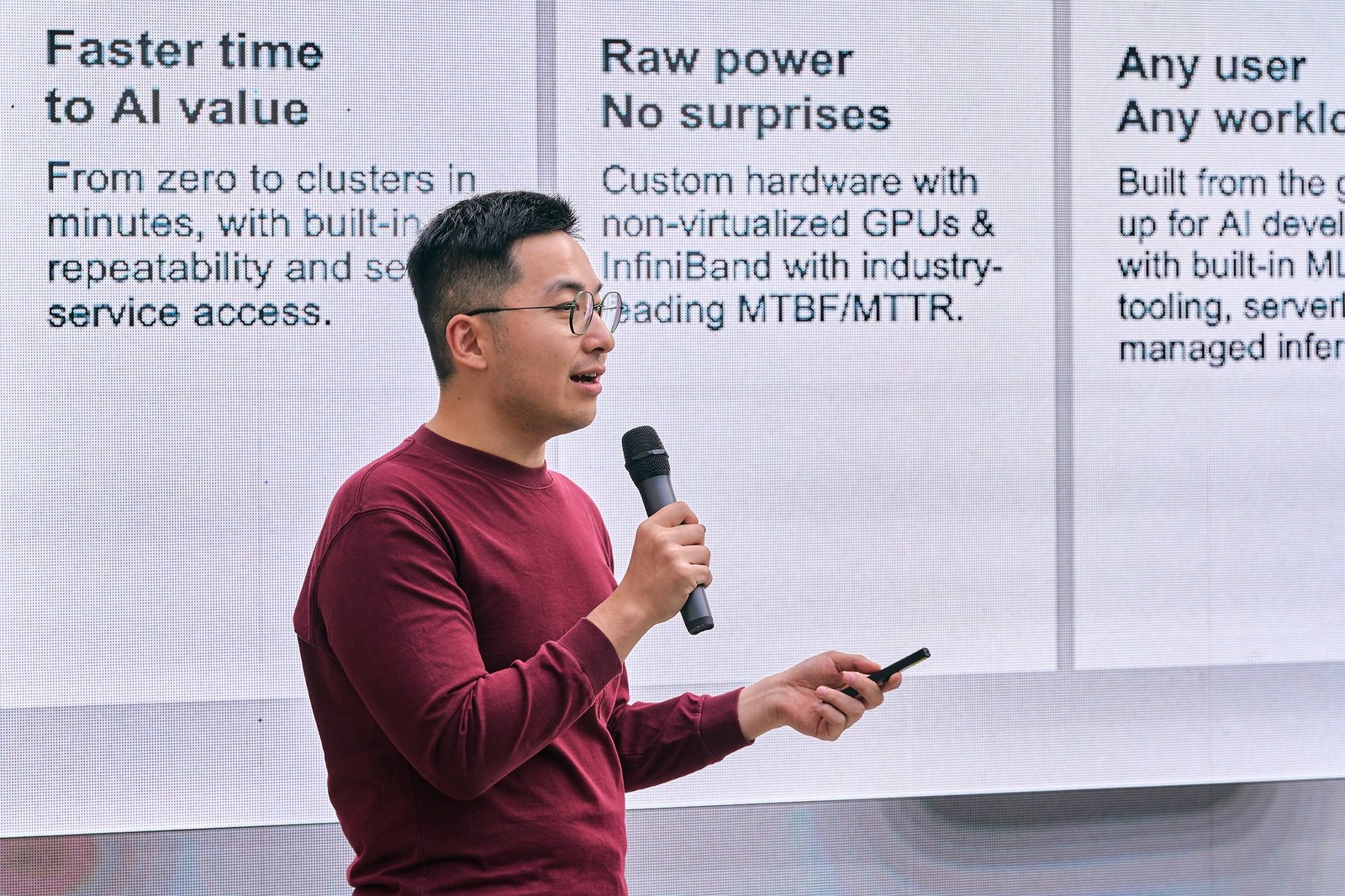
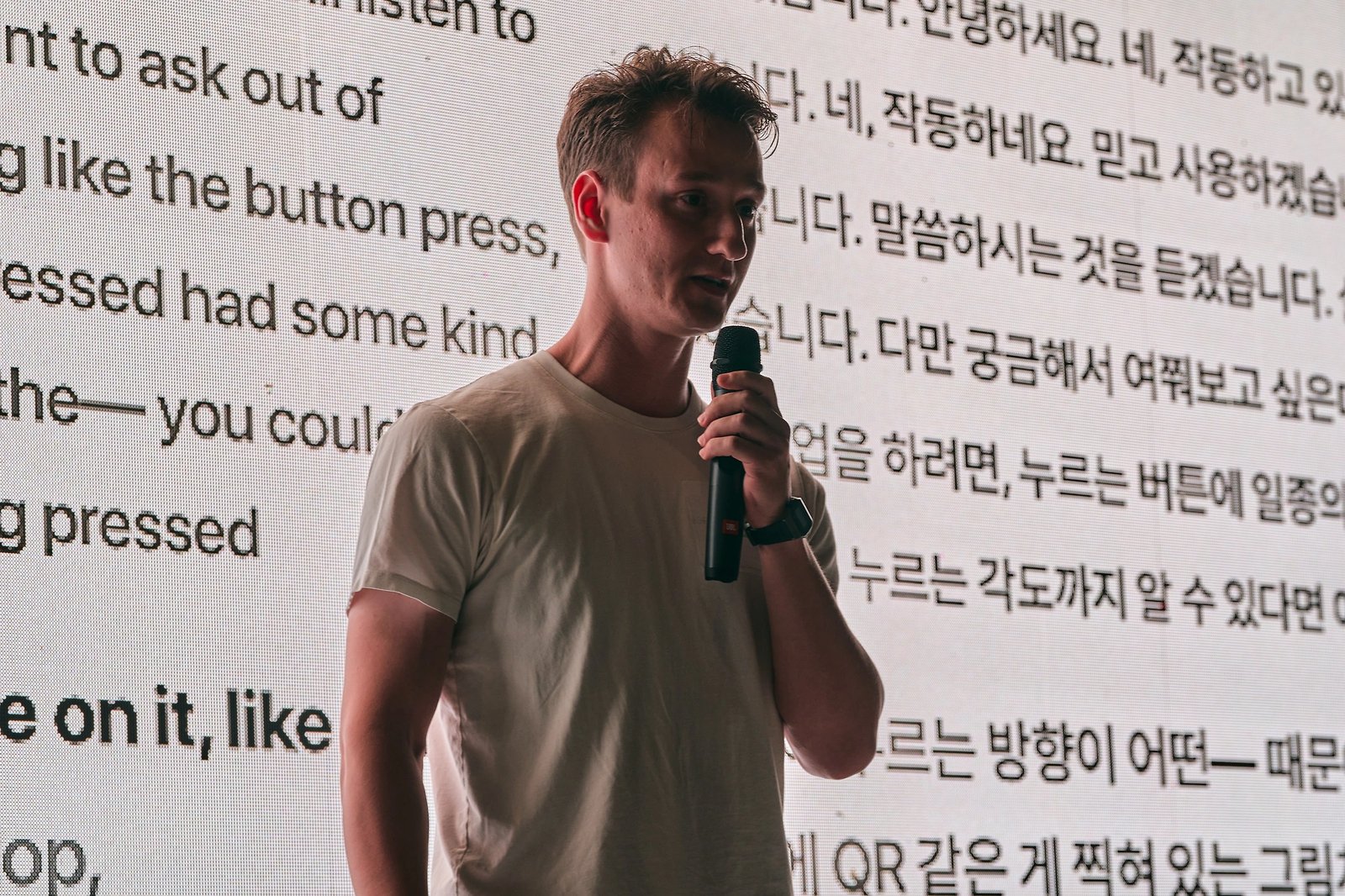
The first session was Guan-ru Huang, a cloud solutions architect at Nebius. He is from Taiwan, has been with Nebius over a year, and covers Asia including Japan and Korea. He opened with gifts: $100 of credit on the Token Factory inference platform, and 1,000 credits for Tavily, which Nebius recently acquired. If you are already on a closed API, he said, you can move straight to open-source models through an endpoint that works the same way. Asked who had heard of Nebius, not one hand went up — which he said was all the better, laughing.
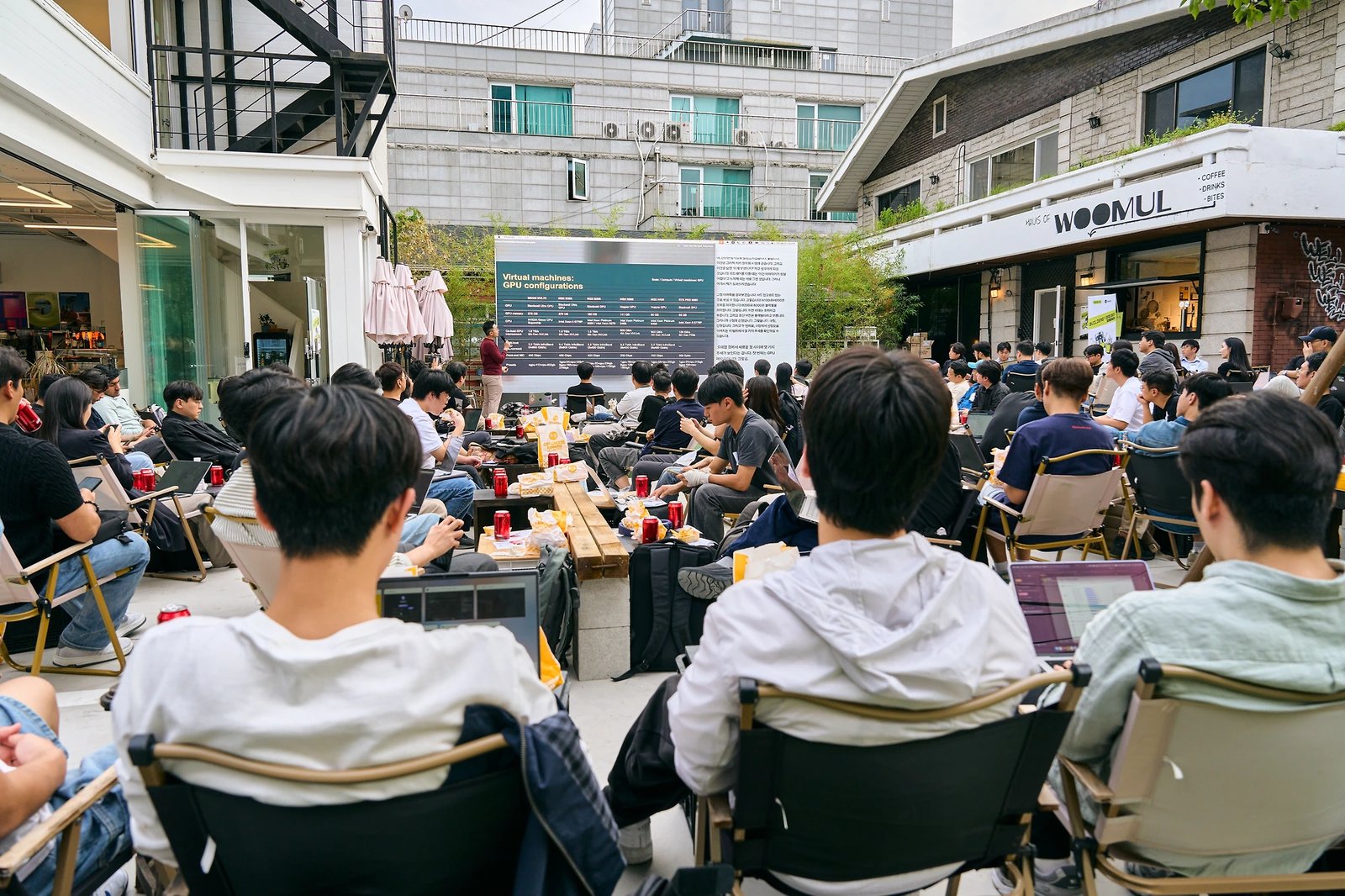
What Nebius emphasised was not the share price but the structure: as a strategic NVIDIA partner it builds data centres to NVIDIA reference architecture, and makes the hardware, the data centres and the software stack itself — vertically integrated. He split the industry in two to explain it. Hyperscalers built their data centres for general workloads rather than AI; GPU rental companies at the other end hand you GPUs with no software stack. Nebius sits between them, building data centres for AI workloads from the start and putting cloud software on top.
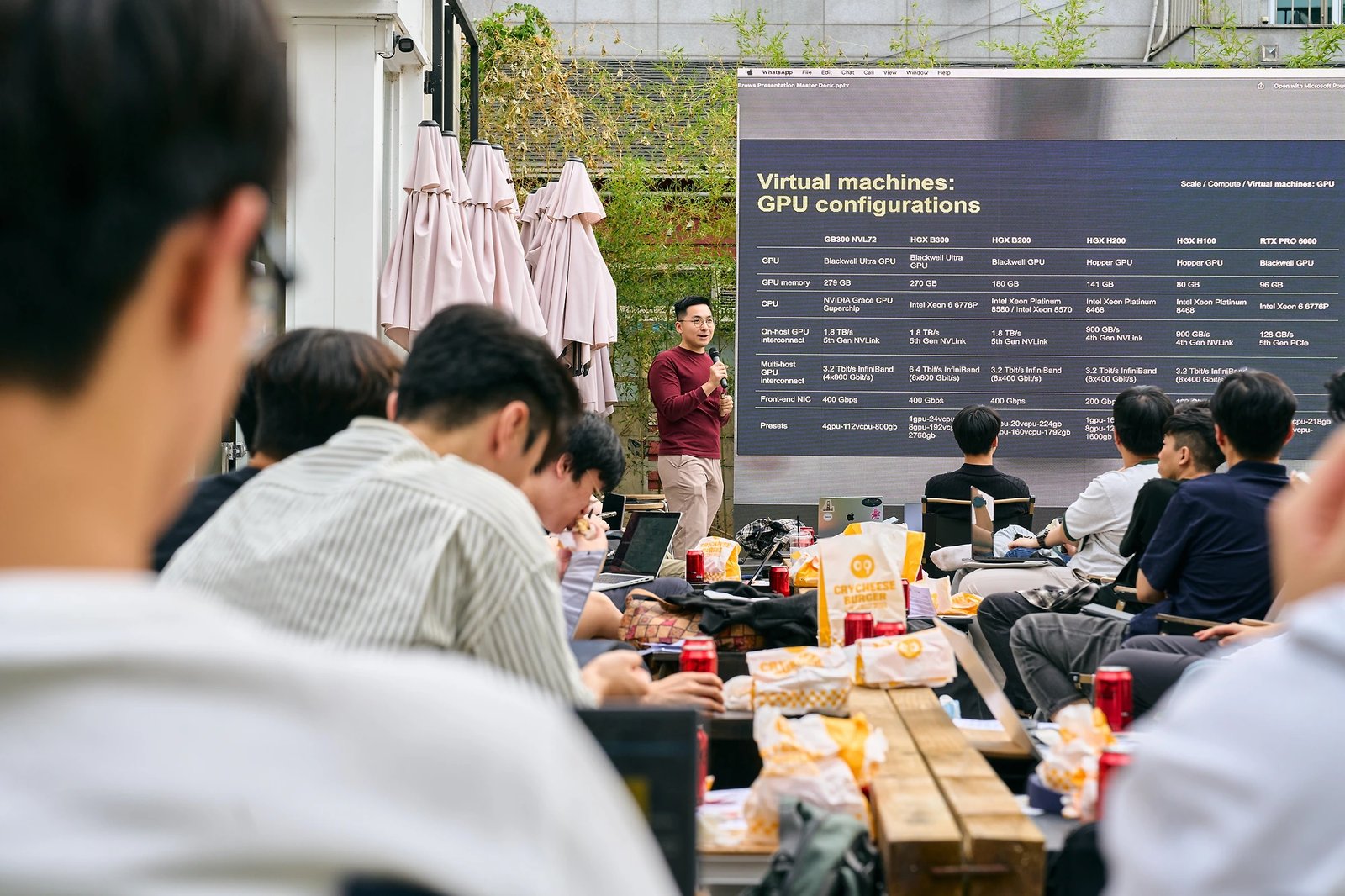
The first thing customers look at when sourcing GPUs, he said, is how fast they can get them. The worst position for an AI startup is not being able to secure capacity — ML scientists panic when they have been hired and there is no GPU to train on. Training runs now take weeks or months, so a cluster dropping mid-run means starting over, which puts stability next, followed by whether developers can work the way they already know. Ten GPUs today becomes thousands as the business grows, so whether you can grow inside the same cluster matters too. He kept the hardware accessible: compute, storage and networking, the three ingredients of a GPU cloud, he called the fat, carbohydrate and protein of an infrastructure company.
How you use the GPUs comes in layers. The easiest is serverless — no VM or Kubernetes to manage, just push a container. Teams who want to handle the infrastructure themselves get an open-source operator that runs Slurm on Kubernetes. Today's ML scientists have been writing Slurm scripts since their PhD labs, while a DevOps engineer arriving from a cloud provider knows Terraform and Kubernetes and has never touched Slurm. Both of those people work at the same company, so Nebius hands over both kinds of cluster.
Next came Token Factory, their managed inference platform. Developers today mostly use a closed API or self-host. Closed APIs are easiest at the start but eat the margin as a service grows; self-hosting needs a dedicated team to run the inference cluster. The larger problem he identified is that neither gives you the chance to keep improving the model with your own service's traffic. Token Factory builds that loop into the product: start inference on an open-source model, export the traffic data to see what customers actually ask, post-train on it, and deploy those custom weights to a dedicated endpoint on the GPU type and region you choose. Plenty of inference platforms exist, he noted, but few own their AI cloud — elsewhere you cannot pick the GPU type or the serving region at all.
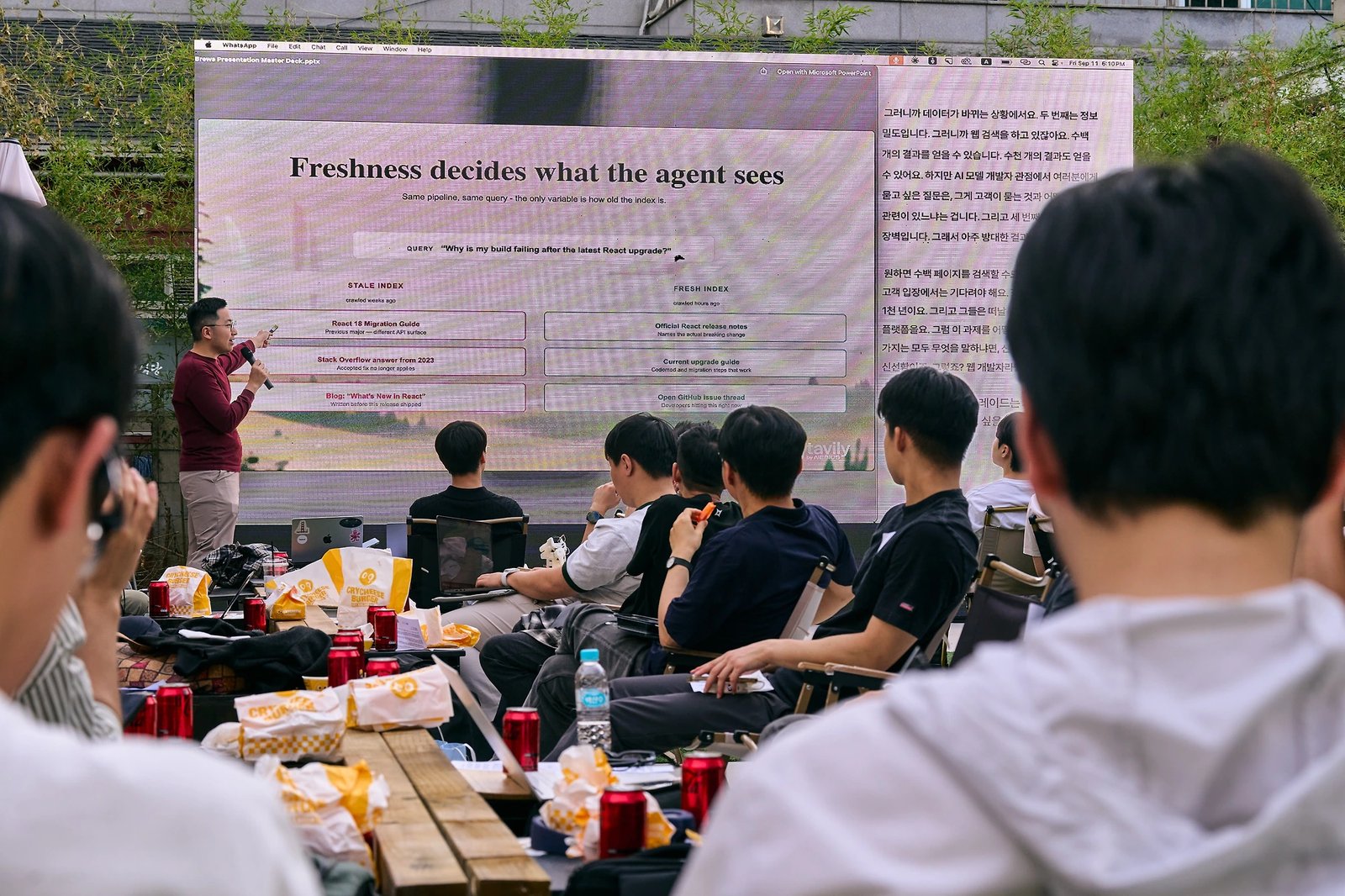
Tavily closed the session. Ask a model the current score and it has to go to the web, because no model anywhere has been trained on what happened two seconds ago. Web results come back in a shape agents find hard to read, and Tavily is the layer between the agent and the web: search returns relevant URLs, extract pulls the content out of one, crawl follows the relationships between them. Three problems have to be solved — accuracy, relevance and speed — and running through all three is freshness. Answering a question about the latest upgrade with documentation from two or three years ago is useless. So a refresh scheduler combines four signals — how often a page changes, when it last updated, how often it is searched, and how important the site is — into a single score that decides when to crawl it next.
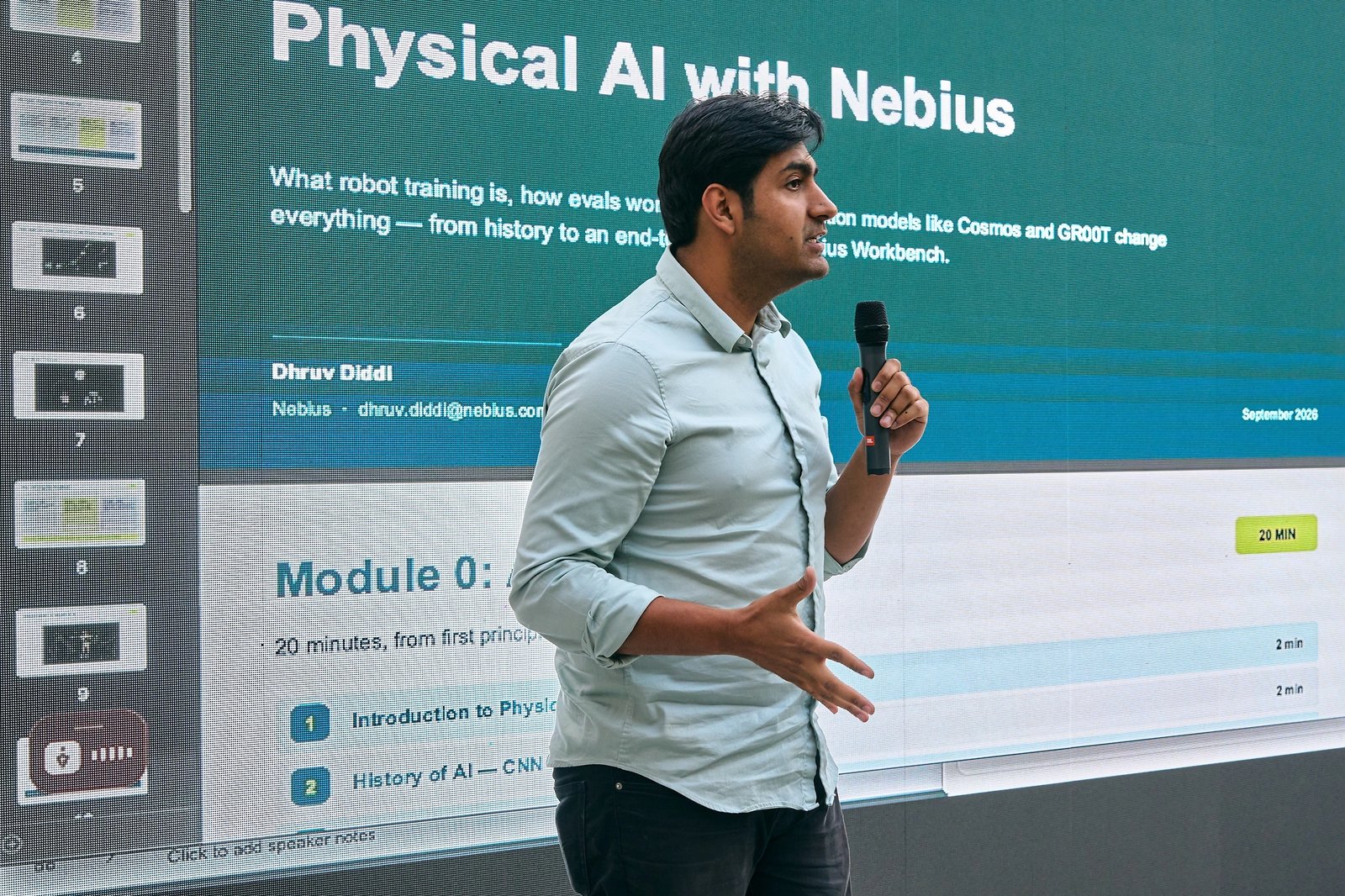
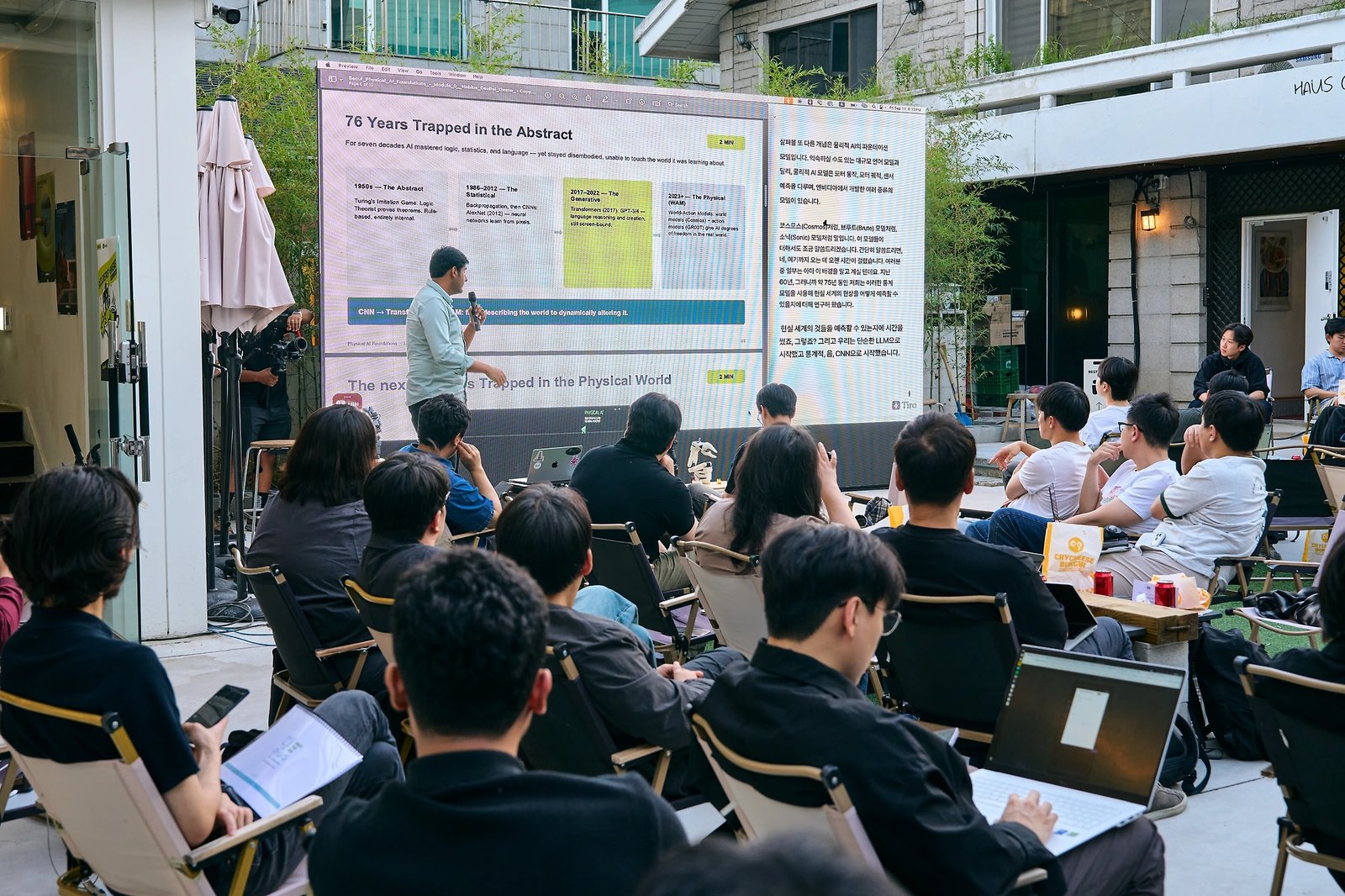
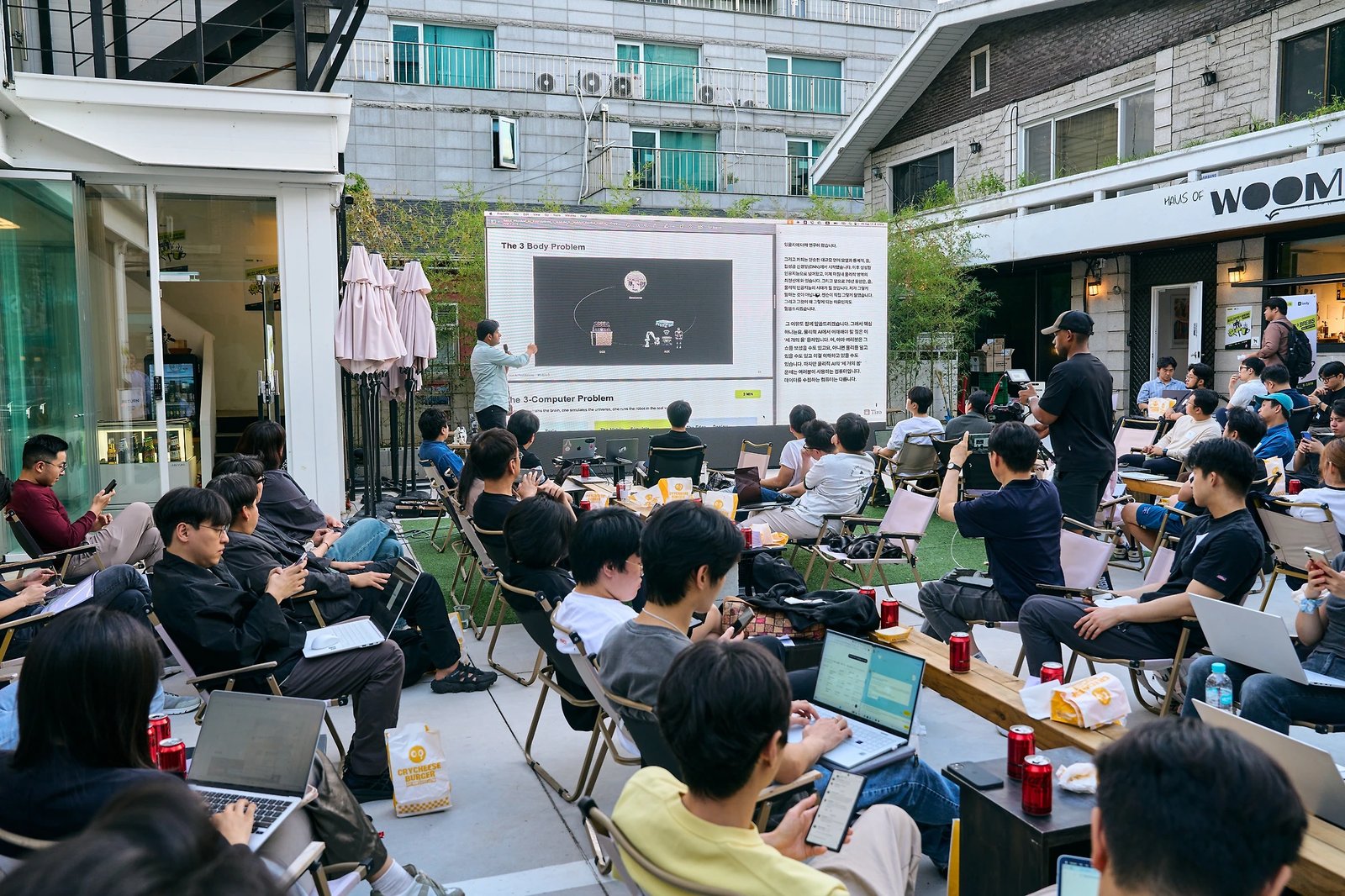
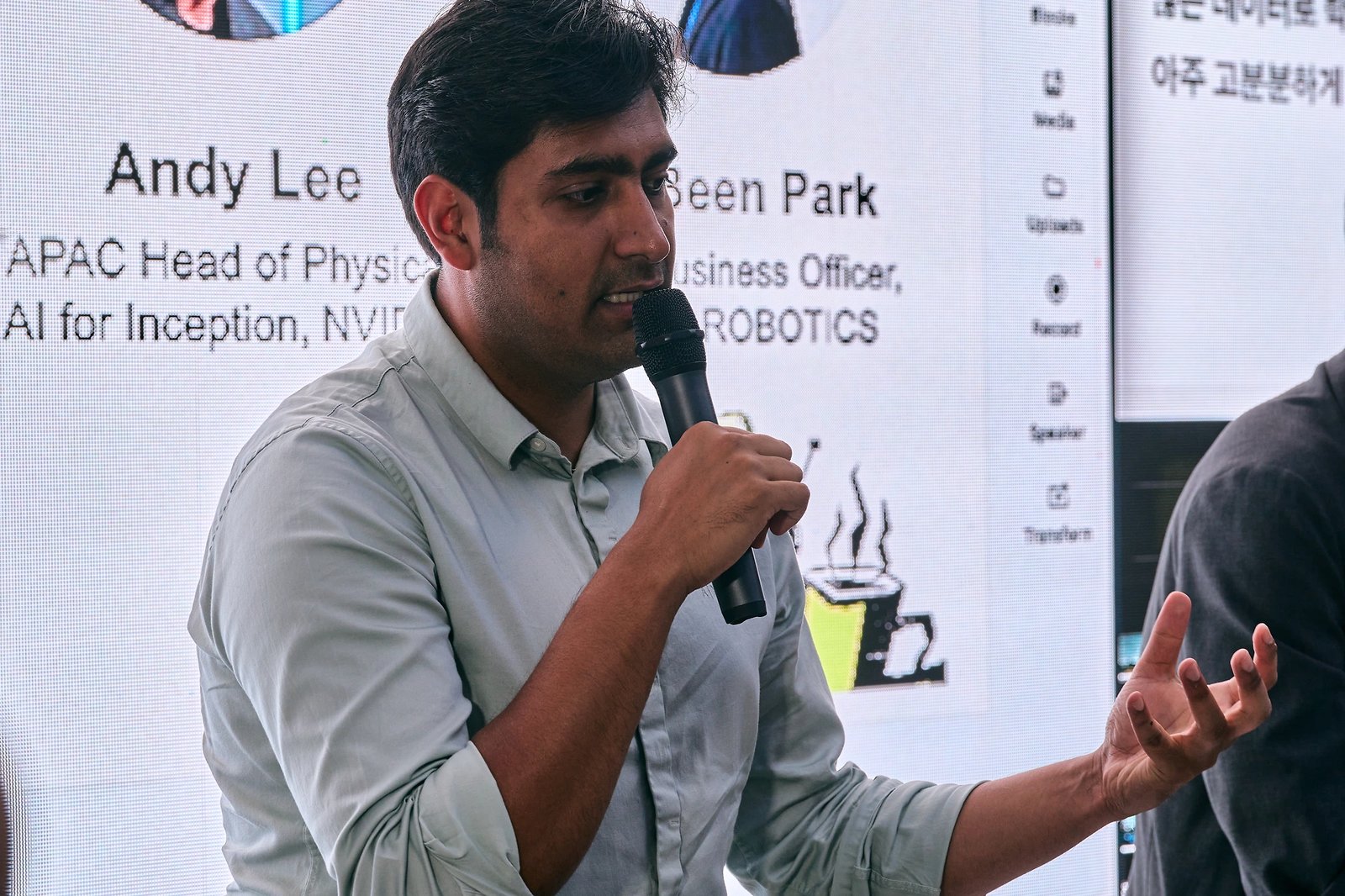
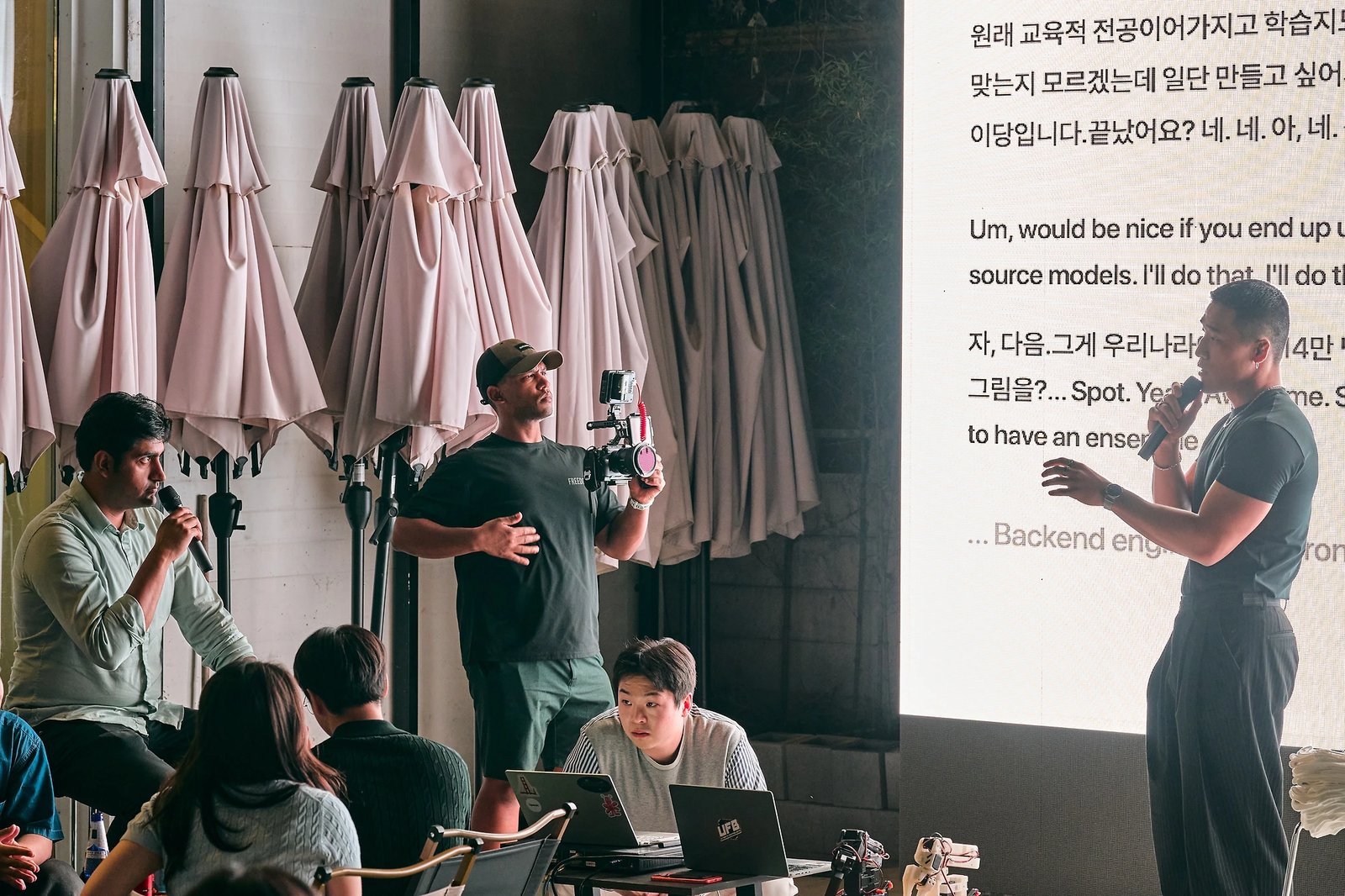
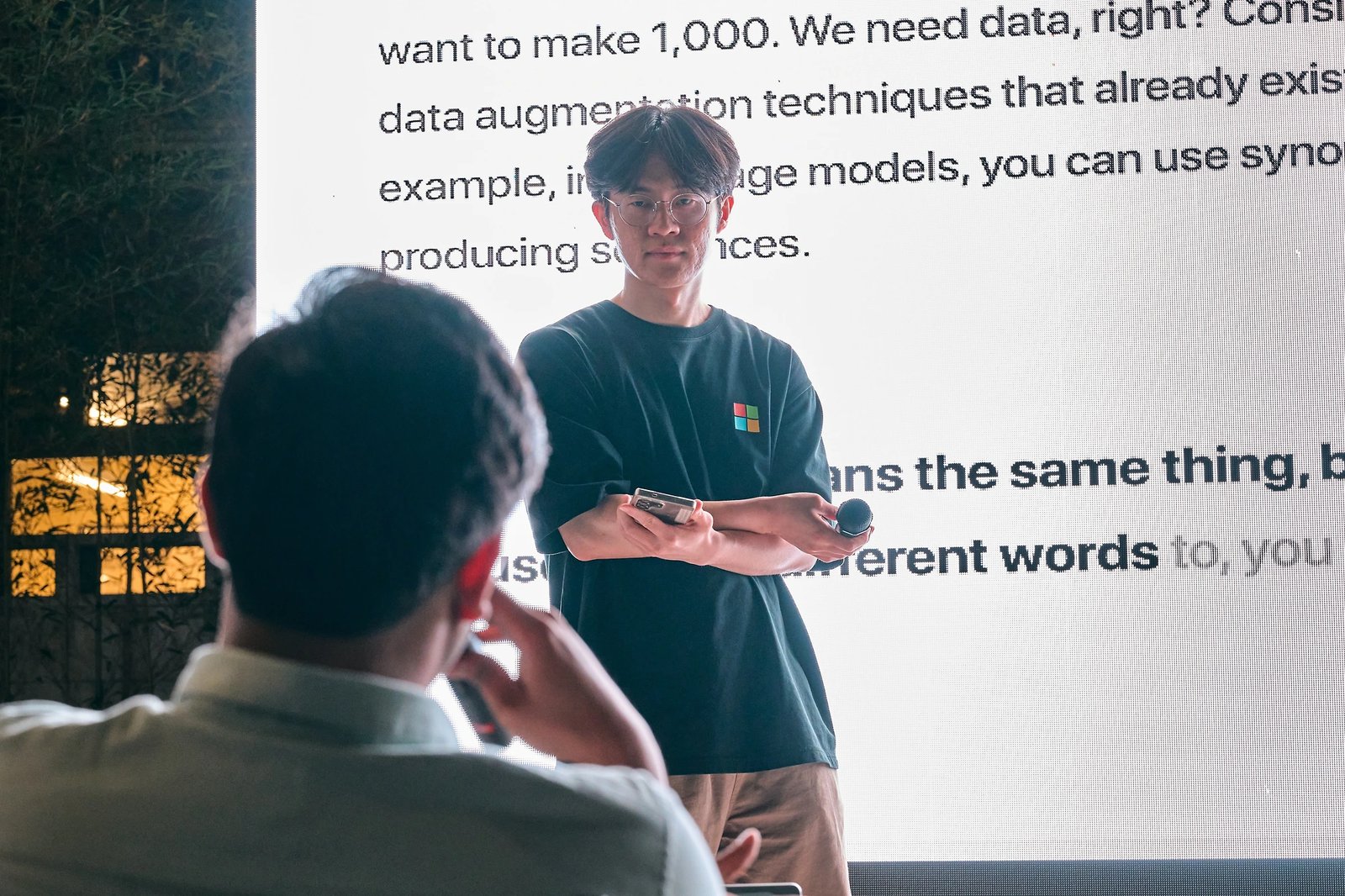
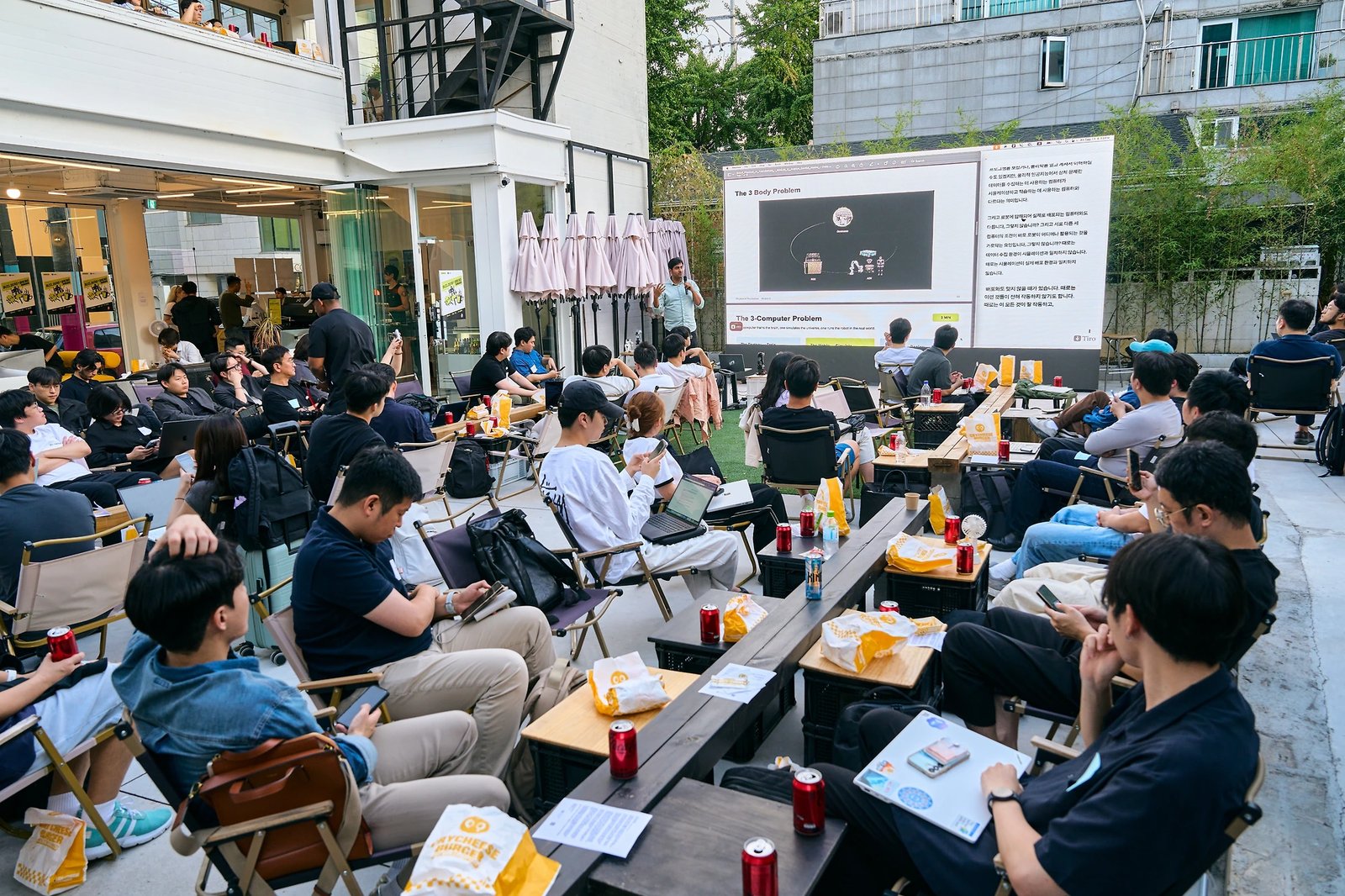
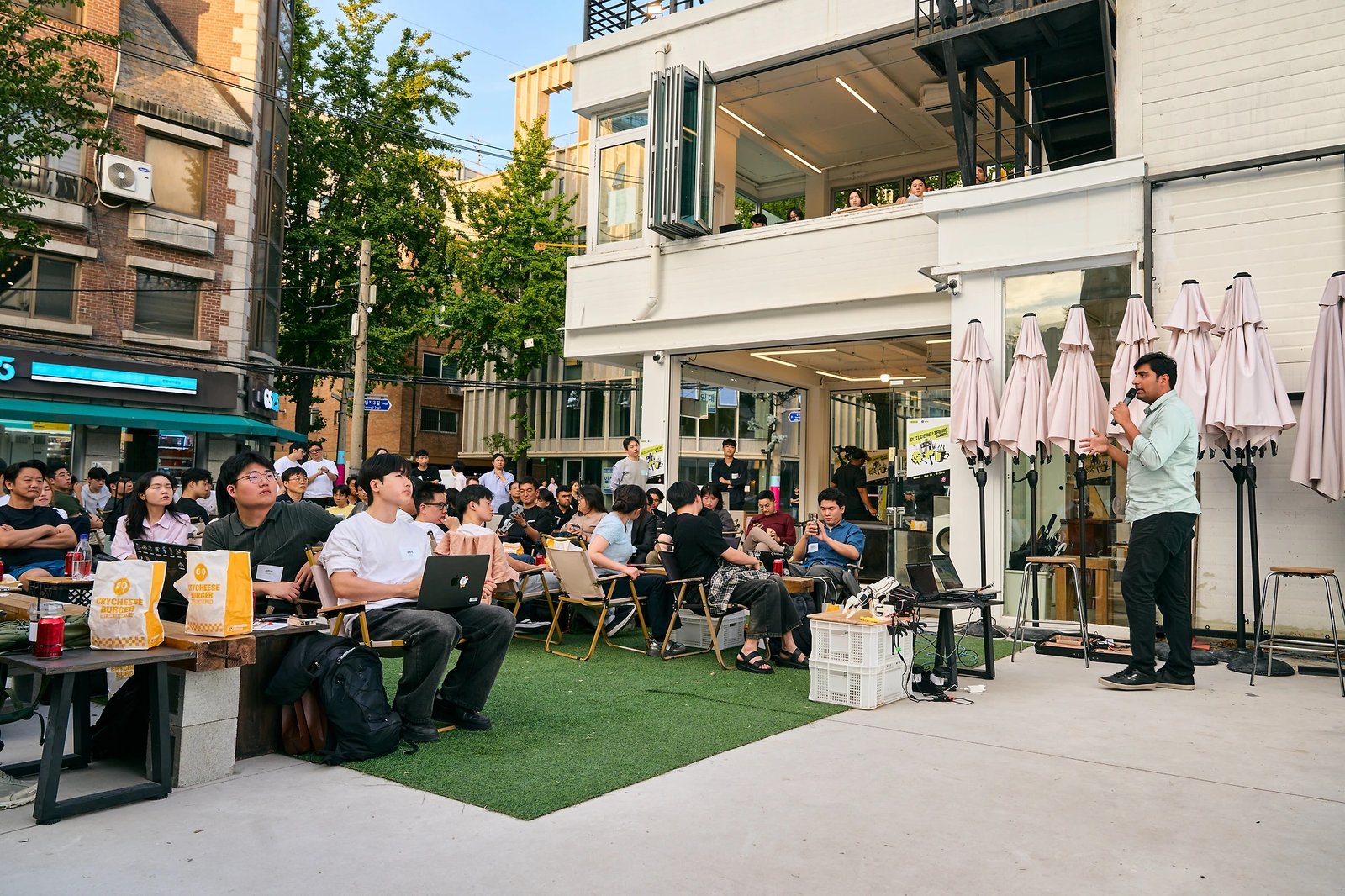
The second session was Dhruv Diddi, who leads the physical AI ecosystem at Nebius. He opened by saying he wanted to bring GPUs, robots and this technology to Seoul because Seoul is a centre of manufacturing, and that his goal was for everyone to leave comfortable enough with robotics and physical AI vocabulary to hold a real conversation in it. His slide set digital and physical AI side by side. Digital AI outputs tokens on a screen, so a hallucination is just wrong text and the cost of an error is zero. Physical AI outputs motor torque wired directly into the world, so a hallucination becomes a physical collision and the cost is catastrophic. A single instruction not to drop the glass has to end up as joint angles and torque.
What he insisted everyone understand was the three-body problem: the factory that collects data and trains, the matrix that runs simulation, and the edge the model actually ships to are three different computers. The factory is a DGX-class GPU cluster, the matrix is an RTX-class server producing digital twins and synthetic data, and the edge is an onboard computer that has to react in milliseconds. Those three not lining up is why robots are not yet everywhere. Data collection sometimes does not match simulation, and simulation sometimes does not match deployment — the impressive videos online, he said plainly, are the times everything did line up.
He unpacked the model names the same way. An LLM takes text and returns text. A VLM takes an image and text and answers yes or no. A VLA takes an image and text and returns robot action — it does not reply in words, it replies with what the motors should do given this scene and this instruction. Data for robots comes from three places. Video scales best but phone footage carries no force or joint information. Simulation produces millions of episodes overnight but its physics is an approximation and diverges from reality. Teleoperation pairs action and state perfectly but yields only five to fifty episodes an hour.
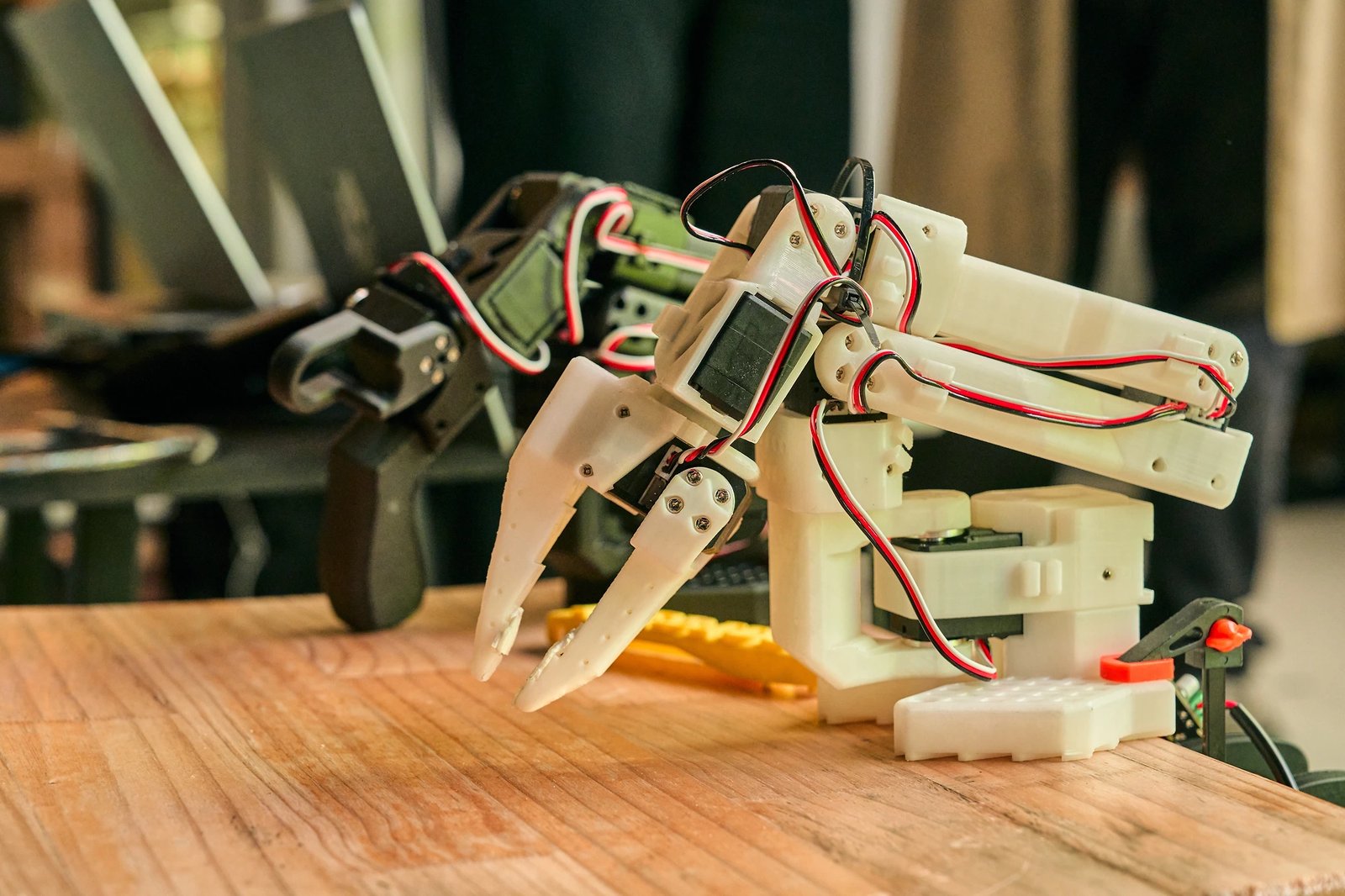
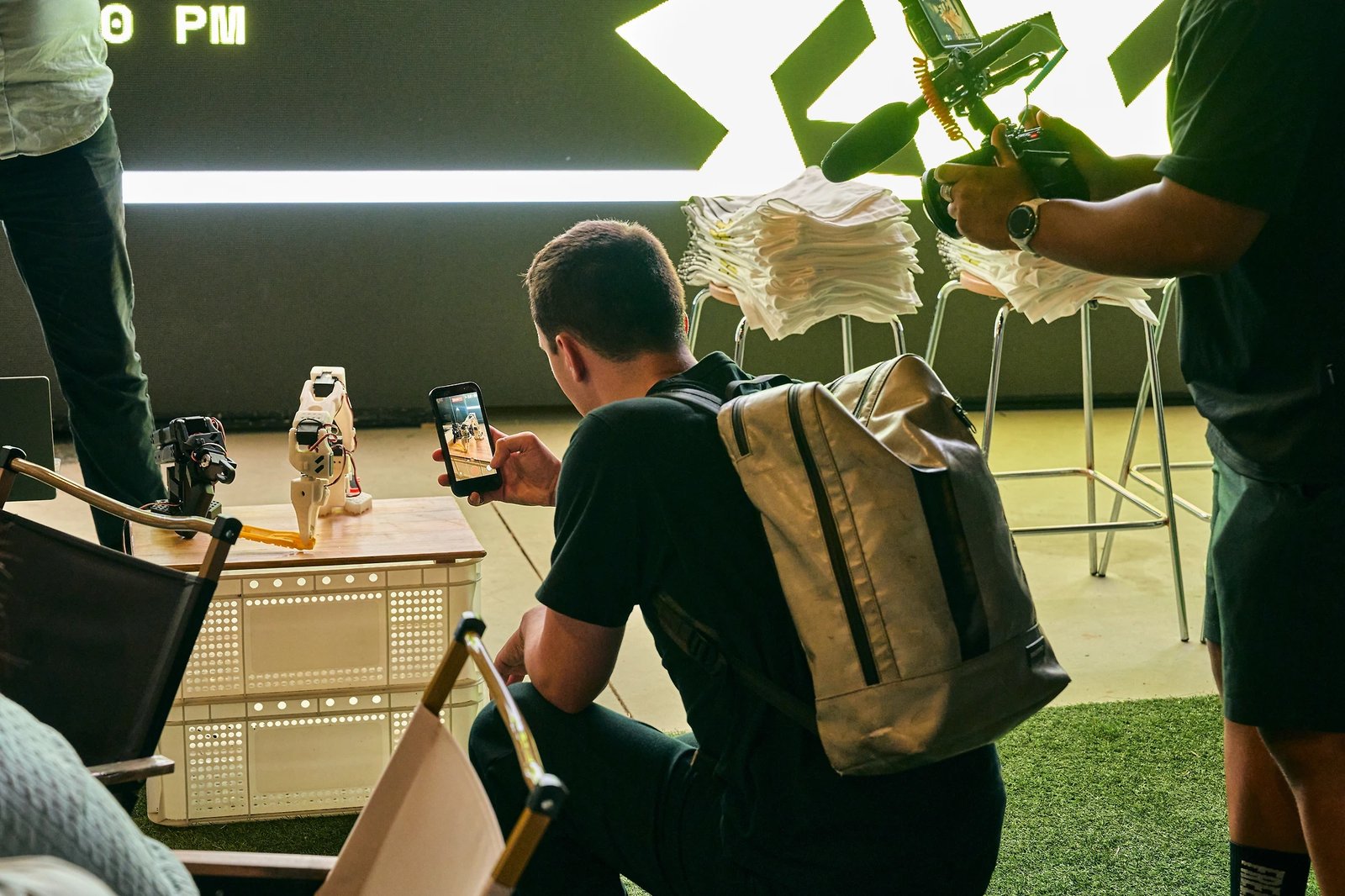
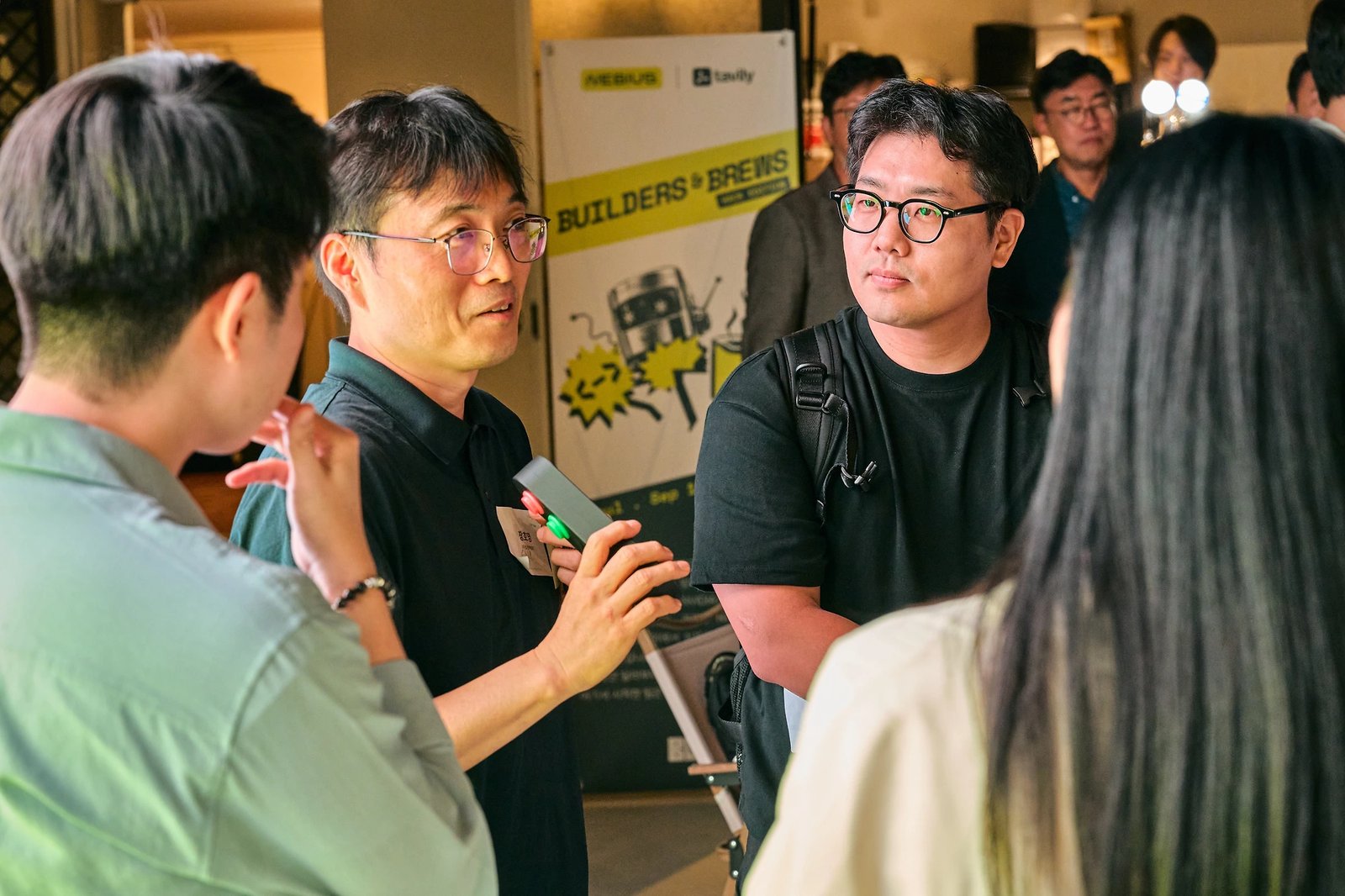
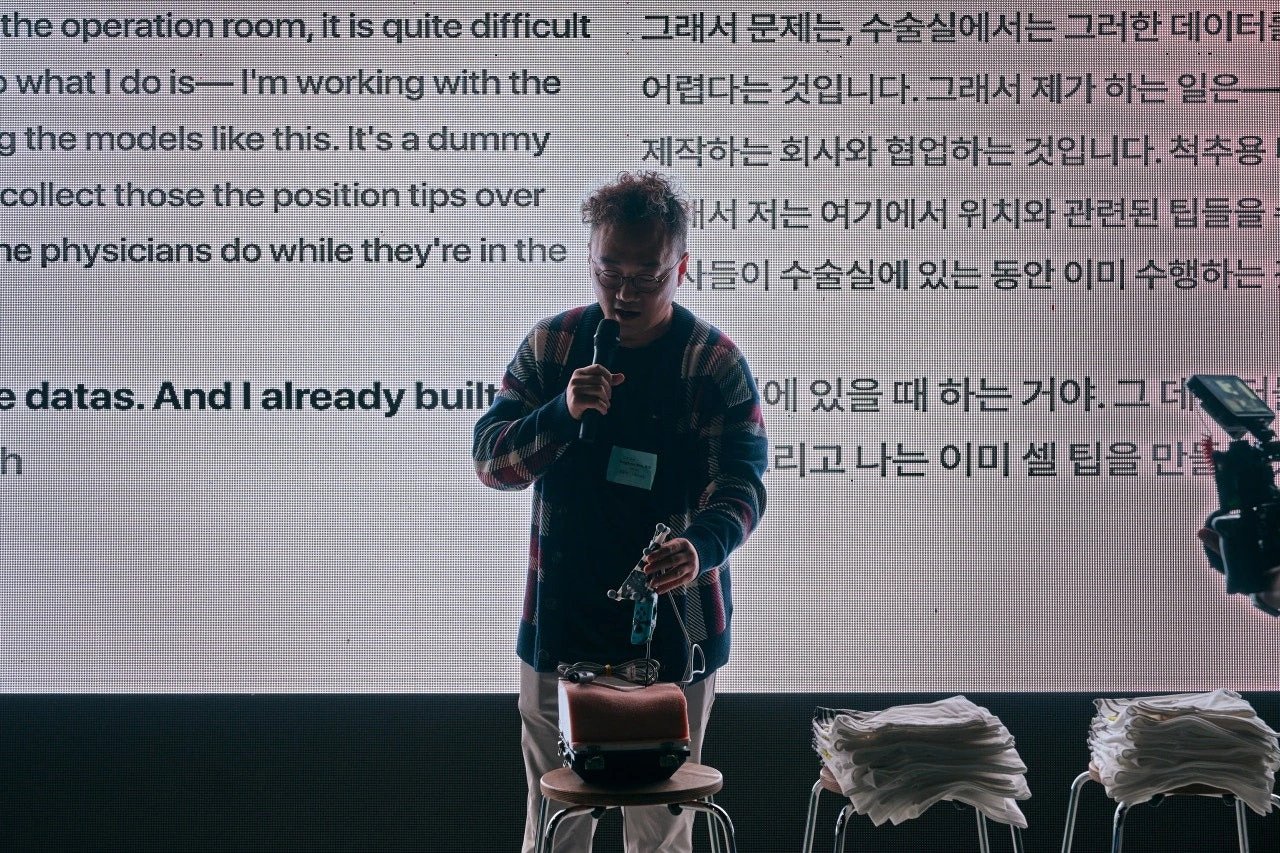
At that point he produced an open-source teleoperation arm and sent it around the room. It costs about $200 online, is 3D printed so you can repair it, break it and source the motors yourself, and is the most scalable robot available right now. Move the leader arm and the follower copies it; collect thousands of episodes that way and train on those trajectories. Imitation learning and reinforcement learning divide neatly on whether the robot interacts with an object: the dancing and exercising robots online are all reinforcement learning, because nothing is being handled, while getting a robot to manage a cup of water calls for imitation. The principle was imitate first, reward later. Copying human demonstrations is fast and sample-efficient enough to reach an 80 percent starting point in days but cannot exceed the human; reinforcement learning then grinds down the rare failures imitation never reaches. Randomising texture, friction and lighting during training is what makes it hold up as reality shifts.
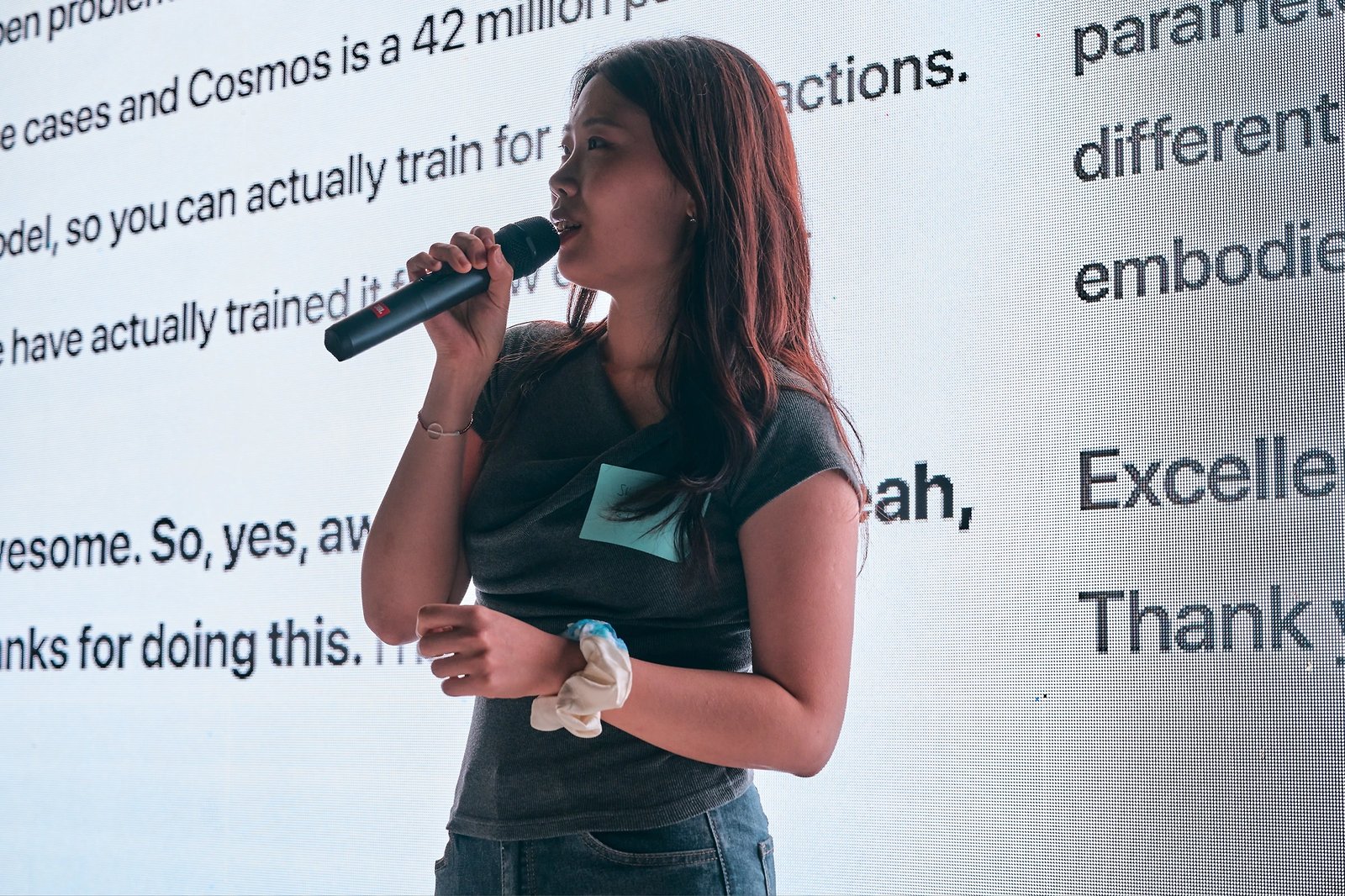
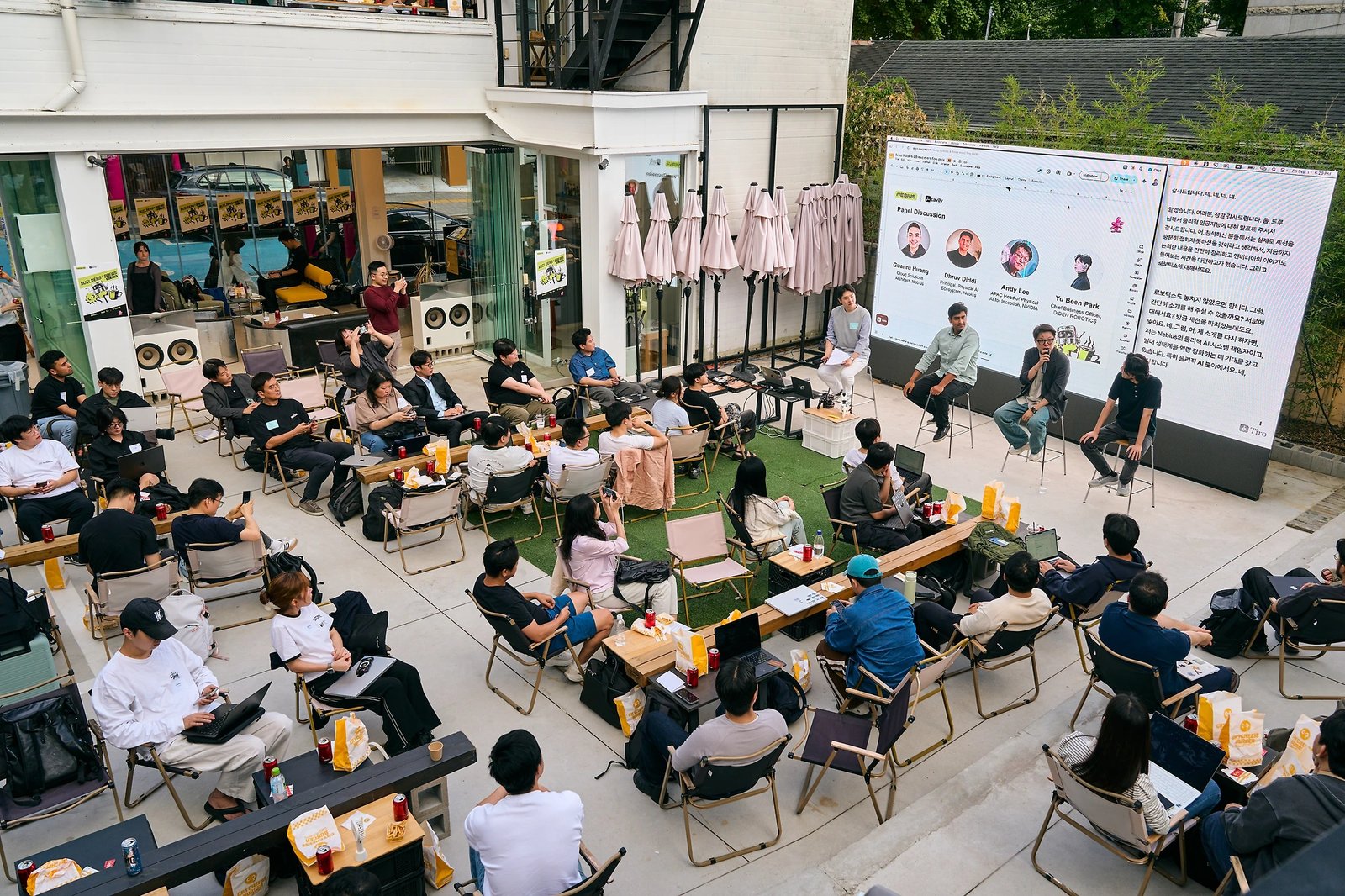
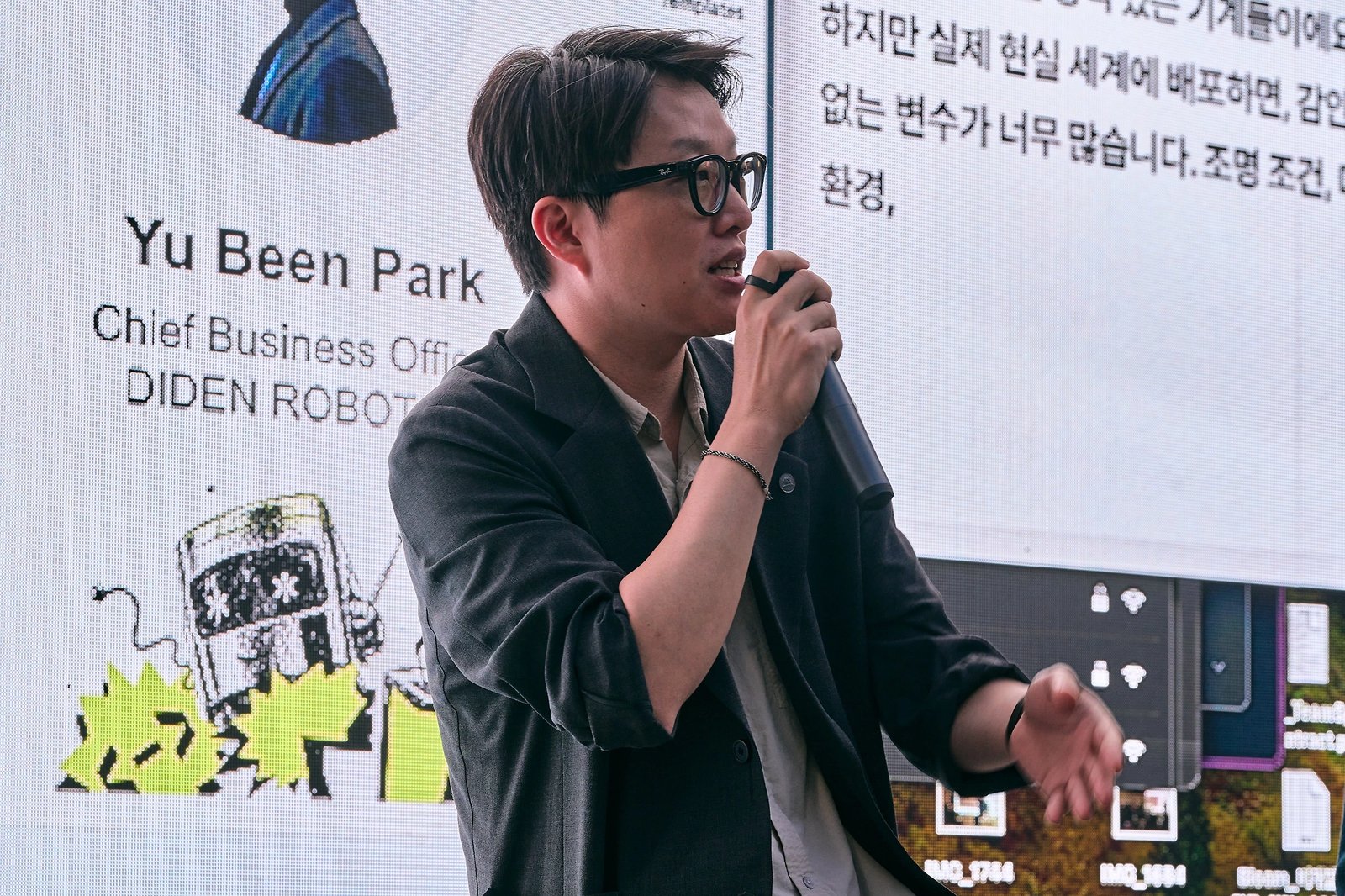
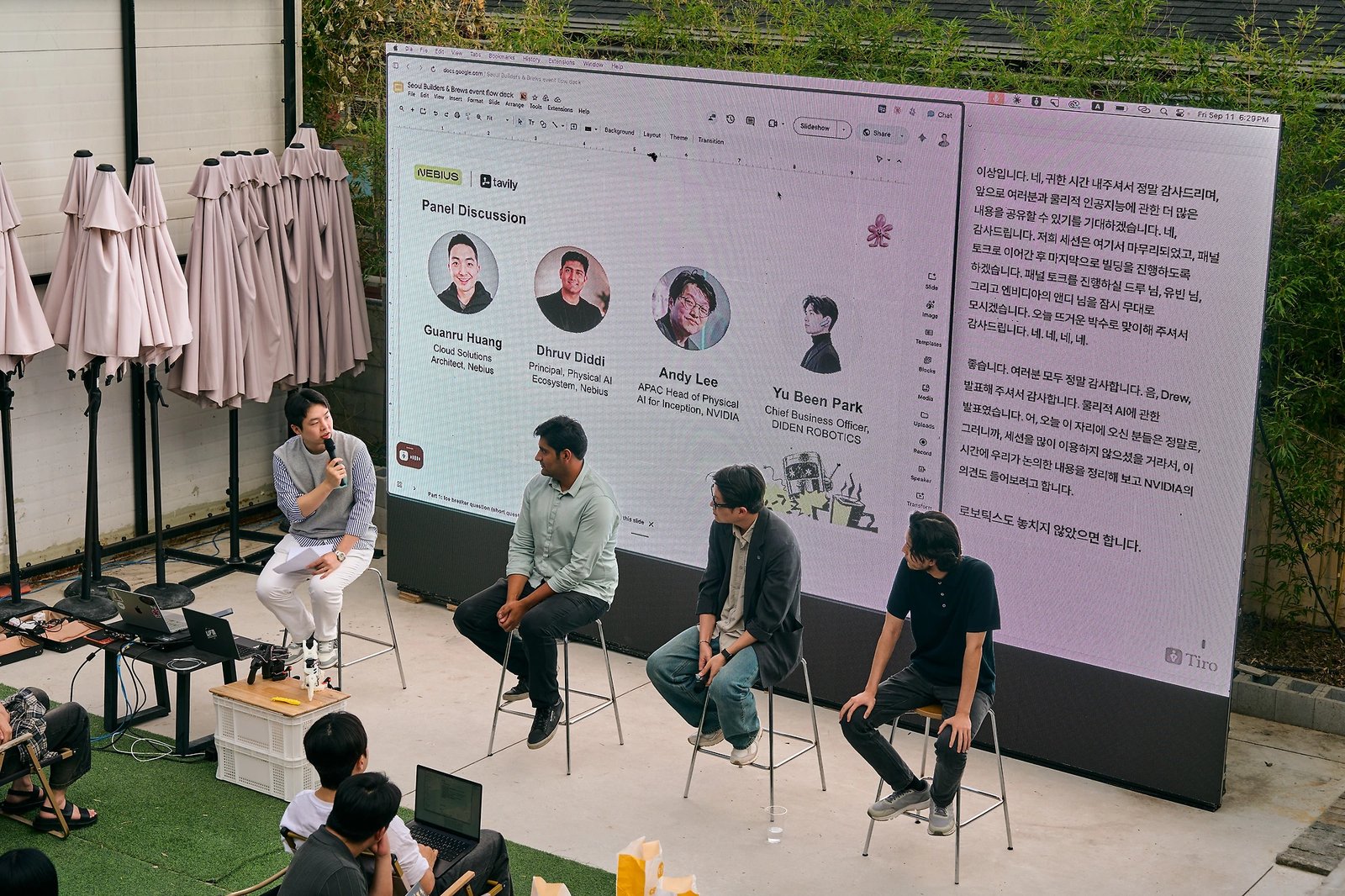
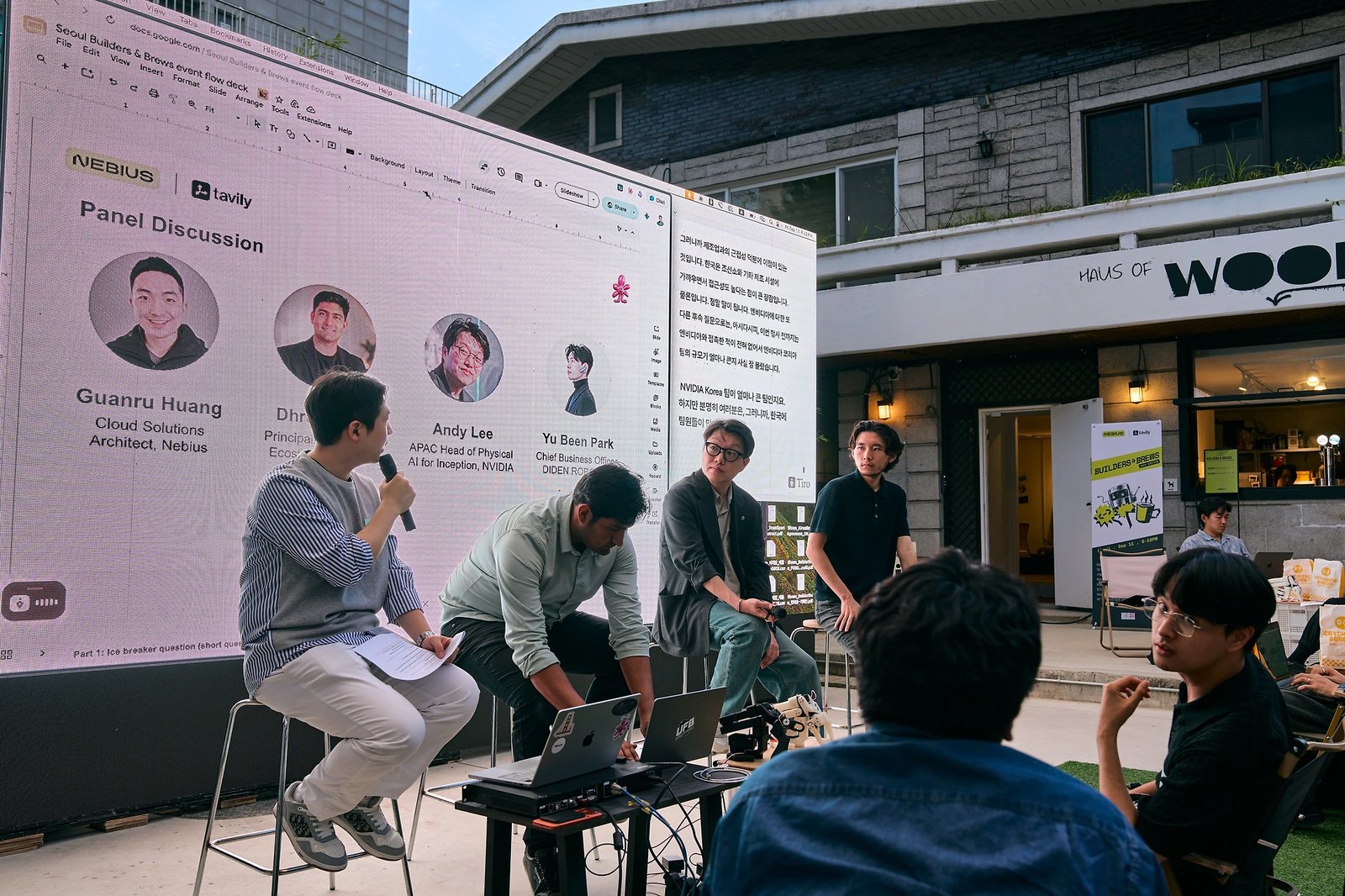
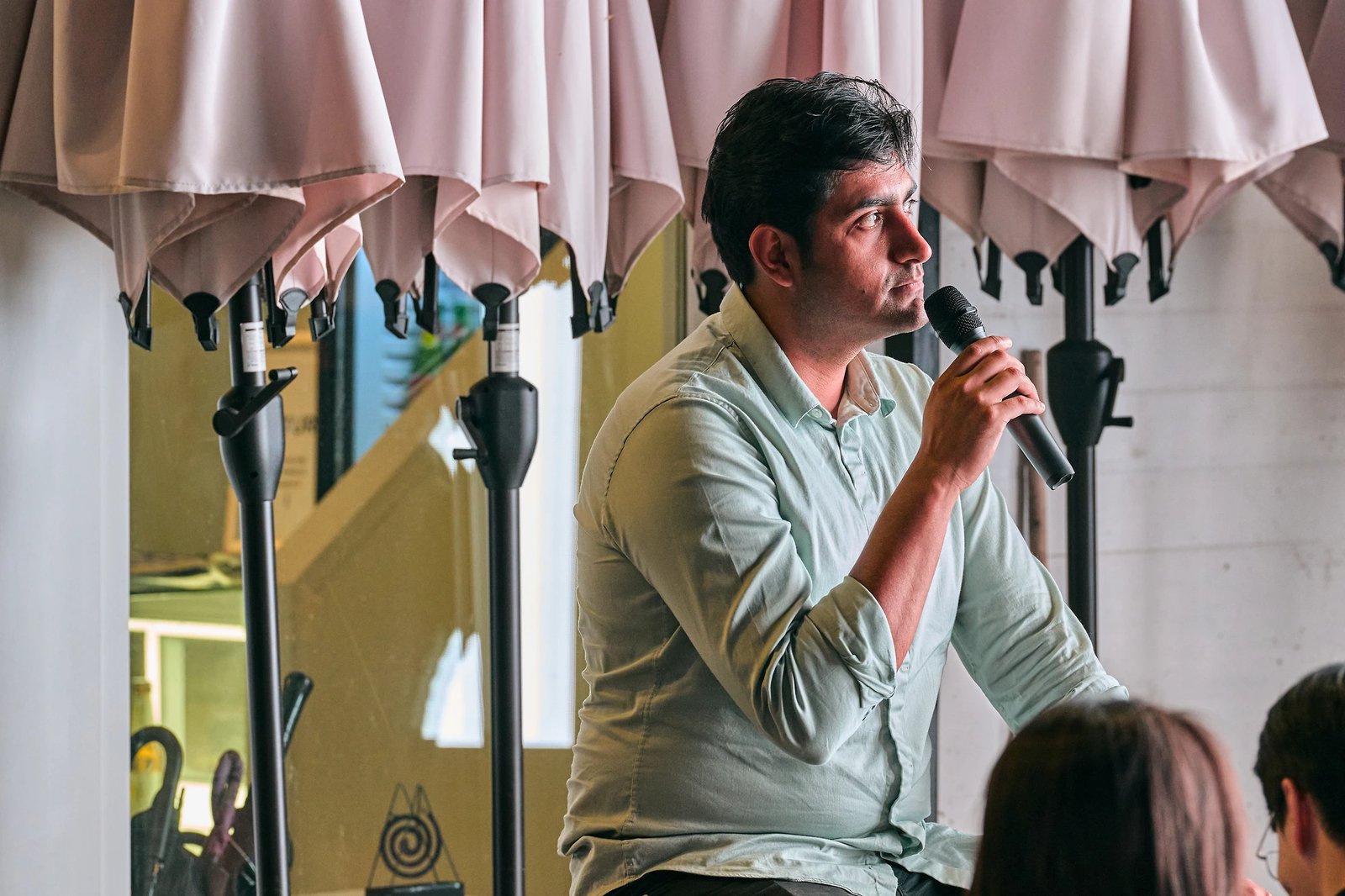
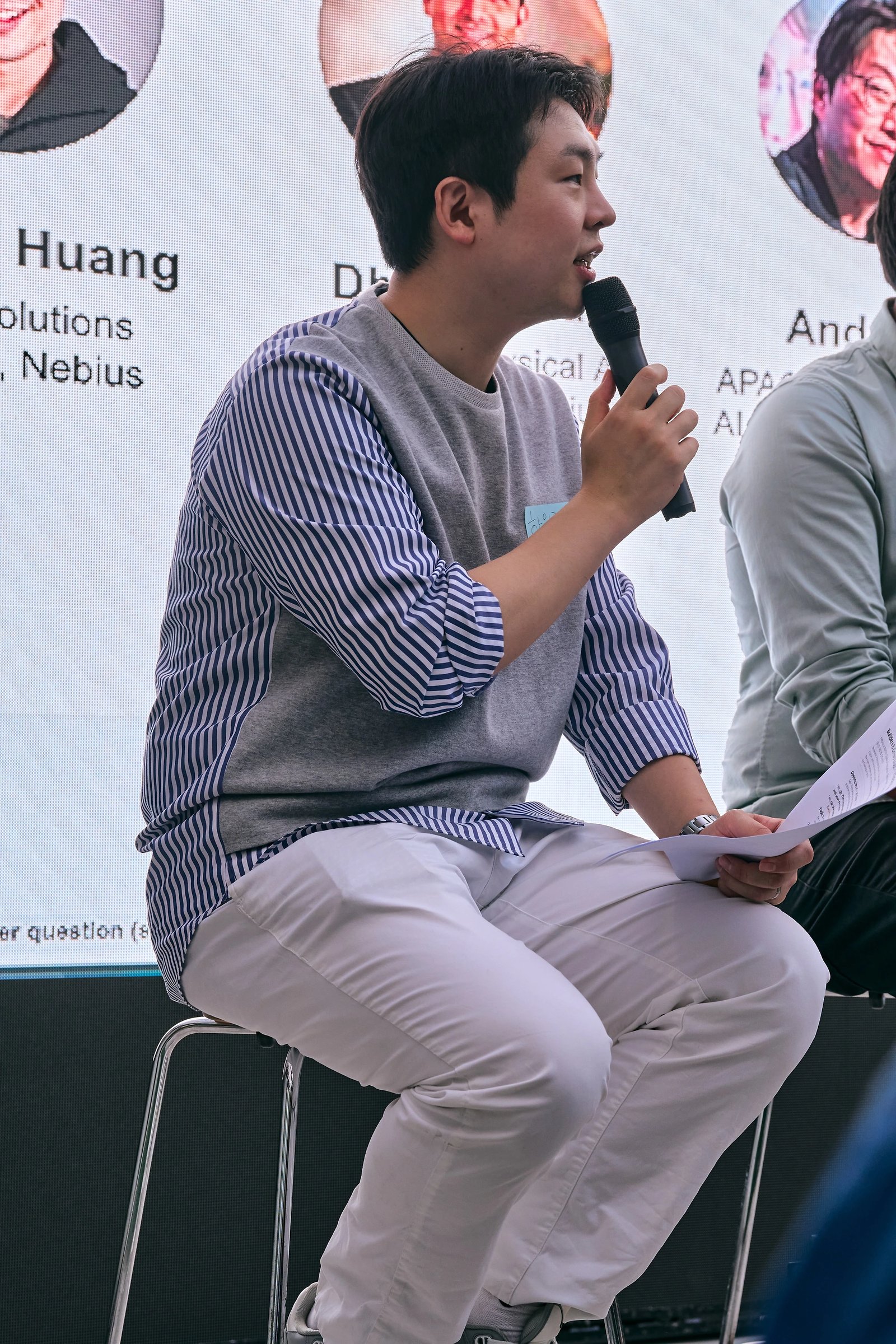
The panel added Andy Lee, who leads physical AI and the startup programme for NVIDIA across Asia-Pacific, Dhruv Diddi, and Yubin Park, CBO of Dyden Robotics and a Bloom member. Dyden builds quadruped robots that walk the walls and ceilings of steel structures on magnetic feet to weld and inspect. They have passed validation with Samsung Heavy Industries and entered delivery, and are developing an internal block welding robot with HD Hyundai. Andy Lee described Cosmos as a world foundation model that tries to understand the world we live in, and GR00T as a robot foundation model that turns what was learned about the world into actual action.
Asked what is hardest about teaching a robot, Dhruv Diddi said it is dealing with the physical world. Simulation training has come a long way, but as the previous generation of physical AI startups found, you take a perfect score in simulation as sufficient and only after deploying discover you have to break the problem back down into levels of autonomy. He named deployment the hardest stage, and said deployment gets smoother only by there being more of it. Asked what breaks first when you move from thorough simulation into reality, Yubin Park was specific: the first reinforcement learning simulator you build has flat floors and clean angles, but in an actual shipyard welding scatters small metal chips across the floor, and a robot that steps on one slips and can lose control. That is only the simplest example, and the number of variables that can go wrong is uncountable — so iterating quickly means having the real environment and the real robot first and running it there. Without the real world, he said, you cannot build any kind of solution to it.
Asked whether the AI or the machinery is harder in physical AI, Andy Lee said it is squarely half and half. Models improve exponentially, but the moment you deploy into the world, variables you cannot account for pour in — different lighting, a different environment, a couple of lights out. Hardware has to catch up to the AI, and that is exactly the stage we are at. Asked whether more compute makes a team better, Dhruv Diddi pushed the other way: the physical world forces specialisation, and training on data spread too broadly leaves the weights unsettled, so for now you narrow to one kind of lighting, one robot, one environment. Physical AI models are comparatively small, around two to seven billion parameters, because being multimodal lets you train them more densely. Physical AI, he said, forces you to think more efficiently; it is not the paradigm of pouring internet-scale data into a large model until it works.
On Korea's advantage, Dhruv Diddi pointed to proximity — being near manufacturing sites and able to get into those spaces is a real edge. Being able to control the manufacturing environment directly puts Korea ahead on data collection and should let it deploy models earlier than others. Andy Lee said Korea is strategically important to NVIDIA. By the International Federation of Robotics' count, Korea leads the world with 1,220 industrial robots per 10,000 manufacturing workers — more than nine times the global average of 132. At the same time the population is shrinking and hiring for on-site work is getting harder, which has made demand on the factory floor unmistakable. Asked who had heard of NVIDIA Inception, which any company incorporated within the last ten years can join for free, not many hands went up.
Asked what he would do better founding again, Yubin Park did not hesitate: in physical AI you have to do the hardware. Using someone else's hardware puts a clear ceiling on optimising the system as a product, and if you are only optimising the software layer it is far too easy for a customer to strip that software out and swap in another vendor's. A developer who is genuinely good at software should find a hardware co-founder, he said, and as language models improve software gets easier to replace. To stay attached to the customer: do both hardware and software, integrate them vertically, and sell the package.
On one piece of advice for someone starting to build today, Dhruv Diddi said start small. What you build tonight may not be the best product and may not produce what you hoped, so rather than aiming for the best model in a day, set a small goal in small steps, measure whether you actually reached it, and go on from there. The microphone went last to Yubin Park, whose answer was that software has become fairly easy to make, so why not differentiate on hardware.
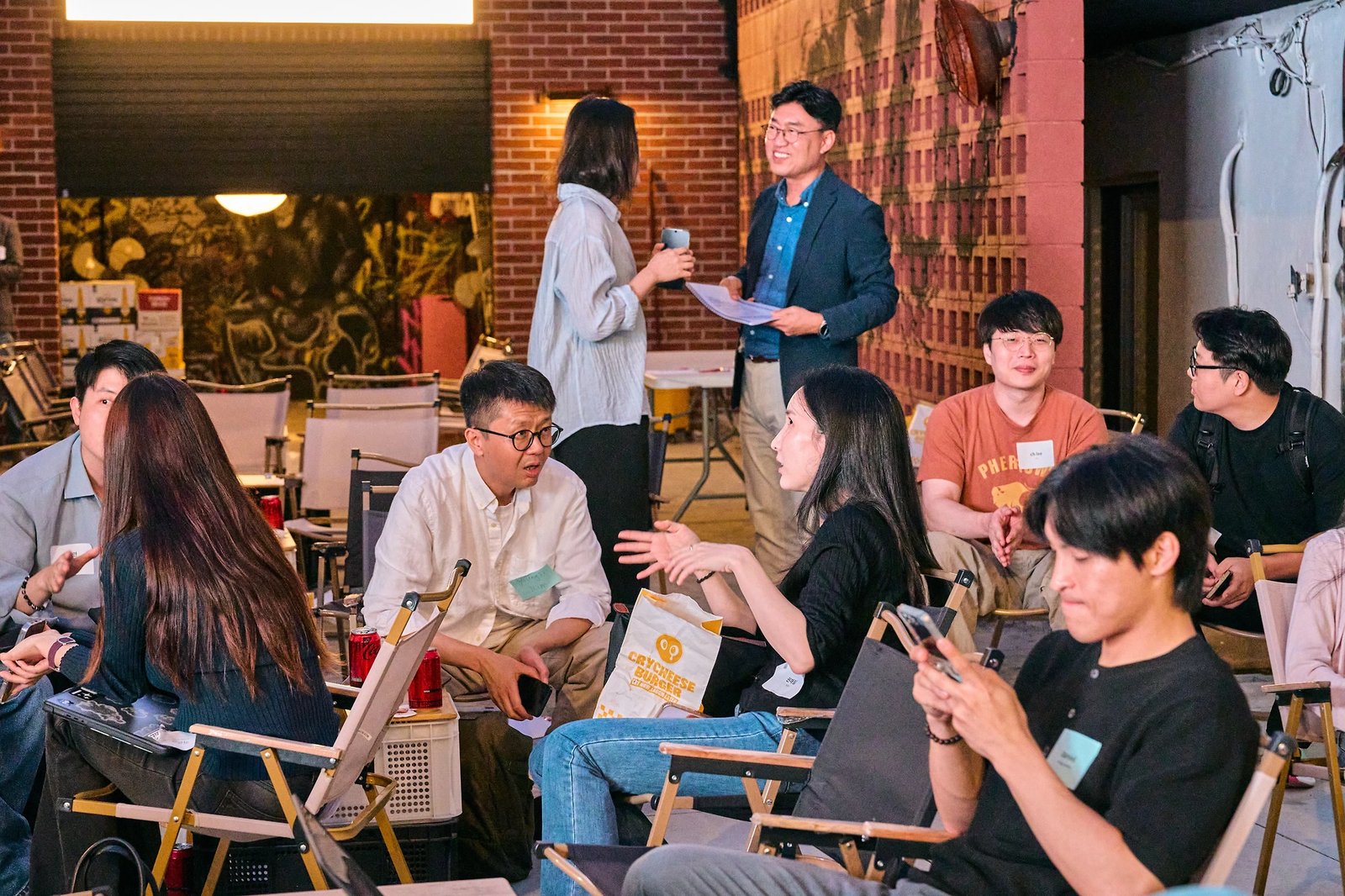
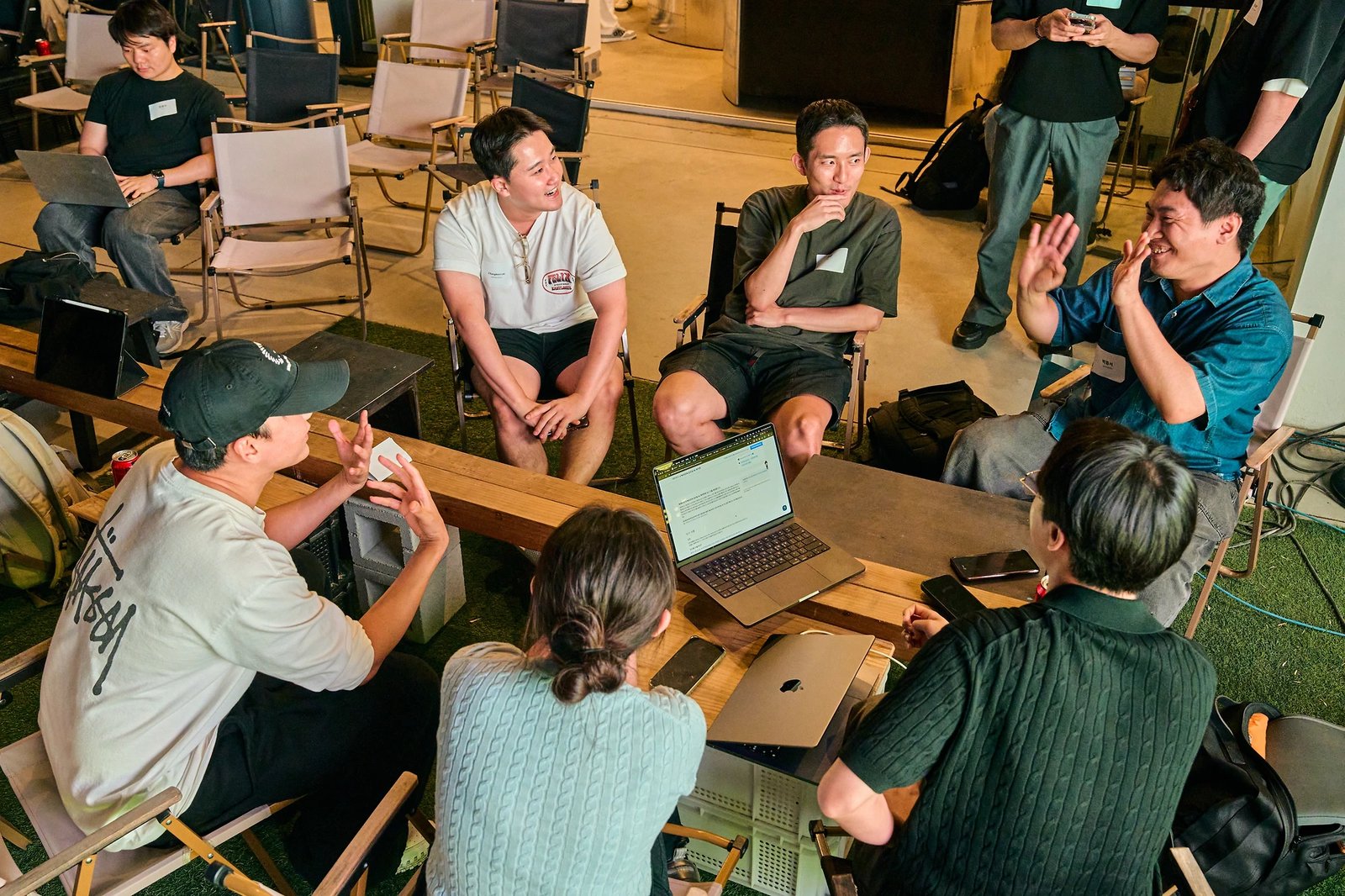
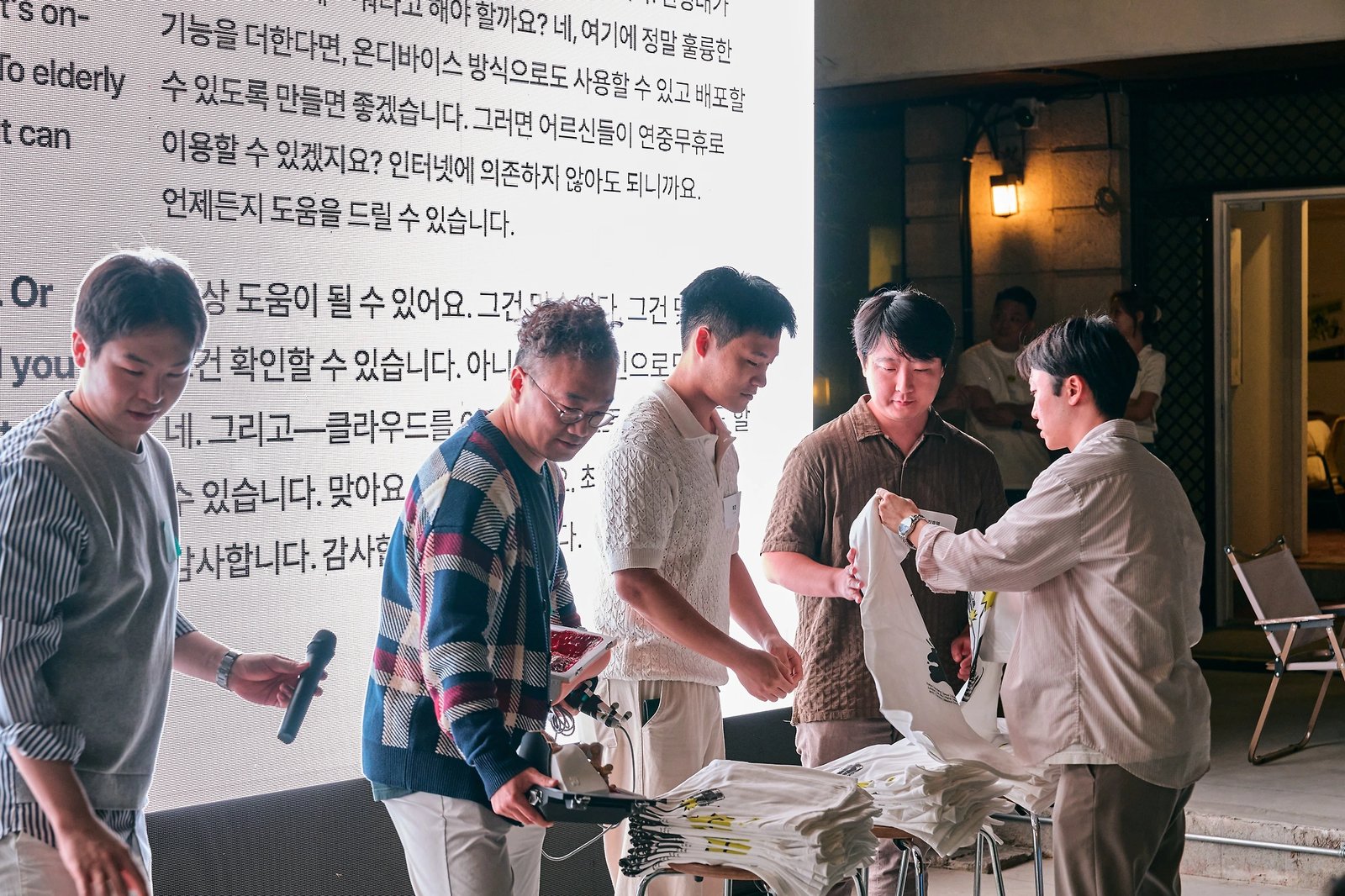
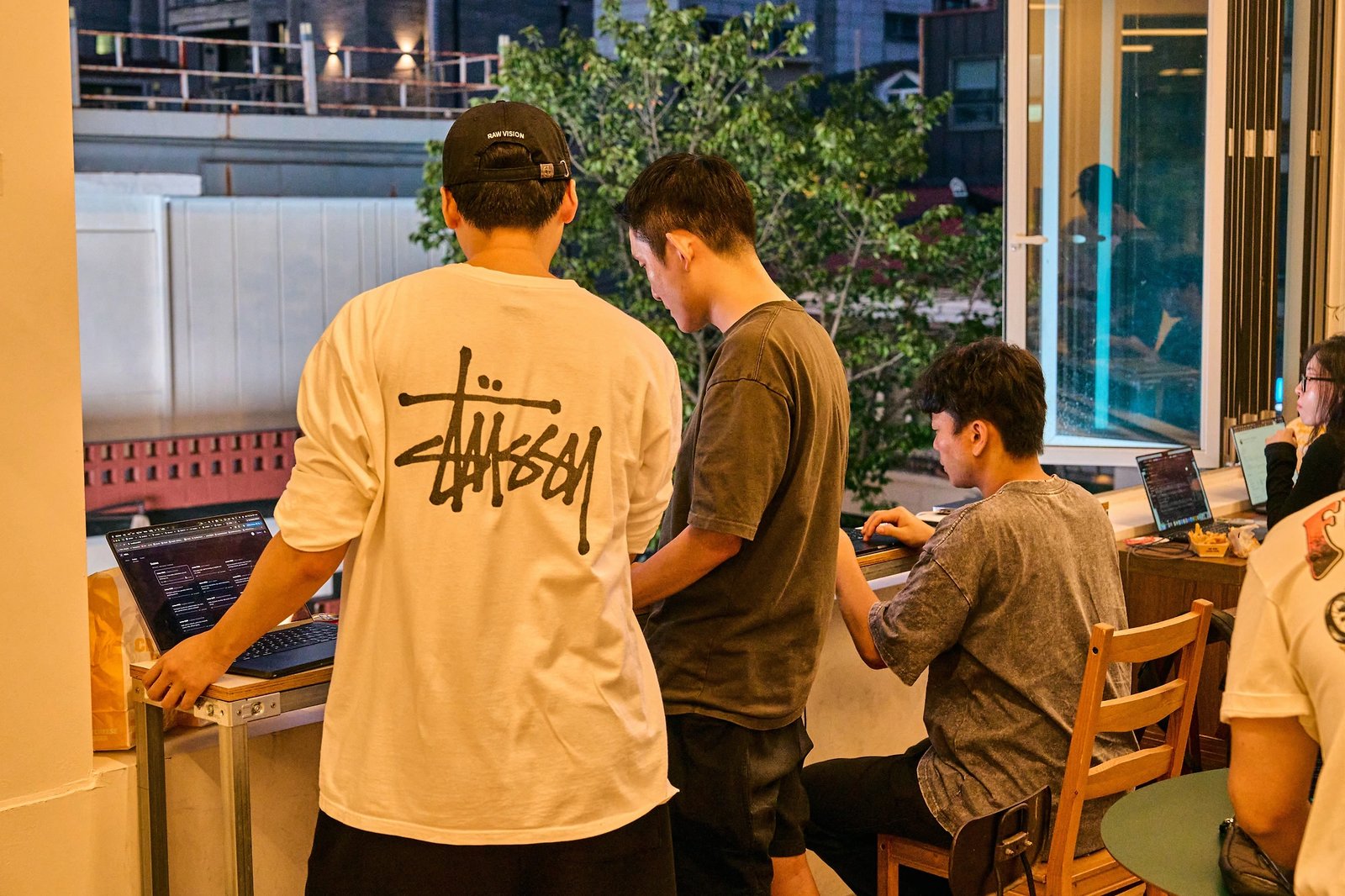
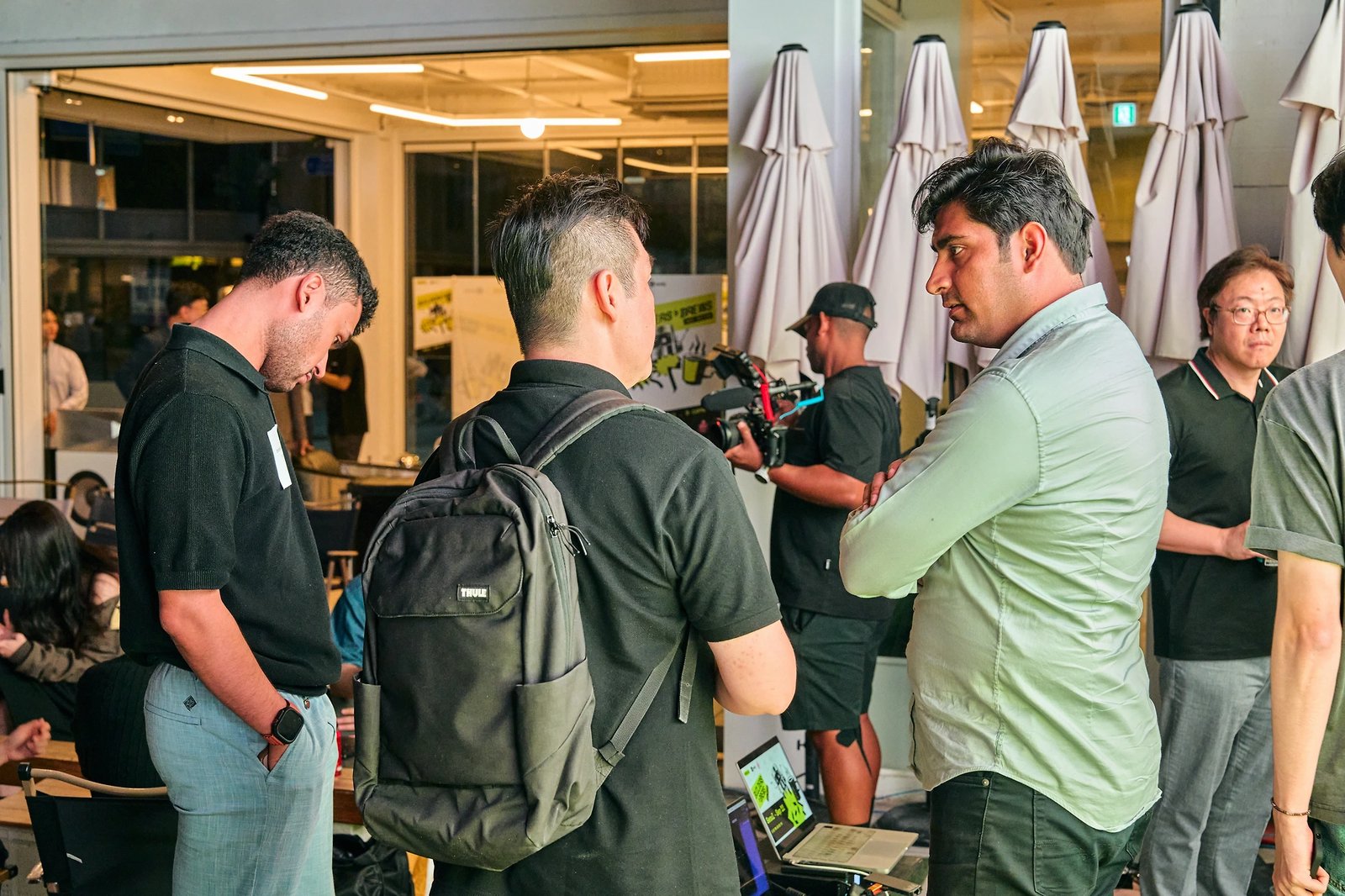
The hackathon began once the panel ended. Credits came in two kinds, $100 each for the cloud and for Token Factory, with the compute credit going only to those who had registered — because they wanted people to use compute responsibly. Teams that had formed and settled on what to build introduced themselves at eight. Meanwhile Dhruv Diddi kept talking data with the people who came up to ask. Putting a gripper-shaped device in a person's hand and having them work collects data more cheaply than teleoperation; going robot to robot is worth more again; and the most valuable data of all is what you collect while the model is deployed.
Gallery



Next event