
Someone's complaint became an app in an hour and a half
What was discussed
The theme was Taste Is All You Need: as AI writes code faster and more easily, the maker's taste matters more and more. So the day was built around hearing each other's problems first and then solving them yourself. We told people three lines would do for a complaint: who'd use it, how they handle it now, and what they wish existed. The examples were a task that comes back every week that nobody's automated, a side project whose idea is old but whose first screen never got built, and a meetup still held together with a spreadsheet.
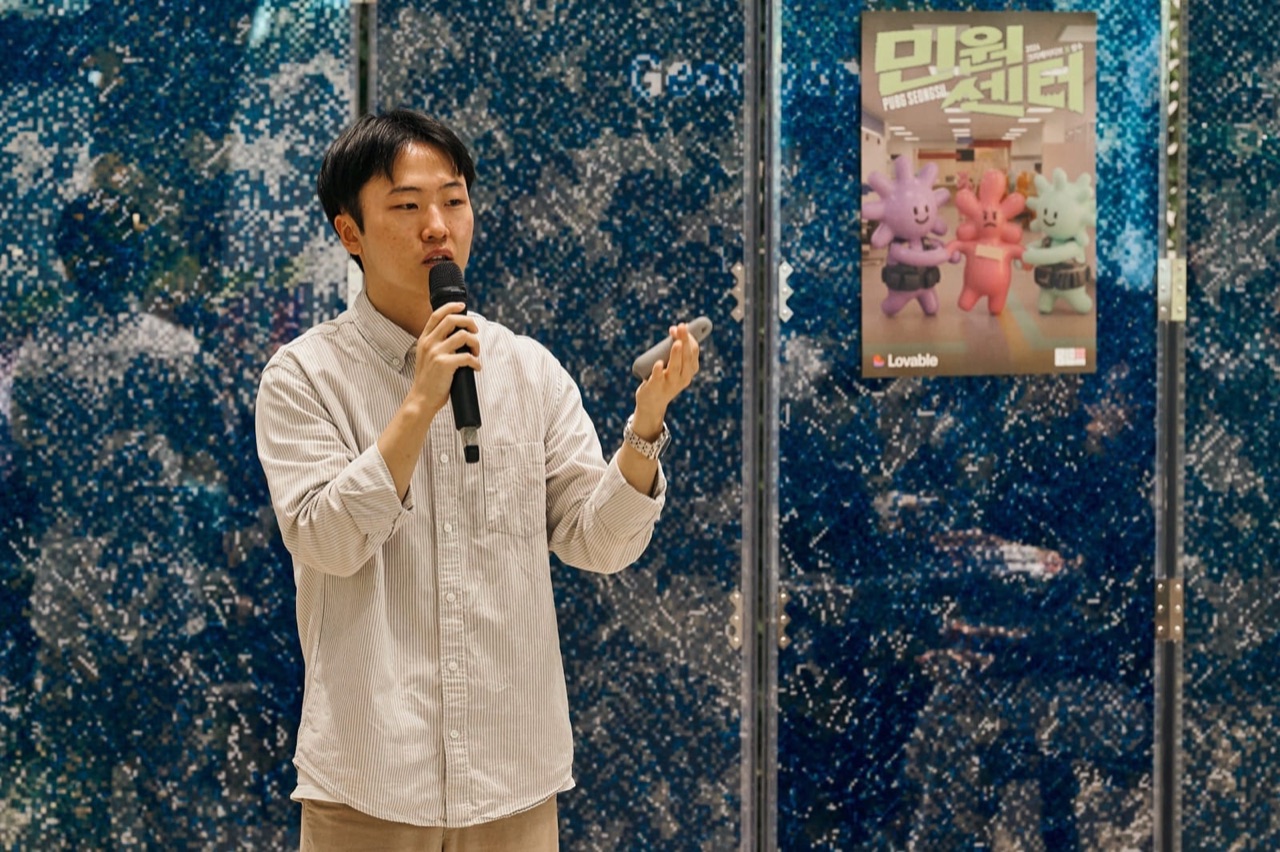
Junsu Kim, who ran the day, explained why we'd bothered collecting complaints by pointing to customers. If there's a complaint, there's a customer, and the moment you build it, someone who'll use it already exists. The people in the room might not write code themselves, he said, but they knew their own problems and what they wanted to make. Hammering away at AI alone gets you fewer answers than you'd expect, so his advice was to listen to other people's problems and ask as many questions as possible. Anyone too happy and peaceful to have a complaint could practice by solving someone else's.
Clearing out a whole weekday afternoon came from his own experience too. You tell yourself you'll grind on the weekend, but alone, willpower turns out to be weak and it often doesn't happen. Get everyone in one room on a weekday and people focus far harder. For freelancers, students and job seekers a weekday afternoon is the freest time they've got, and for people with jobs we hoped it would be worth a day off. From the start, the goal was also to make something people could put straight into their own business or portfolio.
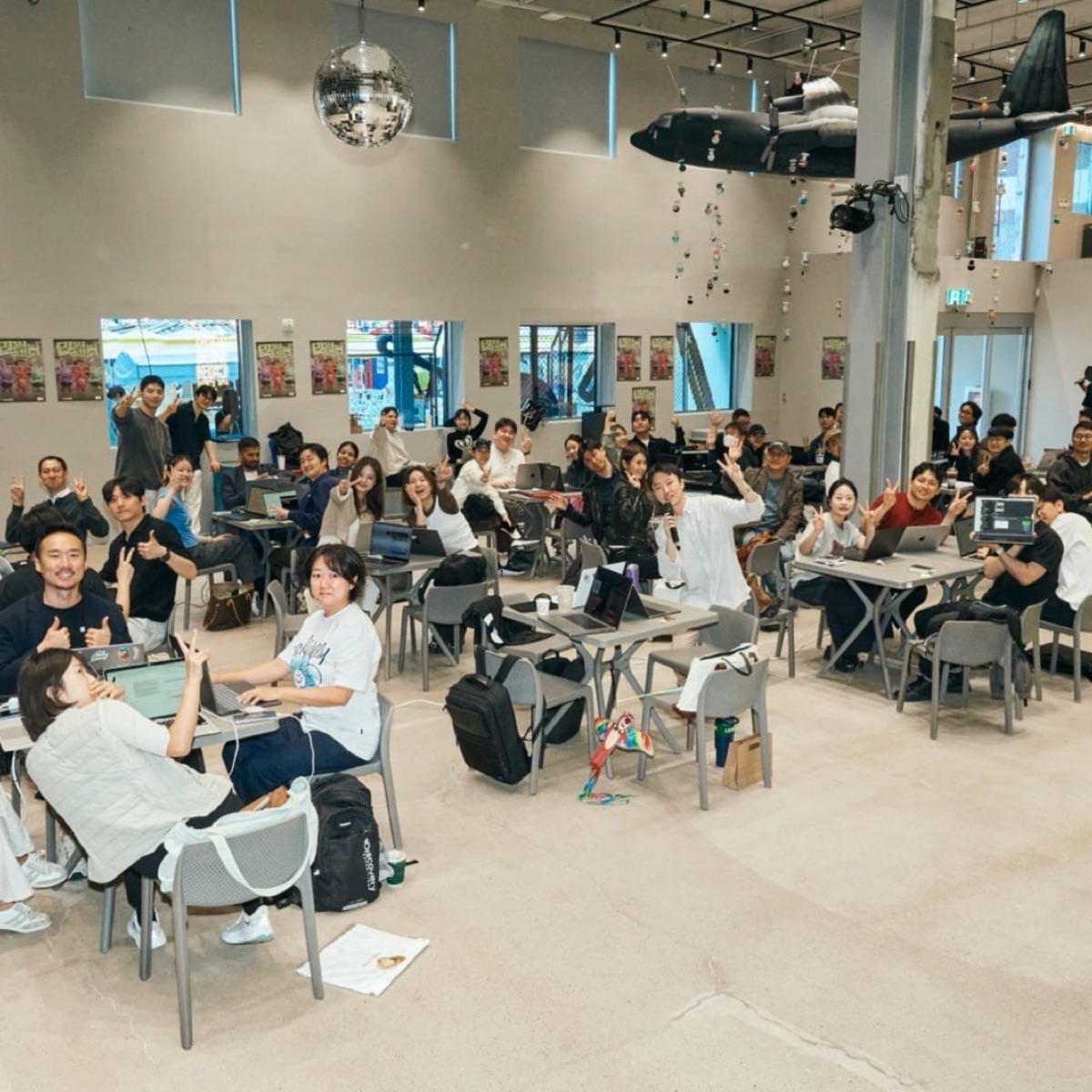
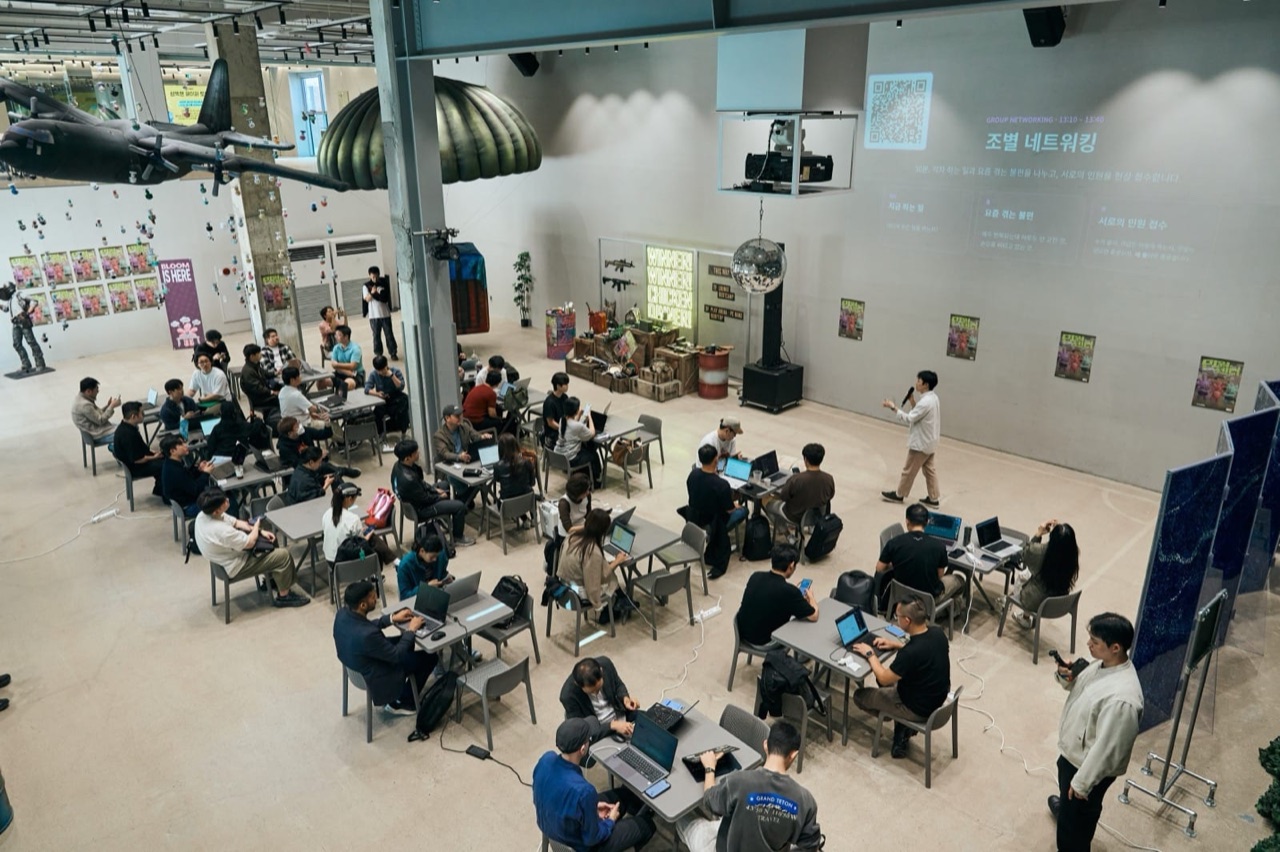
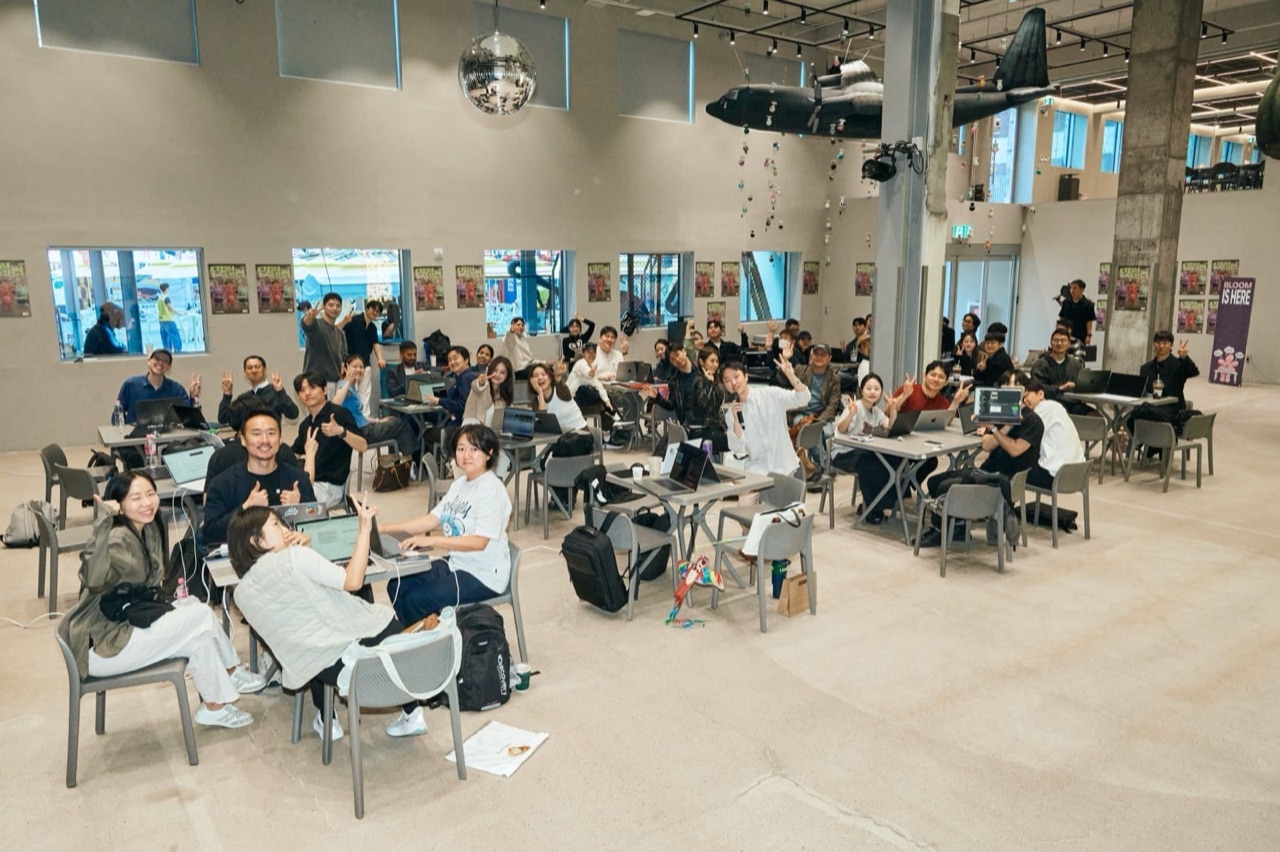
Groups were random and only for networking; the building itself was an individual event. For 30 to 40 minutes people introduced what they do, talked through a recent frustration or what they wanted to build that day, and then worked out how they'd build it. One tip was to keep a recording running the whole time, since talking it through sorts out your thinking and feeding that recording straight to AI makes the build much faster. Every announcement and finished link went into the complaints desk channel on Discord.
Everyone built in Lovable, an AI app builder that started in Stockholm. Describe what you want and it builds a web app with screens and features, which you can publish right away at a lovable.app address. It passed $100 million in annual recurring revenue eight months after launch and is counted among the fastest-growing software companies. Each participant got 100 credits and built from 2 to 3:30 p.m., and 29 of the 30 projects went live on the spot. The Tasty Seongsu W.W.C.D chicken-and-beer party was on outside the same day, so anyone who needed a break from building could step out for a beer.
Swimpyo, Korean for “comma,” is a wellness planner for freelancers working in Seoul. It finds the gaps between appointments, suggests a place or a break that fits each one, reminds you what to bring before the next thing, and says on its first screen that it doesn't collect your location. Star by Star lights a star in tonight's sky for every task you finish and reveals a hidden constellation once you're done. Today is an AI chief of staff that works out with you what kind of life you want, then tells you what to do today. The Interfaith Prescription has you pick what you're feeling and write what's on your mind in under 300 characters, and sends back a single letter weaving together the Bible, Buddhism and philosophy.
Maieu takes its name from maieutike, Socrates' method of drawing ideas out through questions. Its maker wrote that AI keeps pushing everyone's productivity up while our ability to think things through seems to shrink and the records of our own thinking get scattered. So Maieu won't write for you. It plays a 10-minute sparring partner that finds the holes in your logic before anyone else does, puts a red pen through the weak spots and leaves the rewriting to you. The suggested uses are catching the blind spots in a proposal before your boss or client does, or rewriting a cover letter in your own thinking.
Is This a Scam? was built for a mom who asks whether every text she gets is a scam. Upload a text, a KakaoTalk message, or a screenshot of YouTube or the news, and AI points out what's suspicious and what to do about it. The screen is full of lines written with parents in mind, like a note that pressing and holding the input box brings up paste, or a reminder to cover passwords and verification codes before uploading. Parenting by Temperament refines a profile of your child's temperament as you log situations and reactions. Mom or Dad? steps in when parents clash, looking for what works for the family over who's right, and proposes a small agreement to try today.
Homeward came from its maker learning that the public data portal has an OpenAPI for rescued animals. It shows notices from shelters across the country in one place, and the hope that many of those animals make it home became the name. Everyone's Last Train is for anyone who's stayed a little longer so as not to kill the mood and missed the last train. The group joins from one link, everyone enters their last-train time, and the time left before the party breaks up shows as a candle melting on the table, so whoever leaves first doesn't have to feel bad about it. There was also a map of clean restrooms nearby, a rainy-day map of indoor spots, and a photo test for deciding who gets the camera on a trip.
Sujugak started from freelance developers and studios combing Wishket, government grant programs and open KakaoTalk chats for clients every day. It gathers that day's Wishket and K-Startup notices, flags only the ones that fit your company and tech stack, and shows how many competitors each one has. Because it only curates and takes no commission, the 20% a platform would normally take gets split between client and developer. Persuasion Lab takes a proposal or a GitHub URL, asks back for the numbers and facts you're missing, then writes a strategy and likely Q&A for each audience, from a CEO or CFO to a chief information security officer. RoleFit checks your fit for a job posting and says up front that it won't invent experience that isn't on your résumé.
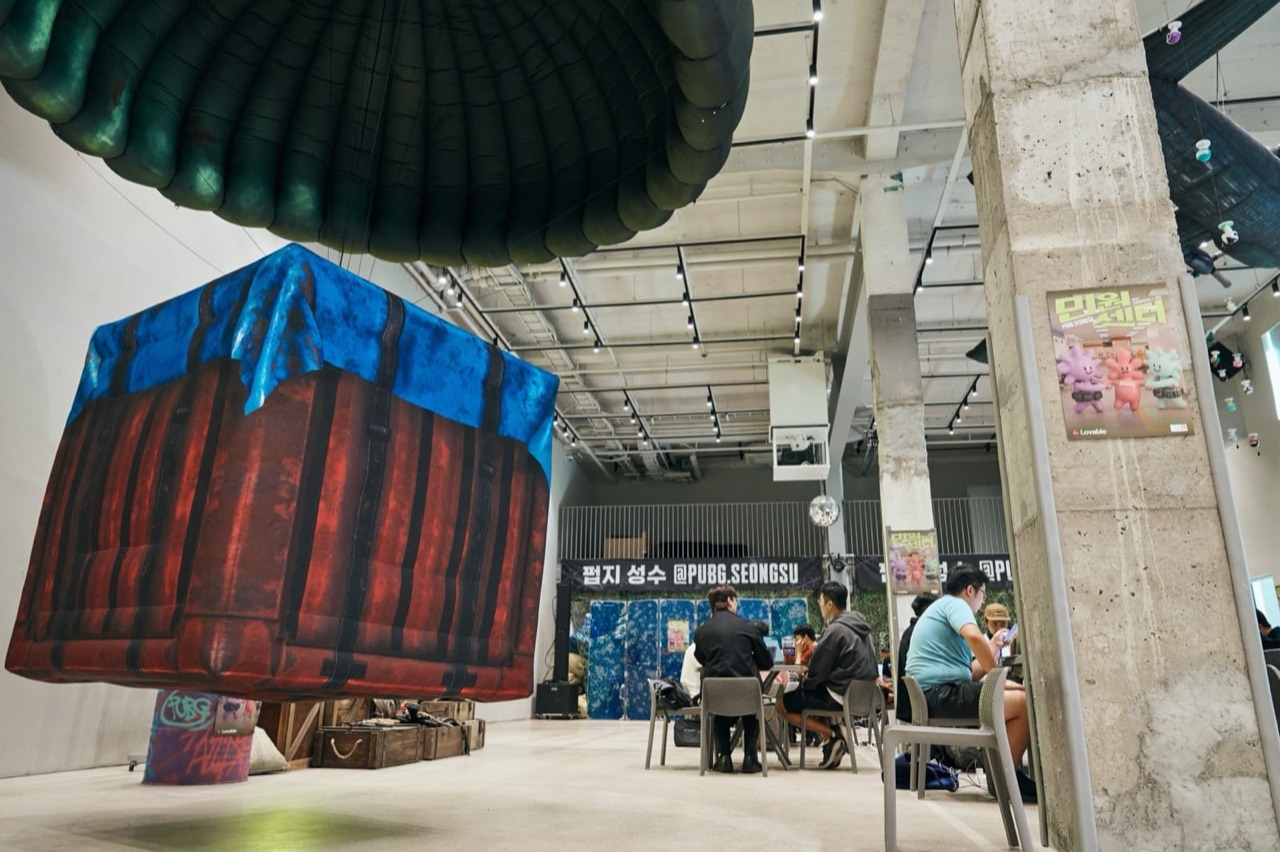
Gyeol started from a complaint posted in the Discord channel before the event, asking for a dating app built on sincere connections. Instead of judging fast by photos and checklists, you get to know each other's values and thinking first. Four questions about texting, arguments, weekends and the pace of a relationship sum up your dating style, and it introduces only two people a day, and profile photos stay hidden until you match, then the blur fades a little as you talk without ever going fully sharp. One person's complaint was picked up by someone else and turned into a product in an hour and a half, which is exactly what the complaints desk set out to do. And fittingly for PUBG Seongsu, someone built a Battlegrounds supply crate you open for a random dare.
The 30 projects went up in the Discord channel one by one between 2:39 and 4:47 p.m., and from 4 p.m. we went through them together in a demo session. It was a show-and-tell with no rankings or prizes, but Gyeol's maker asked anyone who wanted to try it to hit the heart, and the Metacognition Test, which uses 20 words to tell you whether you're the overconfident or the modest type, got a note asking for a way to review how you answered each question. People who filed a complaint now have something to use, and the people who built it can keep improving it with users already lined up. The next step for the complaints desk is to keep refining whatever's worth using after the event and grow it into AI products people actually use.
Gallery







Next event