AI Summer Night Rave
What was discussed
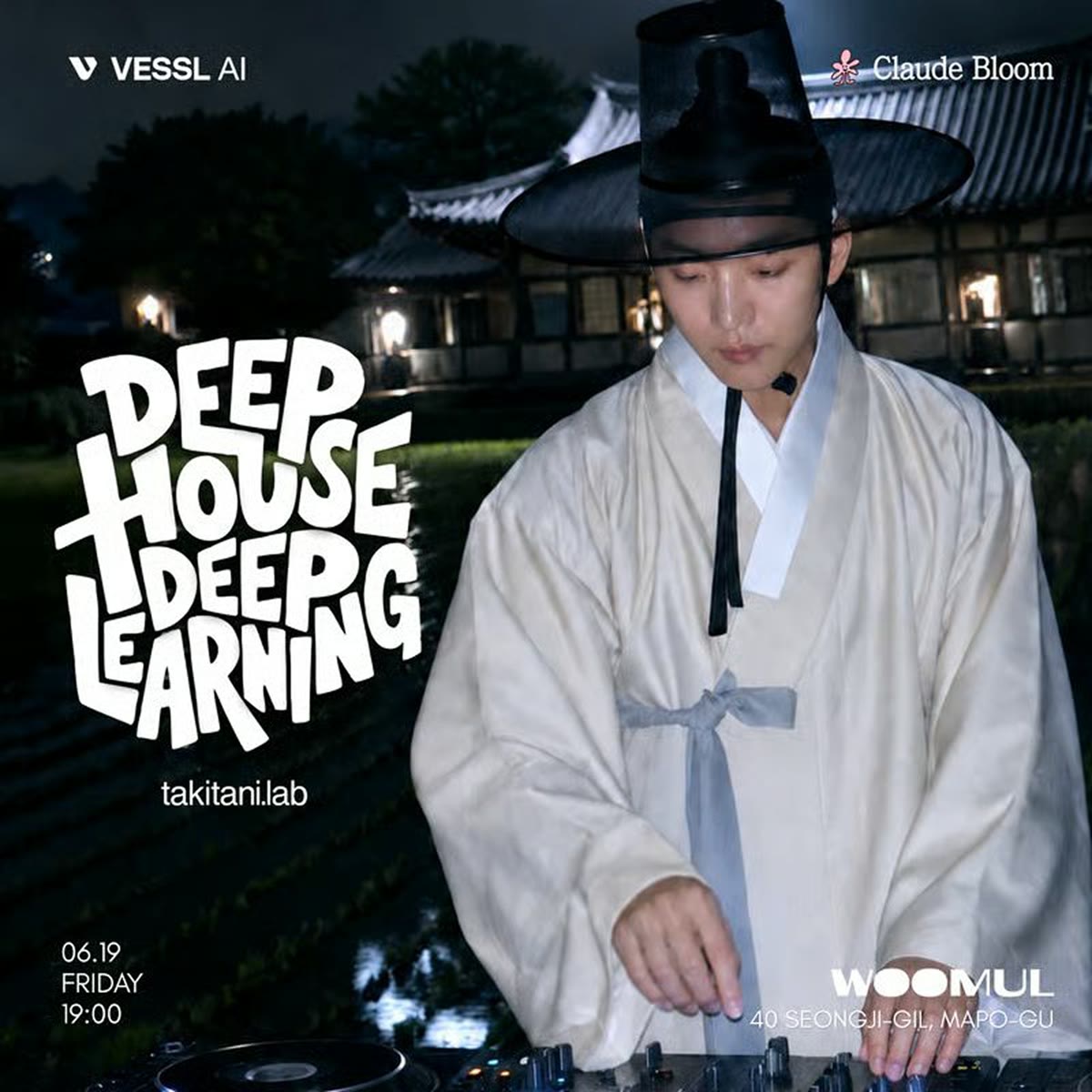
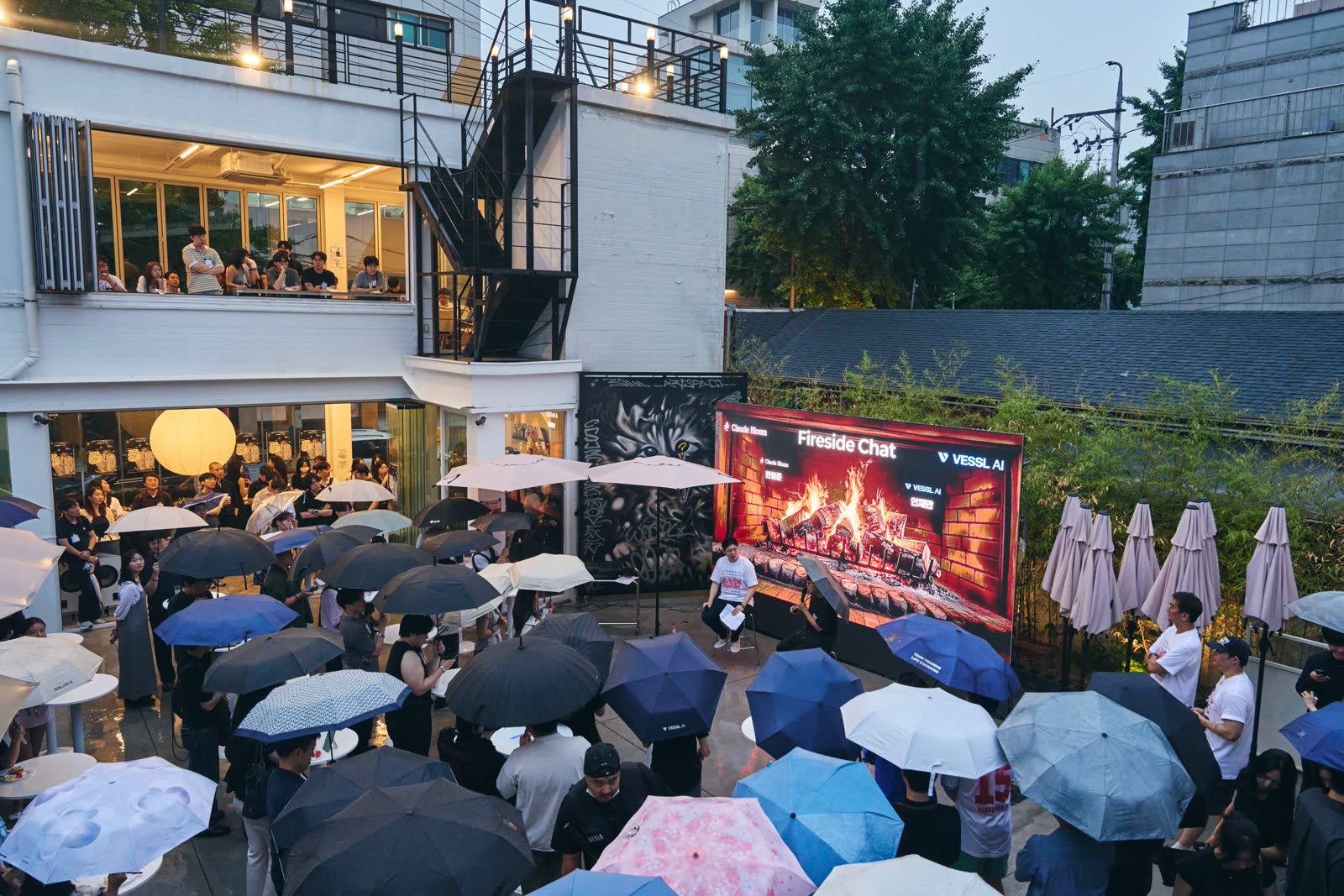
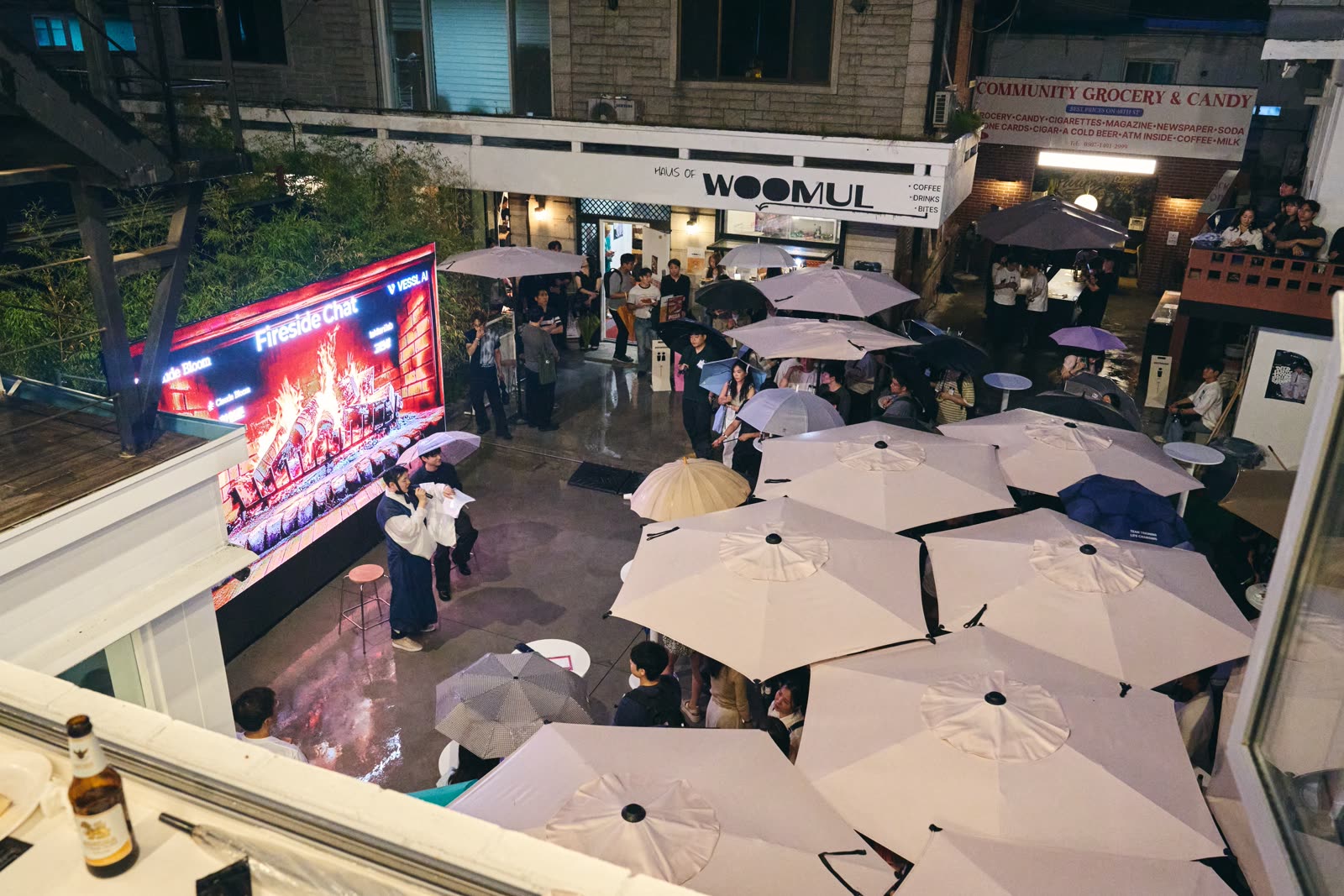
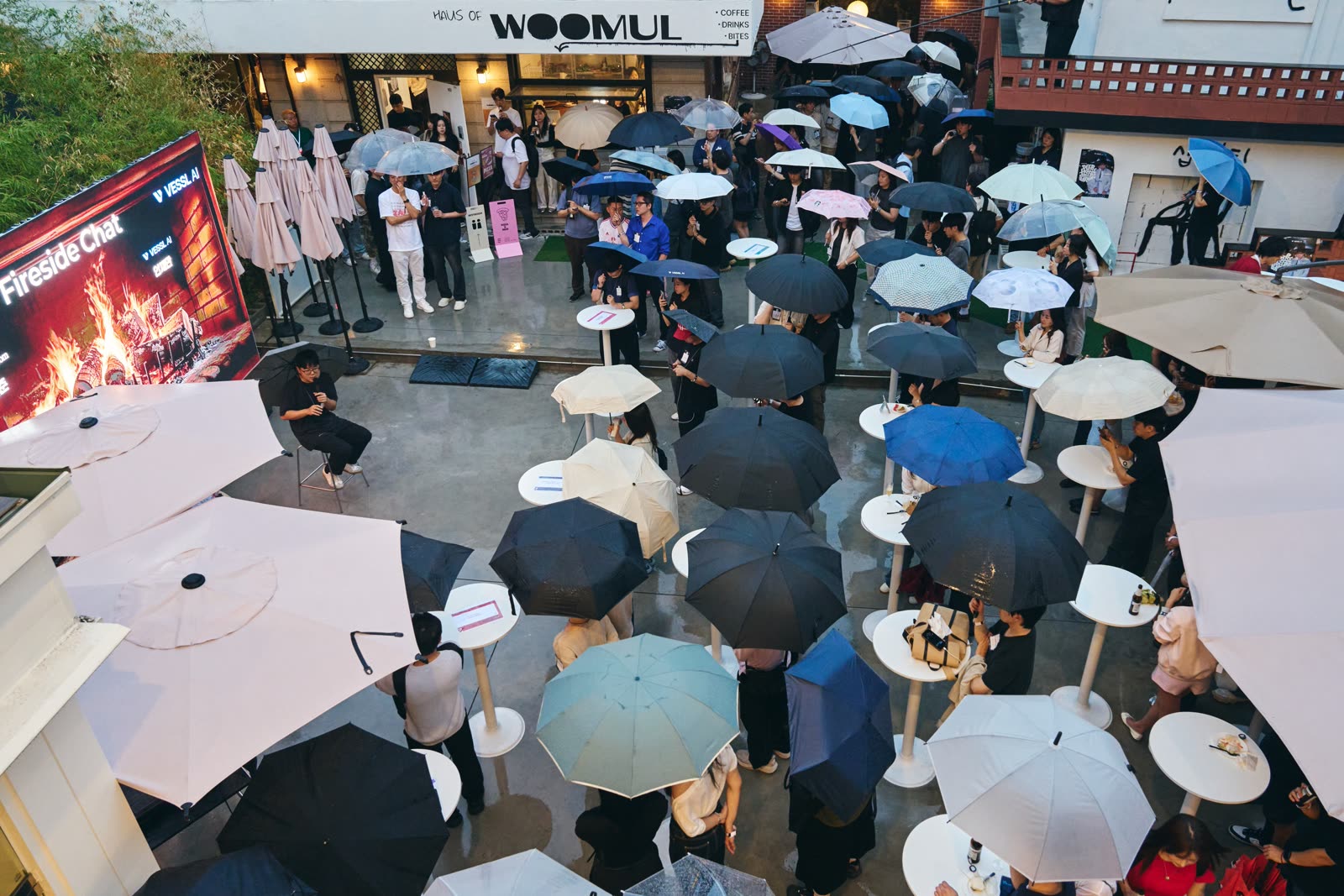
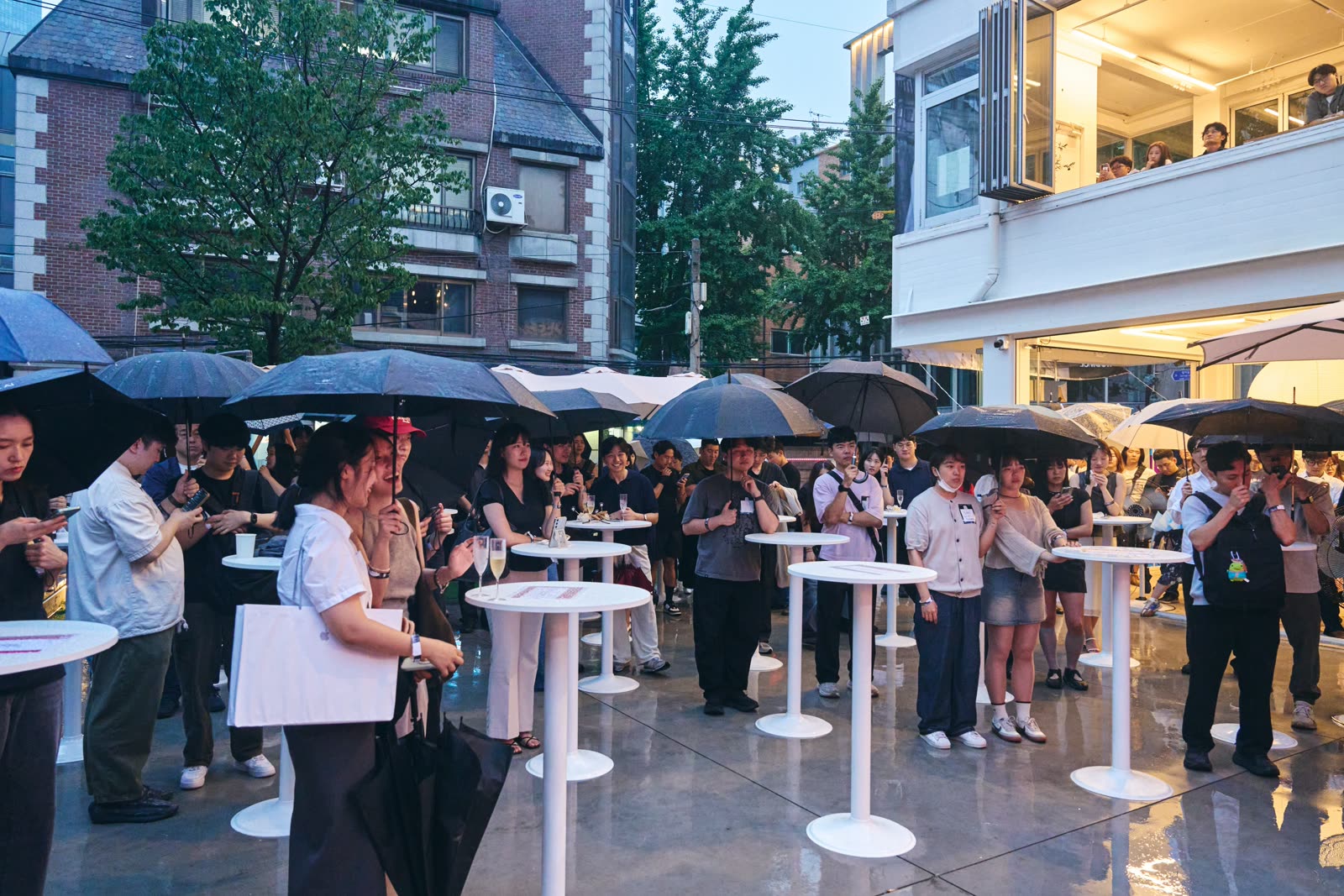
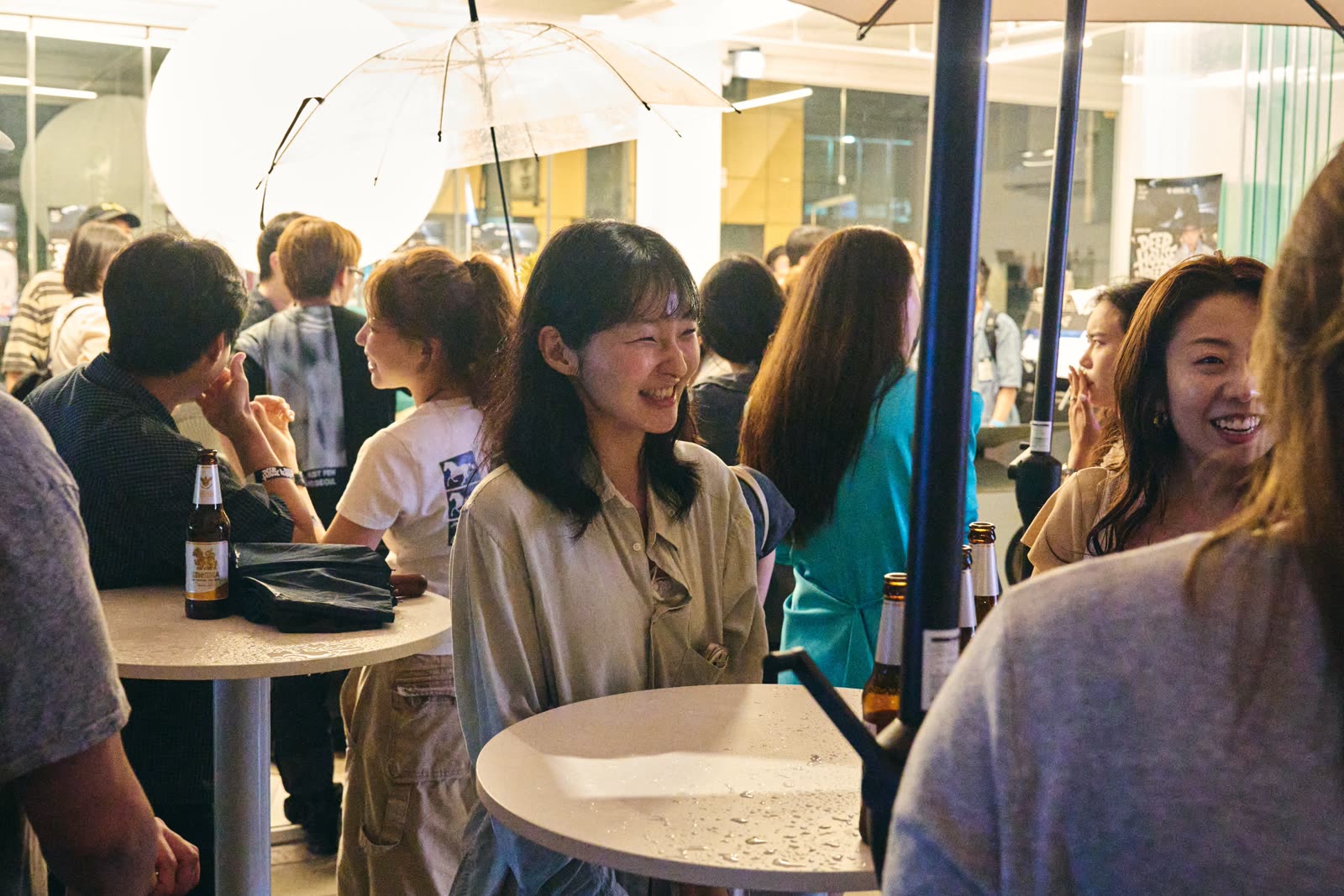
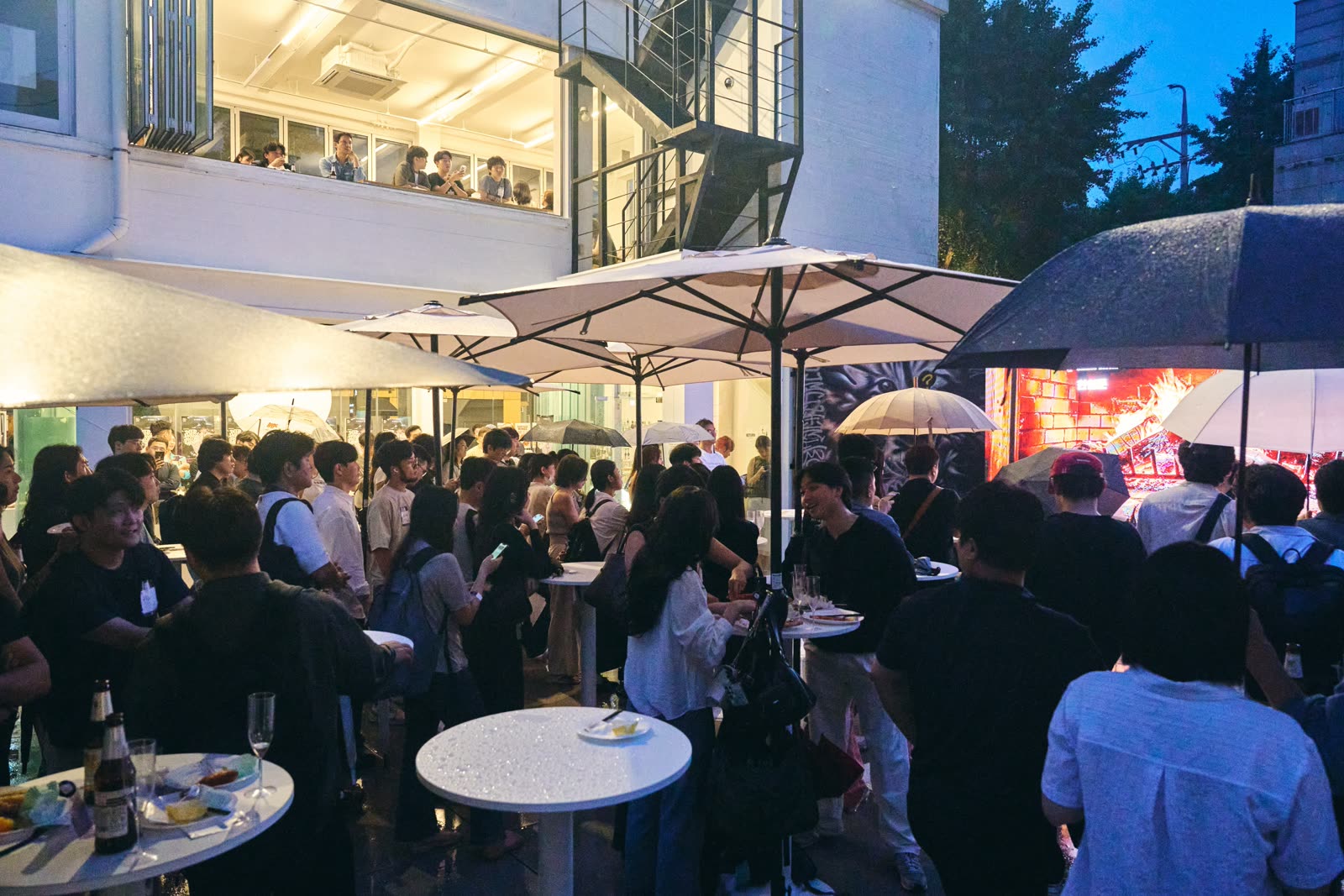
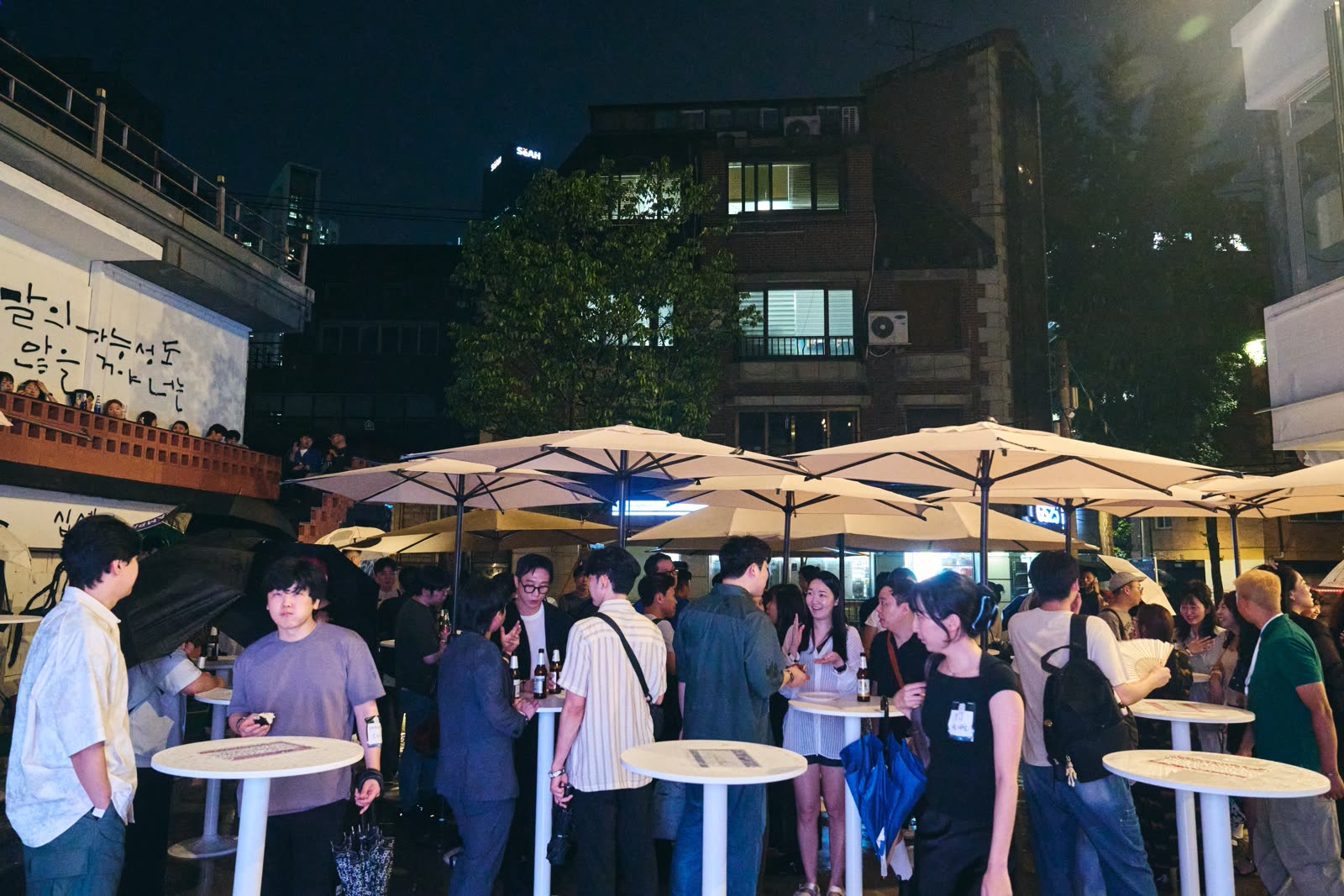
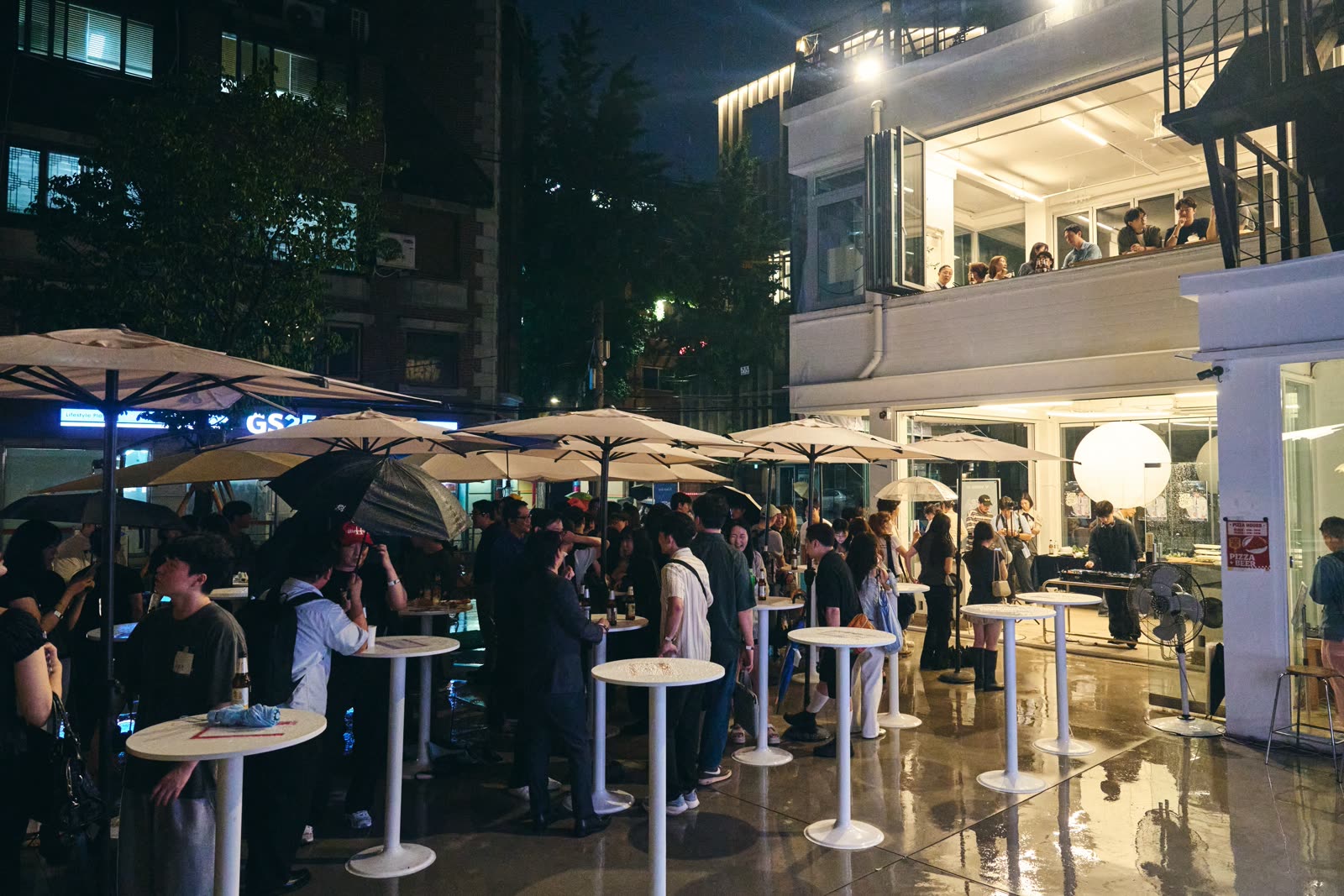
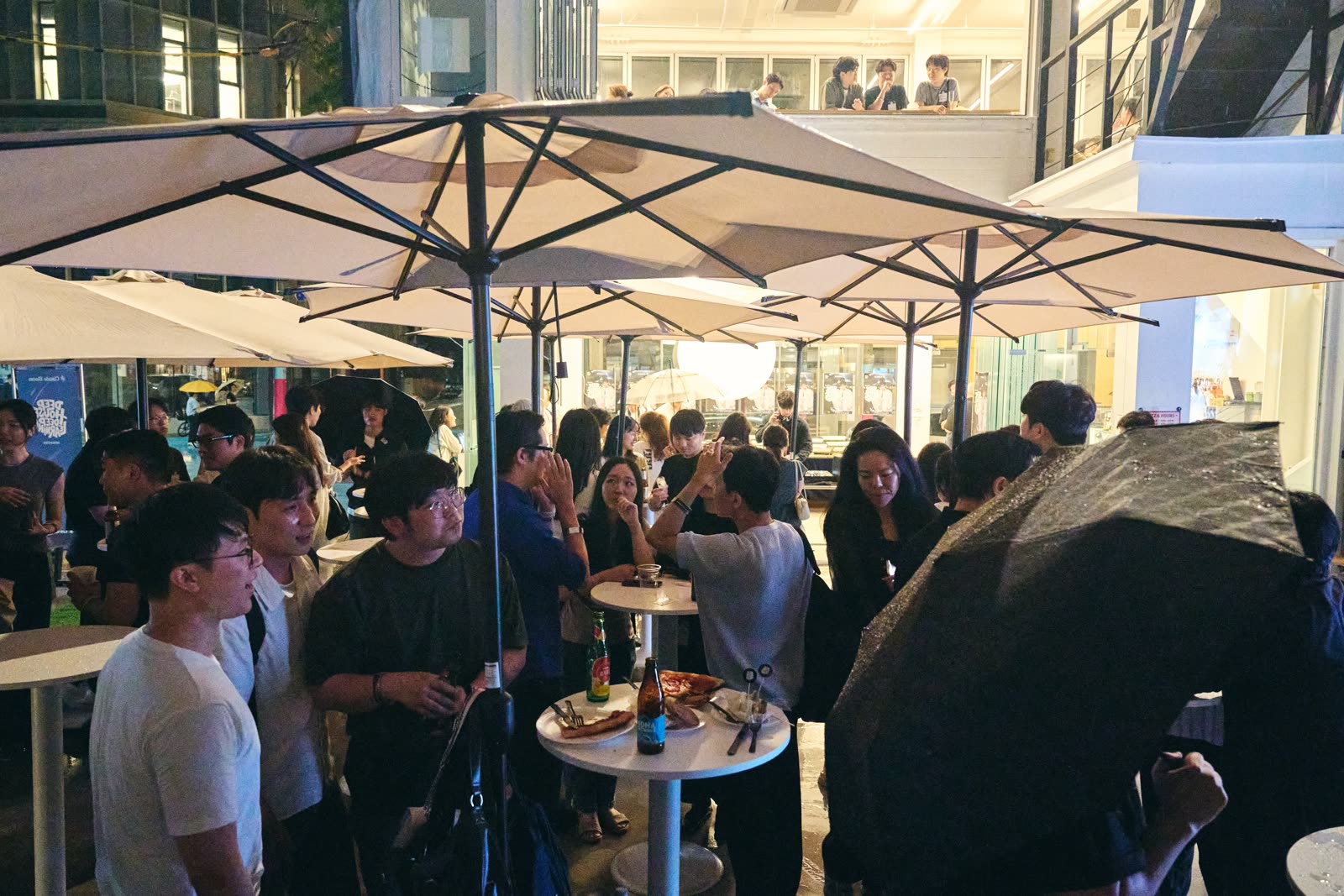
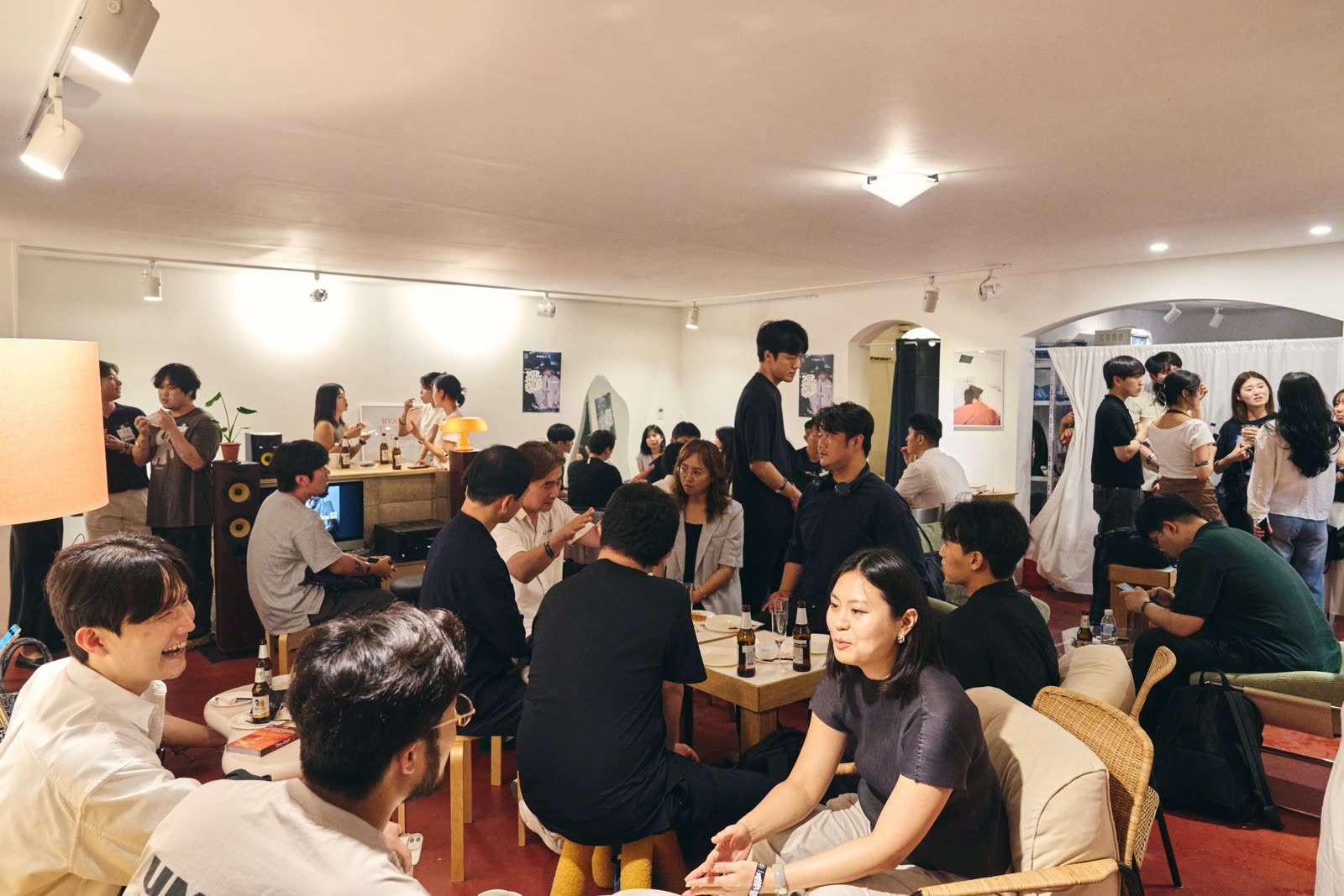
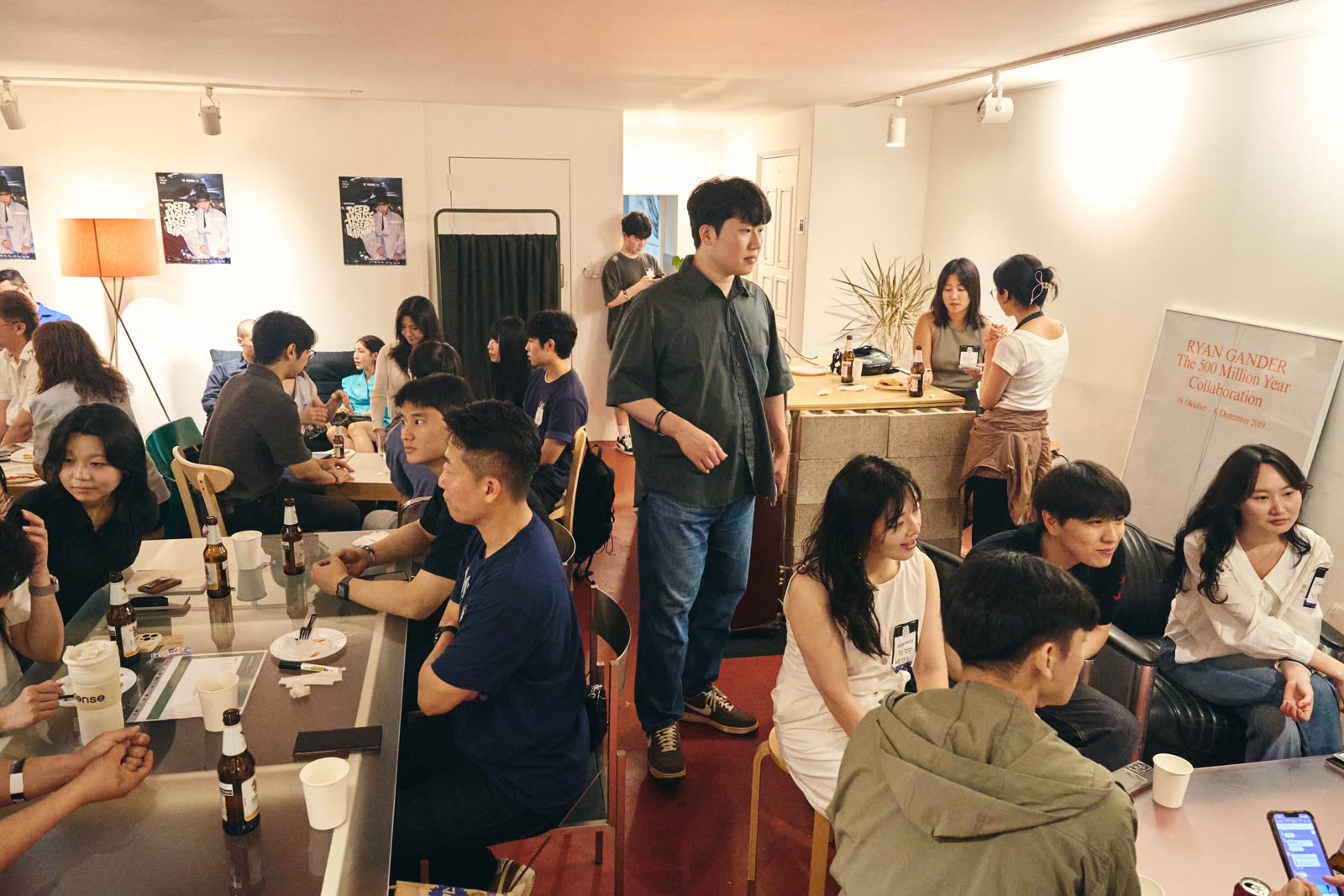
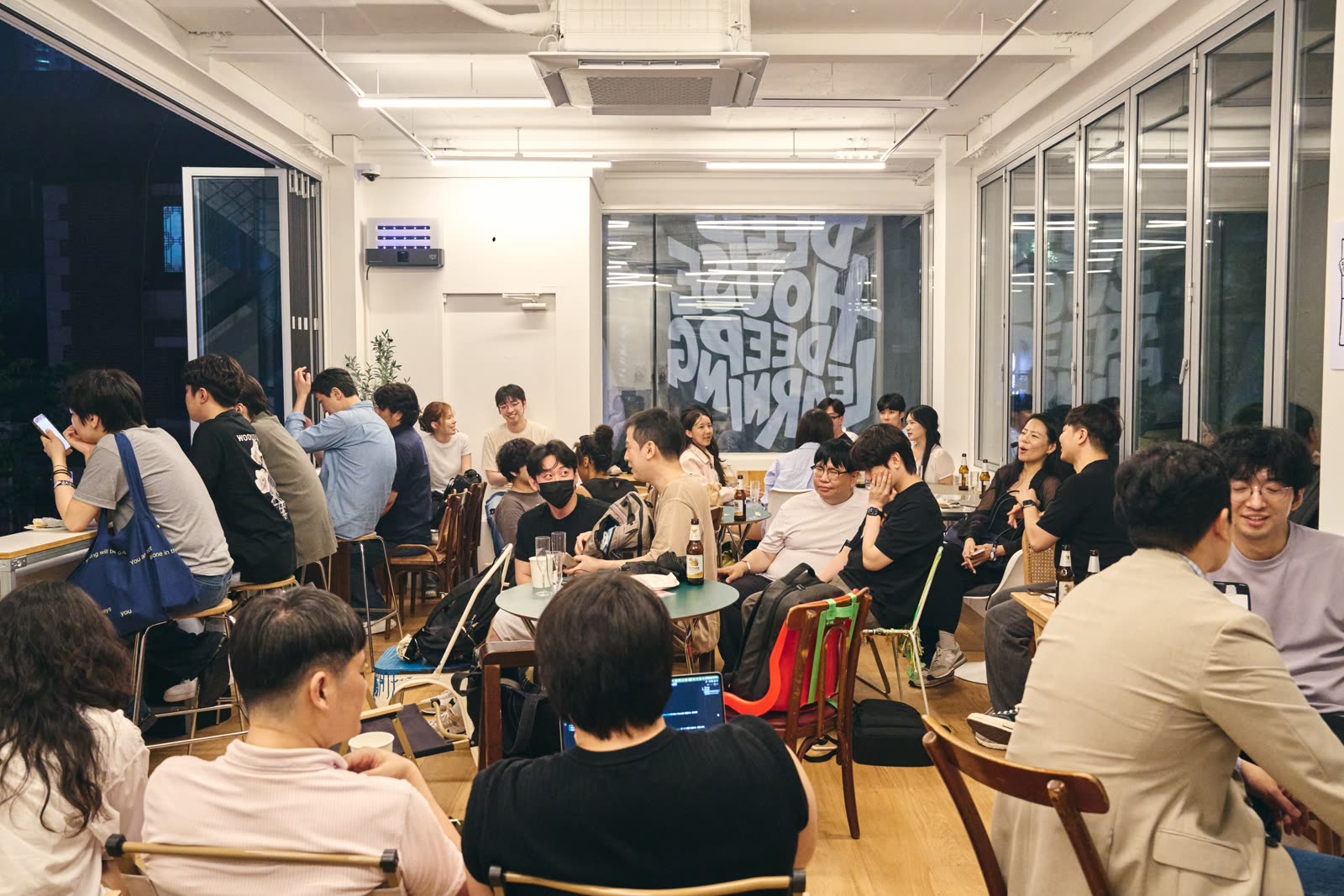
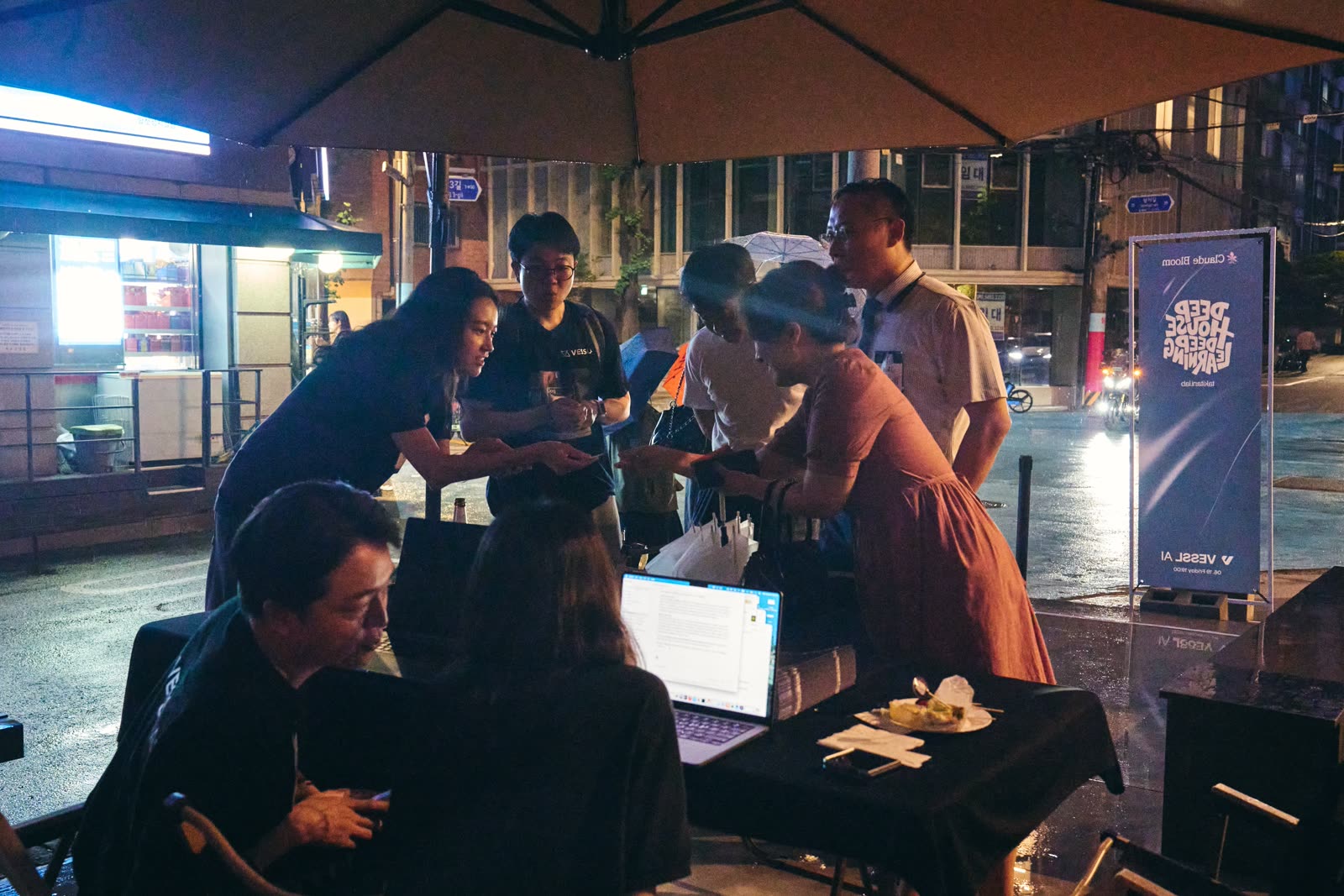
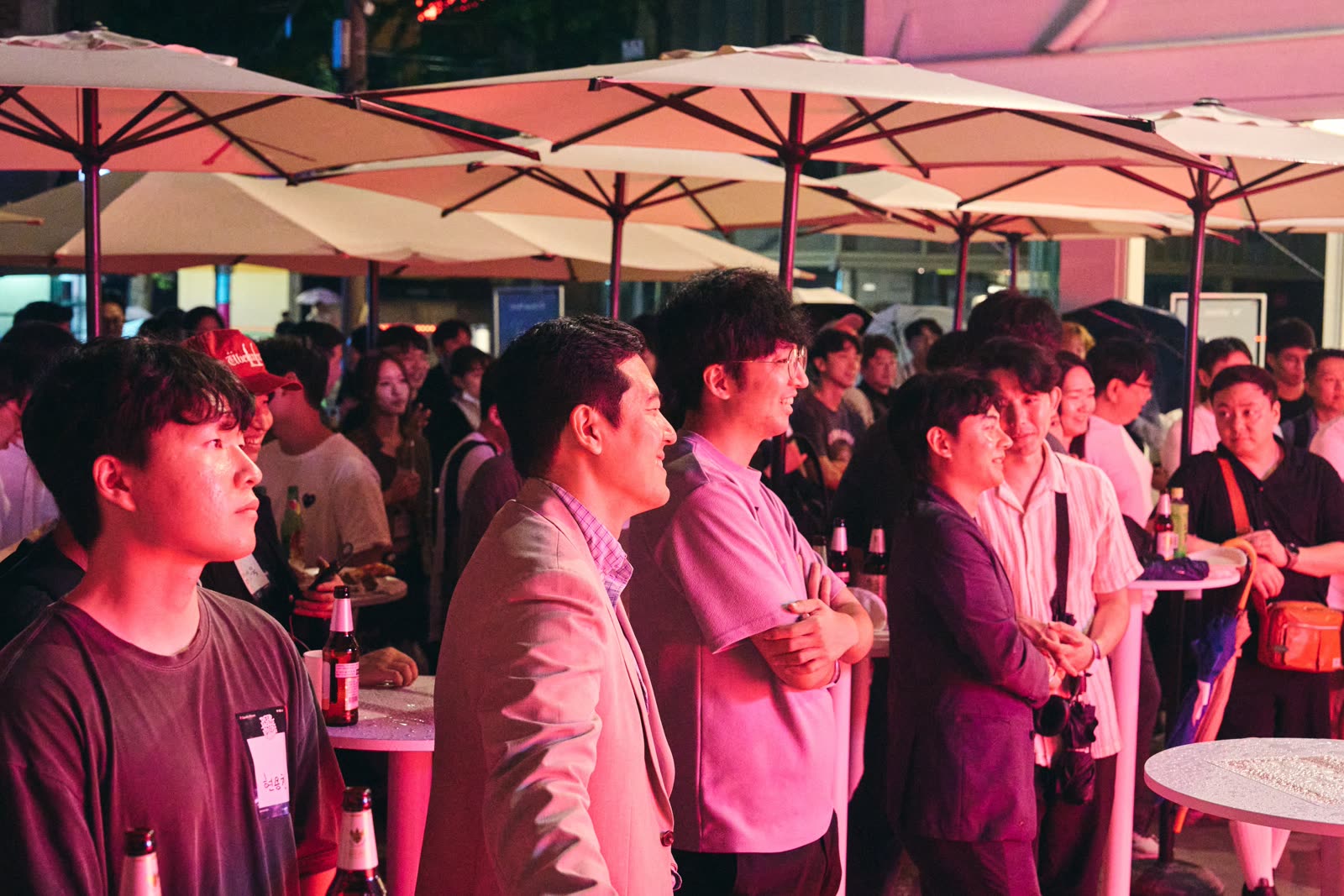
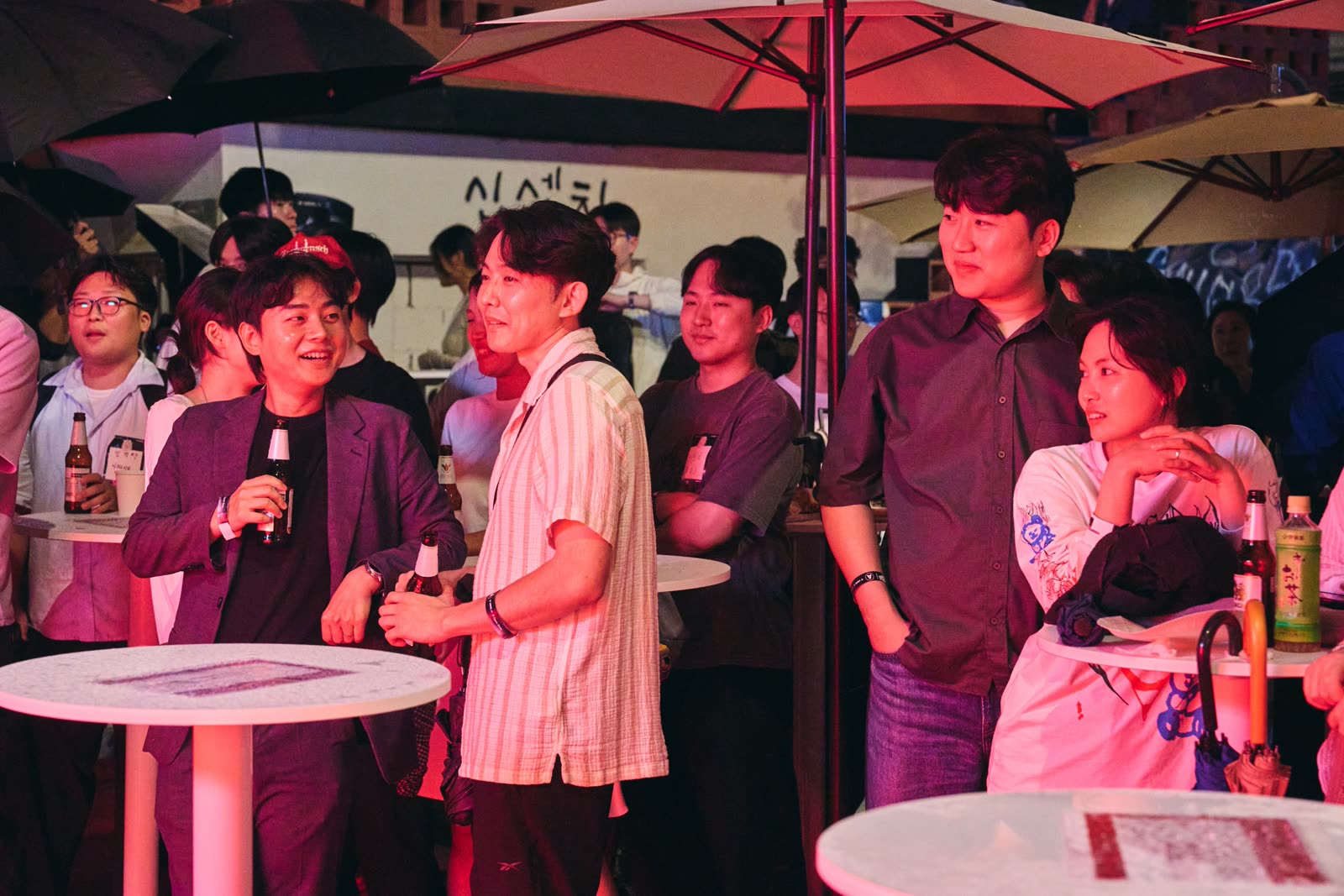
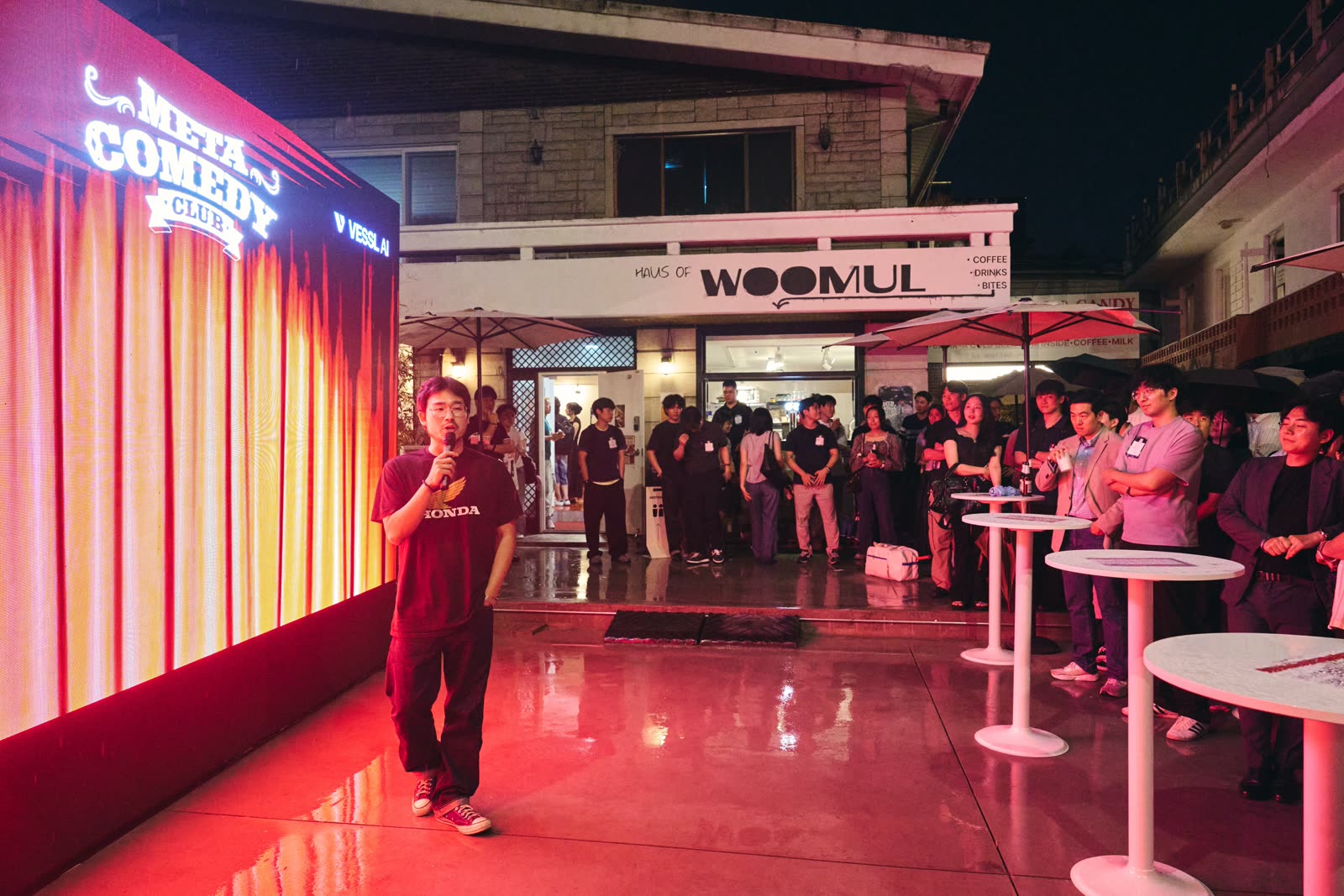
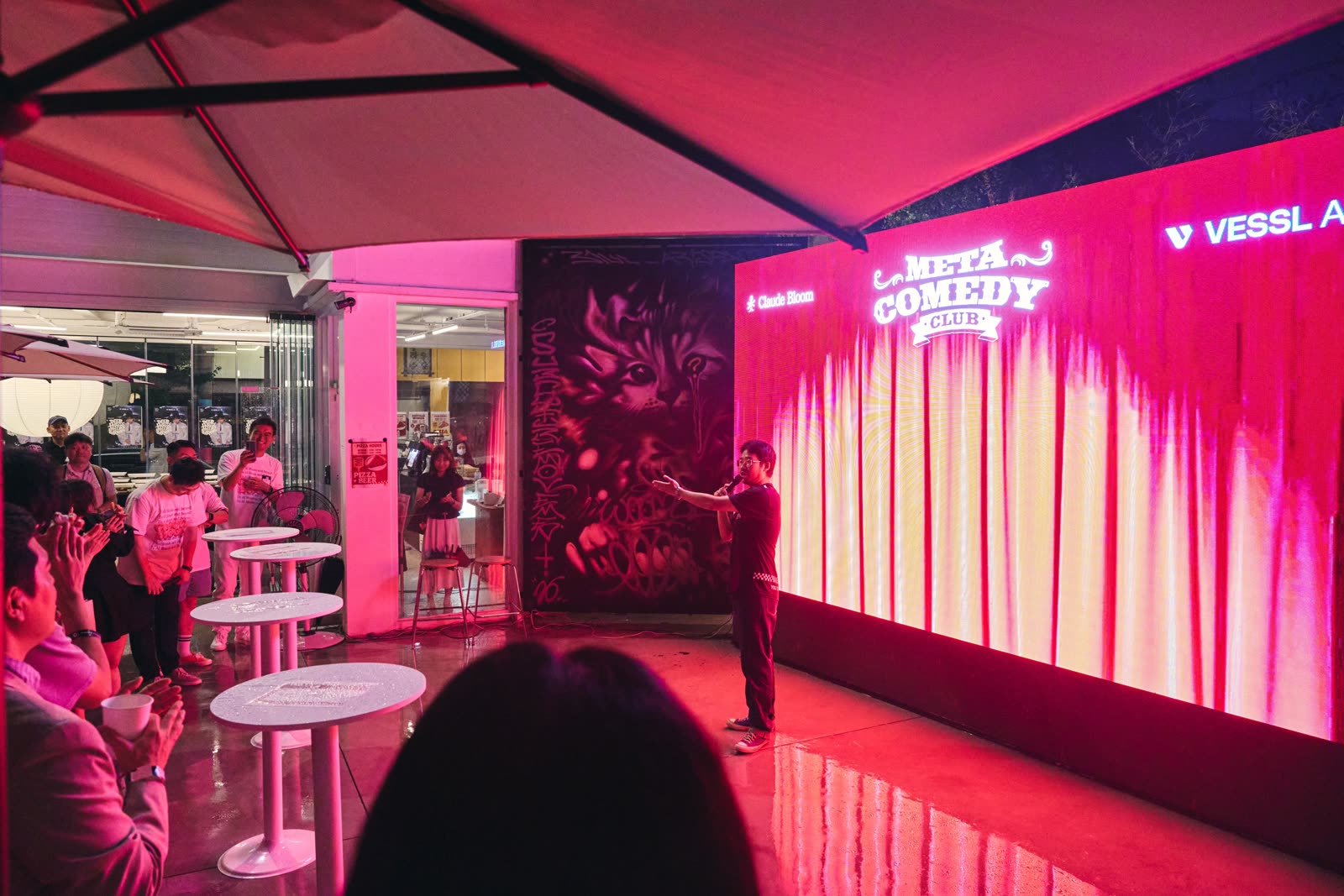
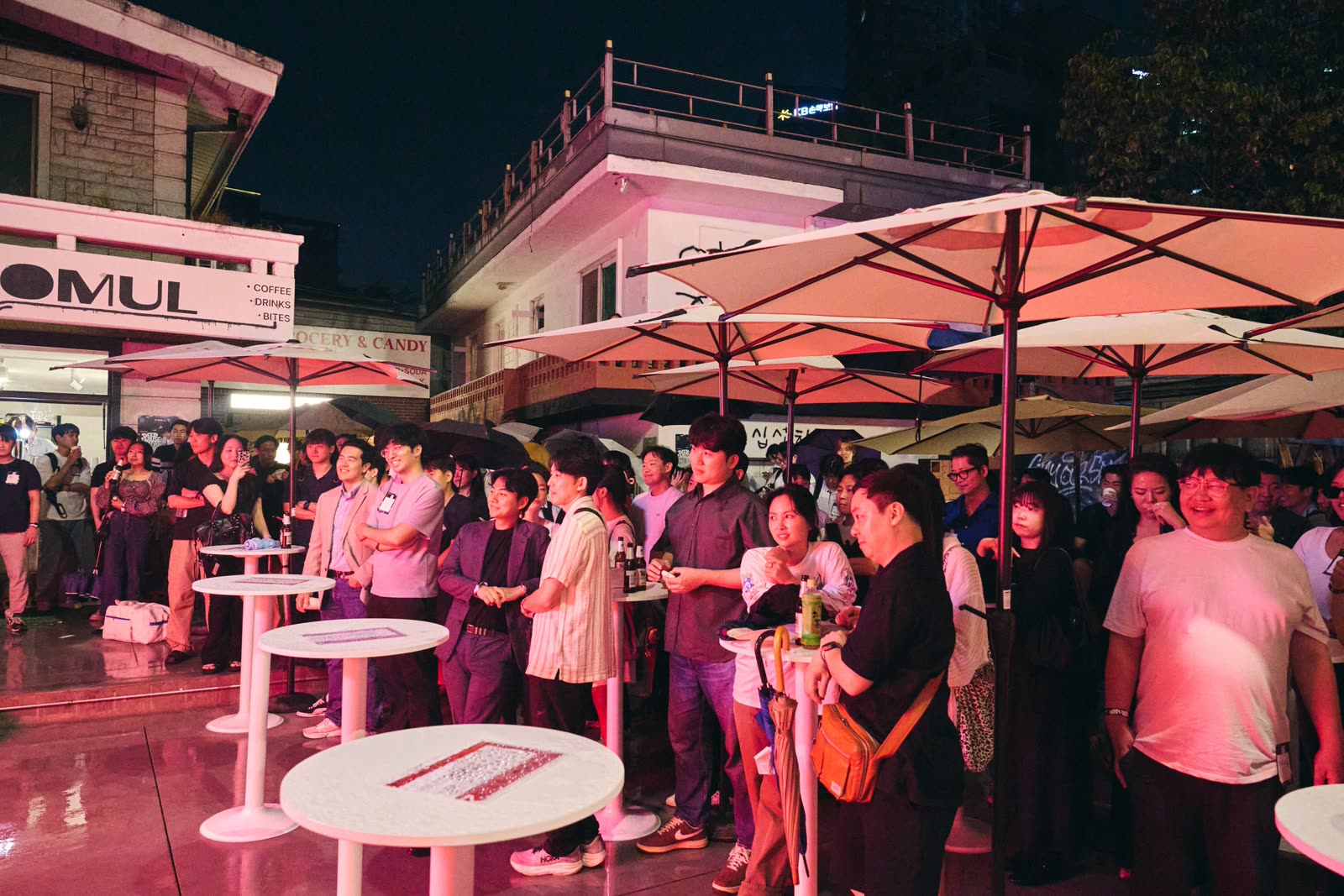
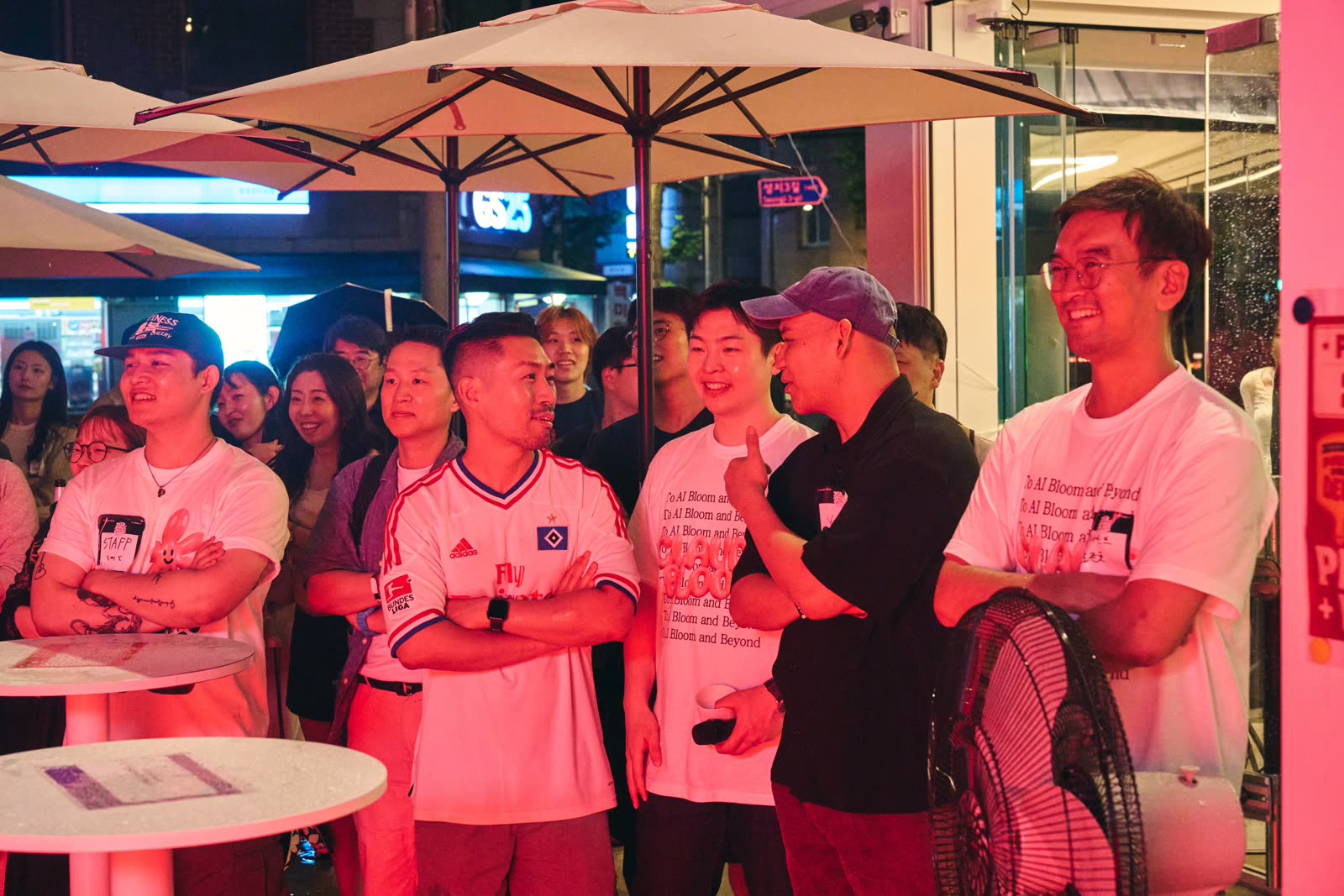
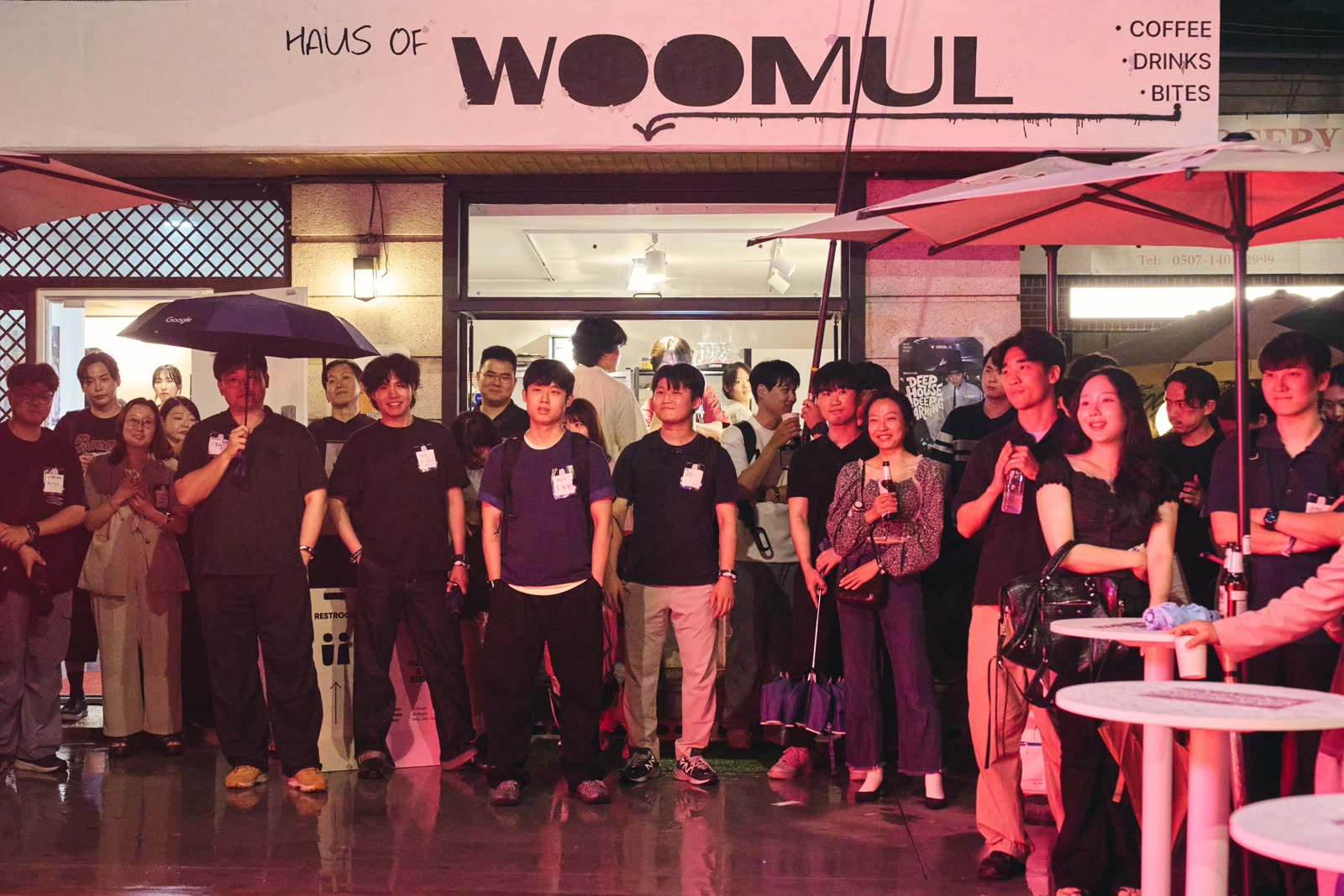
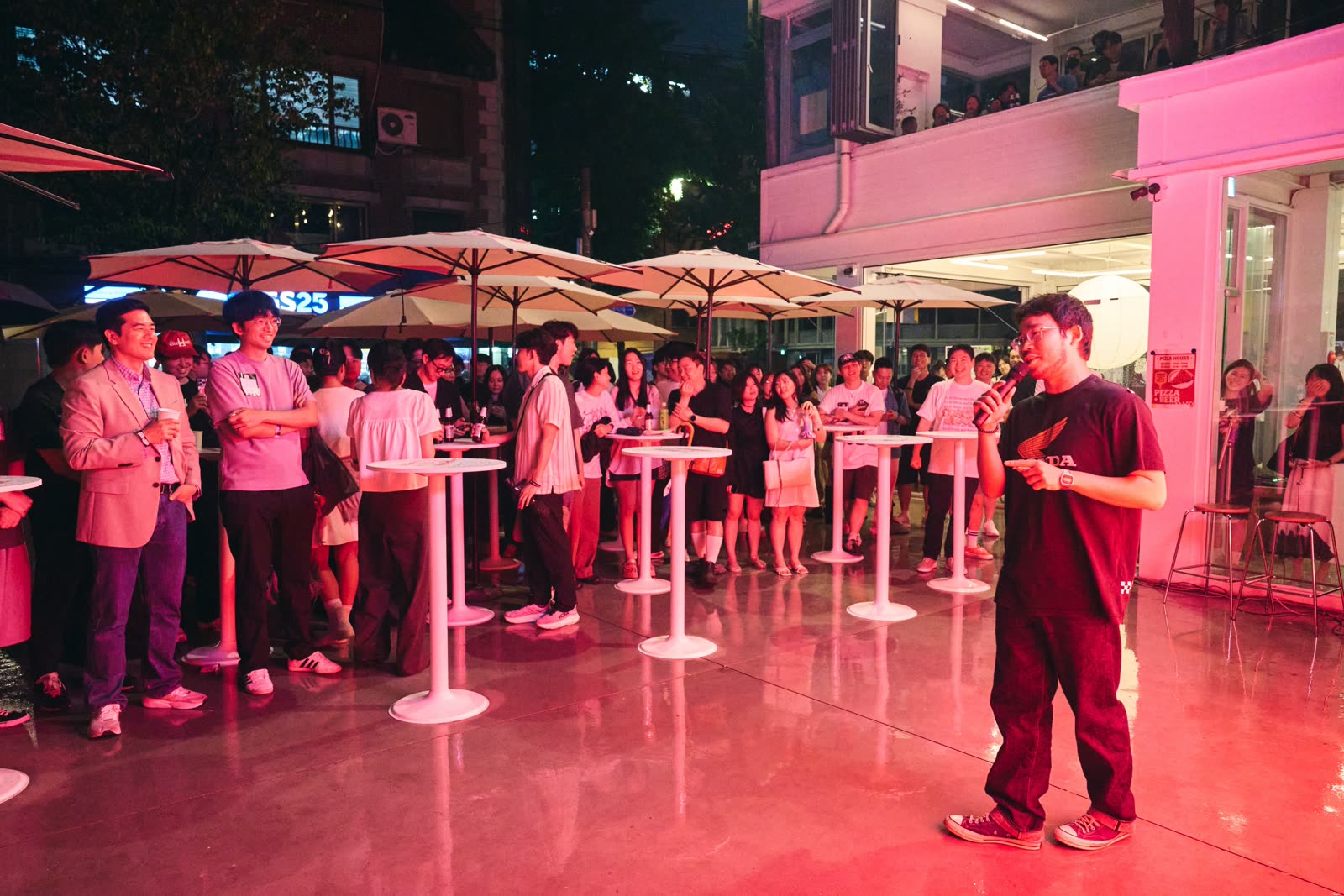
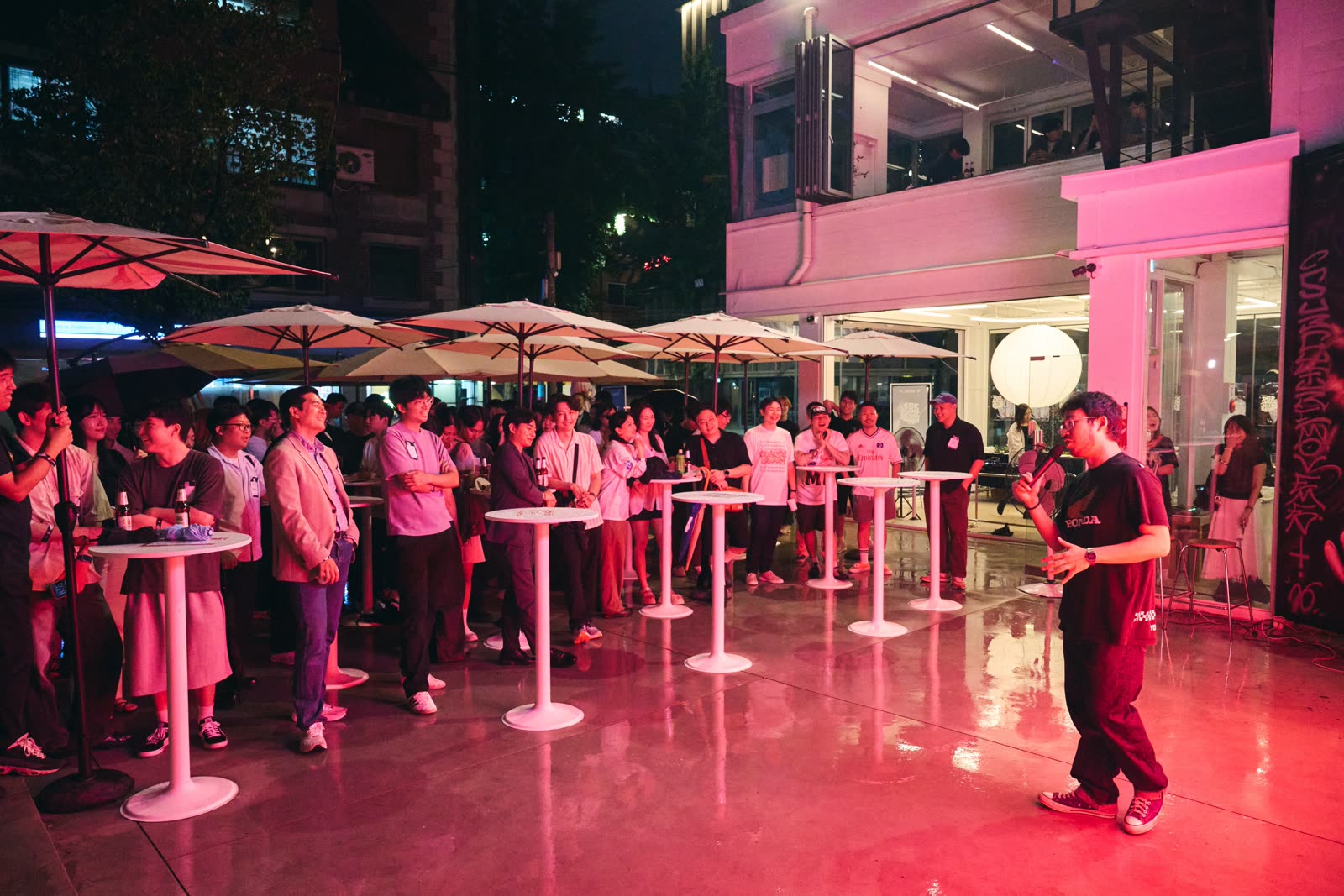
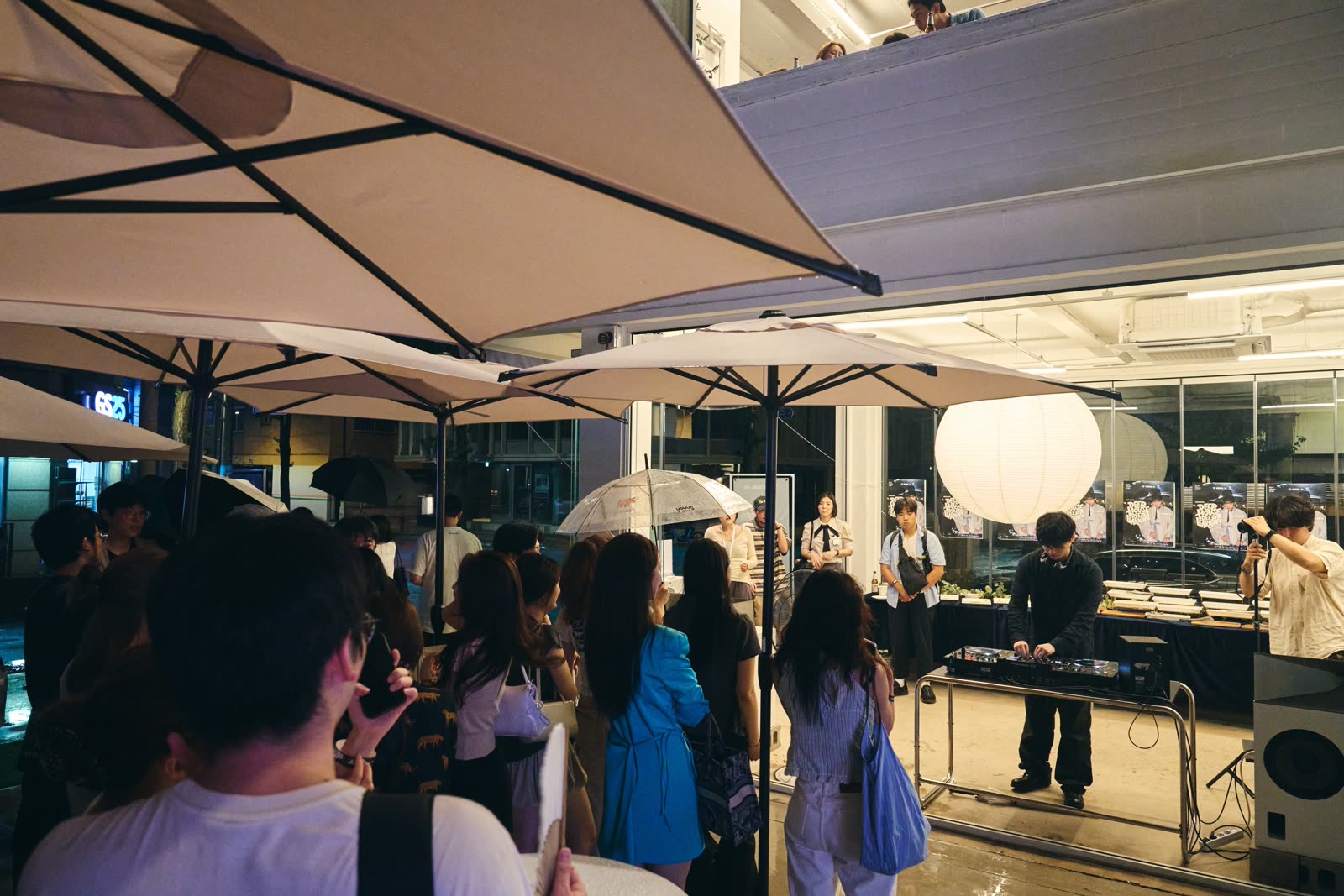
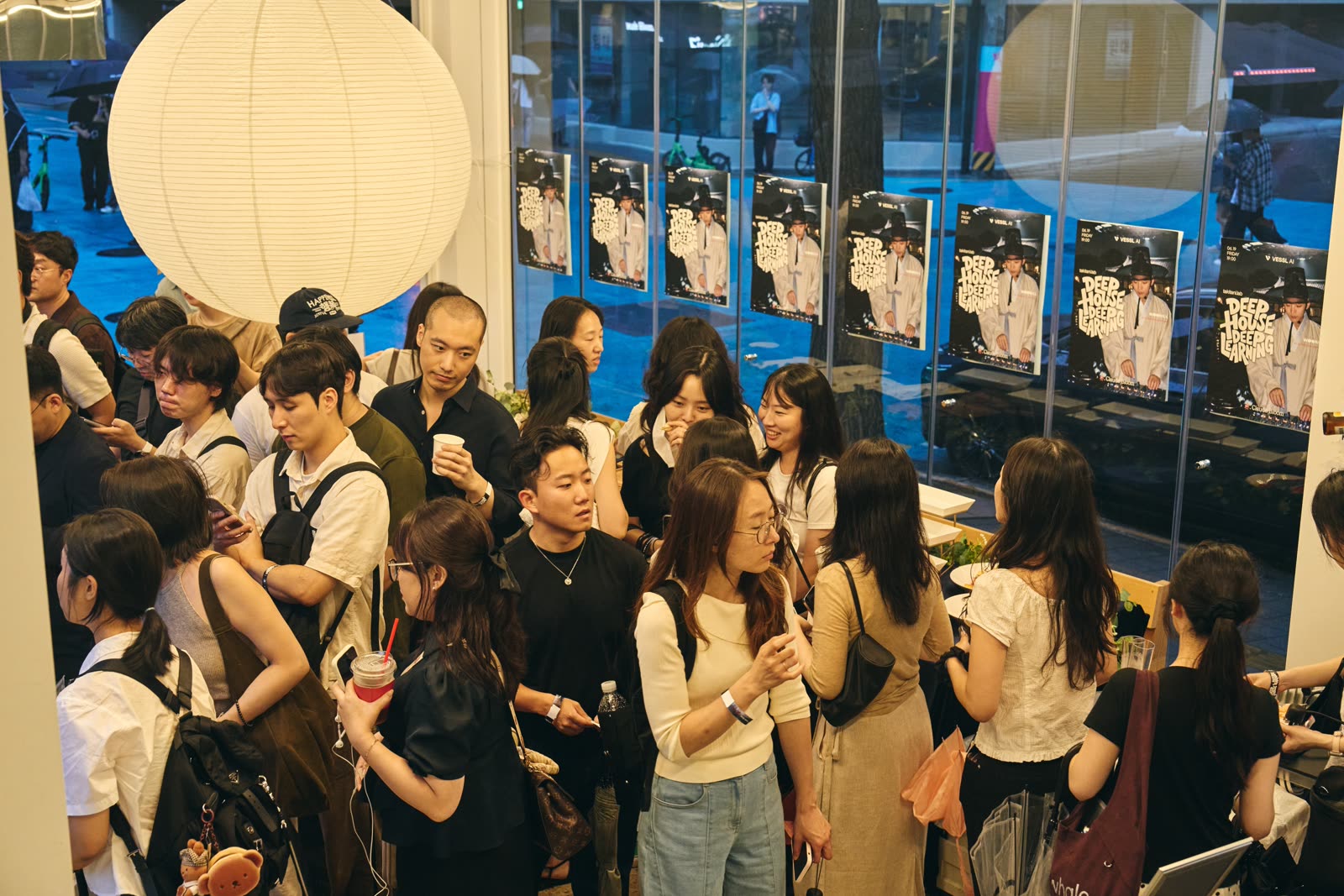
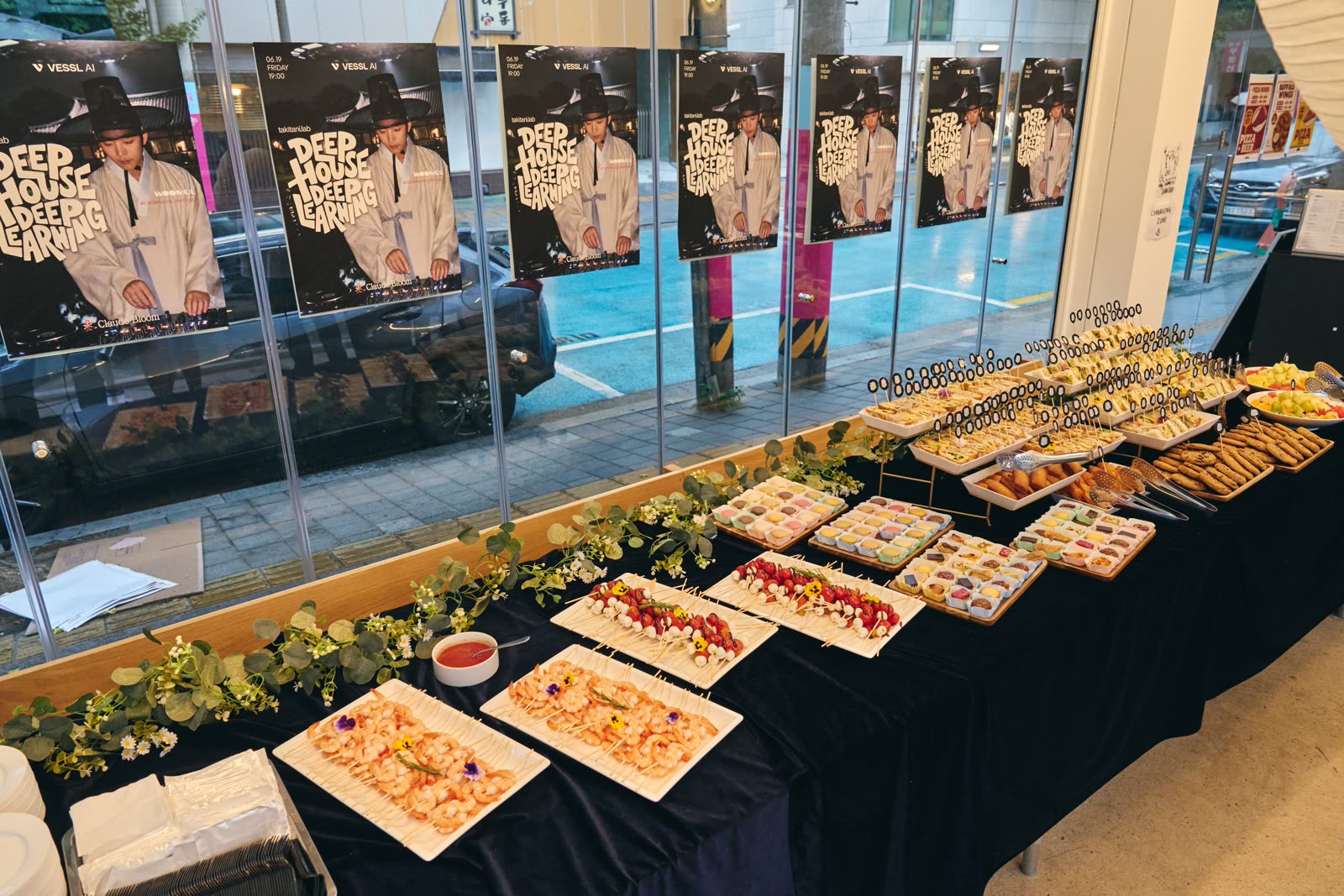
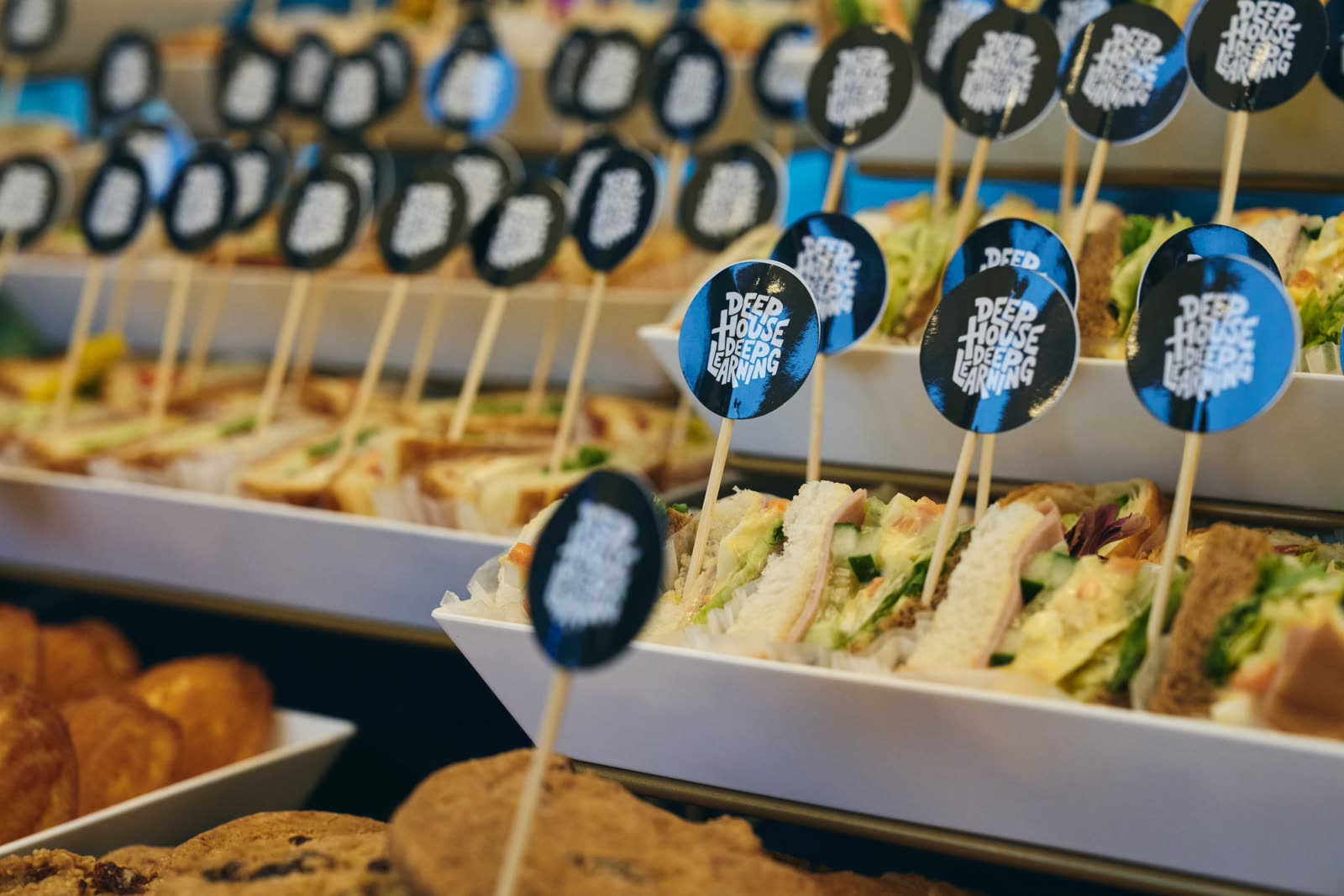
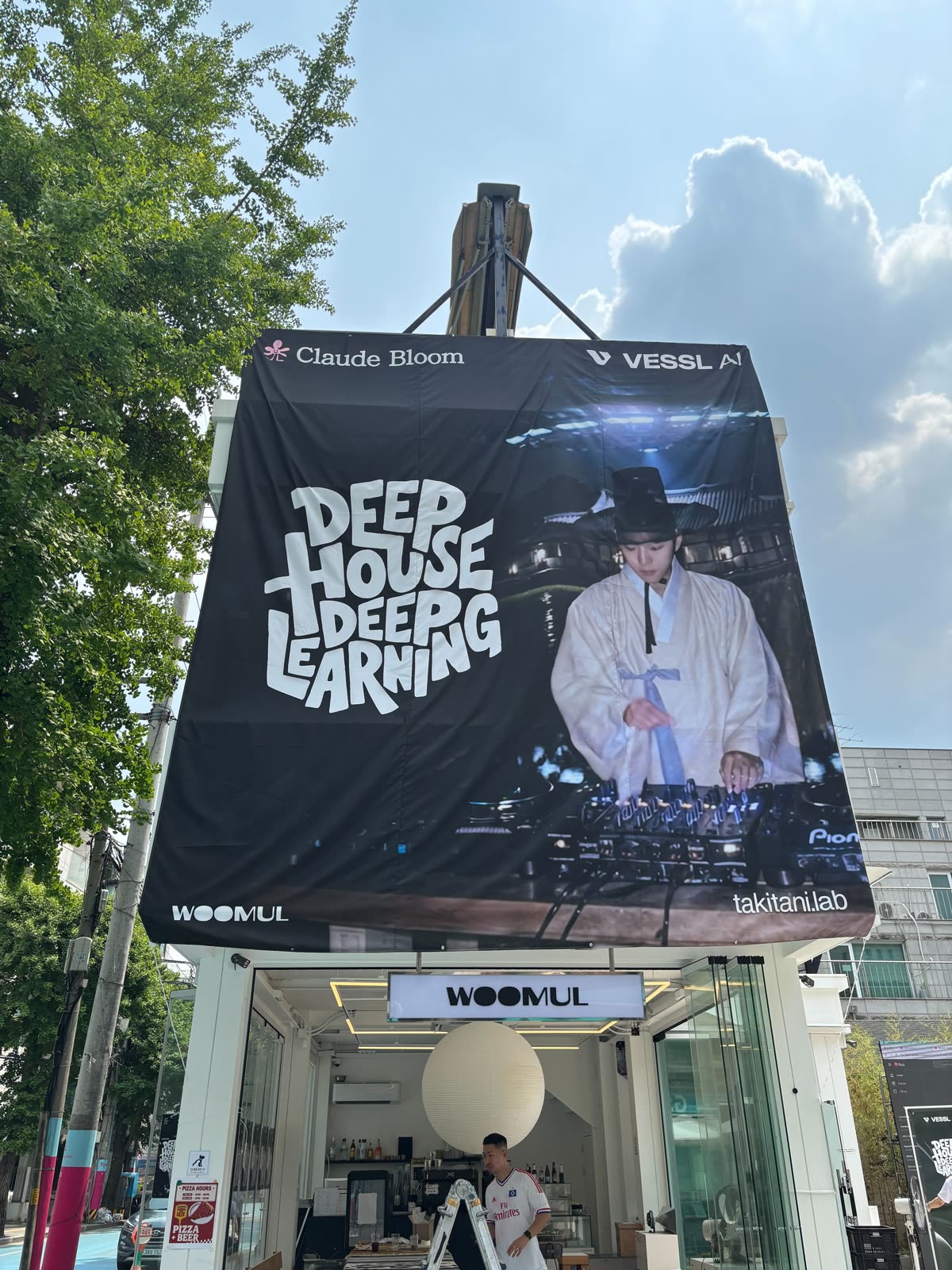
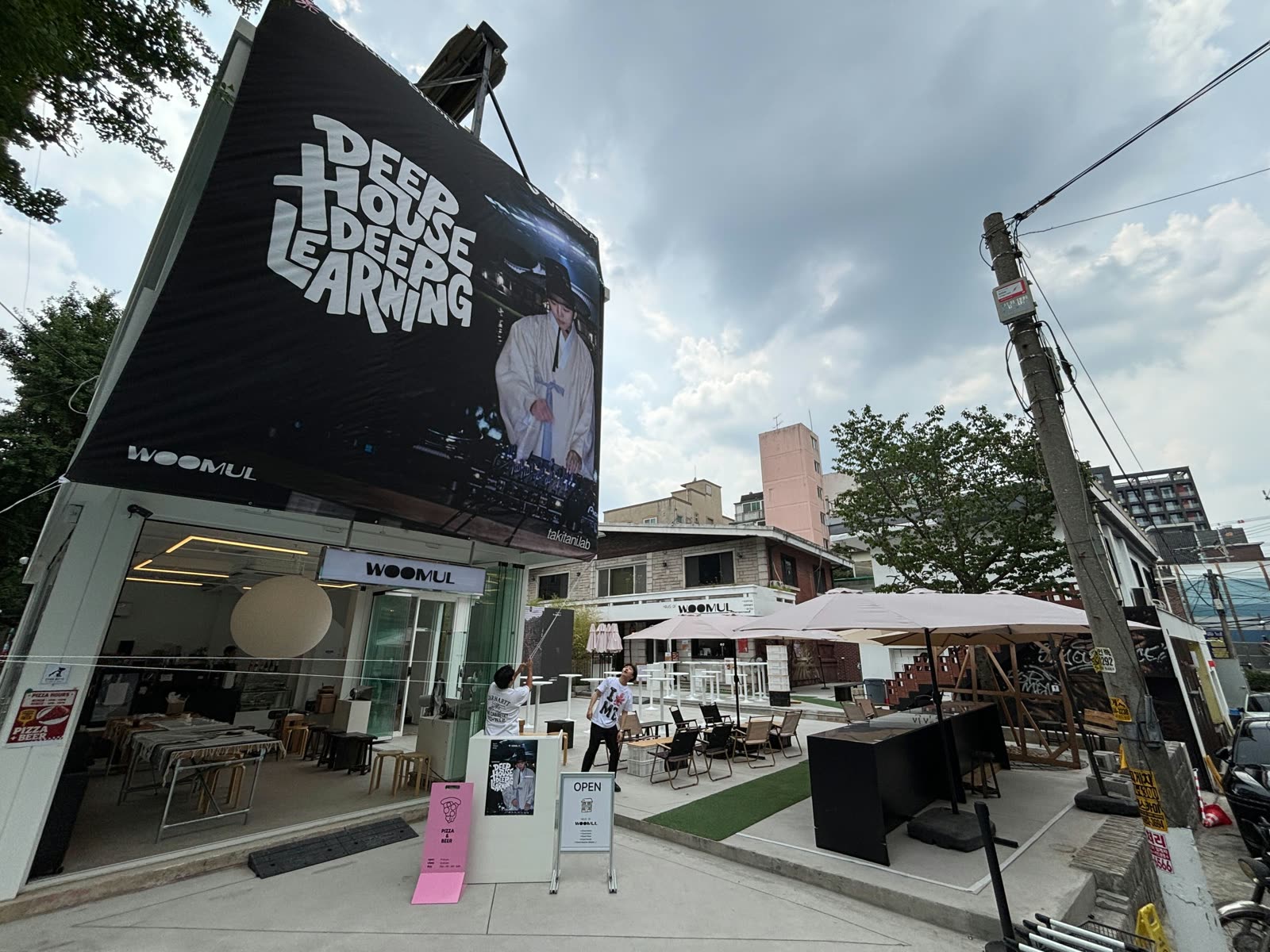
We left the lecture room behind and took over a 660-square-meter outdoor cafe. The concept was Deep House, Deep Learning: talking about deep learning in a space with deep house playing, a summer night that mixed seminar and party. Around 640 people applied and we hosted 300 of them. Engineers made up 52 percent, followed by product and marketing, designers, and sales and business development.
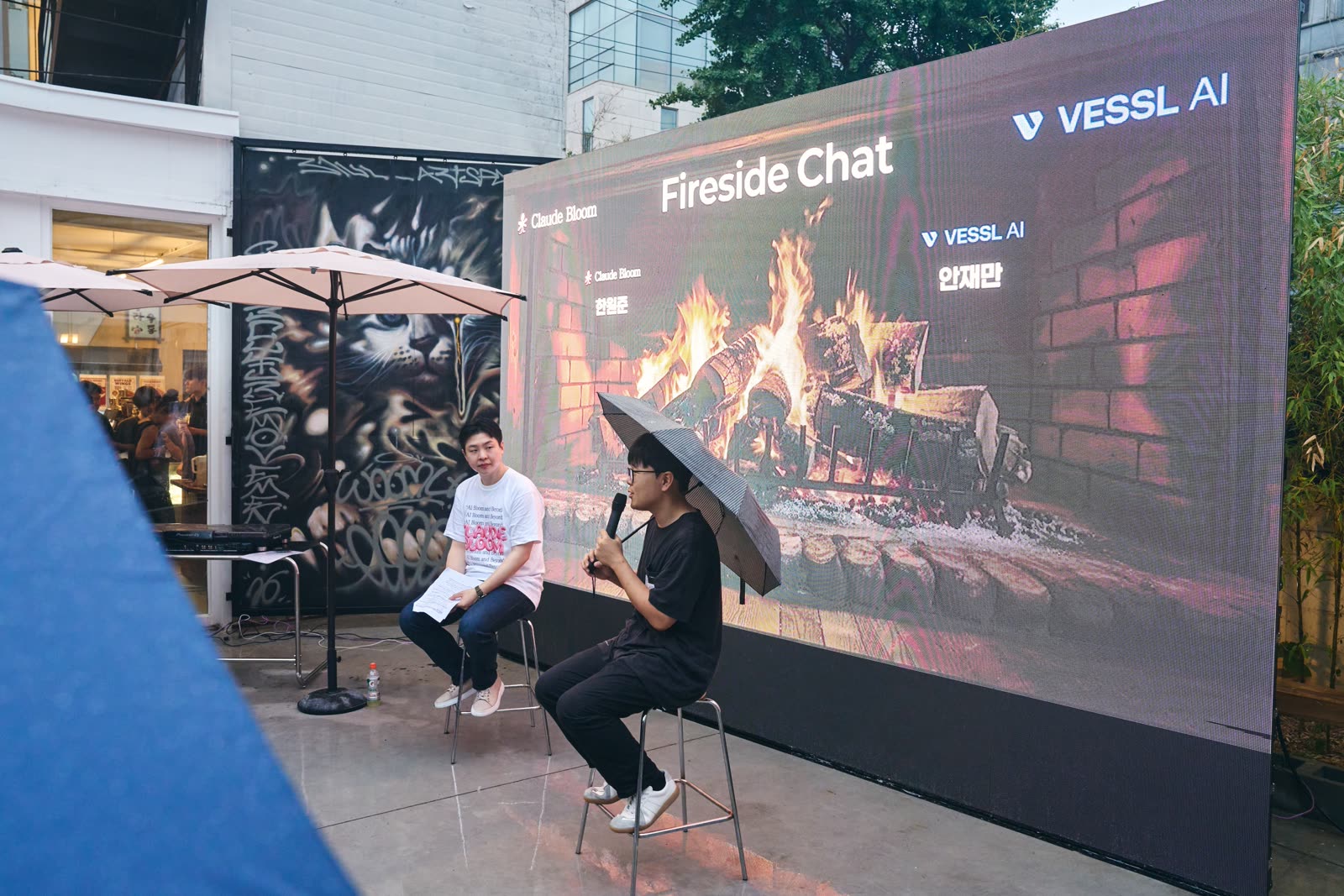
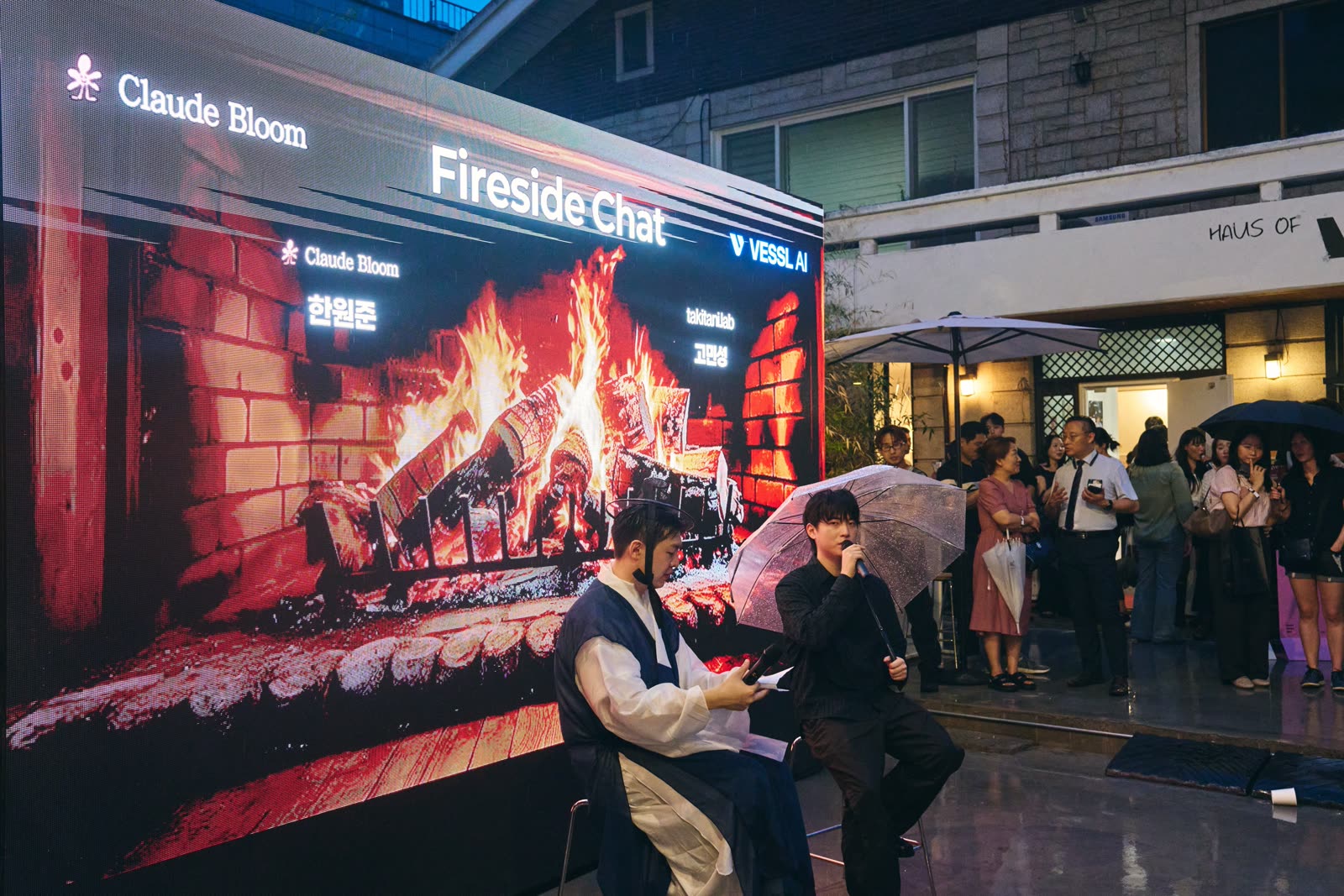
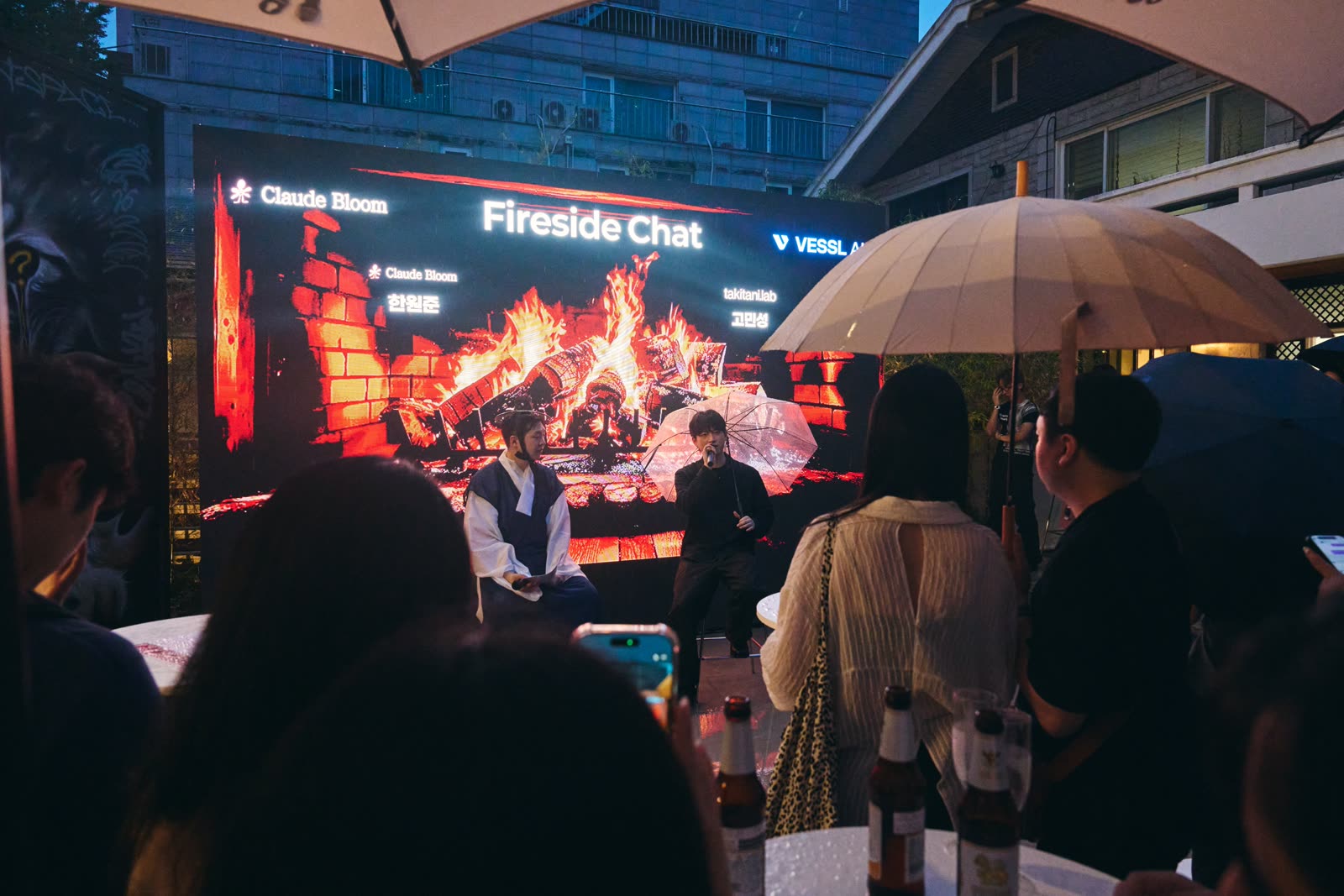
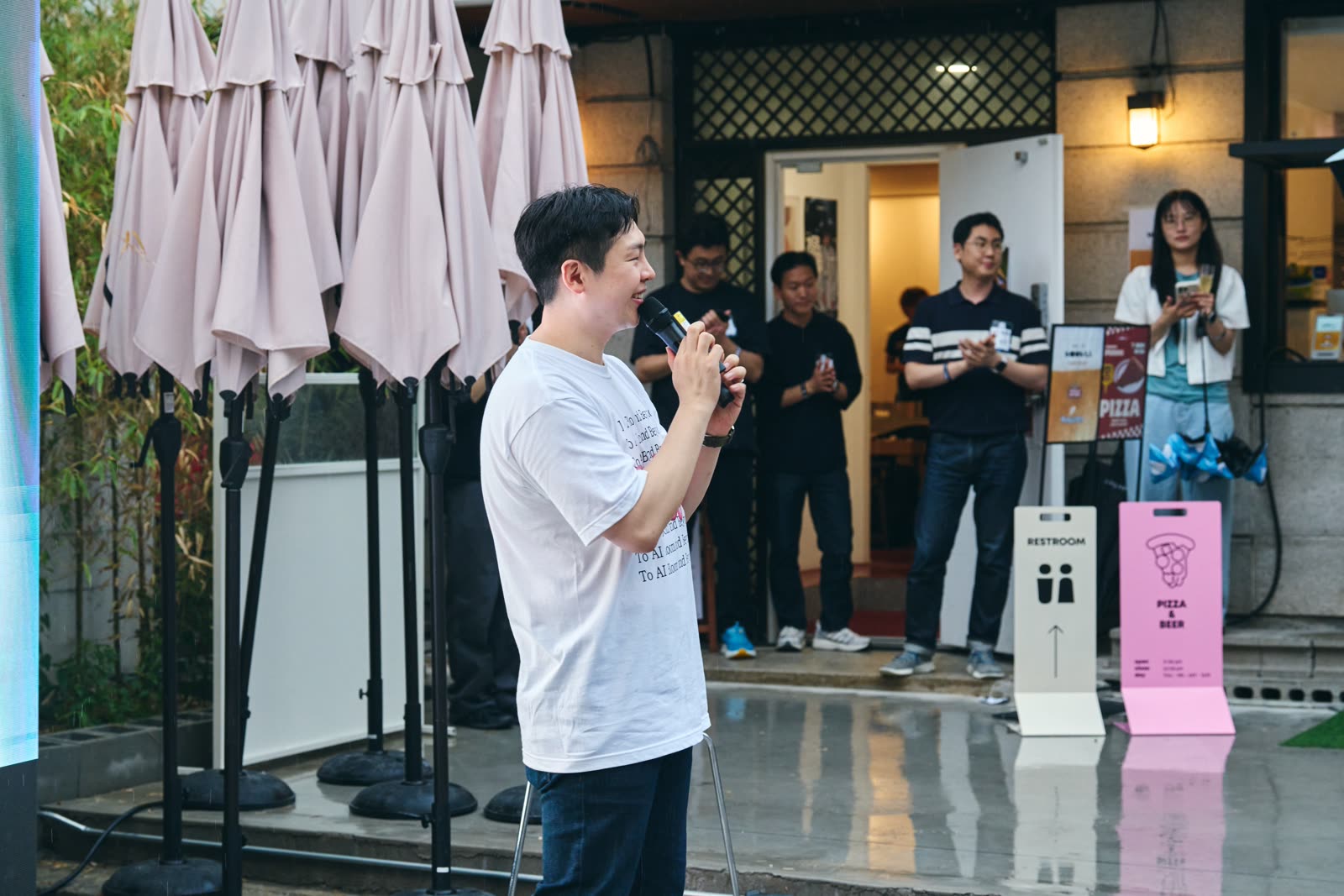
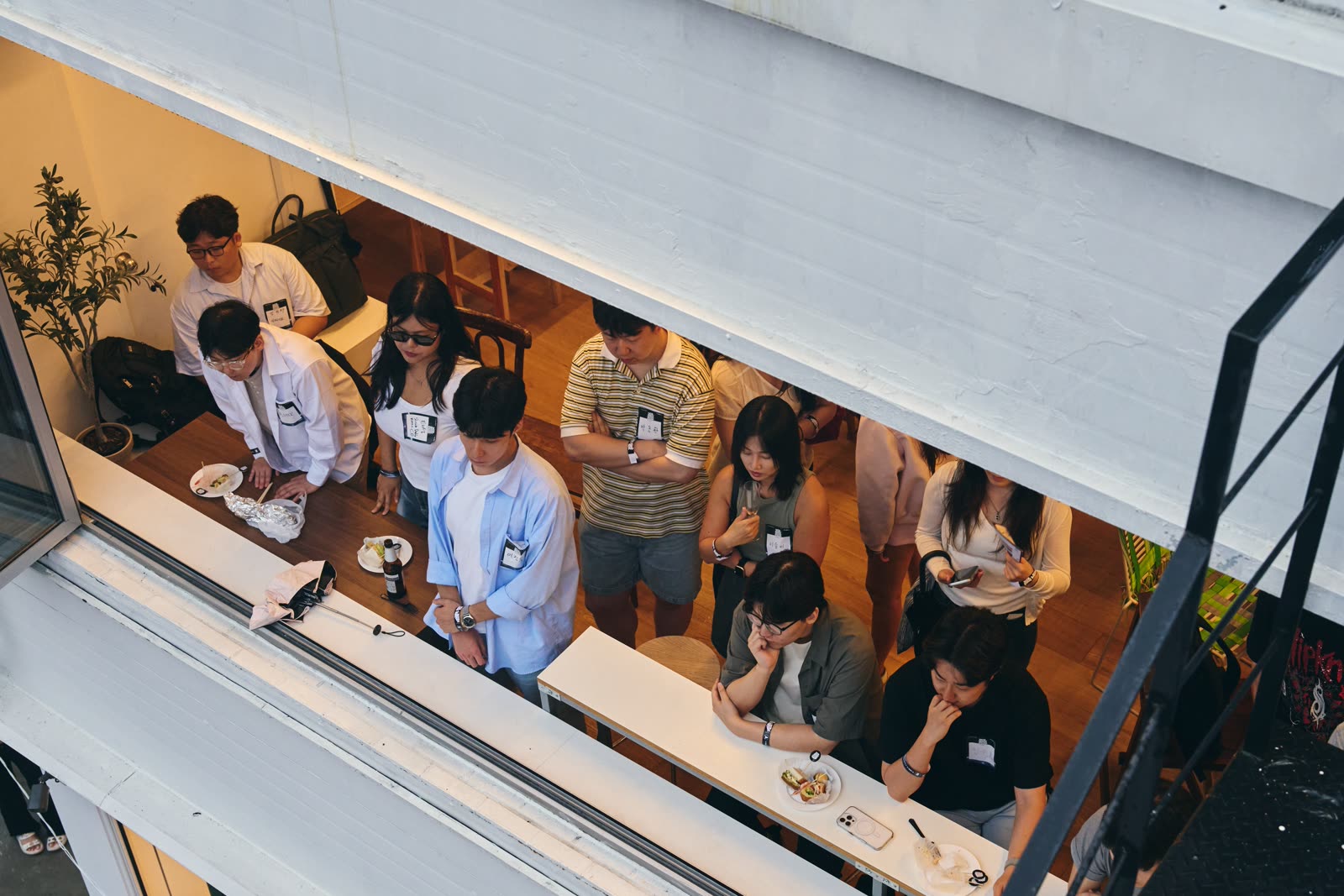
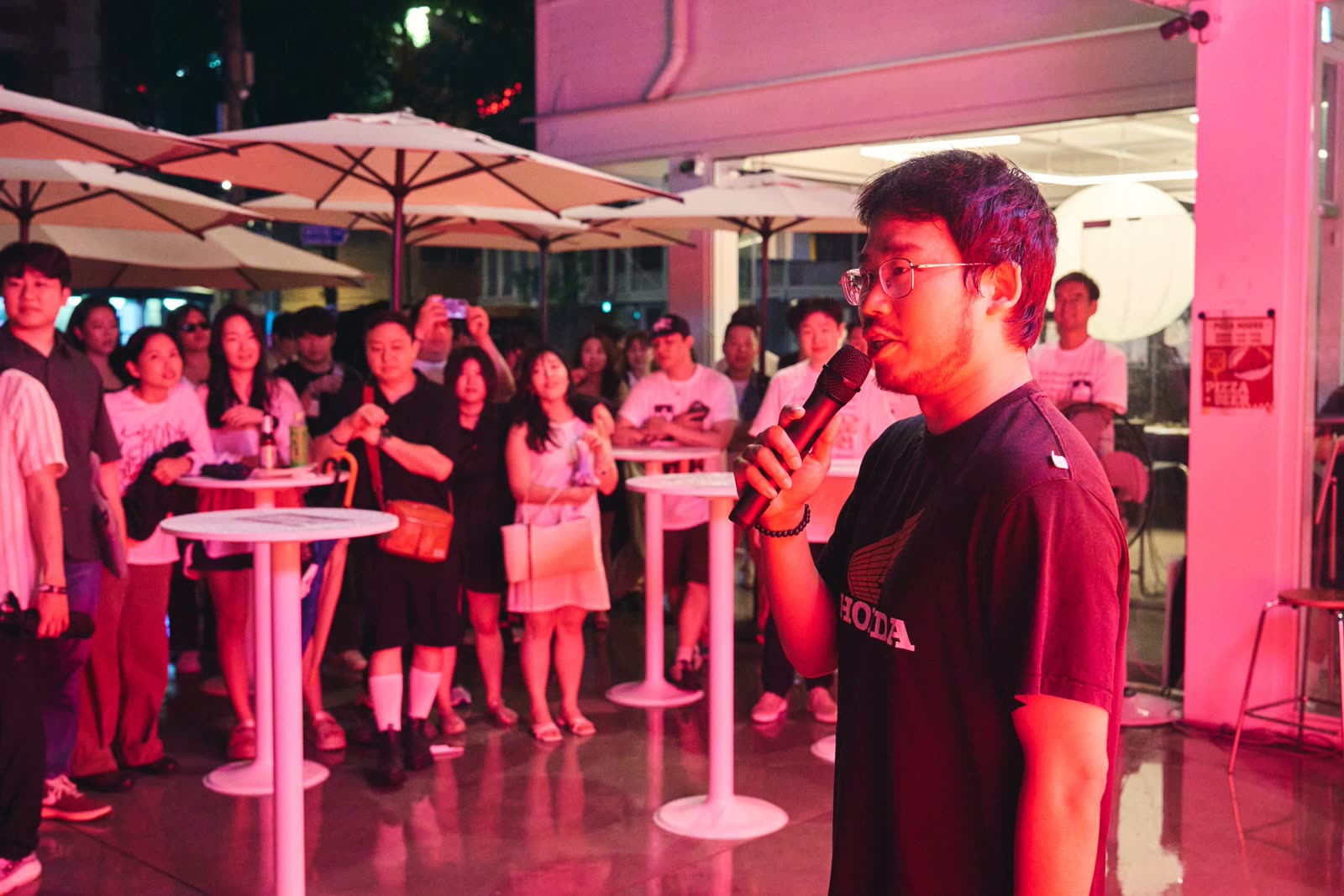
The first fireside was Ahn Jae-man, CEO of VESSL AI. He studied electrical engineering and mathematics at KAIST, worked at Watcha, and ran game infrastructure at Cookie Run when AWS was just arriving, serving ten million to a hundred million users. Then one day, with the games doing well, his mother was diagnosed with cancer. There was nothing he could do, he said. Building games did not solve that problem.
Two options came to mind. Go to medical school and develop cancer treatments, or bet that AI could solve it. The first would take ten years, so he moved to a medical AI company. Solving the problem directly in medical AI turned out to be extremely hard, and his thinking shifted: if he could make AI researchers worldwide faster at this, would that not get us closer to a solution? The bottleneck was AI infrastructure, and six years ago he founded a company around making that infrastructure easier to use.
VESSL AI was known for years as an MLOps platform and is now called a GPU cloud, a neocloud. It did start as MLOps. At the medical AI company he watched a team manage who would use their GPU servers and when in a spreadsheet, and figured software should handle that. The market's response was cold: we do not even have GPUs, so why would we buy GPU management software. Saying fine, then we will give you the GPUs, is where the current business started.
The companies that need GPUs are the ones developing their own models, not only LLMs but physical AI and teams training on images, sound, and video. Teams on commercial LLMs start wondering whether buying and running their own GPUs is cheaper once token costs climb into the hundreds of millions of won a year. Without GPUs you cannot develop a model on your own data, so you stay on commercial LLMs while costs keep growing. As Jensen Huang put it, the more GPUs you buy the more you make. Buy more, build better models, and hold a bigger moat with them.
GPUs are scarce worldwide right now, hard to get even for AWS, Google, and Microsoft, and higher-spec Blackwell more so. That, he said, is exactly where Korea's opening is. The biggest bottleneck in GPU supply is HBM memory, and Korea can use that position to secure GPUs. Nvidia is no longer in a position to withhold GPUs from Korea. At this pace he expects Korea to hold enough GPUs to rank among the top three in the world and become a center of AI infrastructure. VESSL AI goes the opposite way from the large clouds, renting even a single GPU by the second and by the hour, so you can fine-tune an LLM for the price of a coffee.
The first reason he gave for exploding GPU demand was agentic AI. It used to be one question, one answer; now you give AI a job and it runs all day, so one person's token usage multiplies by hundreds or thousands. Physical AI trains world models on top of that, and sovereign AI adds every country wanting its own, so the demand arrives all at once.
Asked whether six years of sailing had a death valley, he said there is always one. Every funding round came down to money arriving within three days or it was over, and once the Silicon Valley bank holding their cash failed and the deposits vanished. Asked how he steadies himself at moments like that, the answer was plain: there is nothing you can do, so you accept it and do what you can. GPUs went from 100 at the start of this year to 5,000 now, heading to 50,000 next year. At 100 million won per GPU, 200,000 of them means 20 trillion won, and where to find that 20 trillion is what every neocloud is thinking about these days.
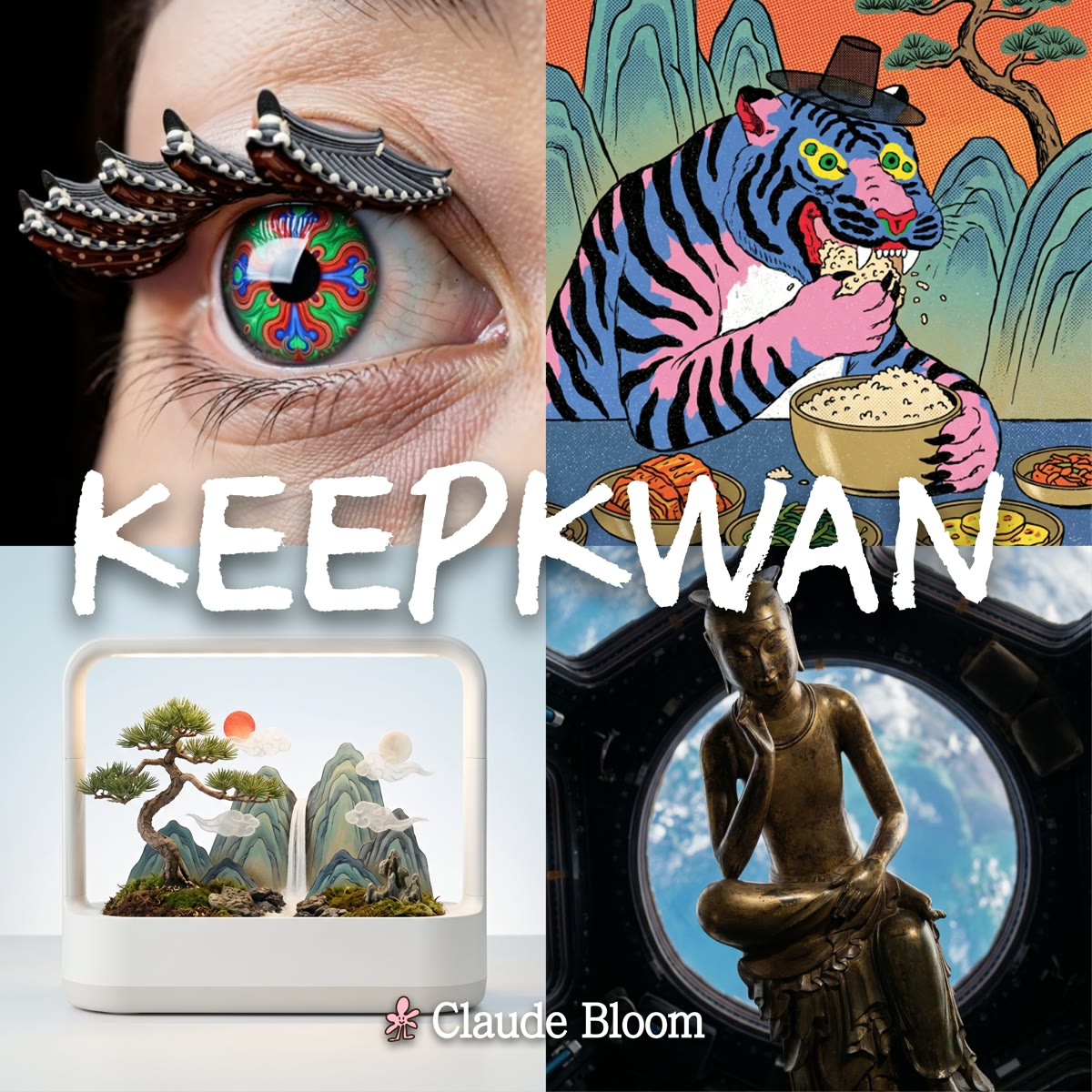
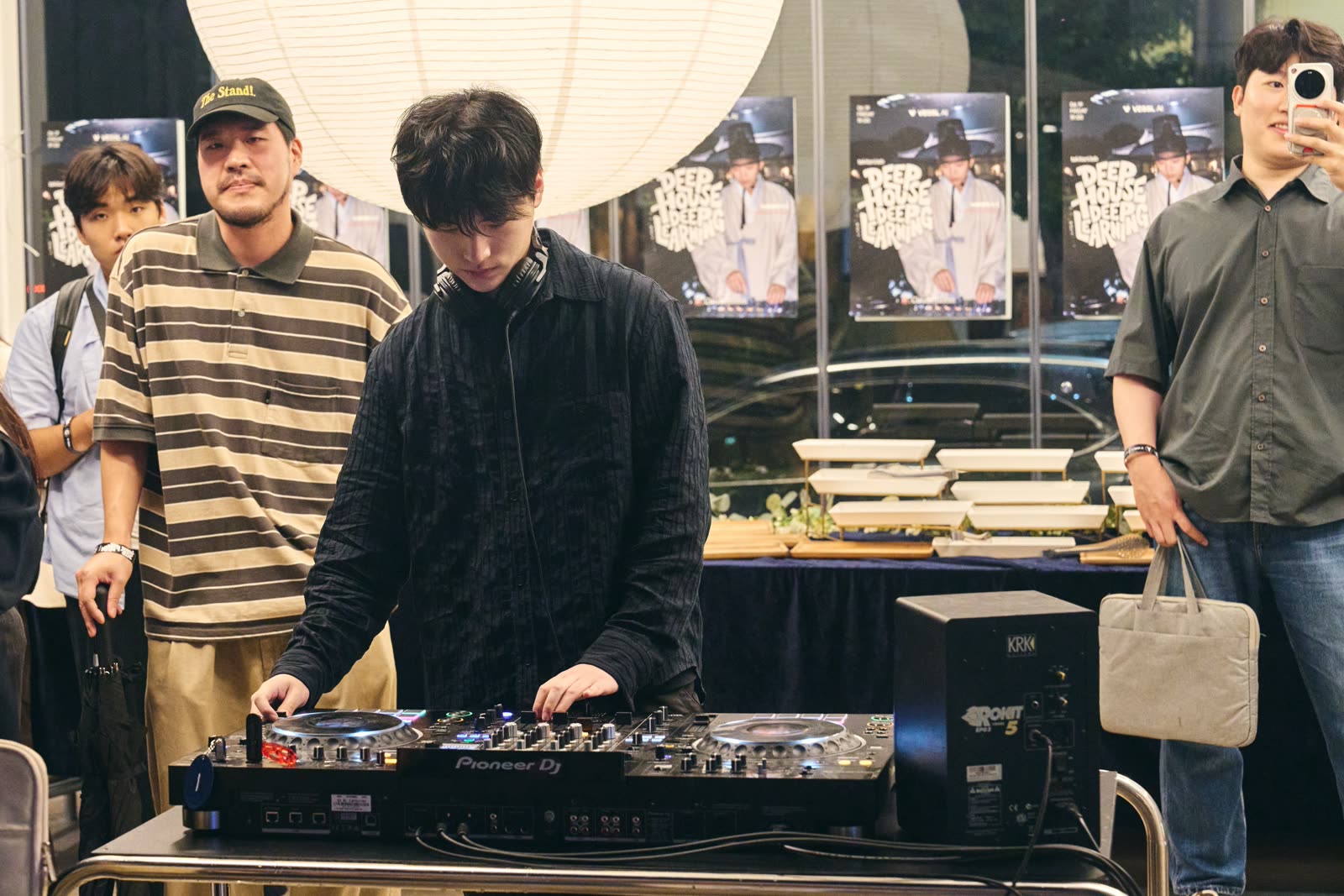
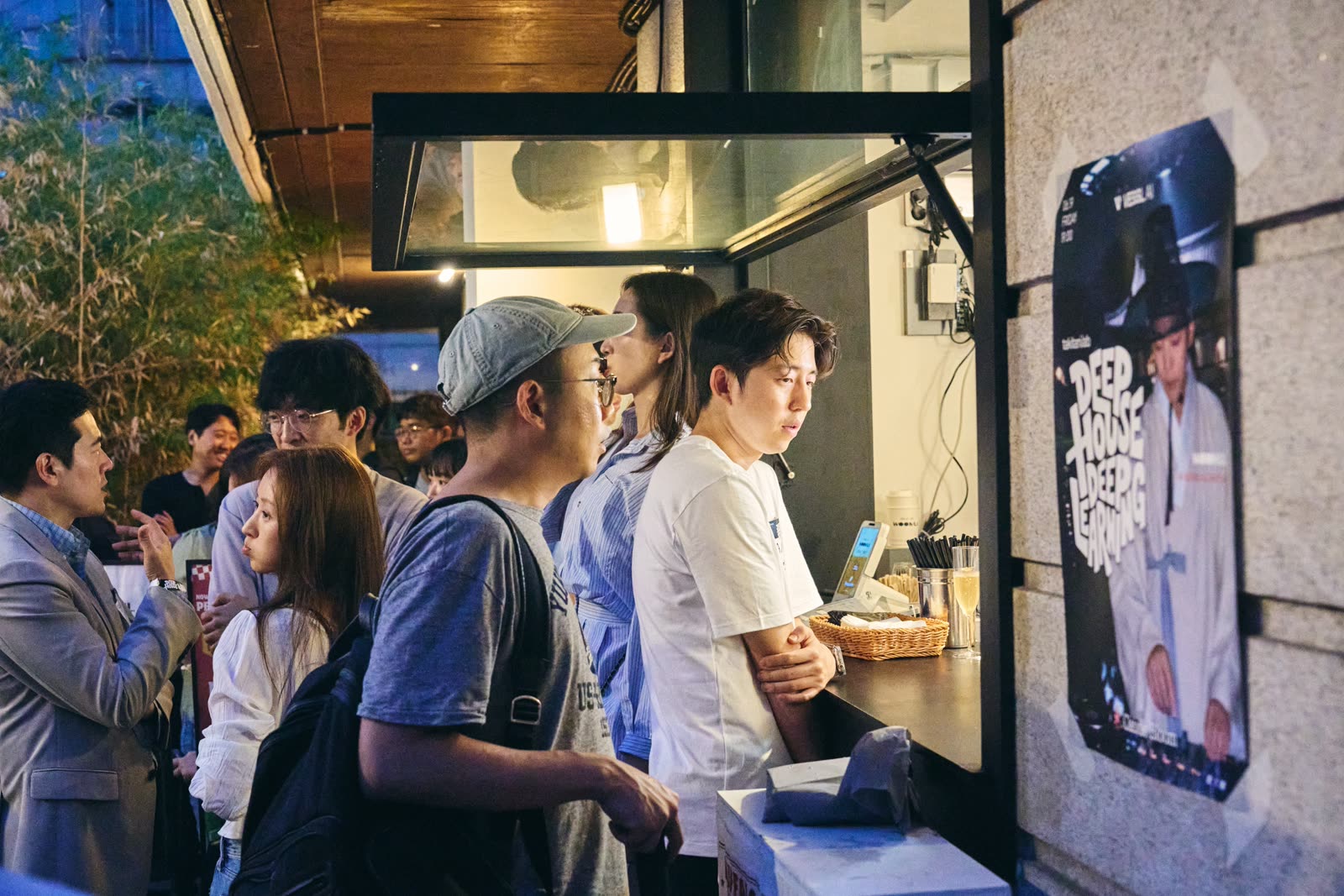
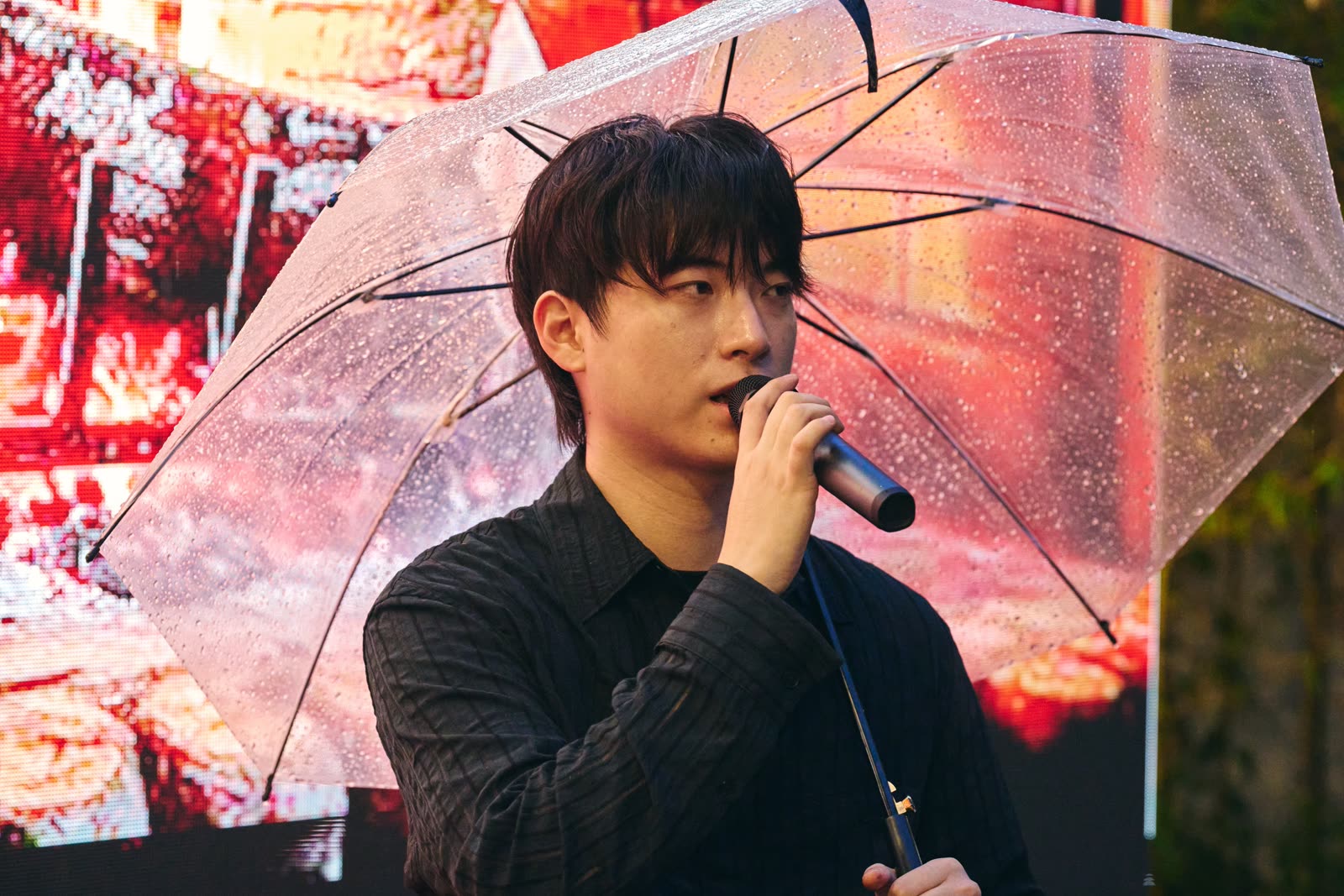
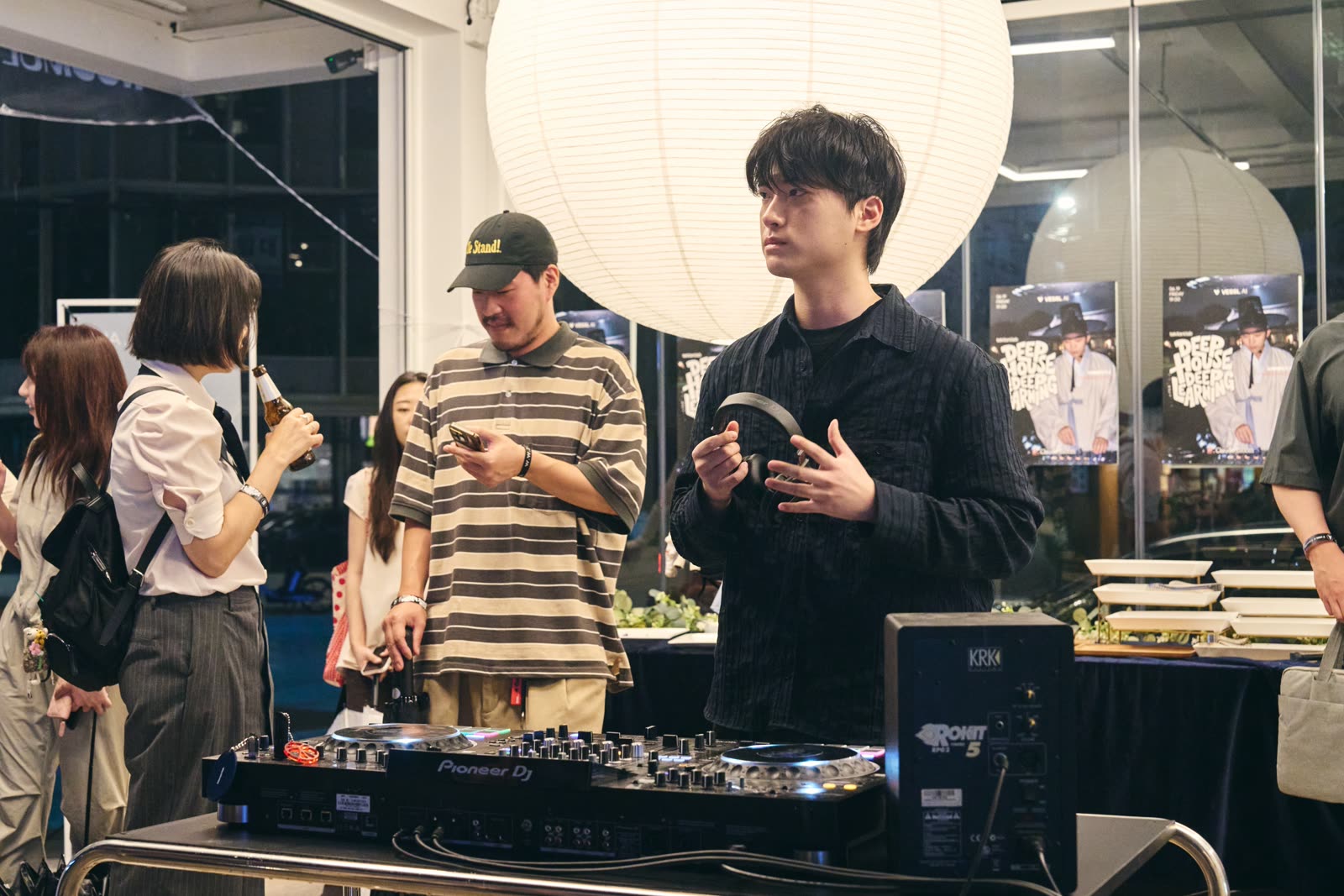
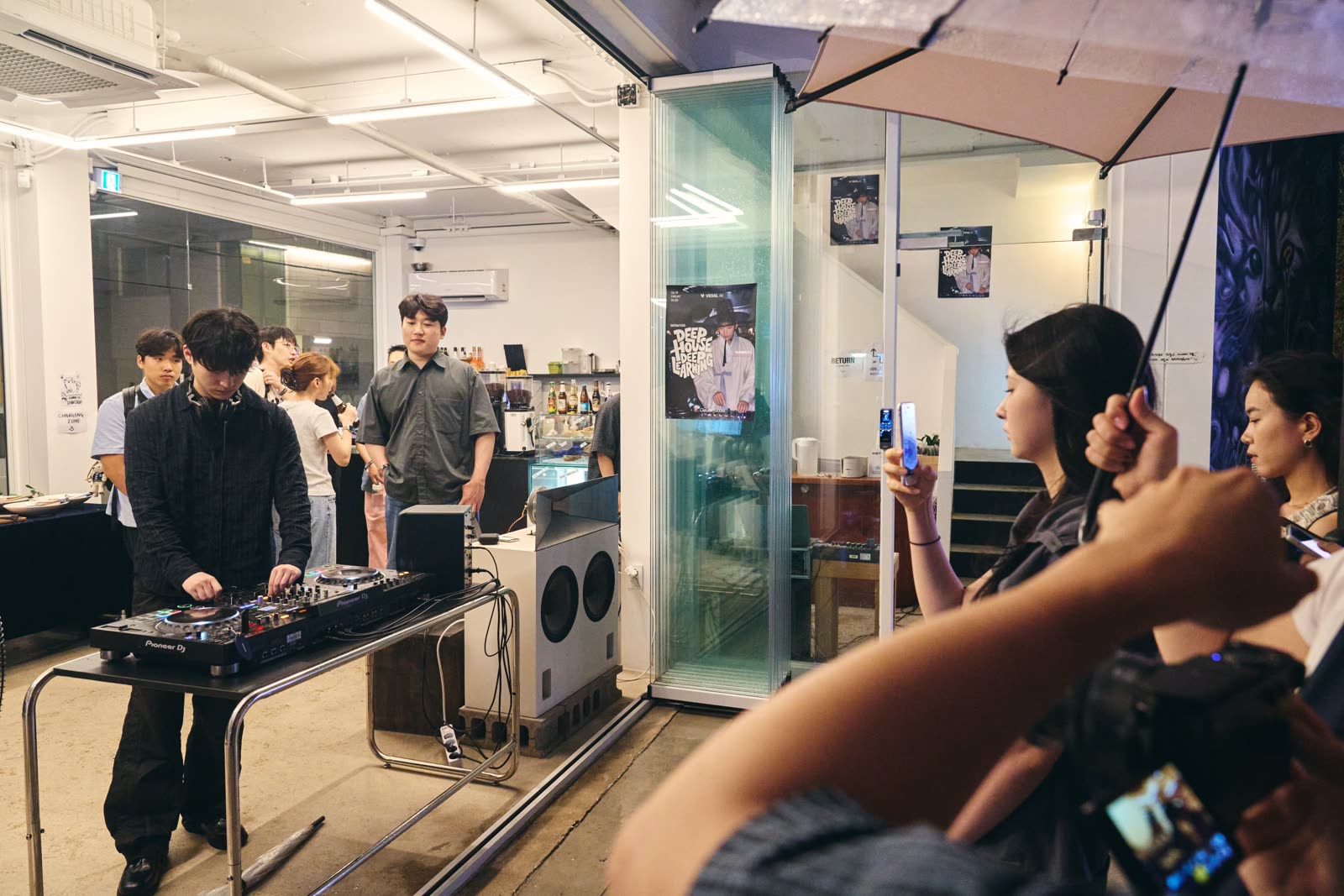
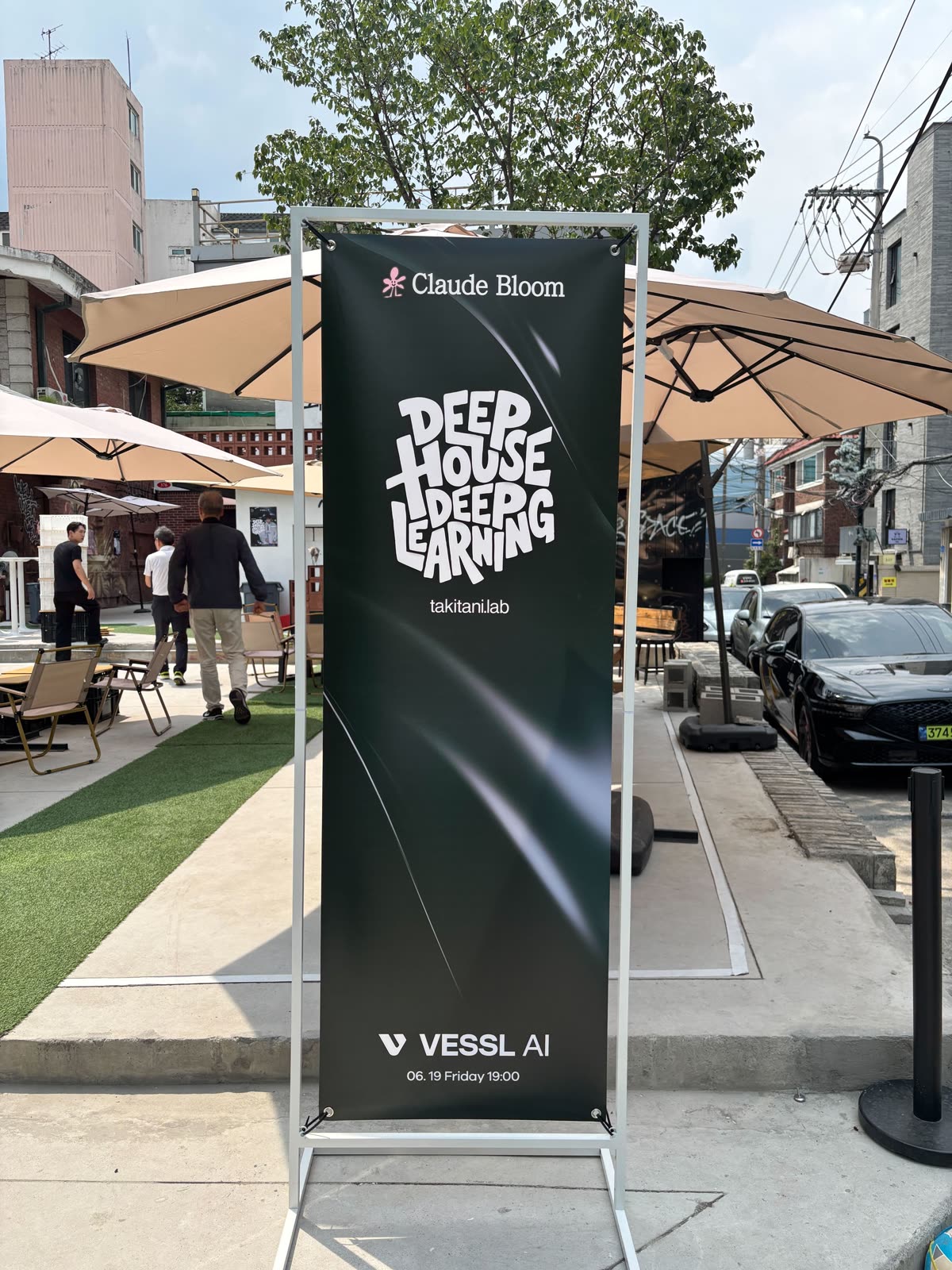
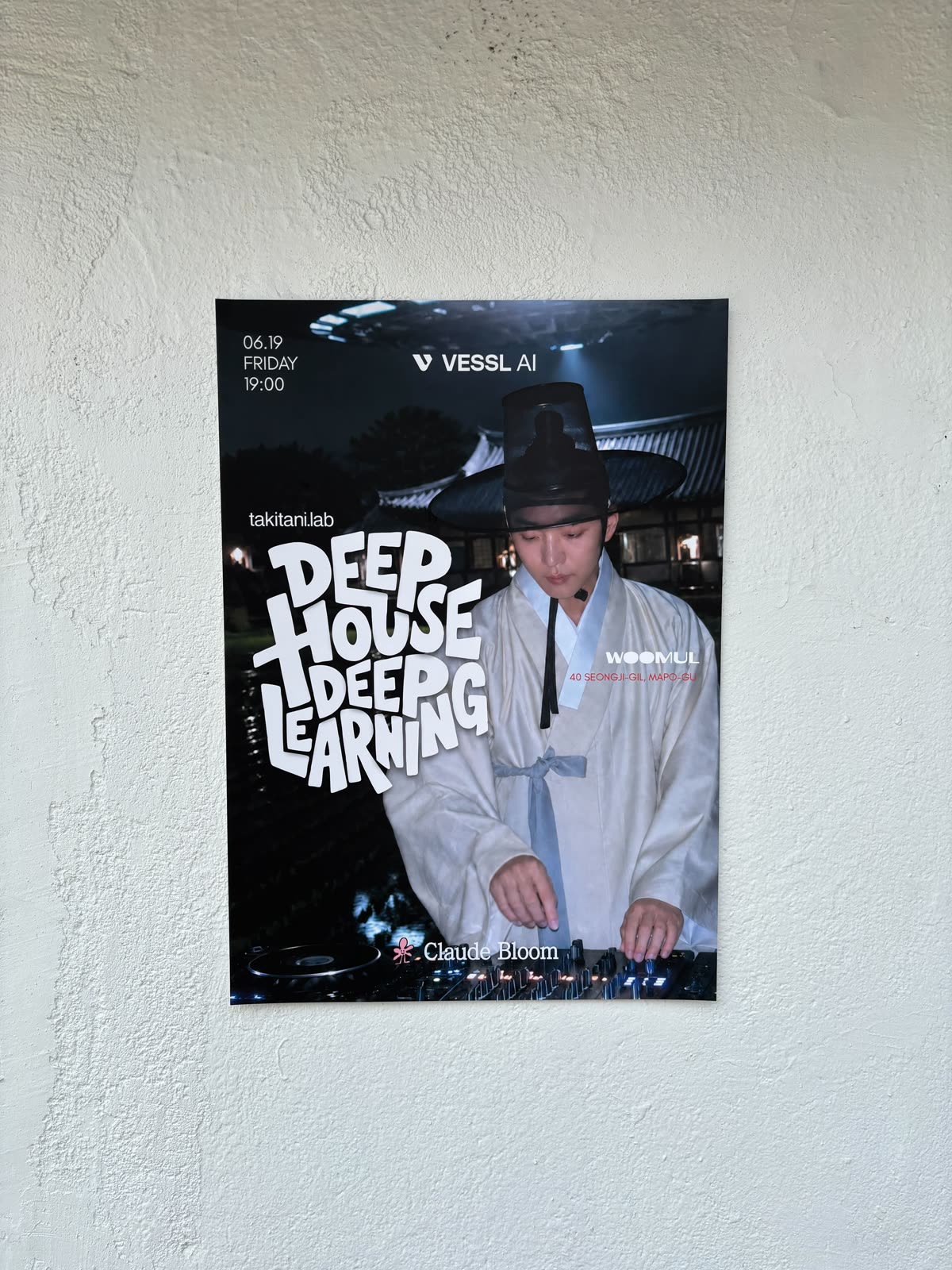
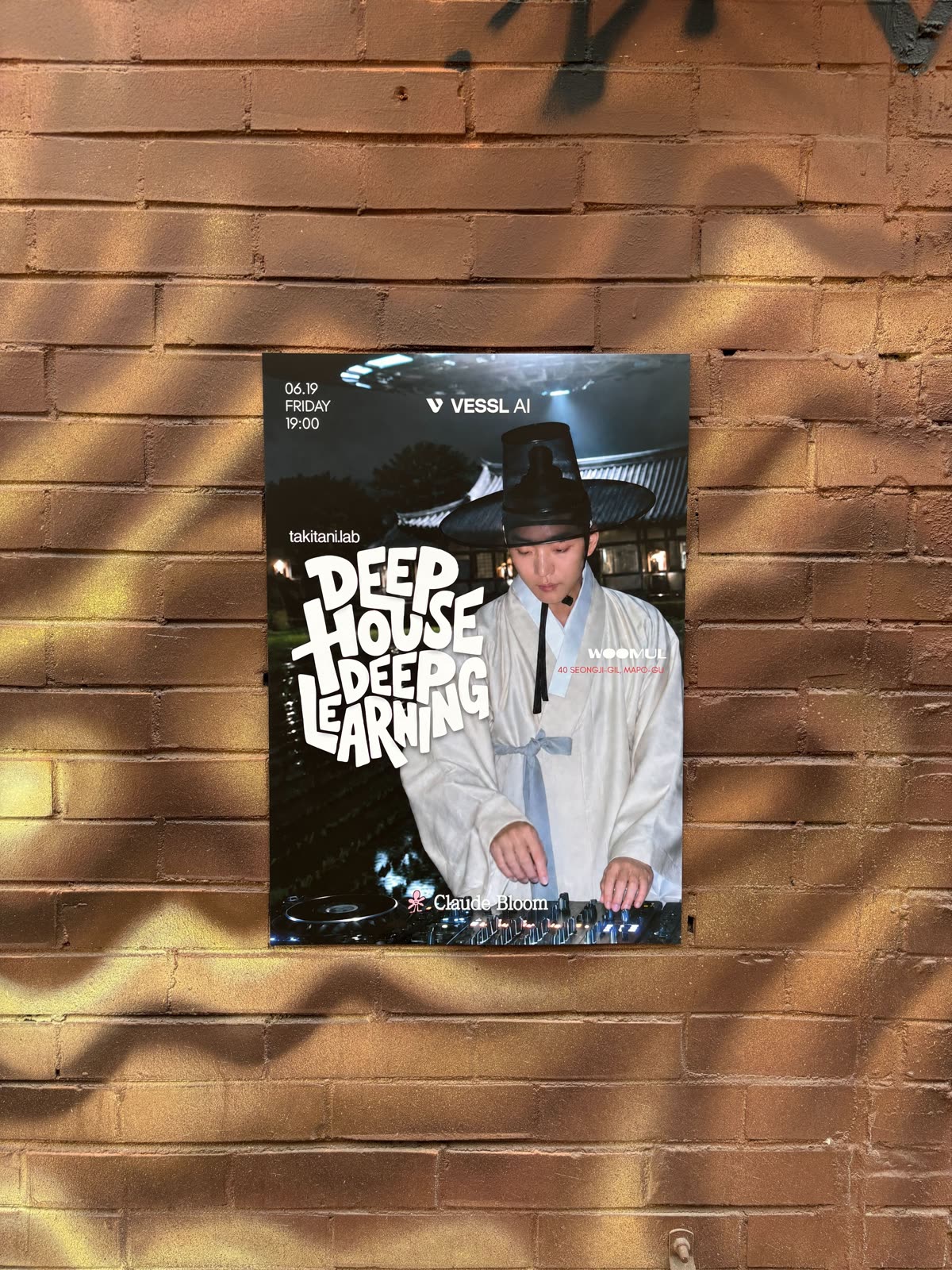
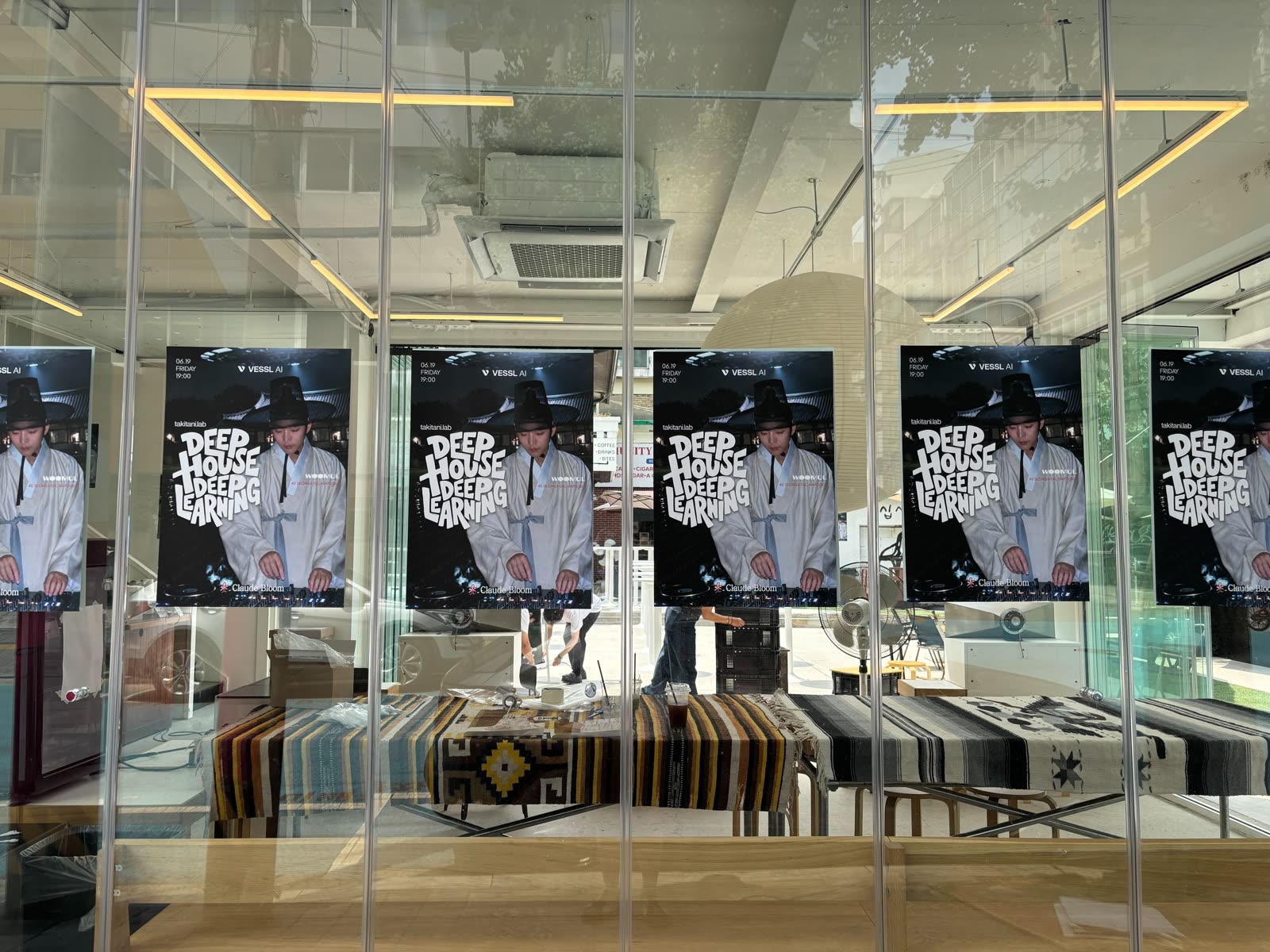
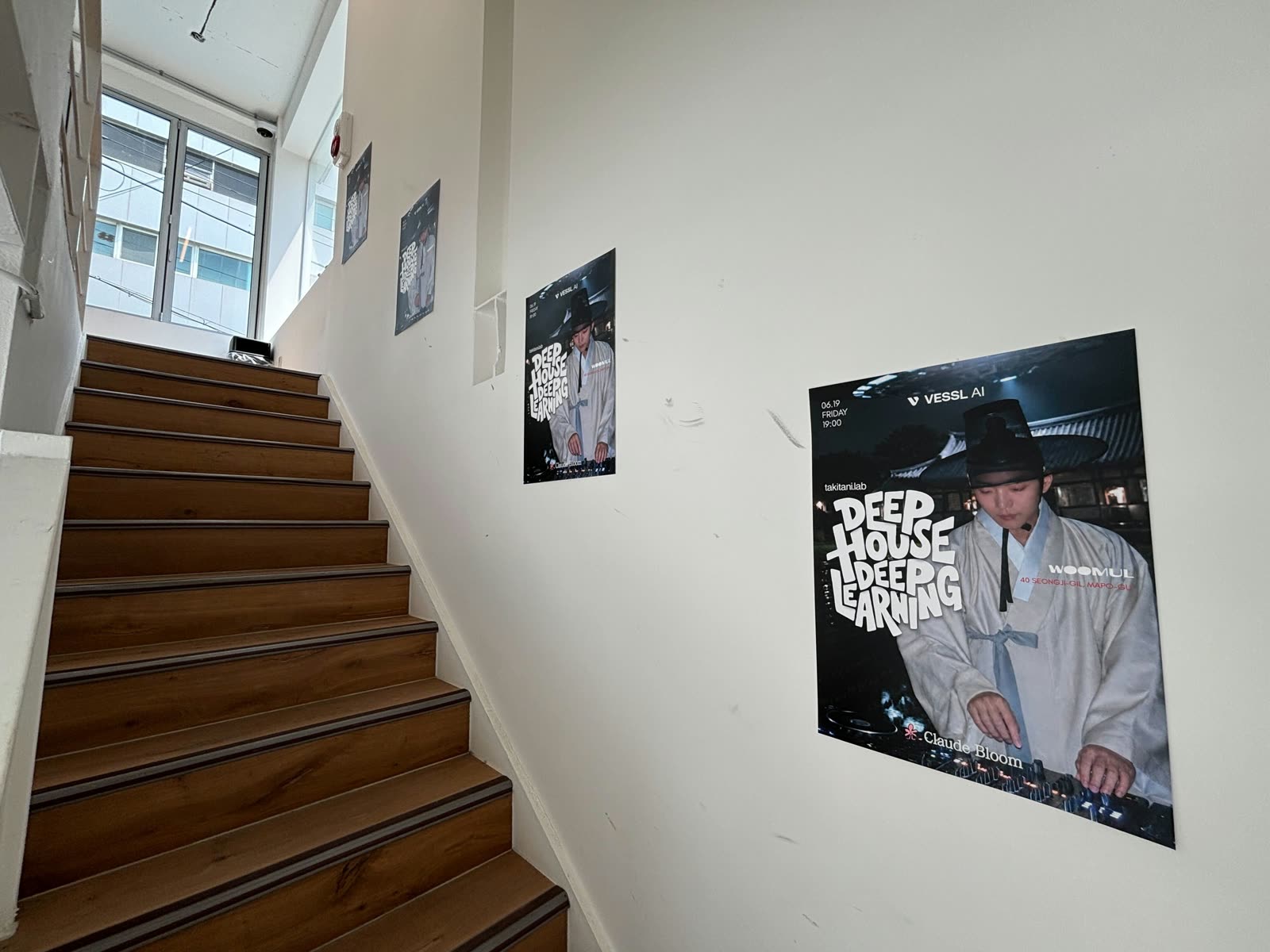
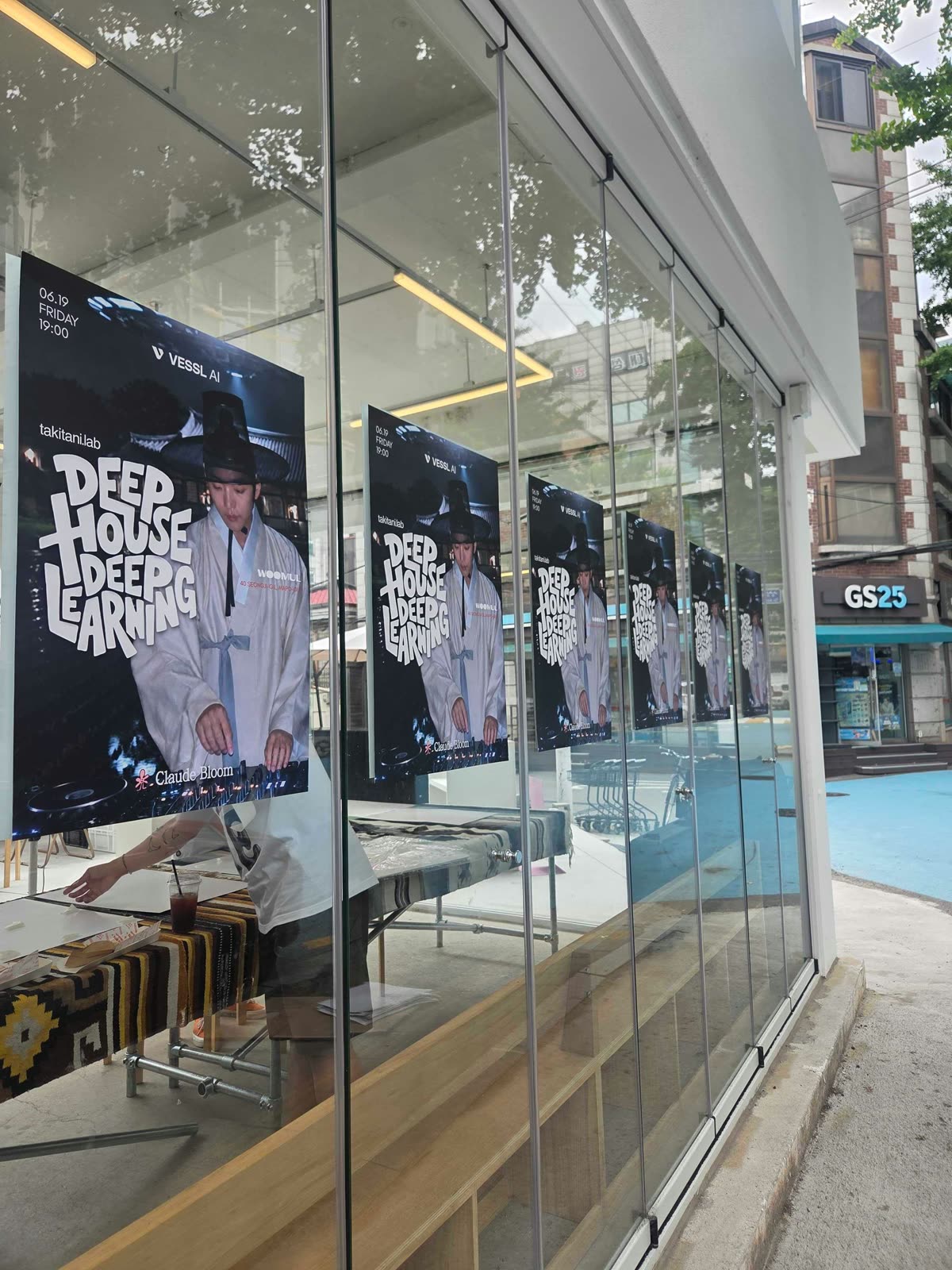
The second fireside was Ko Min-seong of takitani.lab, whose AI content has been making the rounds on Instagram. The large banners and posters around the venue that night were his work too. He came from video and screenwriting, and AI let him put more weight on the visual than on narrative. Why Joseon of all things? He DJs as a hobby, and since plain DJing is not much to look at, he went looking for the subject furthest from the act, and that was Joseon.
His formula is simple. Keep the figure and the action fixed and keep changing the place they are set in. Joseon and DJing collide visually at so many points that people watch more closely. The workflow has evolved too: three months ago a single 15-second video took six hours, and now it takes two. He makes an image, turns it into video, then fits music to it, leaning on beats rather than melody because reels reward urgency.
The interesting part was where his 33,000 followers are from. Korea is under 30 percent and more than 70 percent are abroad, especially the US, Germany, France, and Spain. He had expected Koreans to be the ones who liked it. Images of Korea that look old to us, he said, seem to read as hip, trendy traditional beauty to people elsewhere.
He had a clear position on chasing technical trends. Build content around a new video model and the moment that technology dates, the content dates with it. Rather than chasing technology, he prefers to buy the technology that can realize an idea he already had, later. When a designer asked what you survive on in an era flooded with content, he went back to his formula. A Joseon figure DJing in front of a dinosaur does not exist anywhere, and what sells is what came from nowhere.
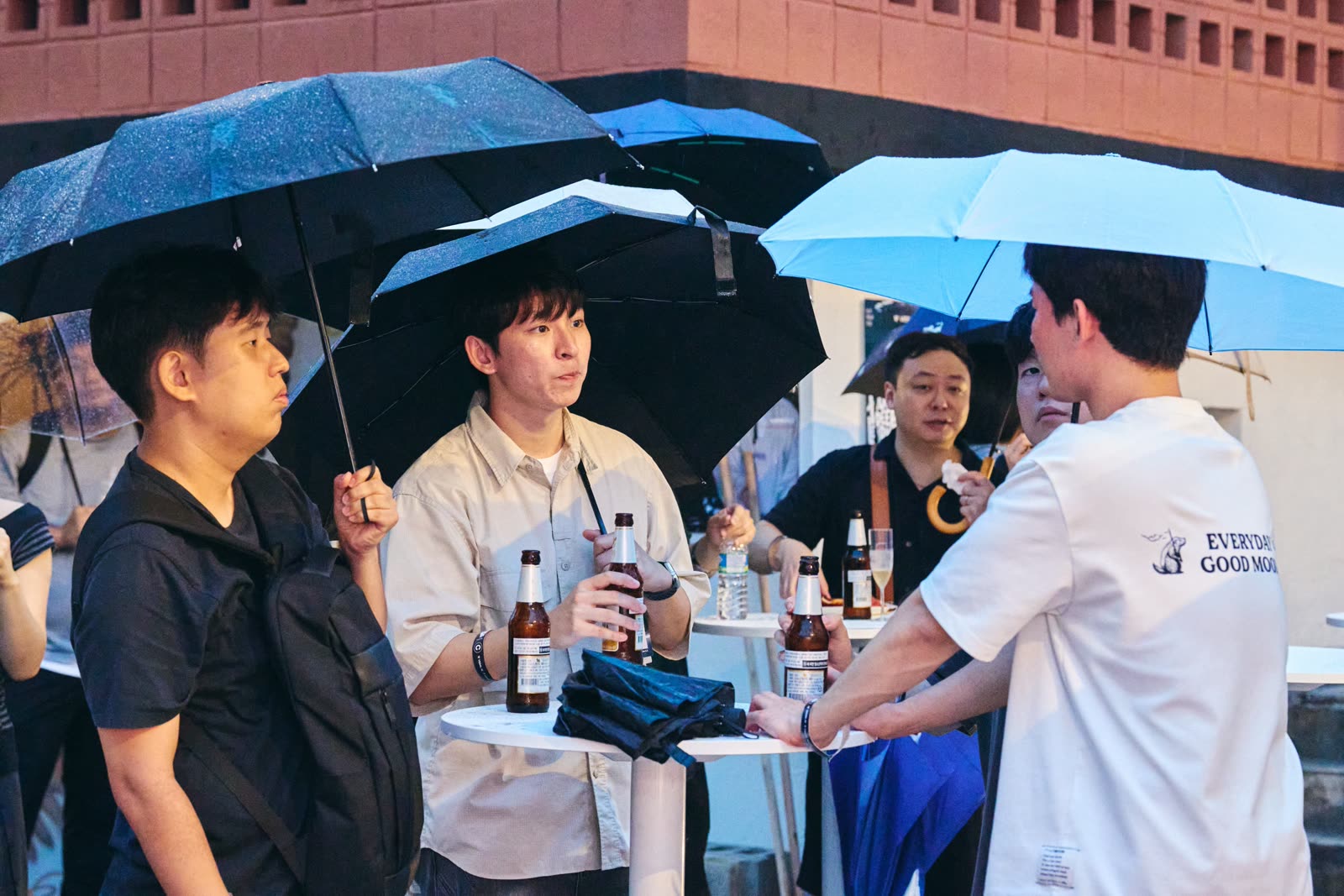
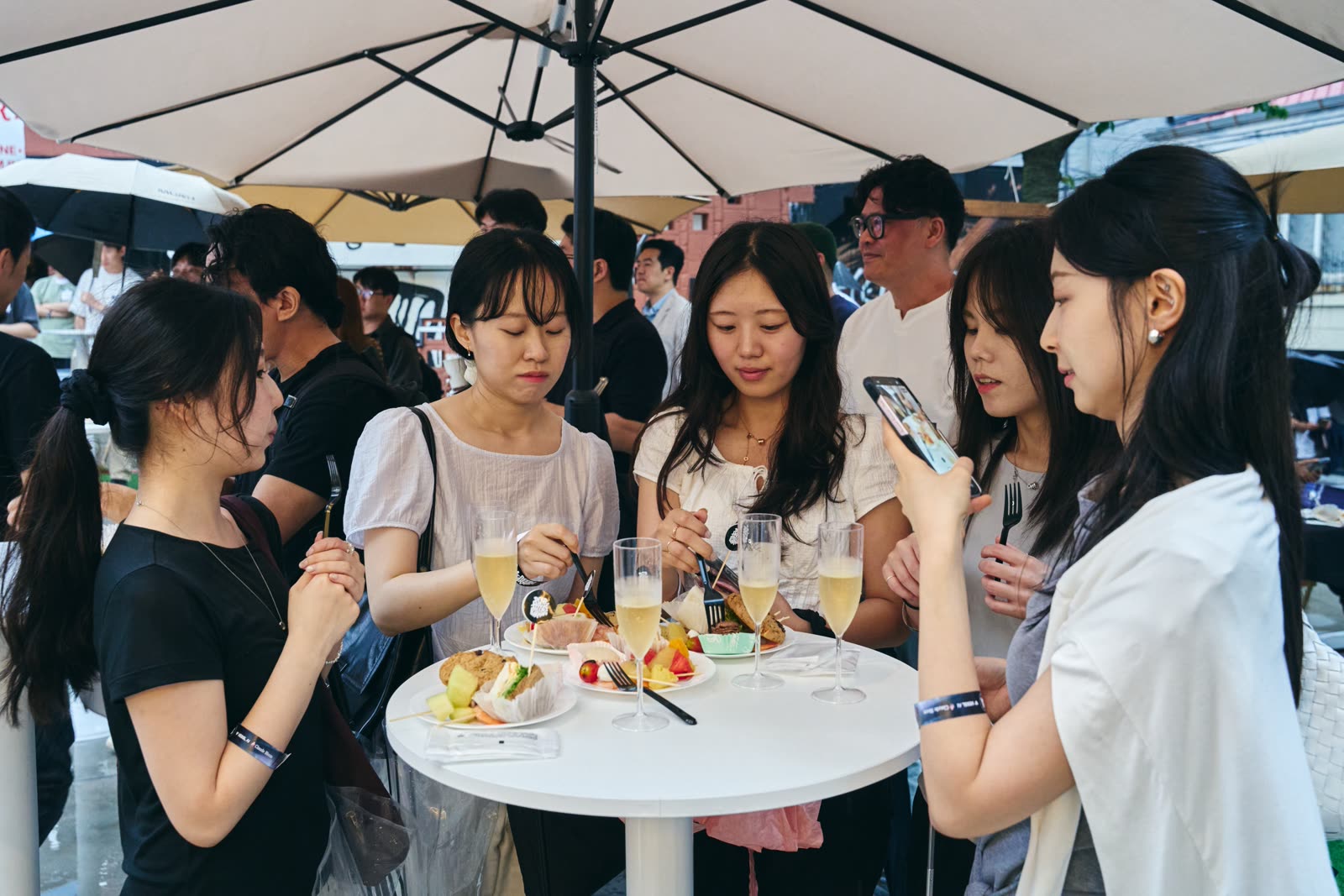
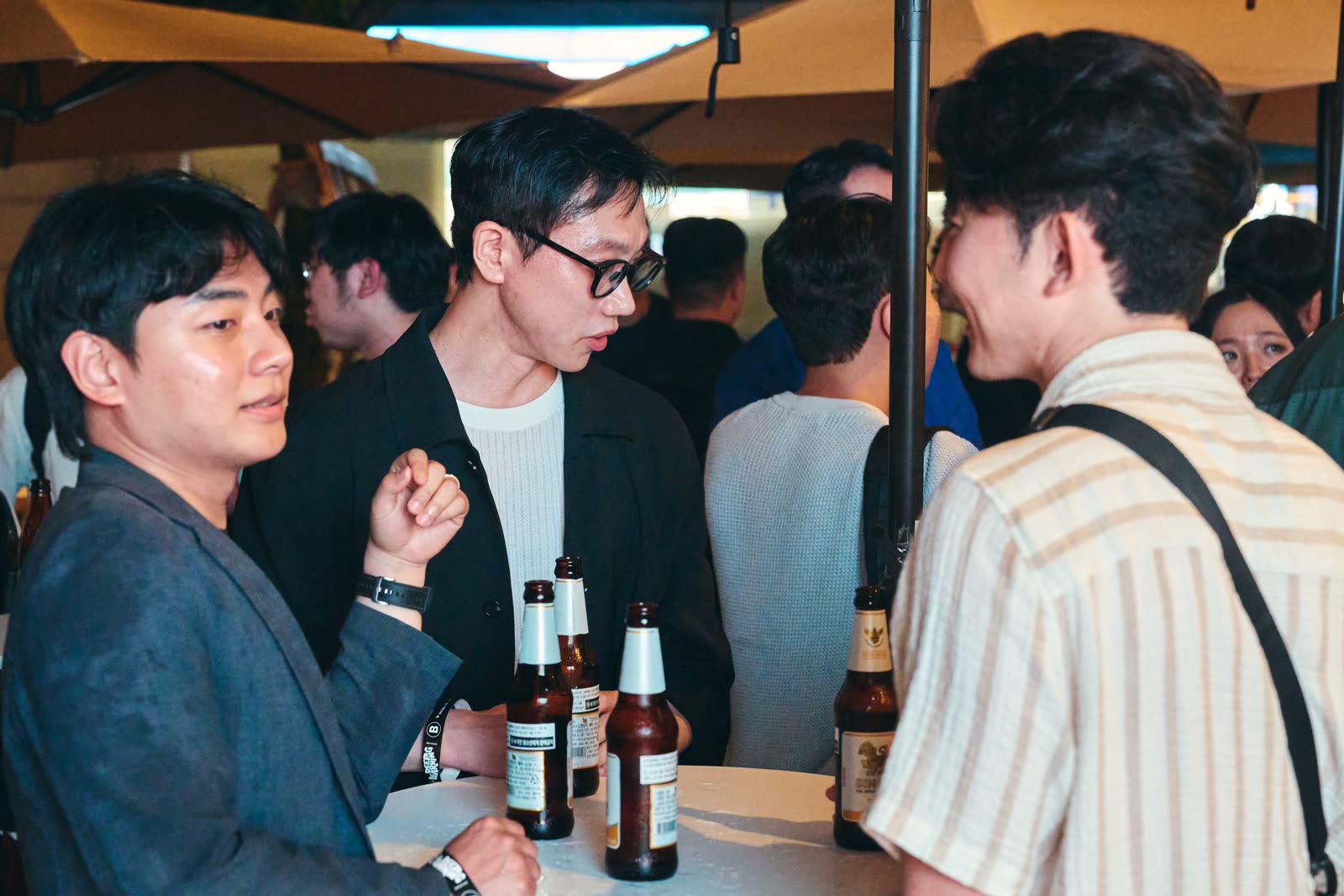
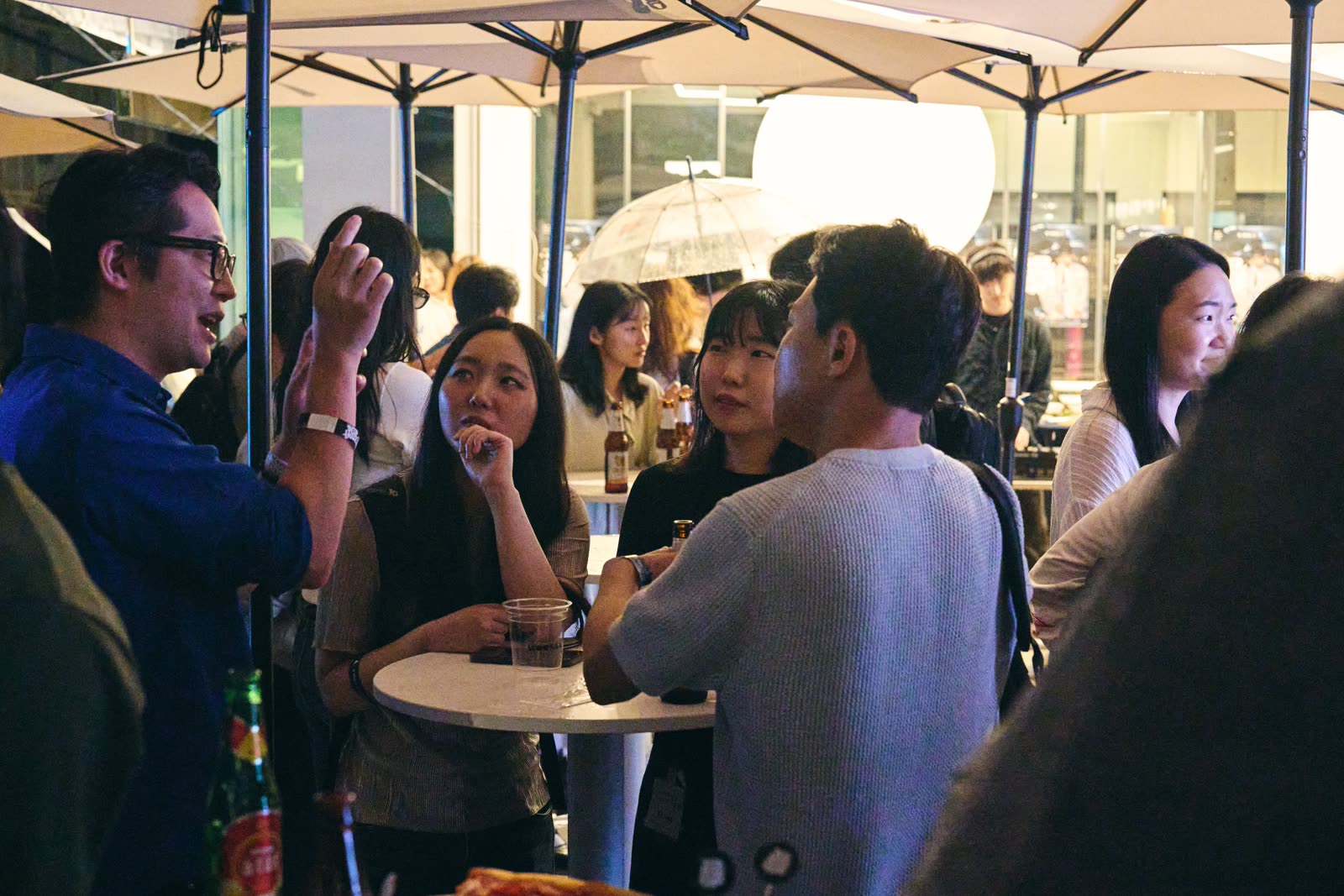
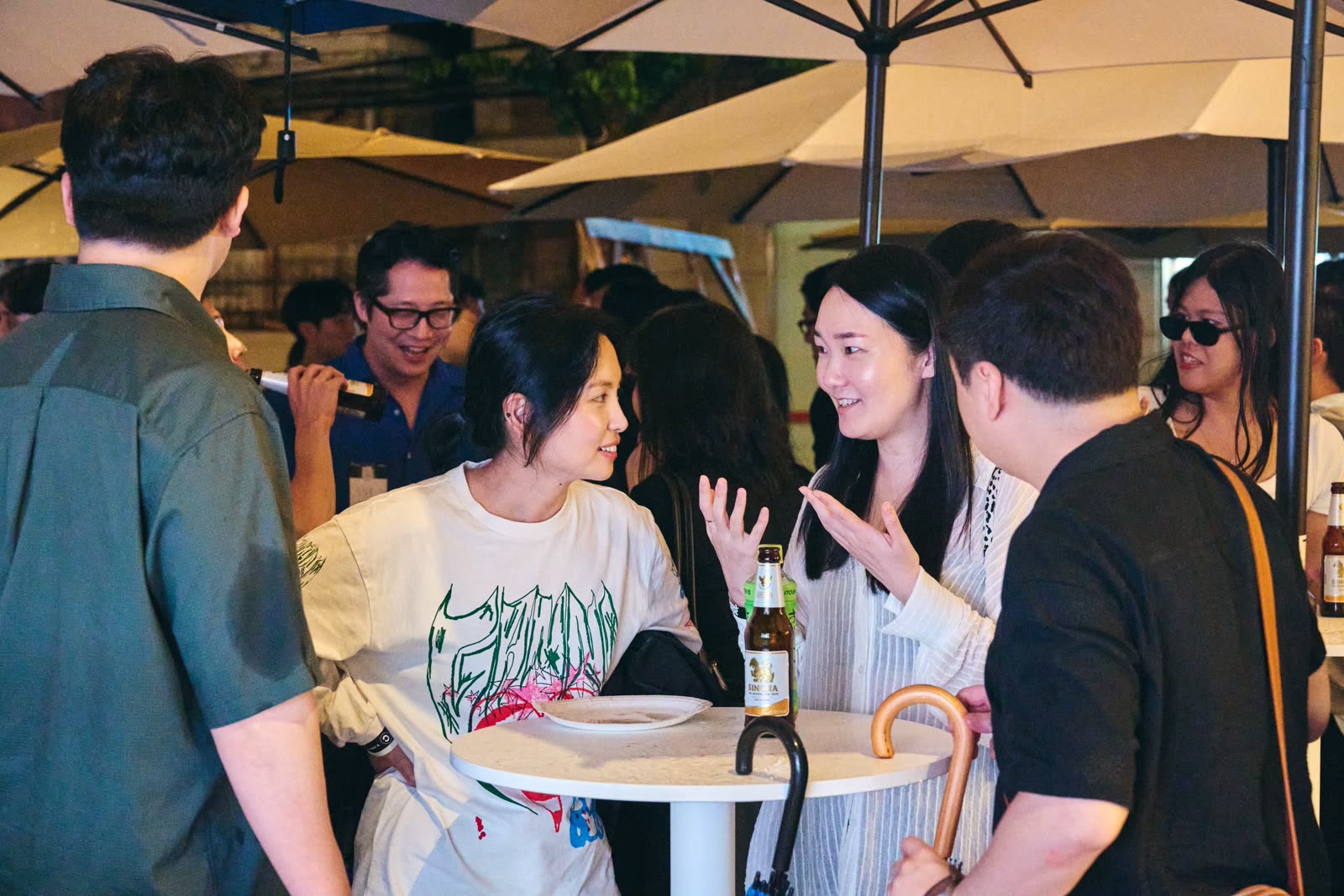
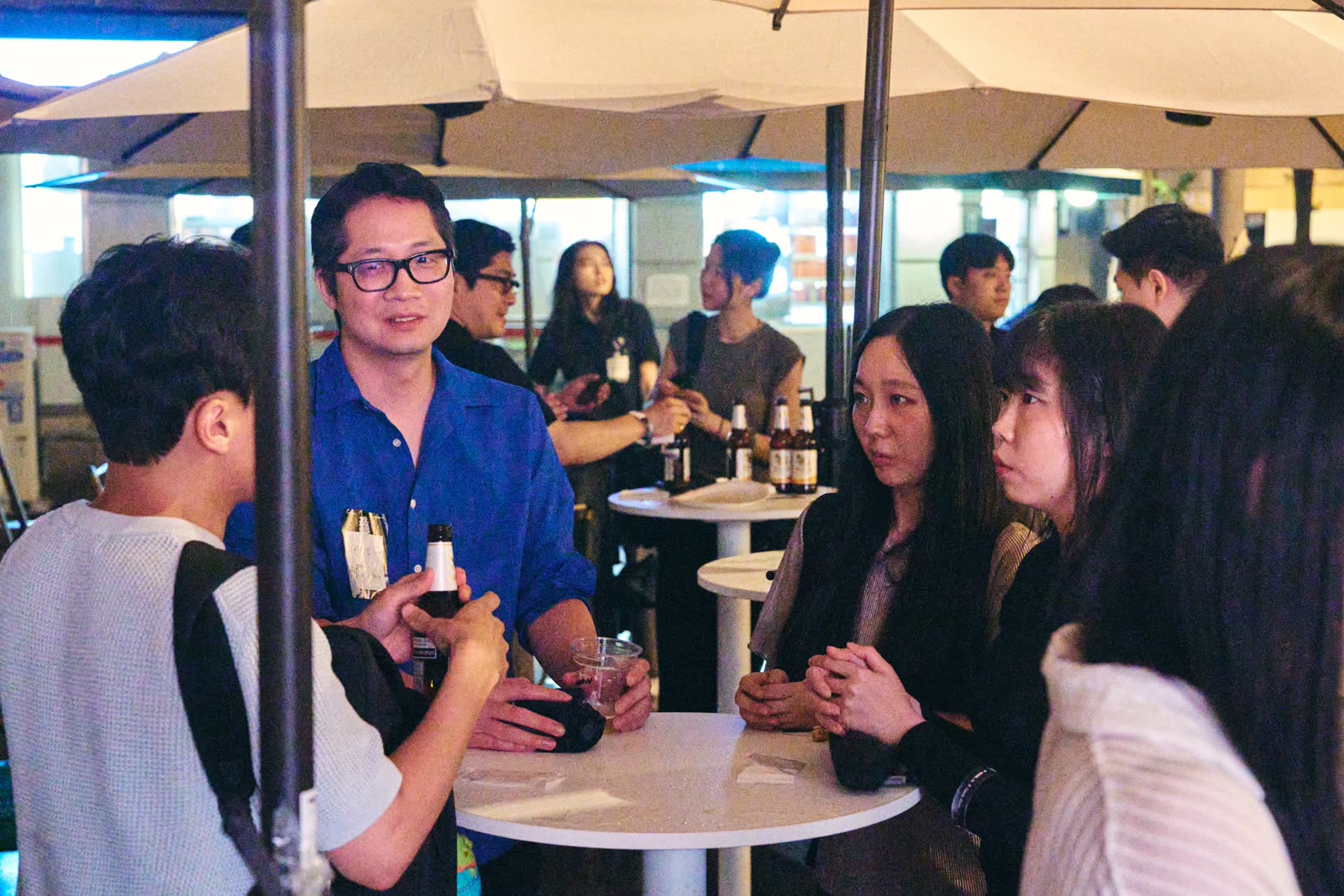
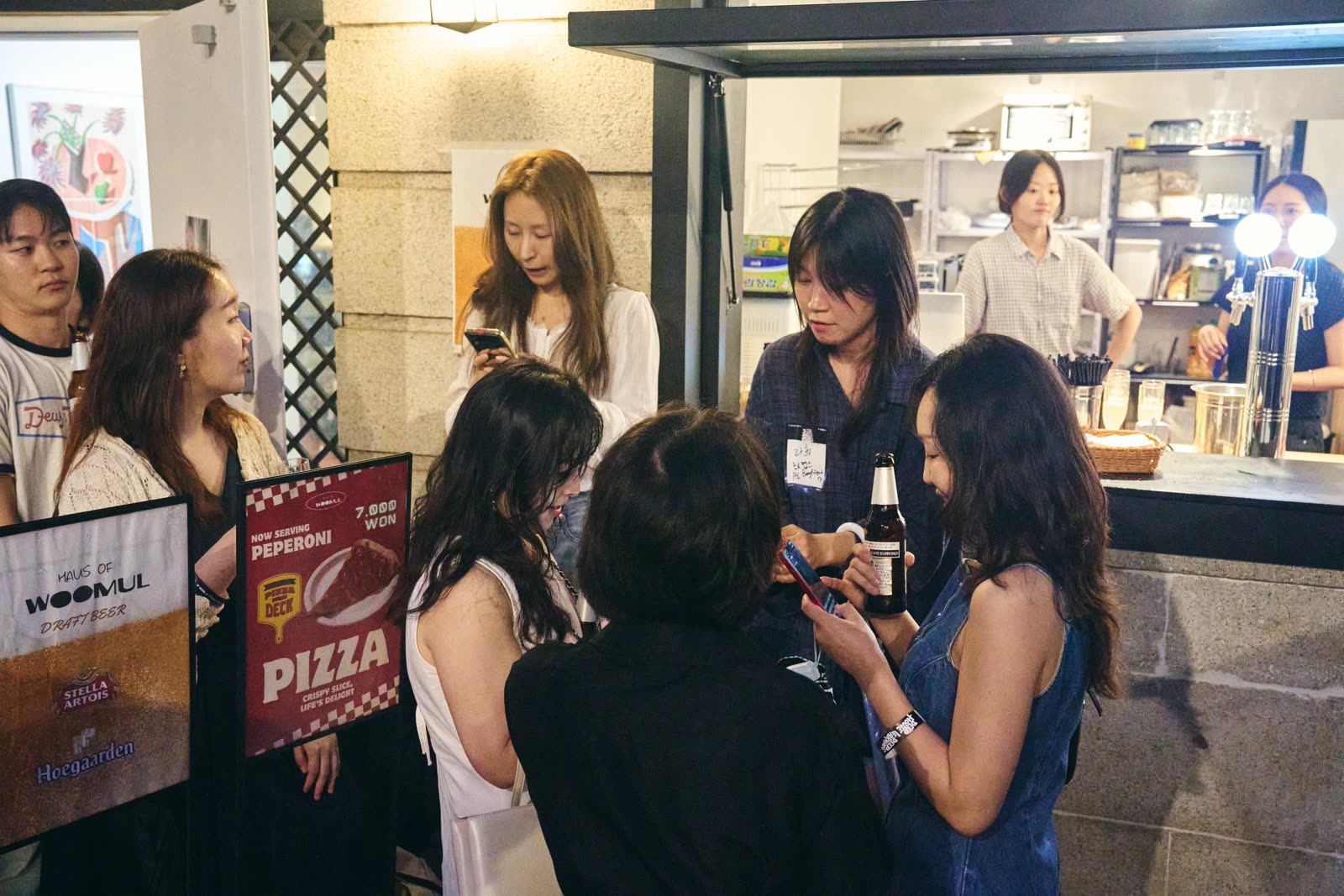
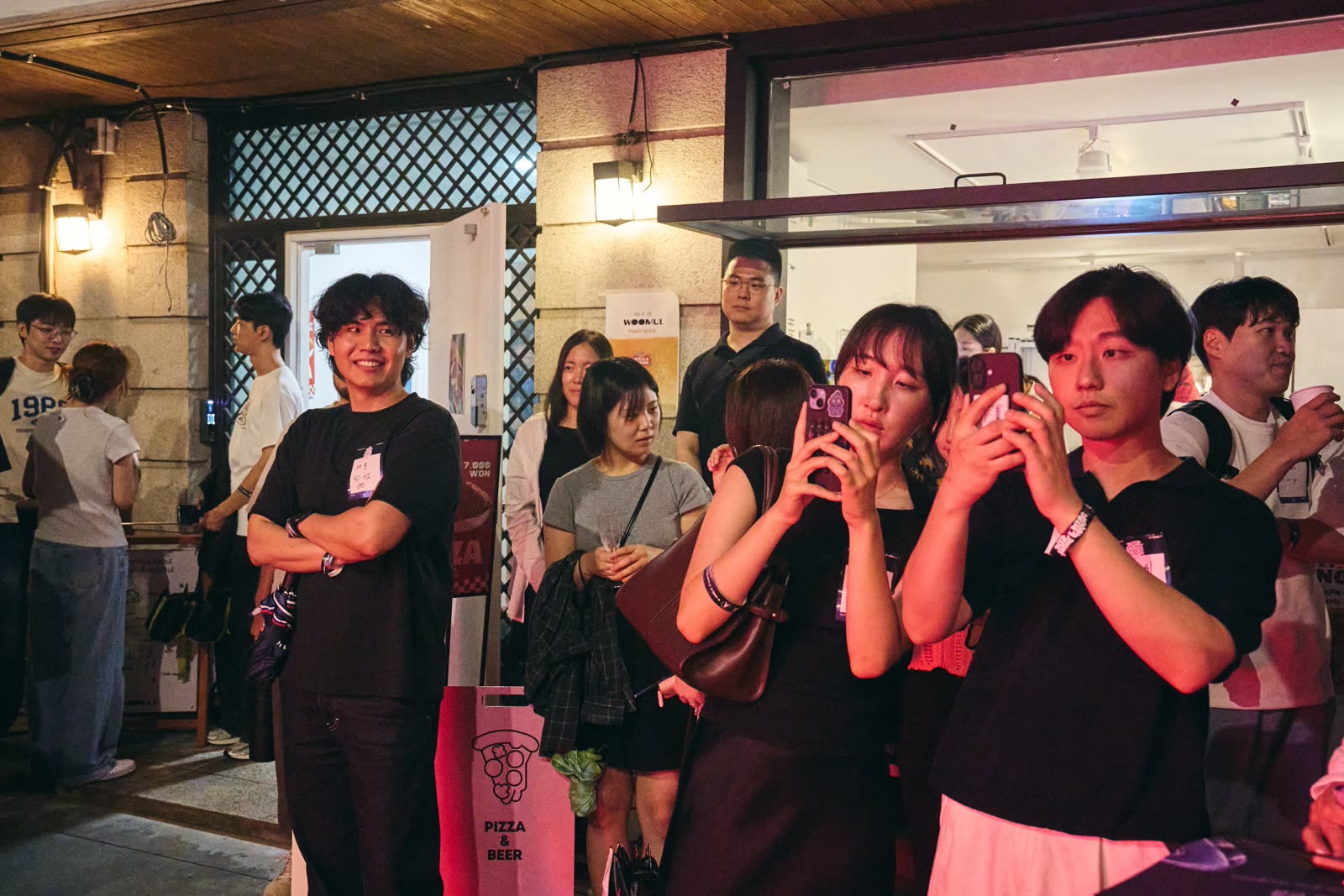
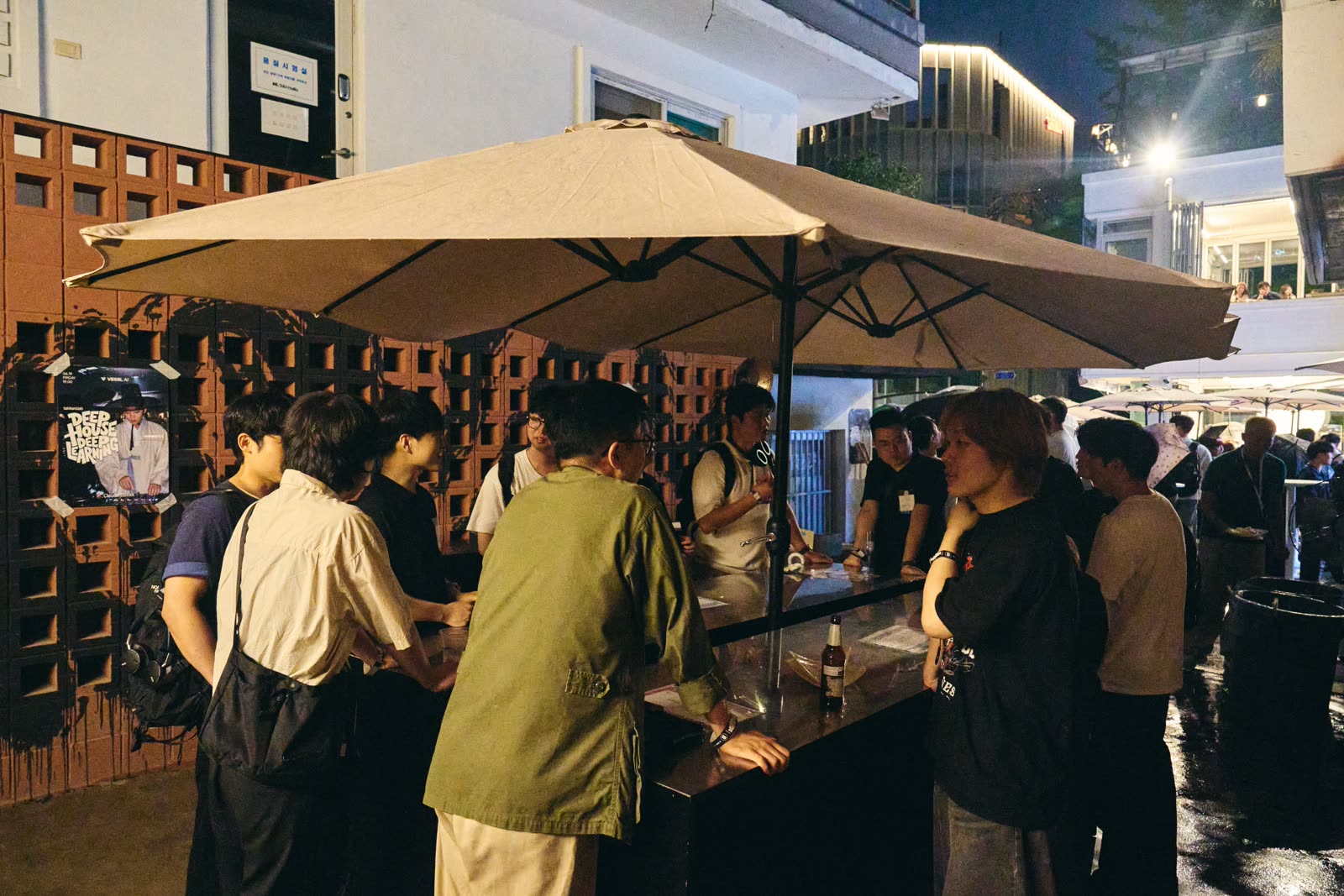
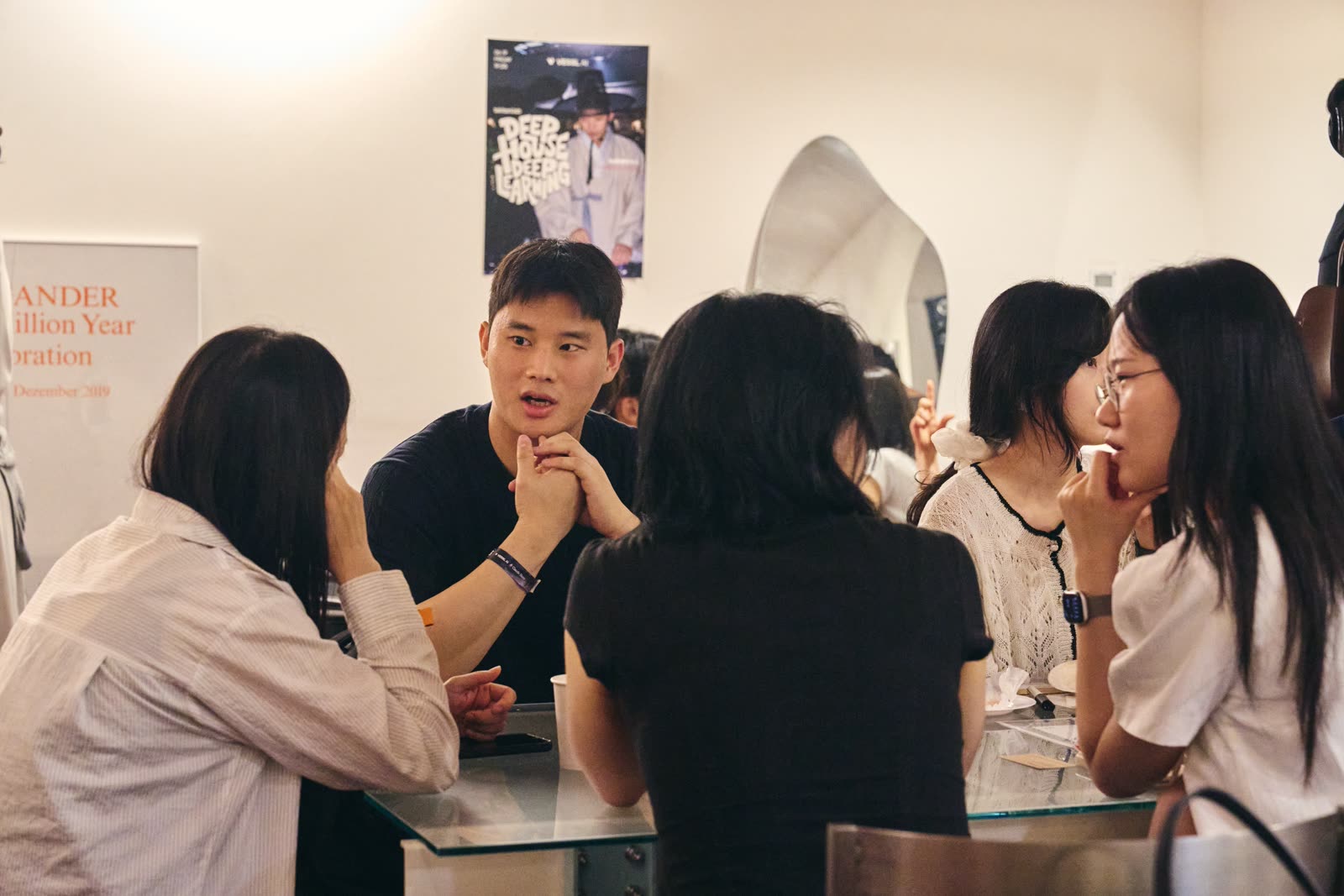
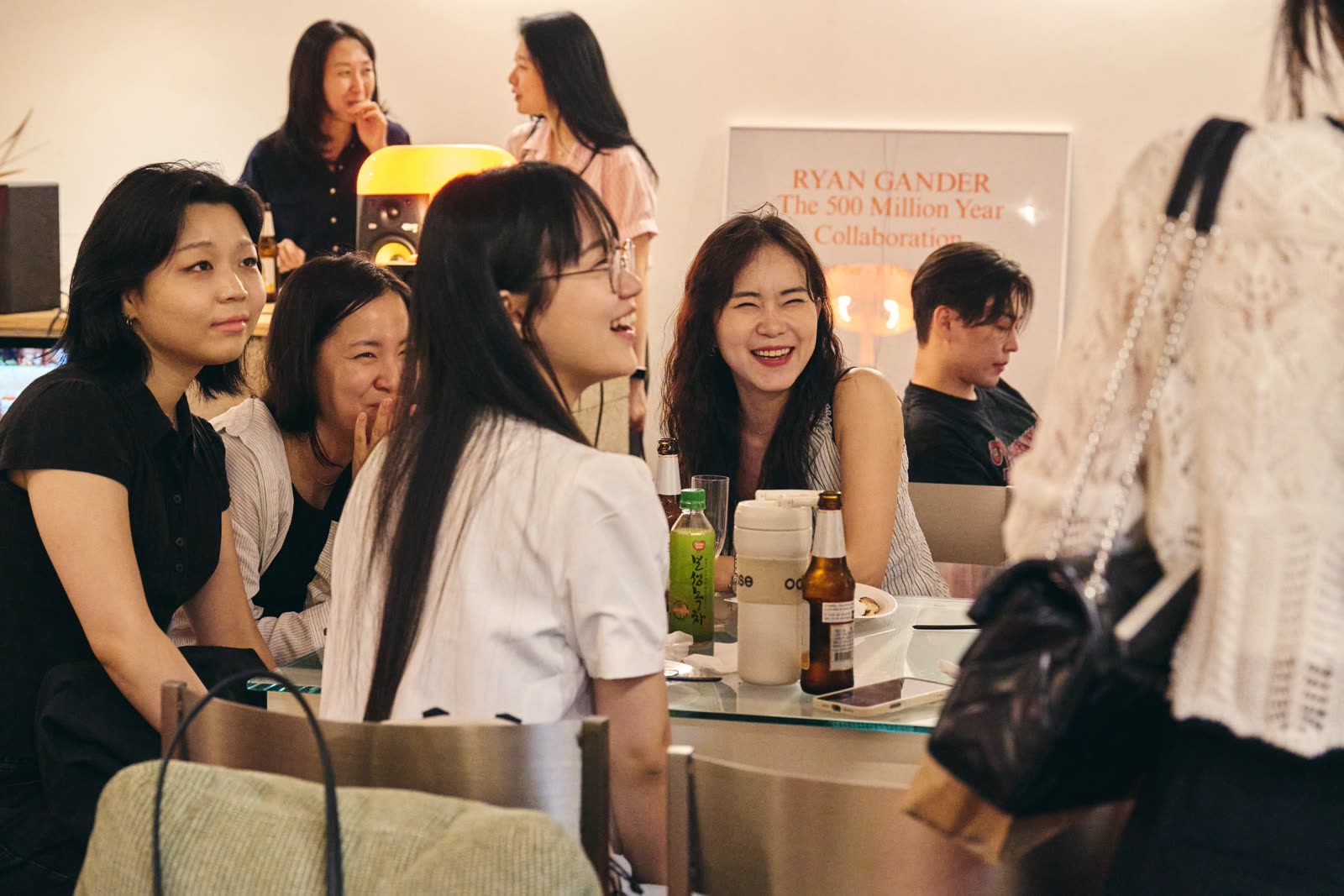
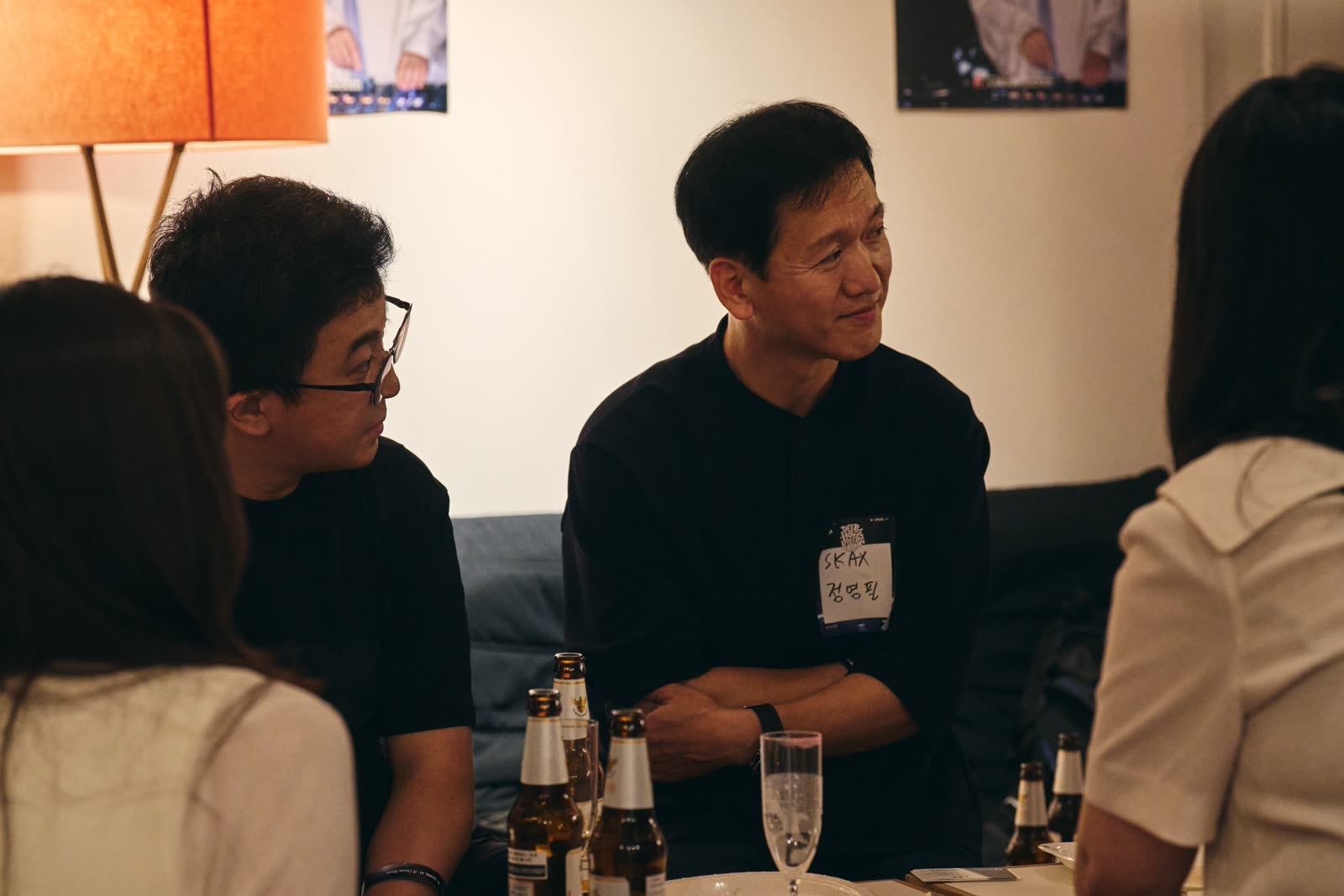
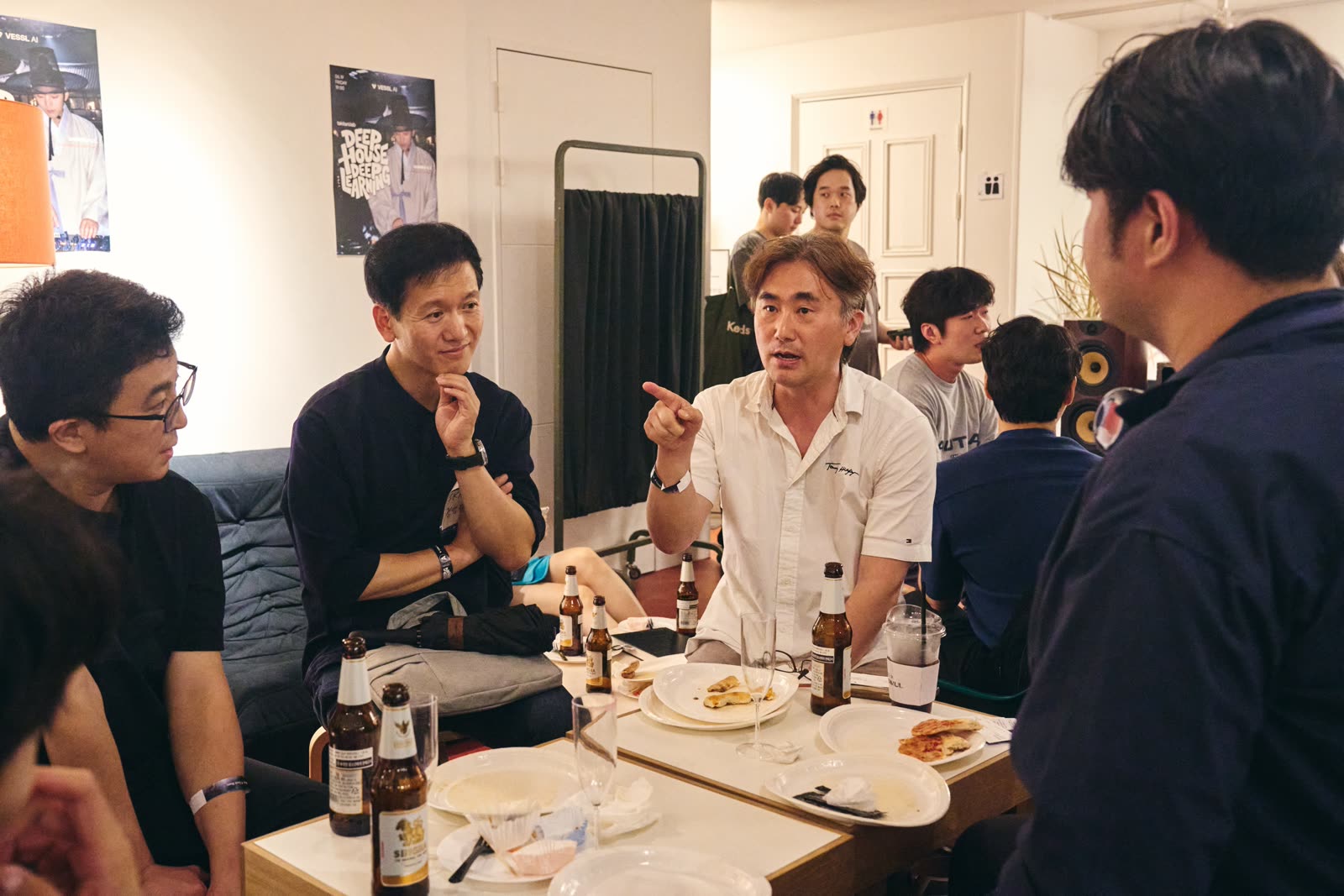
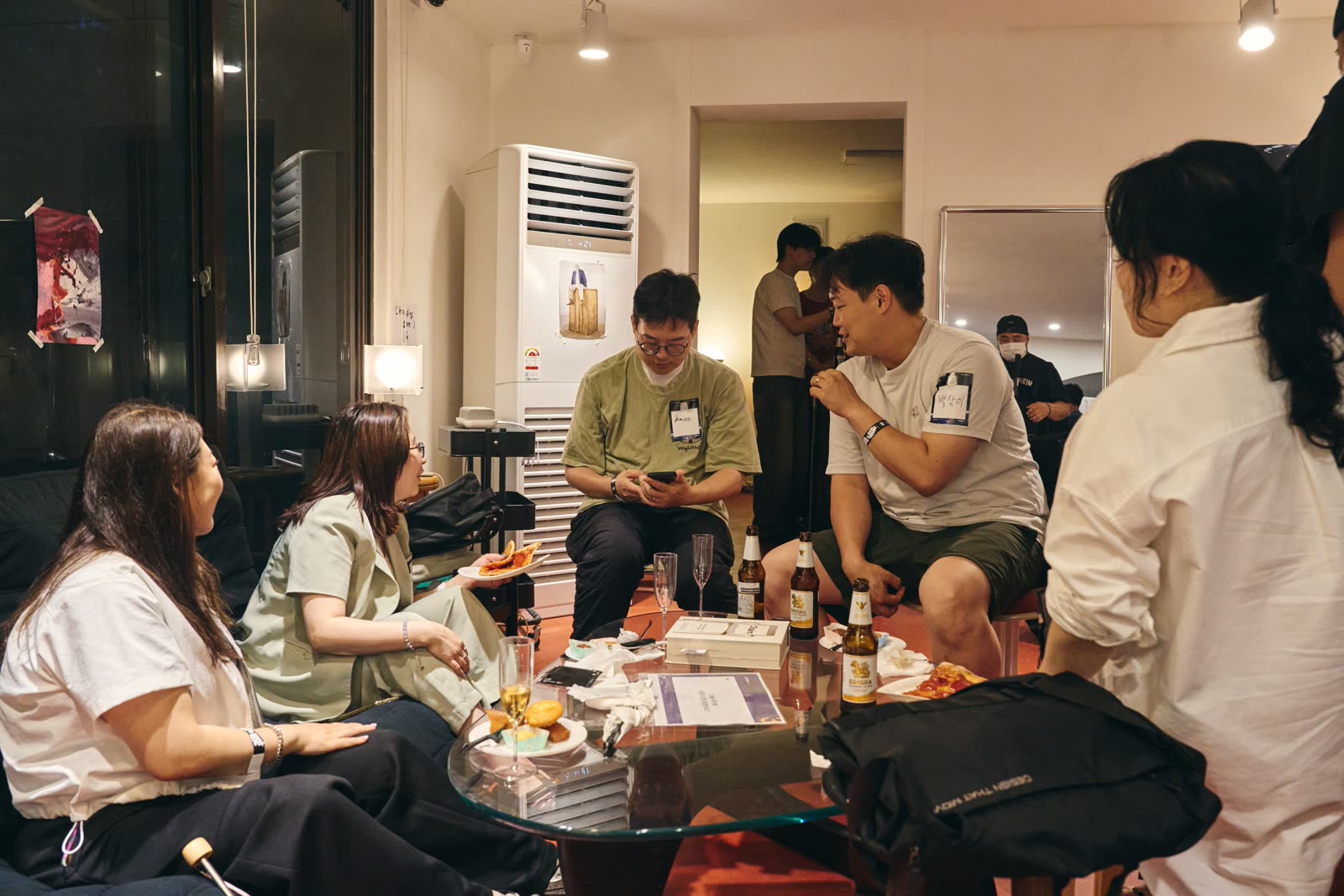
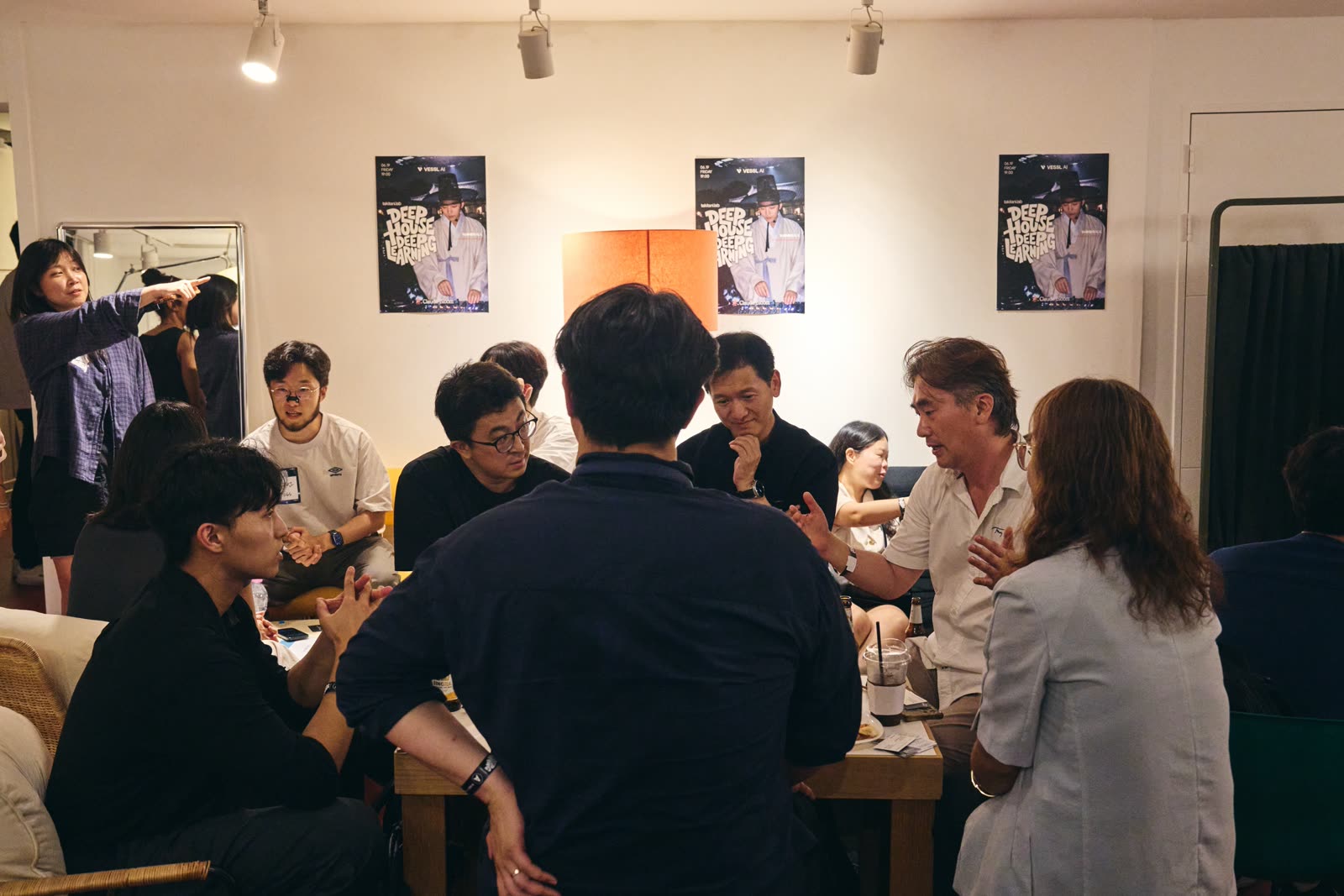
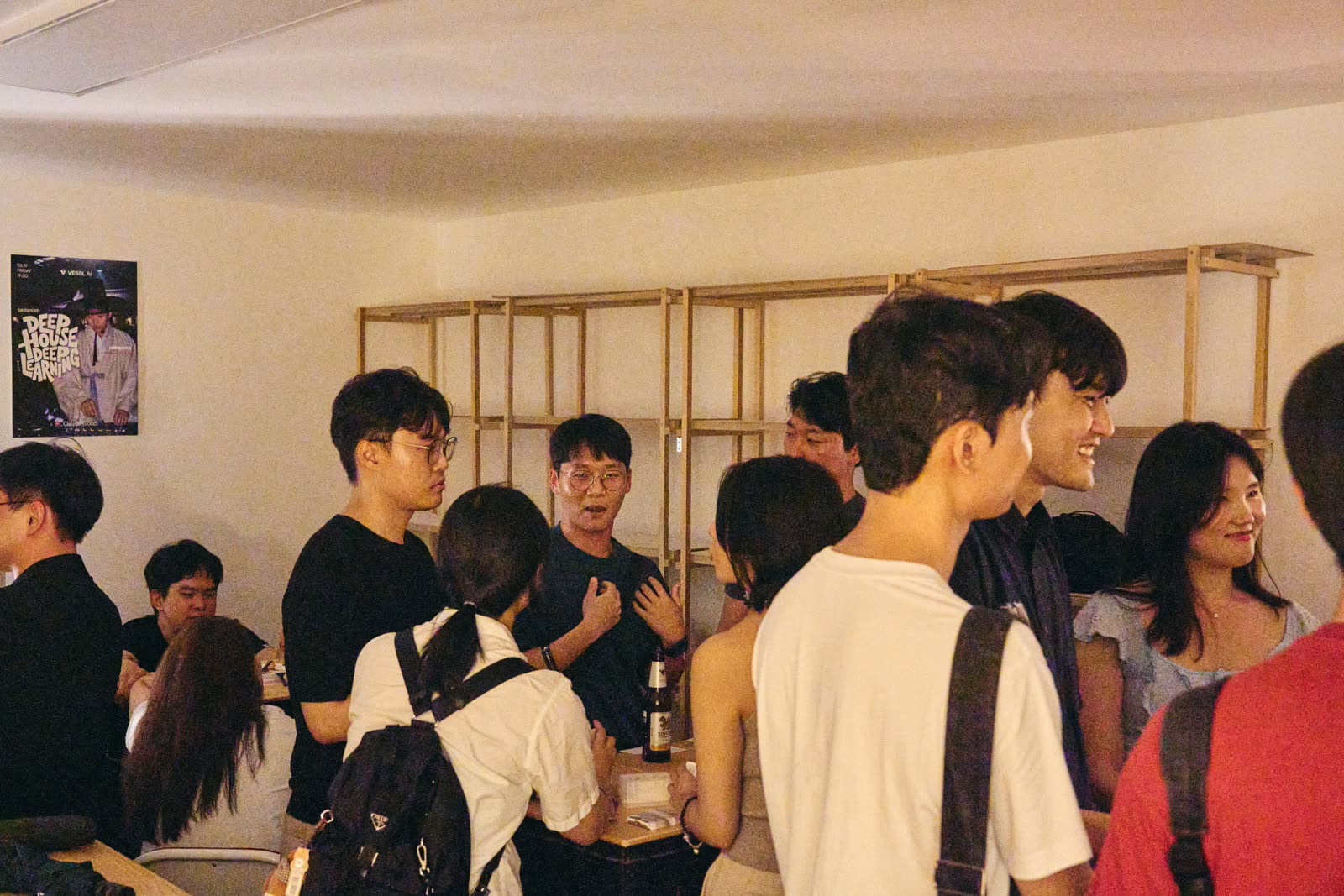
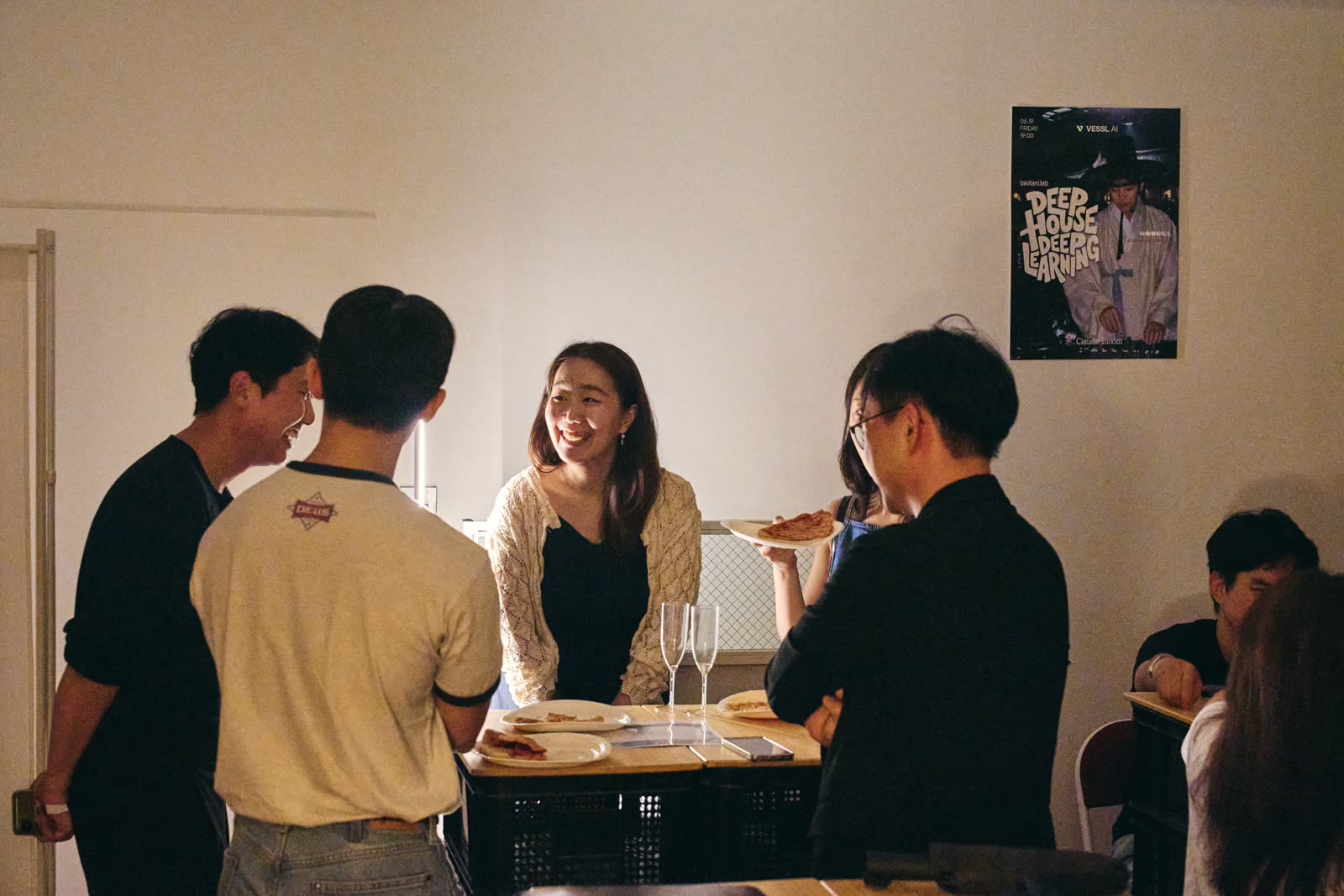
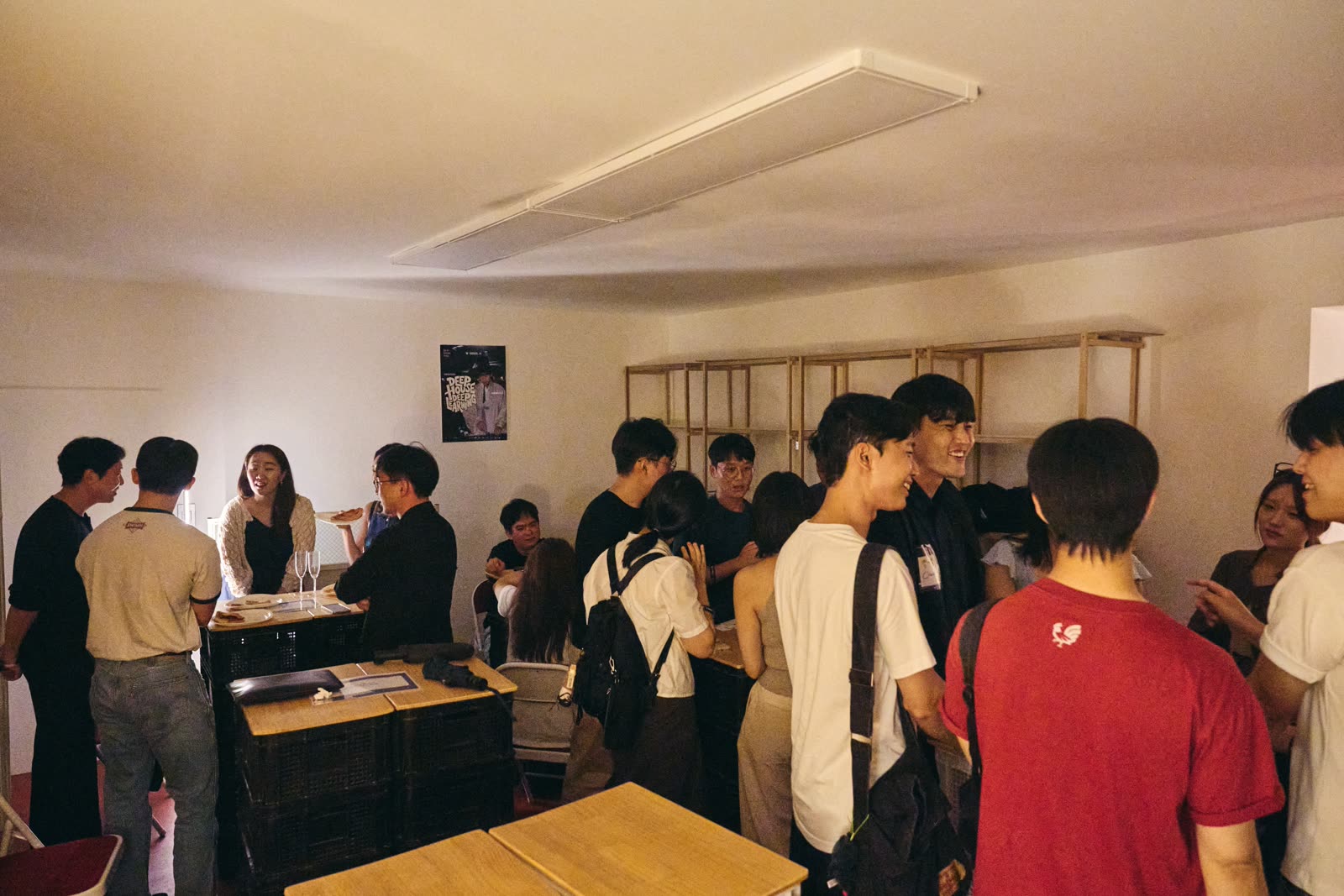
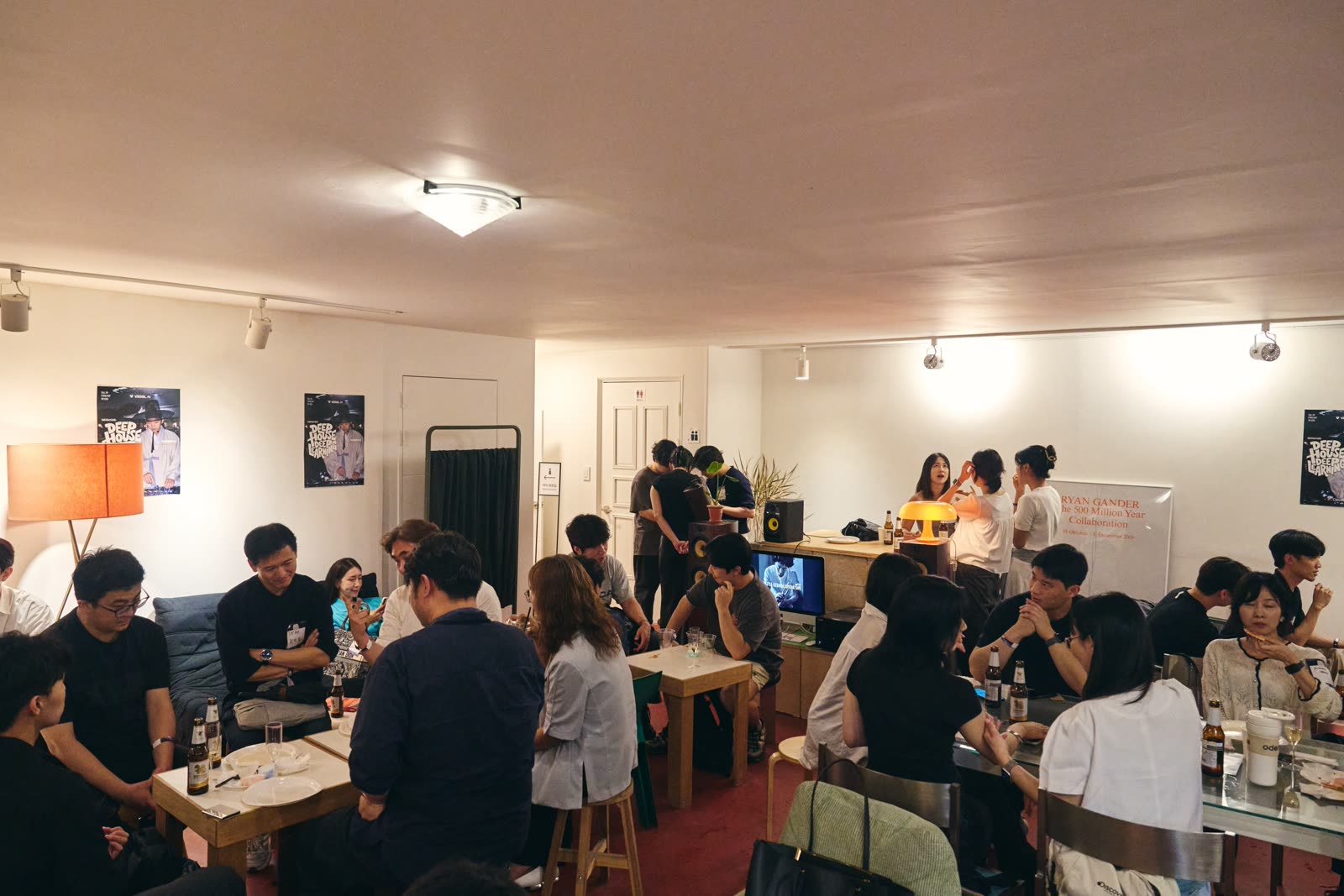
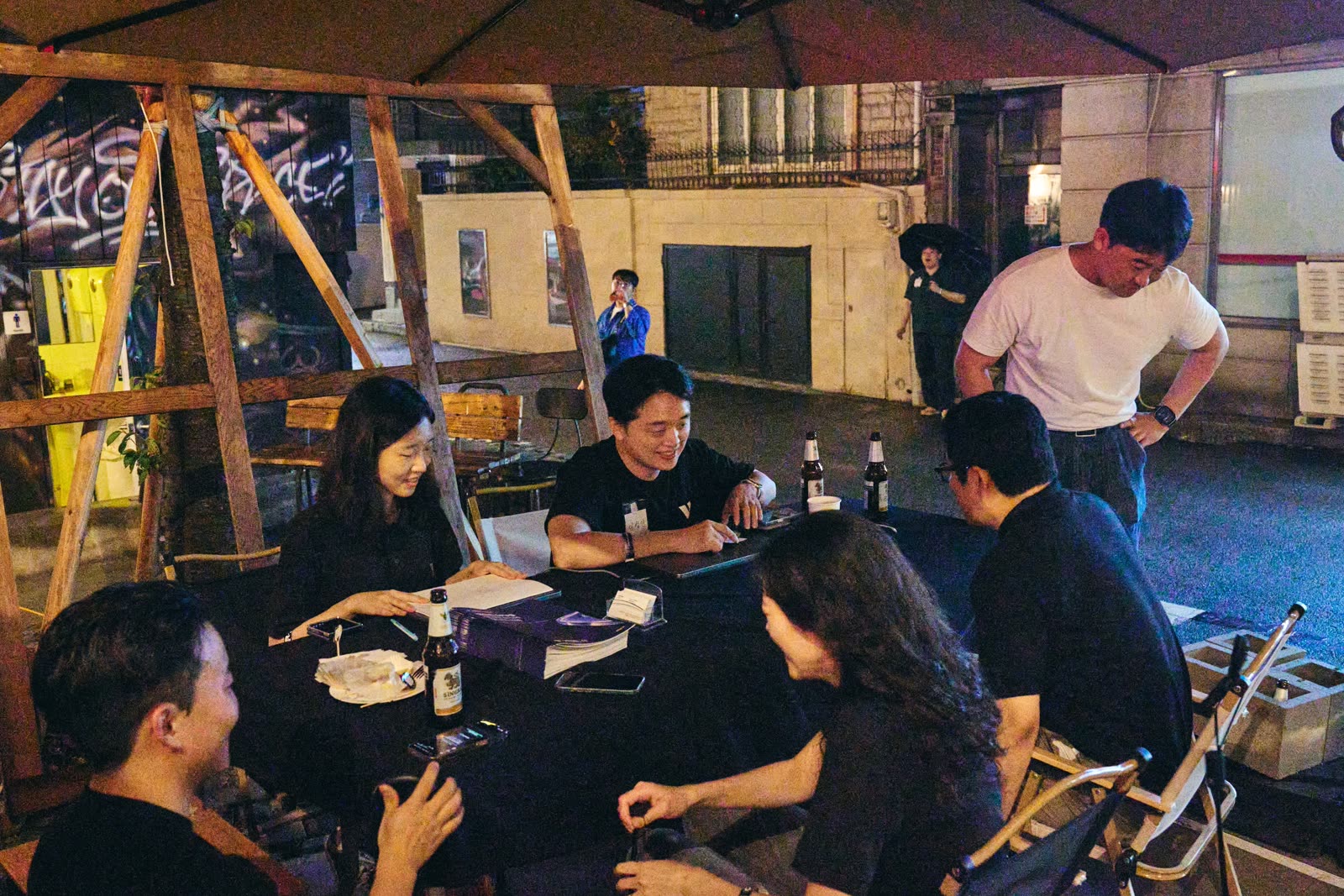
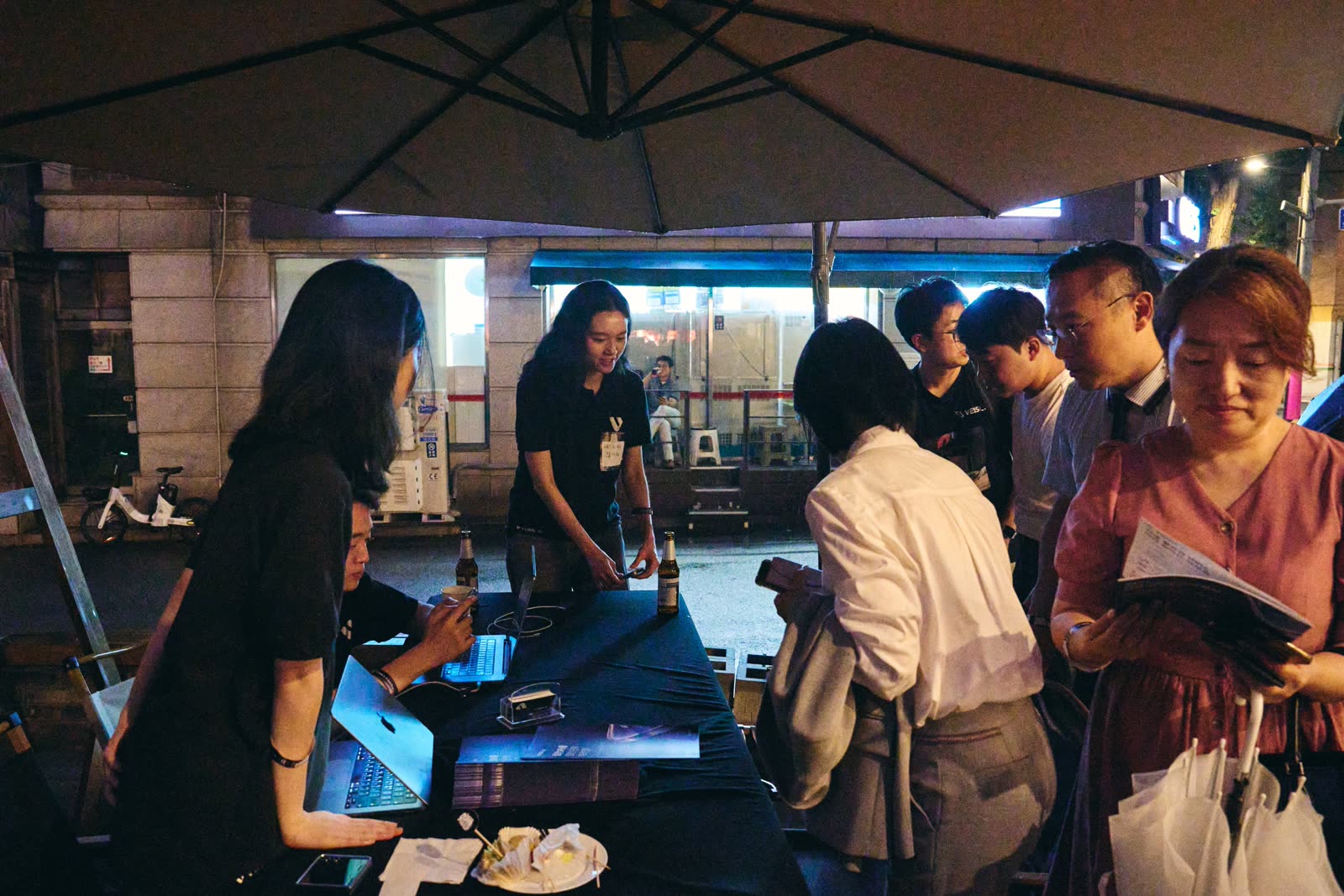
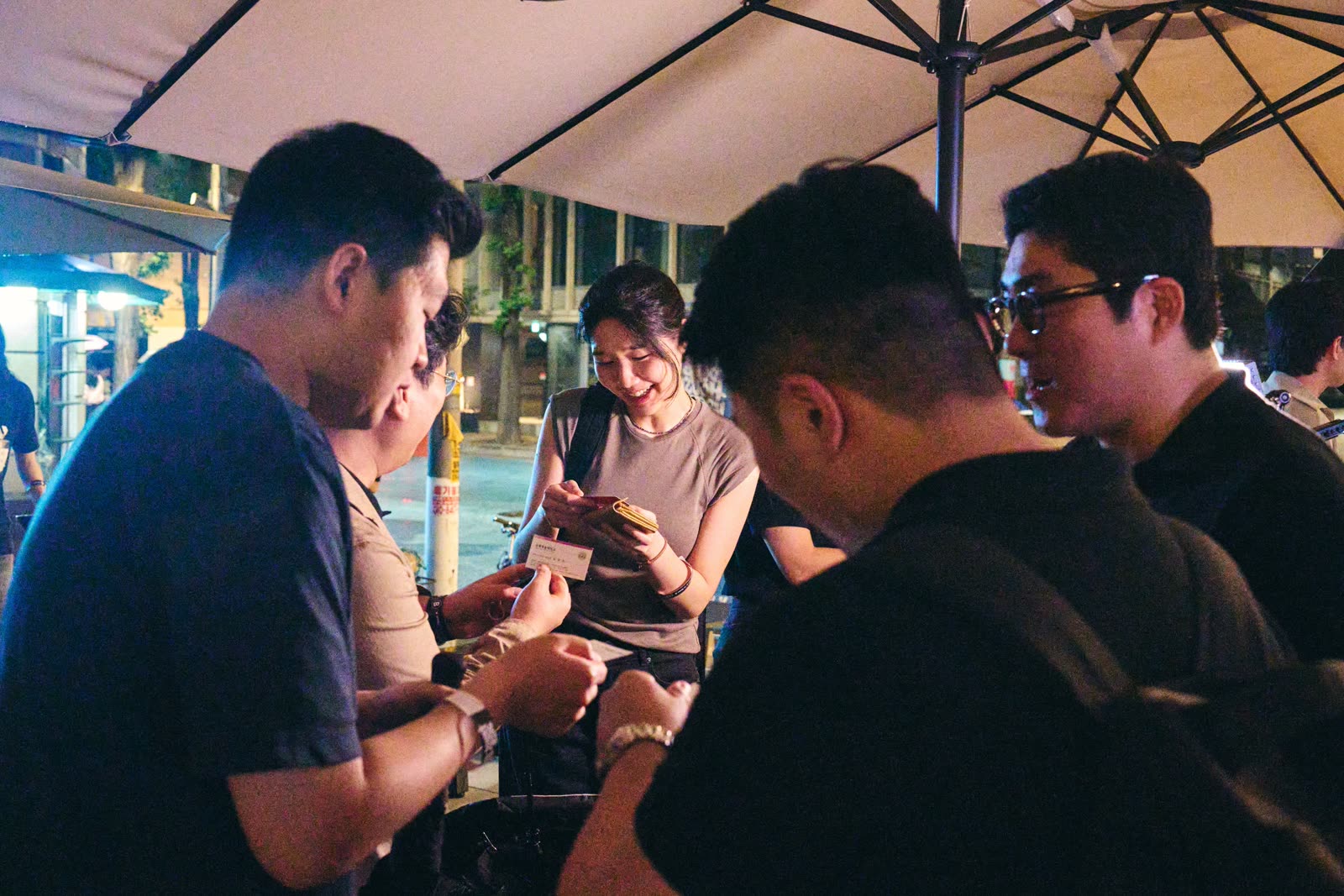
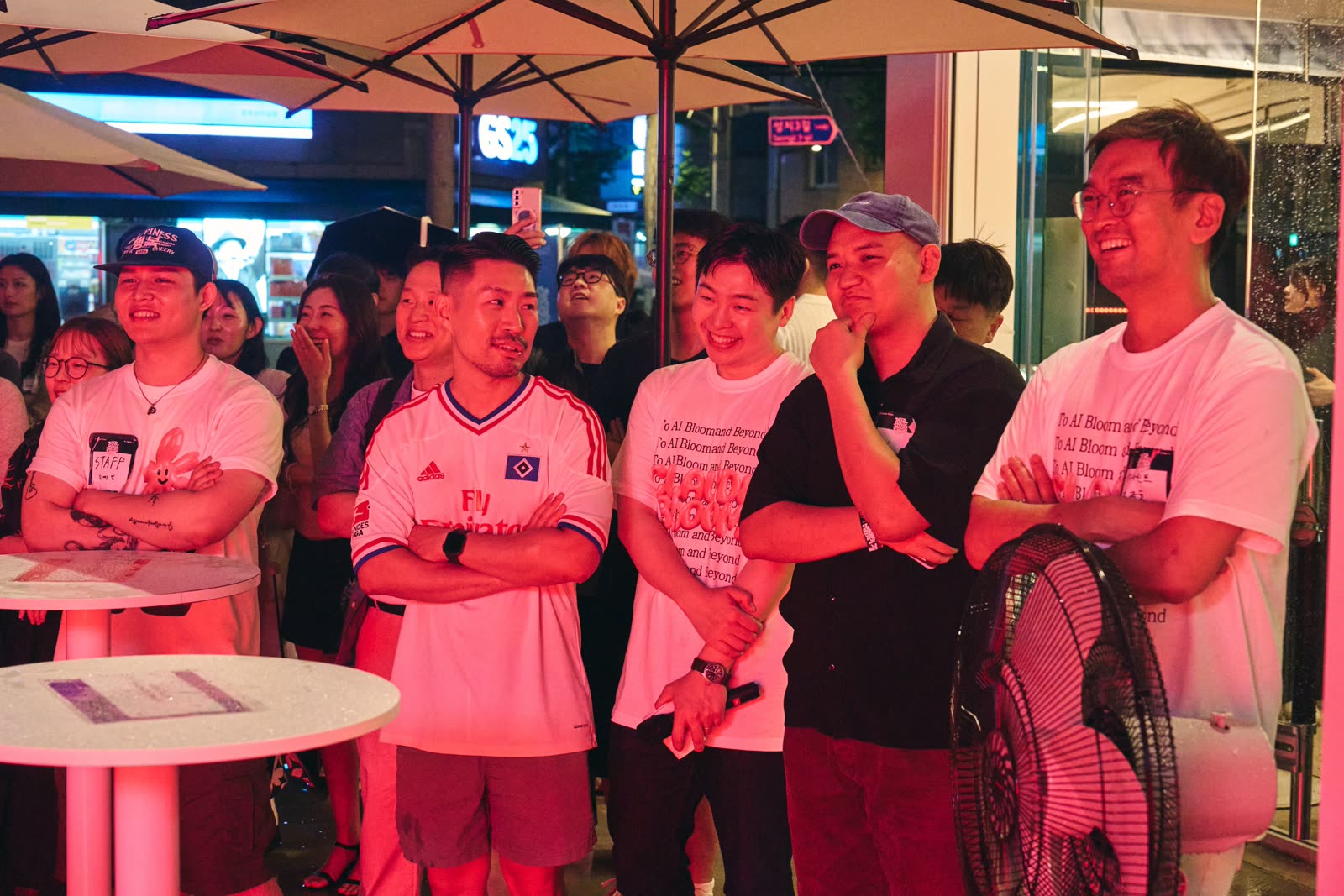
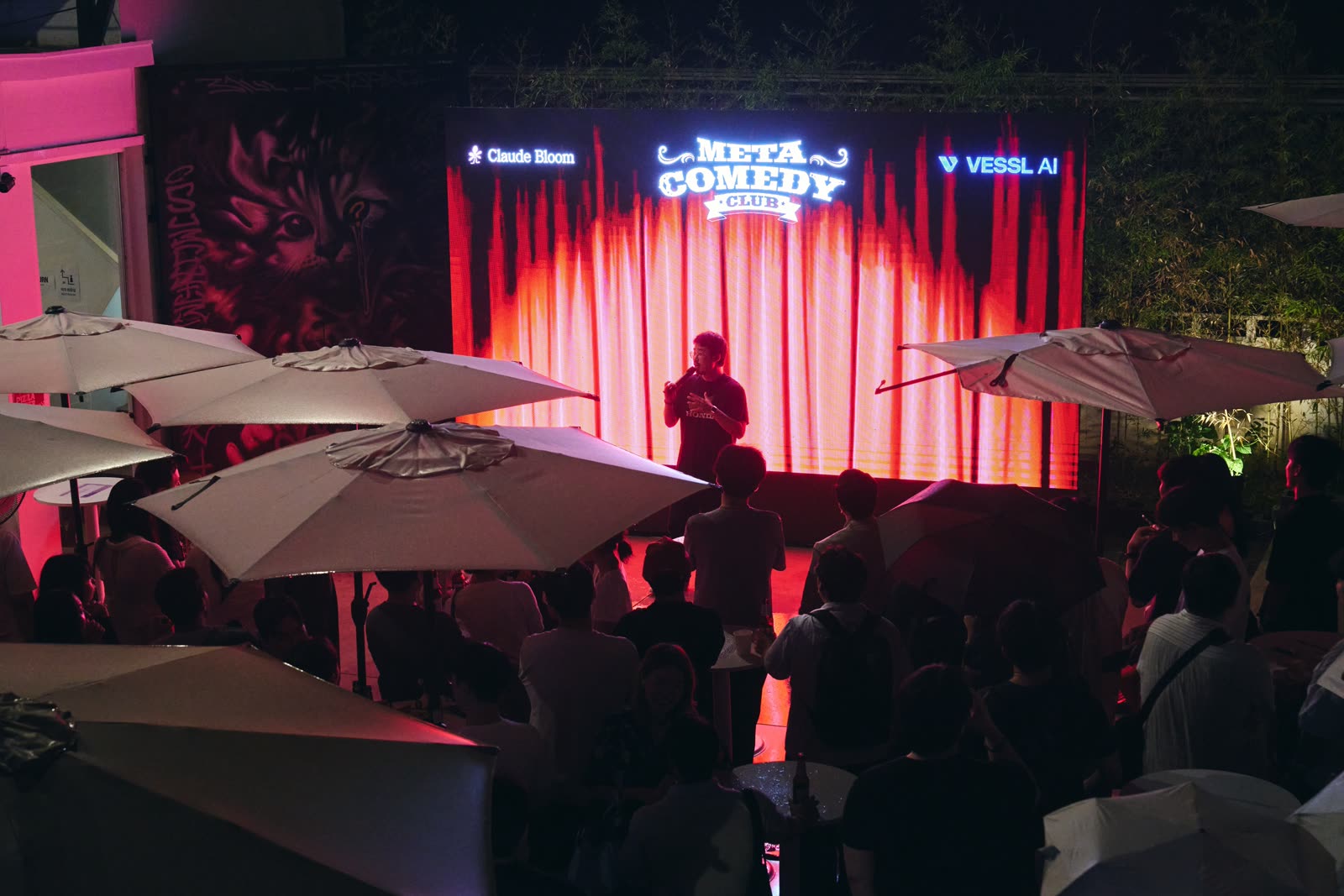
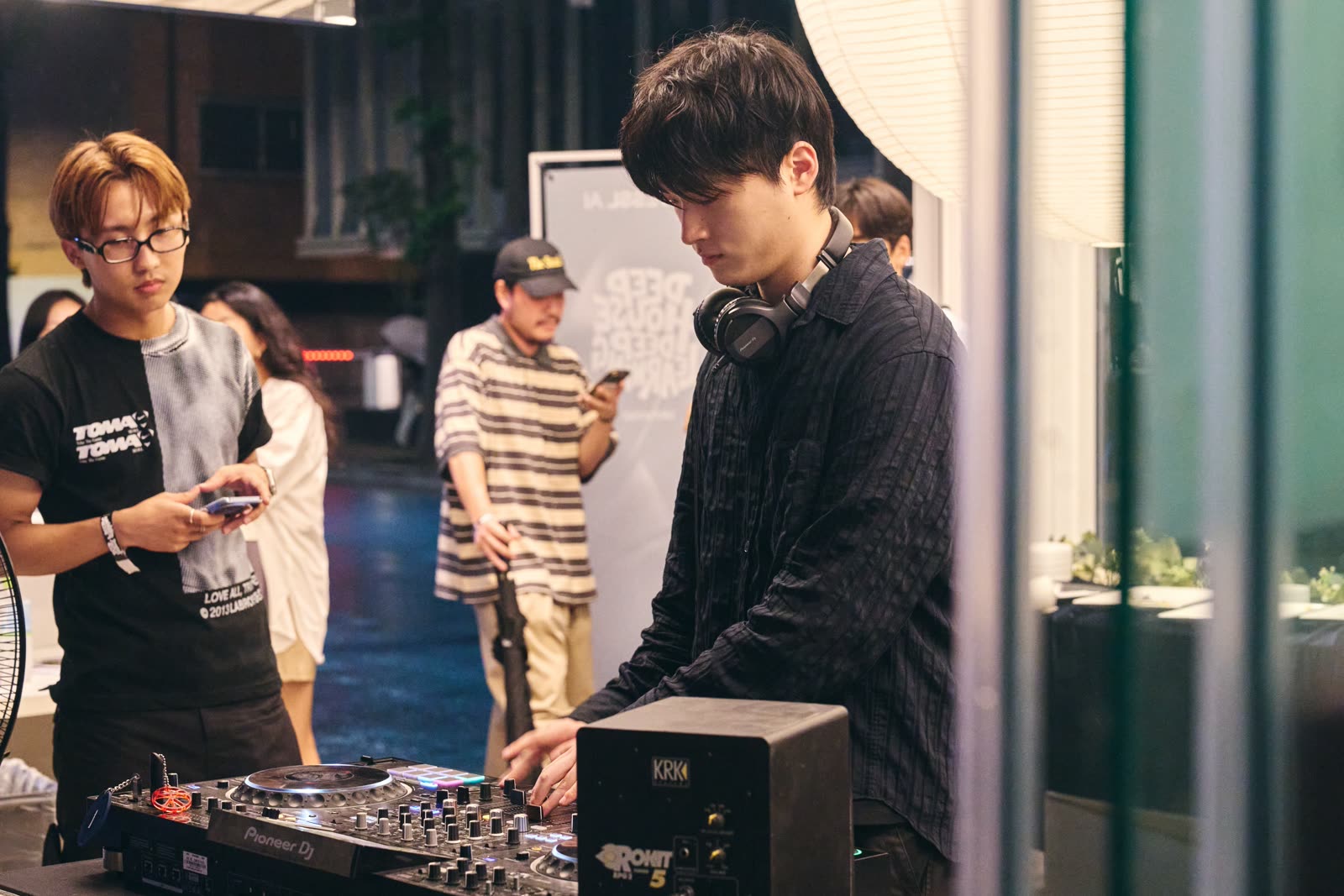
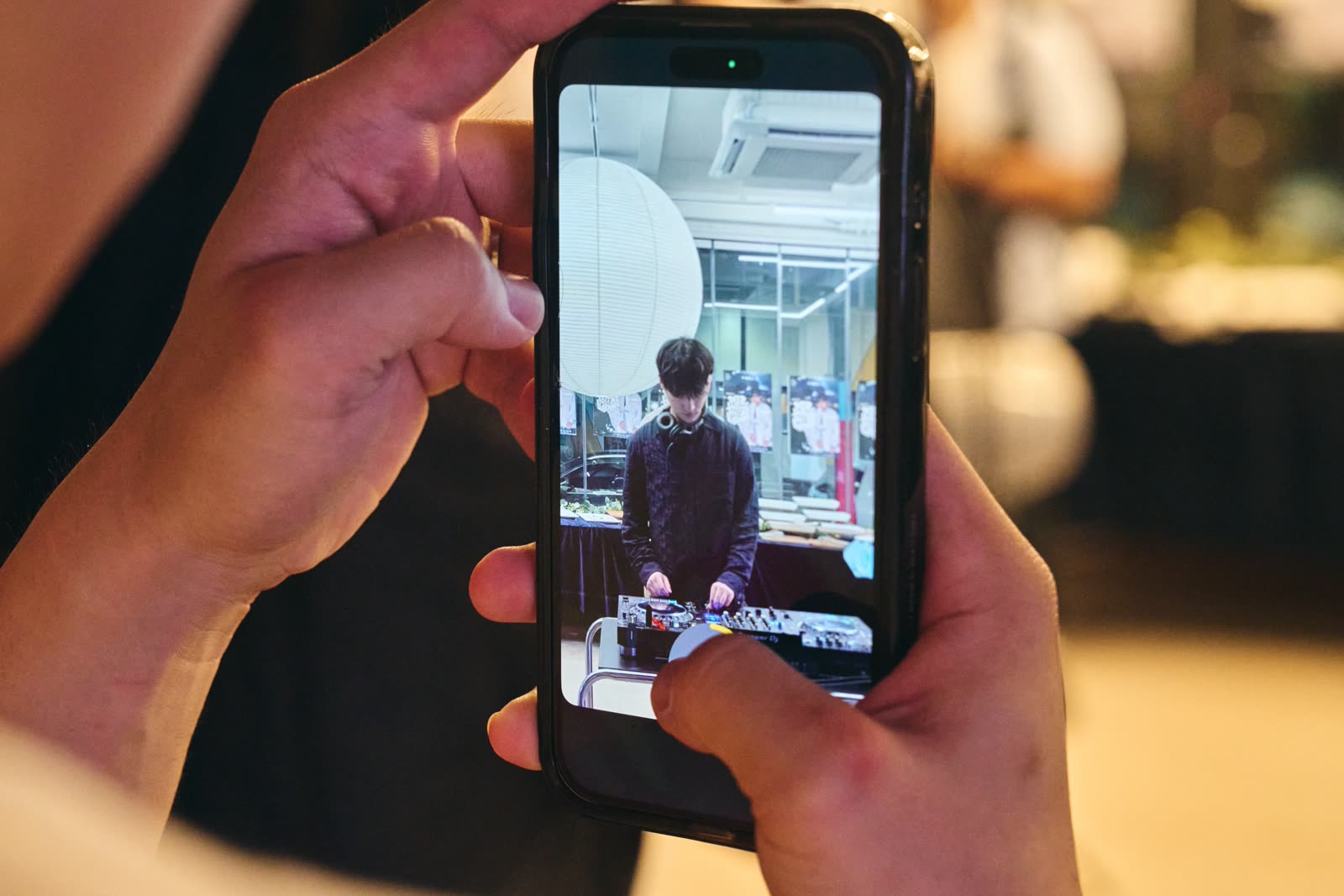
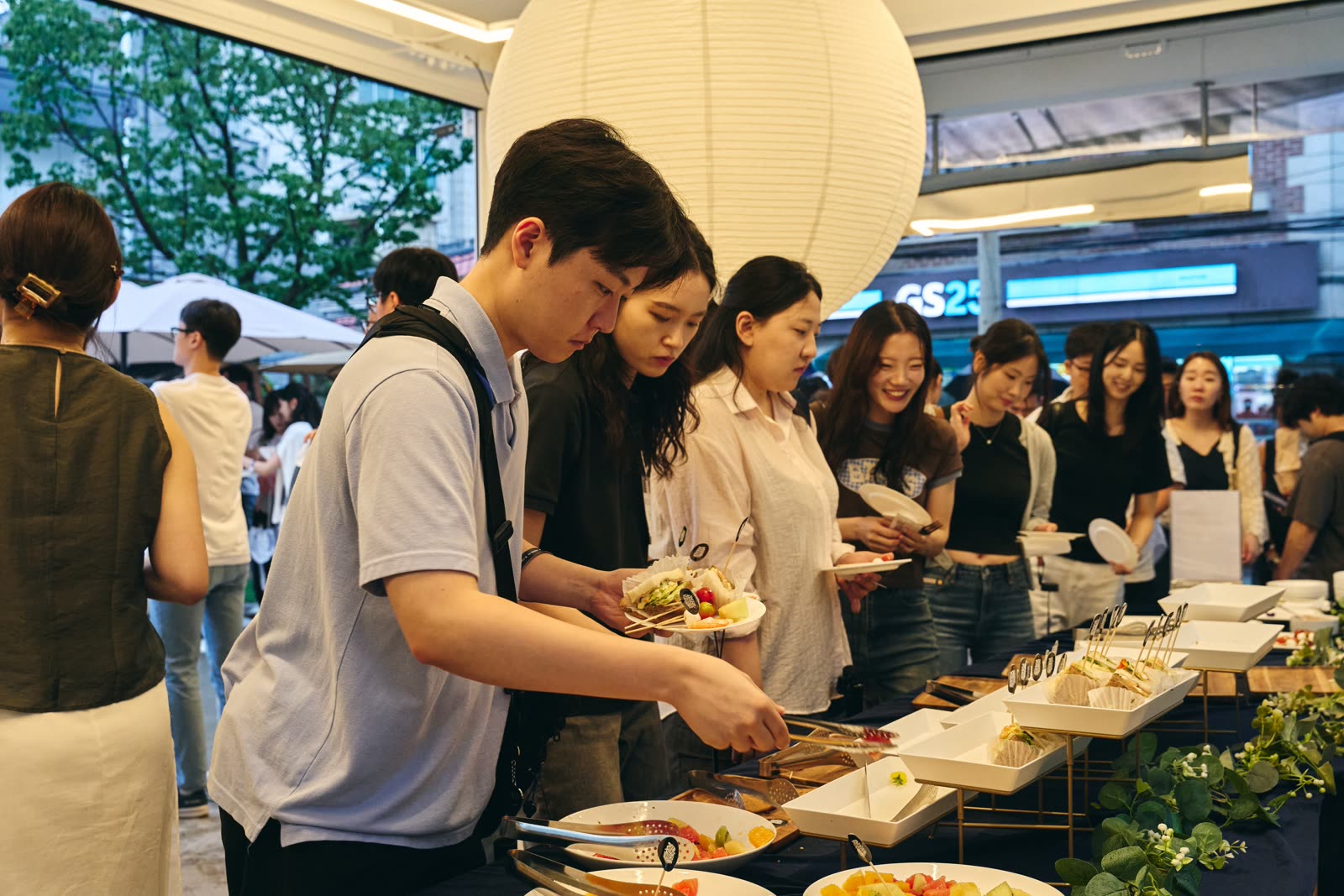
Between the two firesides, and long after them, table networking kept going. Kim Tae-hyun of Meta Comedy pushed the energy up another notch with AI stand-up, and the lucky draw produced a winner for 500 dollars in GPU credits. Between people hunting the hidden prizes, beats from the DJ team, and Bloom cocktails going around, four hours passed with the line between seminar and party blurred.
Read the full write-upEvent video
Gallery

Next event