AI agents have started to act
What was discussed
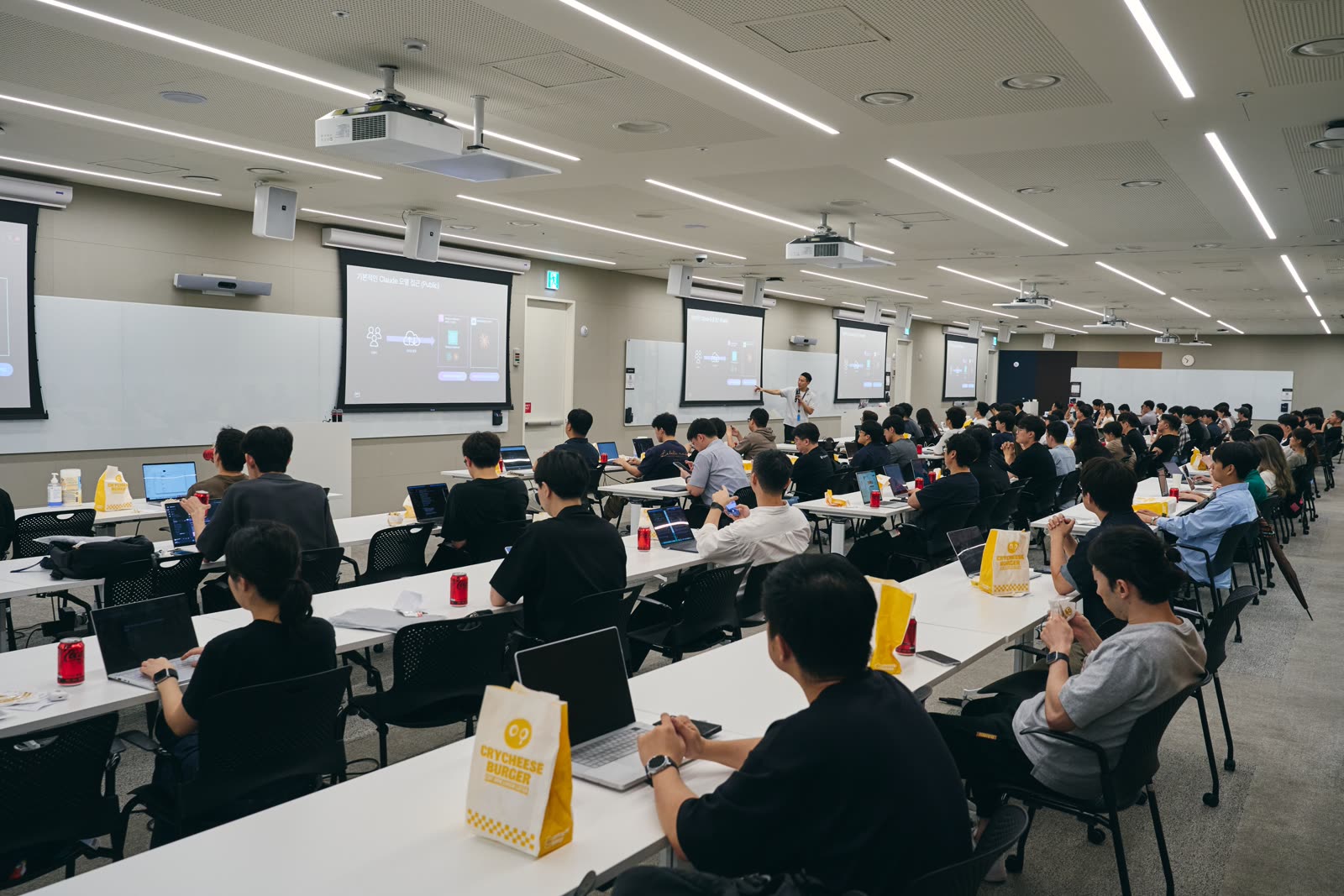
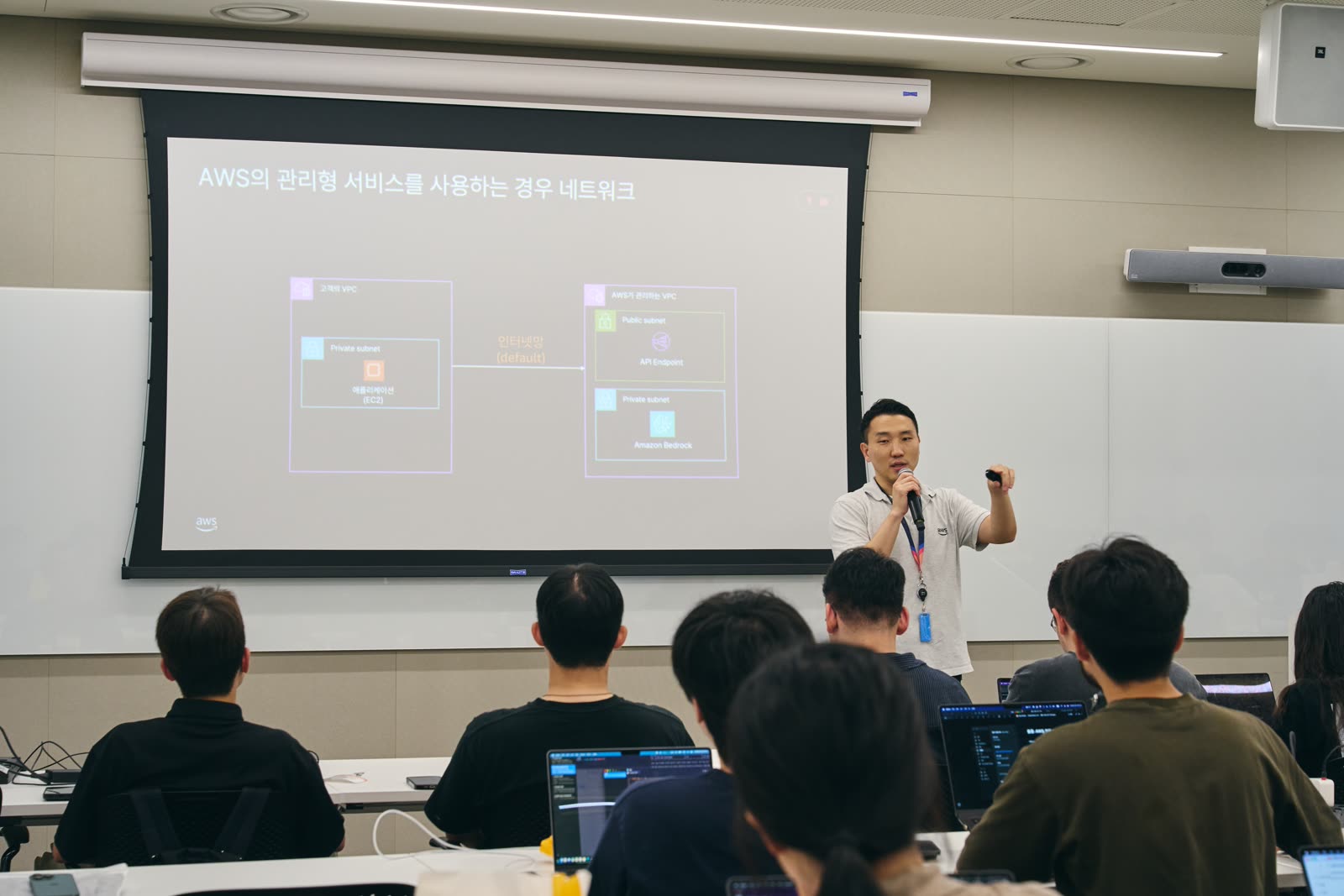
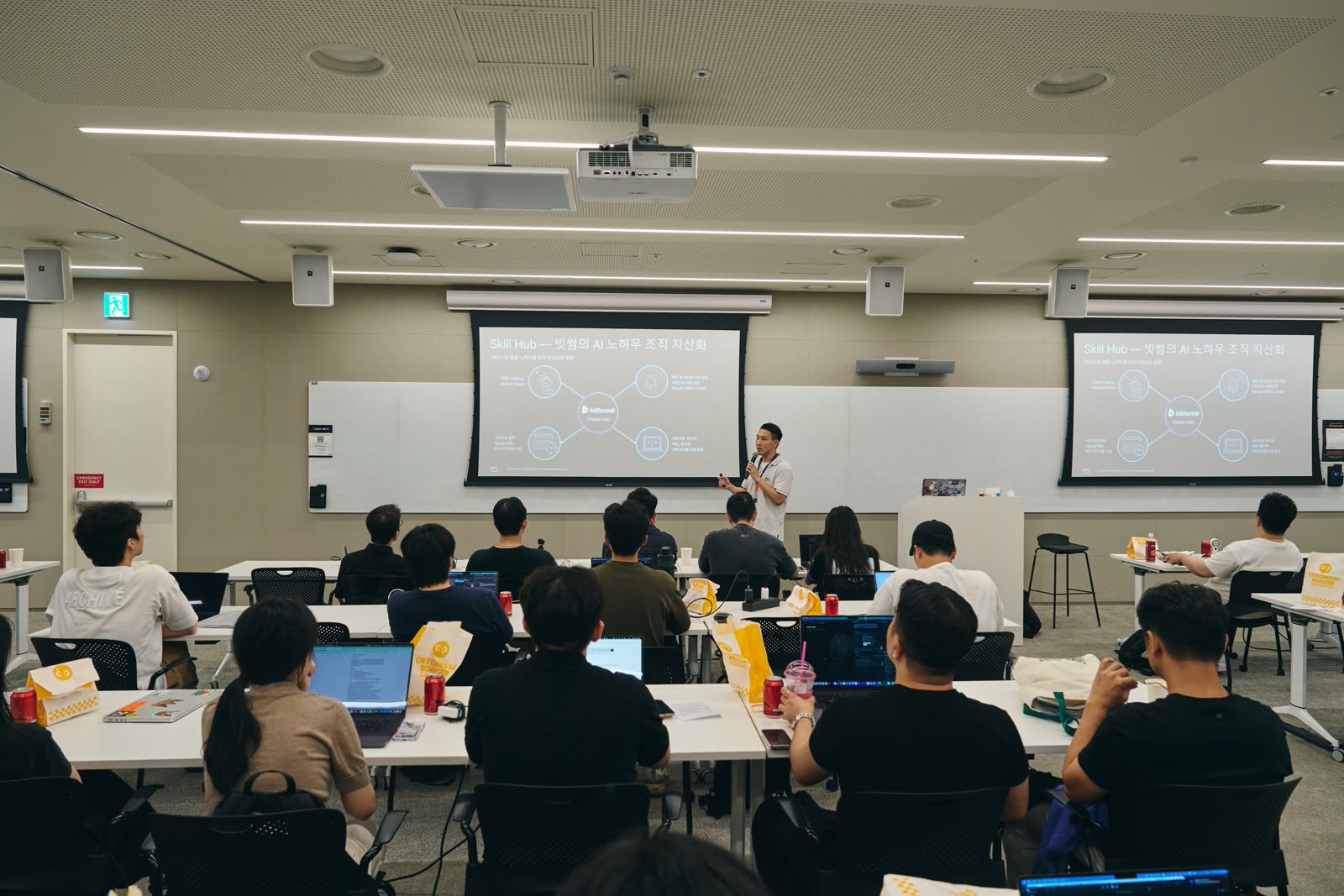
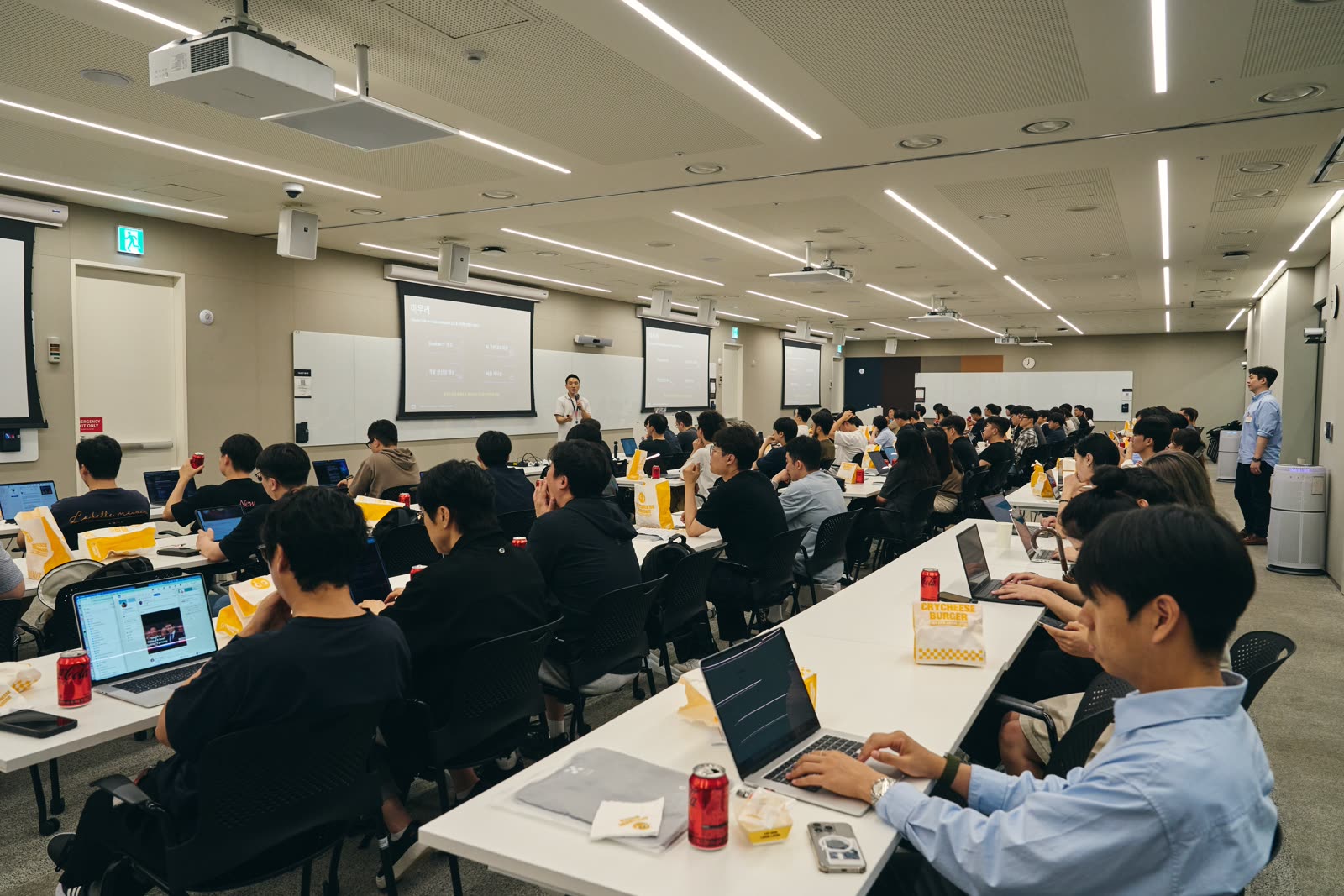
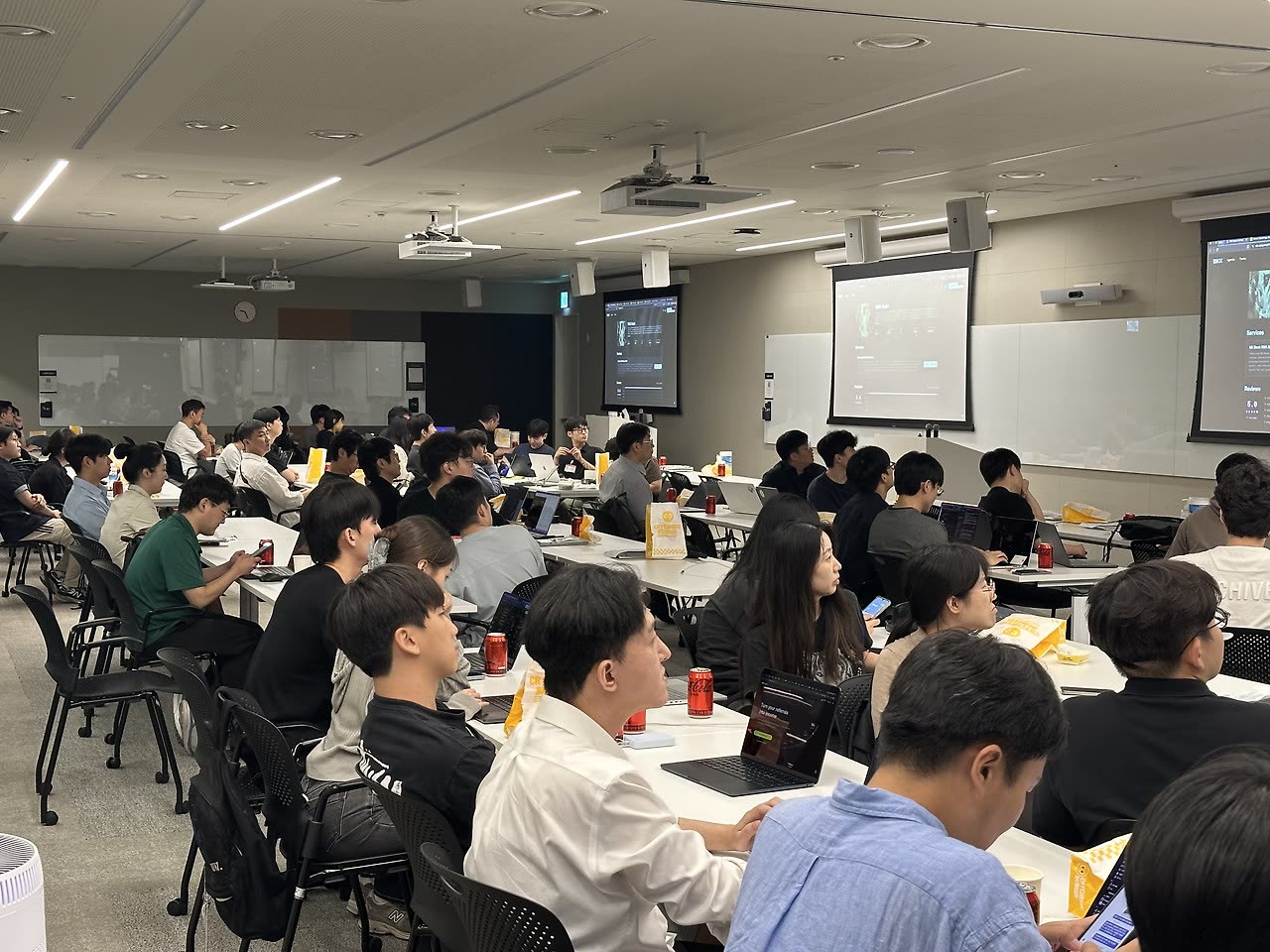
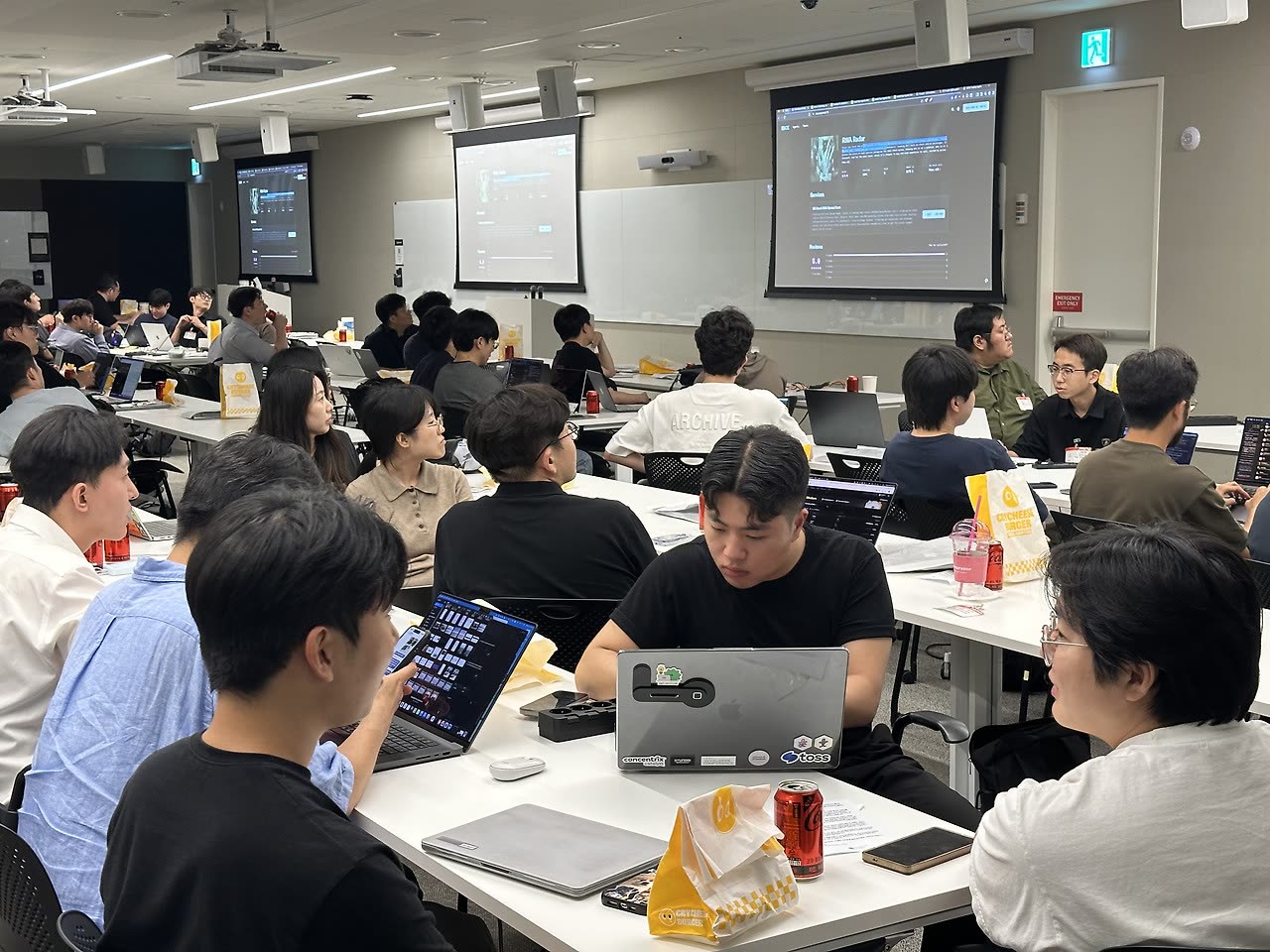
The first session was Choi Yong-ho of AWS on Claude Code adoption inside financial institutions. When models are accessed through Bedrock, the data never travels across the public internet and is handled inside AWS over a private link, and for a regulated financial institution that difference is decisive. The Bithumb case made it concrete. Even with the company blocking the tool, developers were each running Claude Code on their own, a textbook shadow IT situation, and an internal survey turned up no developer who was not using some AI coding tool.
Bithumb built its governance around data isolation and network security, access control, and auditing and monitoring. Rolling out Claude Code through Bedrock, they put MFA in front of it, ran a central gateway that tracks token usage, added filters for sensitive information, and set up a skill-sharing hub that turns one person's know-how into an organizational asset. Shadow IT went away, and usage analysis down to the team level became possible.
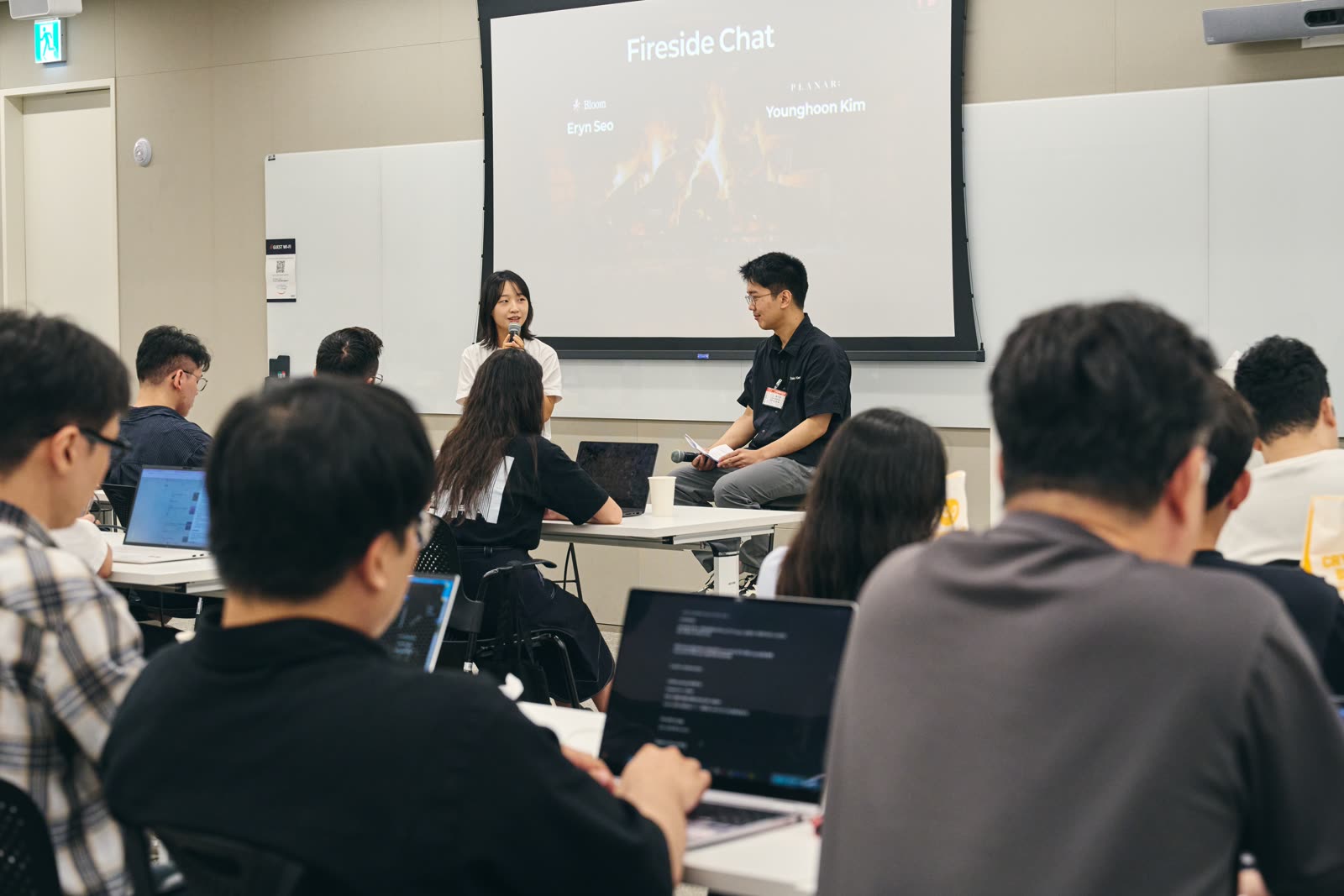
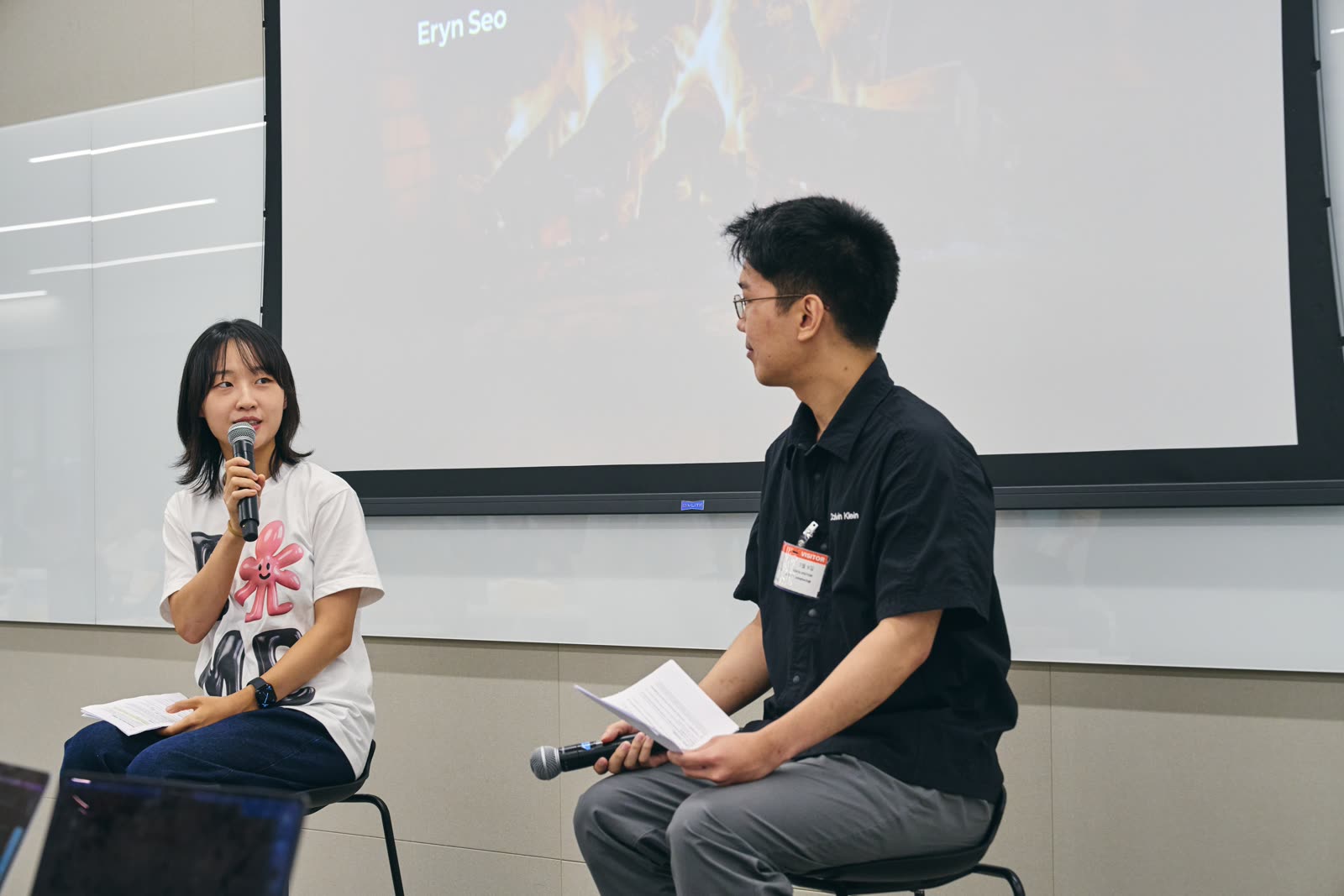
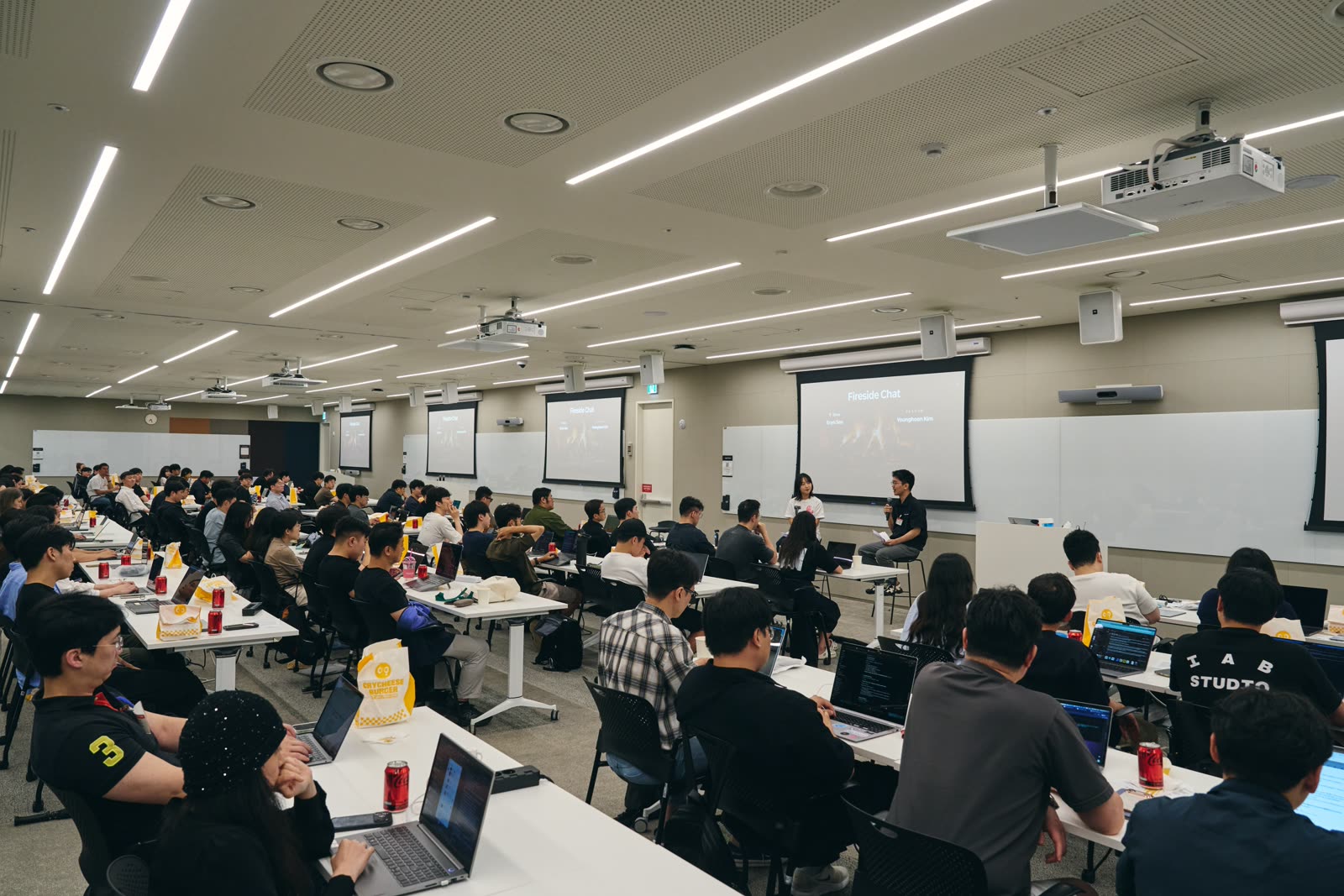
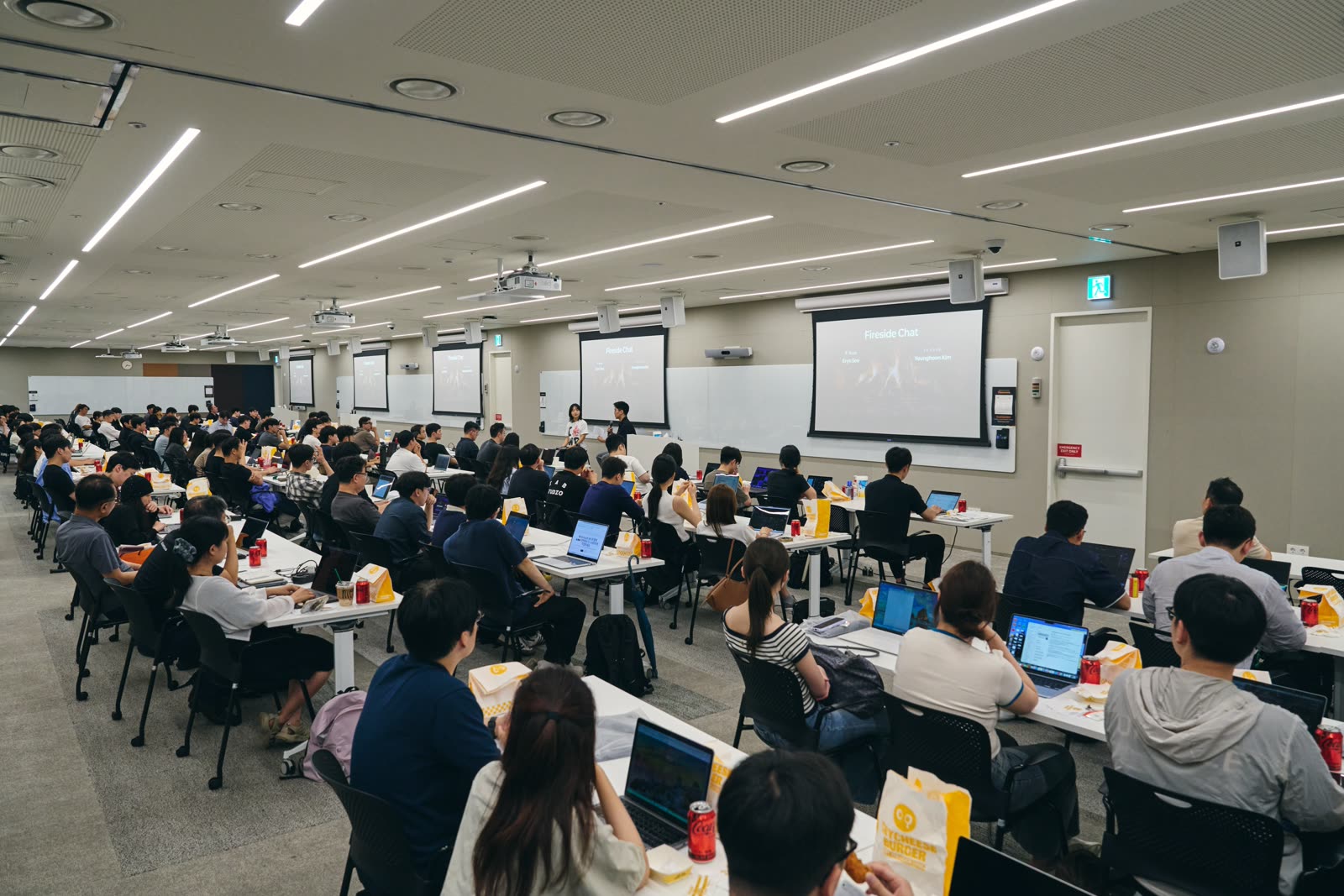
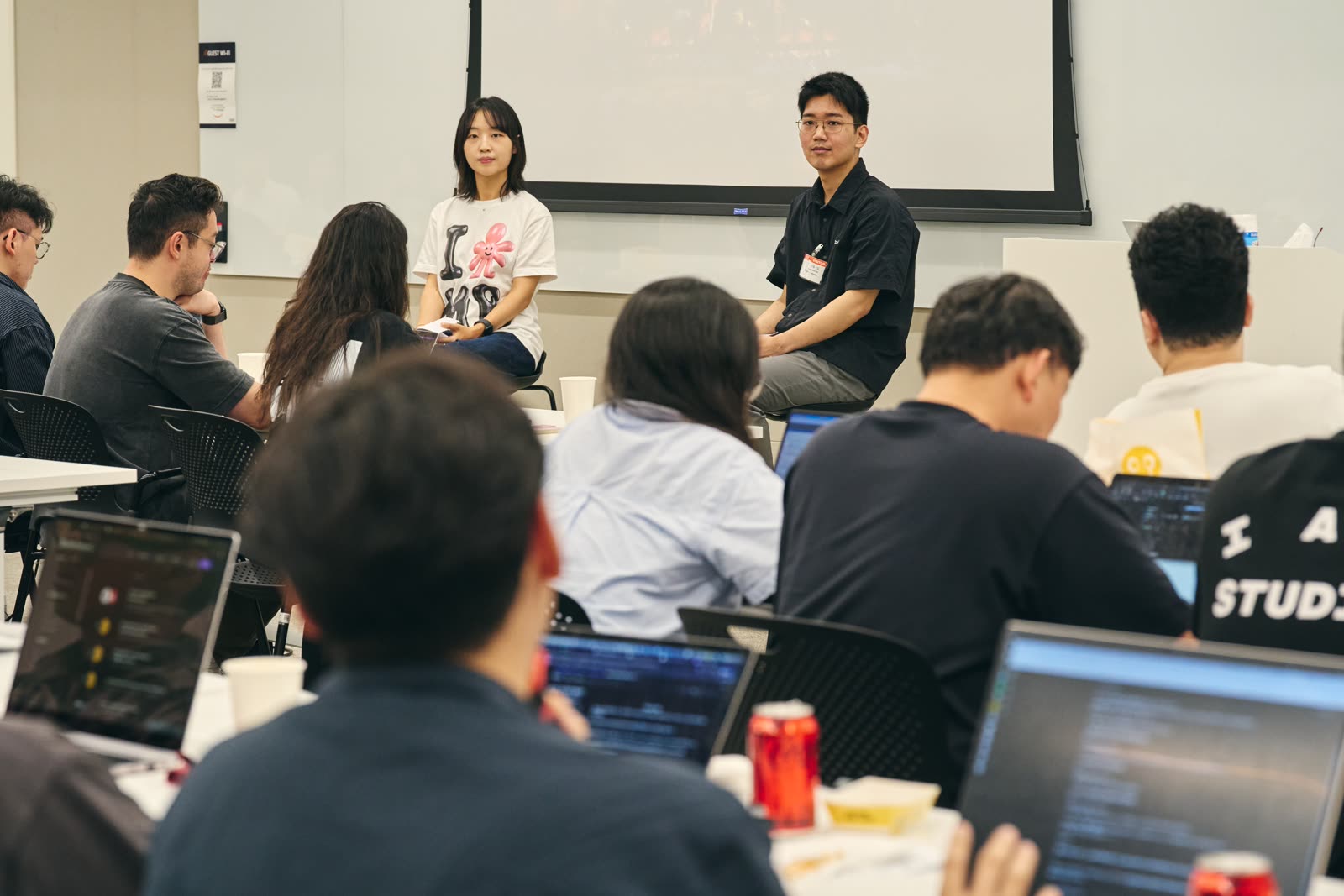
The fireside chat that followed belonged to Kim Young-hoon of Planar. He studied financial engineering at ETH Zurich, where he researched DeFi regulation, and during the generative AI boom he founded an AI detection startup. The real value in detection turned out to be the data provenance problem of knowing who made a piece of content and how, and that interest lined up with OpenAI's Trust & Safety team. He also shared, laughing, how he once automated policy violation notice emails there and ended up sending more than ten test messages to the founders' old organizational accounts.
The problem Planar is solving is collaboration inside an organization. Individuals use coding agents well enough, but when several developers each edit the same file to their own taste, they overwrite one another's work. At OpenAI, the compliance process for shipping a single product took three to six months and pulled 20 to 30 teams into review. So instead of hiring expensive forward deployed engineers, the approach was to let an agent into the workspace, discover the flows on its own, and build the automation itself.
The question of what an agent is allowed to do is where blockchain came in. With hierarchical key derivation, an agent that spawns sub-agents has its parent wallet create the child wallets, and the hierarchy of permissions carries over intact. It is the structure you need at the moment agents start holding payment authority. Quality control came up as well. Most teams run two loops: the inner loop builds the feature, and the outer loop catches broken code conventions and drifting design logic, the thing people call AI slop.
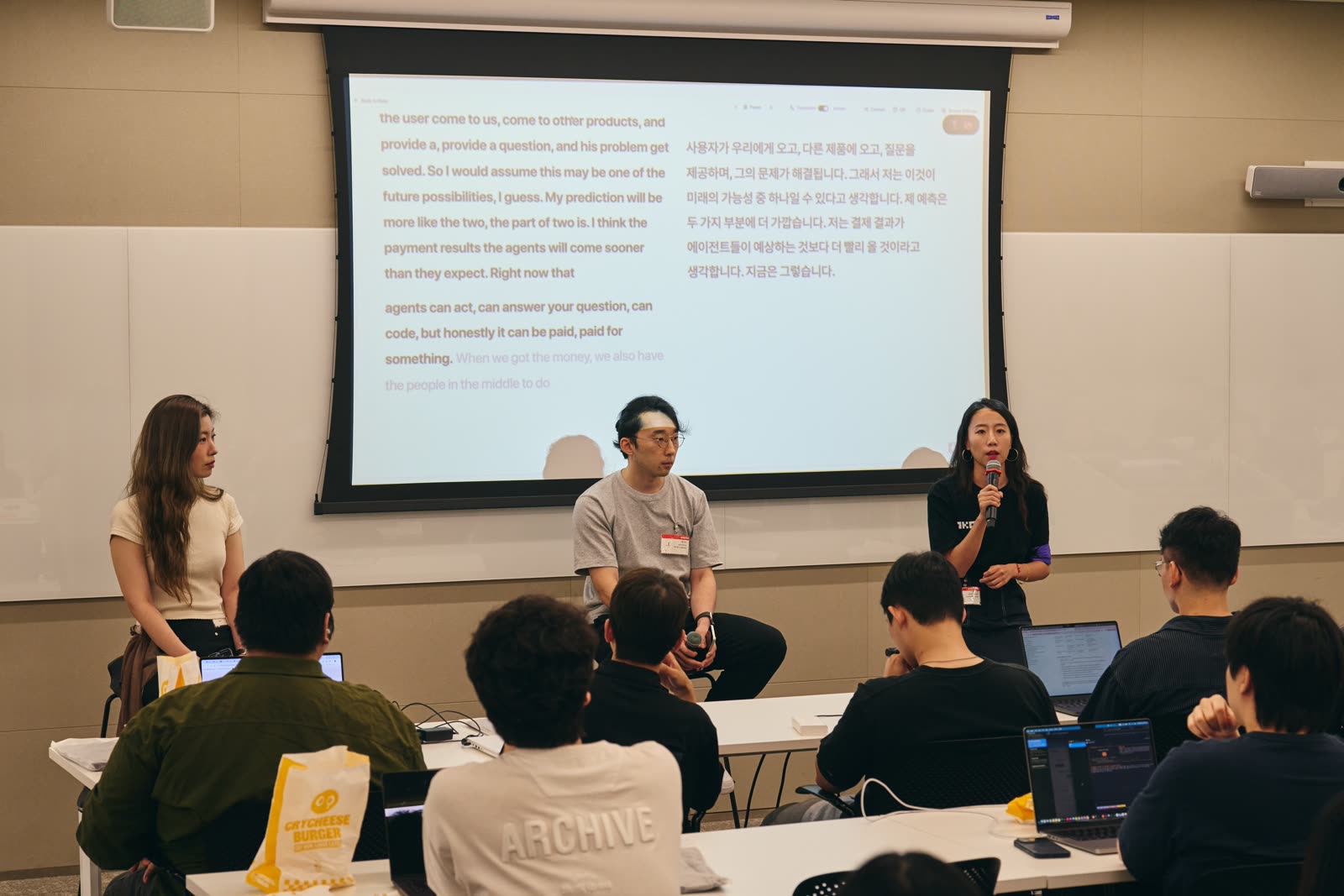
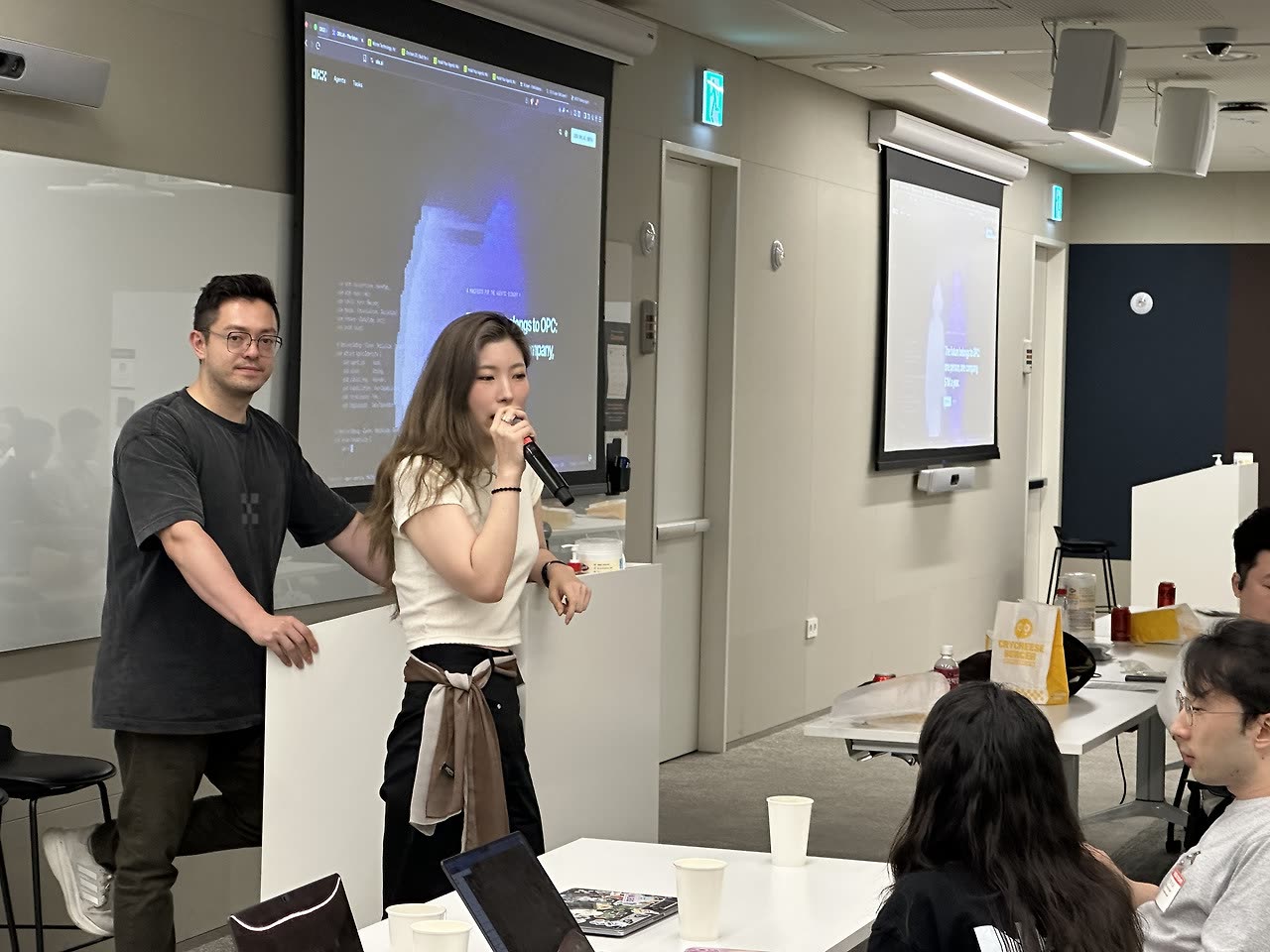
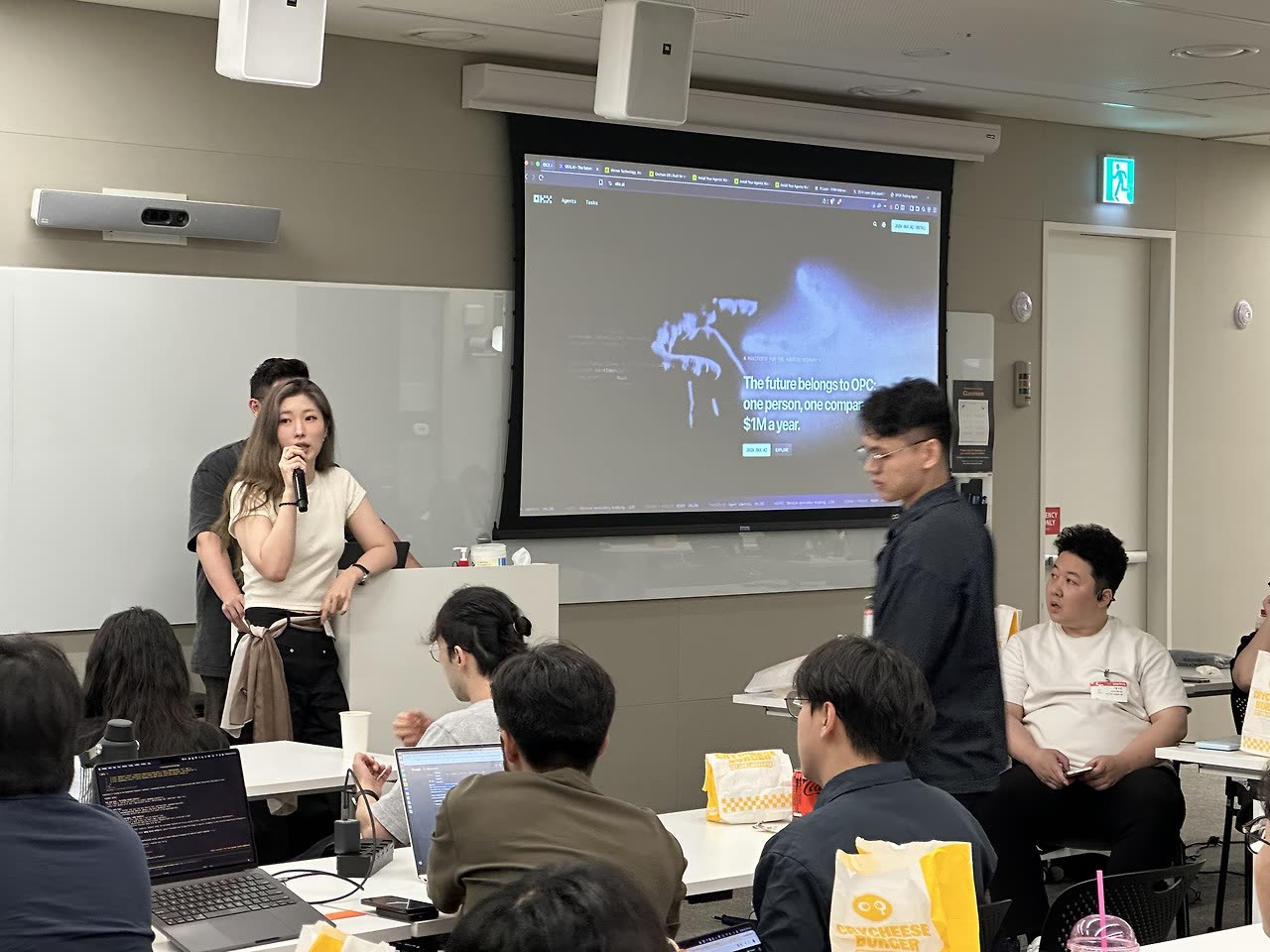
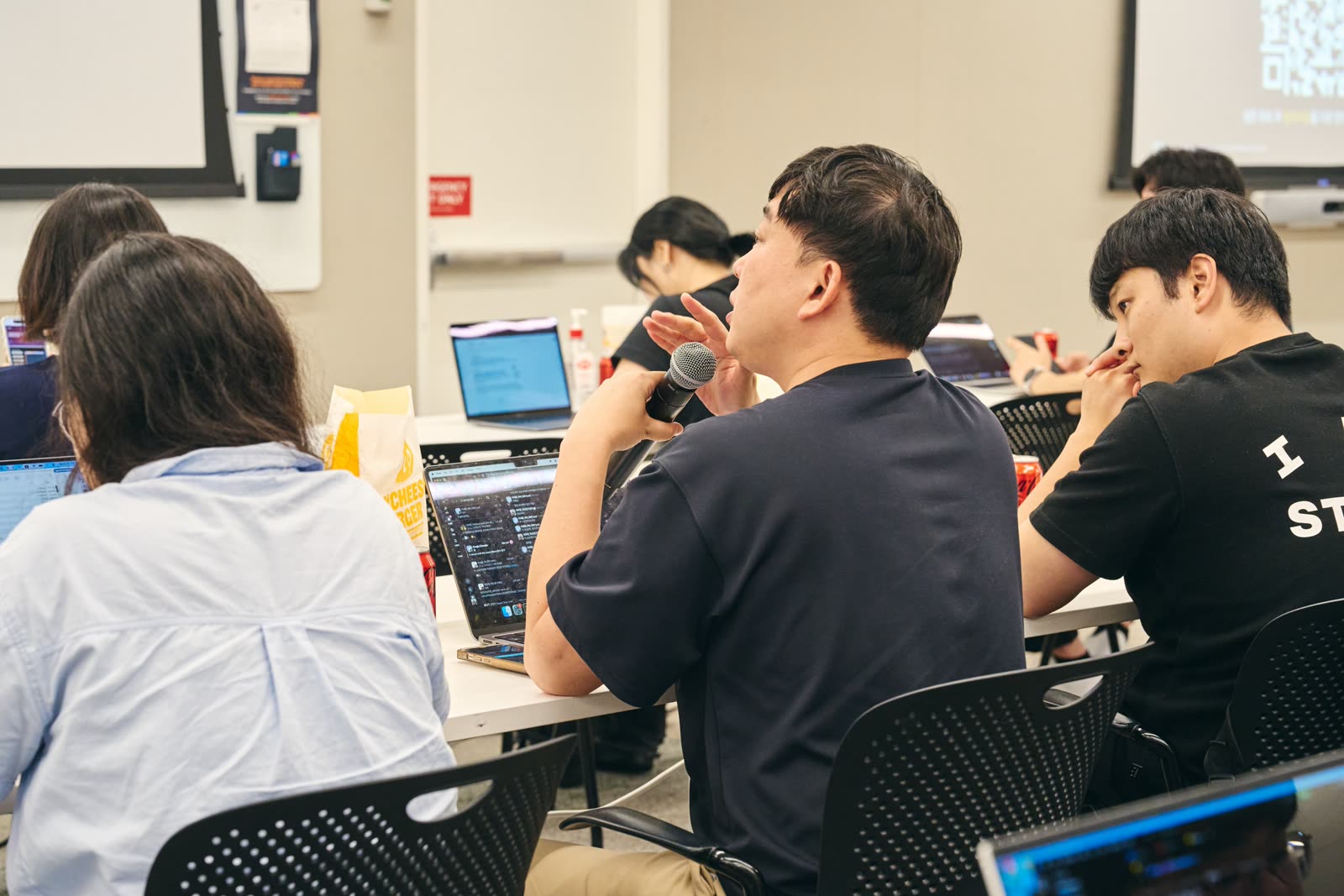
The panel worked on defining the agent economy. Qiao Zhao said an economy comes down to someone providing a service to someone else while value moves between them, and an agent economy is agents providing services to agents. Ye framed it as a system that allocates resources toward a goal, and pointed to three layers that matter: security, reaching the goal, and quality. Agents are not like air, something you cannot live without, but they are the sensible choice the way taking a car beats walking five hours under a 35 degree sun.
The principle of control that kept coming back was least privilege. There is no reason to give an agent that manages your email authority over money. Ye told the story of an executive who handed email management to an agent, watched the messages being deleted in real time, and pulled the power on the laptop. One incident is enough to take down trust entirely. Qiao Zhao talked about the two lines of code and money, and noted that without wallet permissions a person has to step in at the final stage every time, which breaks the autonomous loop. His answer was to set a spending limit up front.
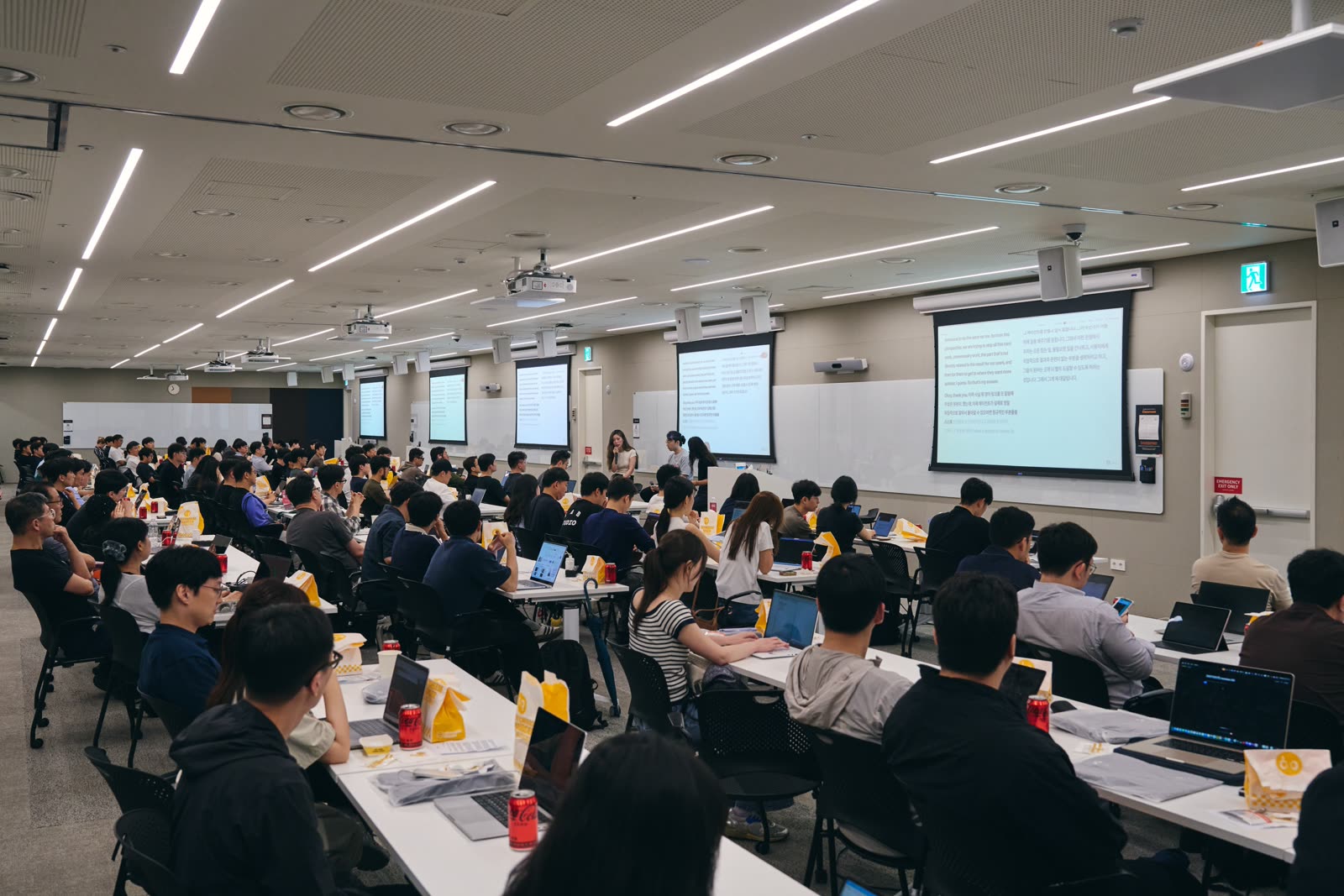
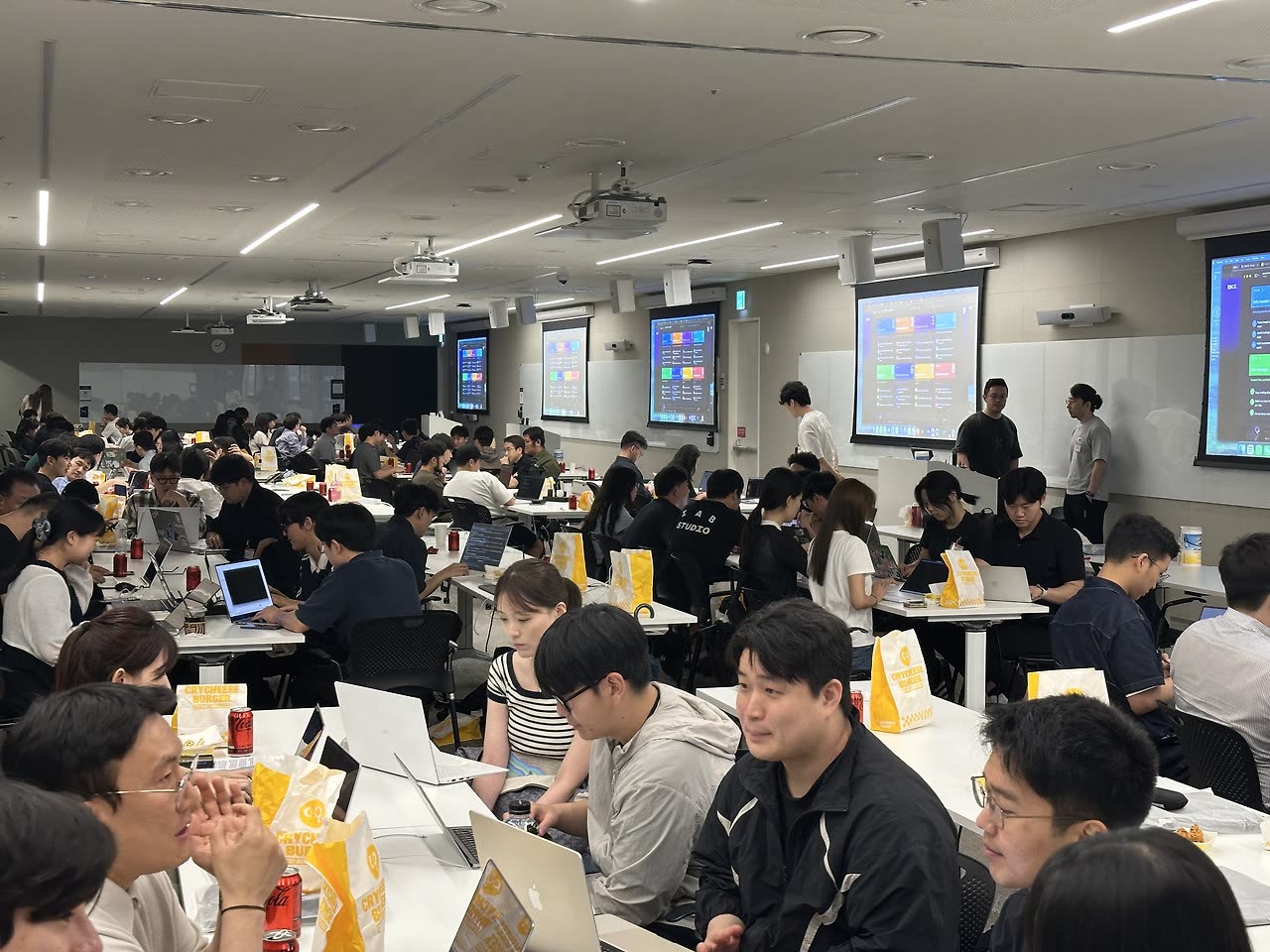
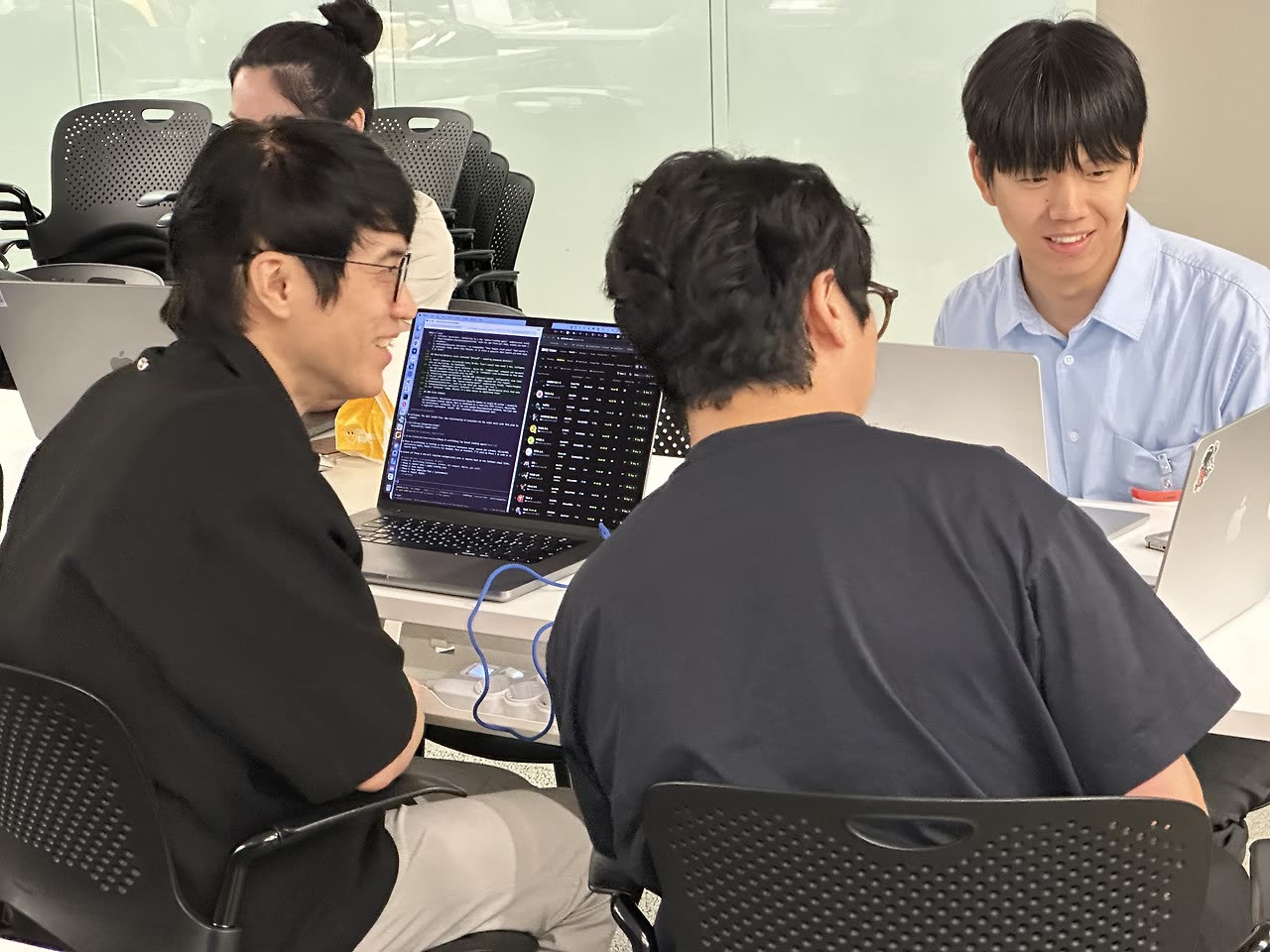
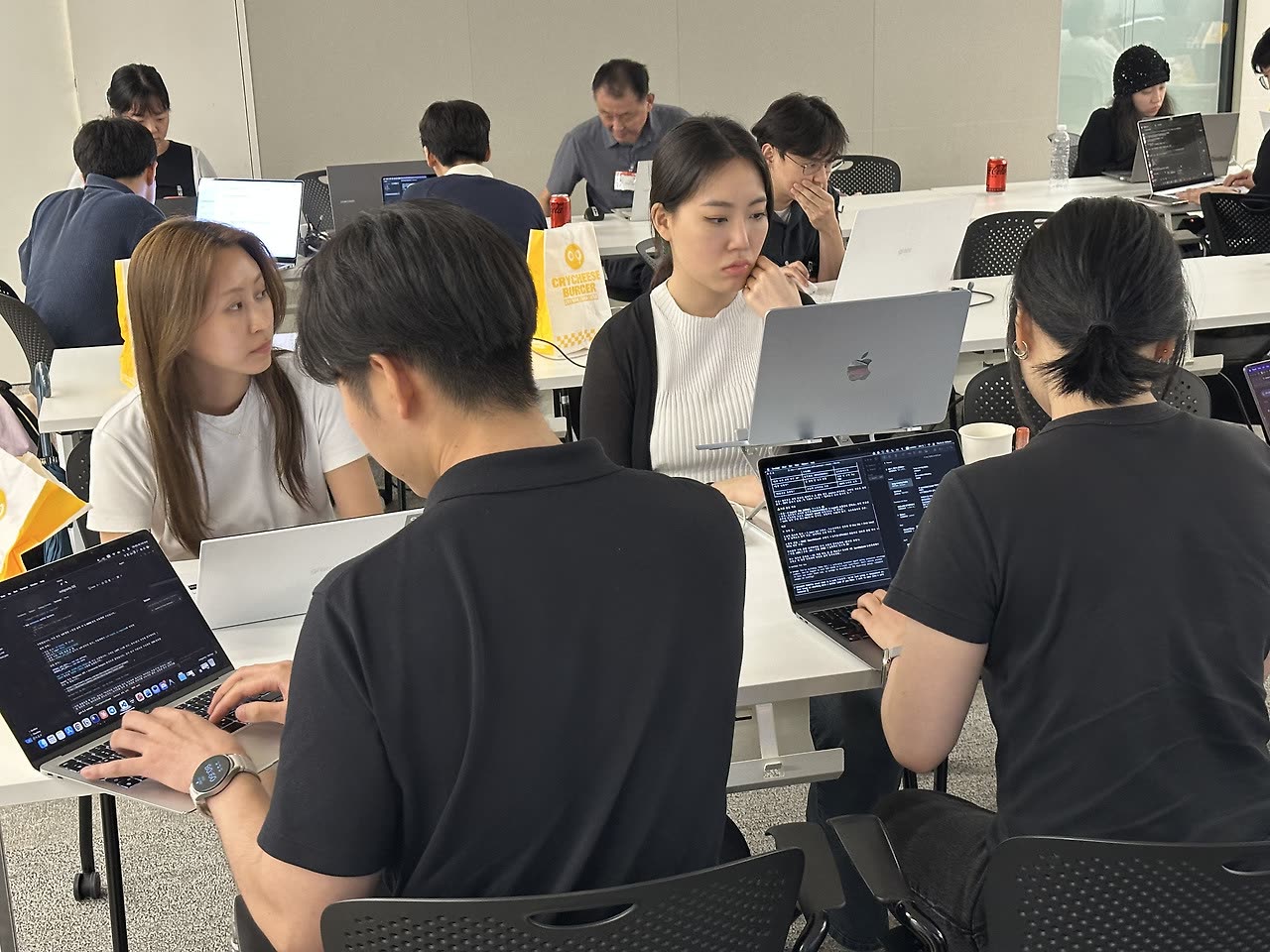
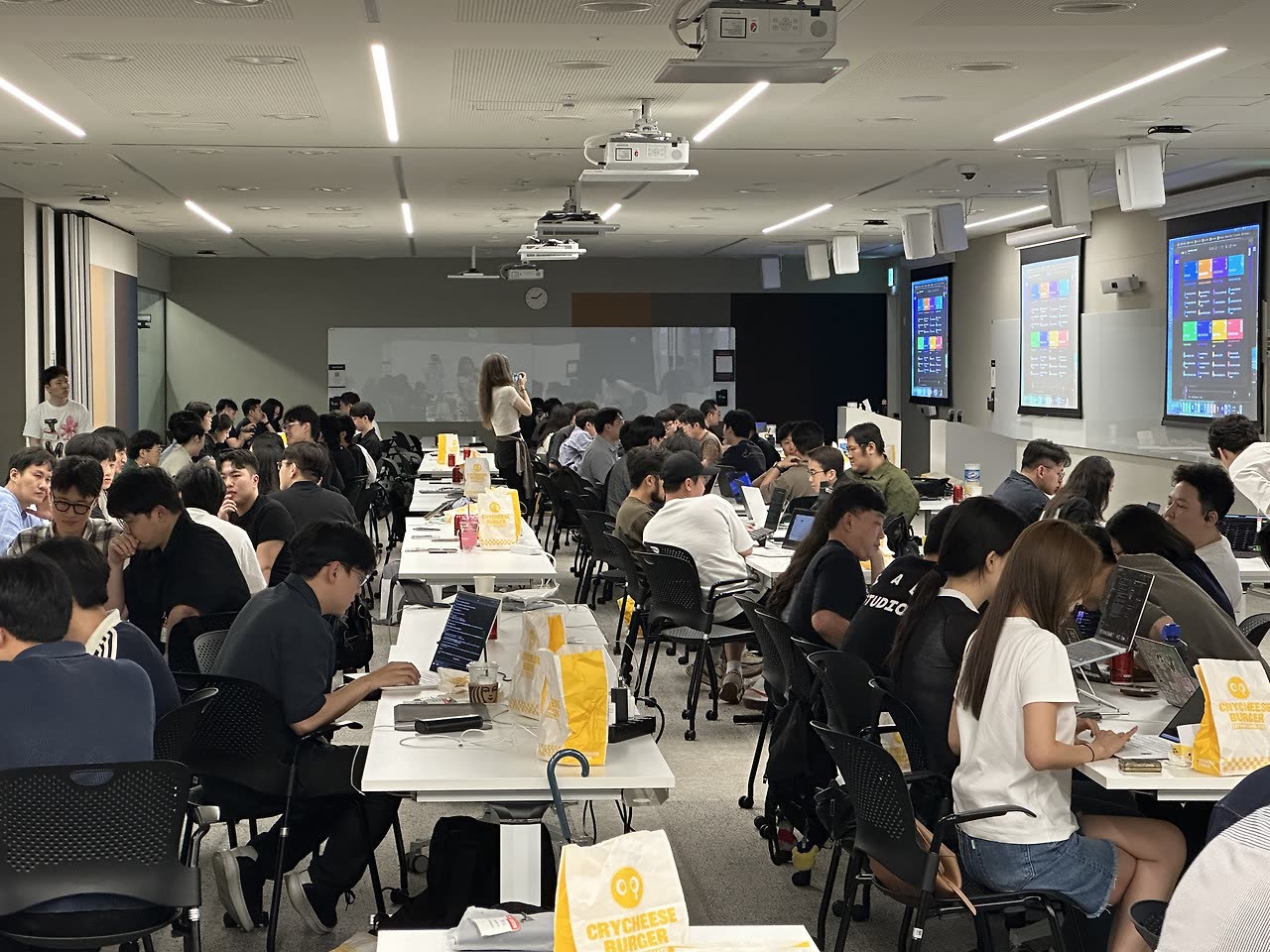
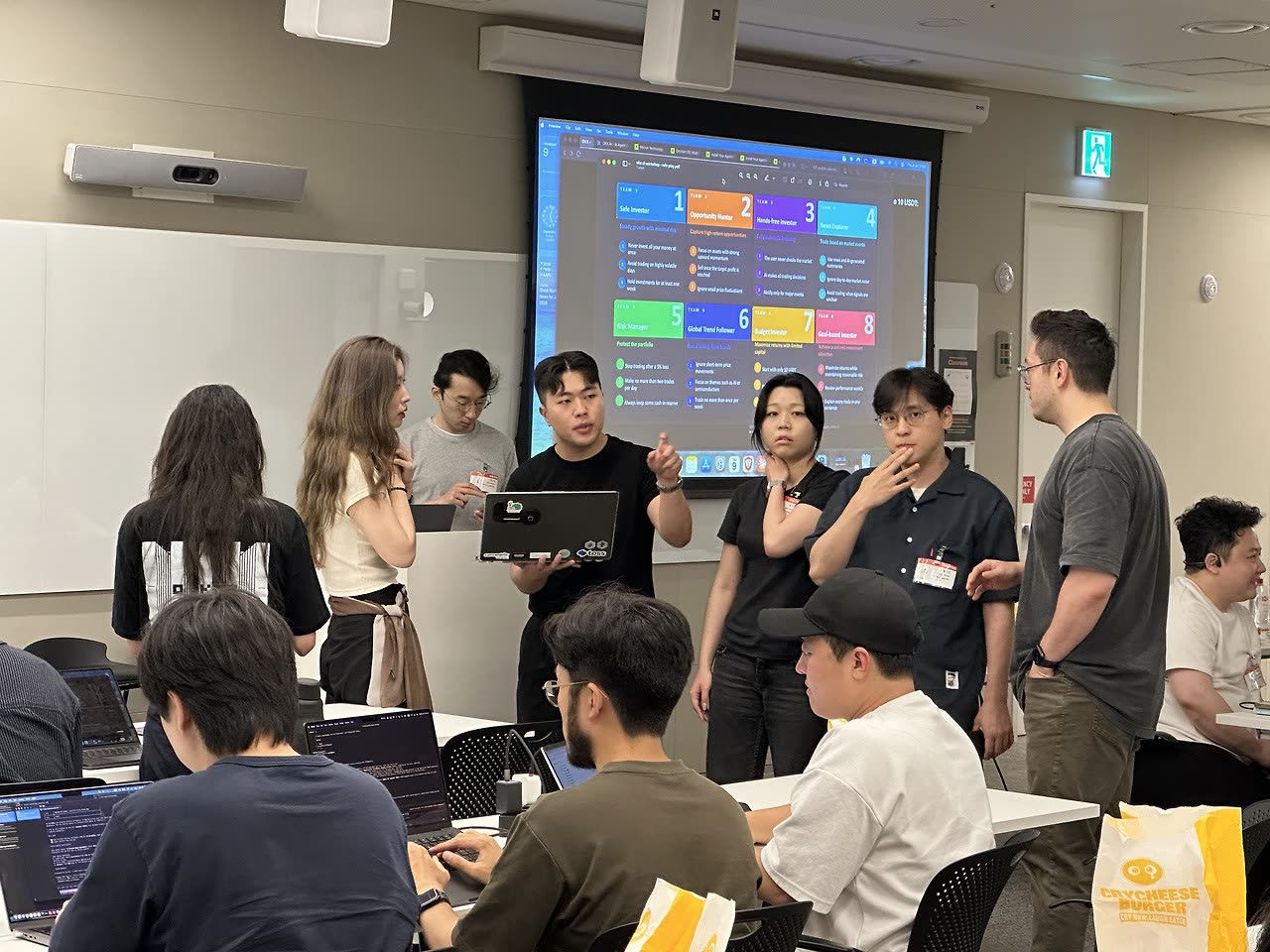
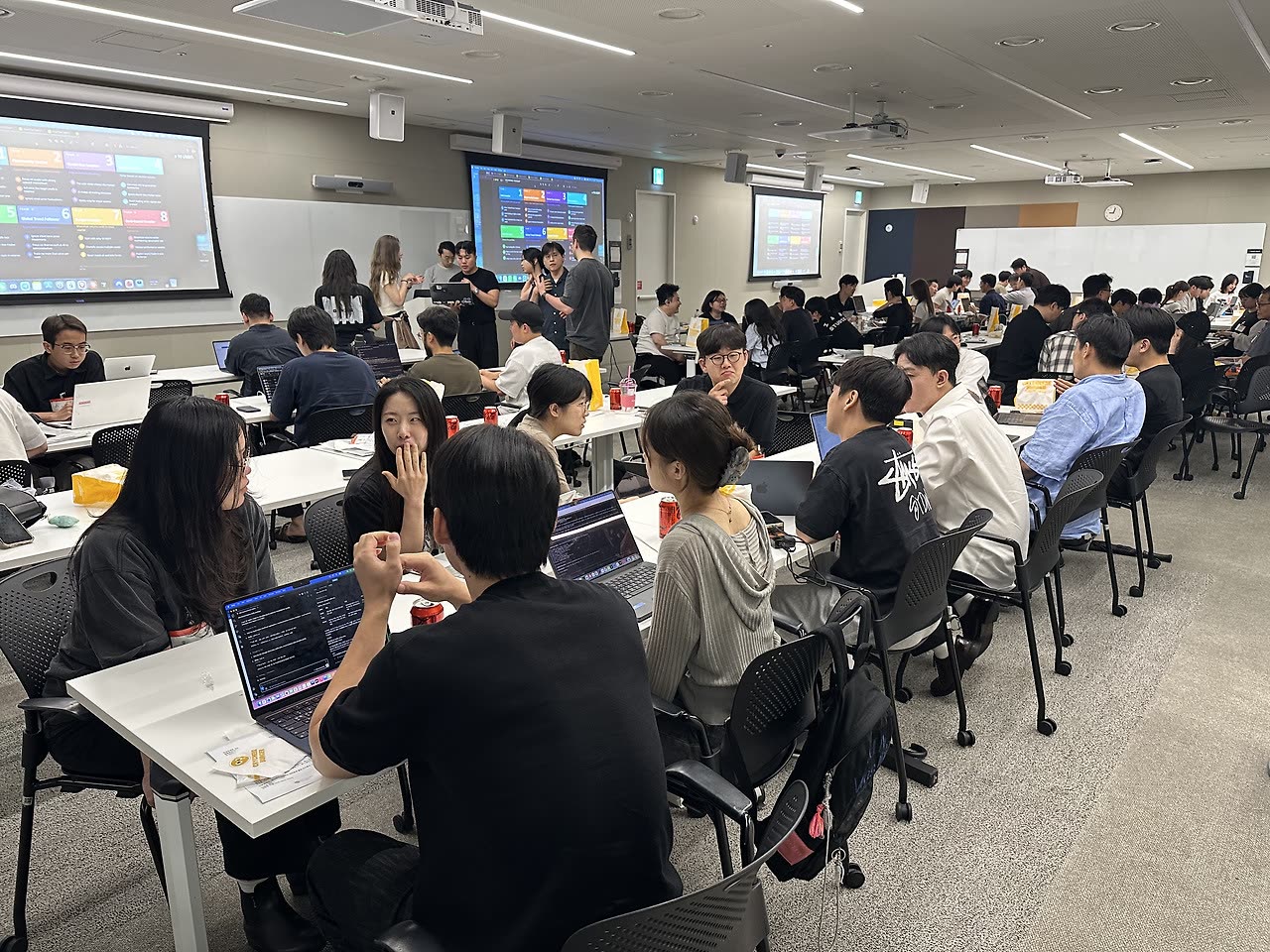
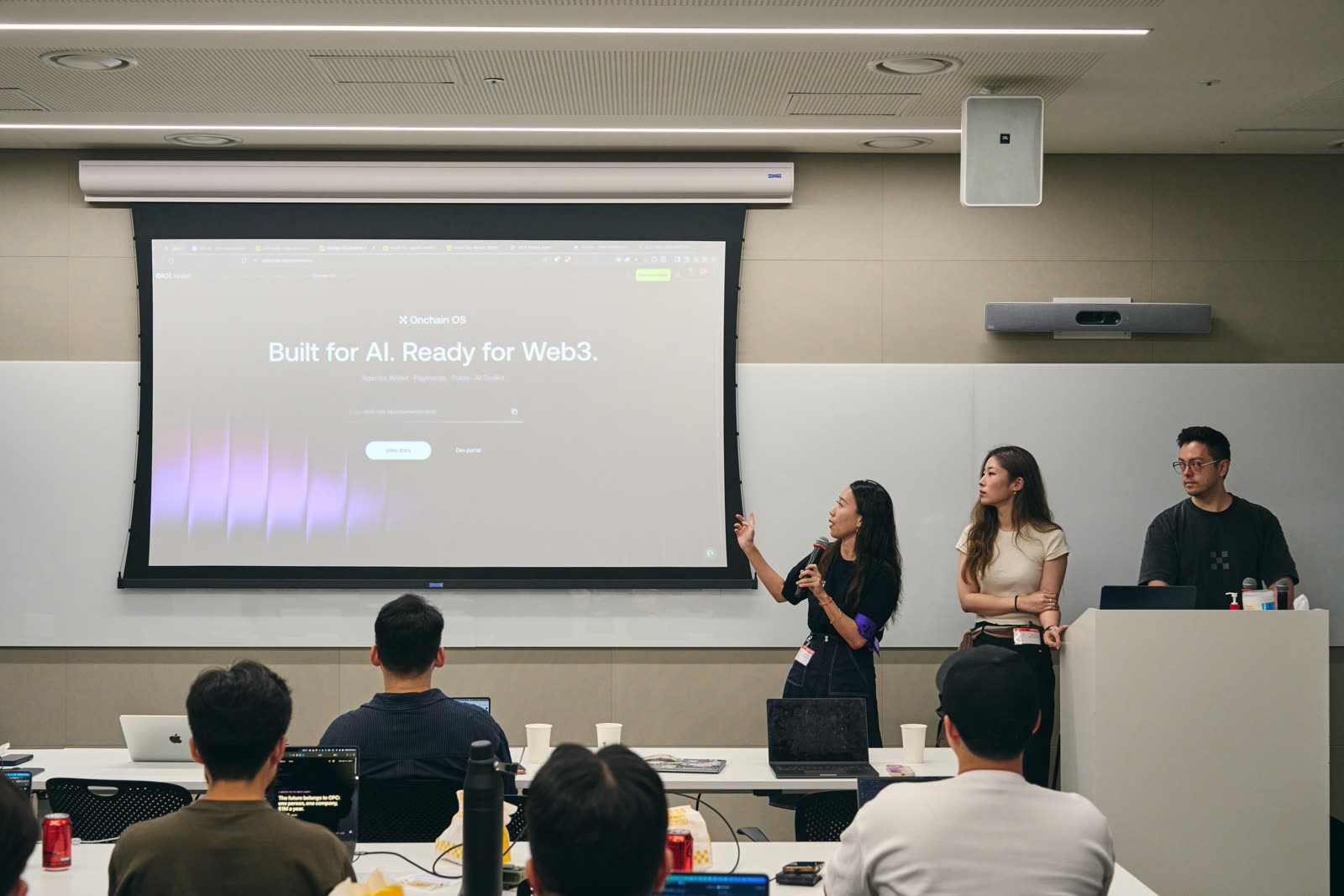
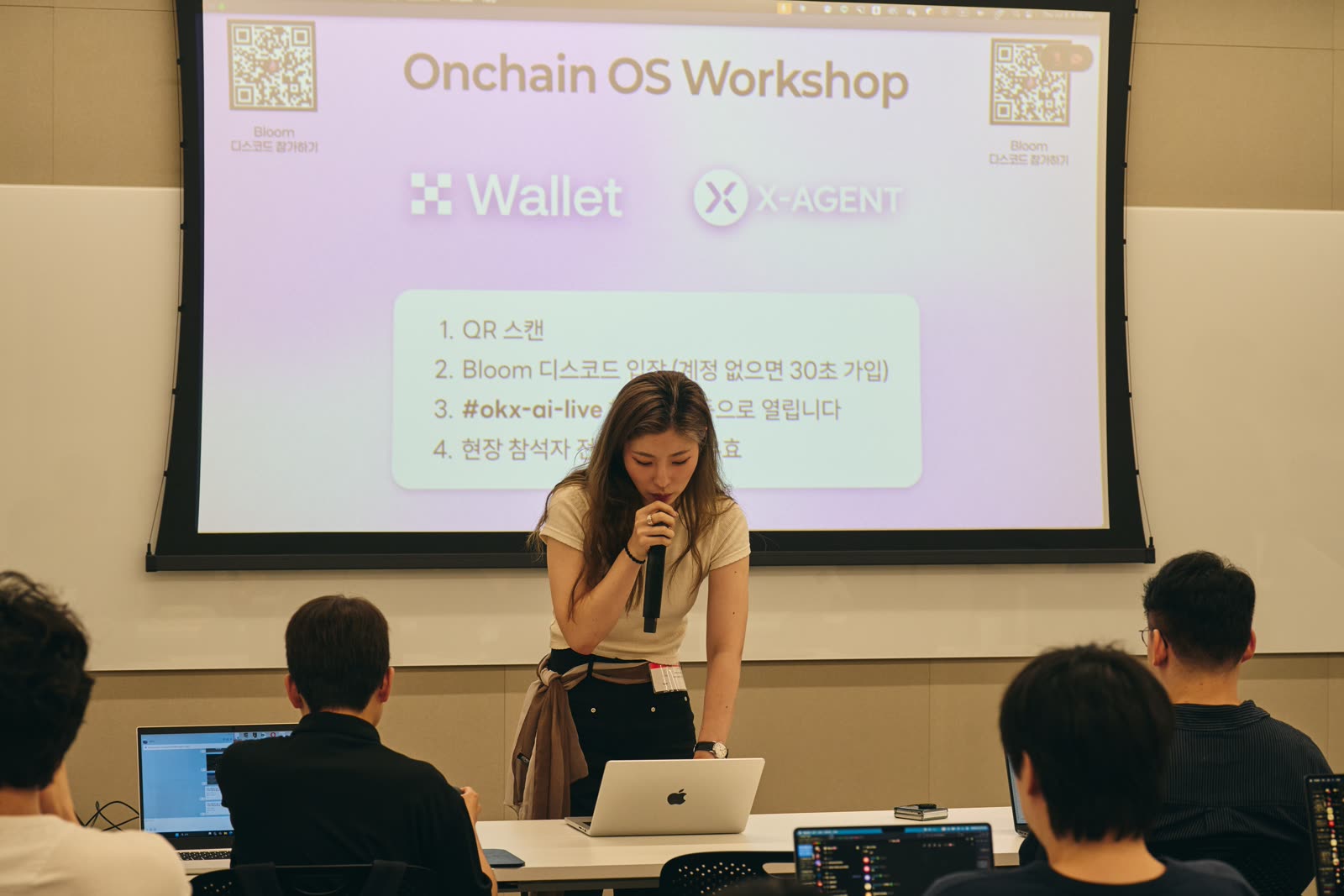
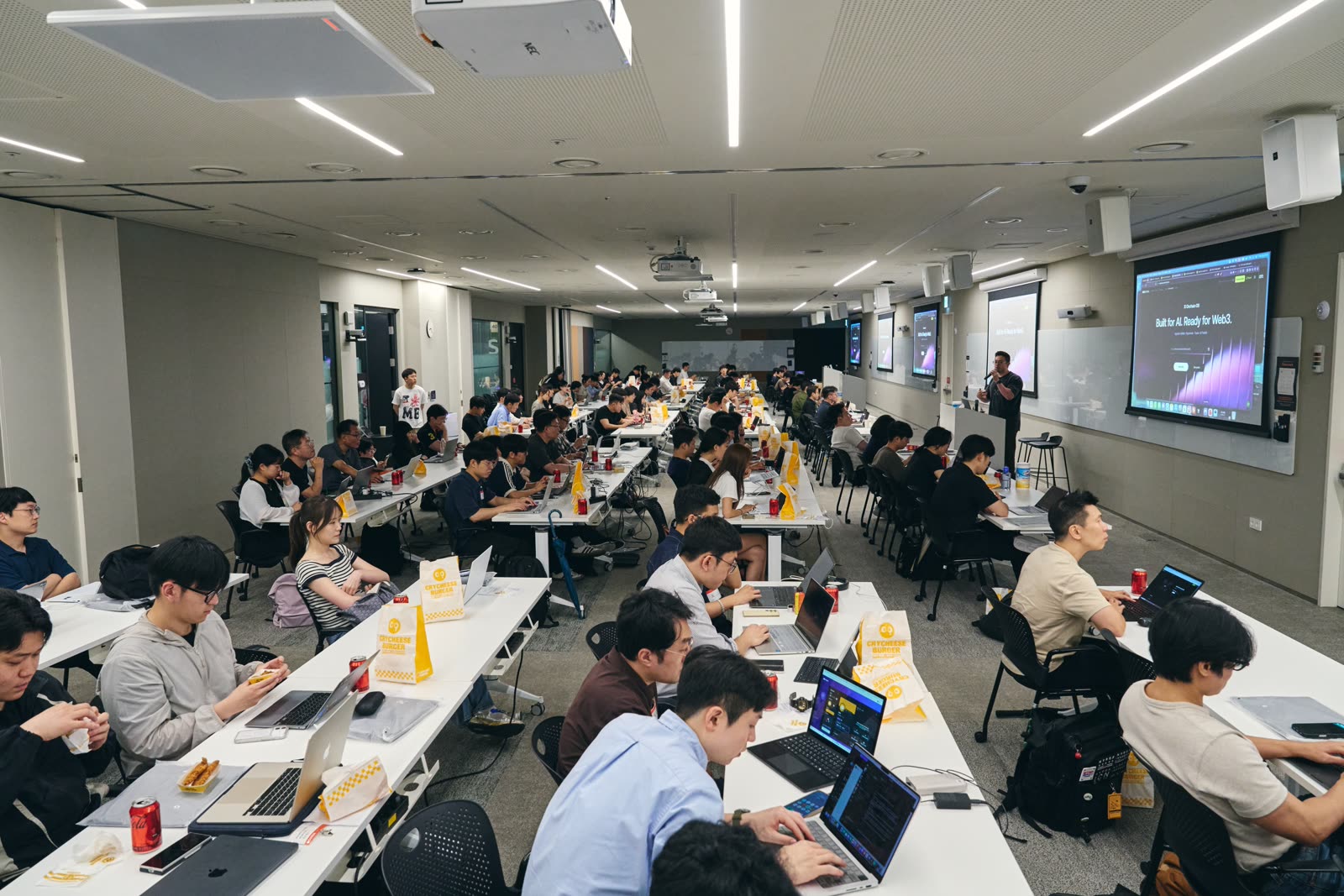
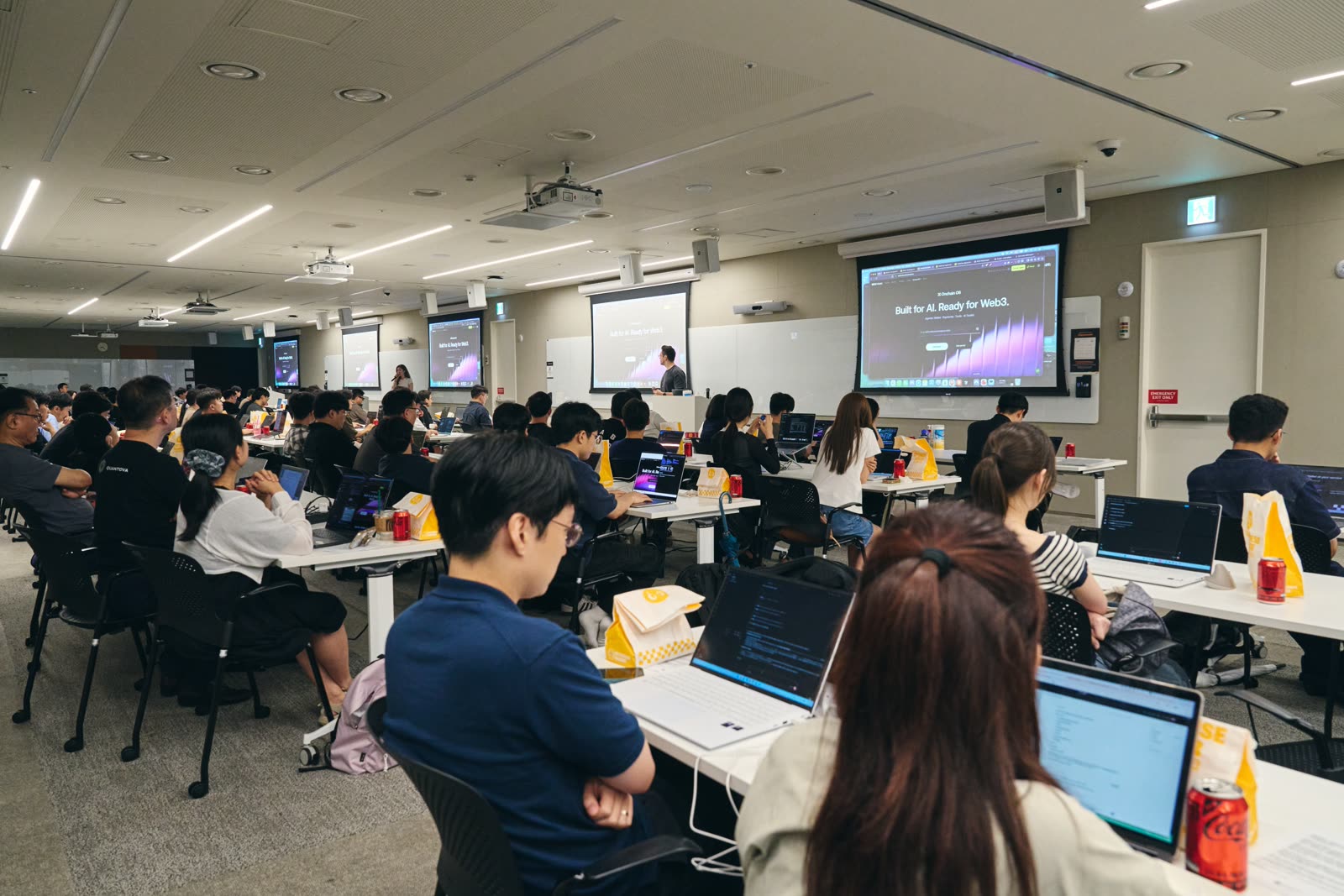
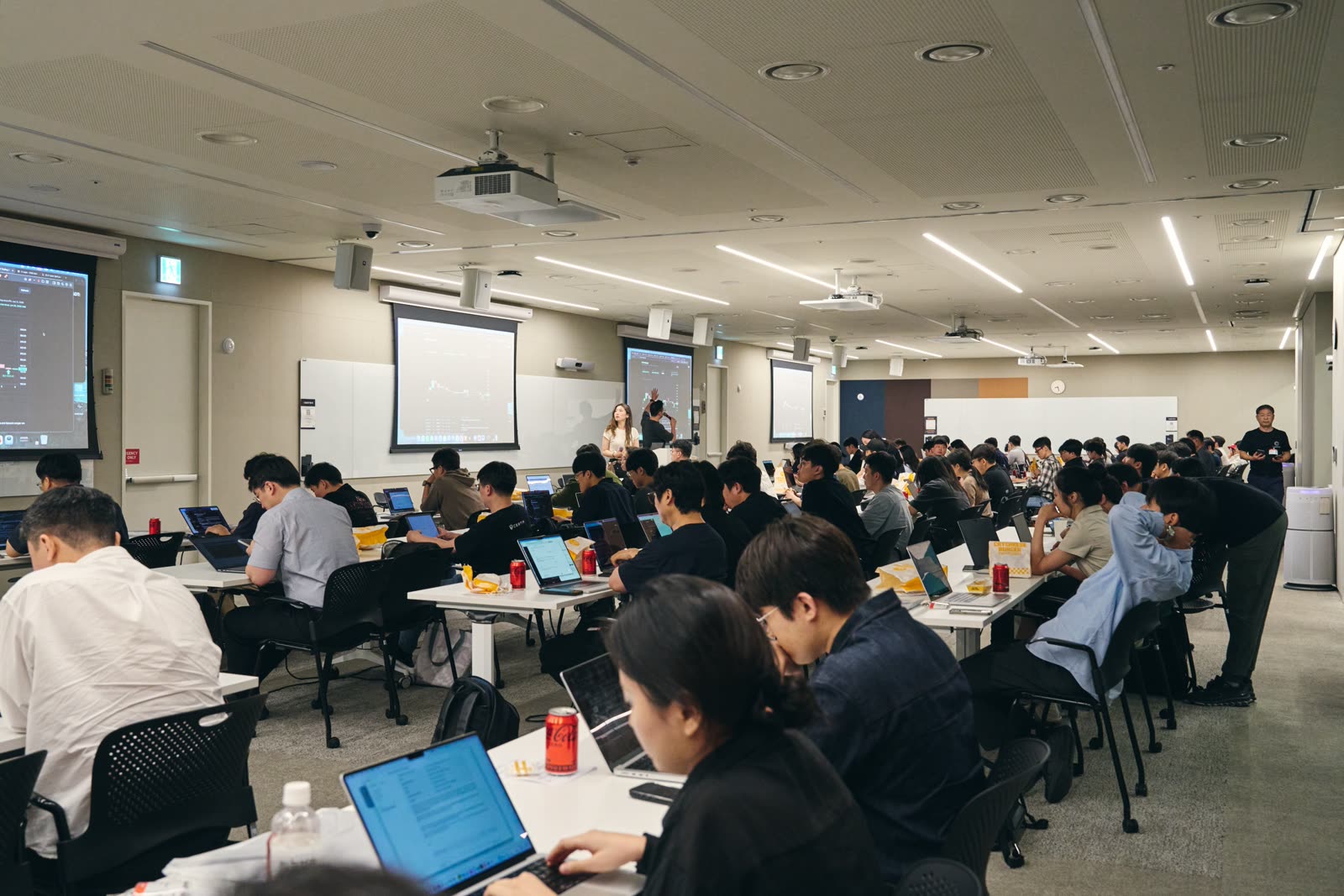
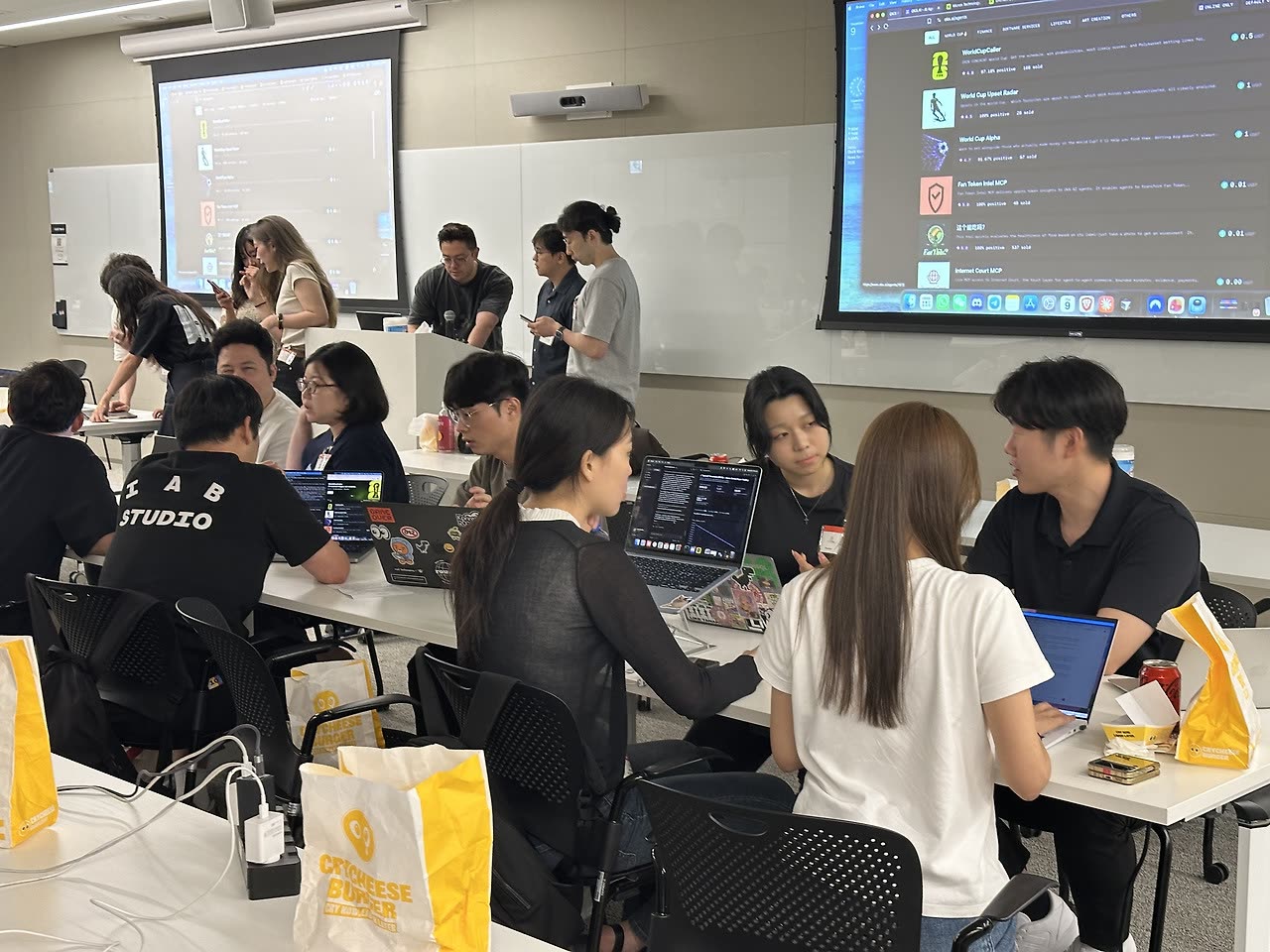
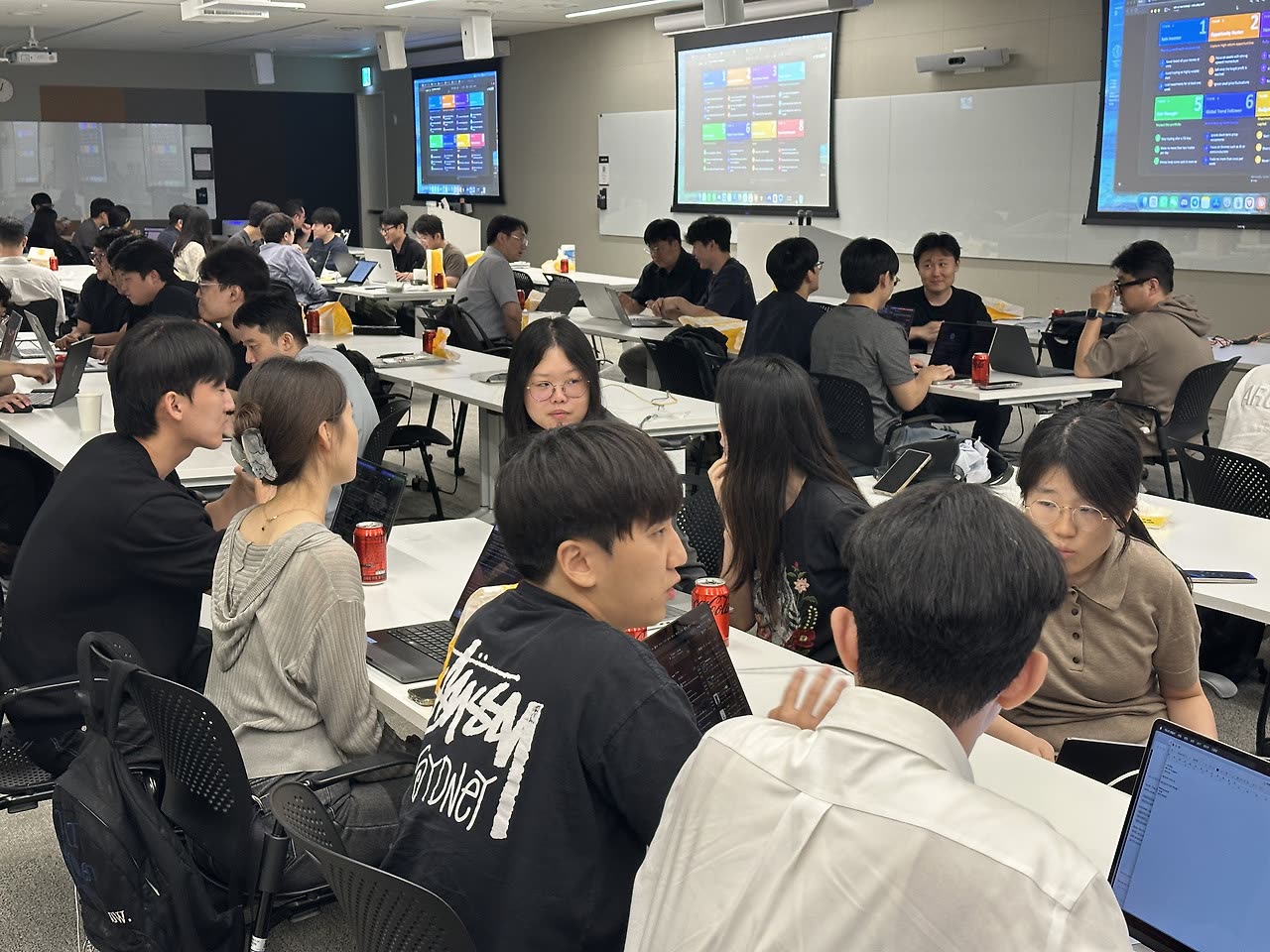
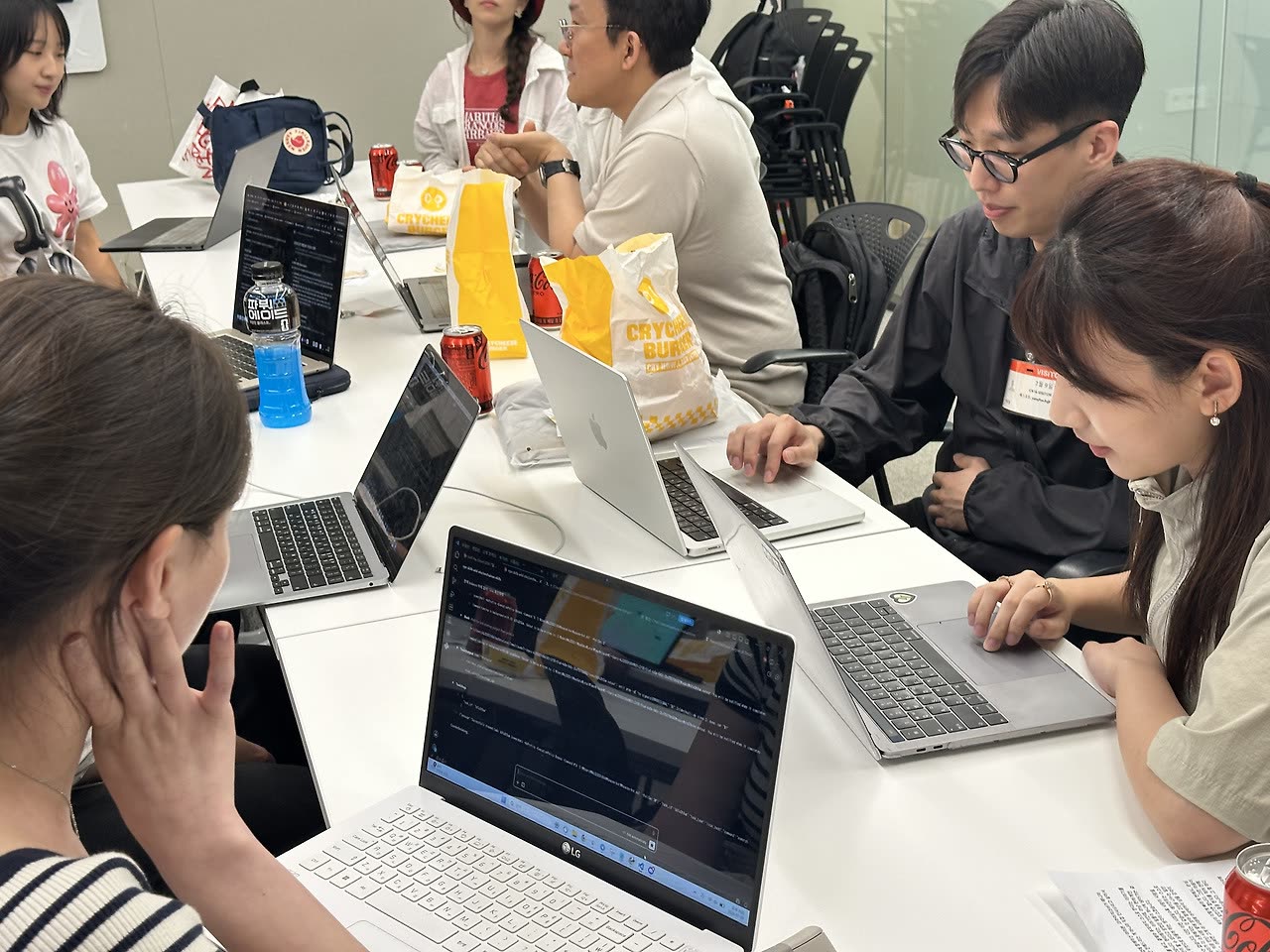
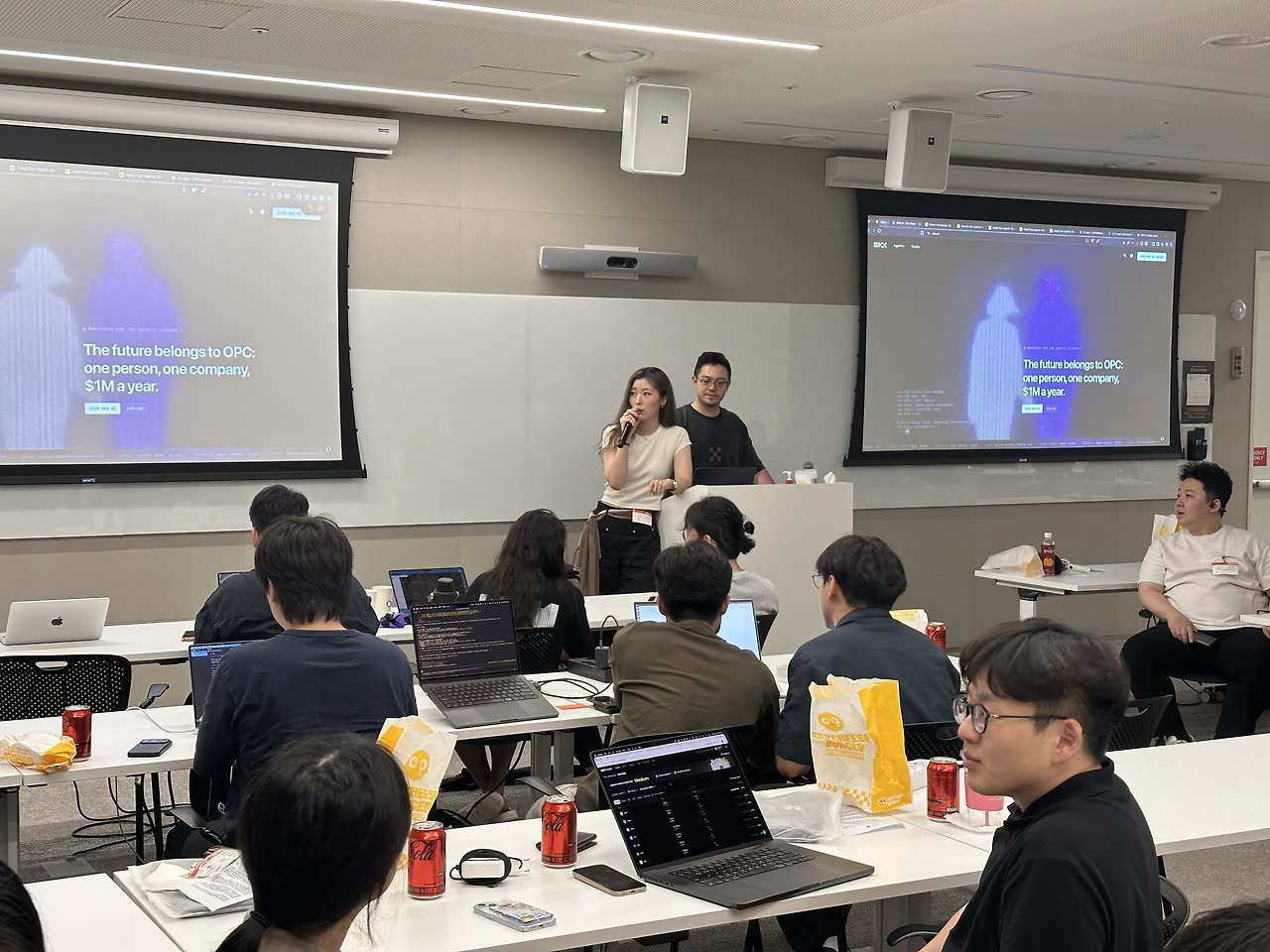
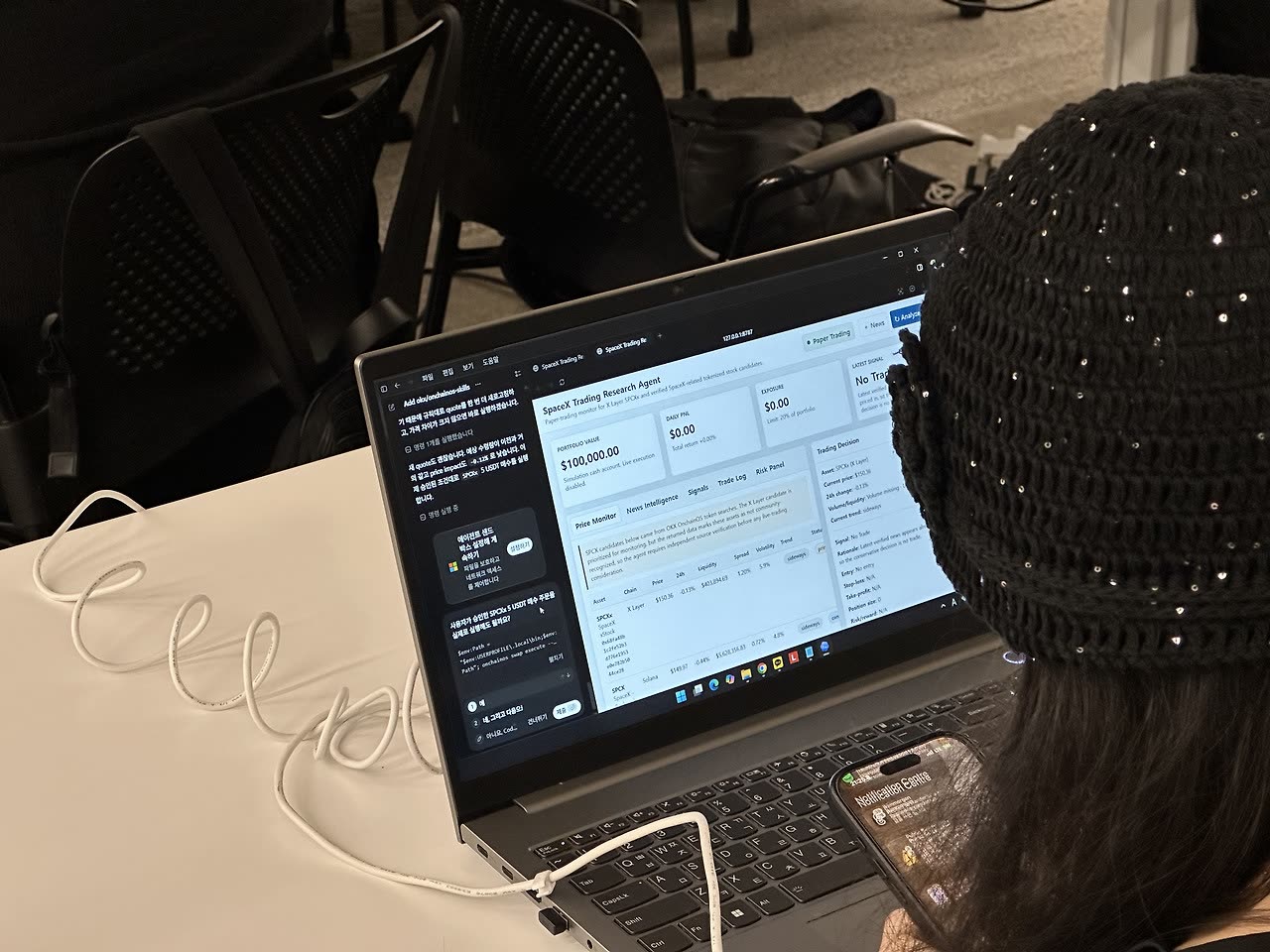
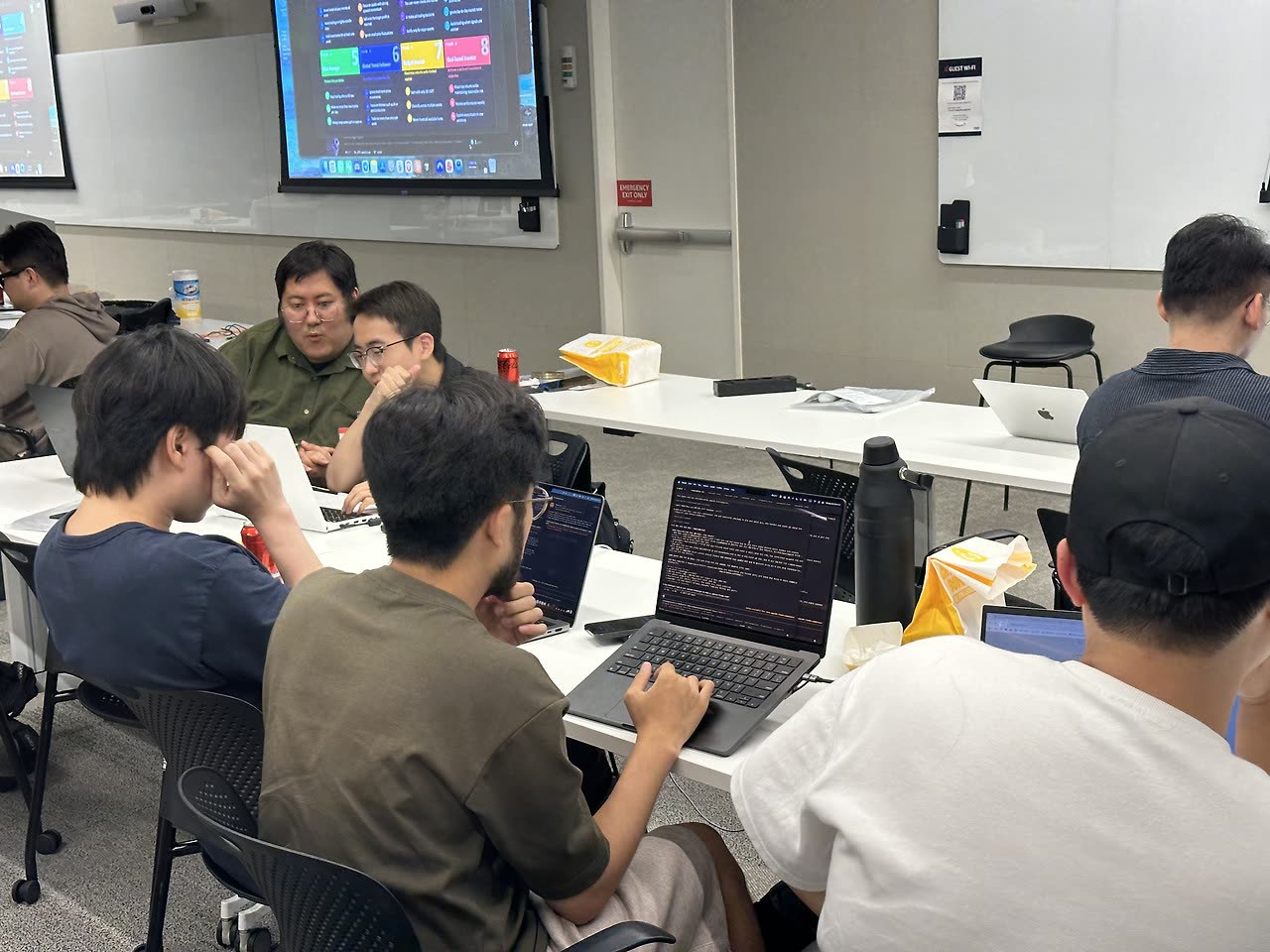
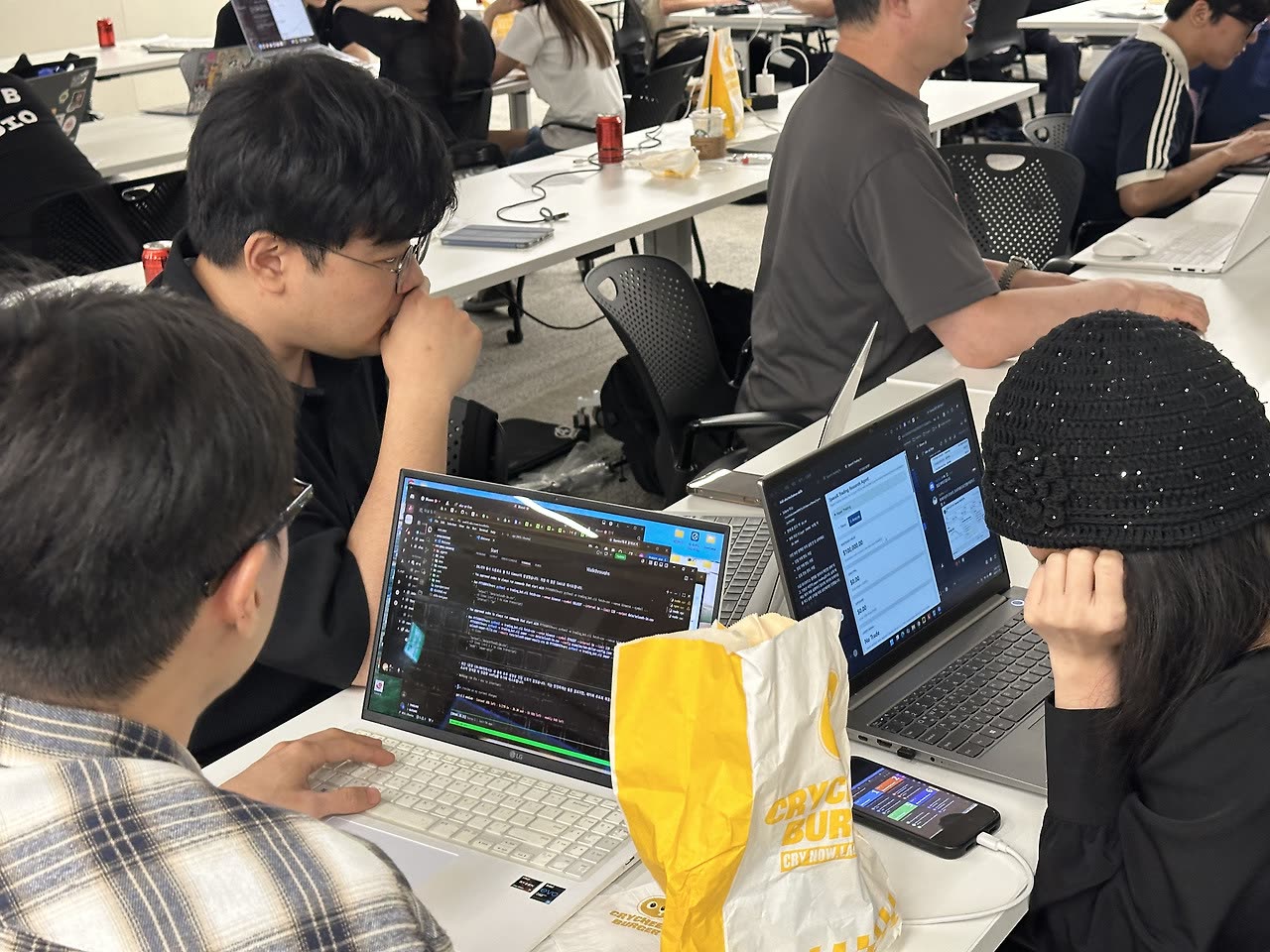
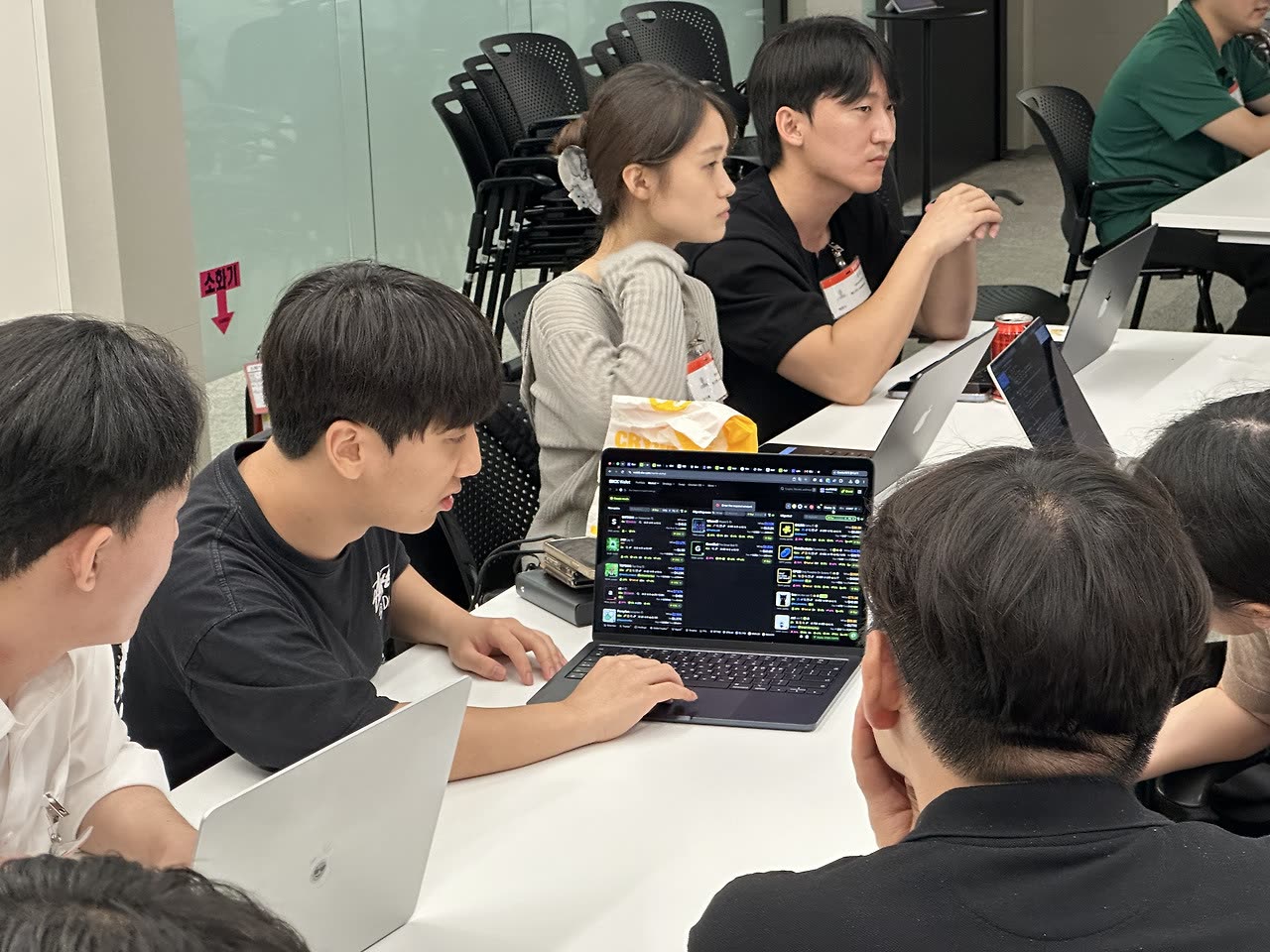
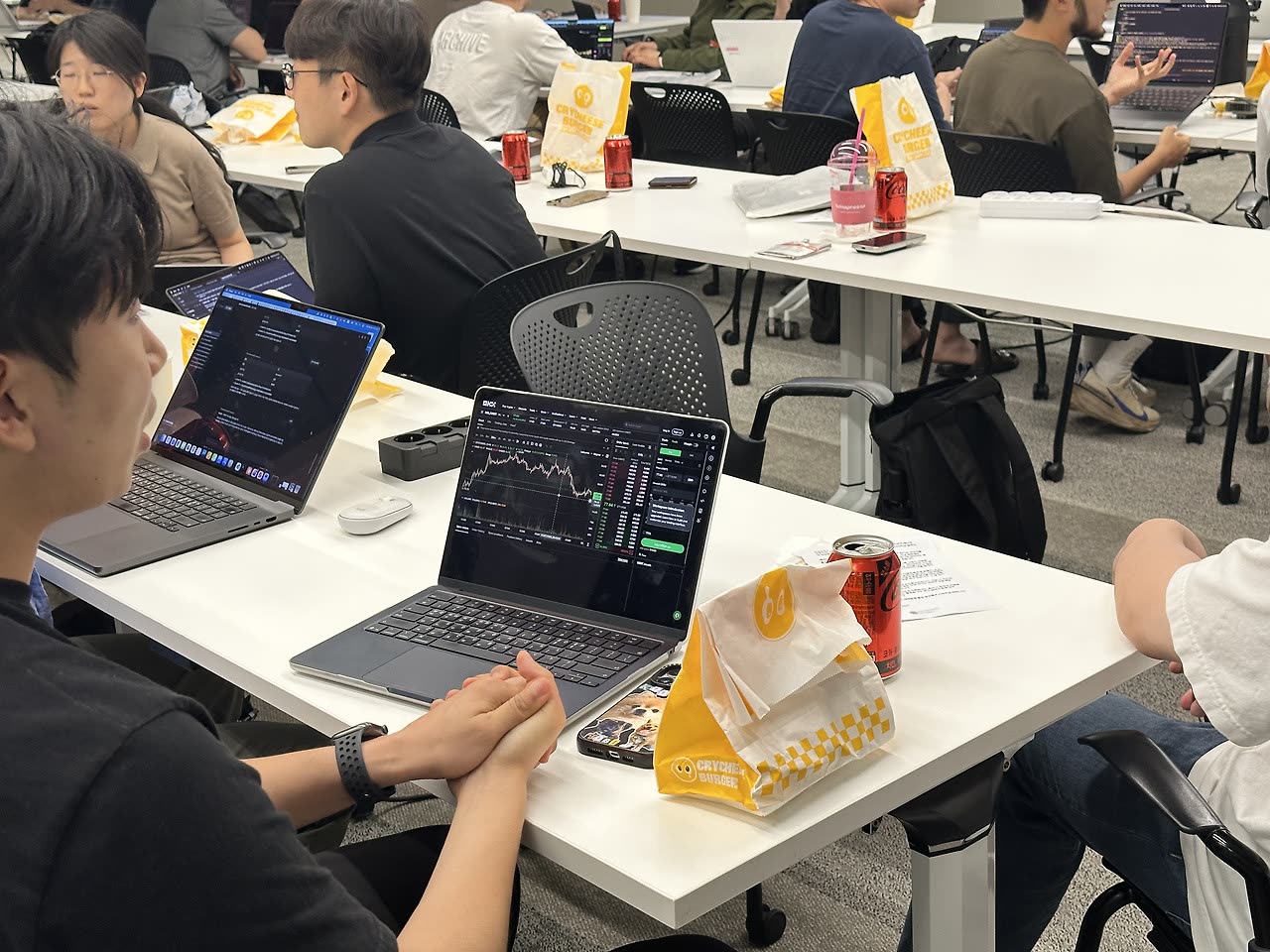
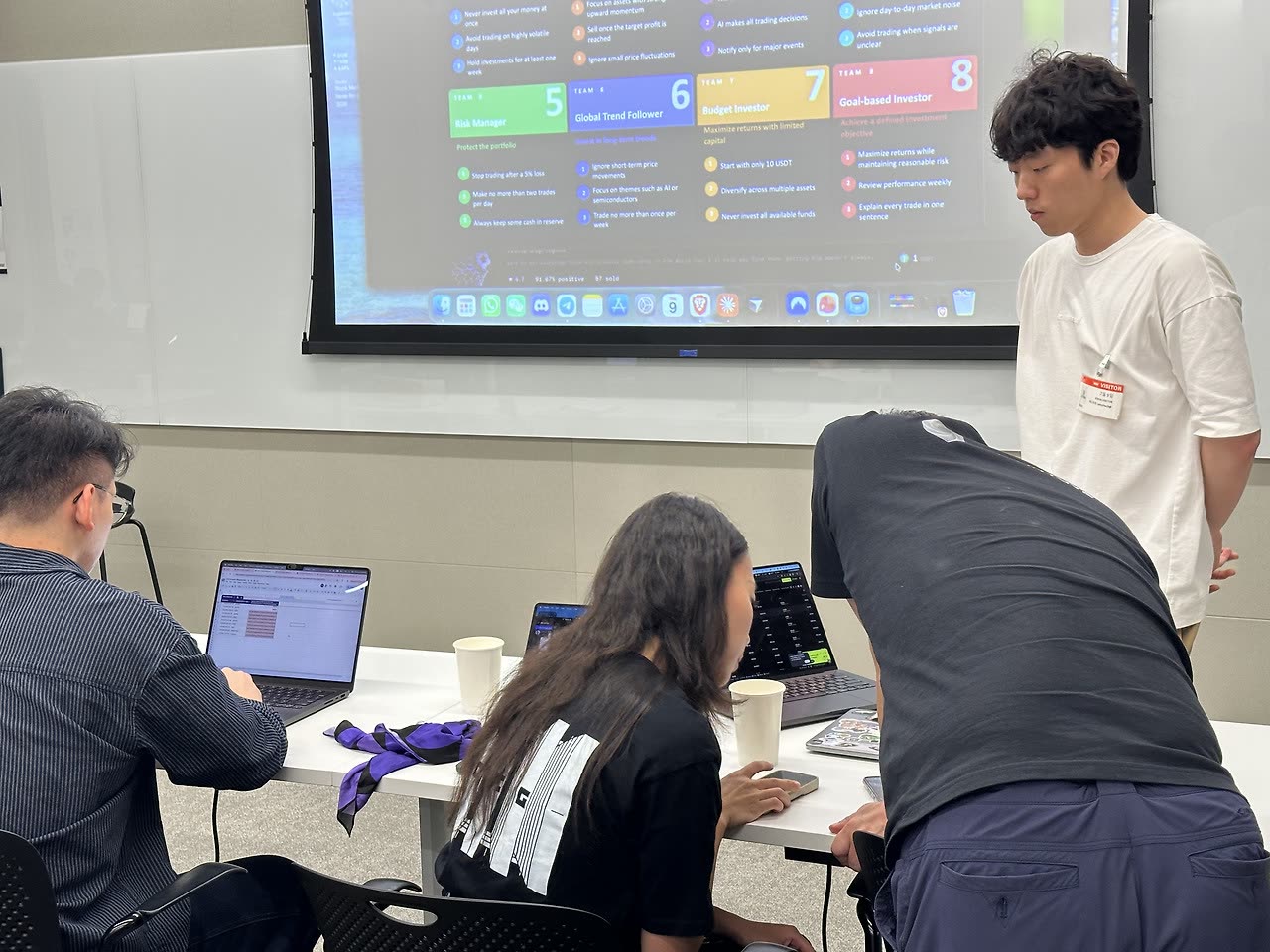
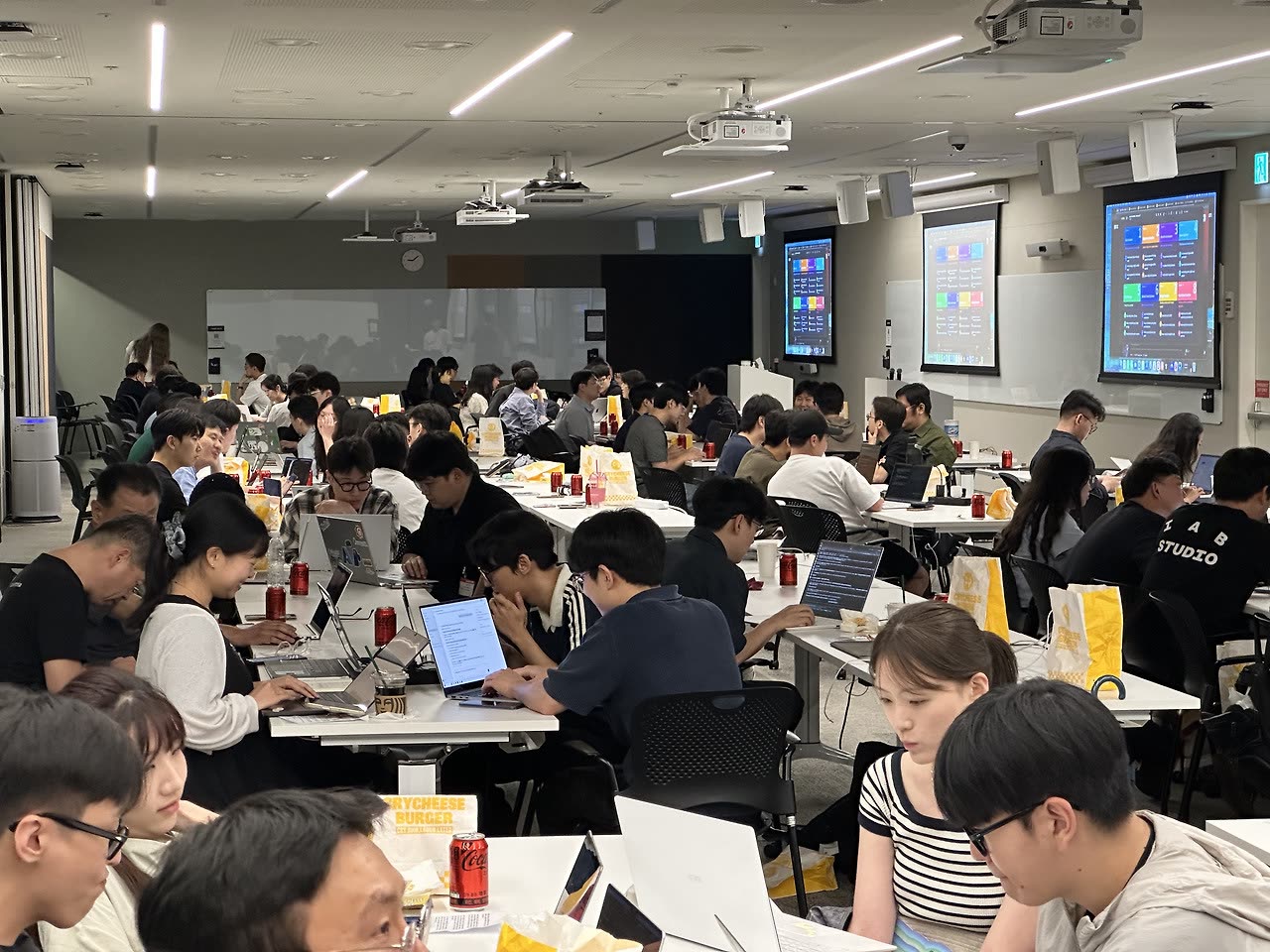
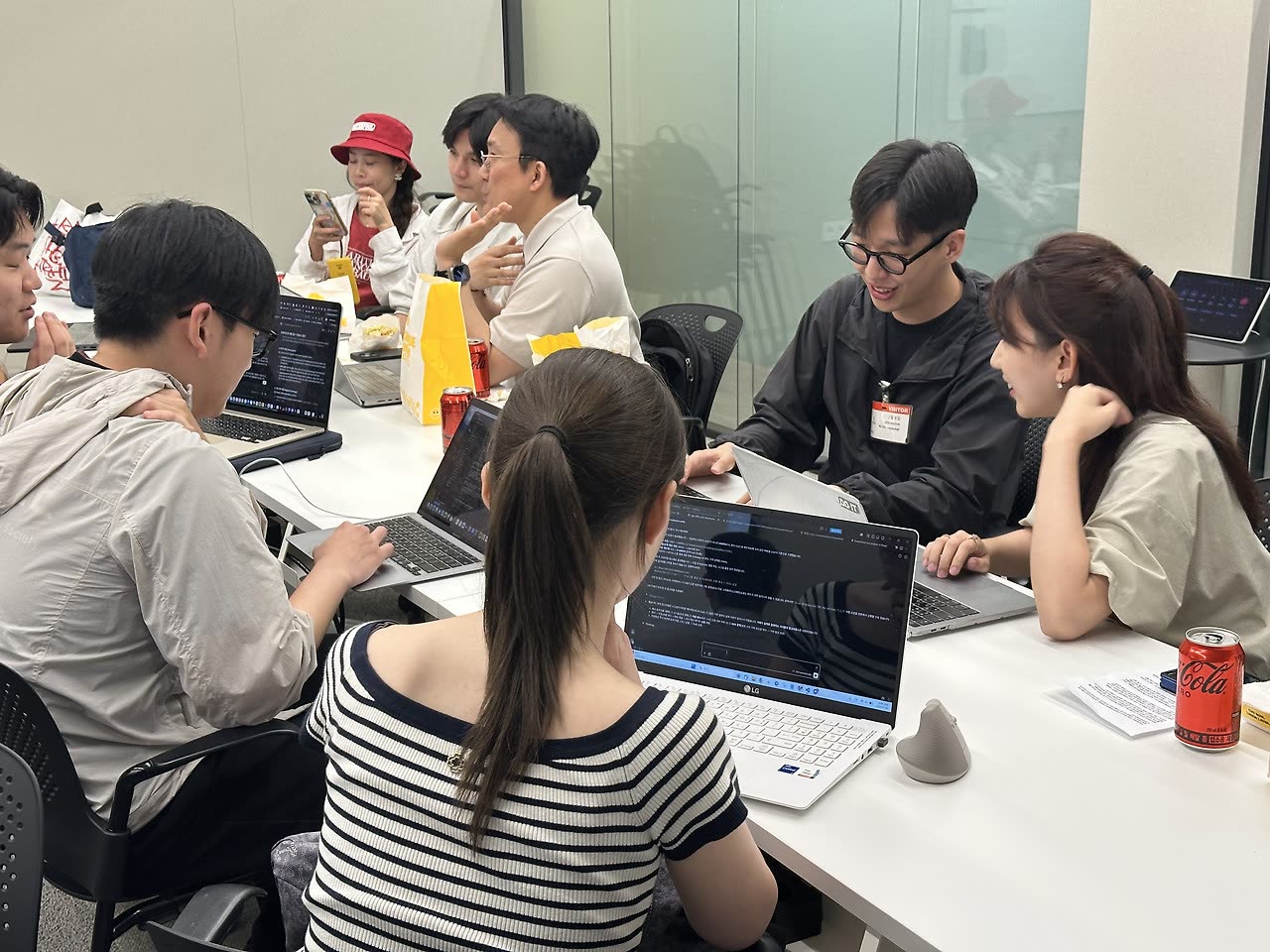
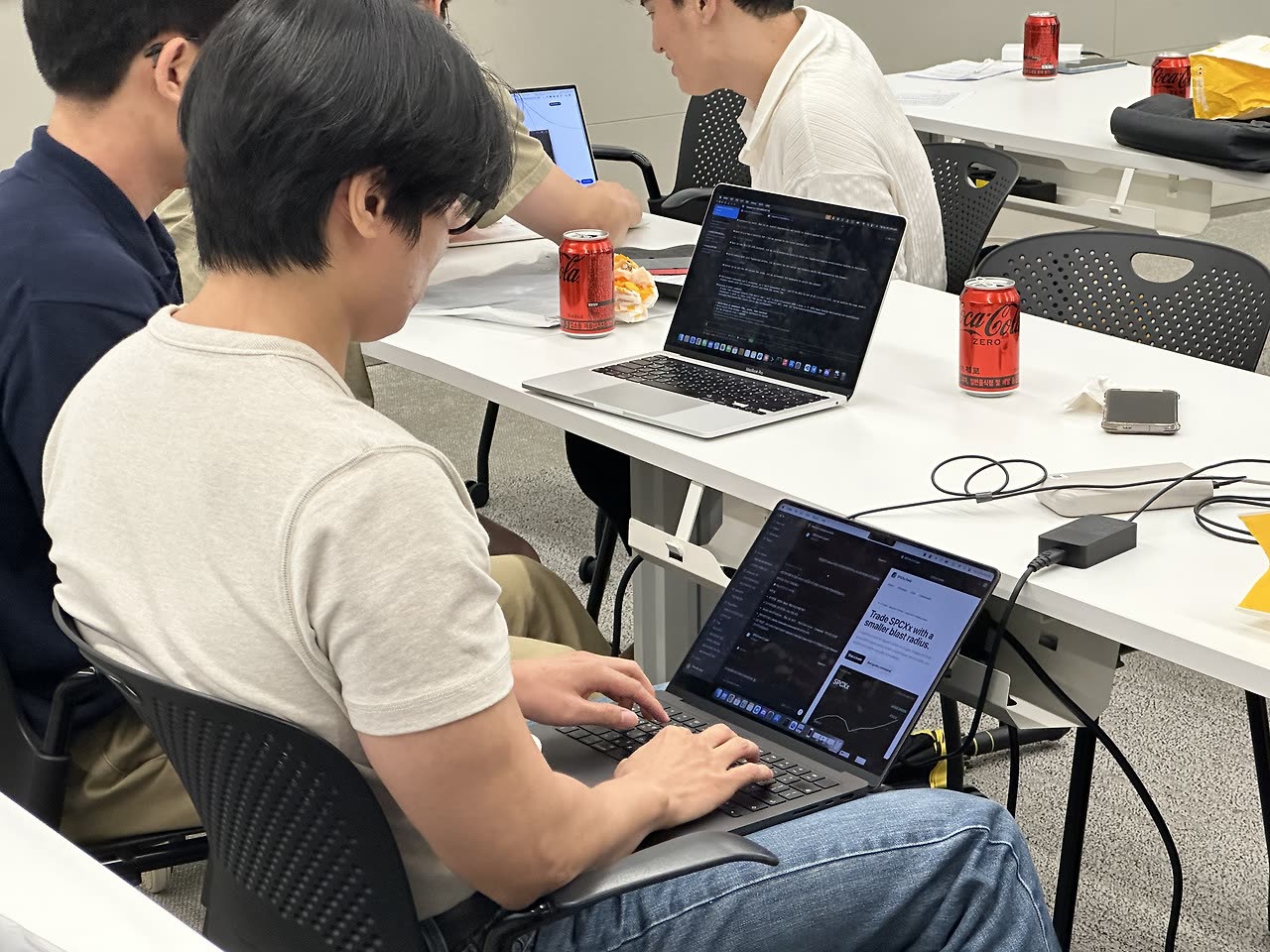
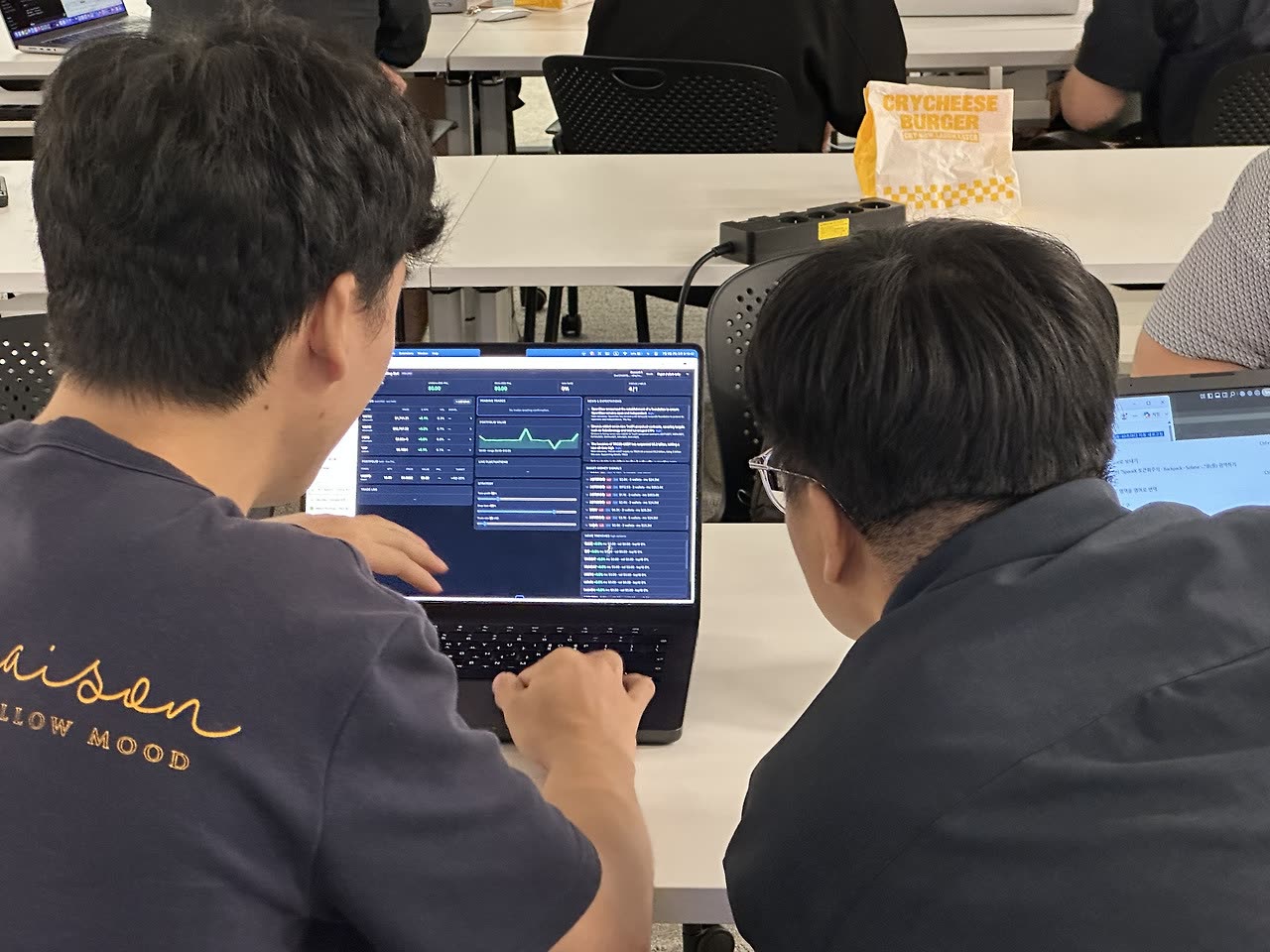
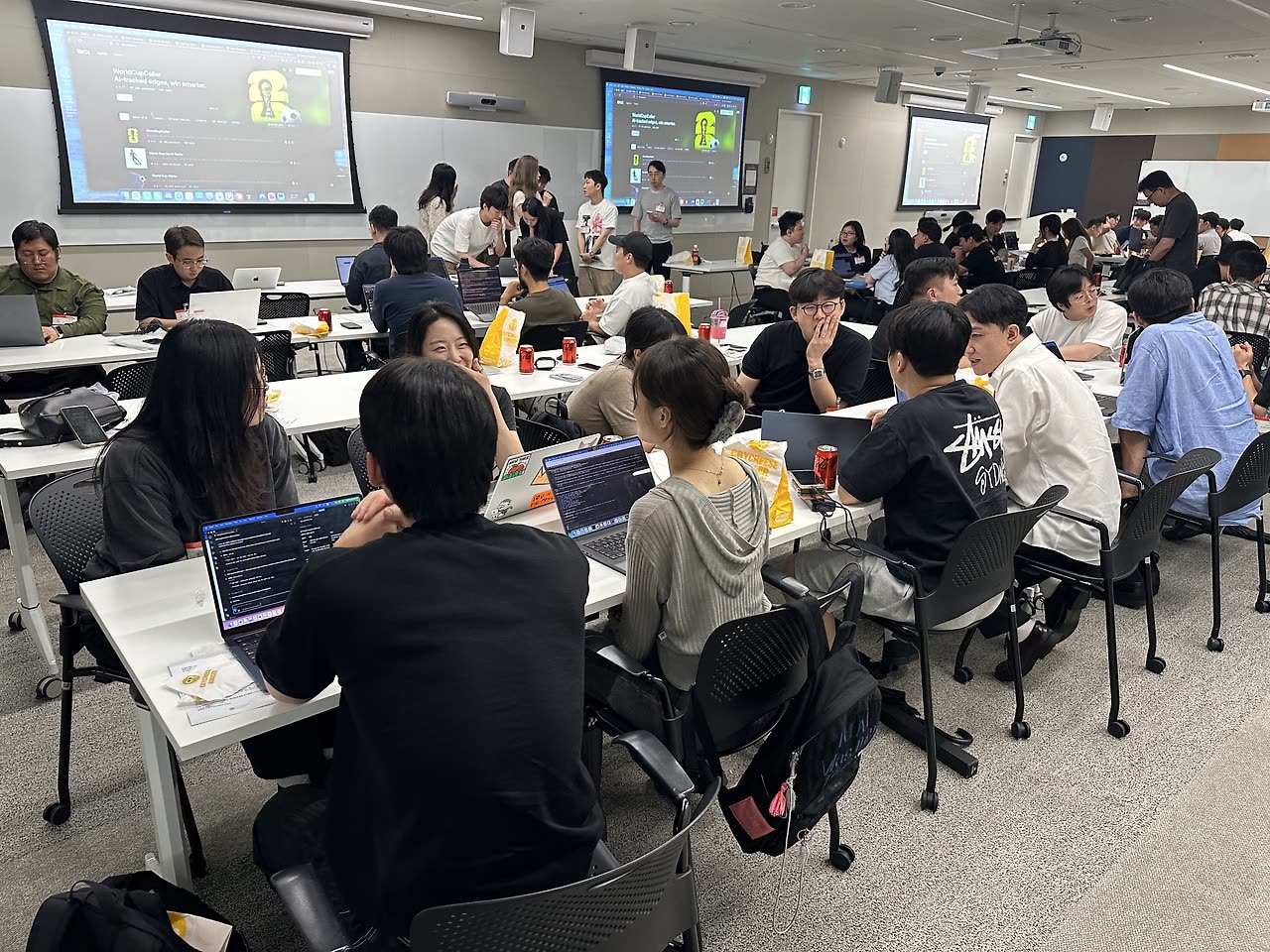
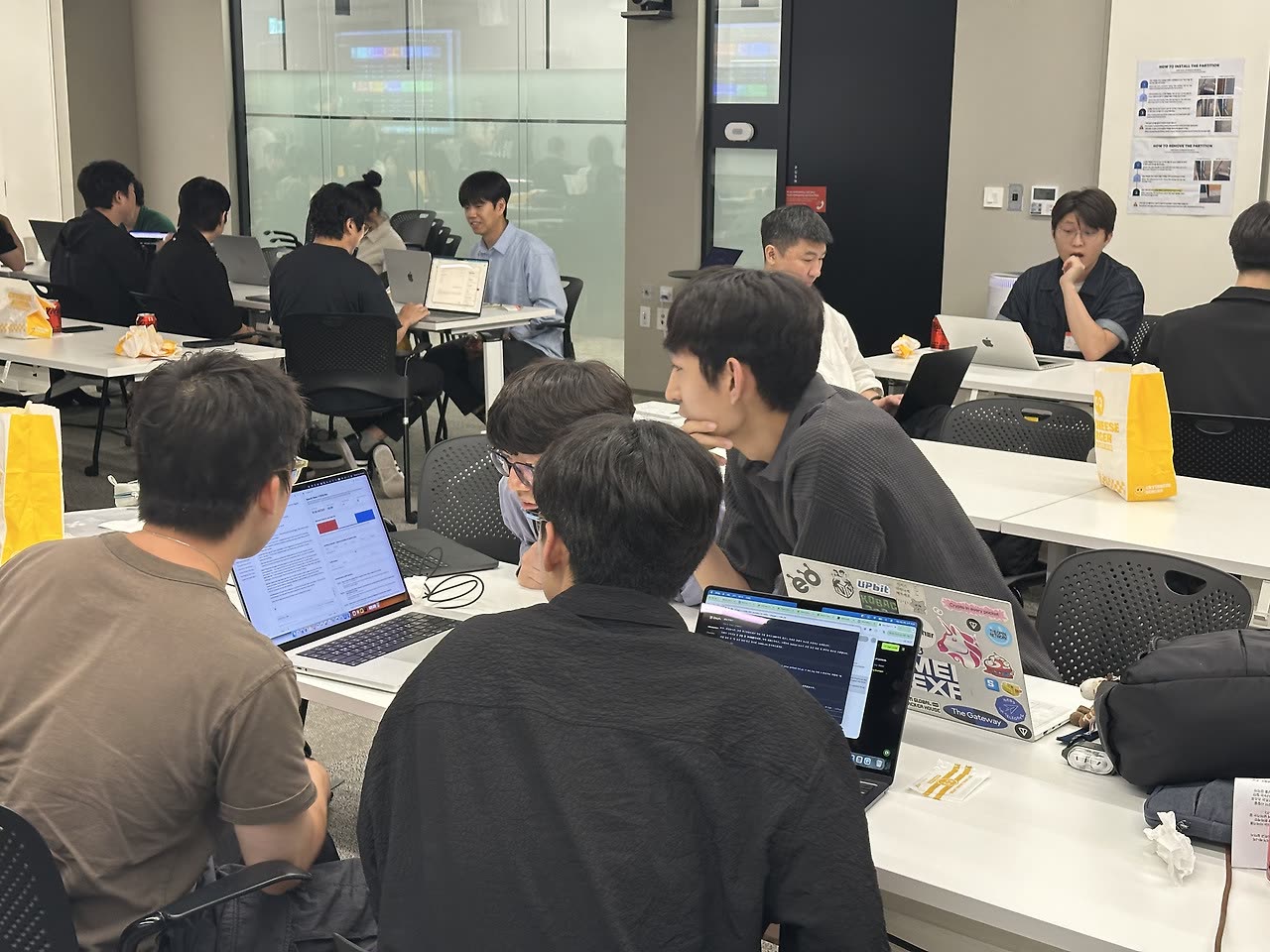
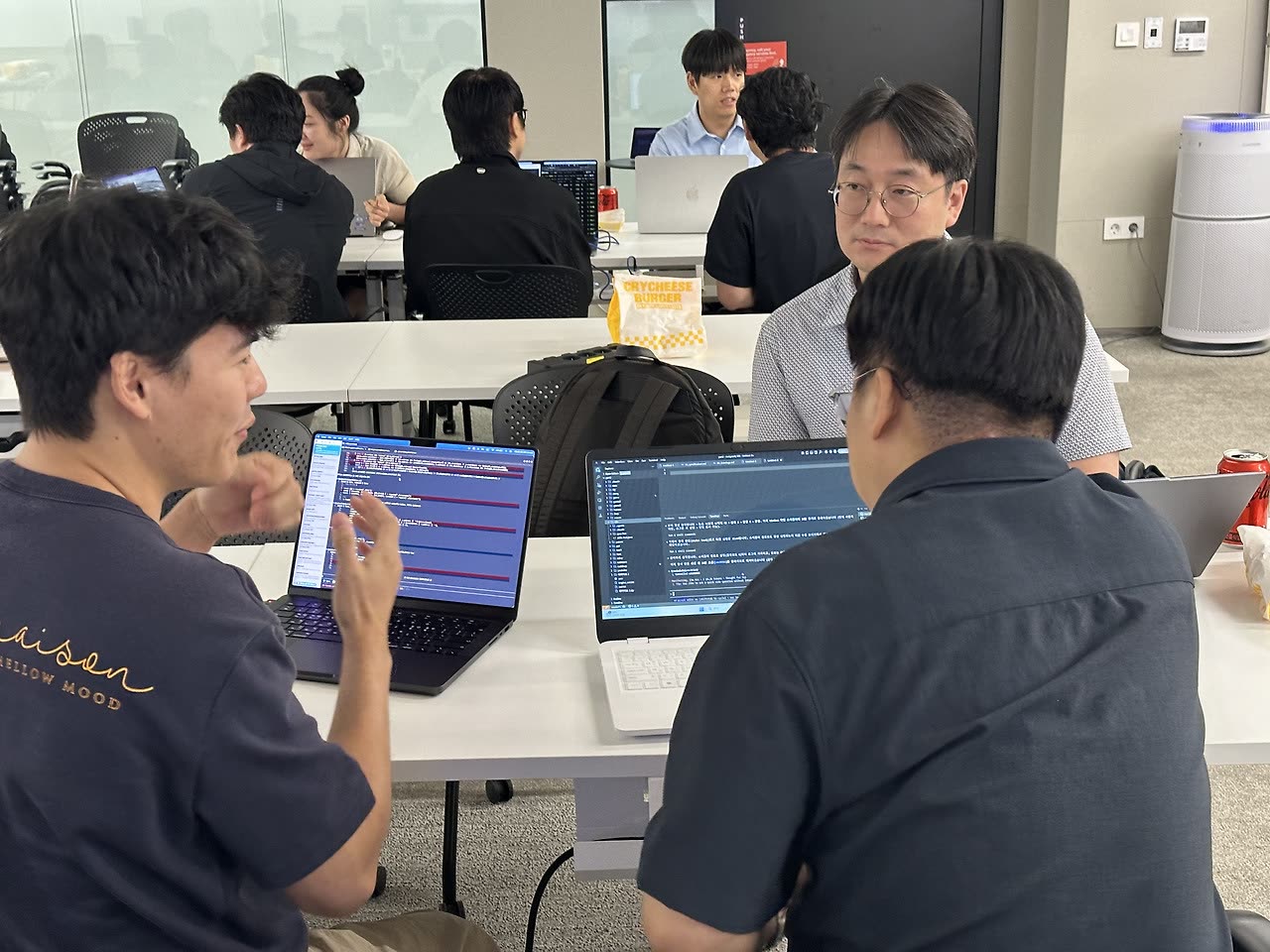
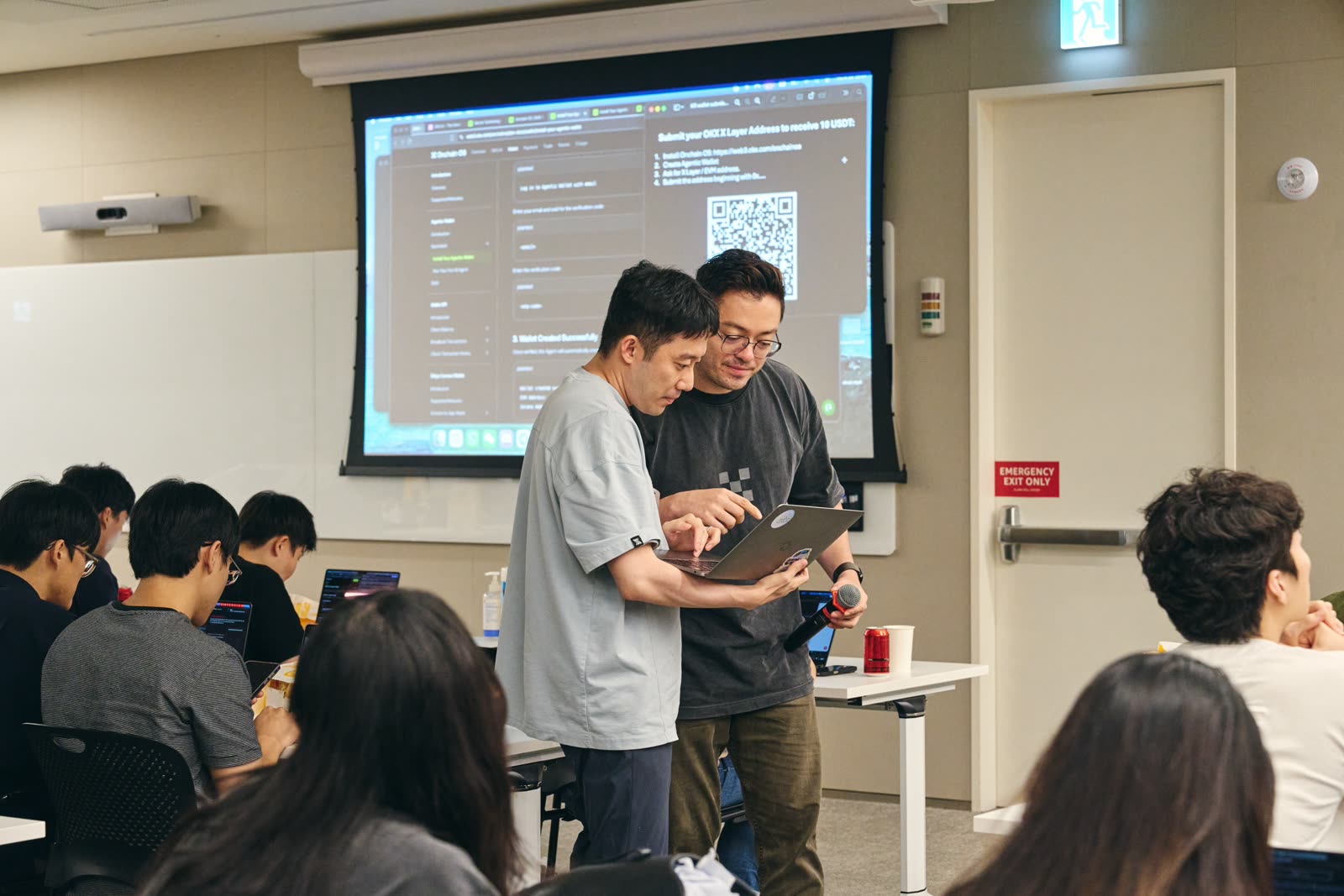
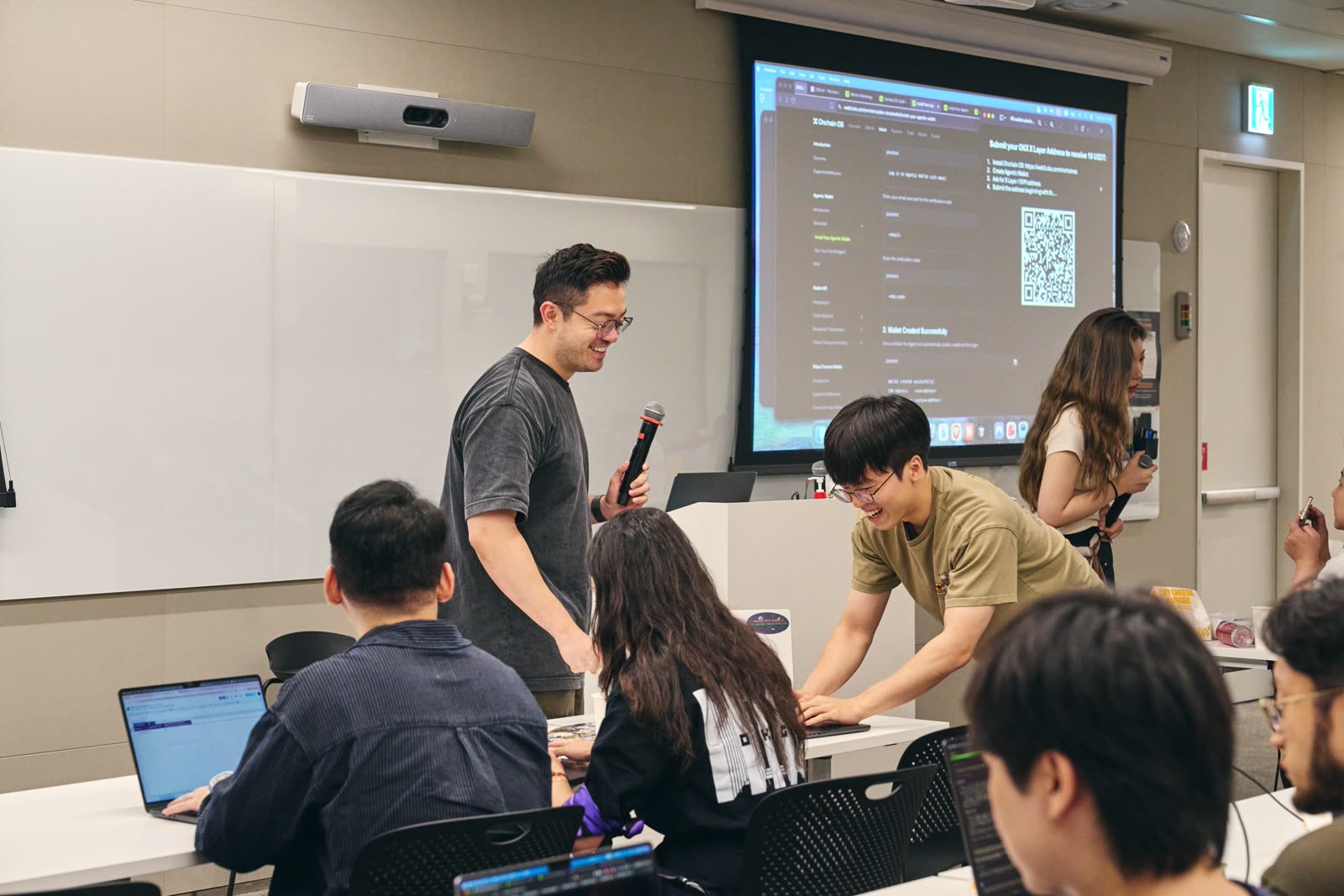
The evening closed with a workshop. Participants pasted a single command into Claude Code or Codex to spin up an agent wallet, then attached price lookups, trading, and payments. 68 people received 10 USDT in an experimental wallet. From there they worked out strategies in plain conversation, along the lines of watch this asset, weigh the news, decide when to buy and sell, and build me a returns dashboard. The point that got stressed was that without a budget, a per-trade amount, and stop-loss and take-profit thresholds, an agent has no way to build a safe strategy.
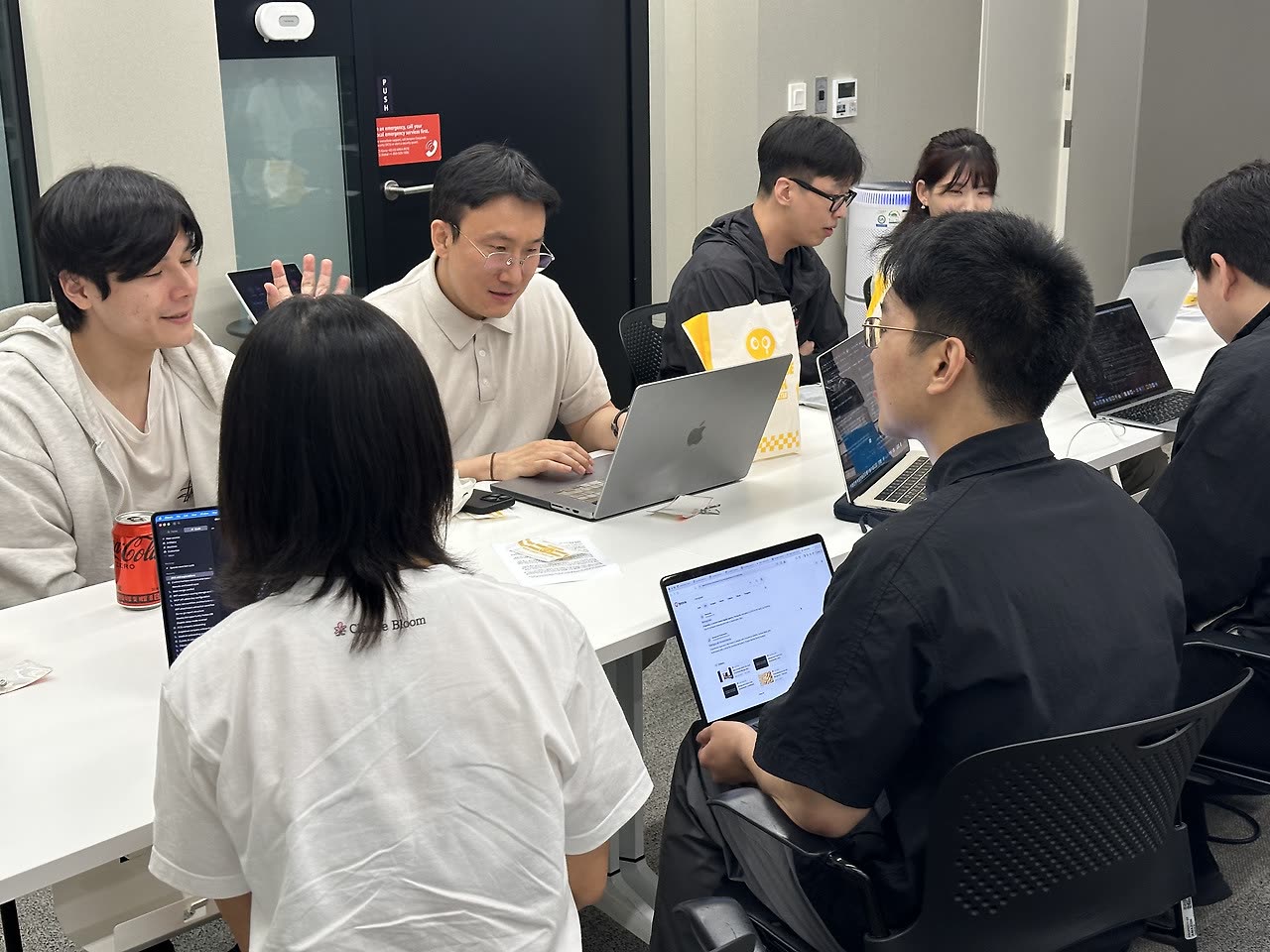
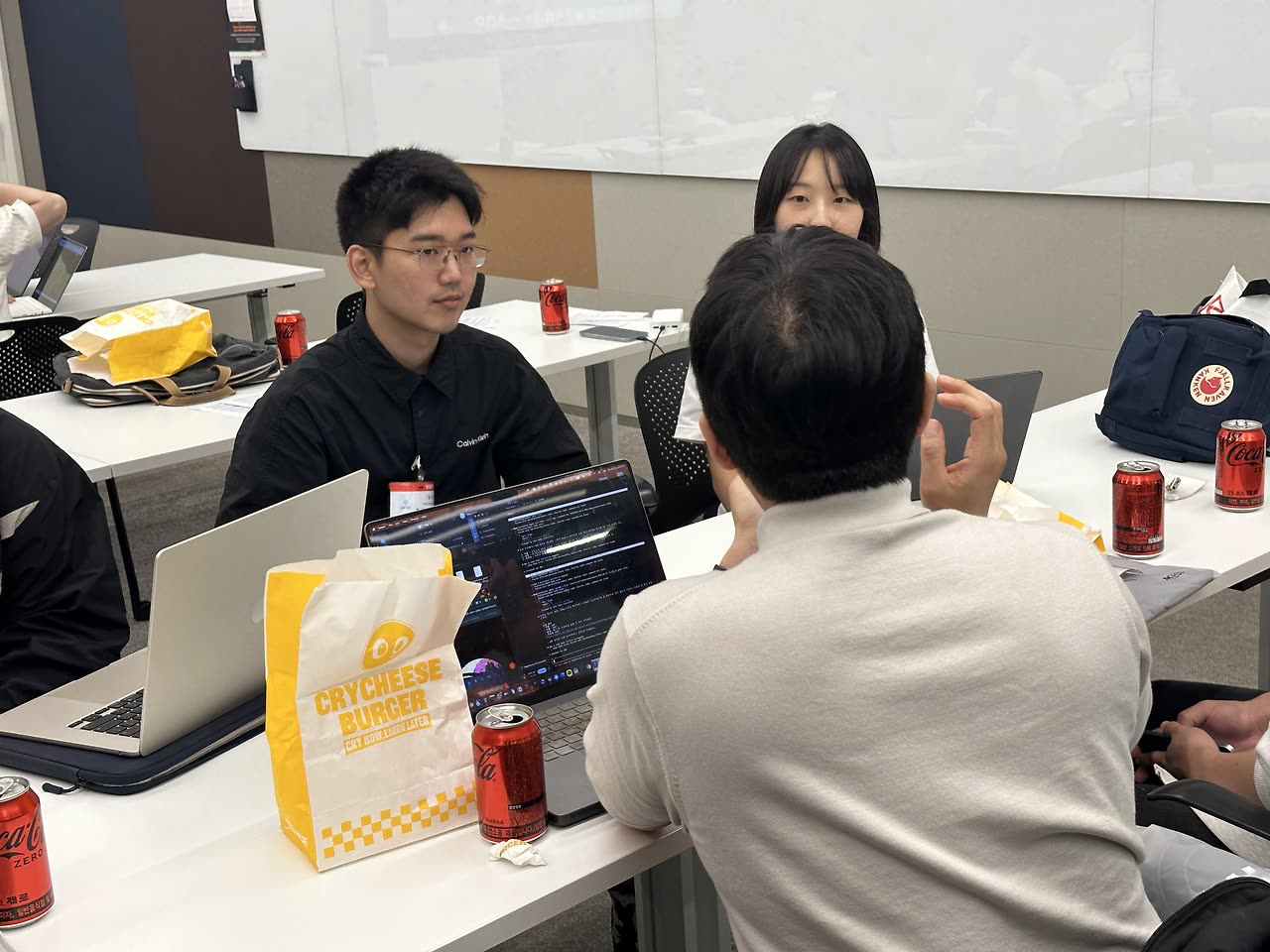
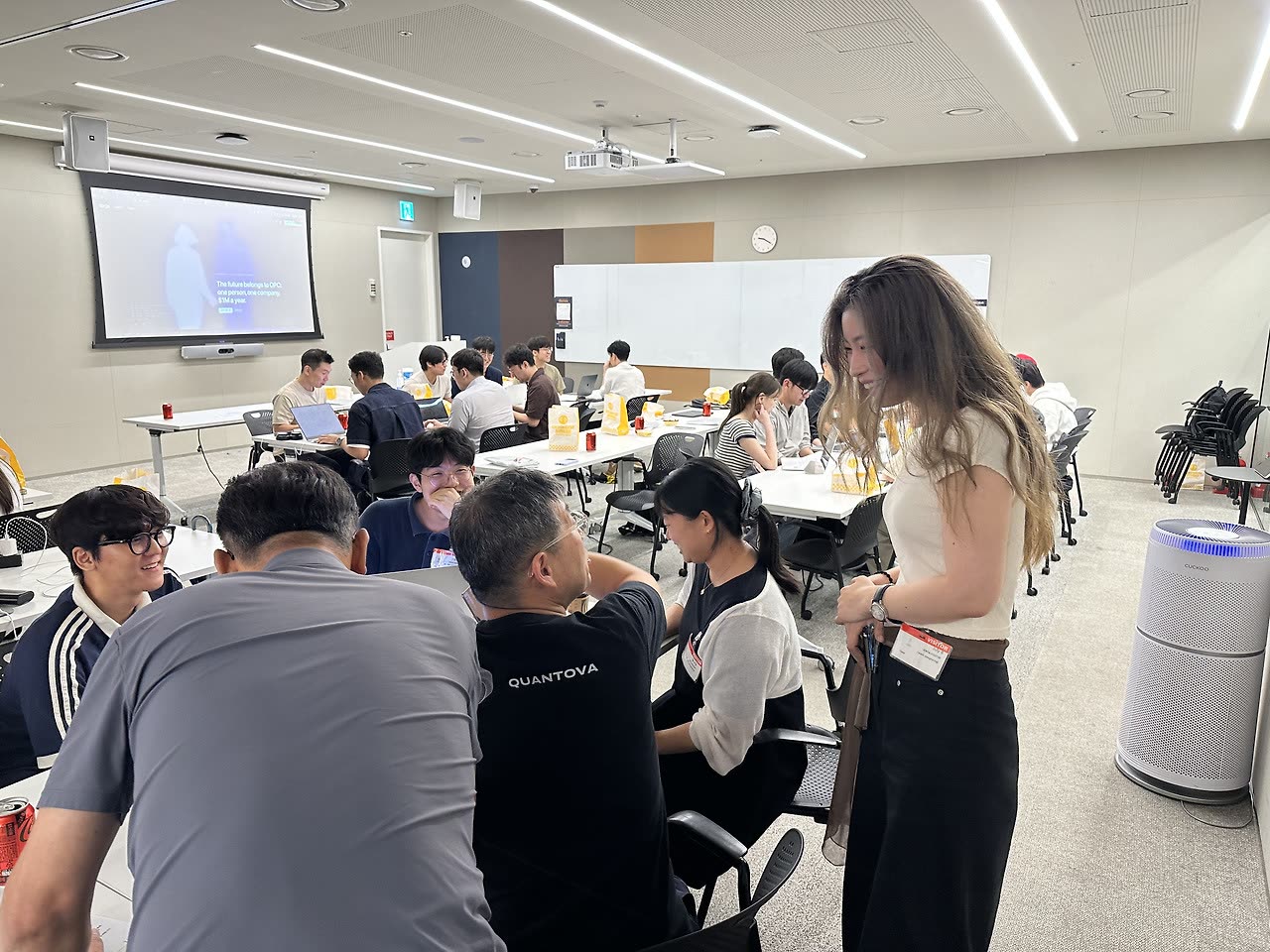
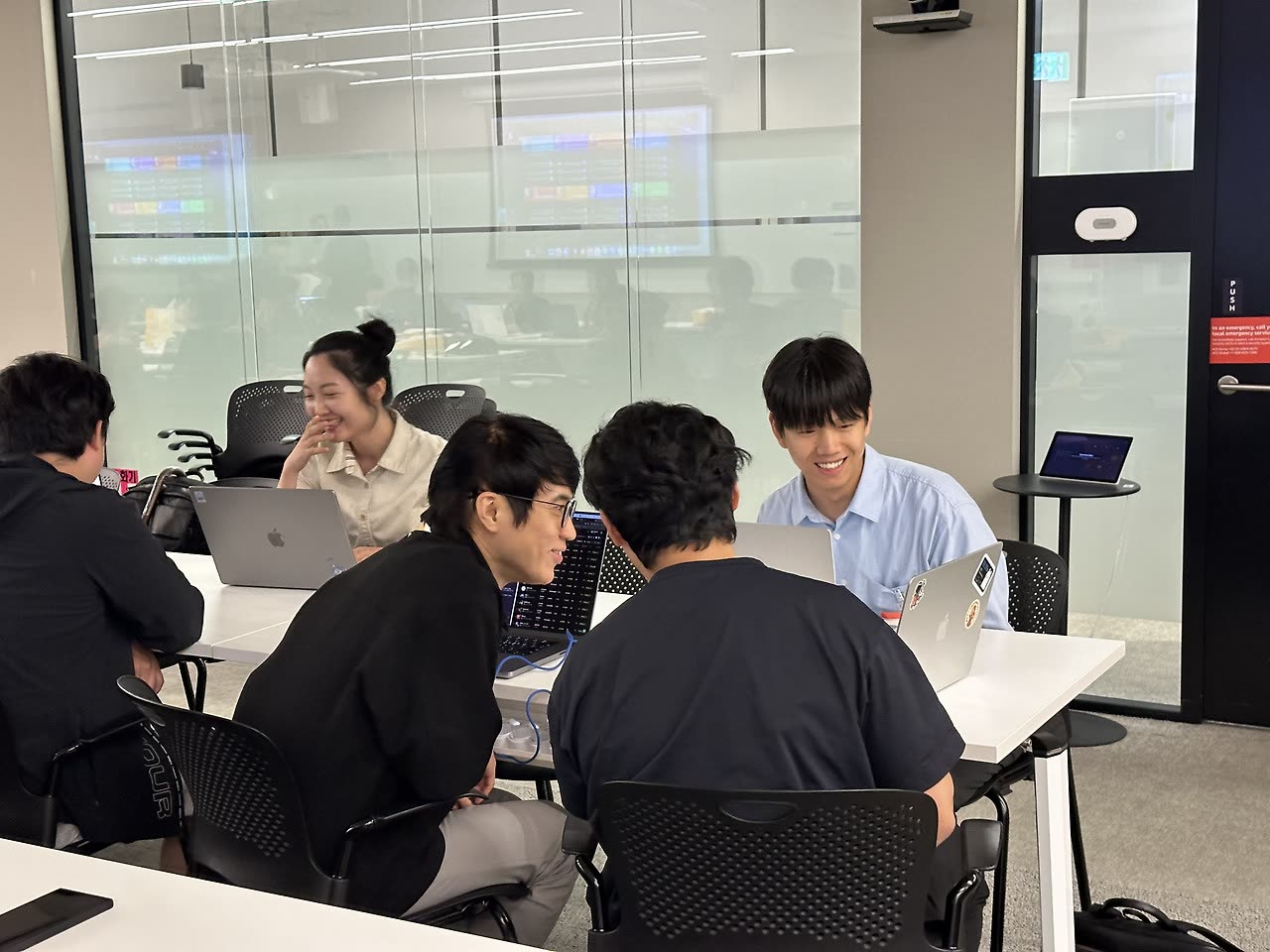
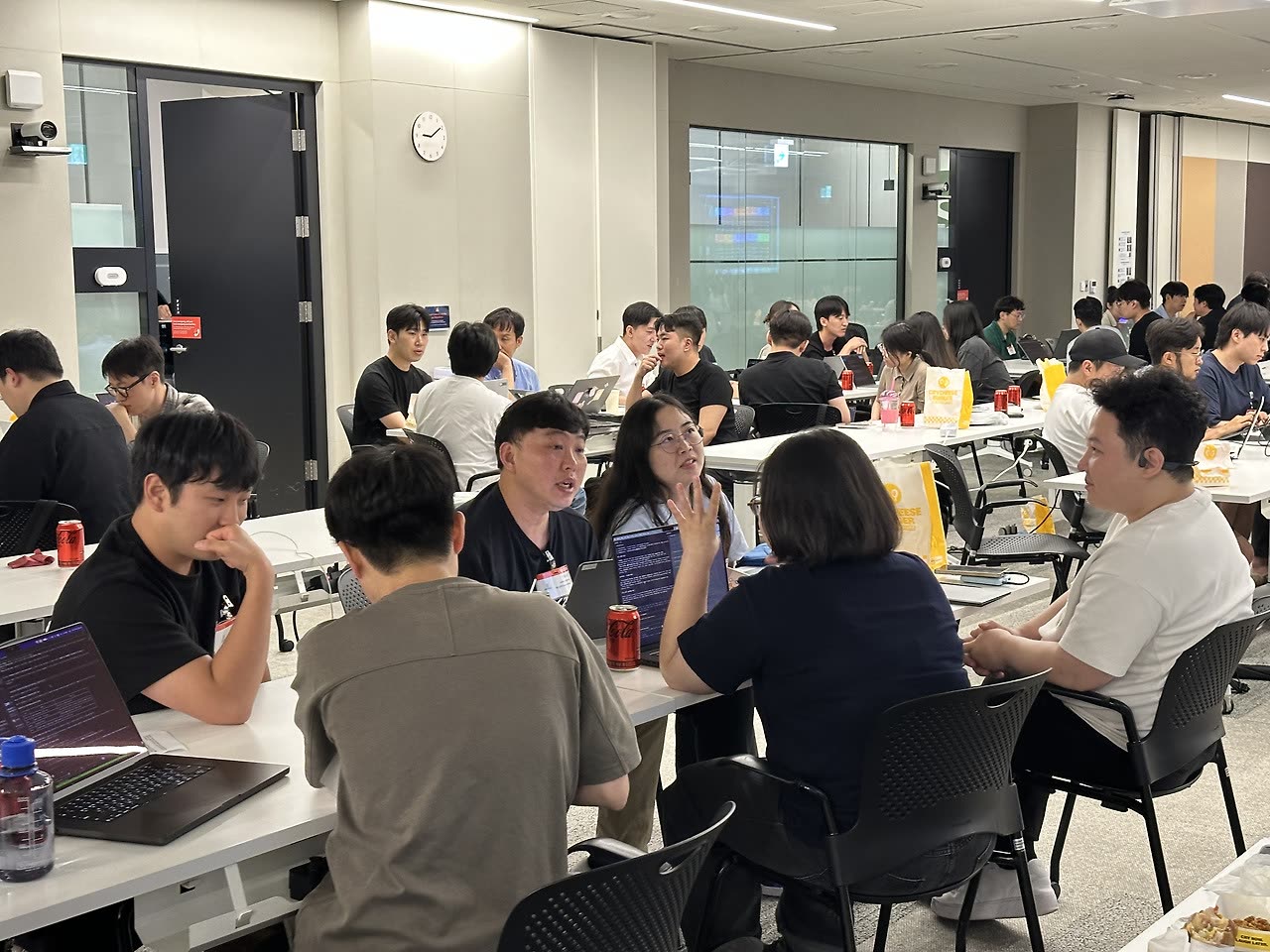
Three conclusions kept surfacing that day. People set the goal, people set the spending limit, and the boundary of responsibility, that this agent is mine and I approve what it does, is a person's job too. The night ended with groups of four building agents and checking their wallet balances as they went.
Read the full write-upEvent video
Gallery








Next event