Bloom's mid-point retrospective
What was discussed
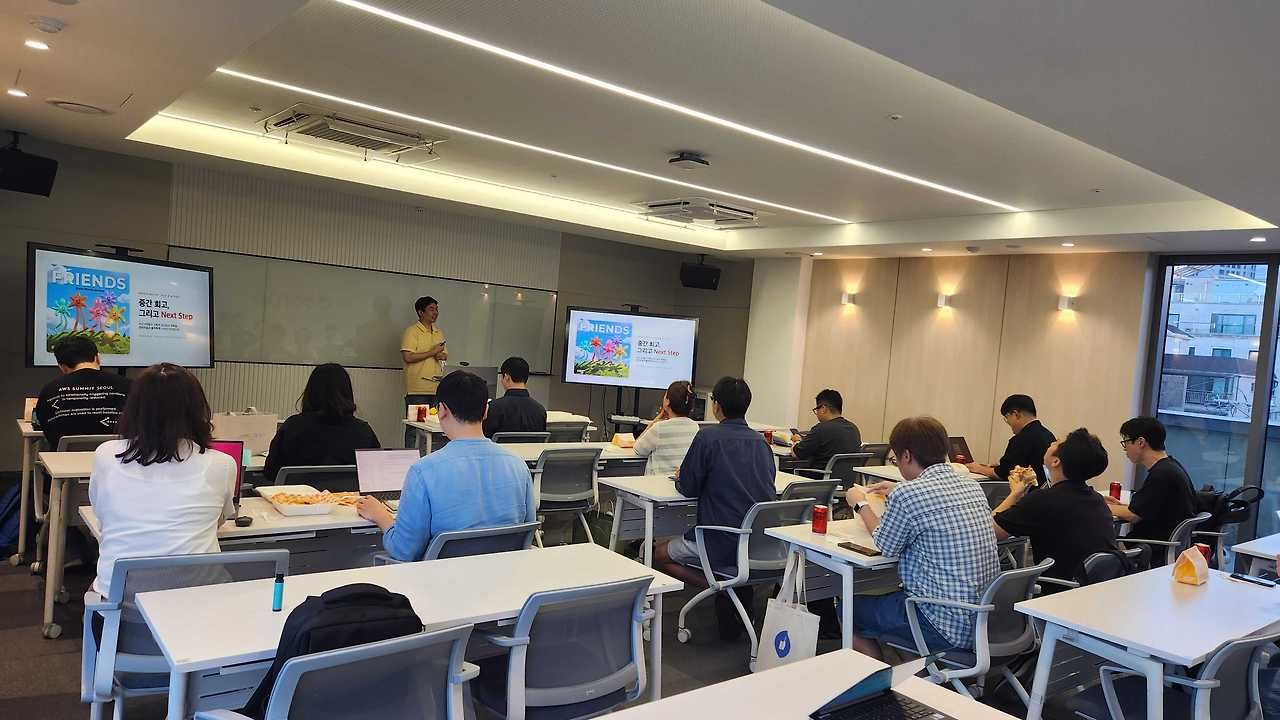
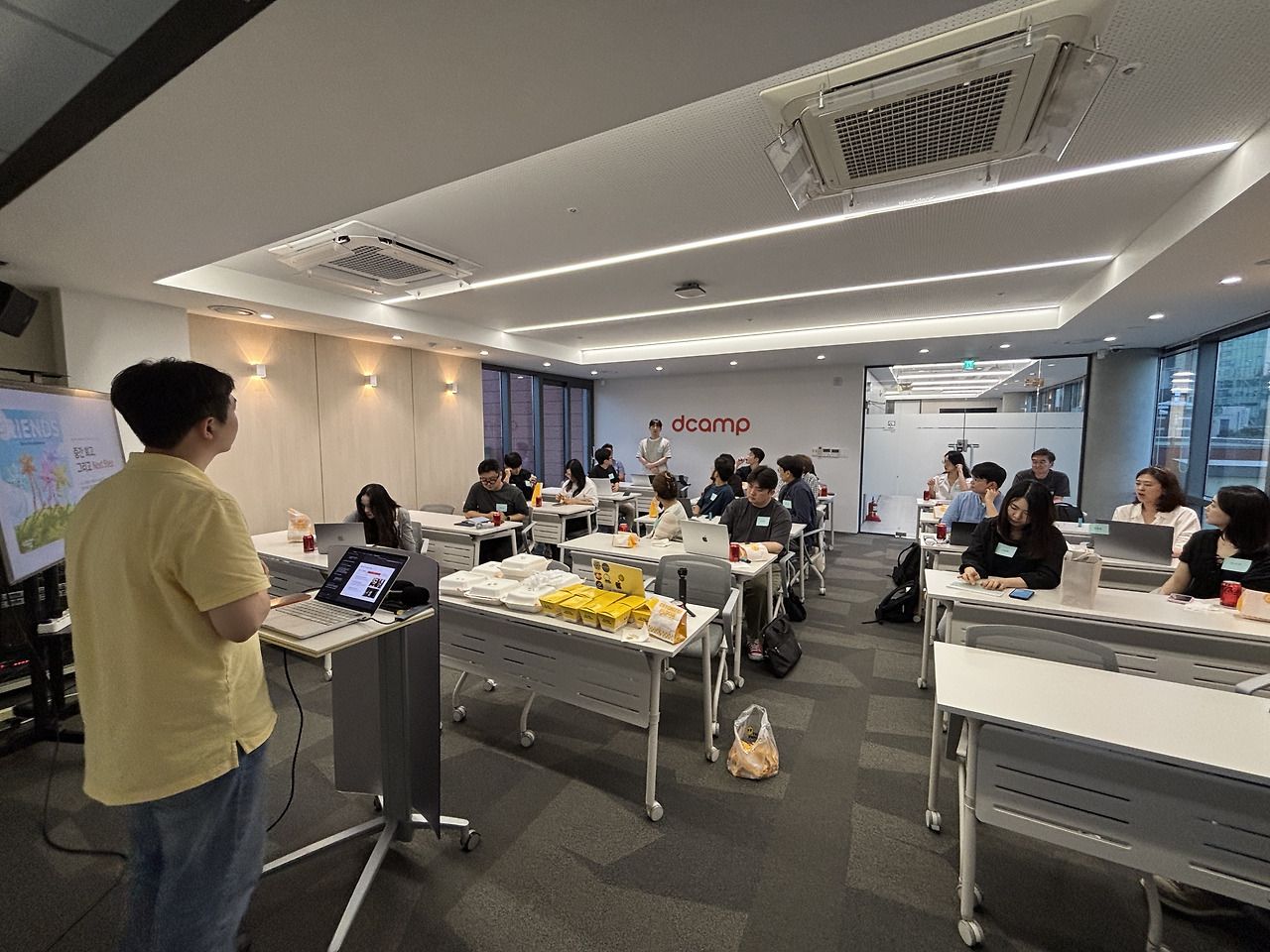
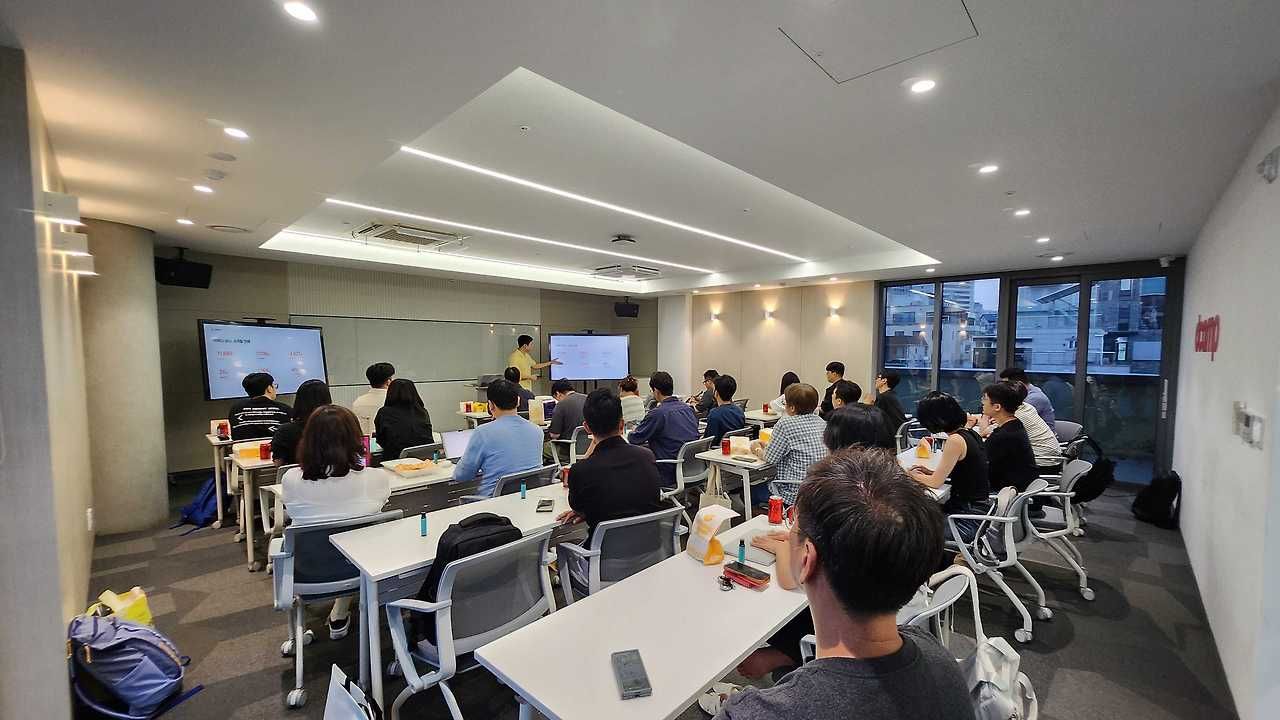
This was the first gathering without a speaker. We paused the weekly run of guest keynotes and sat down with members to look back over the past four months. We planned for about twenty people and thirty-five came, with no agenda and nobody scheduled to present.
The conversation started the moment we posted about it on Discord. One member could not attend but wrote in to say the retrospective should cover belonging, not just programme satisfaction. Citing research on sports fandom, they pointed out that fans connect deeply not because they consume the game but because it becomes the medium for relationships and shared feeling. So the next question for Bloom might not be which events people want, but when someone starts to feel they are part of it. Another member wrote up how a creative collaboration community run by the actor Joseph Gordon-Levitt is structured: instead of vaguely asking what people can contribute, open up the work that needs doing in small, concrete units.
On the day itself there was one more surprise. A member had gone back through the Discord history to catch up on events they had missed, written it all up, and published it as a small web archive for everyone else. Nobody had asked them to.
With a small room we went around one by one with names, affiliations and a fun fact, and that round took up half the evening. Among them: someone job-hunting who reached the finals of a competition through a person they met here, someone building SaaS at a US law firm and struggling to hire, someone who left a strategy role at a large company to do AX work freelance, an investor who lived through the 2022 crypto collapse head-on, someone who moved to a US startup through community work, and a founder visiting from Malaysia to understand the Korean market.
The story that landed hardest came from someone at an outdoor advertising company. Proposals that used to take three days were being written by AI in thirty minutes, better than they could write them in seven years on the job, and June and July had been bleak. They looked at the first output trying to find something to criticise and could not find anything. A twenty-year veteran of the SI industry described the same arc: sceptical and low at the start of the year, found the community through LinkedIn one sleepless night, got past it, and now works almost entirely alone.
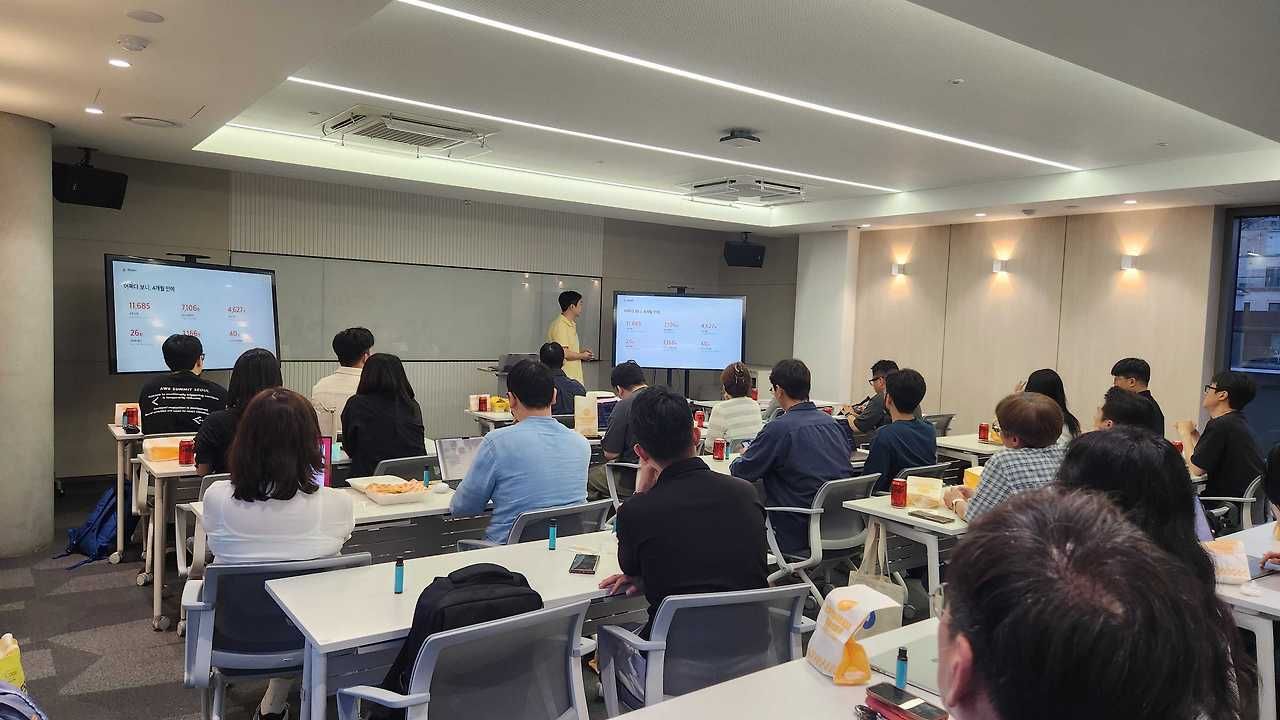
Then we went through four months of Luma data together. From April to August: around 11,000 registrations, 7,000 unique people, 4,600 companies. Twenty-six events. Roughly 1,000 founders, C-level and heads, and a 40% return rate. Month by month it went from three events to five, then eight, then ten. None of that was planned; it grew as partnerships and topics appeared.
We also picked out the moments worth remembering. The first event drew 2,057 applications, and it did not go well. Having never been part of a community before, we filled two hours with talks, not knowing that people come to connect rather than to listen. A founder who saw what happened offered his company's new office and catering, and that is how the second one happened. The first one failing is the reason there was a second.
What stood out in the data was not that big tech showed up. It was the names underneath: partners at large law firms, entertainment companies, someone from the Ministry of Defense. Developers have AI communities to go to. For people on the business side, a community usually means an evening of exchanging business cards. They come here because there is nowhere else to go.
The real substance came after we split into groups, and the feedback was blunt. One person said they have no interest in the speaker or the talk, that the roundtable is the format they come for, and that we should concentrate there. Another diagnosed why running talks and mingling together is hard: the more you pay for a speaker, the less reason that speaker has to stay and mix. Two hours from seven to nine is simply too short. When group readouts end, everyone scatters with no way to ask the other tables about what they discussed. The conclusion was two tracks: keep the speaker sessions, and build a separate, self-sustaining track that members run themselves.
The biggest question of the night was who counts as Bloom. Are you a member when you join the Discord, when you attend once, or after some amount of participation? Someone framed the room as three groups: people looking for peers who work with AI, people who came to learn from those who are further along, and people who just want to watch and find the pressure to join off-putting. Those pull in different directions, so we have to decide which one is the centre.
The answer arrived that night. After eleven, once everyone had gone home, a member posted on Discord asking whether that made them a Bloom member from today. We had spent hours arguing about where the line should be, and the answer turned out to be the moment someone decides it for themselves.
Three things were settled. People will come without a headline speaker. Members want to run events themselves. And the handover has to be gradual rather than total. We went looking for answers and came back with better questions. The audience was already good enough; what we had not built yet was a place for them to contribute.
Read the full write-upGallery
Next event