Proposals that win
What was discussed
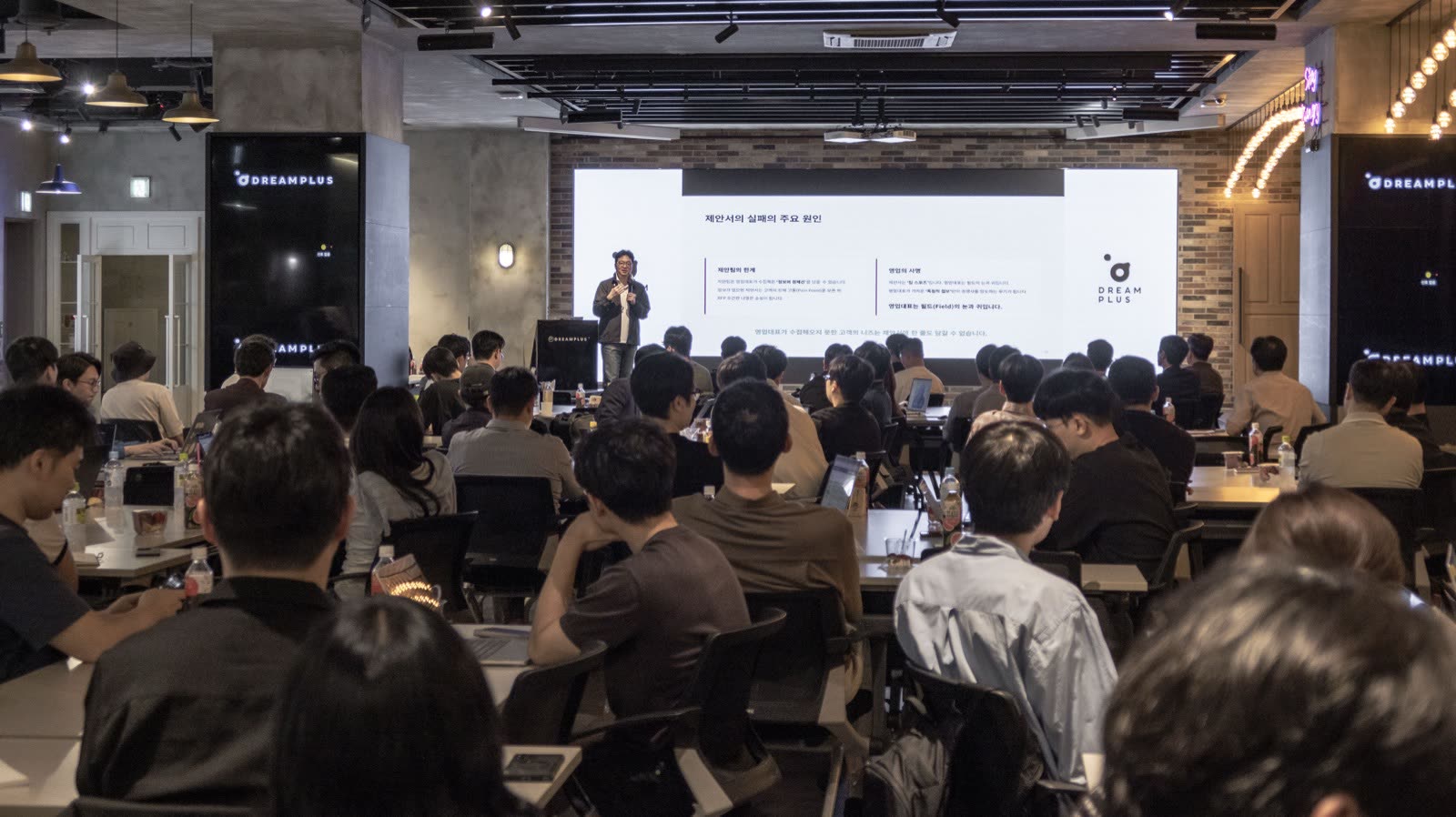
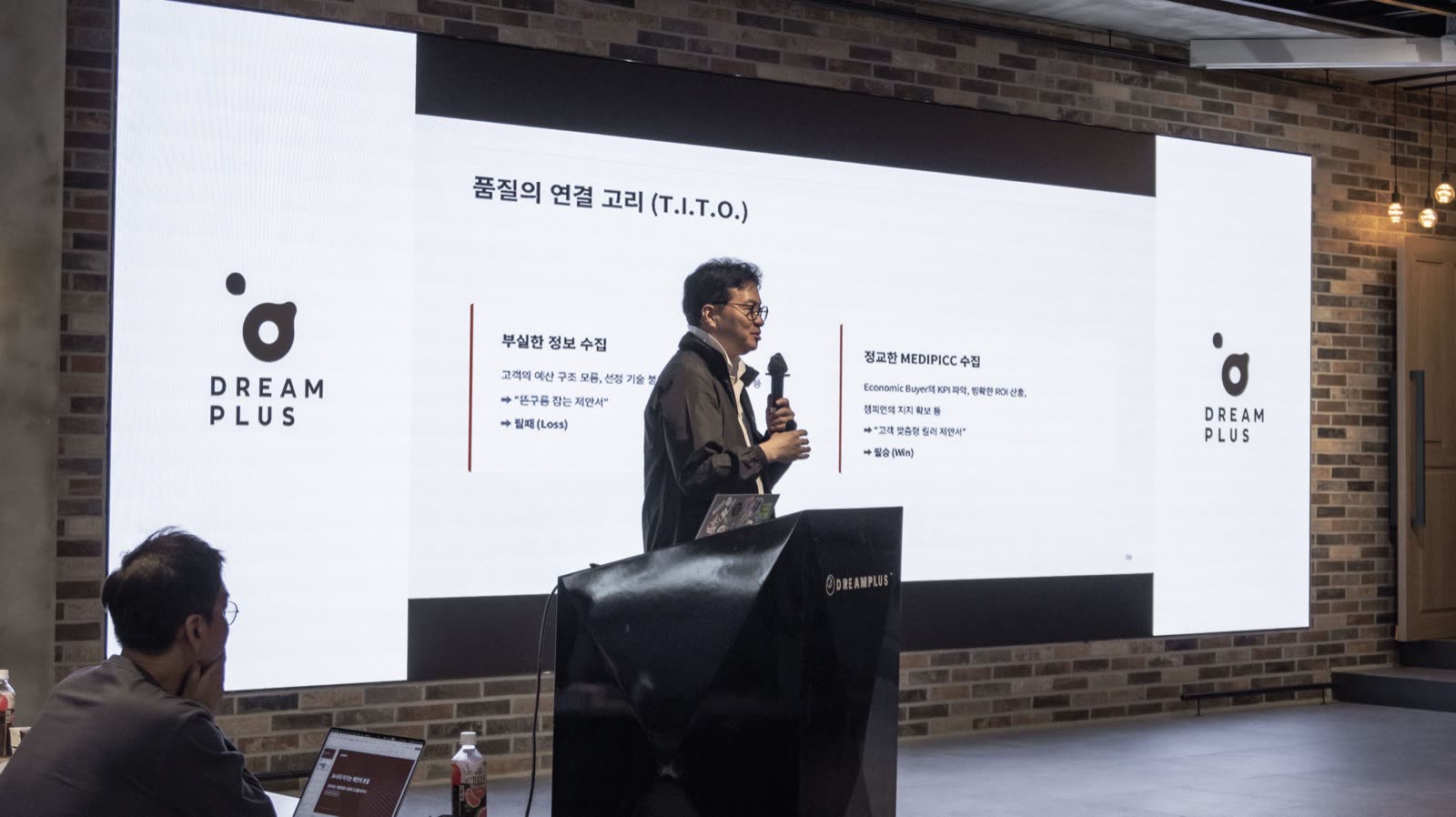
AWS proposal manager Park Ji-hoon had one core point: TITO, trash in, trash out. Put weak information in and a weak proposal is all you get. A proposal team only knows what is written in the RFP, and an RFP is a formal document that does not carry what the customer actually thinks. Only 20 to 30 percent of the picture is public; the other 70 to 80 percent you have to go and ask for. That is why the sales team has to be in the field, and a need the account rep did not collect cannot appear in the proposal, not even as a line.
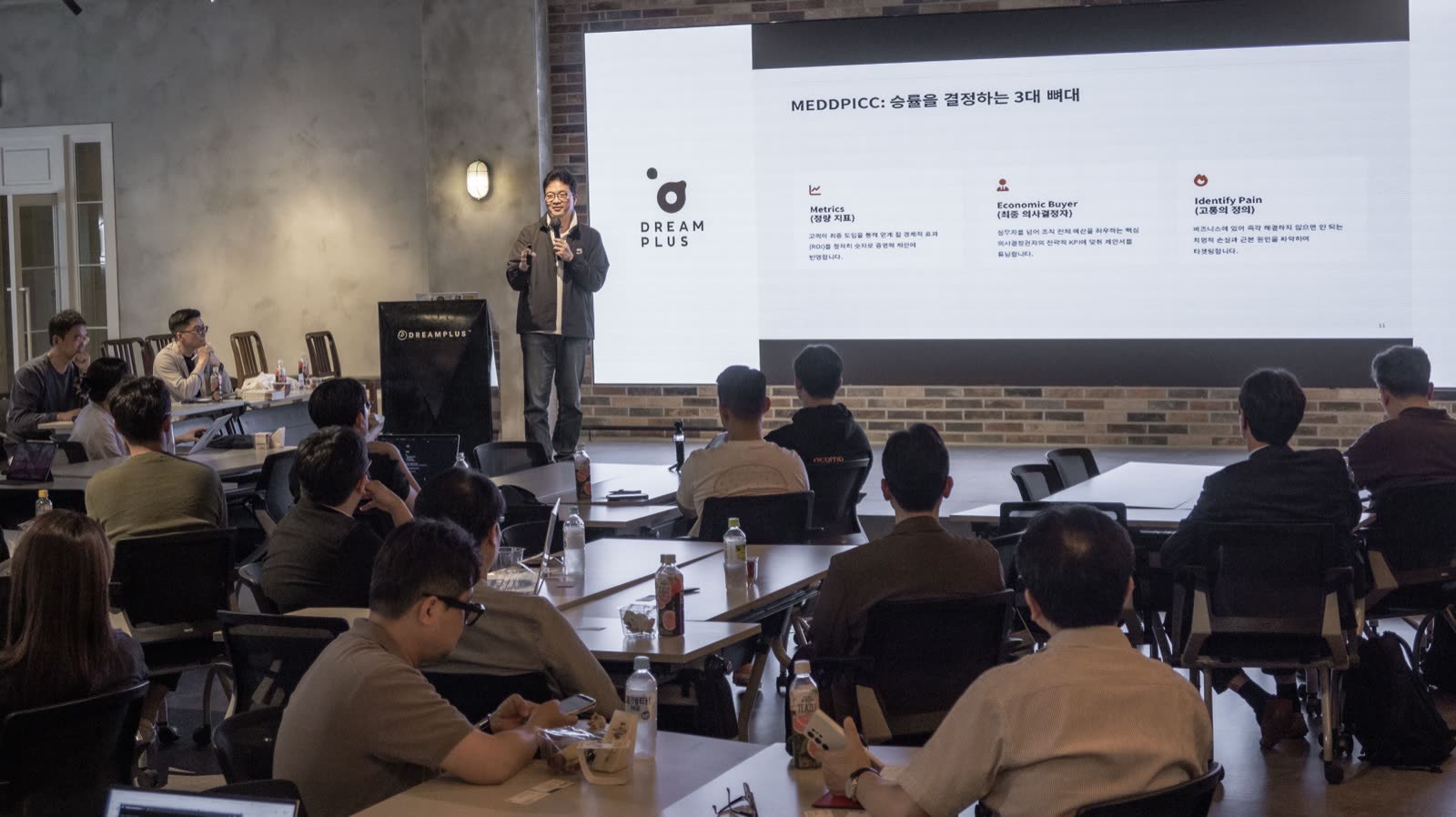
The information you need has a structure. First, prove the economic value the solution gives the customer in concrete numbers, because once a price is on the table the customer wants more value than that. Then identify the real concern that never made it into the RFP, the hidden need. And confirm who holds the budget and makes the final decision. Without those three, a proposal floats.
There is also a triangle of death that produces failure. Wanting to boast leaves the customer's pain points under-analyzed, features get listed on the supplier's terms instead of the customer's benefits, and the information the customer actually wants is missing. Proposals are almost always winner-take-all, so differentiation is everything, and the principles of win theme design are combining proven core ideas, backing them with quantitative evidence, and aiming at the hot buttons that neutralize competitors. Neutralizing a competitor means killing their strength by establishing that it does not matter on this project, which is called ghosting. Hot buttons are not volunteered by the customer, so you find them through information gathering. And the customer's pain point is best compressed into one sentence anyone can understand. In the age of AI everyone uses AI, so proposals all start to look alike, which is why whoever reinvents the process wins.
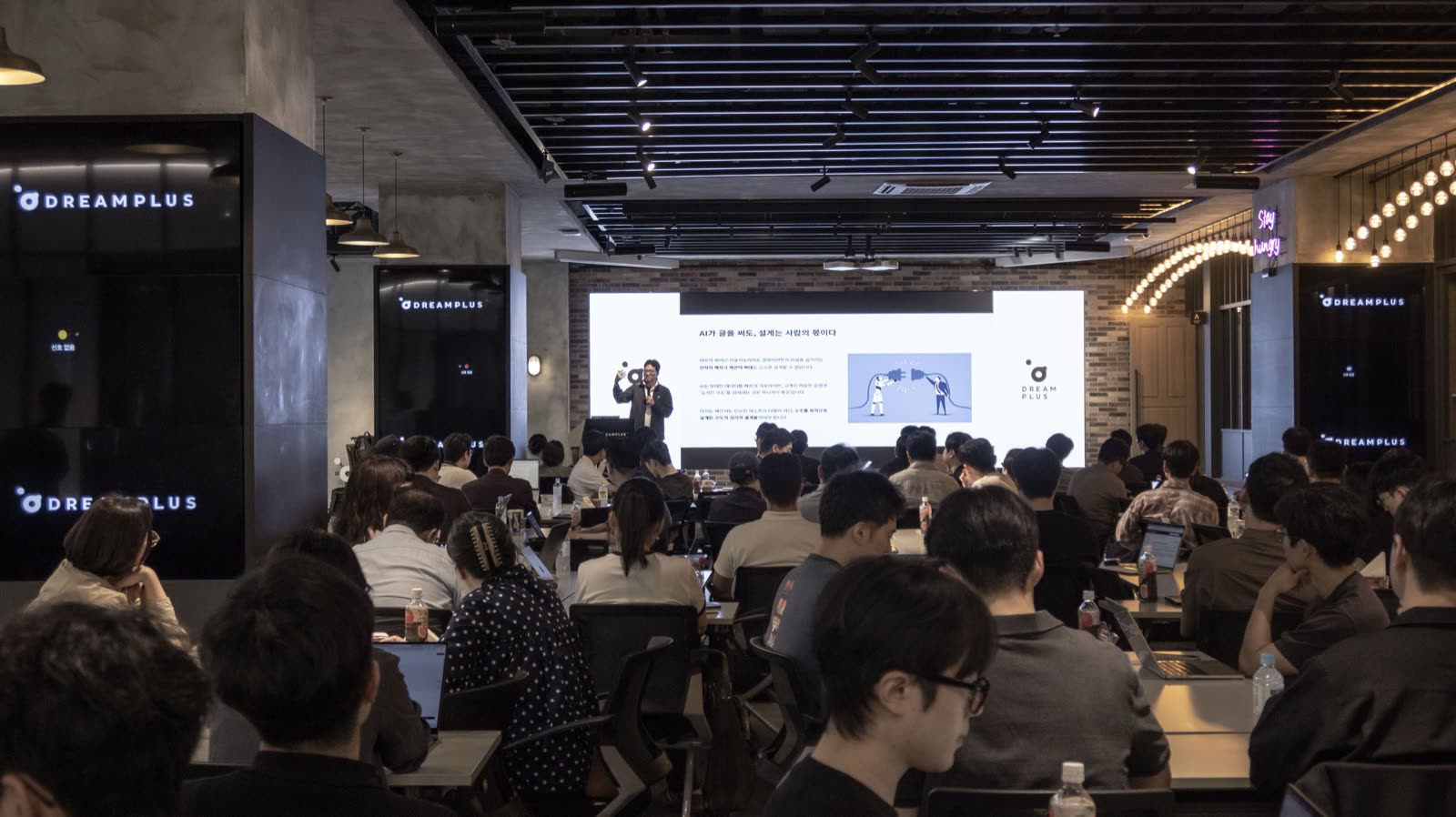
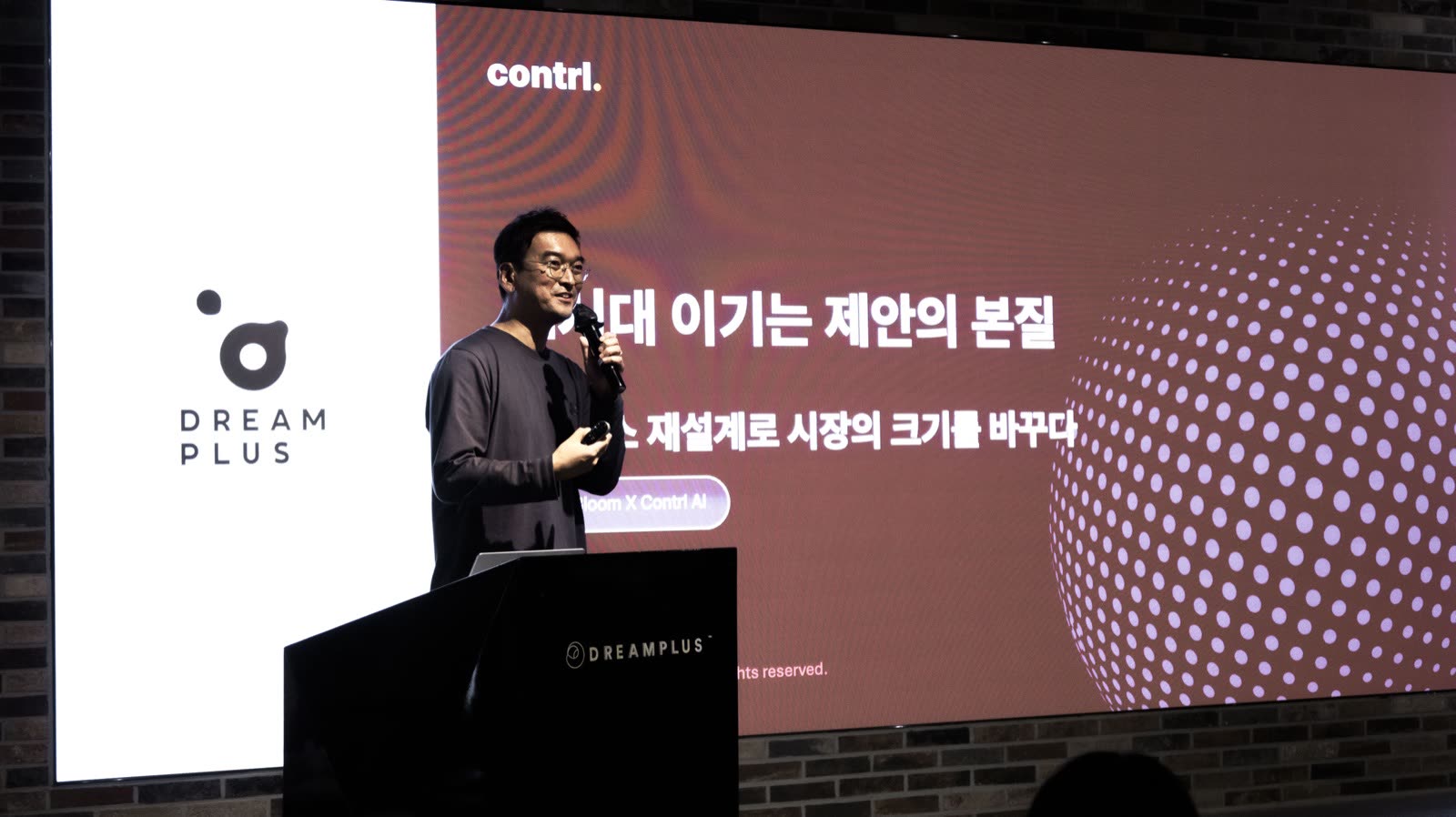
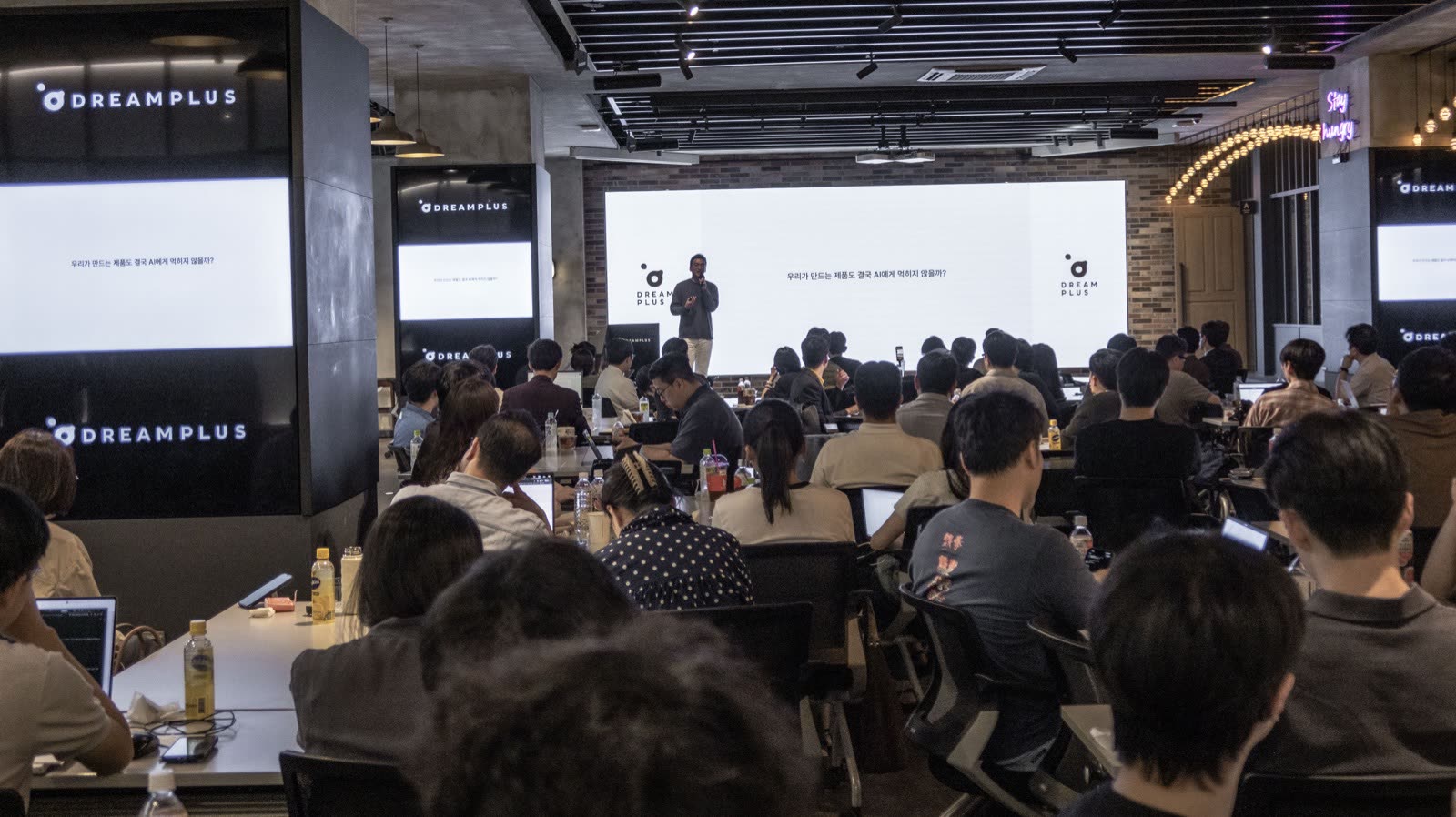
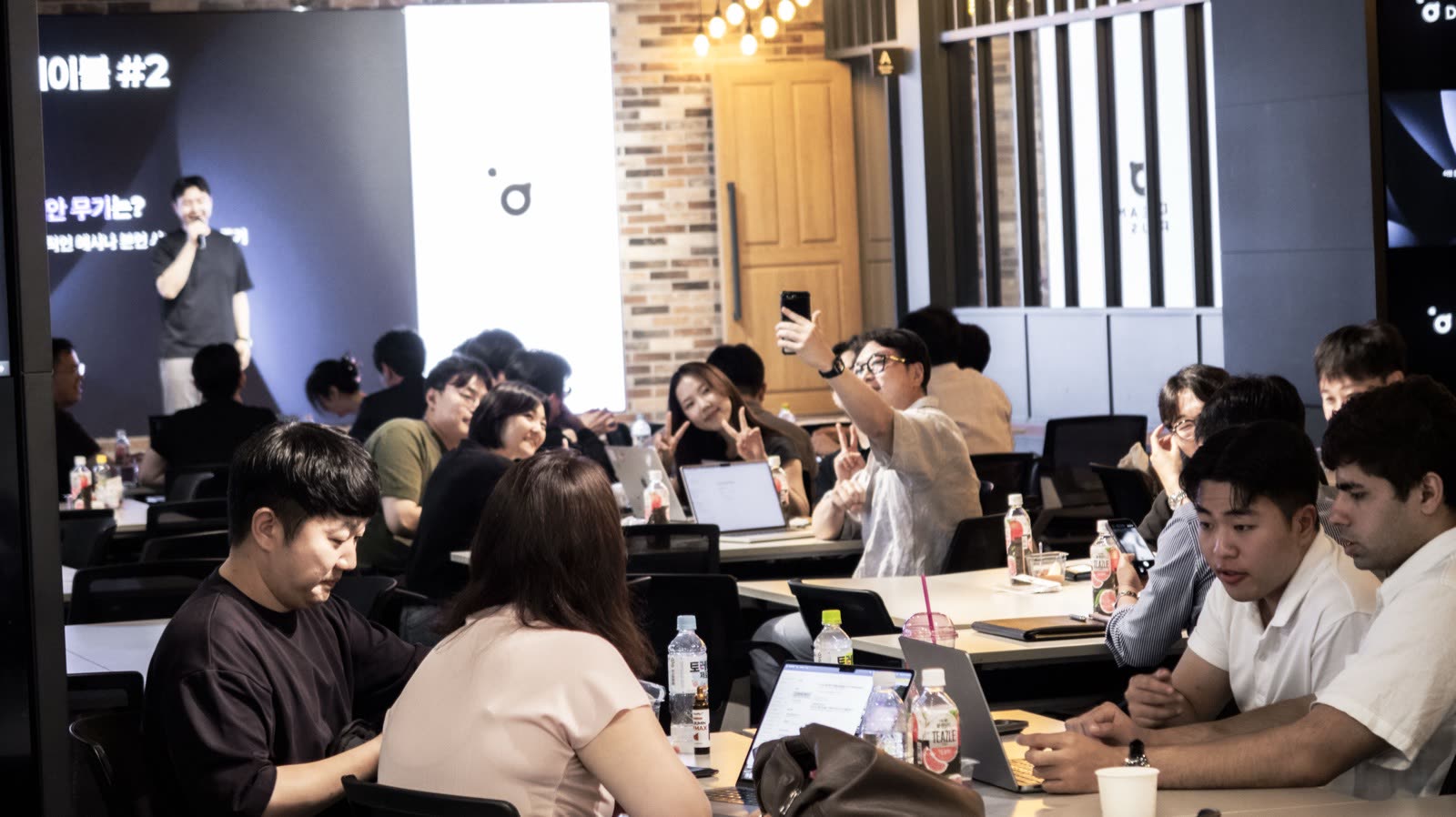
Cliwant CEO Cho Jun-ho led with his conclusion: the essence of a winning proposal does not change in the age of AI; what changes is the complicated process. He said there was a time he feared that his product and he himself would be eaten by AI. So he inverted the question, asking not what business survives AI but what business necessarily grows because of AI, and the answer became visible. His elementary-school-age son makes dozens of games with AI, so using AI well is no longer a differentiator; a professional has to be able to redesign the business itself with it.
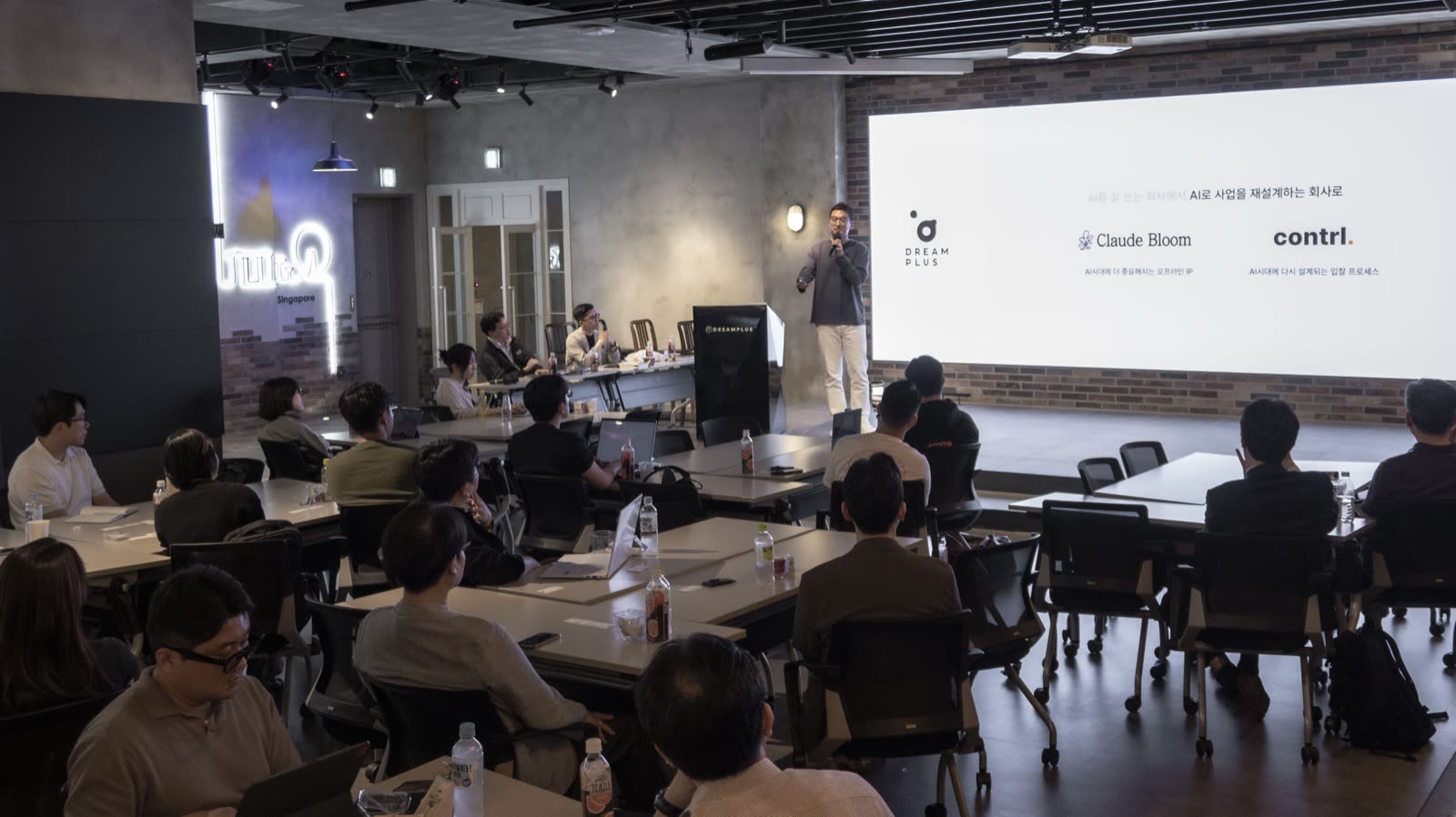
He was candid about the misses. They rolled AI out company-wide early this year and carved out Thursday afternoons for experimentation, and AI skills grew while the company did not. Growth comes from redesigning the business, which he learned the hard way. In that context he introduced Contrl, which supports the entire public bidding process with AI. Having extracted every RFP and statement of work from seven years of bidding data, it produces contact search, bid analysis, hidden needs, and the list of documents to submit all at once.
The heart of it is the sweet spot in proposal strategy: where the customer's needs overlap your strengths and competitors are absent. Anyone can read what is inside the RFP, so building a win theme means bringing in information from outside it. Korea's B2B SaaS market tops out around 2 trillion won; the public bidding market is 200 trillion. Changing direction from selling a tool to entering that 200-trillion market alongside customers changed the size of the pie itself.
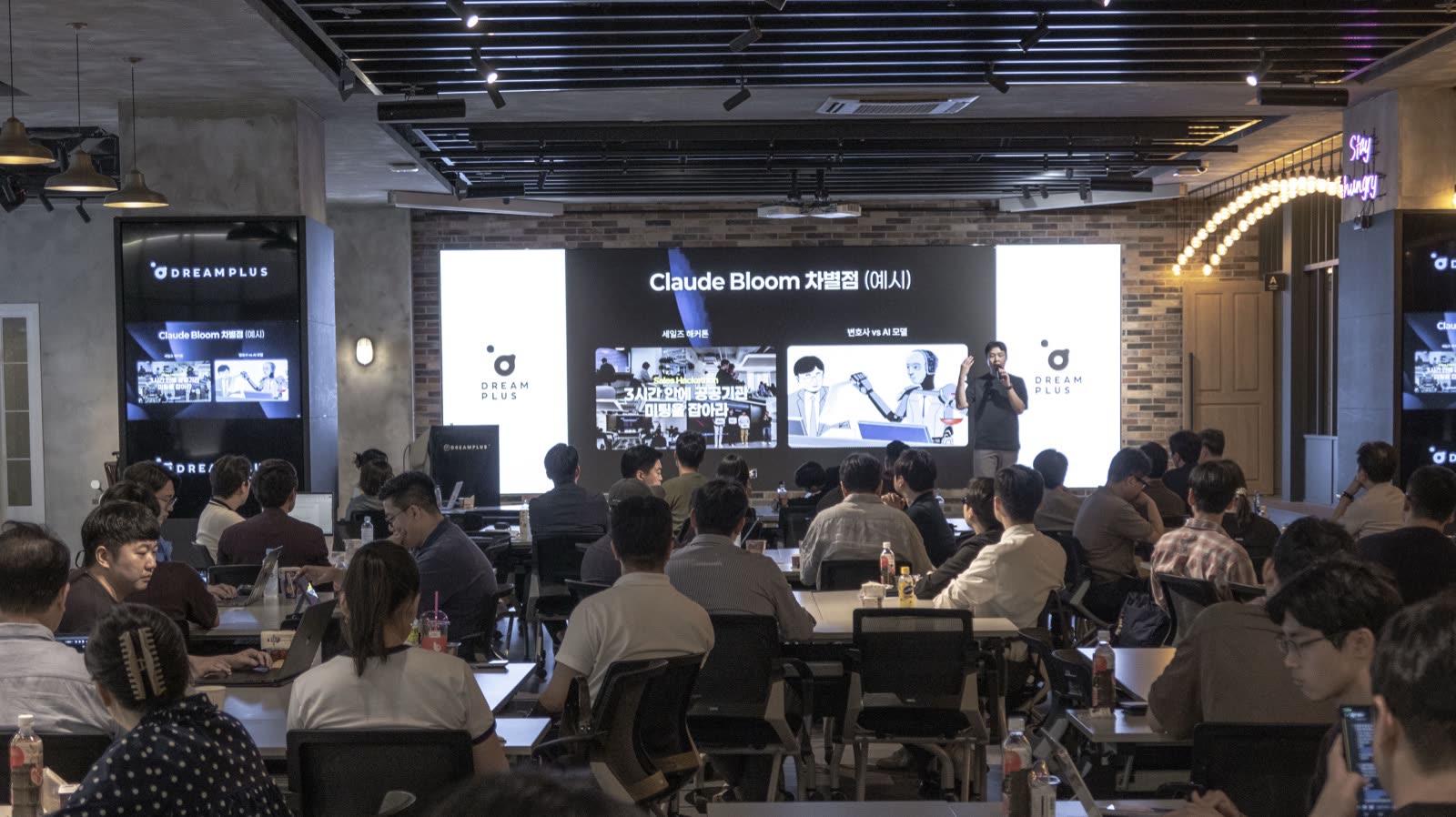
The Singapore case was the most striking. They had the highest bid, and going to the site before the presentation, they found a dead display on a bathroom wall. They photographed it and said we will connect this for you, and the customer was moved enough to choose the most expensive option. That was the last one percent AI cannot produce.
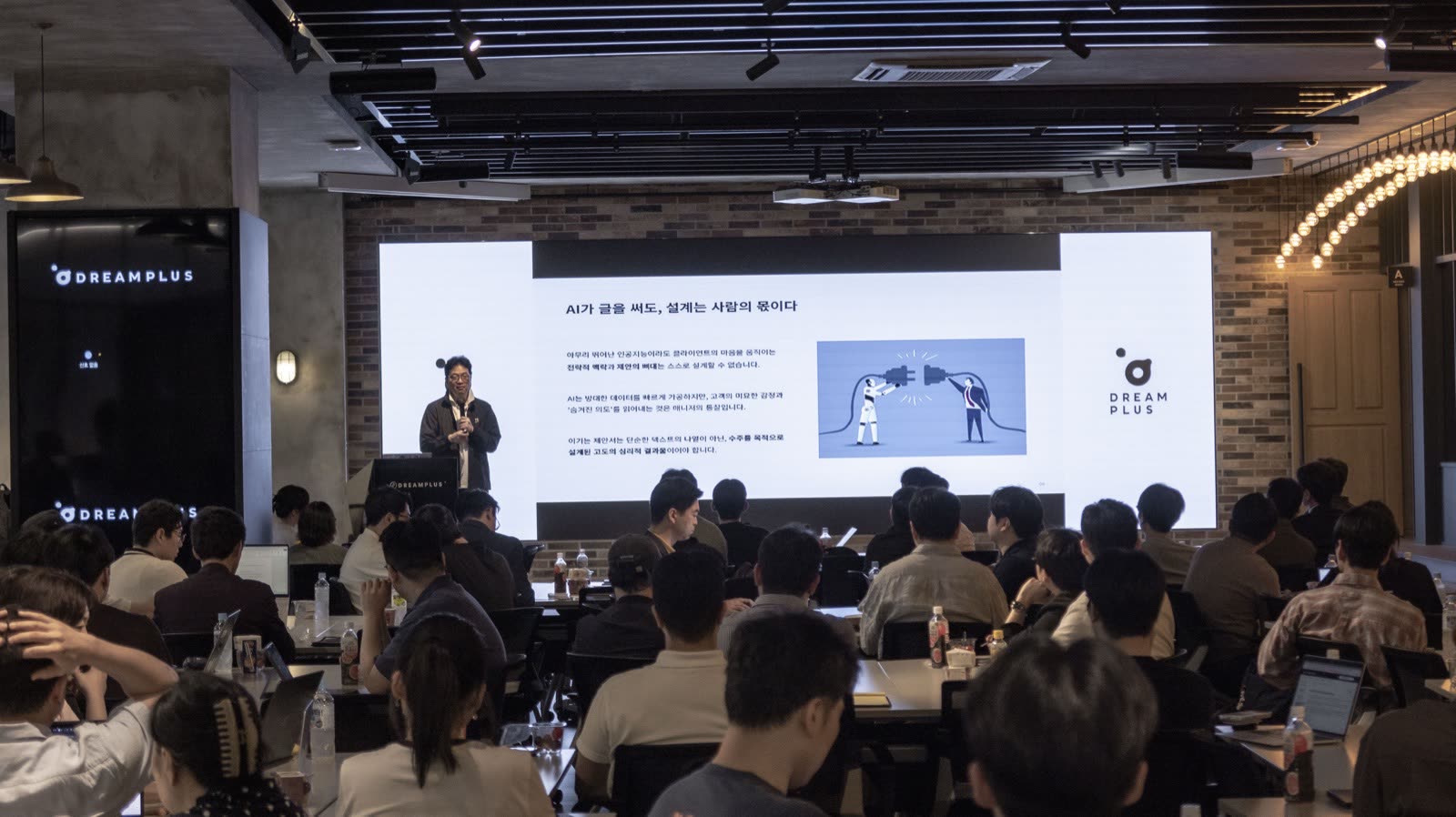
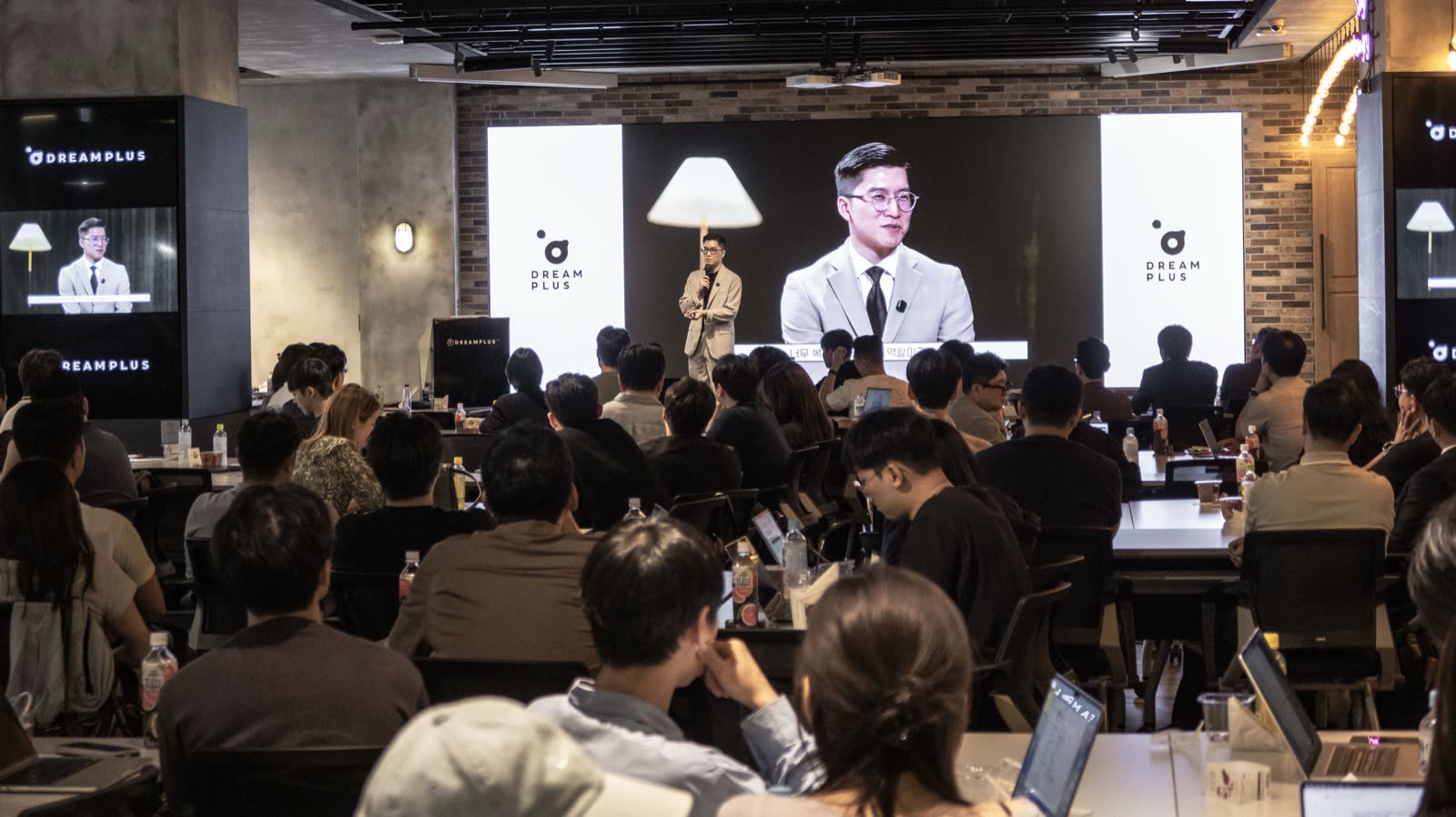
Yoon Sang-myung of LG Uplus introduced himself as a national team presenter. He is the author of two bestsellers and, after 33 years living outside Seoul, someone who learned the Seoul accent from scratch, living proof that presenting is not something you are born with. His line was trash in, jewel out: give the same information to different people and what comes out is human territory.
A teammate asks AI once during a meeting and the world's information arrives, so a leader cannot hand down every answer, which makes presenting in person more important, not less. Professors are replacing written reports with presentations for assessment, and cover letters have leveled up through AI while more candidates fail to match that level in interviews. Responsibility also sits with people. Autonomous driving is technically complete and slow to commercialize because of where accident liability lands, and a document written by AI is no different.
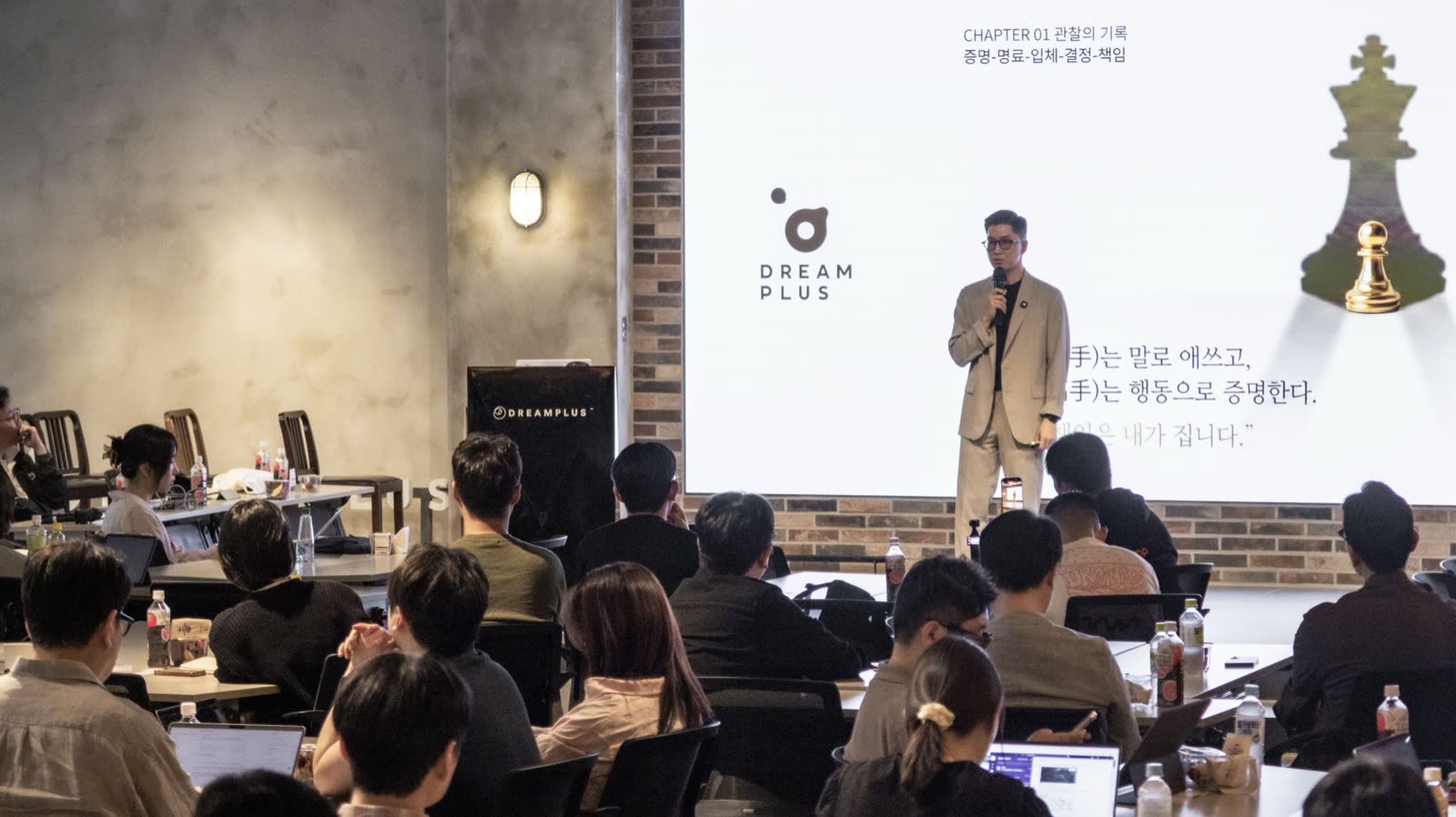
He named what only humans do: the atmosphere you change with a few seconds of silence during a presentation, and the nonverbal work of gesture and eye contact. Humans are the only animal whose sclera is visible from the front, so where you are looking is itself social awareness. Persuasion has formulas. OREO is a logic-persuasion structure validated at Harvard, and STAR works for unpacking a situation structurally; structure decides how well something lands, more than content does. He turned VUCA back into human language too: vision, understanding, clarity, agile. As a last weapon he named humor, saying humor is humanity, and that the more AI there is, the more an analog human touch like handwriting is worth.
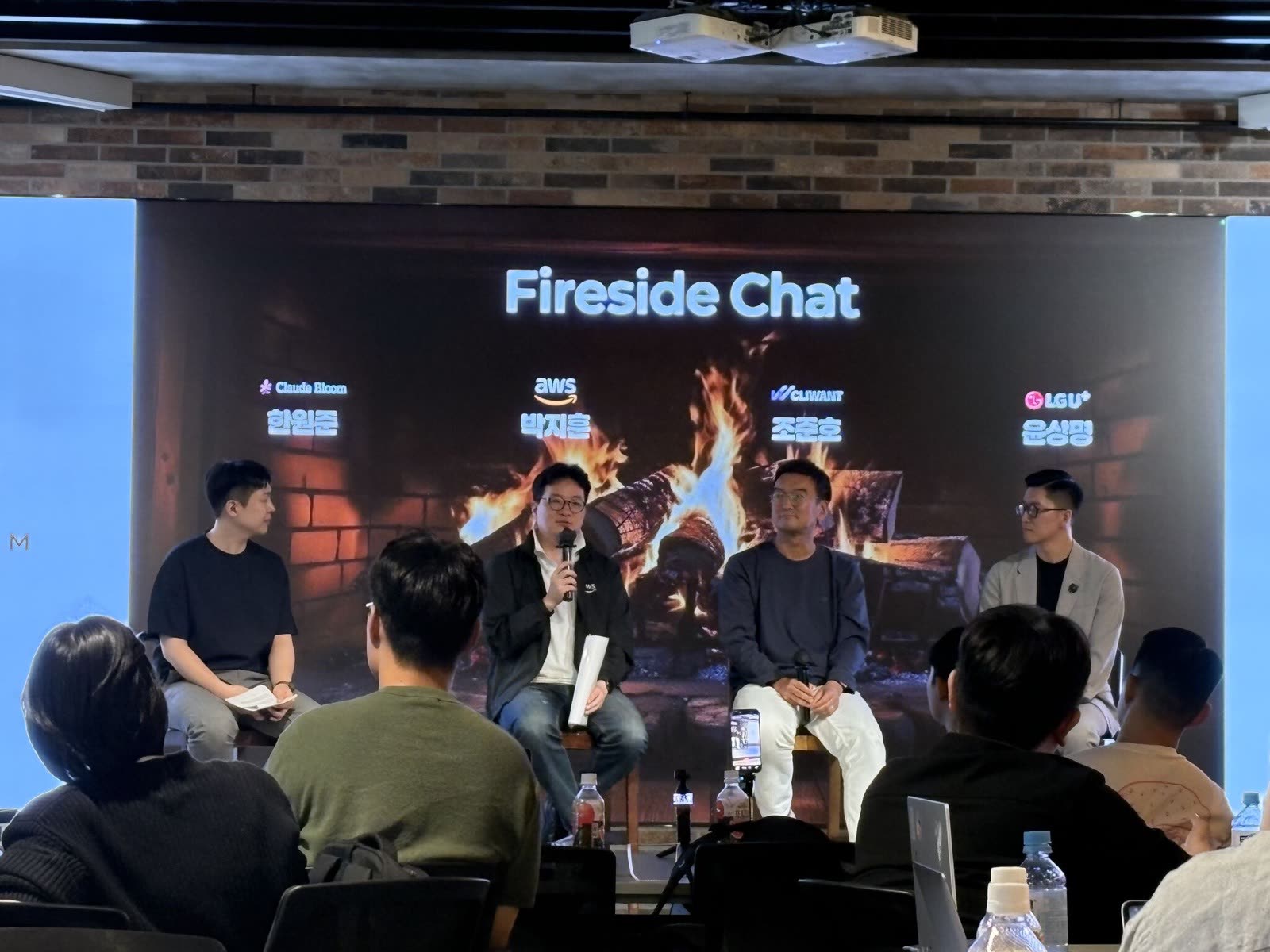
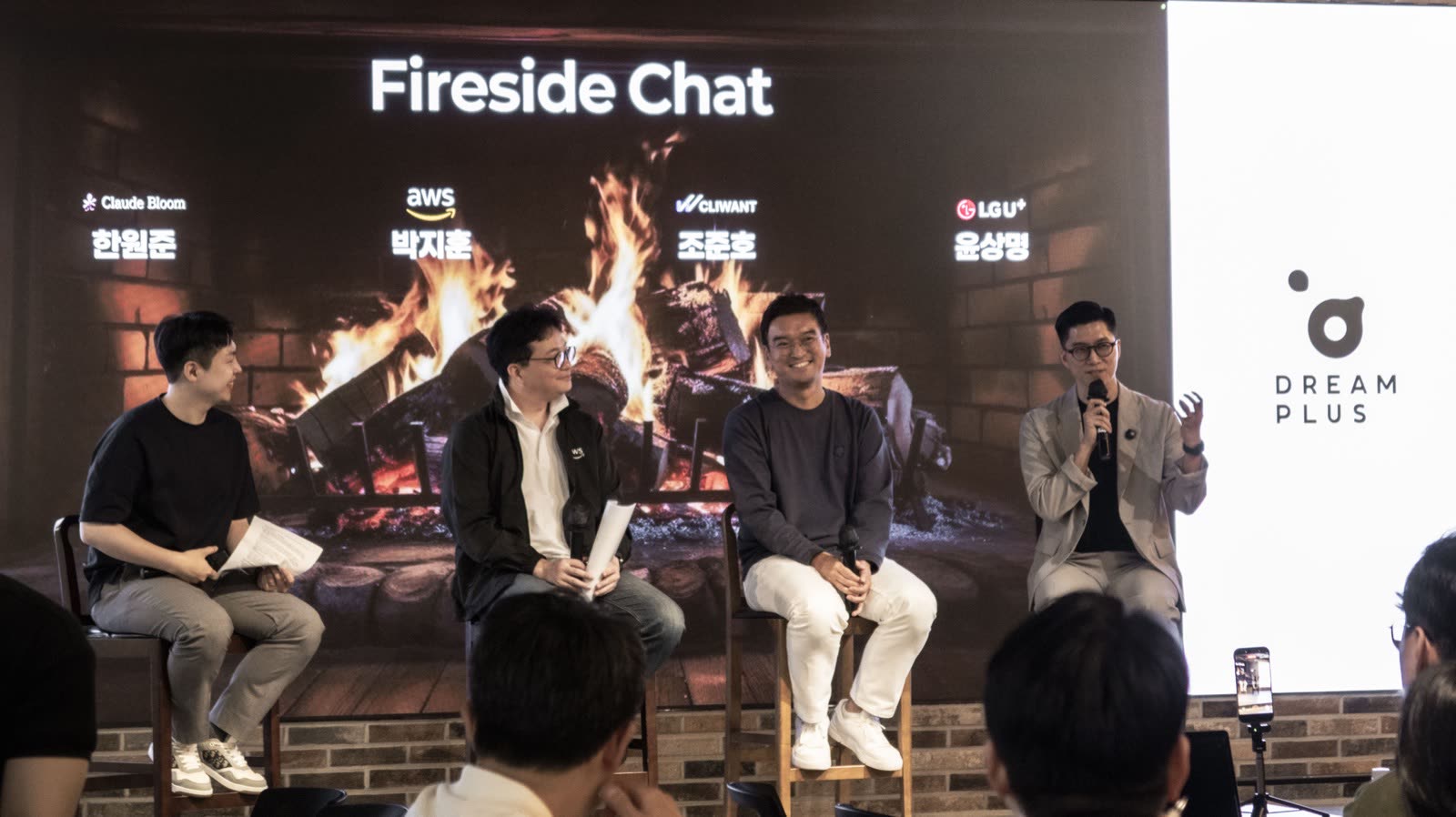
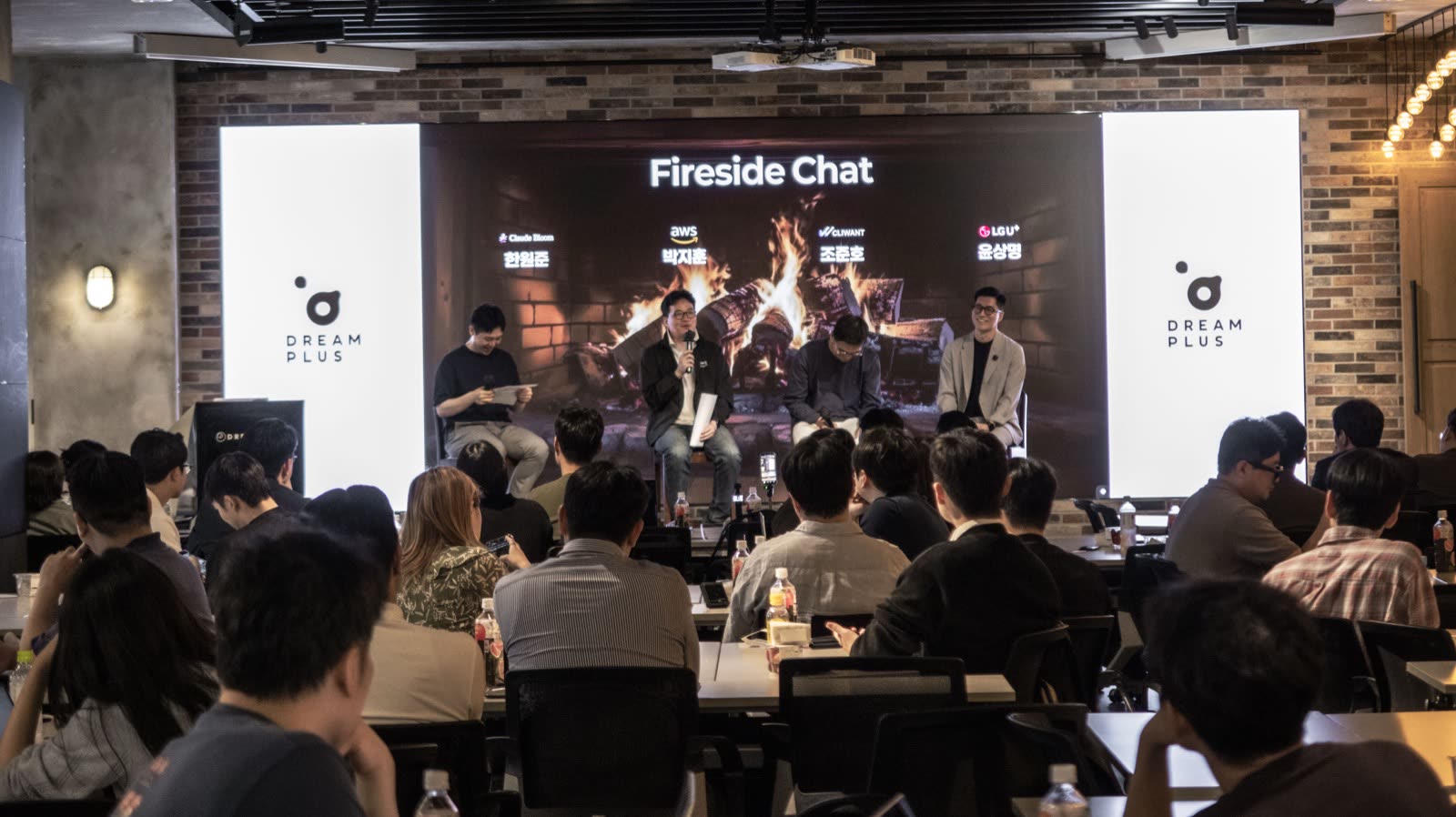
The fireside with all three speakers turned practical. Asked how to find hot buttons, Yoon said look at the customer's customer. If you are proposing to Shinhan Bank, you have to talk all the way through to how satisfied Shinhan's customers will be, and that language is already in the client's own website: mid-to-long-term strategy reports, IR materials, executive interviews. In the public sector the language shifts to public benefit and resident satisfaction.
Differences in bidding culture came up. Korea submits slide decks and gets judged by presentation. Australia and Singapore submit spreadsheets, and most of the hundred-plus questions are specific technical and security items. AI keeps the language barrier from being much of a problem, and ways of working differ by country, so understand how people work before worrying about language.
Tacit knowledge came up too. Cho said he still gets calls from his old employer three years after leaving, asking where a certain proposal is. Files survive and context disappears, so the knowledge base has to hold the context of the process, not only the deliverables. Hidden needs are only knowable by meeting the customer beforehand, and AI does not do that for you; it finds who to meet and what to ask.
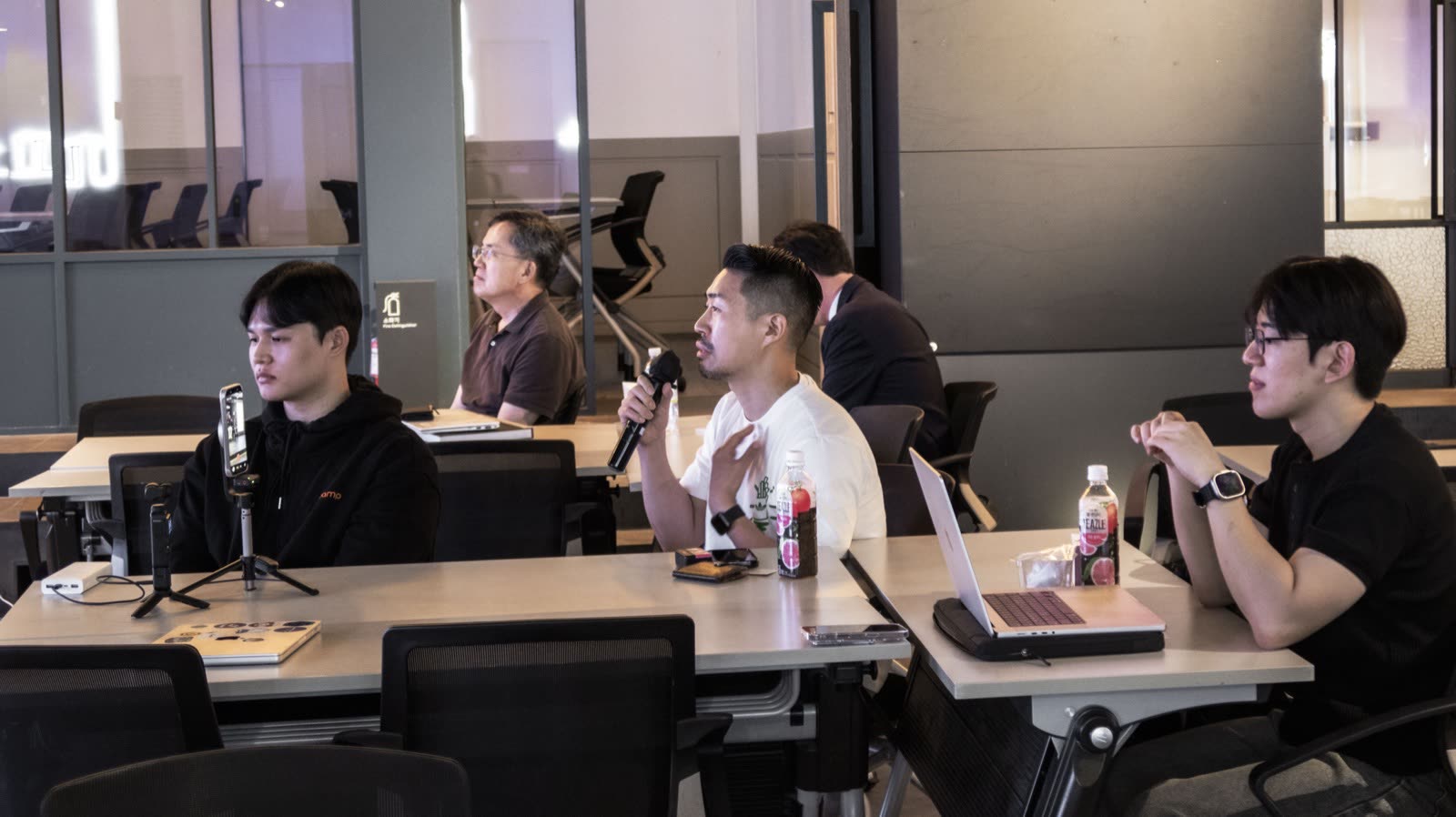
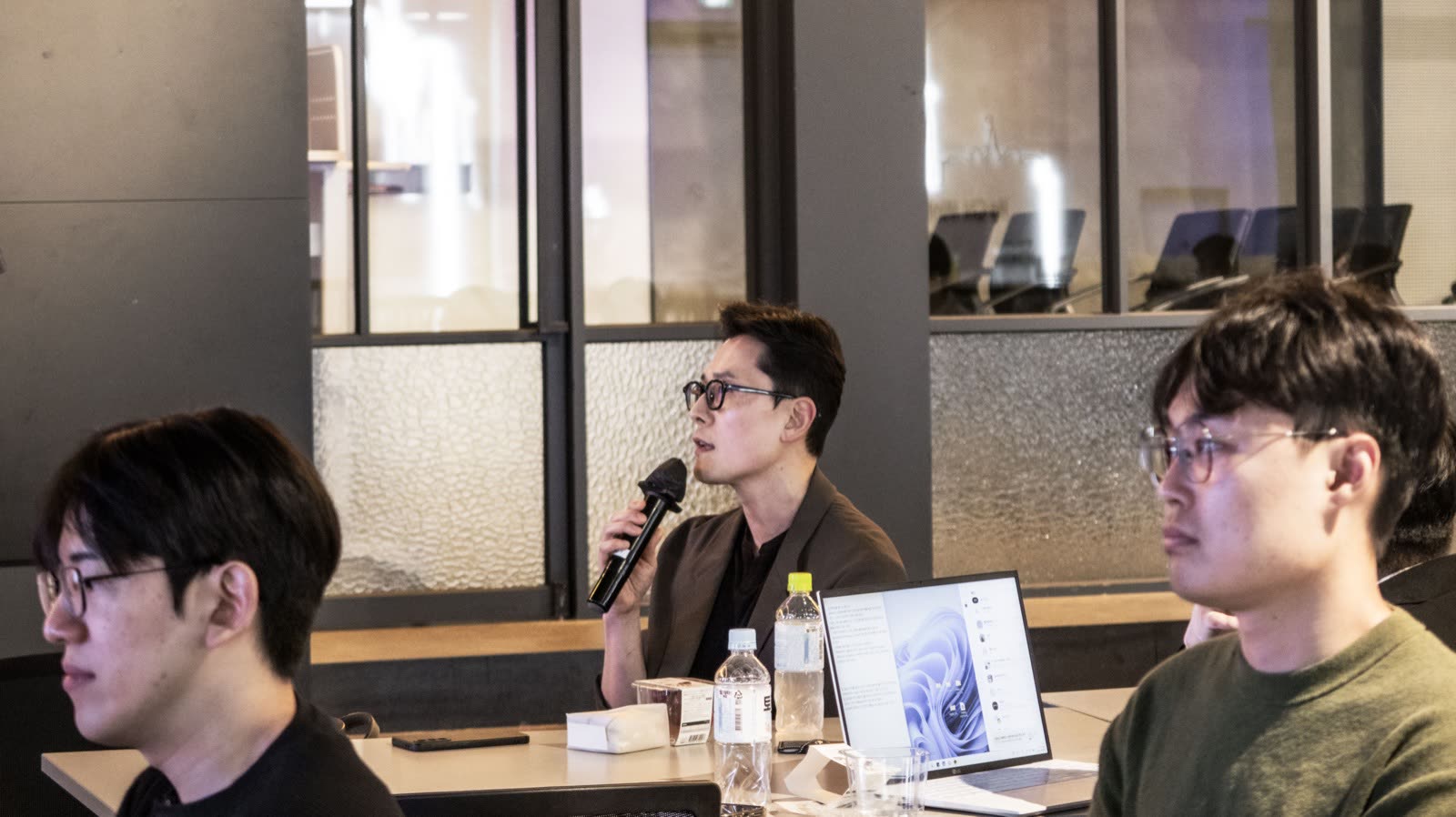
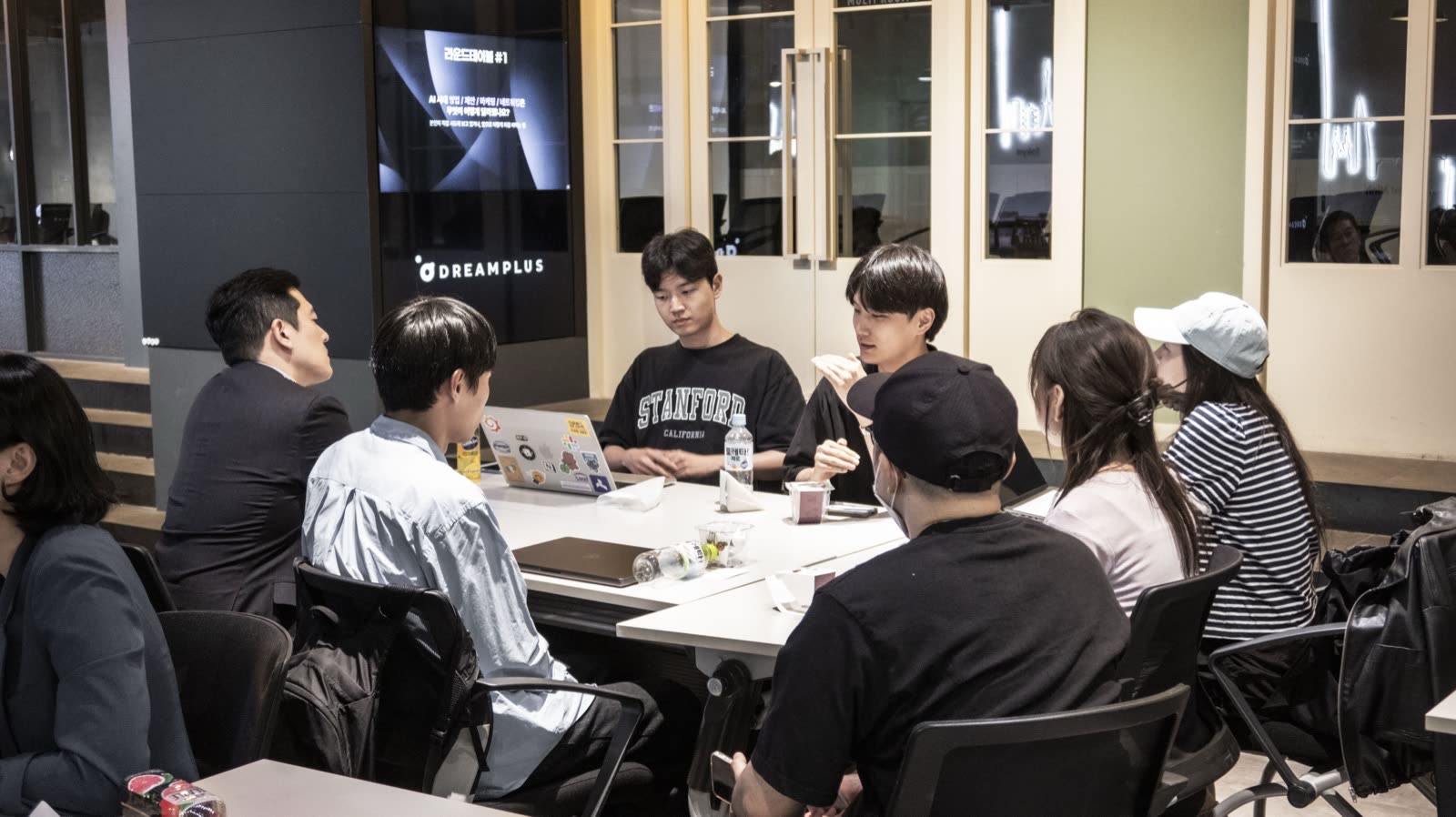
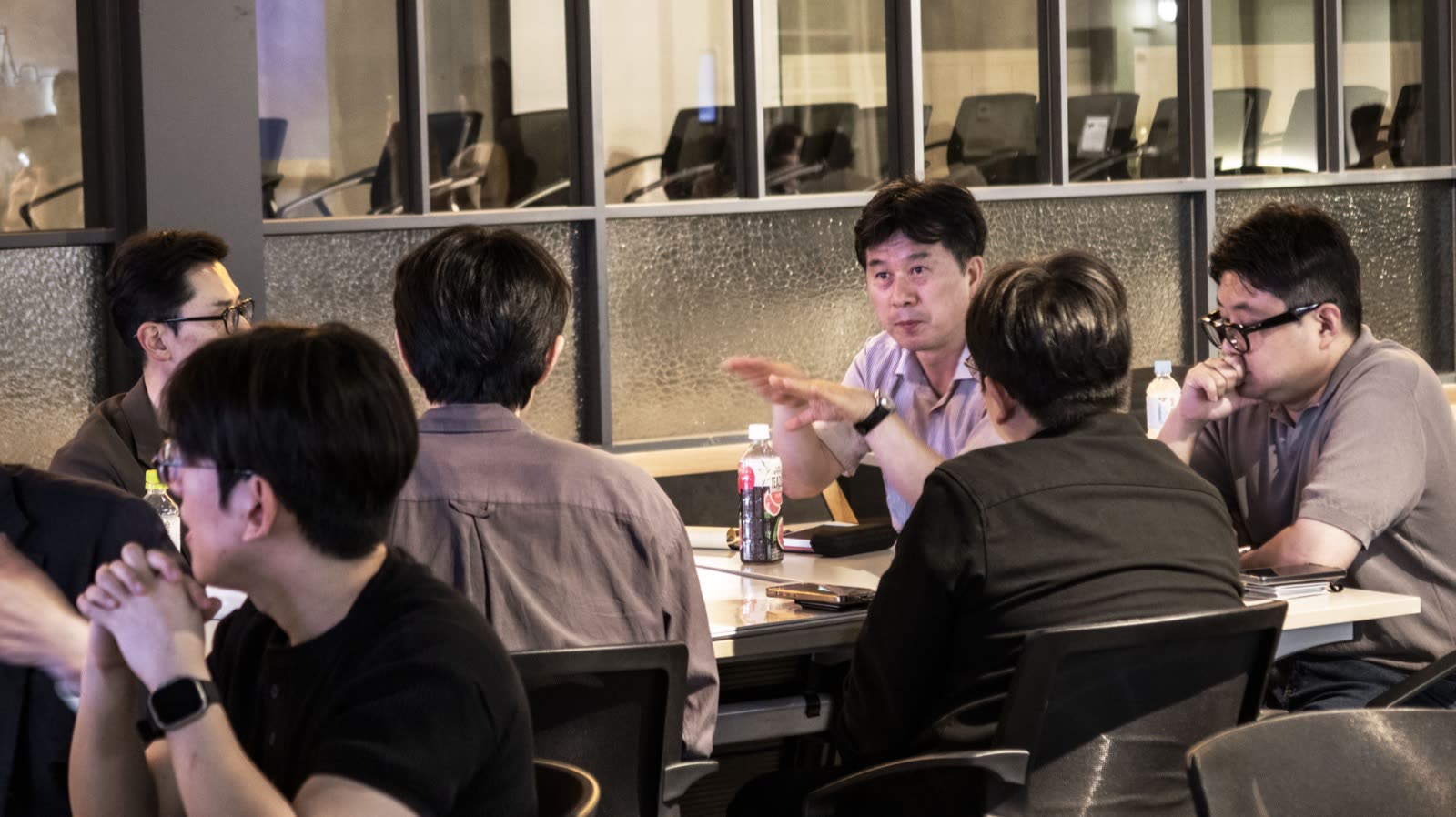
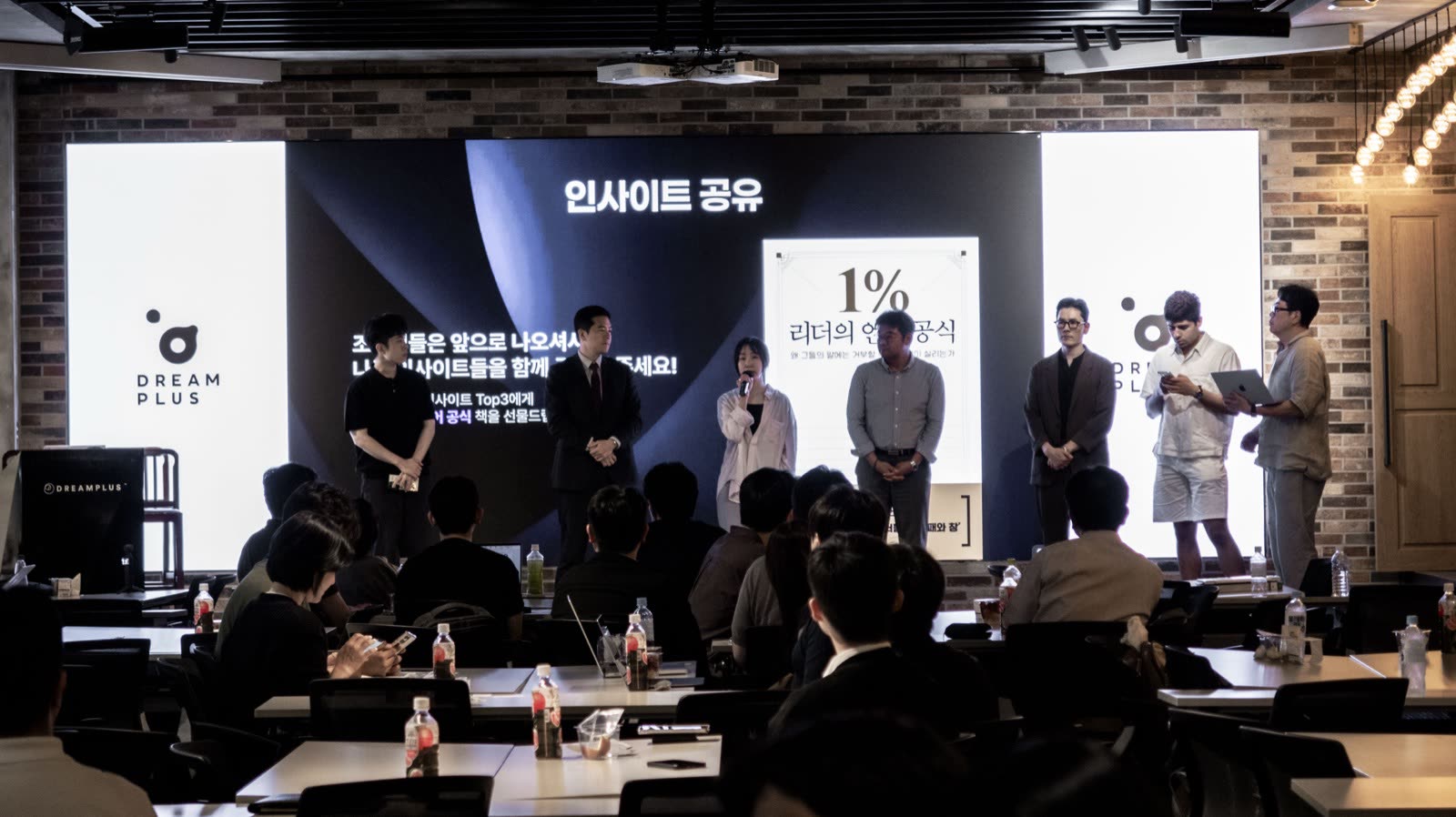
Ten tables discussed how they are doing sales and proposals differently in the age of AI. What came up in common was that AI produces a 70-point proposal and the last 30 points belong to a person. How much the presenter is dissolved into the proposal decides the outcome, the reviewer's capability matters more than before, and someone noted a structural change: with AI, junior people can sell like senior people. The last presenter's line closed the night. Nobody can claim a definitive method for bidding and winning, so perhaps those of us studying this late are the ones who cannot be replaced.
Read the full write-upEvent video
Gallery








Next event