Ambition for Korea x Anthropic
What was discussed
We put this on because Bloom has grown up alongside Claude from the start. Our first event, with Claude Community in April, drew 2,100 sign-ups in three days, and since then 8,000 people have come to more than 40 events. When we sat down with Yeop Lee at Anthropic to talk freely about what to do together, the phrase that came out was Ambition for Korea. Anthropic had opened a Seoul office in June, and once we agreed on a first one-day hackathon, the Seoul Metropolitan Government, Seoul AI Hub and six VCs signed on one after another.
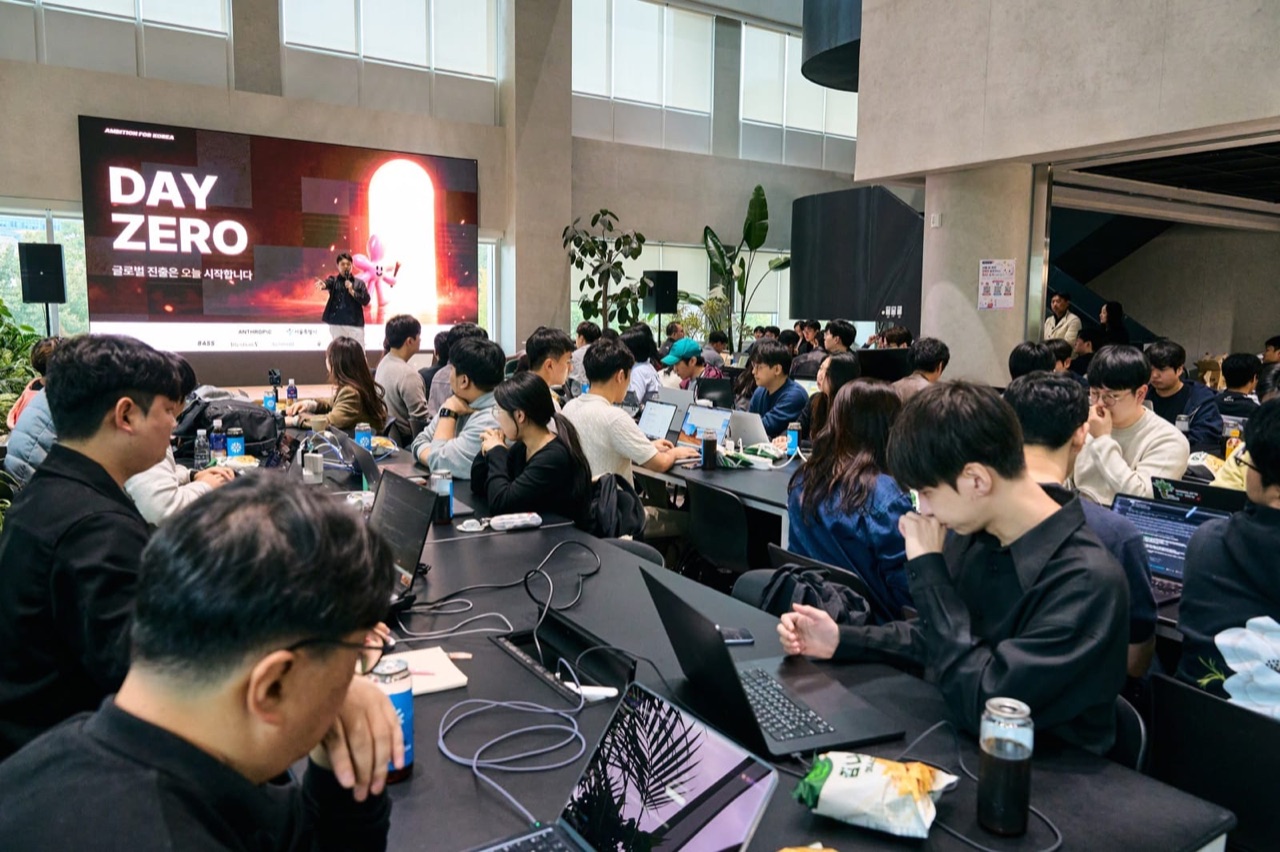
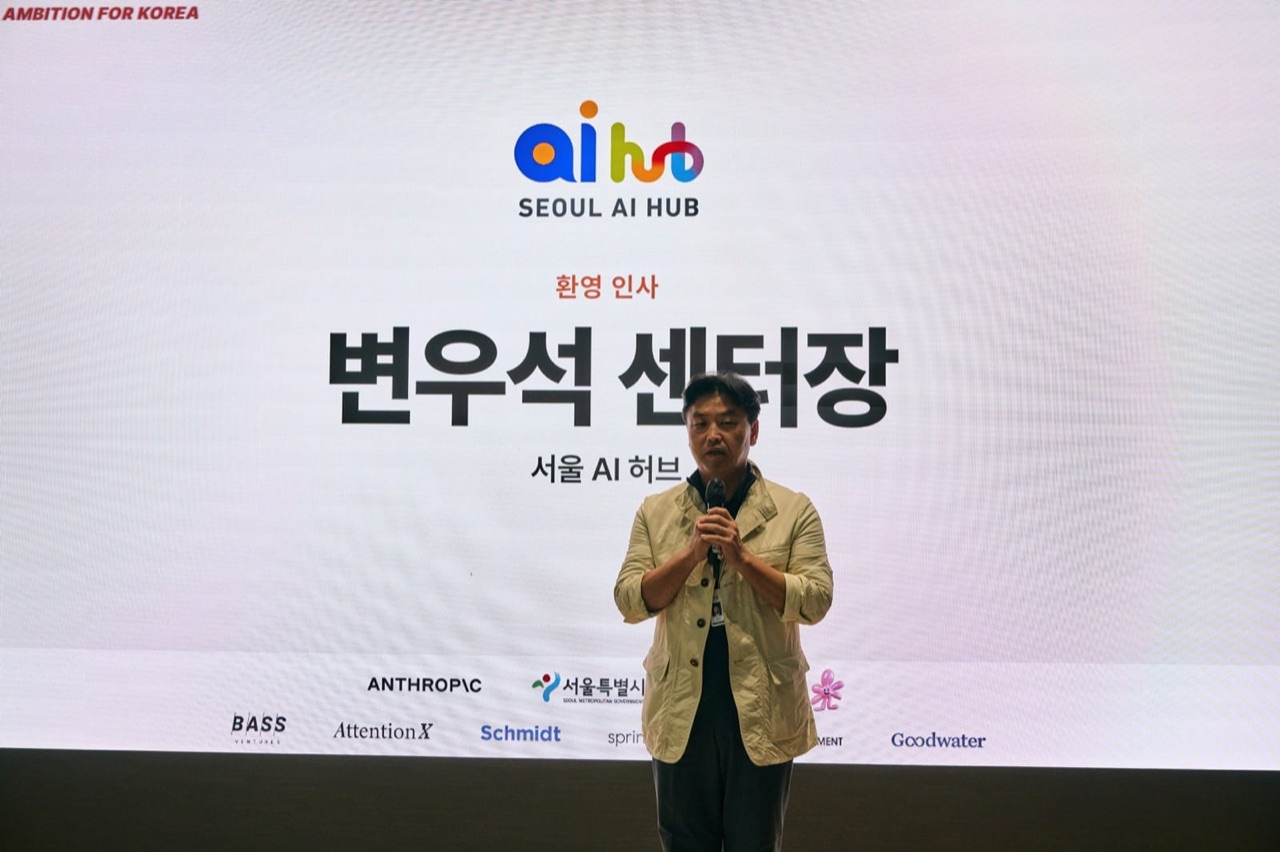
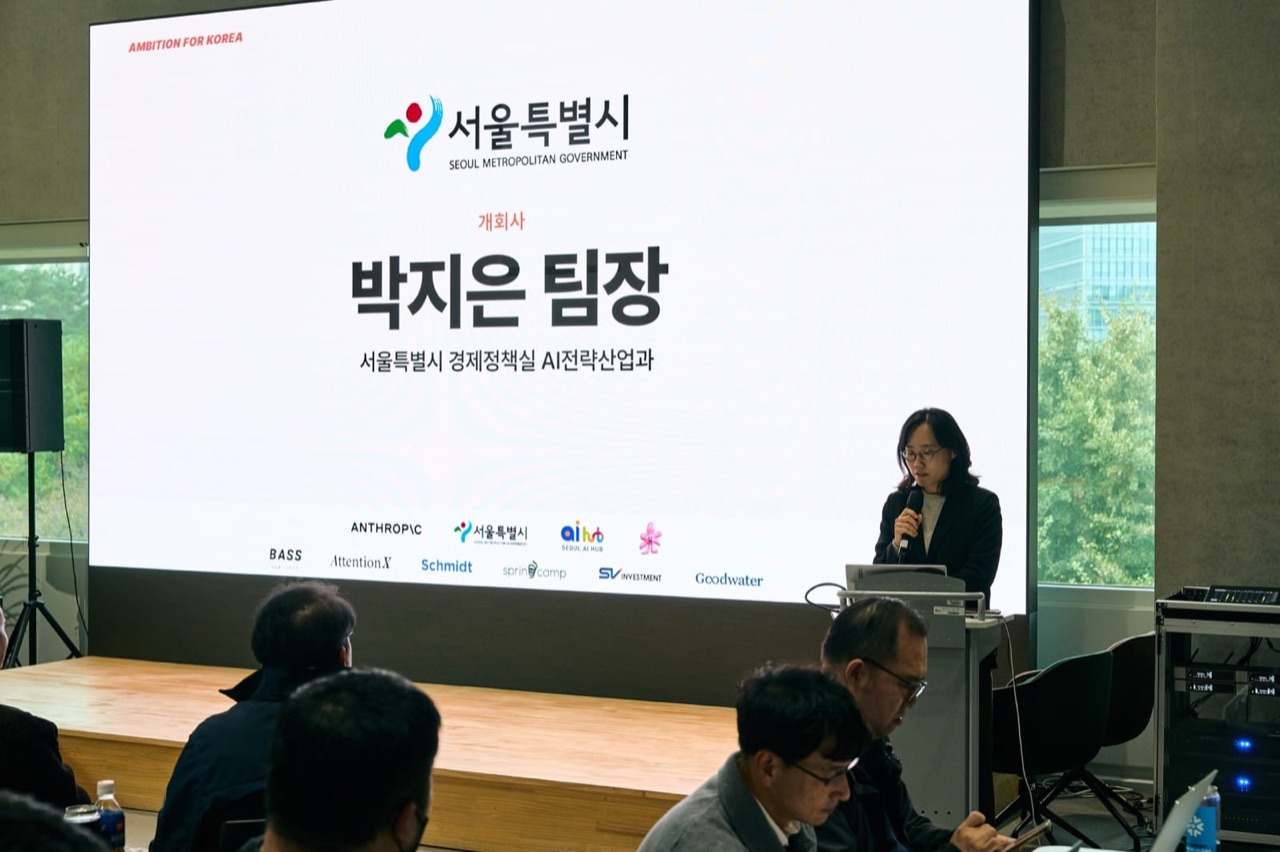
Going global has turned into a cliché, and everyone knows how hard it really is. So at the opening we called the day Day Zero and asked people to take a serious shot at it, even if only for one day. Korea is a fairly big market, and that can be a trap. For this one day the idea was to drop the usual order of proving things at home first, and plan the business for an overseas market from the start. Wooseok Byeon, director of Seoul AI Hub, said he hoped the day's small attempts would become a first step toward starting companies and going global. Jieun Park of the Seoul Metropolitan Government shared that Tortoise Media's first city-level ranking of AI capability had put Seoul third in the world, where Korea had placed fifth as a country, and credited the people who'd come out on a Saturday.
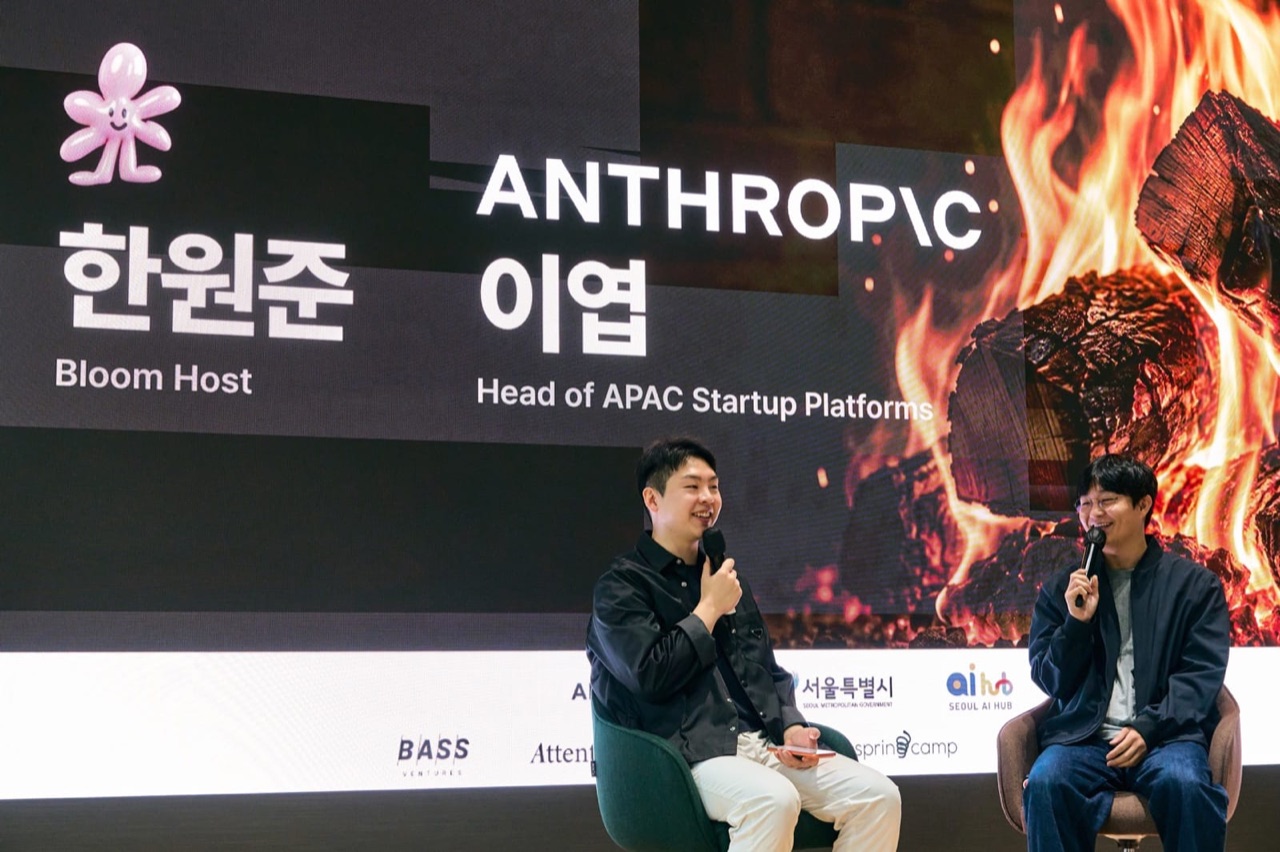
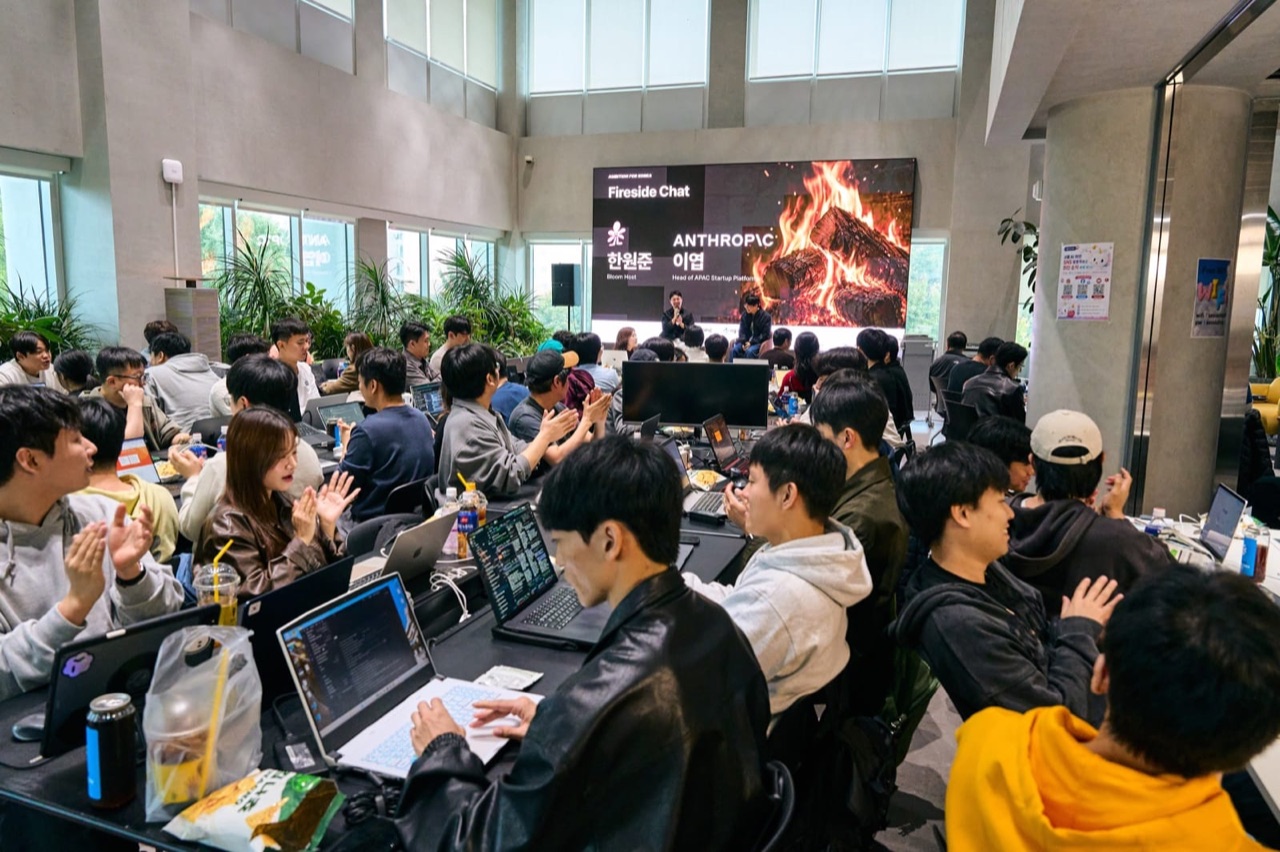
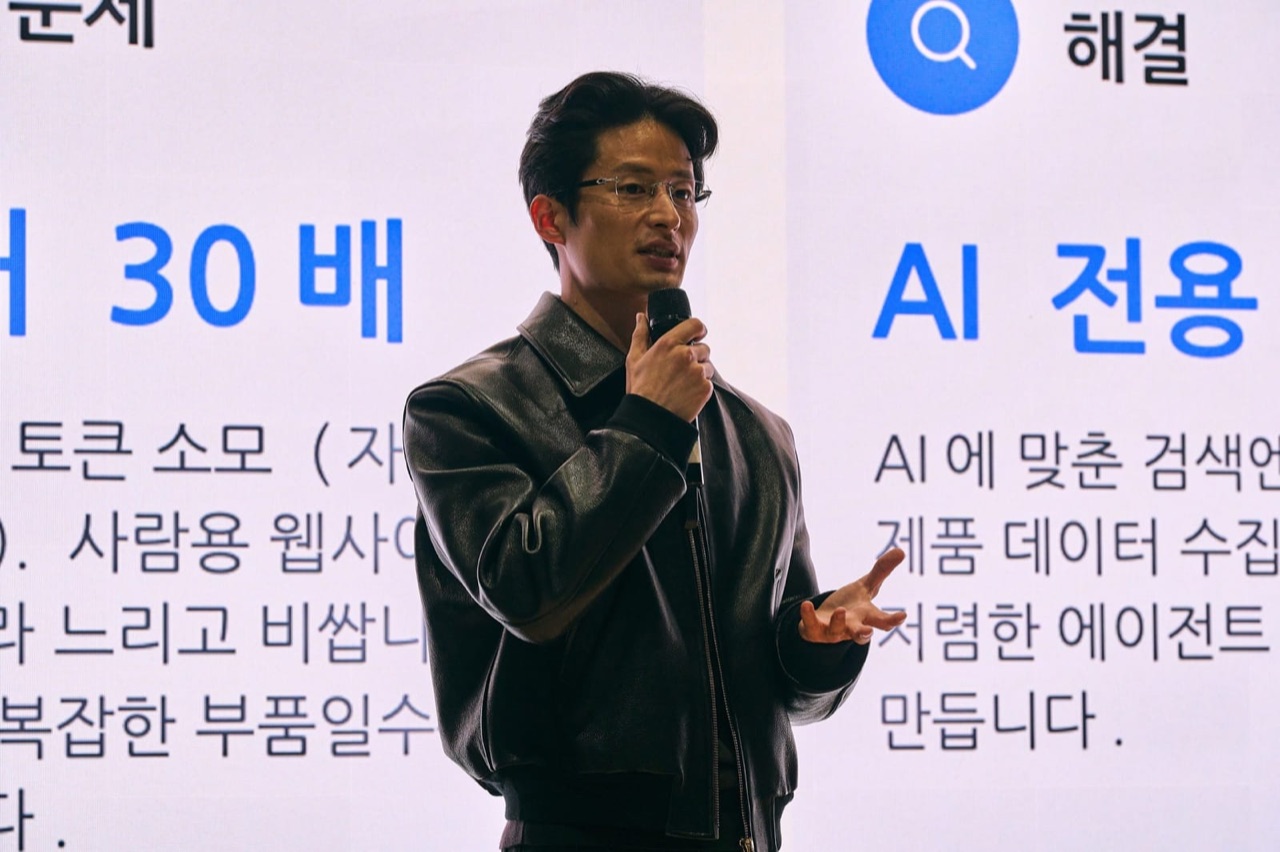
The fireside guest was Yeop Lee, Head of APAC Startup Platforms at Anthropic. Per capita, Claude usage in Korea runs about four times the global average, which is a big part of why Yeop sees Korea as an important market. The trait Yeop picked out in Korean teams was the habit of testing at home before going global, a strength that could use some work. Asked what matters more than tech and credits, Yeop said go-to-market. Building has gotten so easy that the most common failure is answering a weak launch by building more features without much strategy, so the advice was to keep checking that you're really testing your hypotheses, and to test them faster. The chat ended with a surprise: every team that made the finals would get another $5,000 in Claude credits.
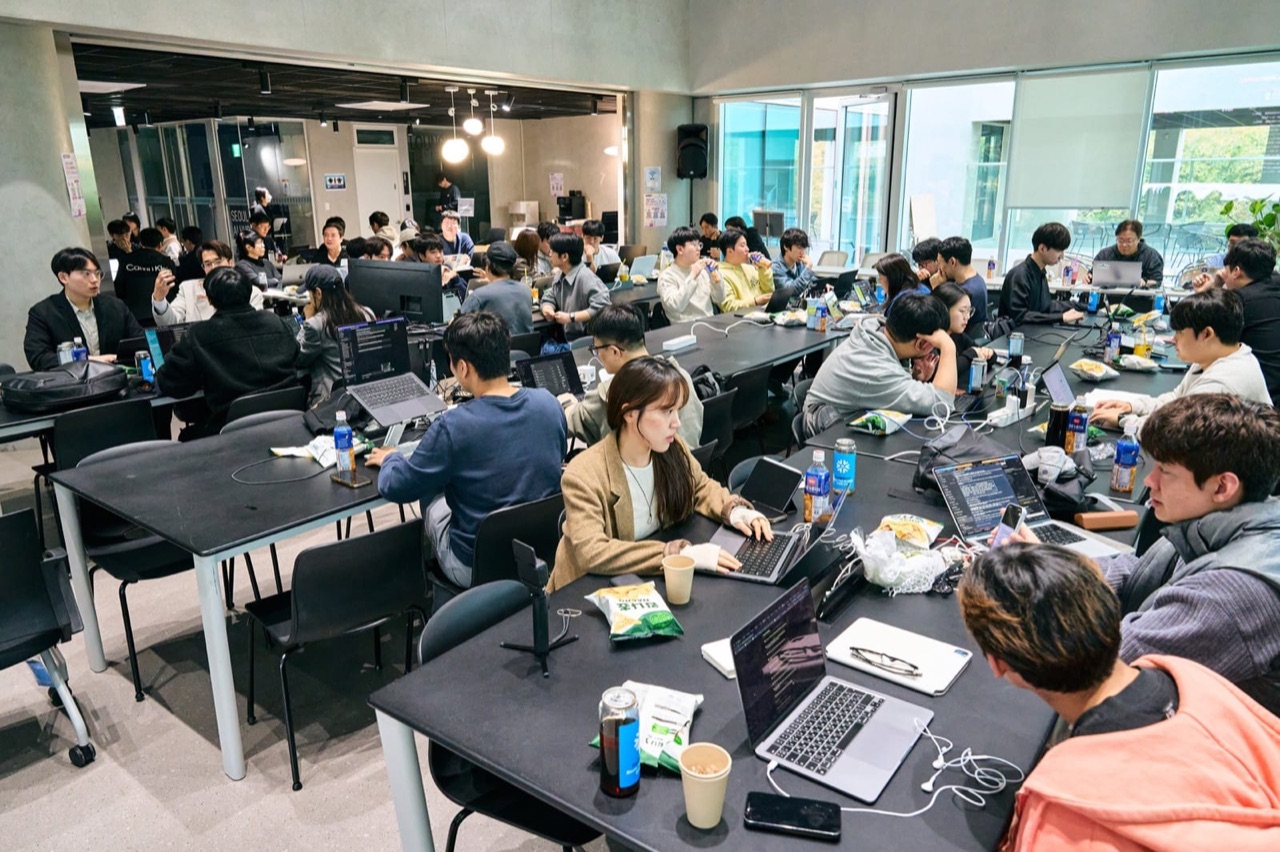
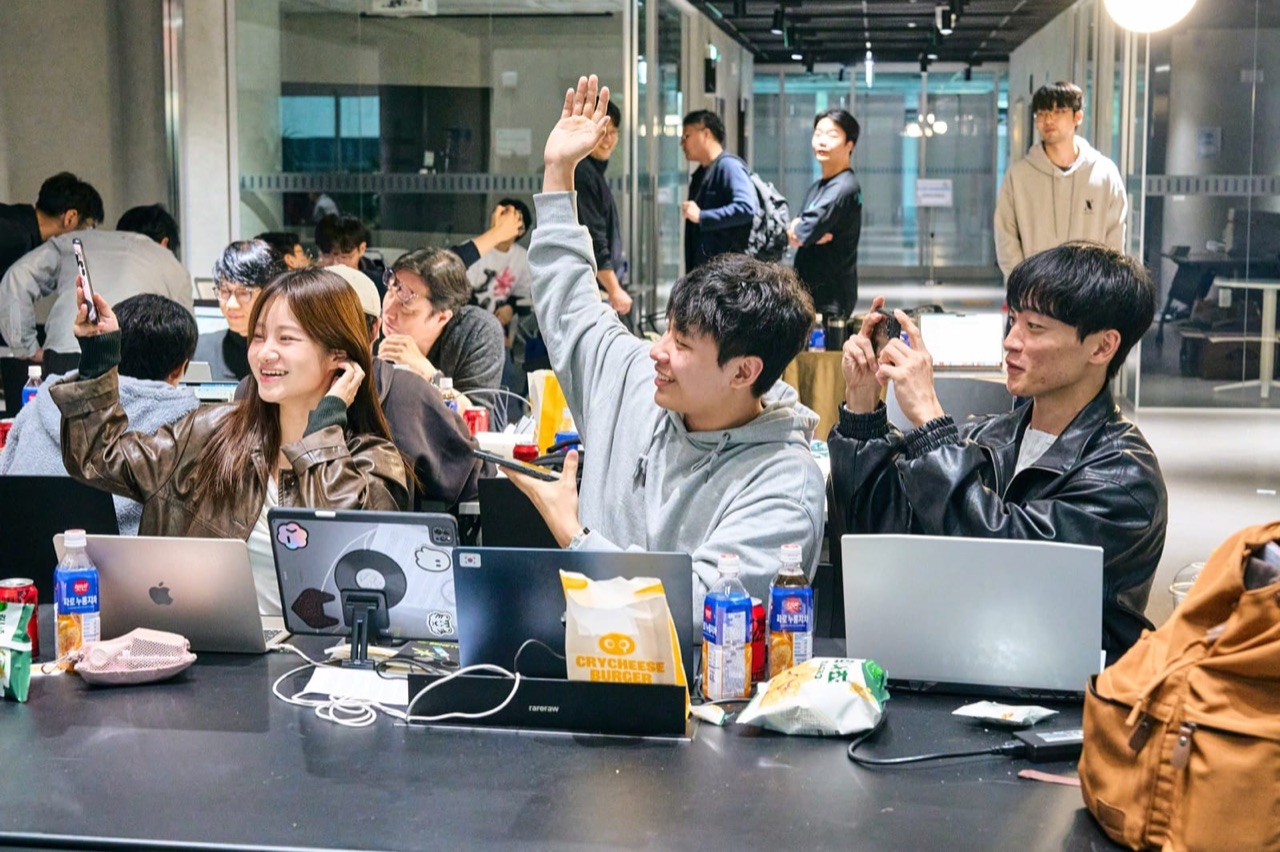
We went through the GitHub, LinkedIn and application of all 960 applicants and invited 105. They formed 41 teams of two to four, and two-person teams were the most common at 24. Everyone competed on the same footing, with $500 in Claude credits per person and nothing more, and core AI functions like judgment and generation had to run on Claude. Code could only go into a new public repo created after 10 a.m. The site read every repo's commits every few minutes and flagged a first commit made before 10:00, or a huge first commit, on the VCs' judging screens. Of the 36 teams that submitted, four got the first flag and three the second. Nobody was cut automatically. Opening the history and making the call was up to the VCs.
Building ran from 10 a.m. to 5 p.m., and each team could submit exactly once. As entries came in, the six VCs tried each demo themselves, read the deck and pressed PASS or FAIL on one question: do I want a follow-up meeting with this team? Whichever side reached three votes first decided it. The hackathon ended the moment all eight finals slots filled, so submitting early meant you might go out underprepared, and waiting meant there might be no seat left. That's why we warned at the opening that it could all be over by 3. The evening pitches would be three minutes in English, followed by seven minutes of Q&A in Korean.
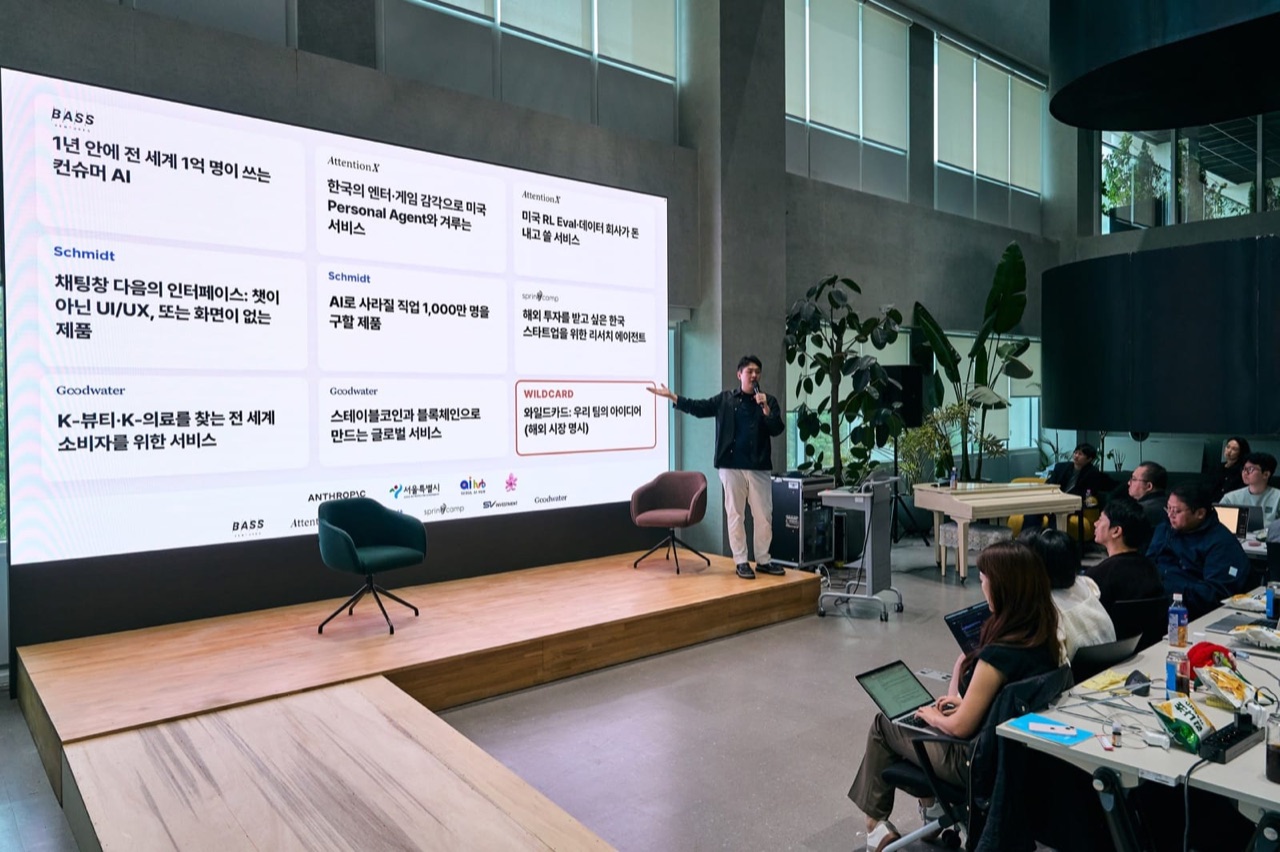
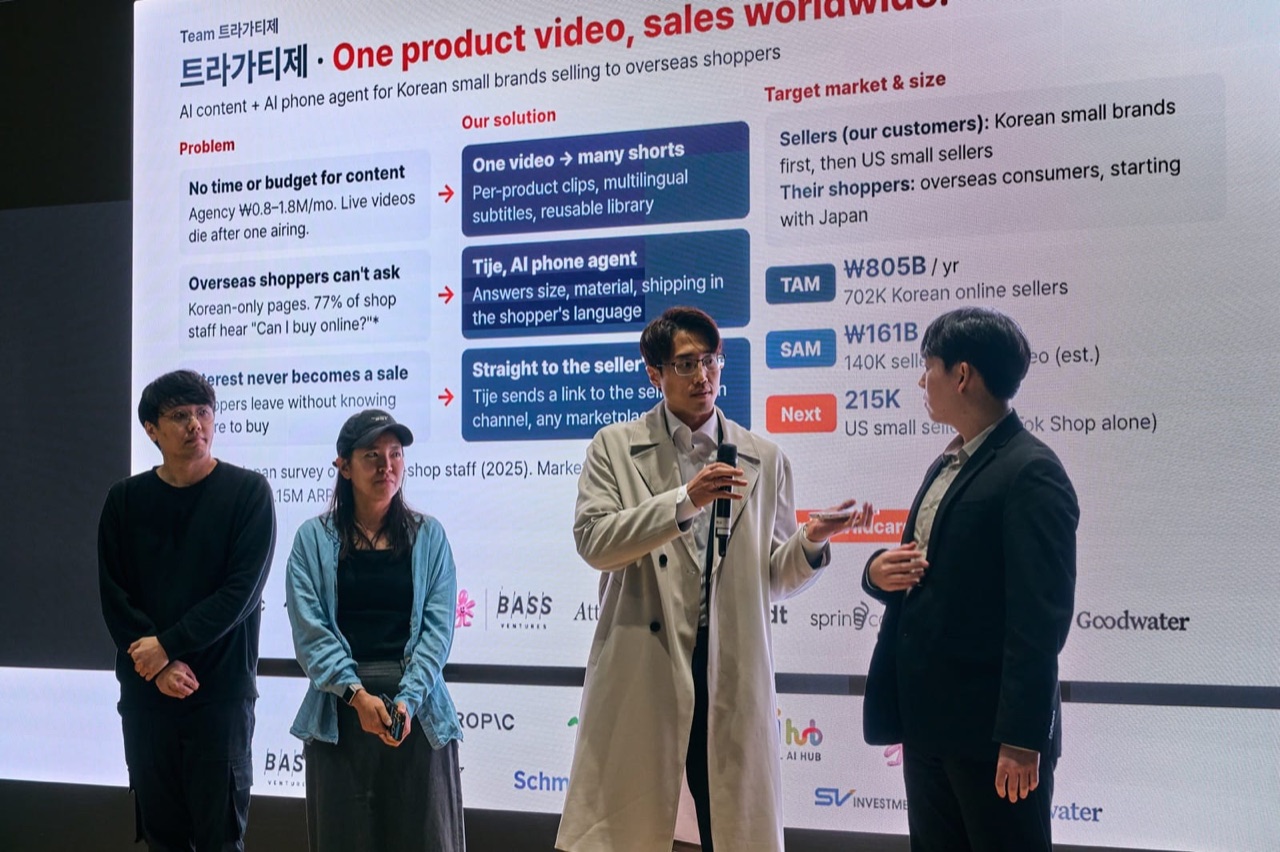
The VCs wrote the topics themselves, and they stayed secret until about 9:40 that morning, when the cards flipped one by one on the LED wall. The six firms set nine missions, each a topic its author is always hunting for, like BASS Ventures' consumer AI used by 100 million people worldwide within a year, or SCHMIDT's product to save 10 million people whose jobs AI will erase. That SCHMIDT mission drew seven teams, the most of the day, while nobody picked SpringCamp's research agent for Korean startups seeking overseas investment. There was also a Wildcard for teams going with their own idea. Tragatize was the only team to take it, and it ended up with the last finals slot.
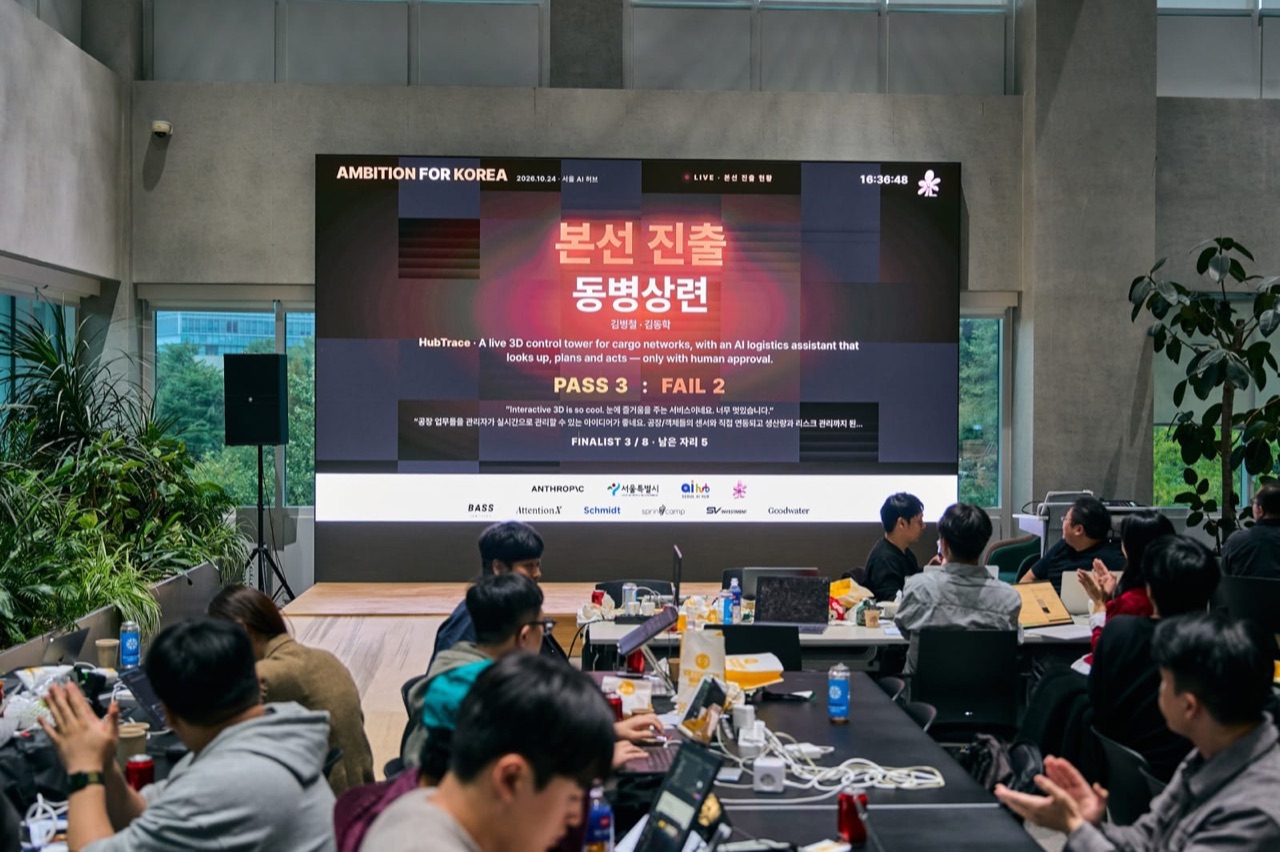
Once building started at 10, commits piled up in every repo, 2,812 across the 41 teams by the end of the day, with Klaro the most active at 446. Everyone was reading the room to see who'd go first. The first submission didn't land until 2:34 p.m., and the first three results were all eliminations. The left side of the LED wall stacked teams in submission order and the right held eight empty finals slots. Every VC call lit a green or red dot on a team's row, and results came up after a drumroll. Arakyn took the first slot at 4:05 with three PASS votes and no FAIL. Tragatize took the eighth at 5:36 and closed the finals, so the eight teams that submitted after 4:54 never got a result.
It was an AI hackathon, so AI ran the operations too. The LED screens, the ops console, the VCs' judging screens, the participant submission page, the live board and the stage timer were all built with Claude Code the day before, and 33 items went through a rehearsal before the event. On the day, when the board looked too quiet with no submissions in yet, a commit activity screen was up on the LED within five minutes. On Discord, an ops bot answered 65 participant questions with a median first reply of 31 seconds. All 28 decisions that sent a team to the finals or home came automatically from whichever side reached three votes first, and not one was changed by hand. The program was released afterward as open source under the MIT license, as bloom-hackathon-kit.
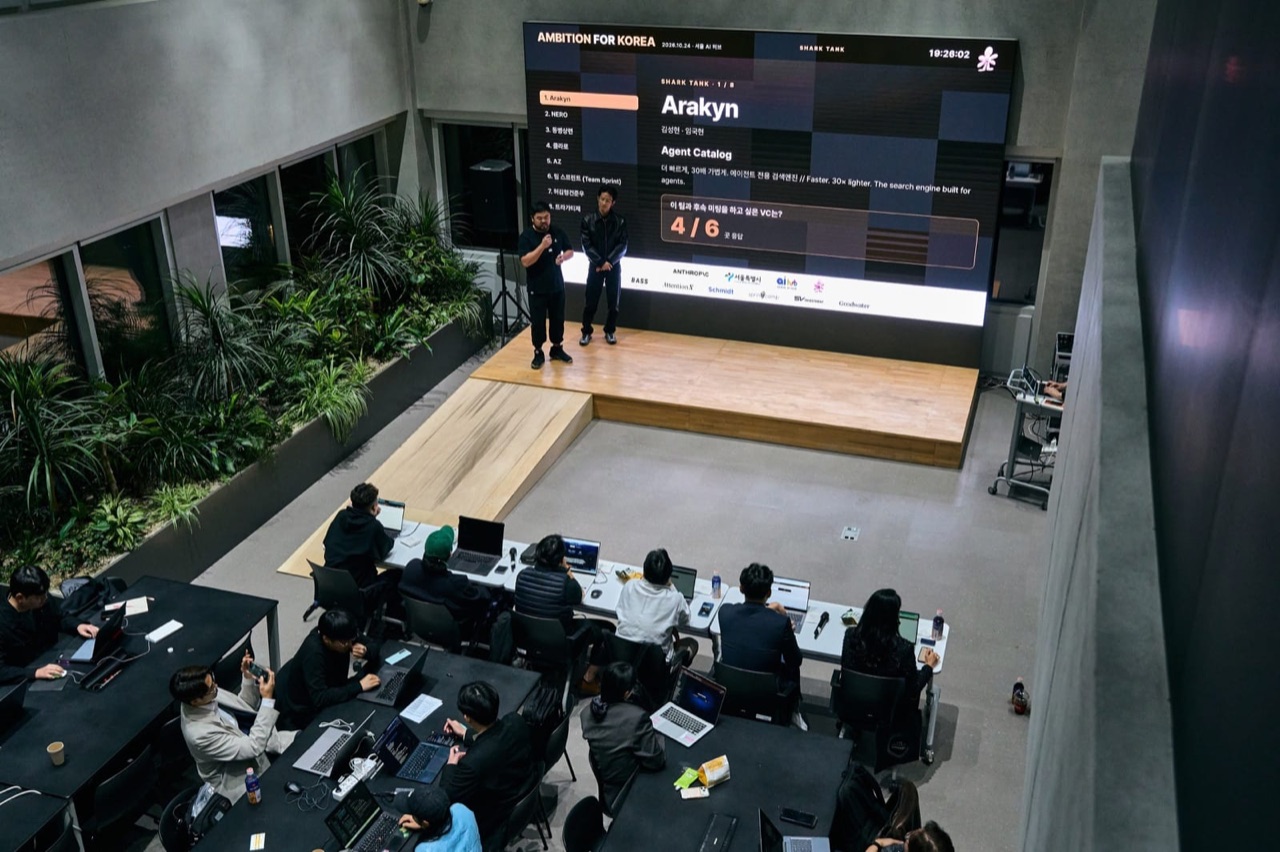
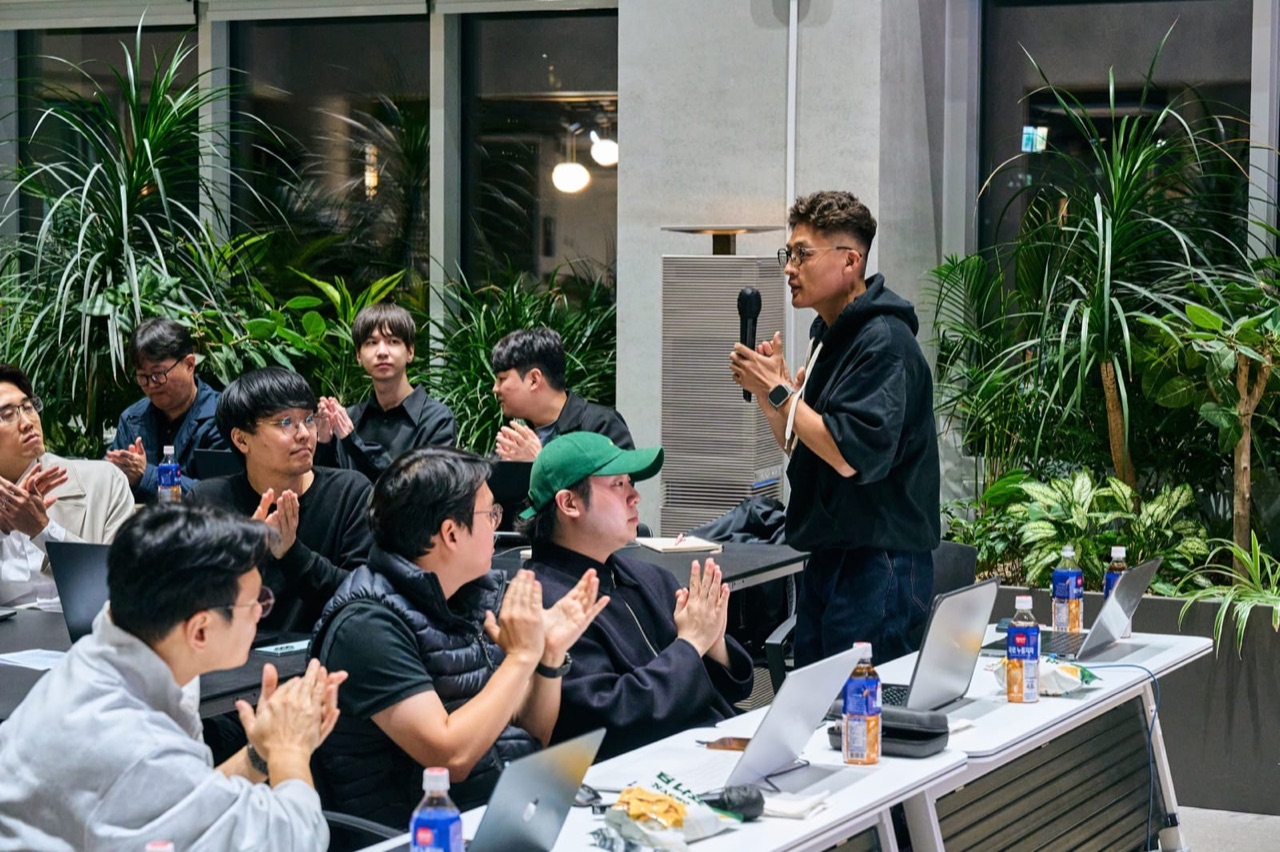
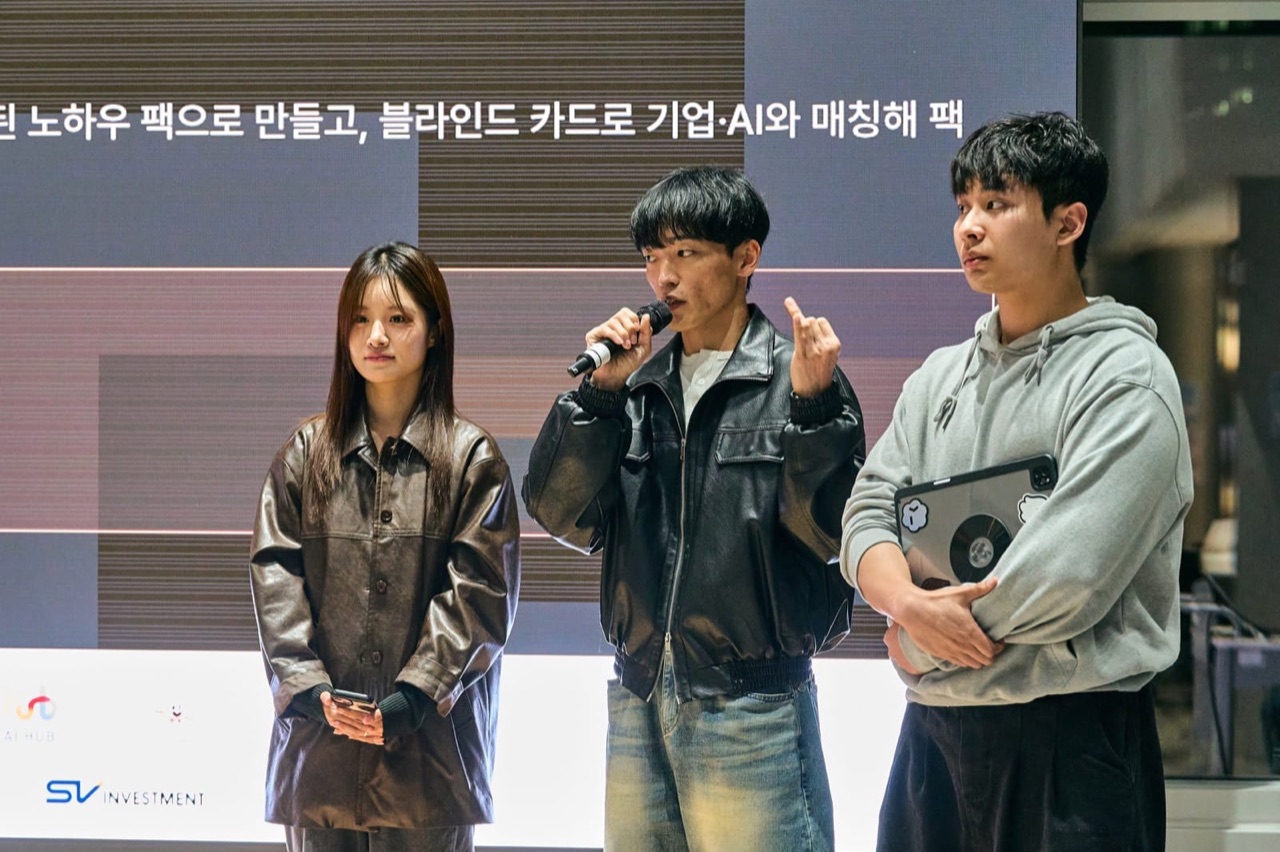
At 7 p.m. the eight finalists took the Shark Tank stage in front of the six VCs, in the order they'd qualified. The stage put a next meeting on the table, with no promise of investment. After Q&A each VC tapped "I'd like to meet" or "Pass" on their laptop, and if several stepped up, the team chose one. At first each VC could match with only one team, but it bothered us that an early match would keep that VC from even making an offer to later teams, so the limit came off at 6:45, right before showtime. That change knocked out the deck display for the first pitch. The PDF went up by hand to keep things moving, and a fixed console was redeployed six minutes later.
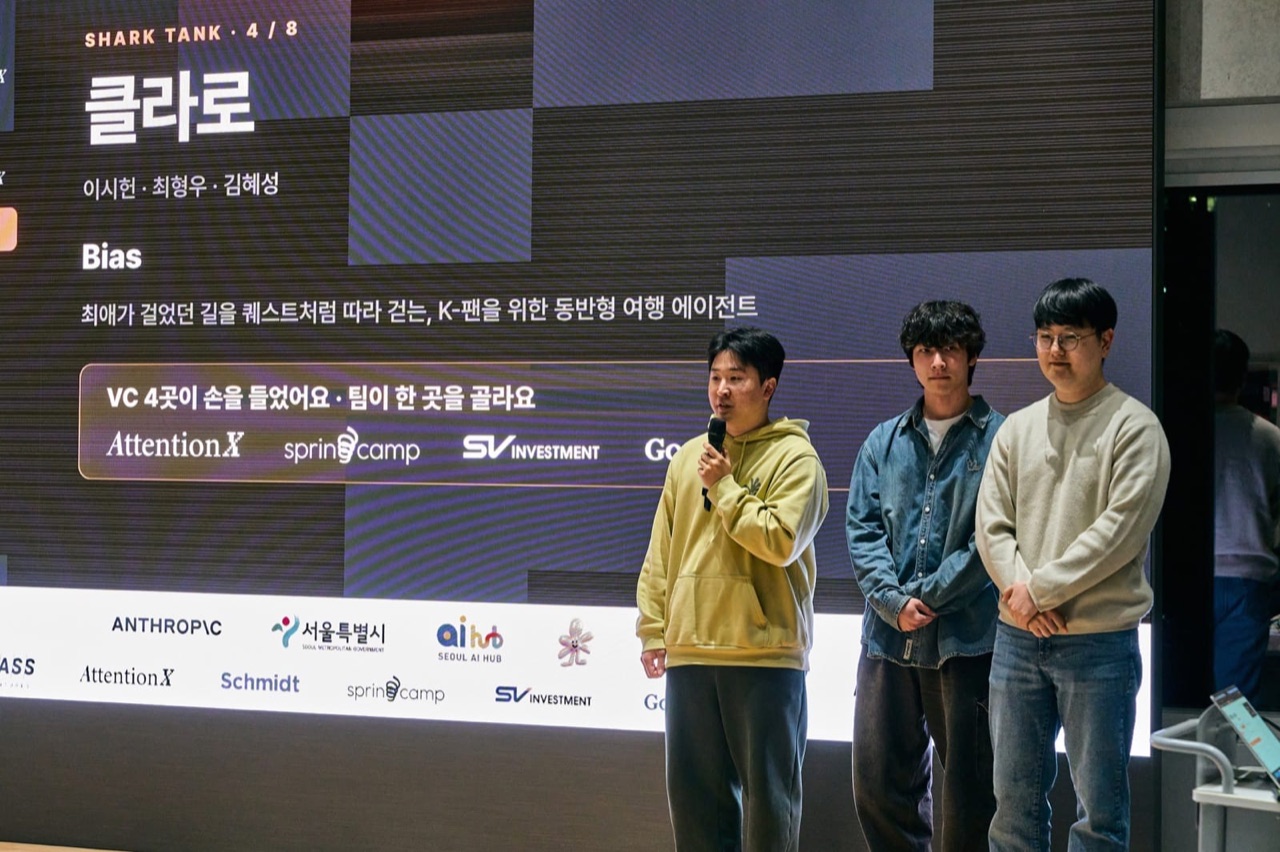
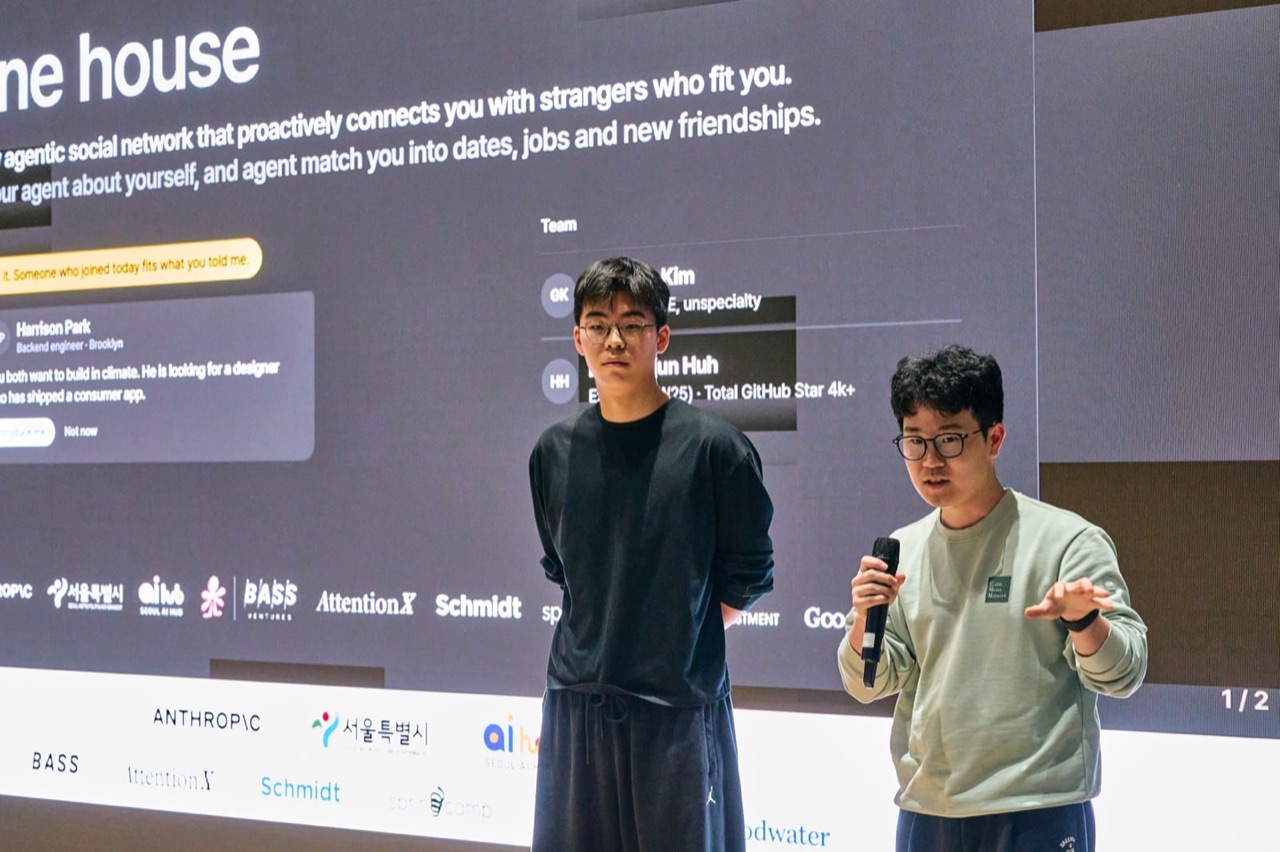
Arakyn's Agent Catalog is a search engine built for AI agents. It gathers product data from platforms like Taobao, Coupang and Amazon ahead of time and serves it through an API in a form agents can read easily, and in a side-by-side run it used close to 30 times fewer tokens than browsing. Klaro's Bias is a travel agent that lets K-fans follow the paths their favorite stars walked, like a quest. In a demo hooked up to a mock store, it called the restaurant where BTS ate as trainees and booked a table in Korean, and four VCs asked for a meeting at once. HuhKimHyeonggunJunwoo's Onehouse is a social network where an agent that knows everyone introduces you to the people who fit you, with reasons, and three VCs stepped up.
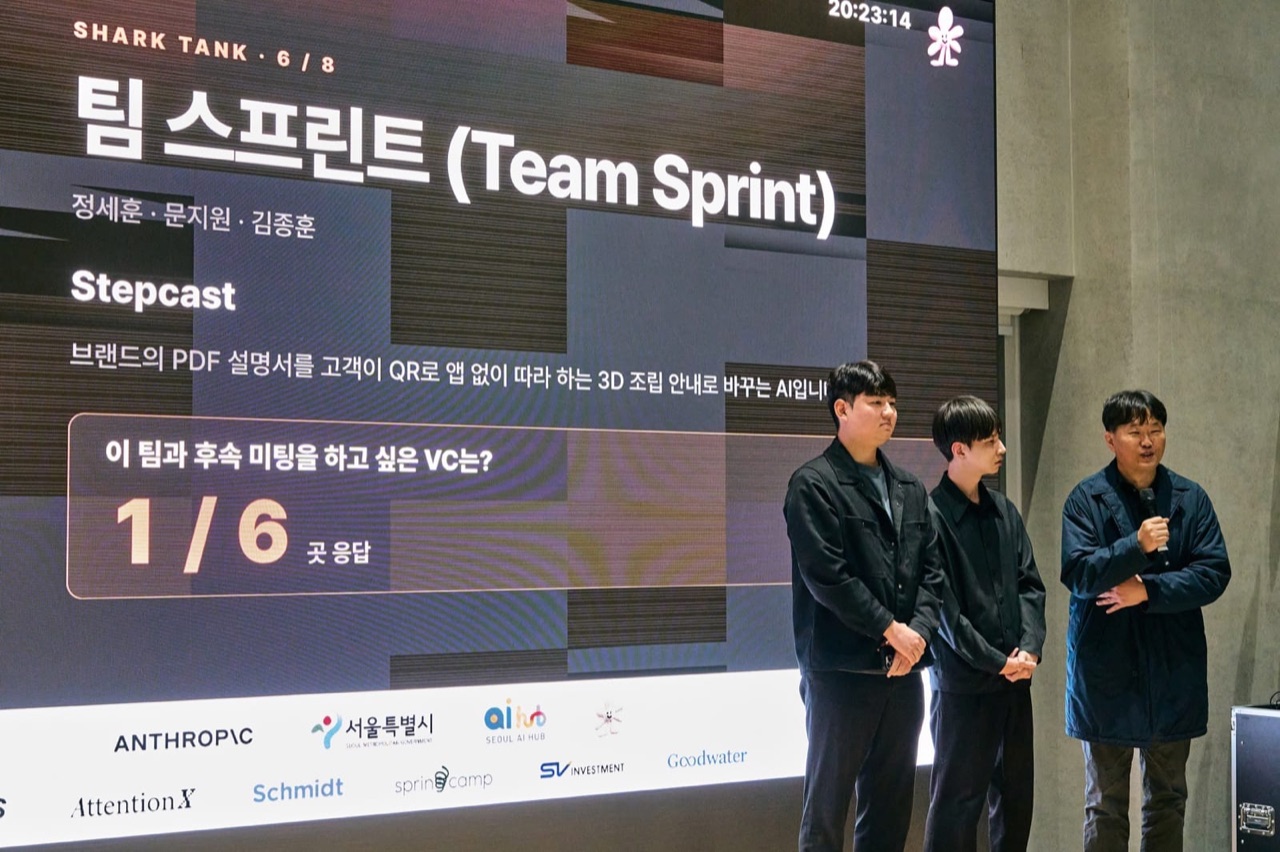
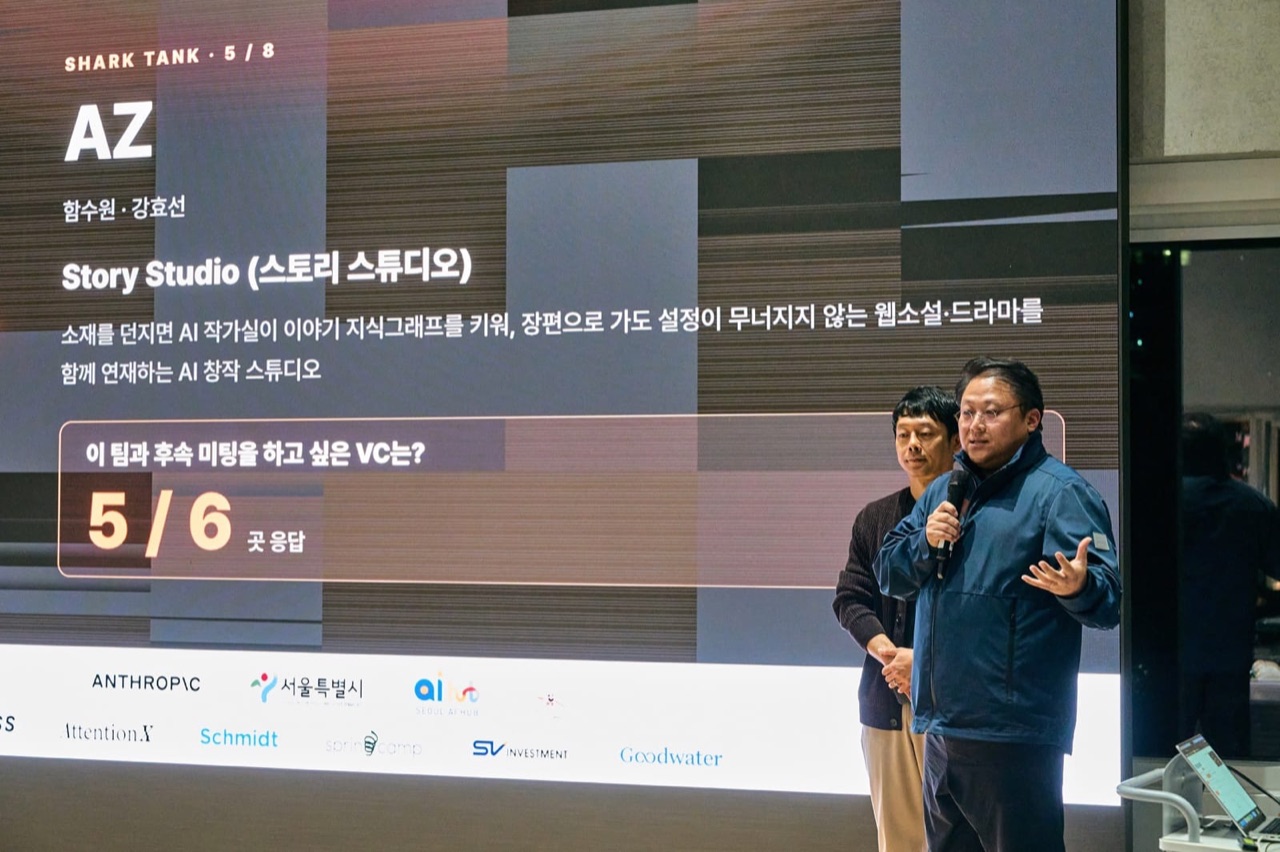
Dongbyeongsangryeon, a presenter with 25 years in shipping and logistics and an engineer with 25 years of experience, brought HubTrace, a live 3D control tower for cargo networks. Team Sprint's Stepcast took the 24-page PDF manual for an IKEA KALLAX, found 9 part types and 14 assembly steps, and turned it into a 3D guide customers follow from a QR code. NERO's Handover has Claude interview people in jobs AI is erasing and seal their know-how into packs. Tragatize turns one seller video into three short clips in seven languages, with an AI agent answering overseas shoppers' calls. AZ's Story Studio has agents playing planner, writer, editor and reader work together on long web novels whose worlds don't fall apart.
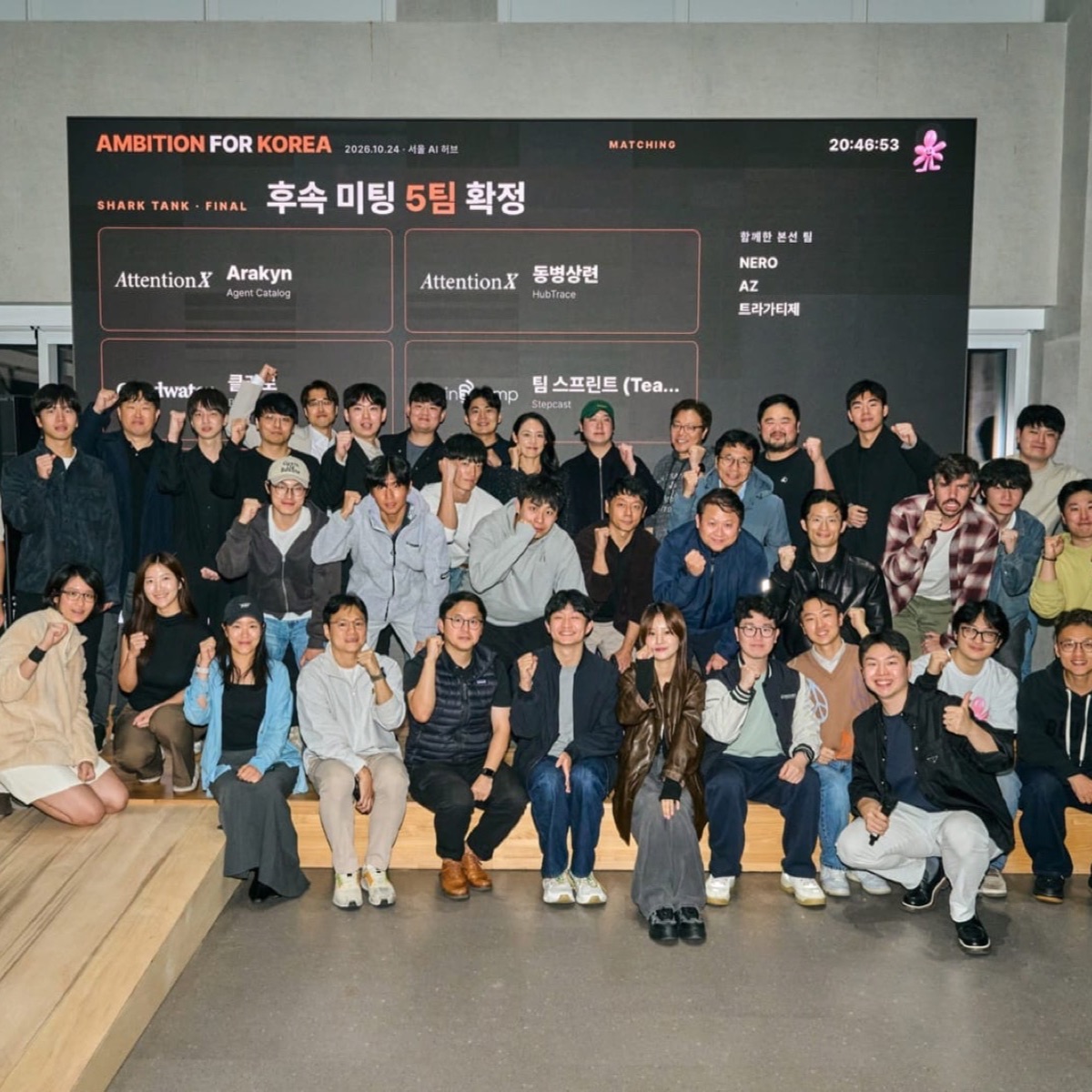
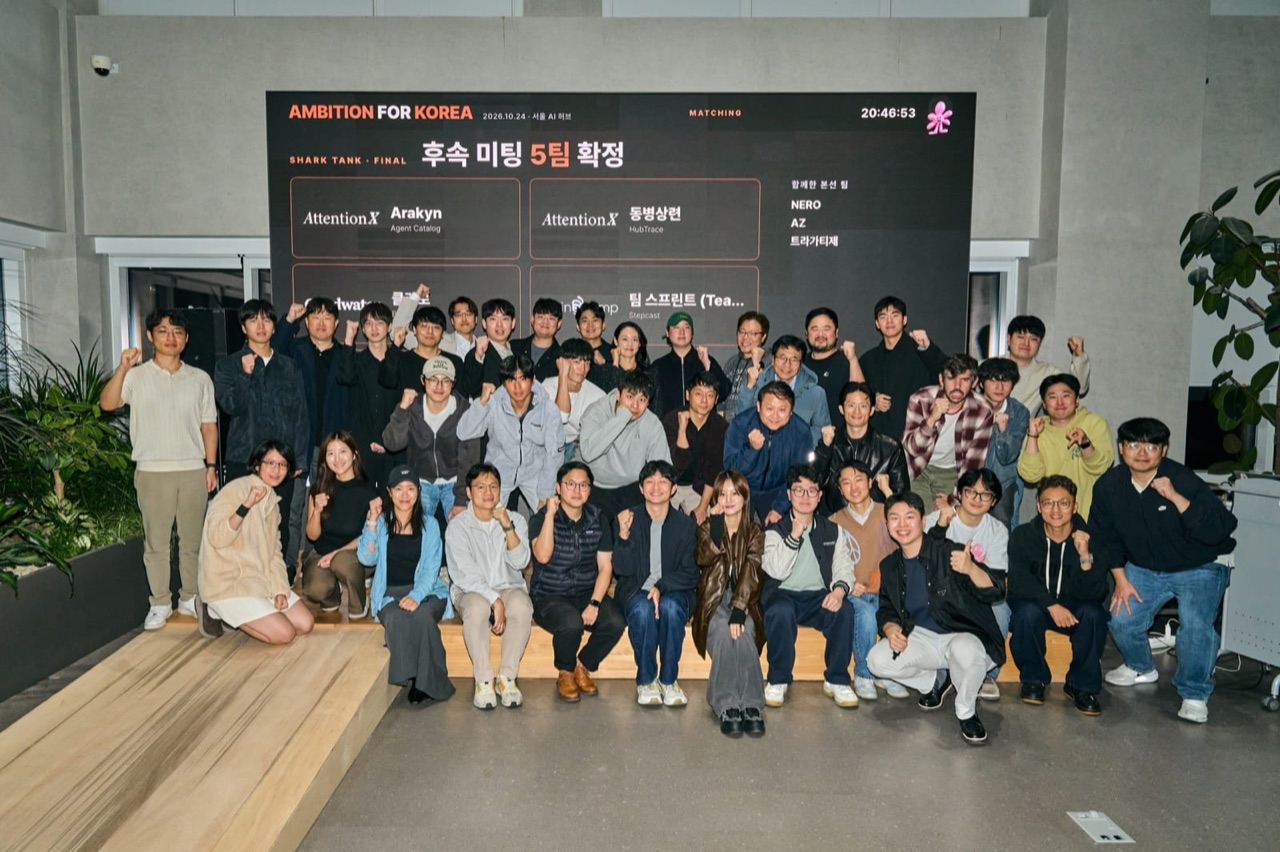
In the end, Arakyn and Dongbyeongsangryeon set follow-up meetings with AttentionX, Klaro with Goodwater Capital, Team Sprint with SpringCamp, and HuhKimHyeonggunJunwoo with BASS Ventures, so five of the eight finalists left with a next meeting. Only BASS Ventures and AttentionX matched with a team that had taken on their own mission. The missions were a starting point, and when the VCs raised their hands, it came down to the team and the product. Match or no match, all eight finalists get $5,000 in credits per team. The night ended with the VCs, the founding teams and everyone who'd stayed to the end in one group photo. A hundred and five people had actually tried going global for a day instead of only talking about it.
Gallery
Next event