What AI can't replace, and what we should grow instead
What was discussed

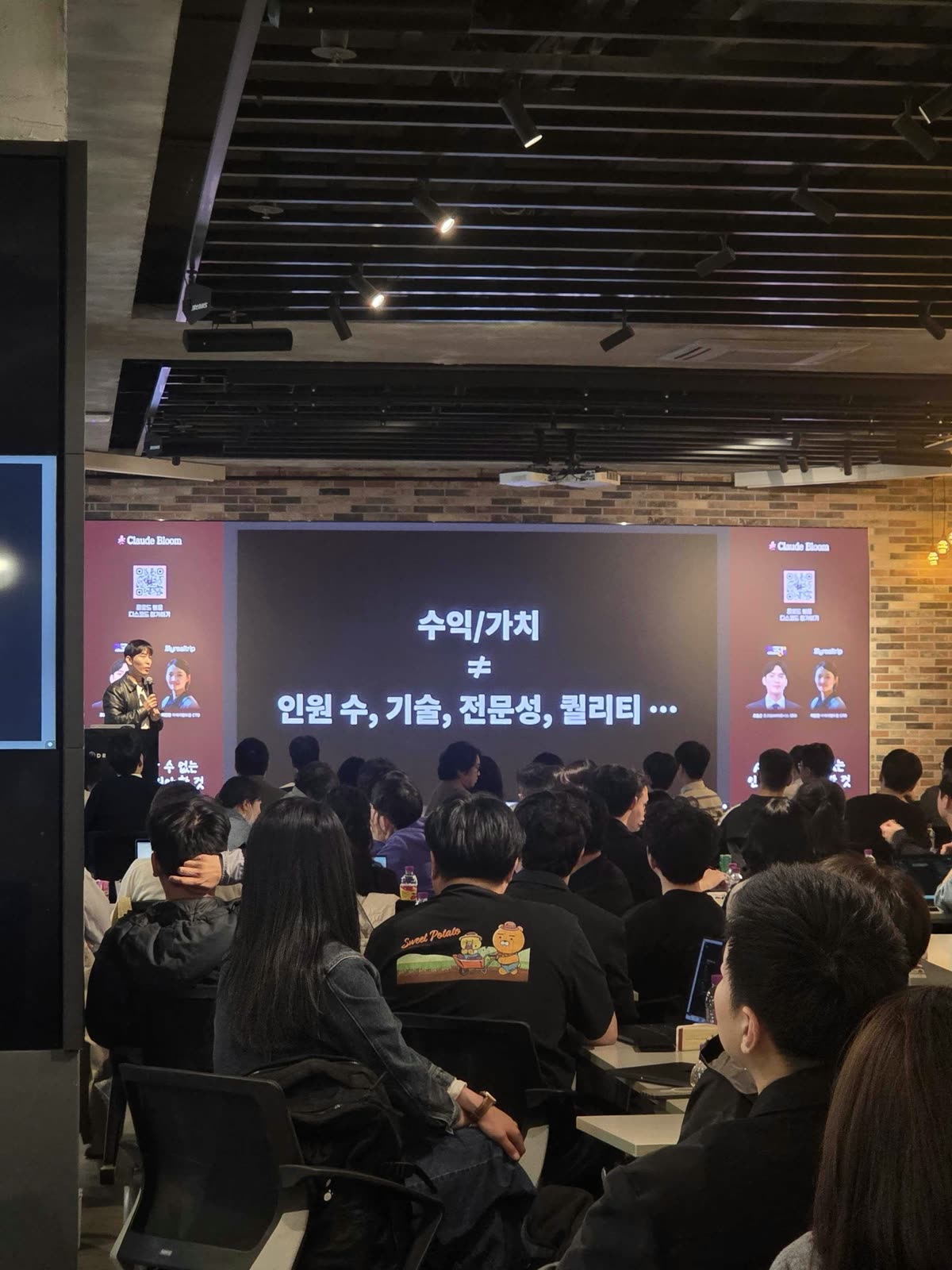
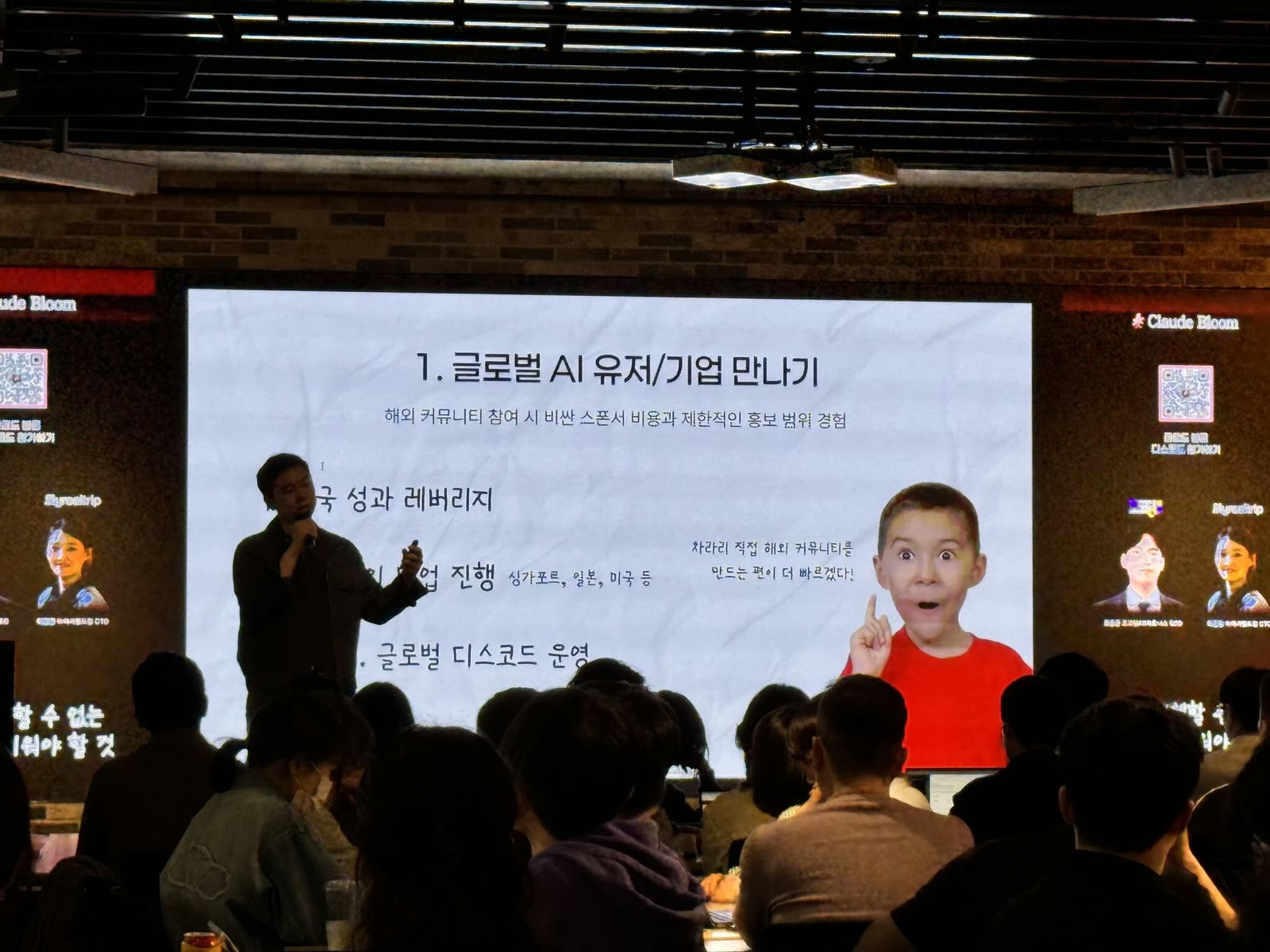
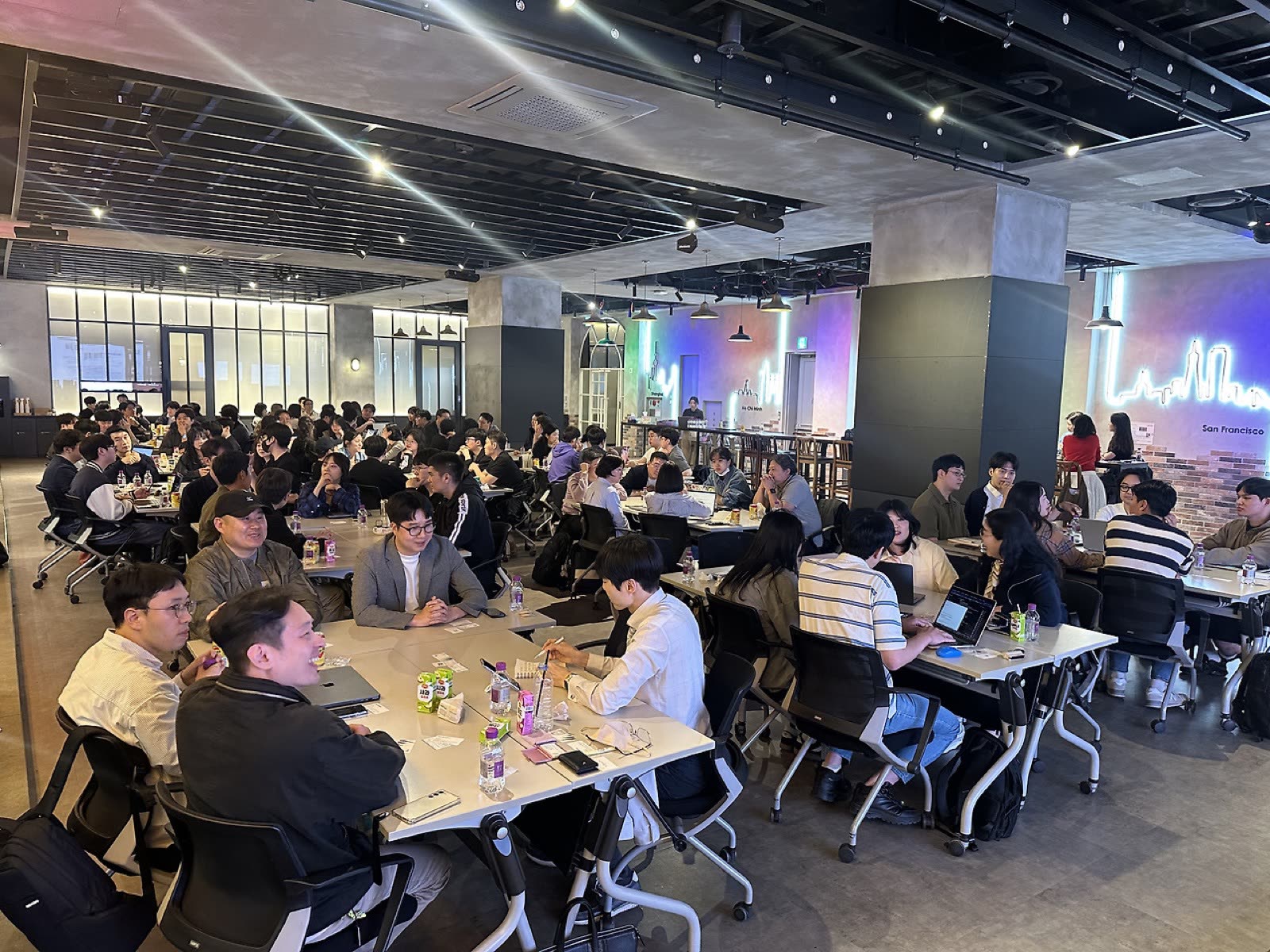
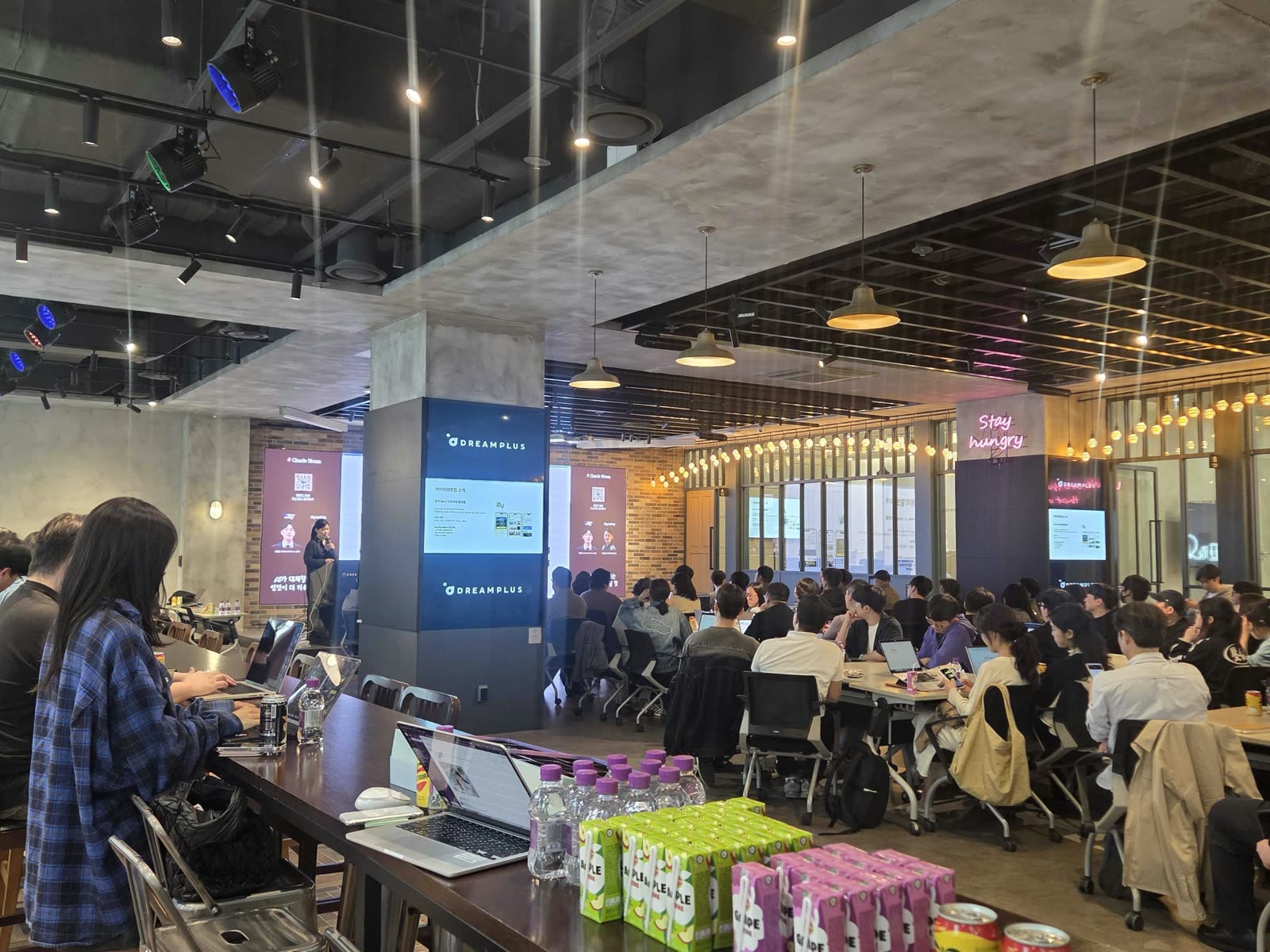
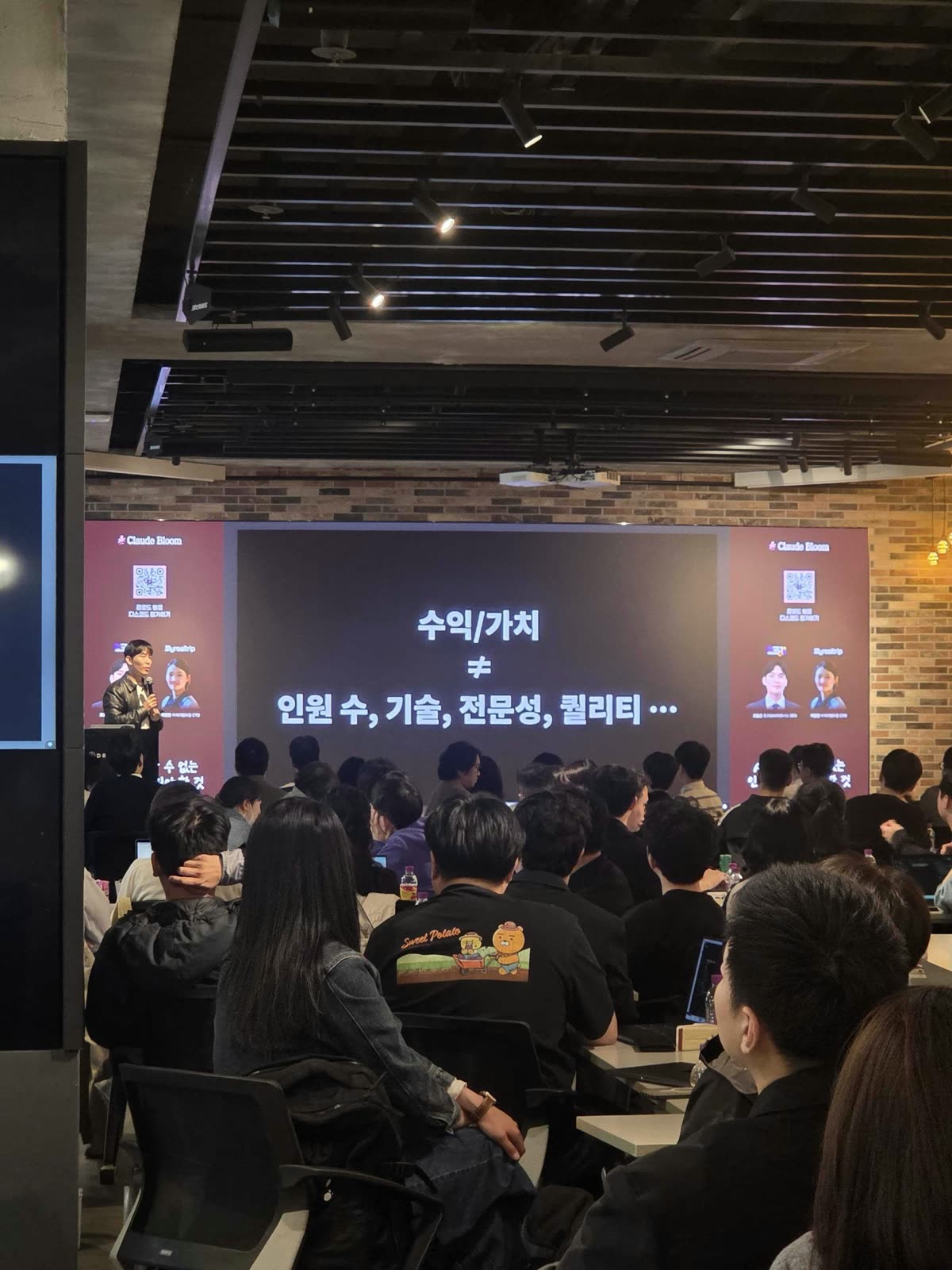
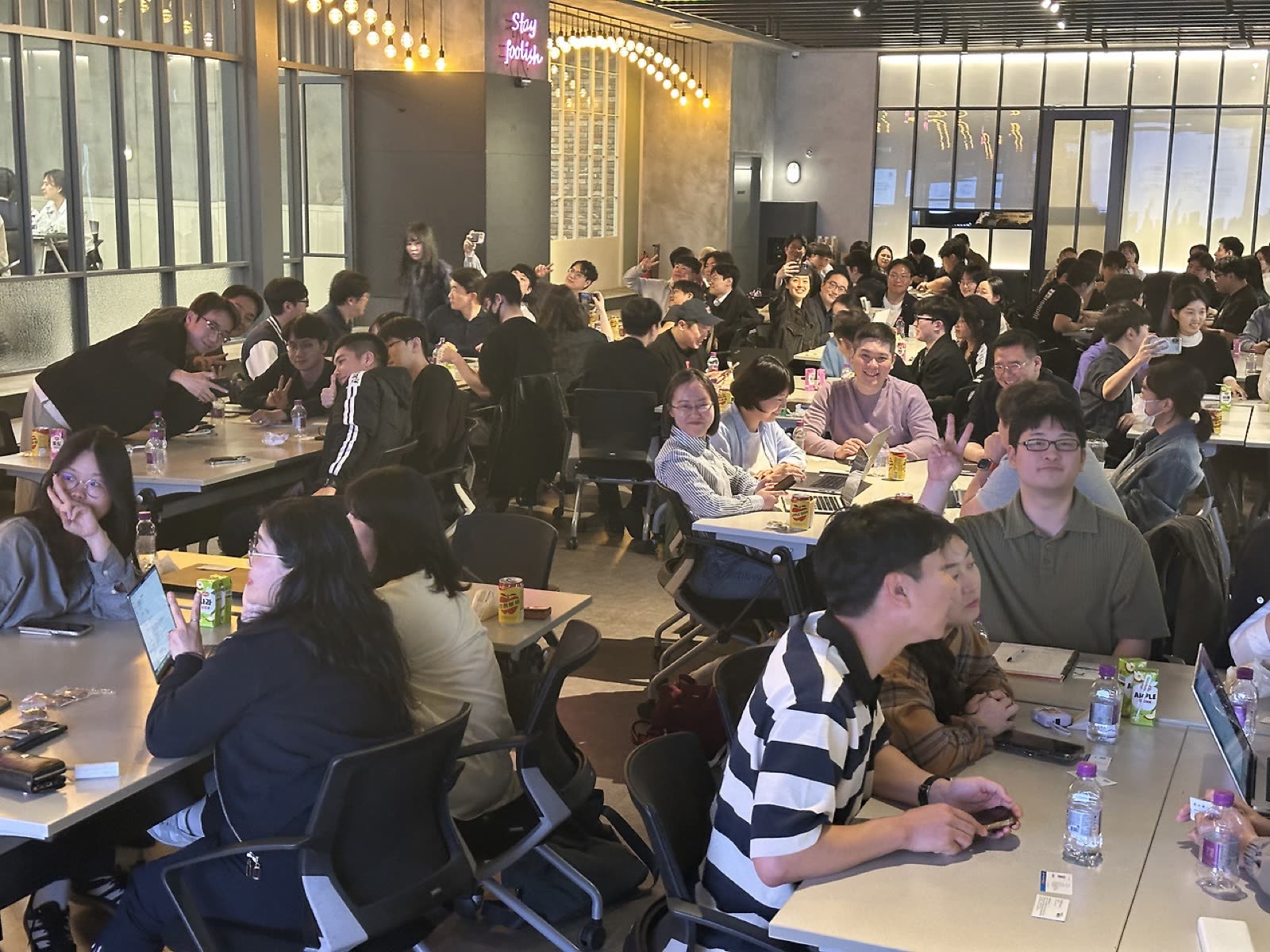
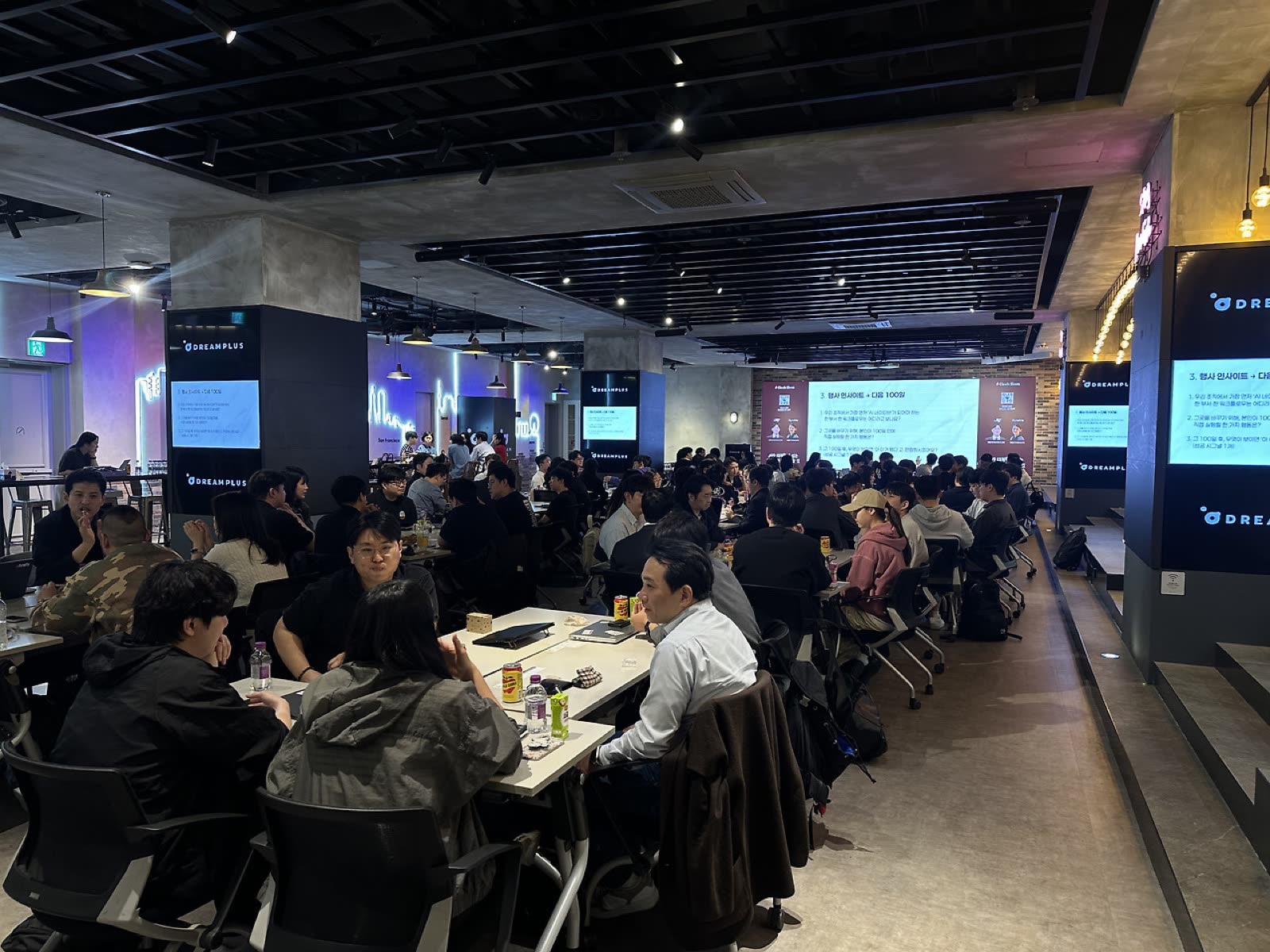
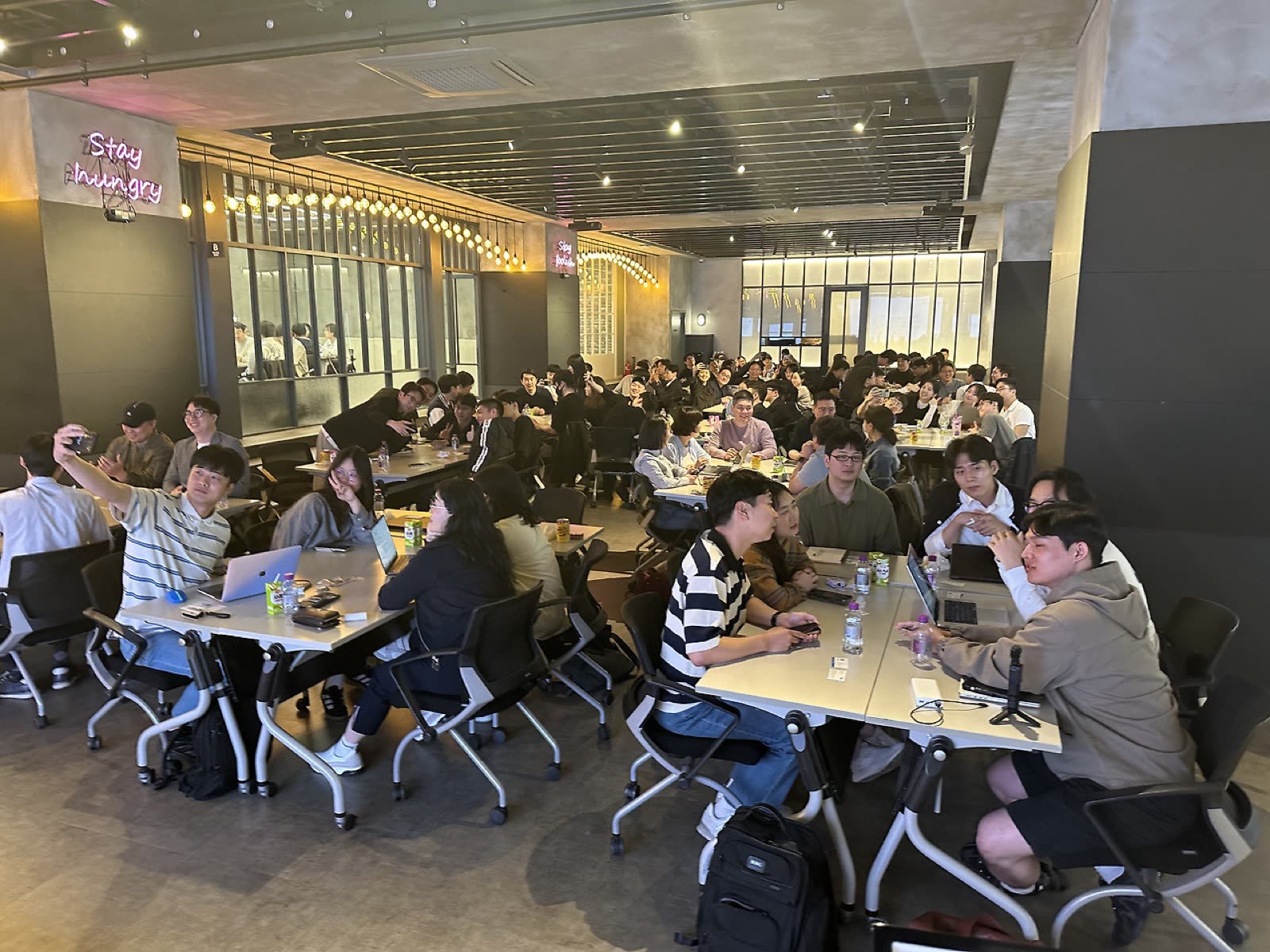
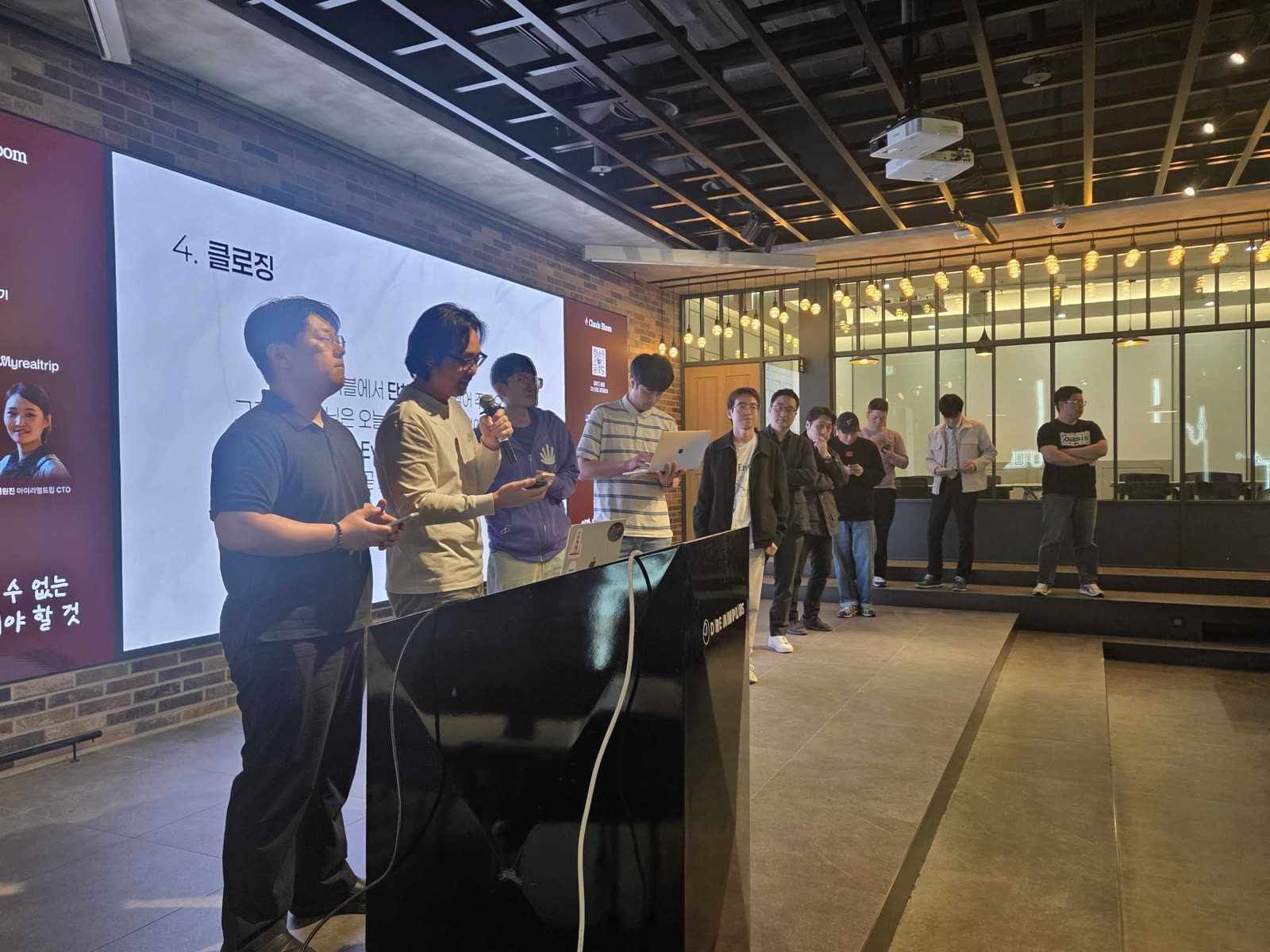
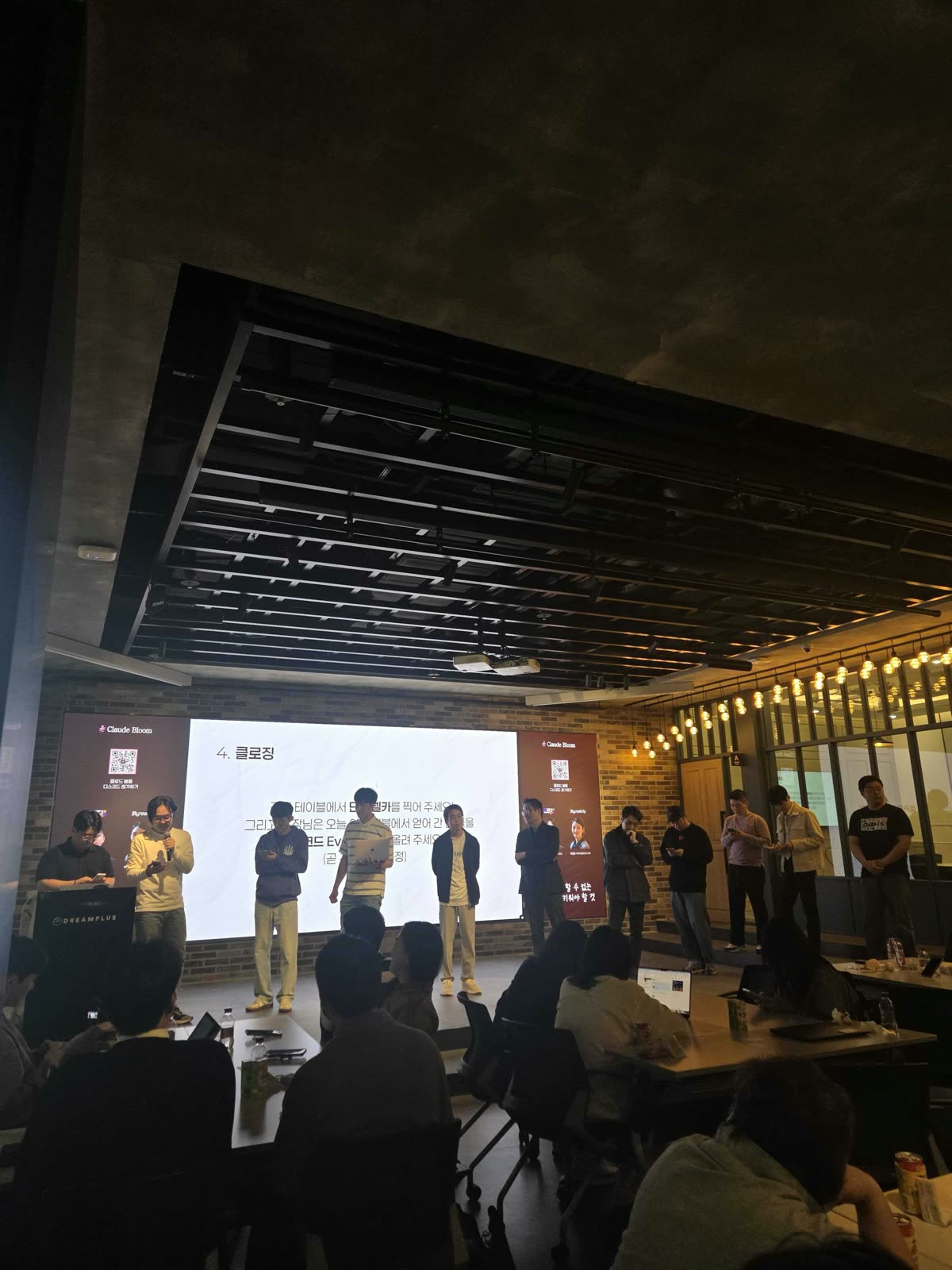
Two thousand people signed up for the first event within three days. We could only host 200, which left 1,800 disappointed, and that disappointment is what turned this into a series. Myrealtrip, who had presented at the second event, offered first, providing the space and catering, so the third ran at their own office. This time Jocoding, an AI coding creator with 730,000 subscribers, joined as a speaker.
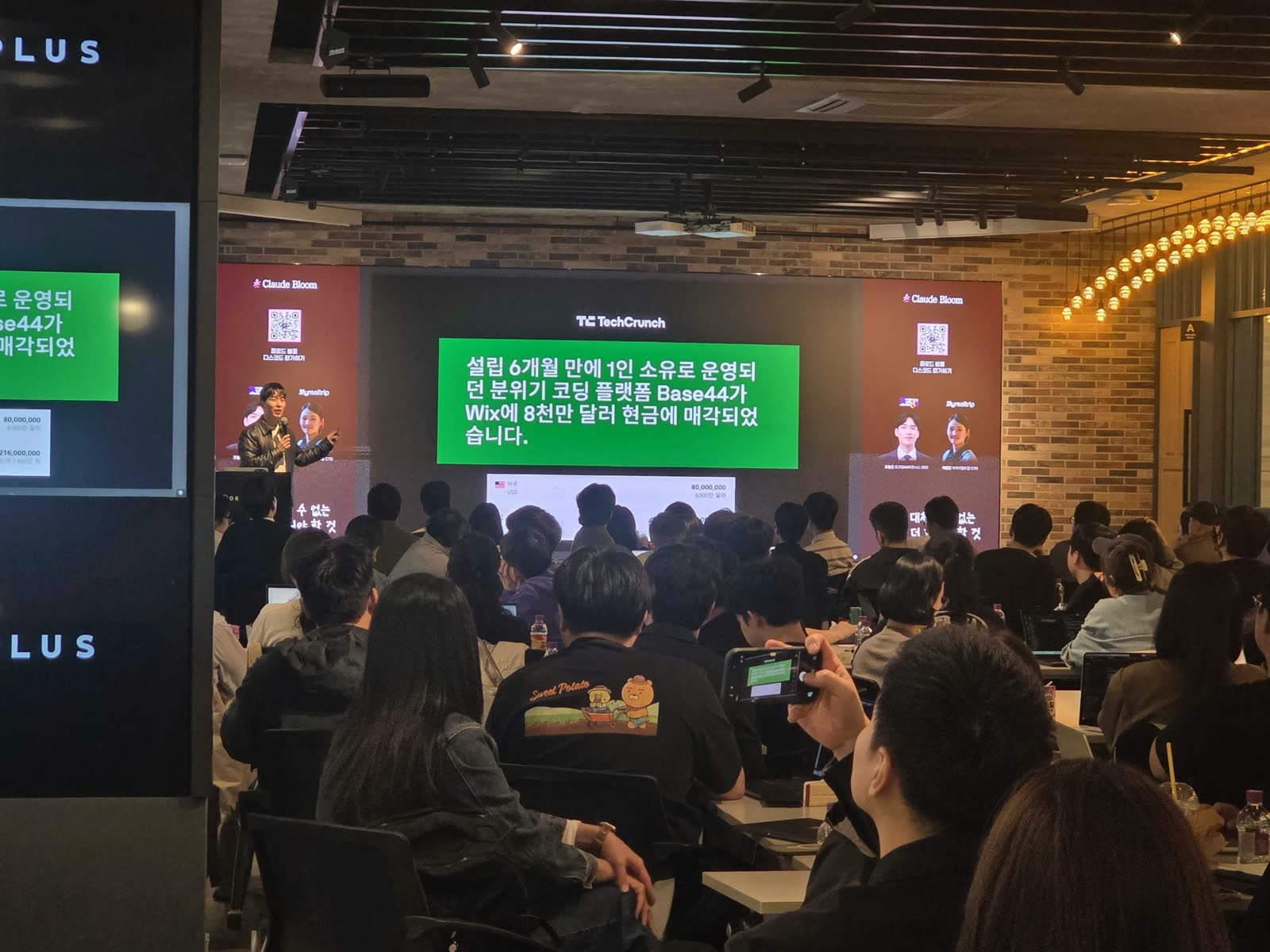
Myrealtrip CTO Heo Won-jin opened on customer support. Seventy-five thousand inquiries come in every month, split evenly between phone and chat. For fifteen years that volume grew as the platform grew, and they absorbed it each time by hiring more people. Payroll went up accordingly, agent tenure was short, and constant turnover piled up training costs while customer experience got worse.
The rollout was cautious. Rather than replacing everything at once, they left the existing chat solution in place and layered a chatbot only onto simple inquiries answerable from FAQs and policy. Agents did not have to learn a new system, and anything the chatbot could not resolve came through to a person naturally. Once results showed, they connected APIs, then expanded to AI agents taking actions directly. It started with simple things like resending a password reset email and grew to complex cases like calculating refund fees.
Simple-inquiry headcount went from 57 to 28, roughly half. Nobody was let go; those people moved to advanced support handling emotional complaints and urgent cases, and they confirmed that AI support quality was not far off a person's. What deserves attention is the sequence rather than the result. Validating in a narrow scope without disturbing the existing environment, then widening in stages, is how they pushed the transition through while keeping resistance on the floor low.
The numbers on operations automation were more dramatic. Bringing in a product from overseas meant translating it, fitting categories, and organizing by city, all by hand, which capped them at 25 a week. Now you press a button and enter a city, and AI analyzes trends, pulls categories, and registers products automatically at 4 in the morning, up to 5,000 a day. Cities in Africa and the Middle East they had never touched started getting listings, and Cairo and Monaco produced real revenue. A long tail left empty because no one could keep up with it became revenue through automation.
Jocoding's talk was on solo founding in the age of AI, and his lead example was the animal face test he built in 2020. You upload a photo and it tells you whether you look more like a cat or a dog. That is the entire feature set. It hit number one on Naver's real-time search rankings, 120,000 people shared it in Instagram stories, and more than 40 million used it in English-speaking markets alone.
The interesting part is how it runs. It is a static site on Cloudflare Pages, so the whole world hitting it at once costs nothing in bandwidth. The AI is on-device via TensorFlow.js, so there is no server and it runs right in the browser. Beyond the domain, operating cost is effectively zero. Since launching in 2020 it has earned 650,000 to 1.2 million won a month with almost no changes to the code.
His regret was the timing of monetization: he never attached paid checkout at the peak of the virality. AdSense hit six million won in a single day and he stopped there, adding payments and reports only much later. Views are not revenue, and the conversion machinery has to be in place when the traffic arrives. His subscribers built services the same way, face reading tests, first impression tests, and one of them made 100 million won from a personal color diagnosis.
He believes the one-person unicorn has genuinely become possible. That AI is good at coding is established, and design is going the same way, to the point that Claude producing designs without Figma shook the relevant stock prices. One person can now handle product, engineering, and marketing. The core of it was one sentence: technically speaking, a large corporation and a solo founder use the same AI model. Everyone is wrapping the same models, so the technical gap has effectively closed, and what remains is the ability to design what to build and how.
The roundtables all took the same prompt: what AI cannot replace, and which organizations need to become AI native. The answers were similar and not identical. One company let go of 60 percent of its development team and doubled its output. Another had cut payroll substantially and spends less than 100 million won on Claude and Codex. Companies on closed networks said adoption itself is still difficult, and someone raised the problem of having less work thanks to AI and not knowing what to do with the time left over.
The direction converged all the same. What AI cannot replace is responsibility, judgment, intuition, and communication. A marketer at a pharmaceutical company said AI says plenty of reasonable things and is sometimes wrong at the decisive moment, and catching that moment is a person's job right now. The point that leaders have to become AI native first came up repeatedly, because nothing changes across an organization if the decision-maker does not understand it. Several tables landed on problem-solving from zero to one, and telling the story of it, as what belongs to people.
Wonjun defined Bloom's identity that night as the most active and most honest AI community. Active means gathering good people in a good space and making something worth attending. Honest means this is not a room for bragging but a room for putting your own problems on the table and finding answers together. That is exactly the intent behind starting from the blue AI brings and blooming together.
Read the full write-upEvent video
Gallery

Next event