Content, AX and SaaS: the new OS of the AI era
What was discussed

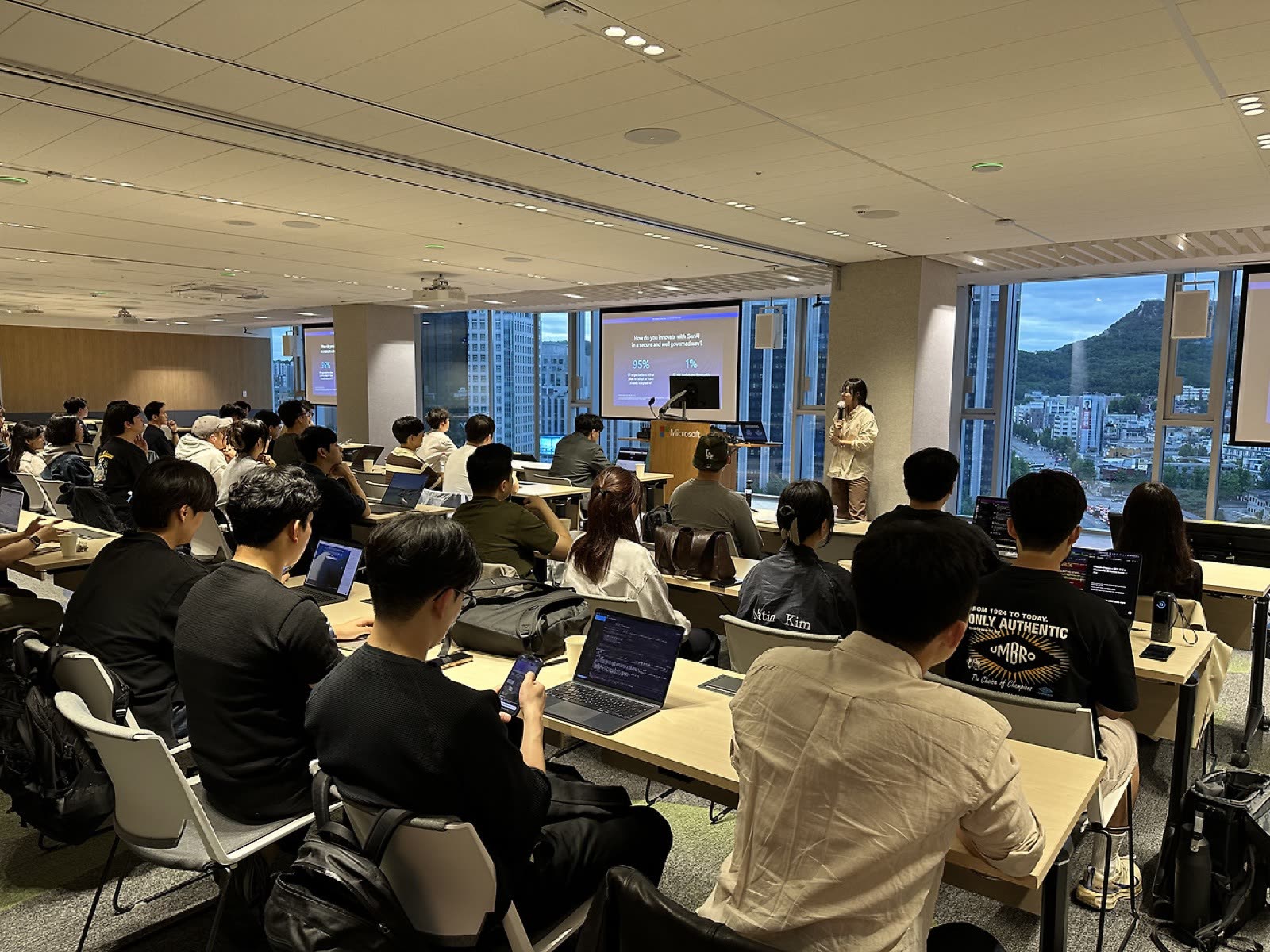
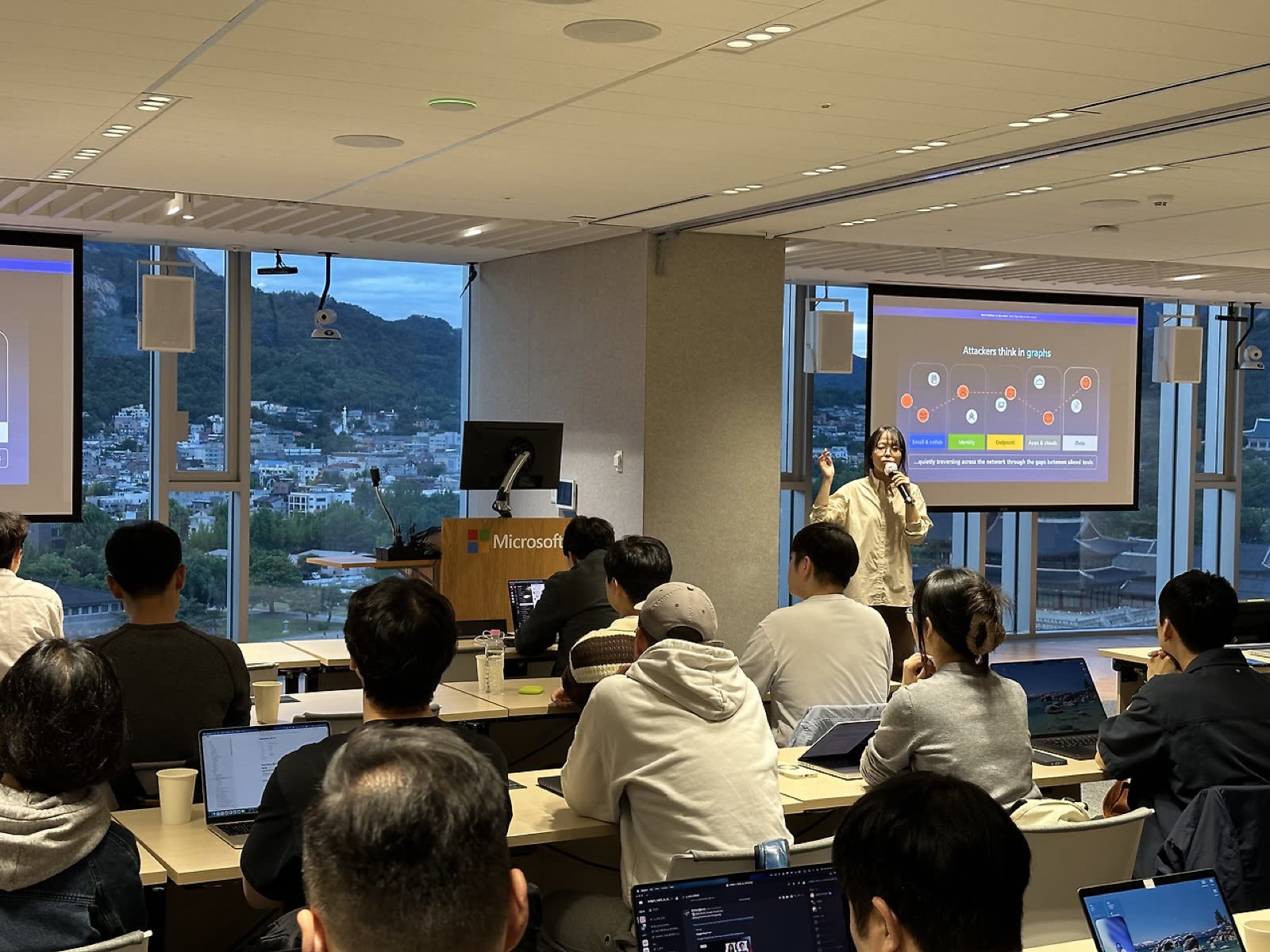
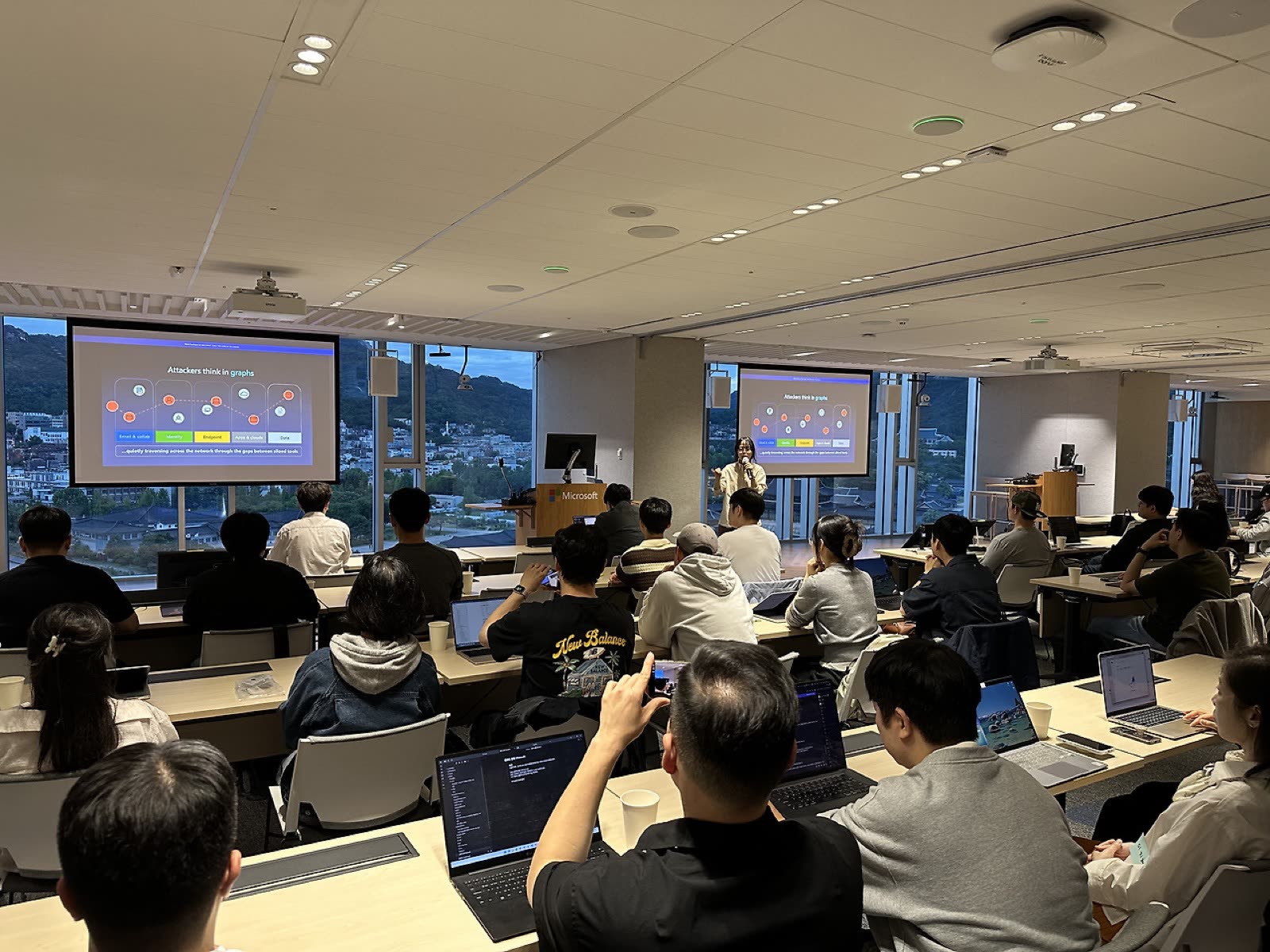
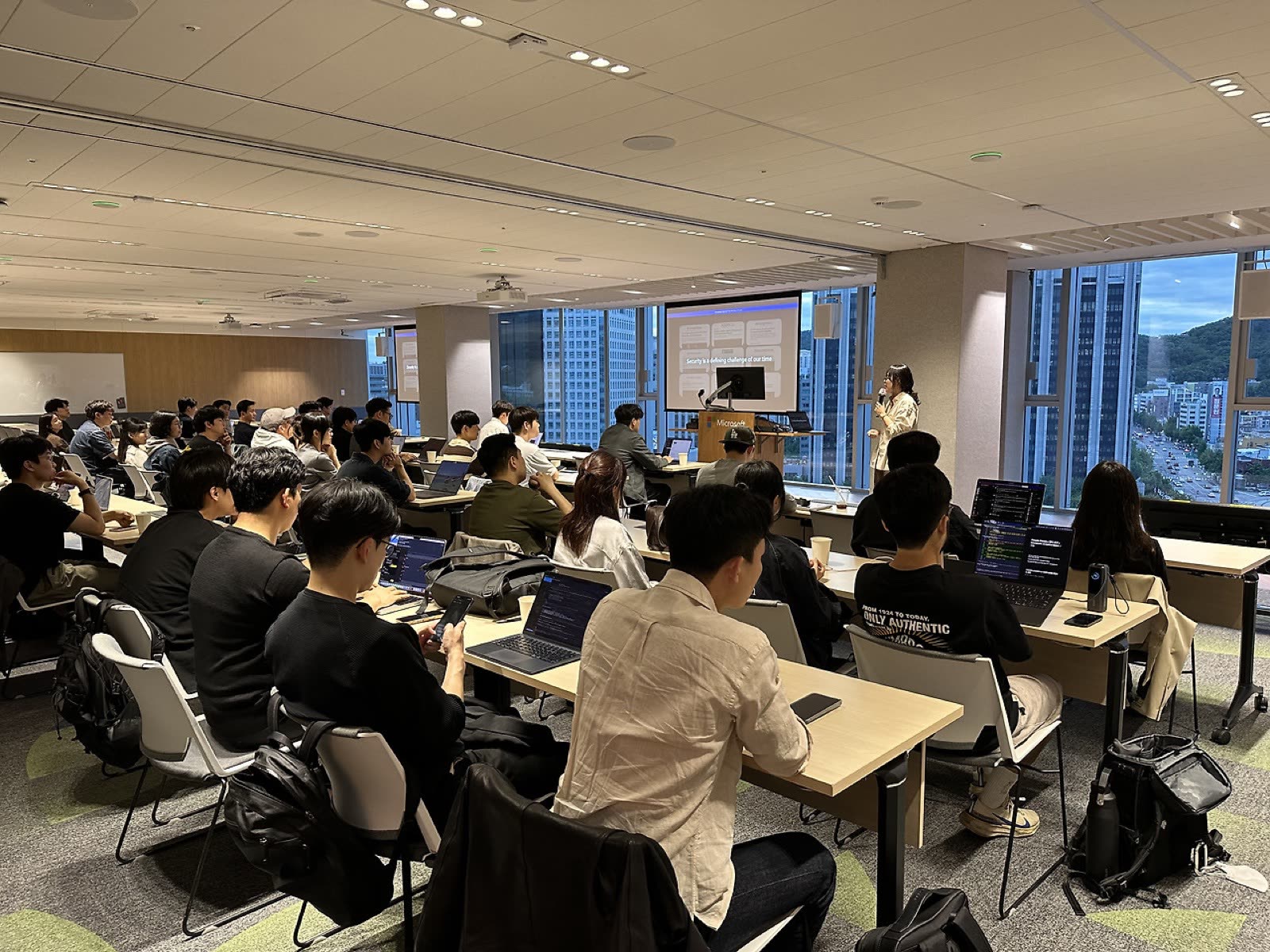
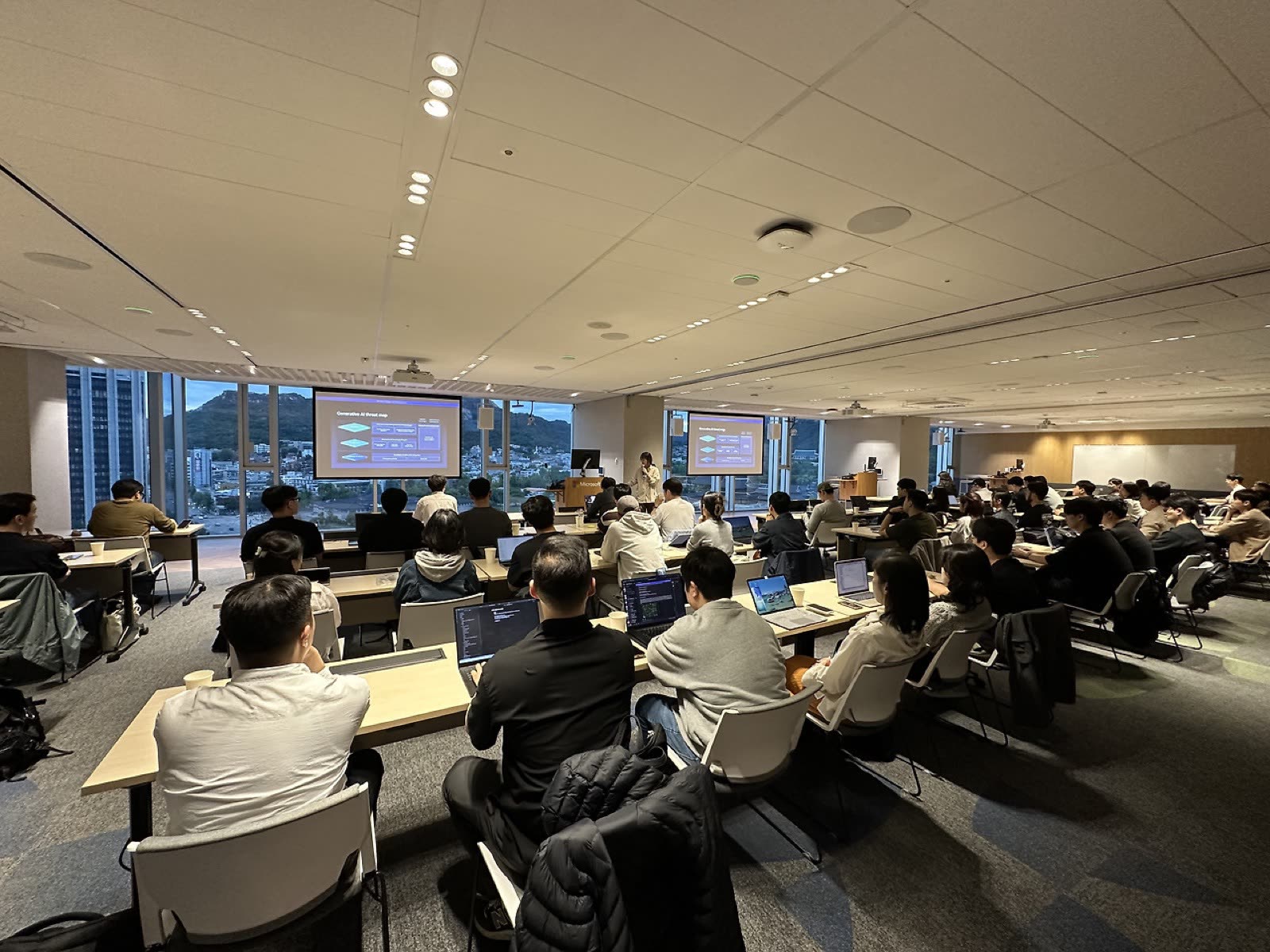
Microsoft security manager Seo Jin-ha spoke for five minutes and made the point clearly. Surveys show 95 percent of companies have already adopted AI, and only 1 percent are prepared to use it safely. Take out the large enterprises and it is effectively close to none. Microsoft defines itself as the largest security company in the world. Since there is no company that does not use Microsoft, it takes more attacks than anyone except the US Department of Defense, and spends roughly Naver's market capitalization on security research and development alone.
The core message was account management. Security spans tools, devices, cloud, and network, and protecting one account well prevents 99 percent of security incidents. He had a real case. A developer turned off multi-factor authentication for ten minutes to share a YouTube account, and in that window their Google account was taken over and 1.2 million won in Gemini API charges went through. Password attacks ran at 7,000 per second before generative AI; now they are down to milliseconds.
After accounts came data oversharing. Developers routinely paste sensitive material like API tokens straight into prompts, and OpenAI detects tens of thousands of leaked tokens in a single day. Attach an AI agent to Slack and data like HR records can be exposed by one prompt, which is why DLP labeling and data separation are necessary. Preparing to use AI safely has to keep pace with using it well.
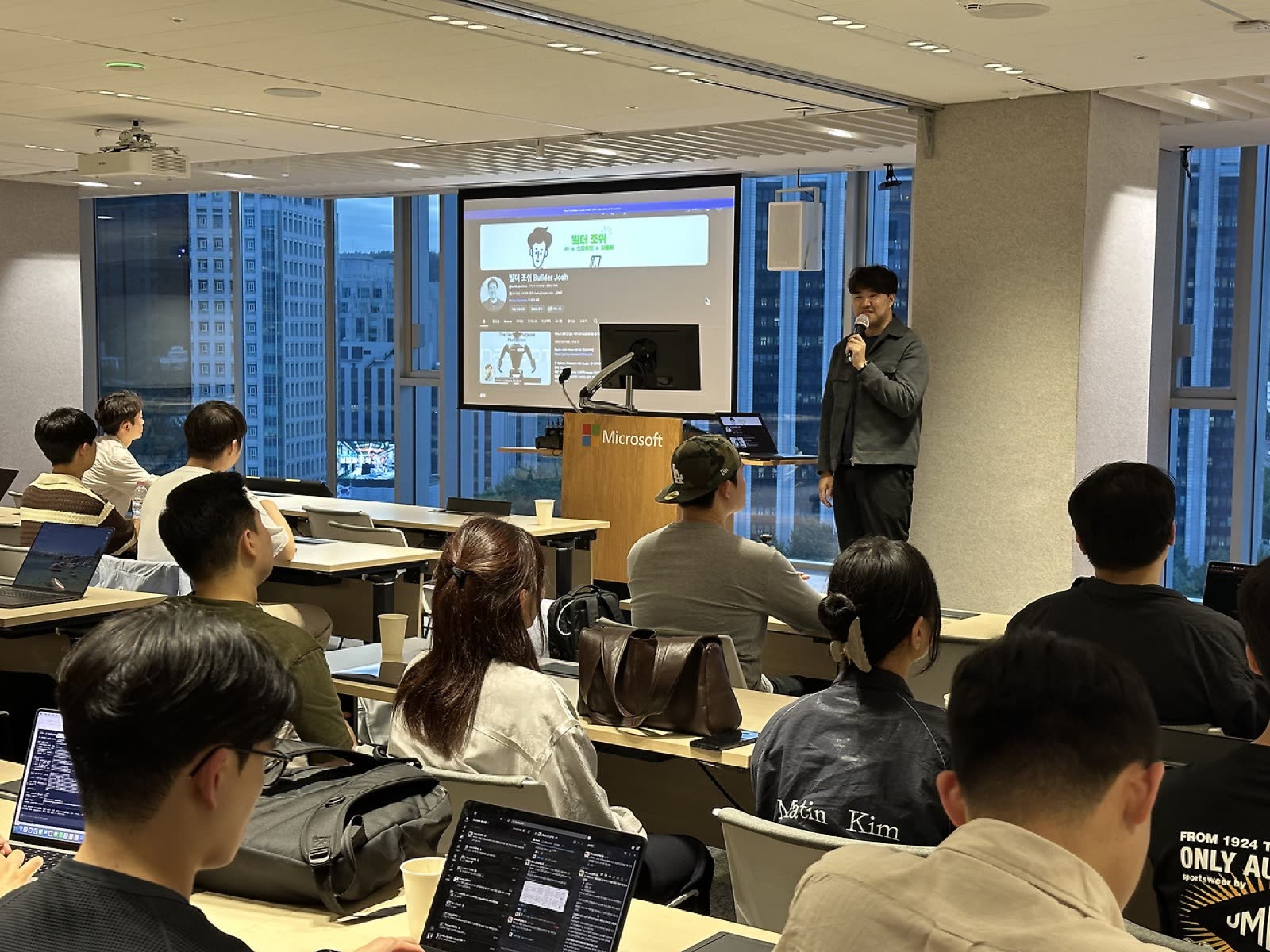
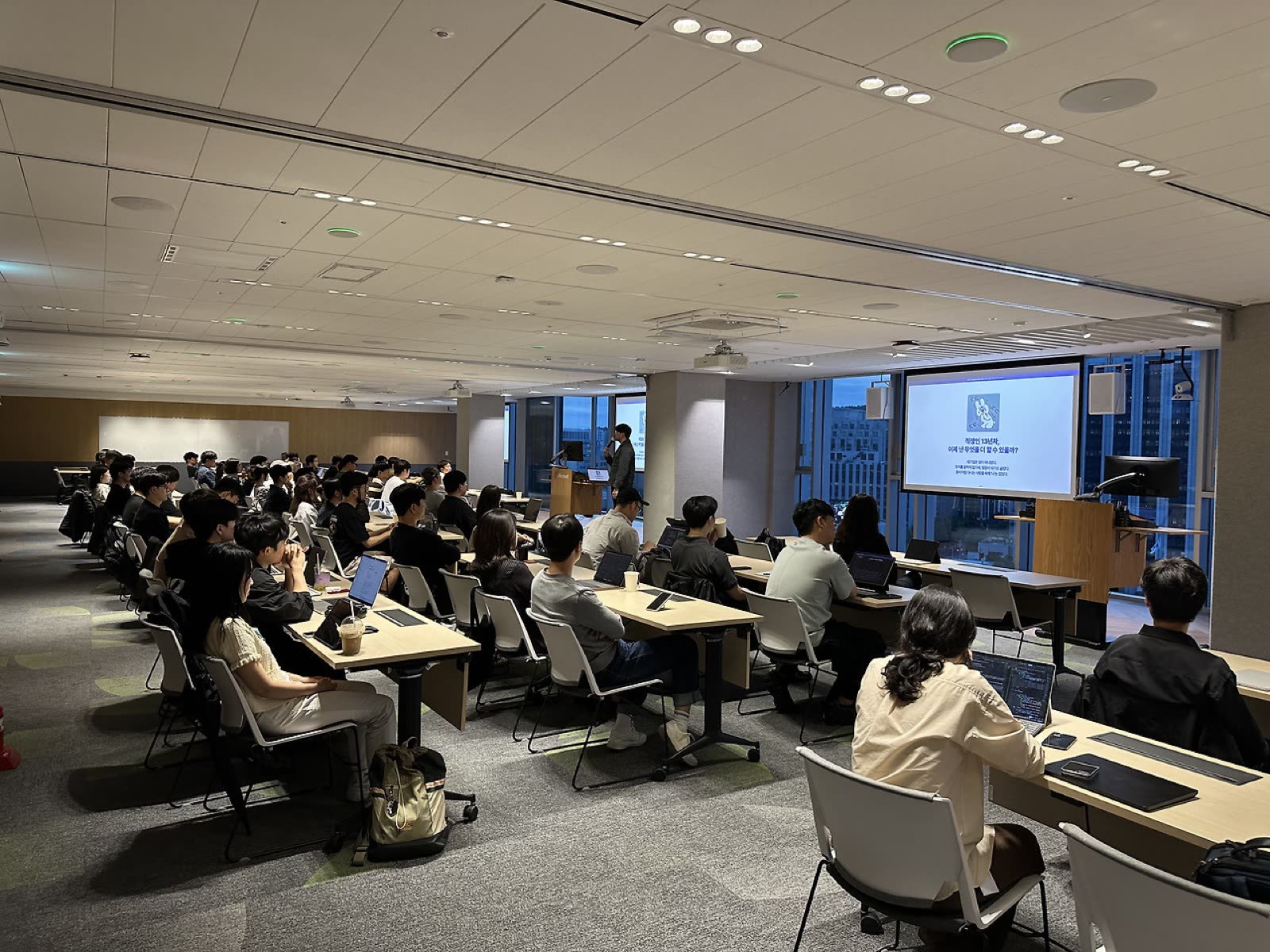
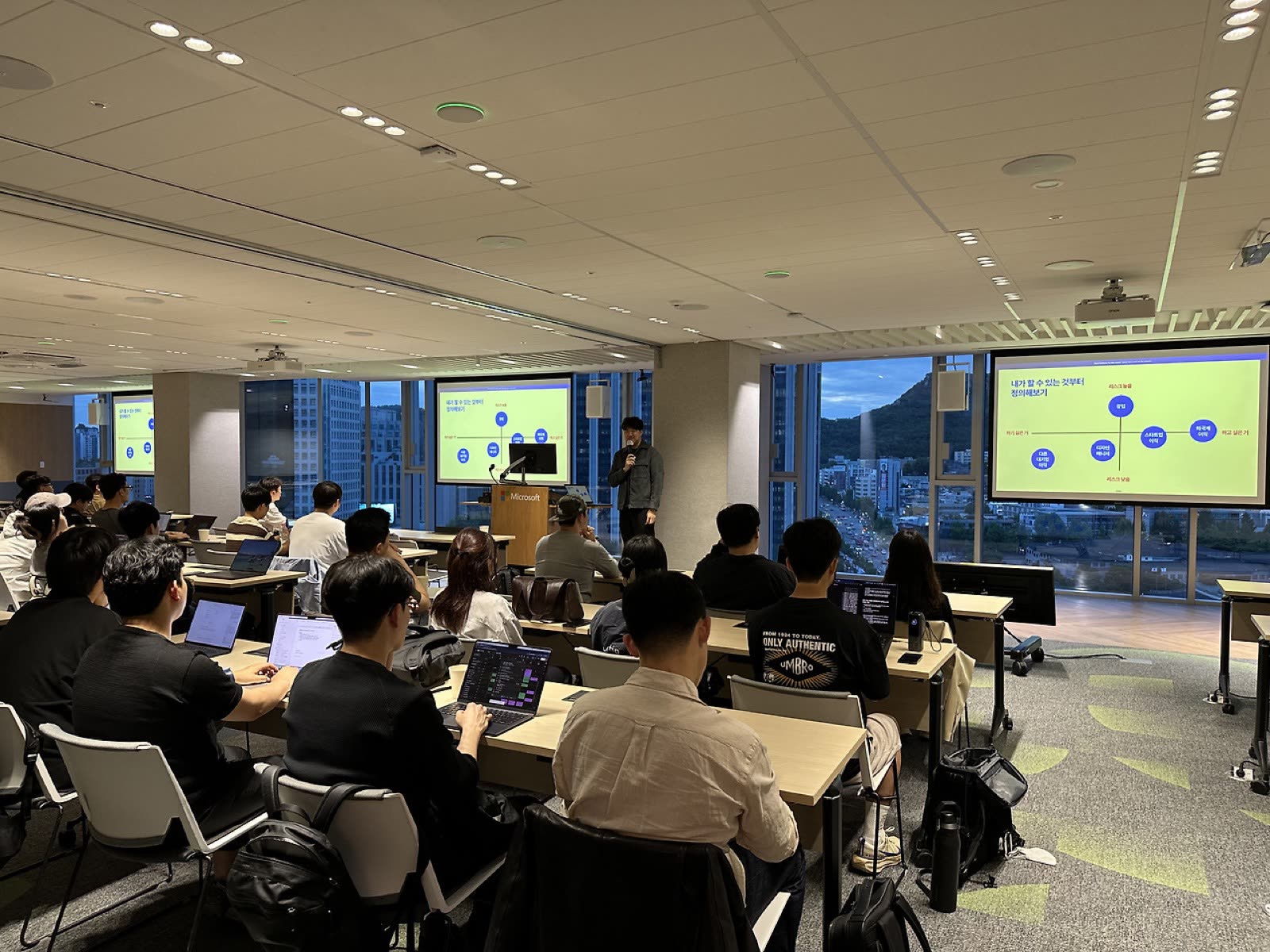
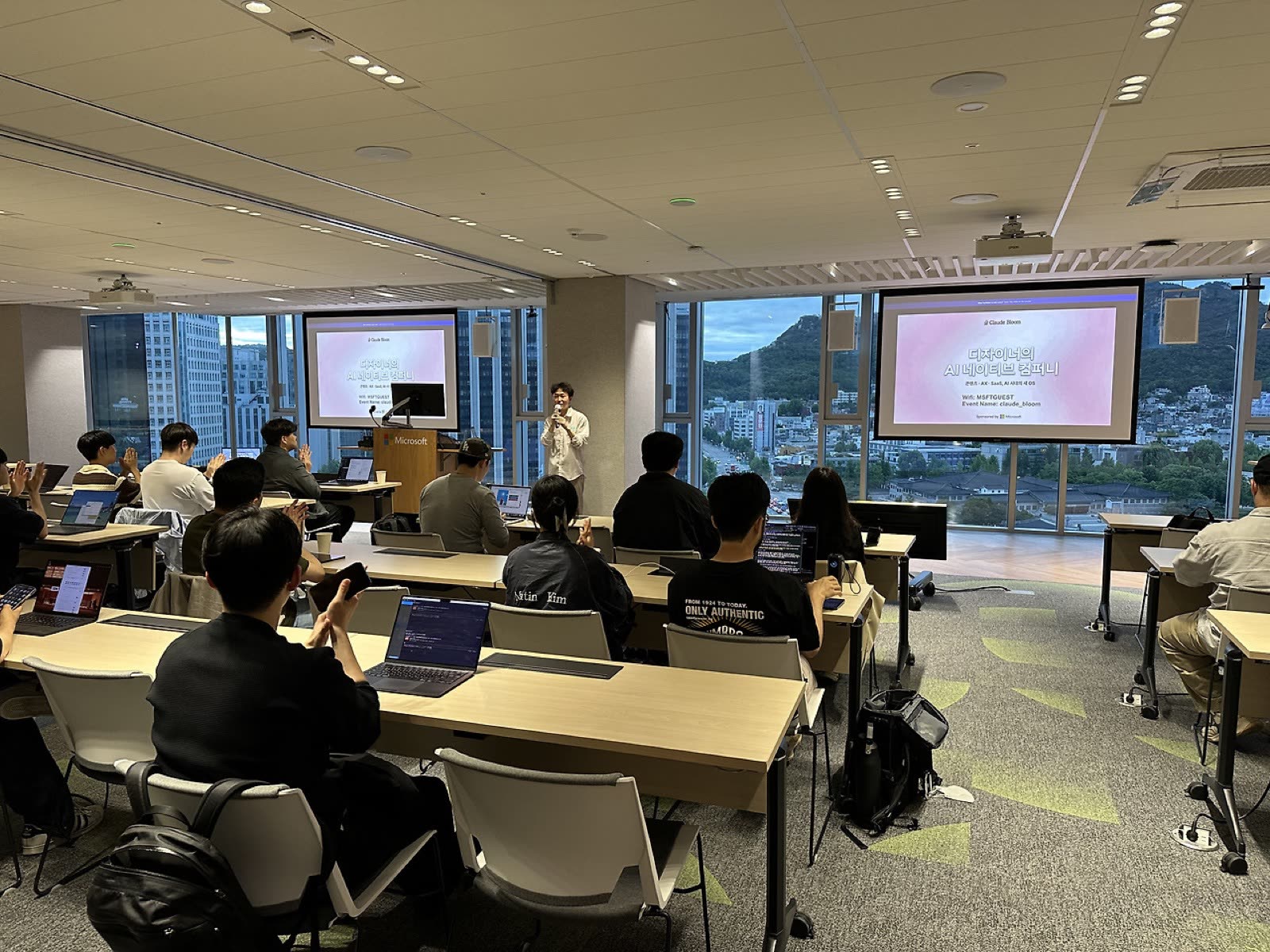
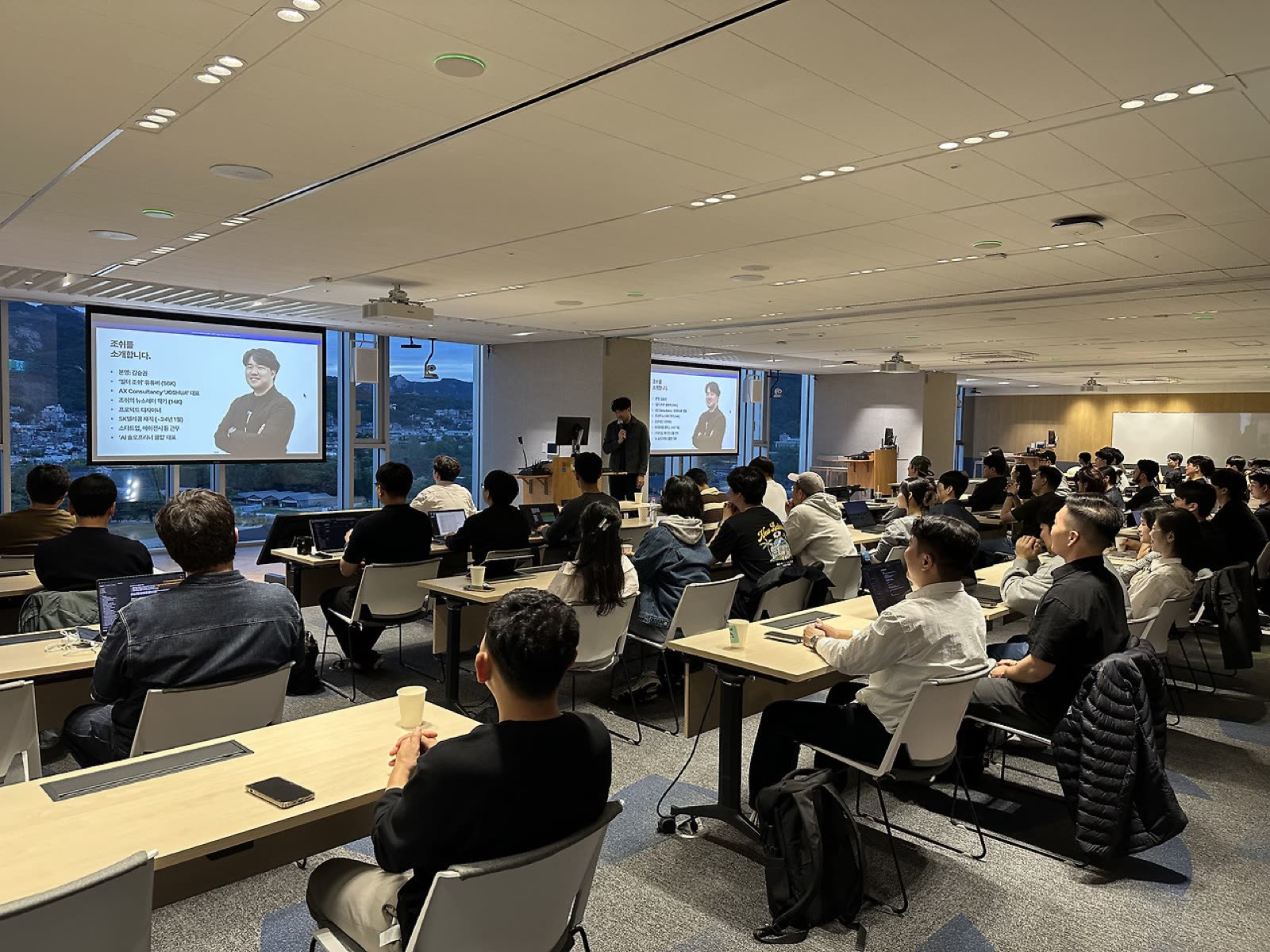
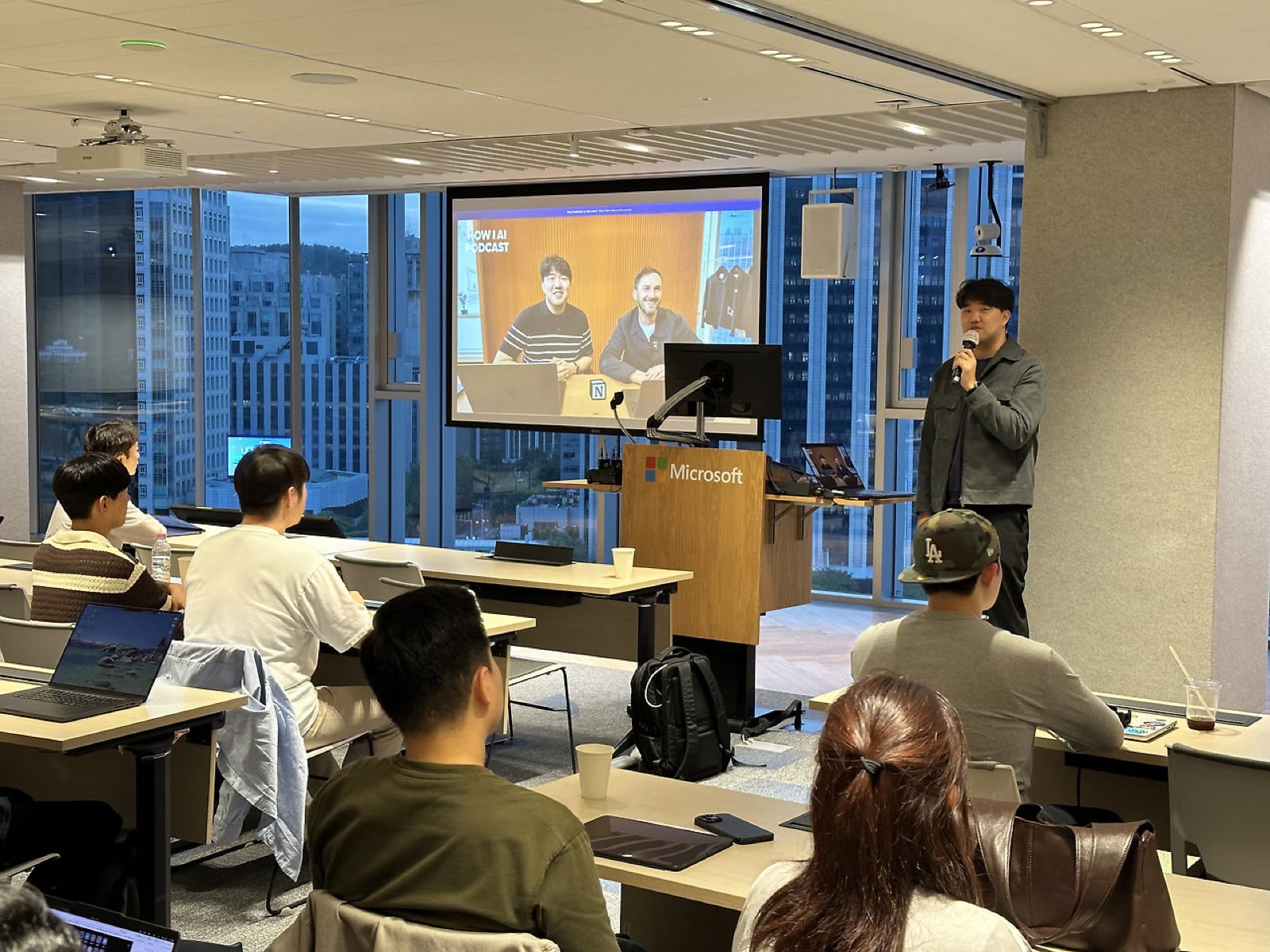
Builder Josh's real name is Kim Seung-kwon. He studied design in high school and at university, a designer through and through, and started his working life at an agency in 2012. Then he taught himself to code, published a book on it, and moved to SK Telecom. The problem came in year thirteen, when he no longer knew what the next step was. He had followed the stable path society lays out, and if the step after team lead was executive, he started asking whether he could do that. At the time he saw executives only as leaders who take command of an organization and drive it, so he boxed himself in with the idea that he just needed to be good at design. How different execution skill and management skill are is something he only learned after becoming a CEO.
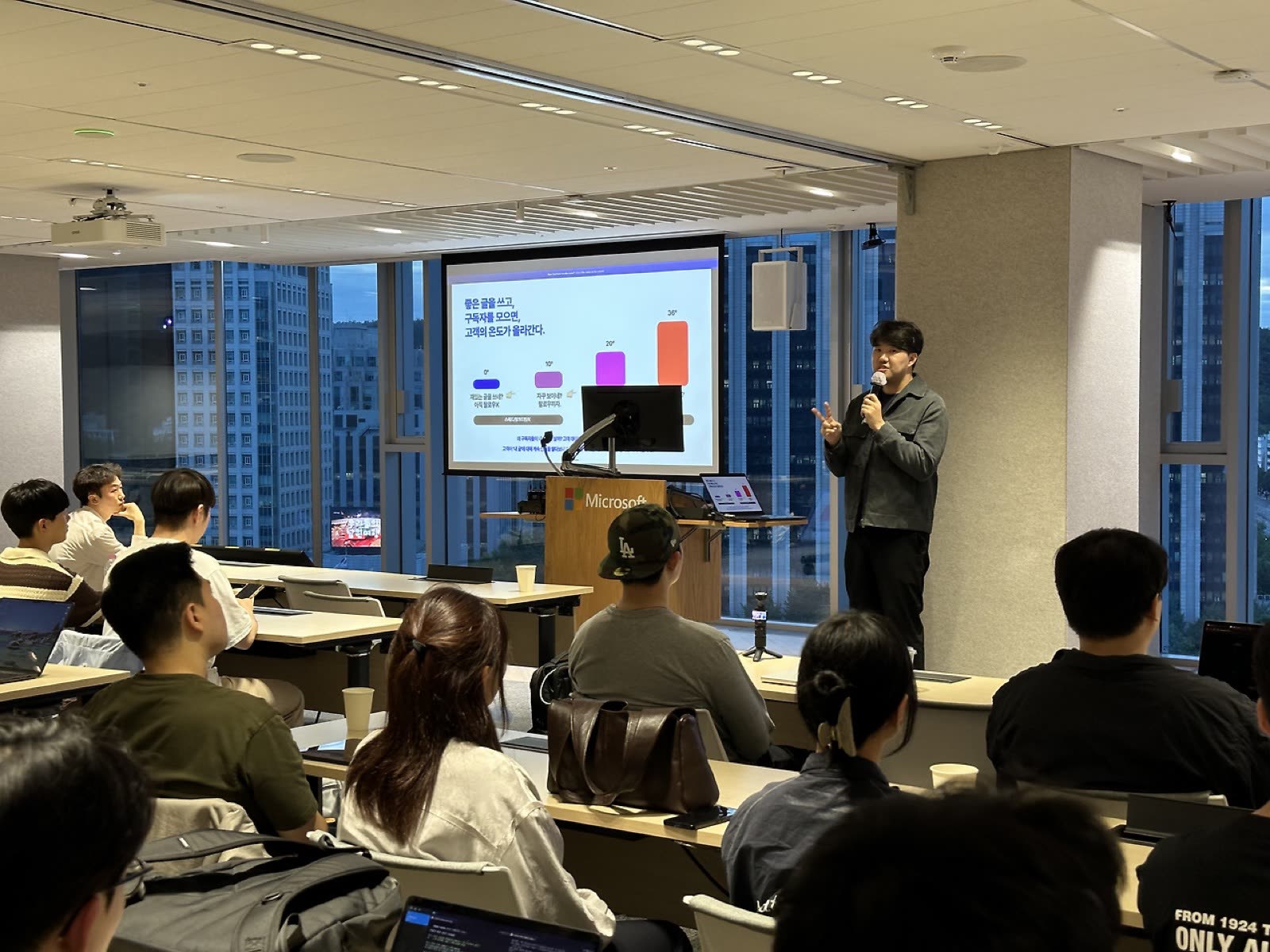
Saying trust is the heart of a content business, he quoted Chung Ju-yung: business is accumulated trust. The principle behind Justin Welsh, the top LinkedIn creator in the world, fits on one page. Good content gets picked up by the algorithm and found, and longer content lets people experience it more deeply, which accumulates trust. Gather followers on short form, convert them to long form like newsletters and YouTube, and once you have emails and phone numbers, that leads to education products.
He builds content around what the market wants, identified through data, rather than what he wants to make. He concentrates on long form, publishing as many as three videos and two newsletters a week, and after starting YouTube in earnest in November 2025 he has added about 10,000 subscribers a month. Short form alone makes trust hard to build, and YouTube is the platform that offers discovery and relationship building at once. That channel is the funnel bringing customers to his AX agency, Joshua.
Making content led him to report on AI native organizations, and his favorite case is GPTers. An AI agent named Ppojjak handles the entire process of an AI study program with tens of thousands of participants, from recruitment through wrap-up. It sends messages from the database, classifies participant status, distributes Zoom links, summarizes recordings, and derives improvements. The key was persona. They gave it a precise name and voice and fed it yesterday's conversations, meeting notes, and every conversation from the thirty-plus study groups running at once, every day. Make it a familiar presence rather than a stiff AI and people use it without resistance.
Other cases pointed the same way. At Delta Society, every employee including non-developers works with GitHub and Claude Code as the single source of truth. Standard operating procedures update daily, so what was learned yesterday becomes today's guide. The AX consultancy SpaceY instructs AI to implement during a 45-minute meeting and shows a prototype on the spot by the time the meeting ends. Samyang Foods, rather than changing the existing organization, stood up a new AI native team and standardized on a small set of tools to move quickly. What they share is working in a new organization with no legacy, and high vibe coding literacy.
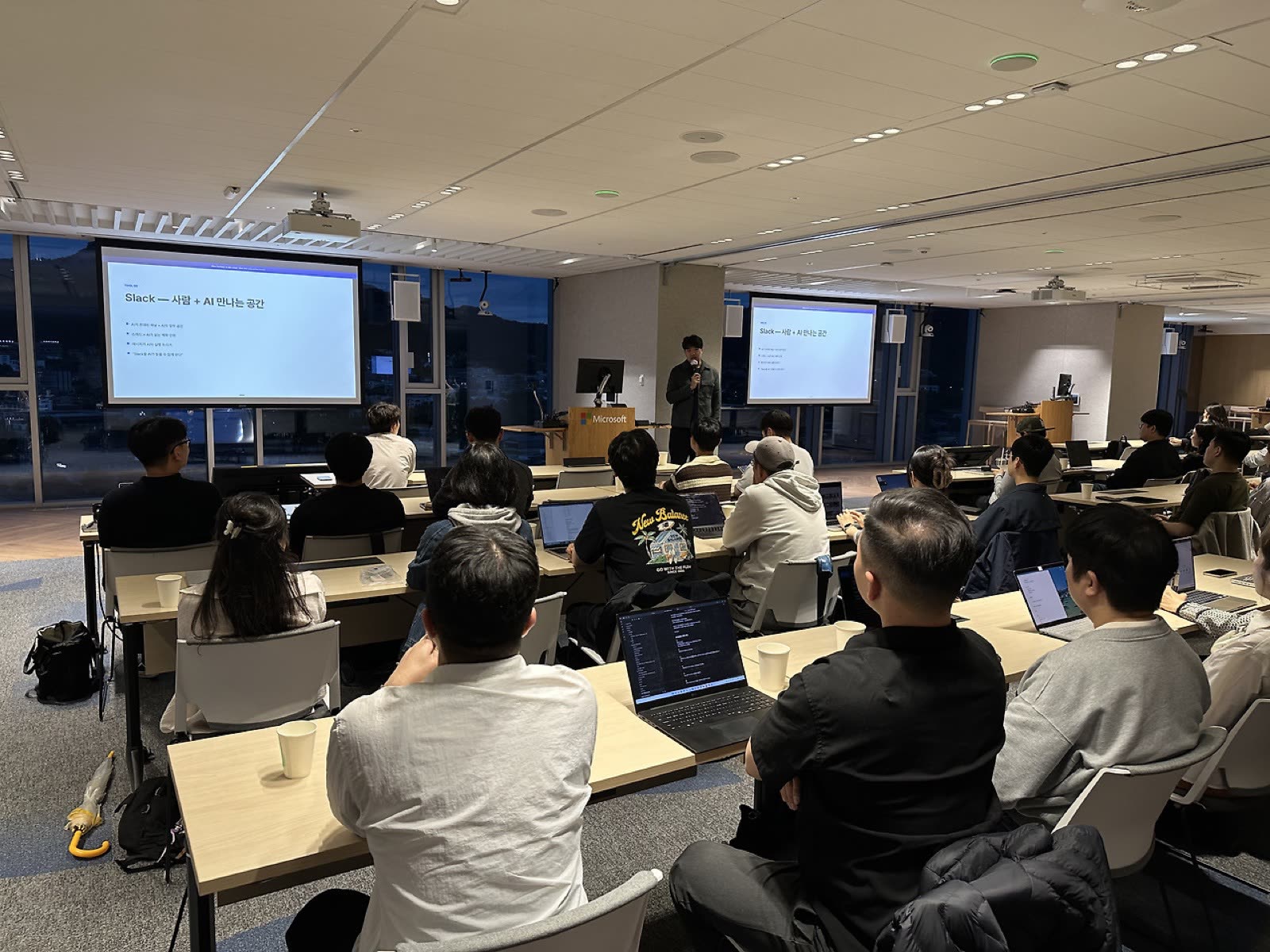
Joshua's stack has Claude Code and Codex acting as the operating system with a Hermes agent doing the work. GitHub is the company-wide source of truth and Slack is the hub where people and AI collaborate. Record a meeting on a cloud recorder and it lands in Obsidian, where Hermes reads it via GitHub, so notes accumulate and the agent learns context. Jenna, the Slack agent, handles newsletter drafts, tax invoices, and B2B email drafts, and it built the internal ERP as well. At 9 every morning Hermes proposes the day's tasks to the PM, the assistant, and the producer.
He did not hide the limits. Automating important external communication is still hard, final review takes longer than expected, and there is a literacy gap between team members. The near-term goal is having AI cover 20 percent of all work. Asked about claims that 80 percent is possible, he said honestly that he does not know and they are starting at 20. The biggest change all the same is that they now record 100 percent of meetings.
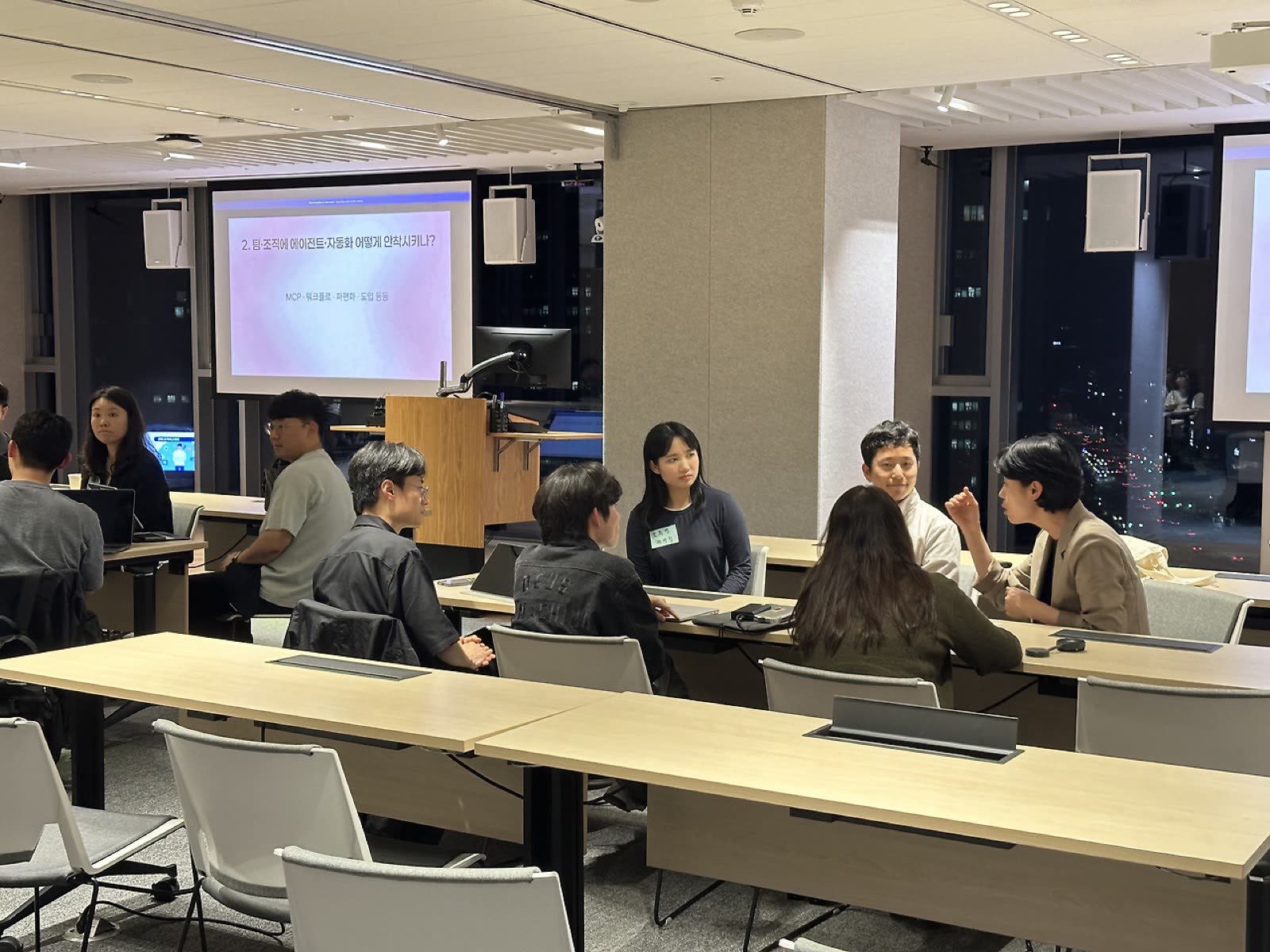
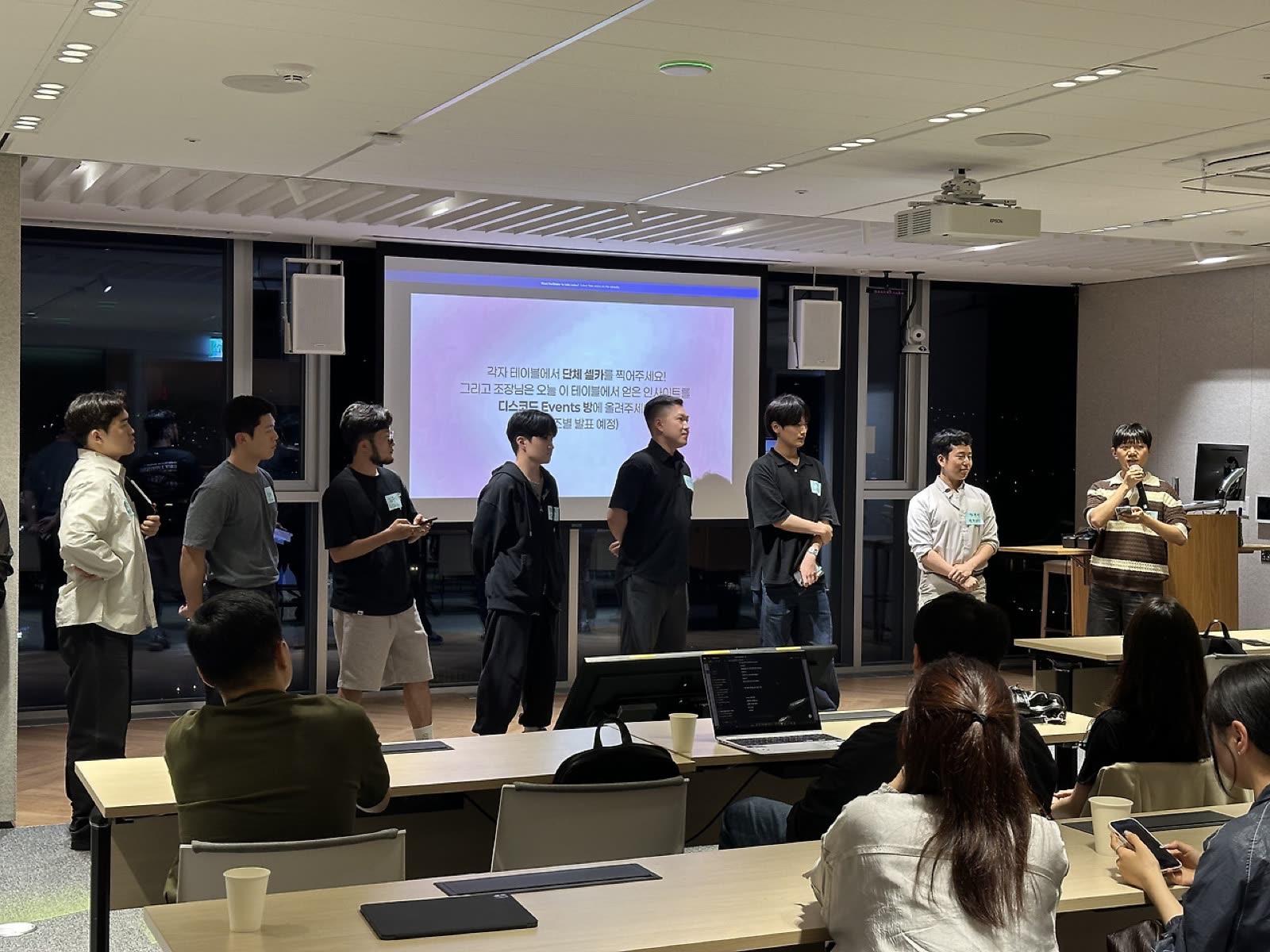
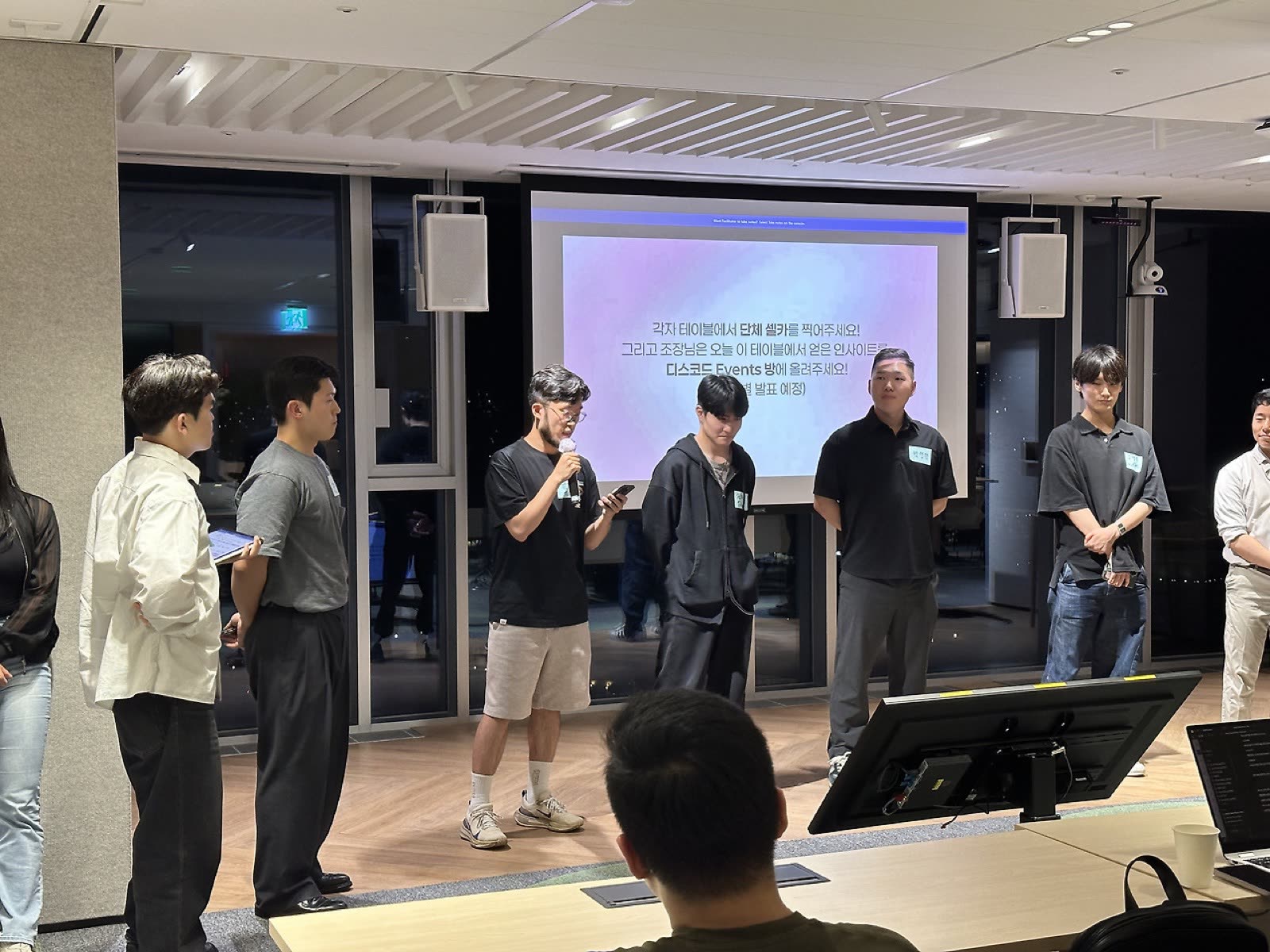
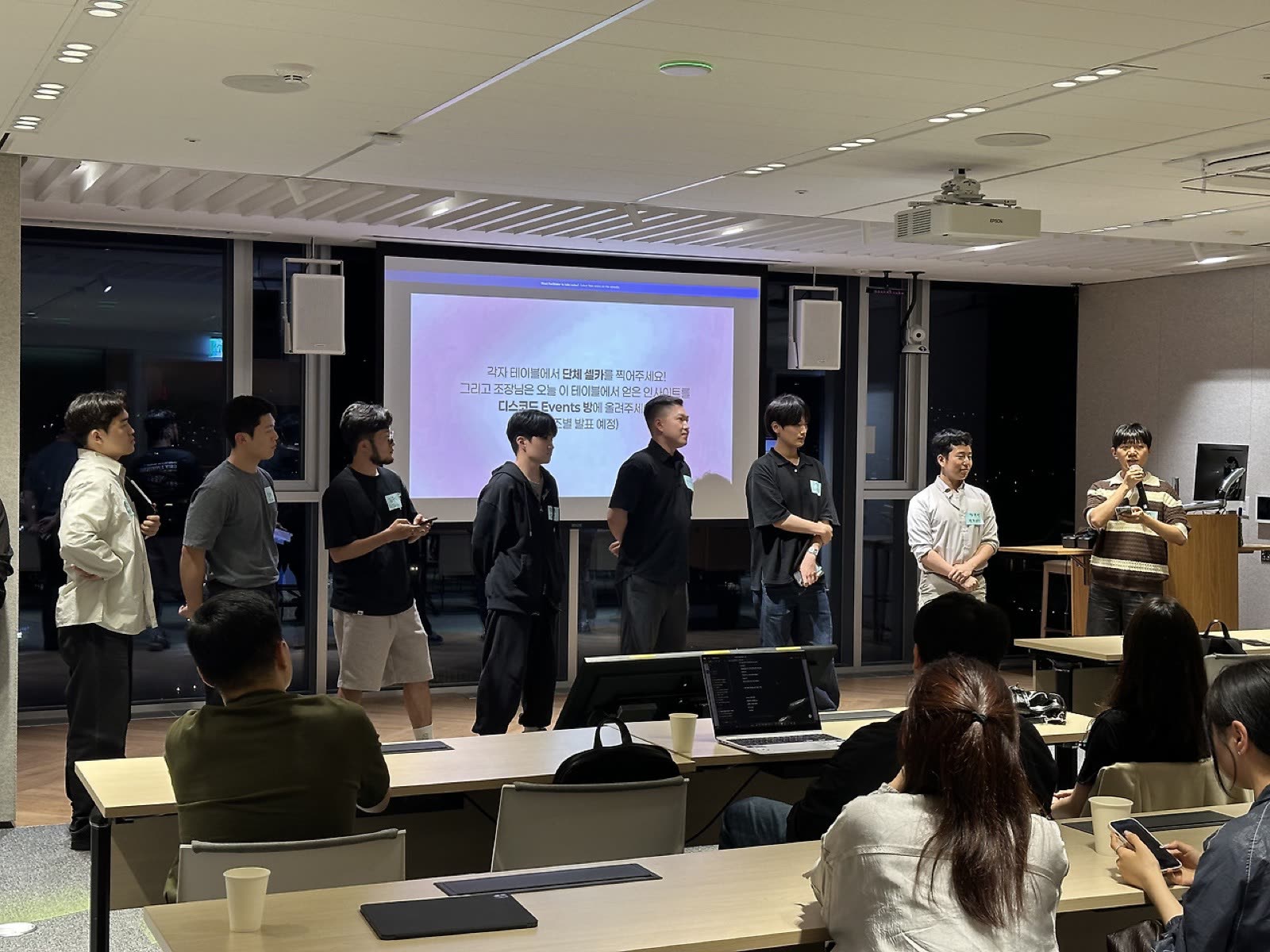
Ten tables presented after the talks. A participant from Lotte Innovate brought in greenfield and brownfield. An environment with no legacy can automate everything from design to delivery, while a company trying to layer onto existing systems runs into constraints like token limits. The line that stayed with the room was that if Claude cannot do it, it is not that it cannot be done, you just have not found the skill yet. A participant from Hanwha Vision talked about reassurance: amid everyone running agents and setting up harnesses and struggling, simply confirming that you are not the only one lost had value.
The realities of the work came up too. A participant from a global manufacturing corporation said the technology has become familiar while plenty of teams have never sorted out how they actually work right now, so process definition comes first. A startup participant built a 100-page government grant proposal with agents and won the award, while someone from a large company said they cannot even use Claude Code internally. The stories spanned different industries and scales and converged on the same points: the literacy gap, data, and process.
Kim Seung-kwon's closing message stayed longest. Becoming AI native is not fixing the existing way of working but starting from zero, and the starting point is meeting notes. What blocks large companies most when connecting internal data to AI is the burden on the security team, since building isolated environments and preventing external leakage is not easy. So the starting point he proposes is modest: press record right now. Once you treat meeting notes as data and start accumulating them, every conversation and piece of tacit knowledge becomes material for AI.
Read the full write-upEvent video
Gallery
Next event