How are we blooming in the AI era?
What was discussed

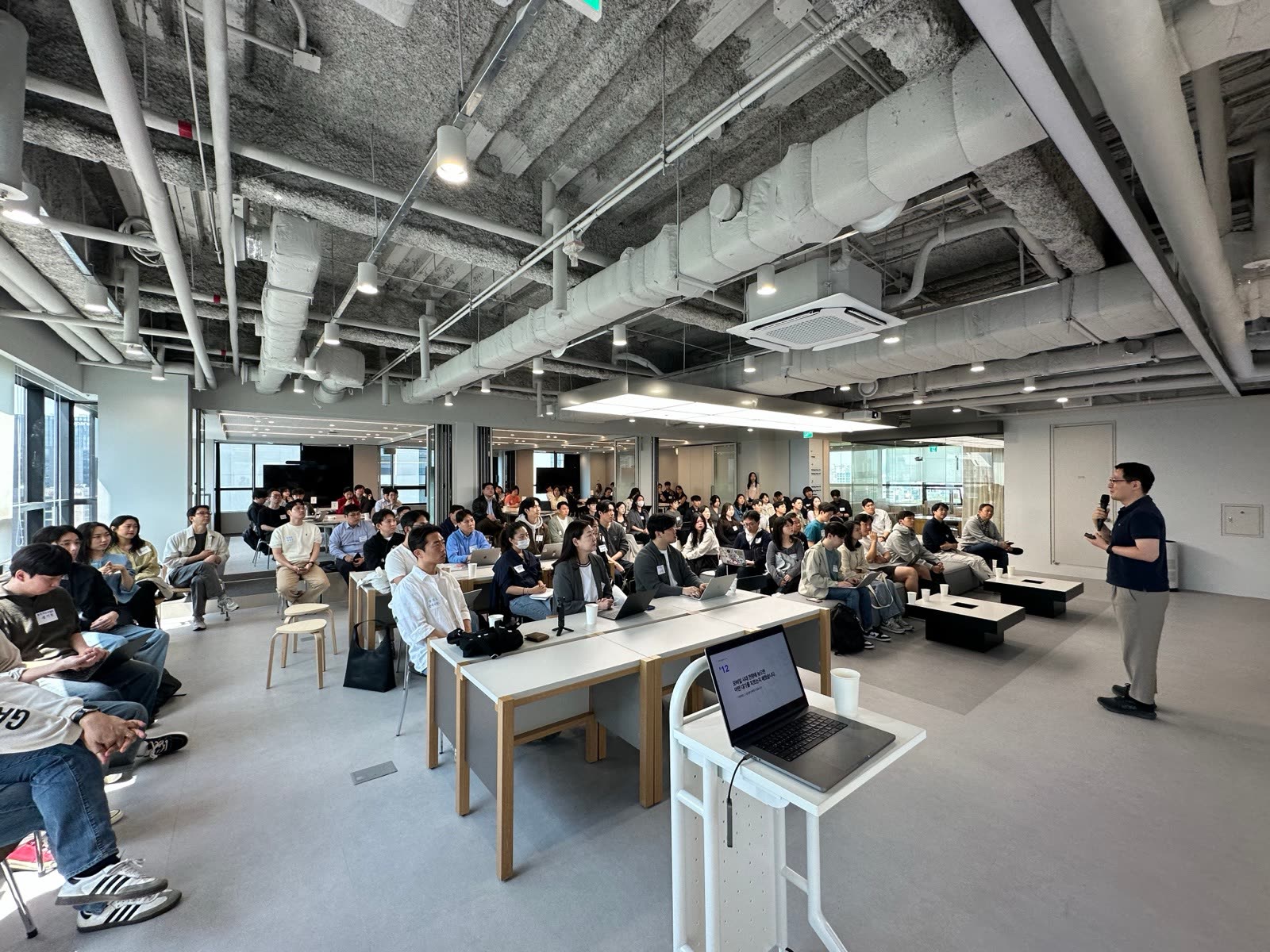
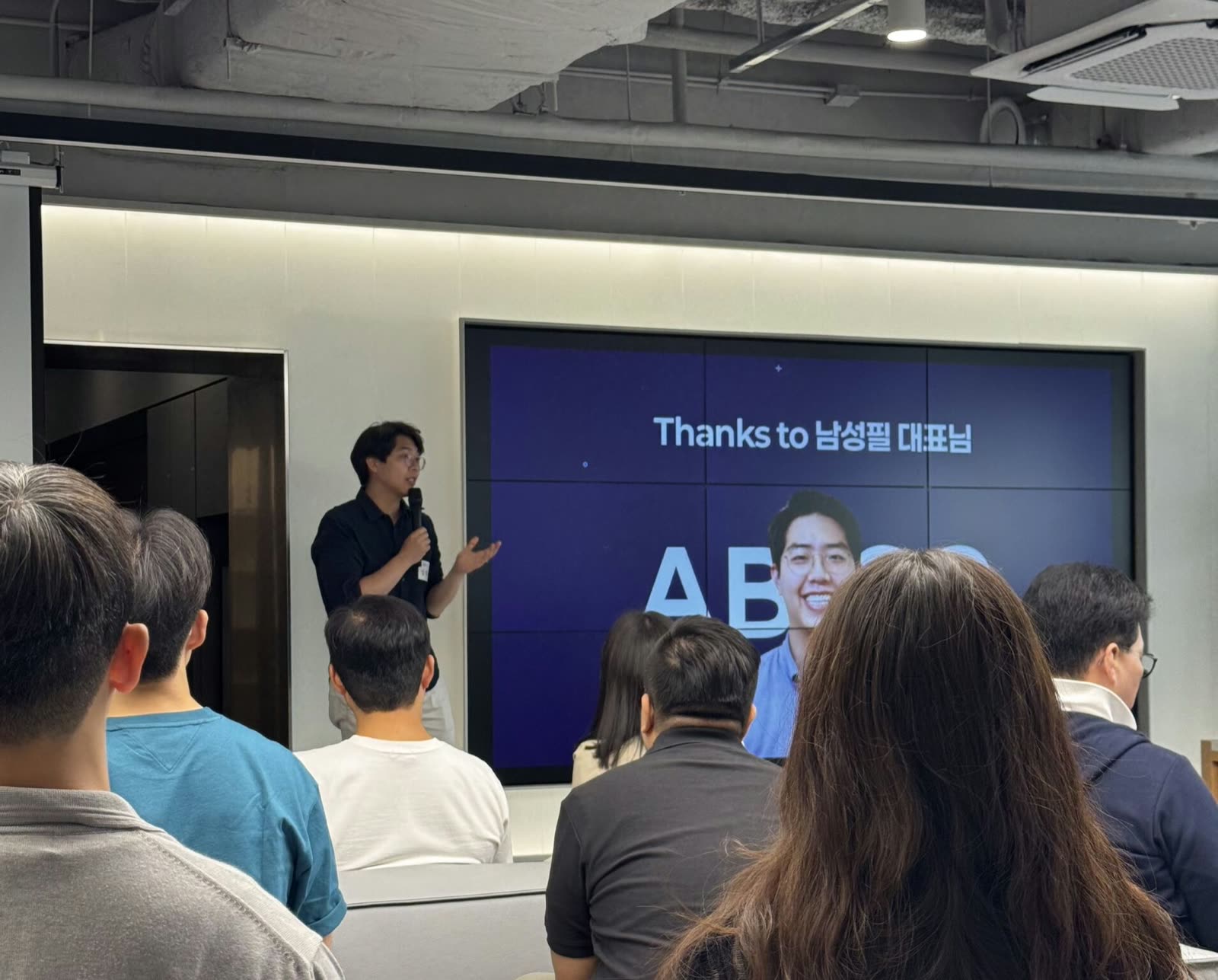
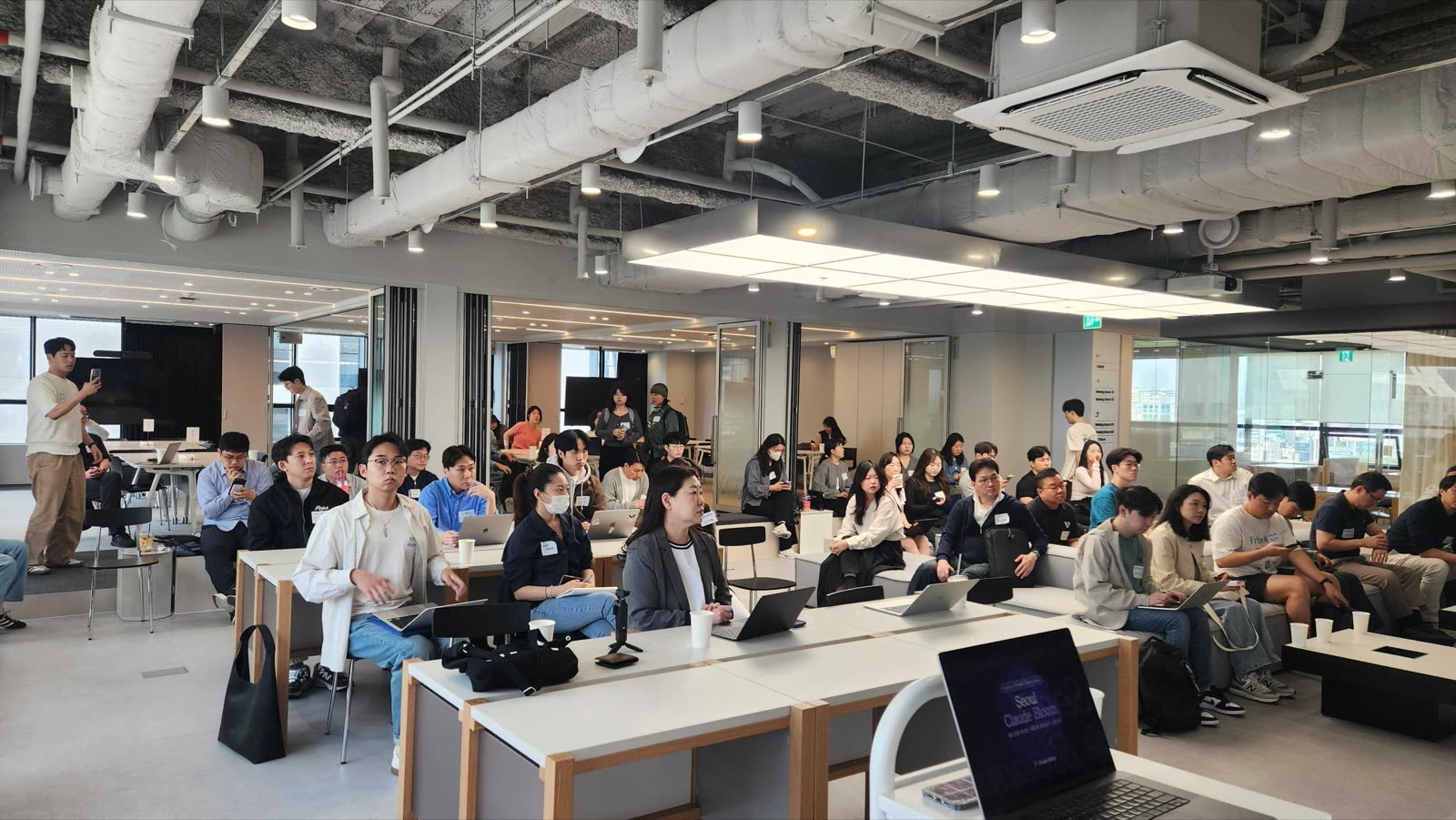
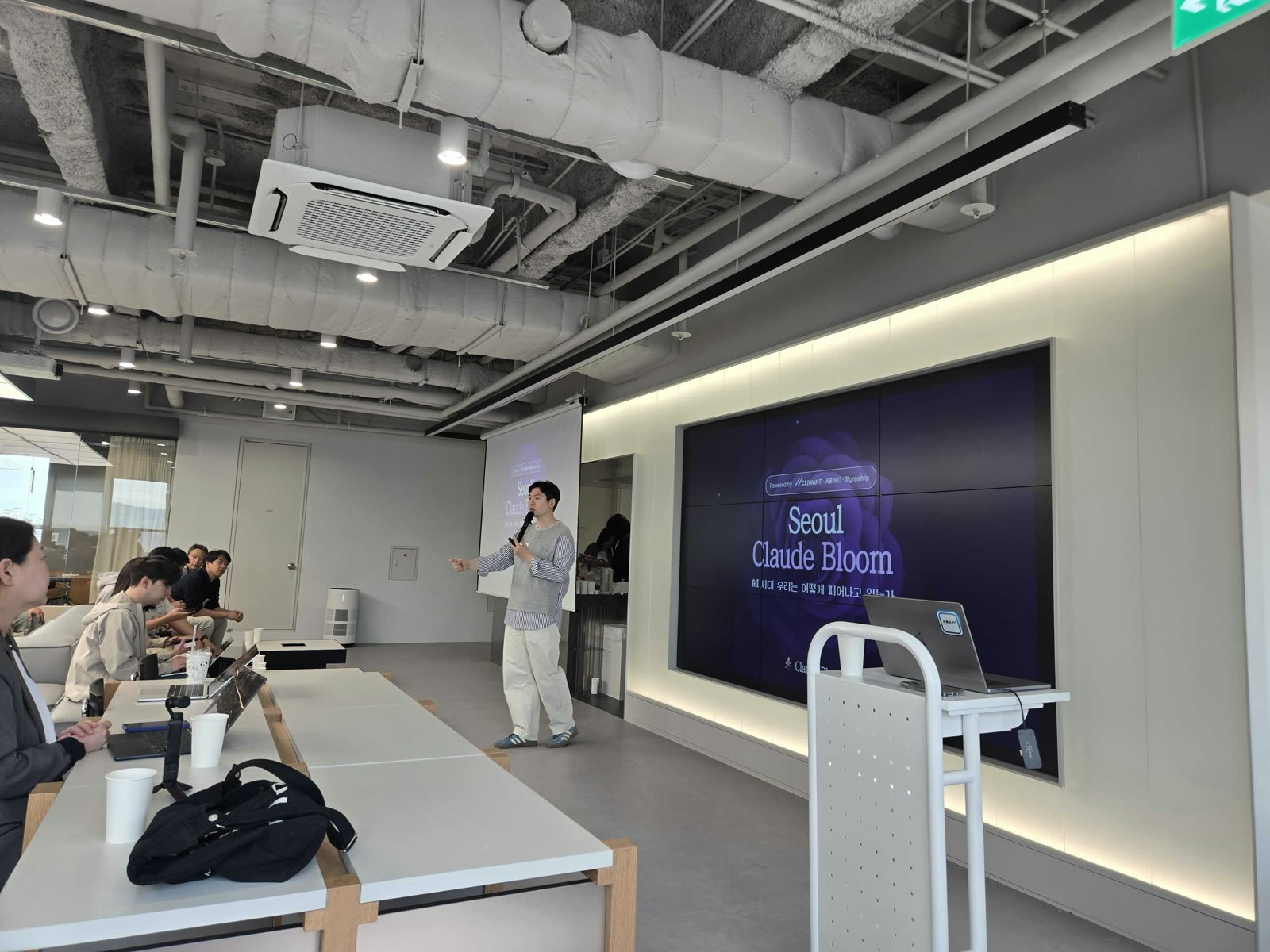
AB180 CEO Nam Sung-pil said he spends 90 percent of his day with AI and had been carrying a fair amount of gloom about it, and reading the Claude Blue post made him connect with what this event was for. The heart of his short opening was inspiration. Doing anything takes will, will comes from inspiration, and inspiration comes from interacting with people. He started using Claude and Codex seriously after watching a founder he met in the US convert everything about their app to AI.
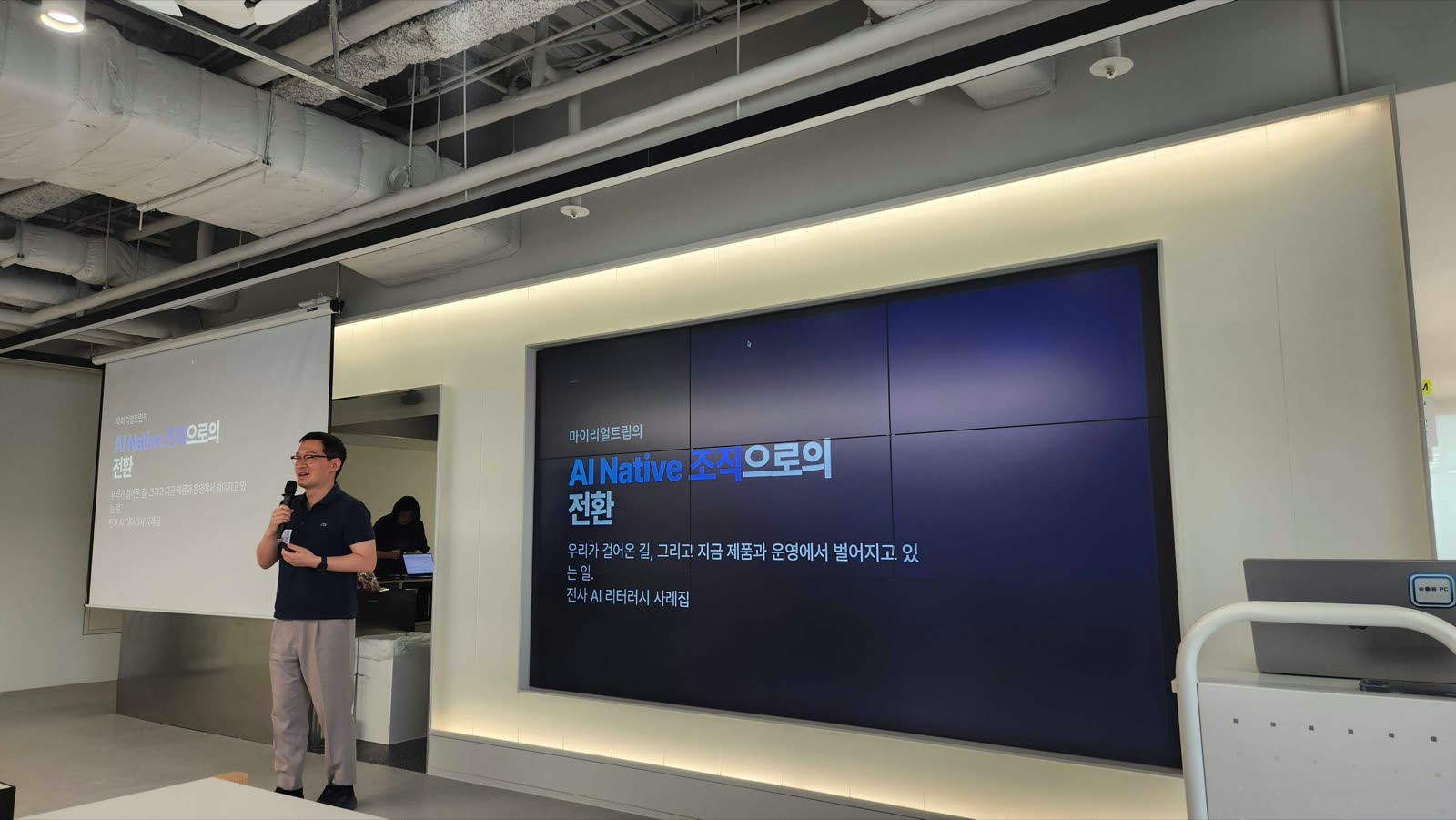
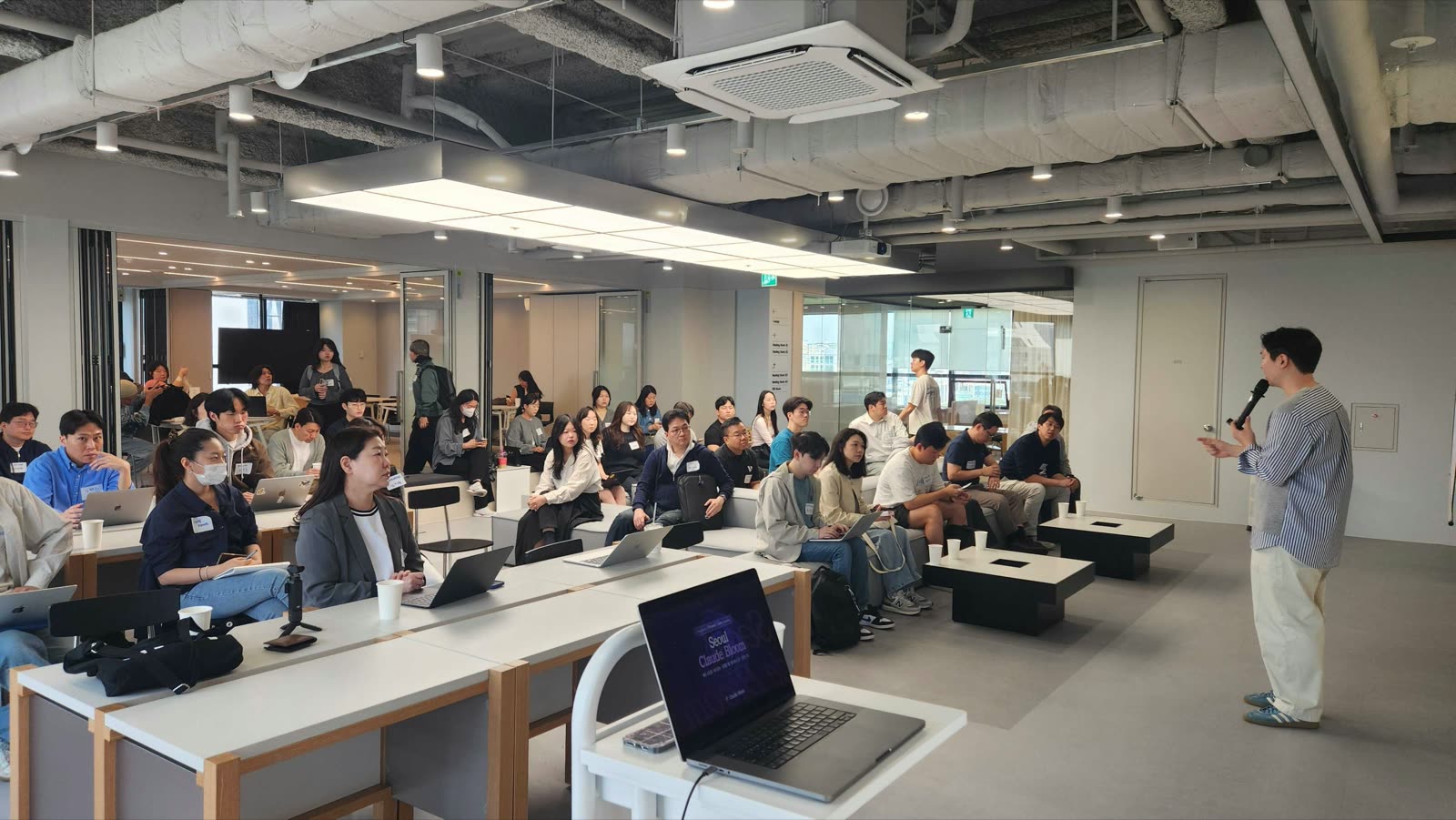
Lee Dong-gun founded Myrealtrip in 2012, at twenty-seven. He had been among the earliest iPhone users and considered himself to understand mobile well, and he got something badly wrong. Travel purchases start in the millions of won and a family trip runs past ten million, and he could not see amounts that size being paid on mobile. He decided travel gets planned on a PC with a spreadsheet open, and invested in PC for more than four years.
The problem was the later entrants whose teams were small enough that a mobile app was all they could build. That is exactly why they went all in on mobile, and in ten months they caught a four-year-old Myrealtrip. He described the mistake as a CEO whose imagination was impoverished, and resolved that when the next wave came he would imagine as disruptively and as large as he could.
That wave came at the end of 2022. He was certain the moment he saw GPT 3.5, and 48 hours after the announcement the team gathered over the weekend and shipped a live service. When people worried the performance and the security review were not there, he pushed it out anyway. The next day the 9 o'clock news and Microsoft headquarters were on the phone, and three or four days later the traffic drained away like a tide going out. Travel is a high-involvement decision, and at a time when hallucination was severe, handing an entire itinerary over on AI's word alone was too much. His reading was that they had attached one feature and had not changed how they worked.
After that he changed direction, focusing less on what to build and more on changing execution structure and organizational structure. In 2024 they established AI Lab, an education organization to get everyone in the company working with AI, and changed the name and mission of their customer center subsidiary to AI innovation. In 2025 they placed one AI champion on each team so influence spread naturally within teams. That same year they merged the separate iOS, Android, backend, and frontend roles into one, removed design and PM titles, and consolidated everyone under the single title of product engineer.
His definition of an AI native organization had three parts: an organization where work does not run without AI, one where a small elite produces larger impact, and one that stops when Claude has an outage rather than when AWS does. The last condition was the striking one. Most services stop when AWS stops; if there is a service that only stops when Claude stops, that is the real indicator of being AI native.
The evaluation system changed too. They no longer look at token usage, login frequency, or the number of AI side projects. Instead they look at how much AI improved the core metrics that mattered before AI as well: contribution margin, confirmation rate, conversion rate. Past the literacy stage, the judgment is that you come back to the numbers that always mattered.
What stood out most were seven things actually running in production. LuckyGlide, which finds the cheapest flight for a set of conditions, was built by a marketing director with no coding experience. MRT Biz, which books corporate travel through Slack-style conversation and connects through to ERP, was built end to end by Lee himself. Korean Foodies, where AI curates, translates, and tags restaurant posts accumulated in the community so 2,081 reviews across 240 cities become searchable, was also his. The people team built the attendance solution, and a business development manager built the companion-matching calendar.
One principle runs through all of them: the person who recognizes the problem and the person who solves it must not be separated. Early on, AI Lab was structured to build things on request for other teams, which made it identical to outsourced delivery. When HR asked for a fix to the attendance solution, AI Lab had to learn attendance management first, and every policy change meant taking it back, so it reverted to the old way. AI Lab therefore changed from a team that builds for you to a team that teaches you to build. If the reason the person who sees the problem cannot solve it is that they do not know development, do not know AI, or find tokens expensive, removing those barriers is the organization's job.
Asked what the bottleneck in the AX transition was, Lee answered candidly that the CEO is often the bottleneck. Conversely, when the CEO works hardest and leads by example, there is not much difficulty. Trusting code came up too. A backend engineer who took on frontend work complained that not trusting their own code meant reviewing from scratch, which took longer. So they changed the platform organization's mission from preventing bad code from shipping to recovering within a second when it does. They redirected the investment from prevention to recovery.
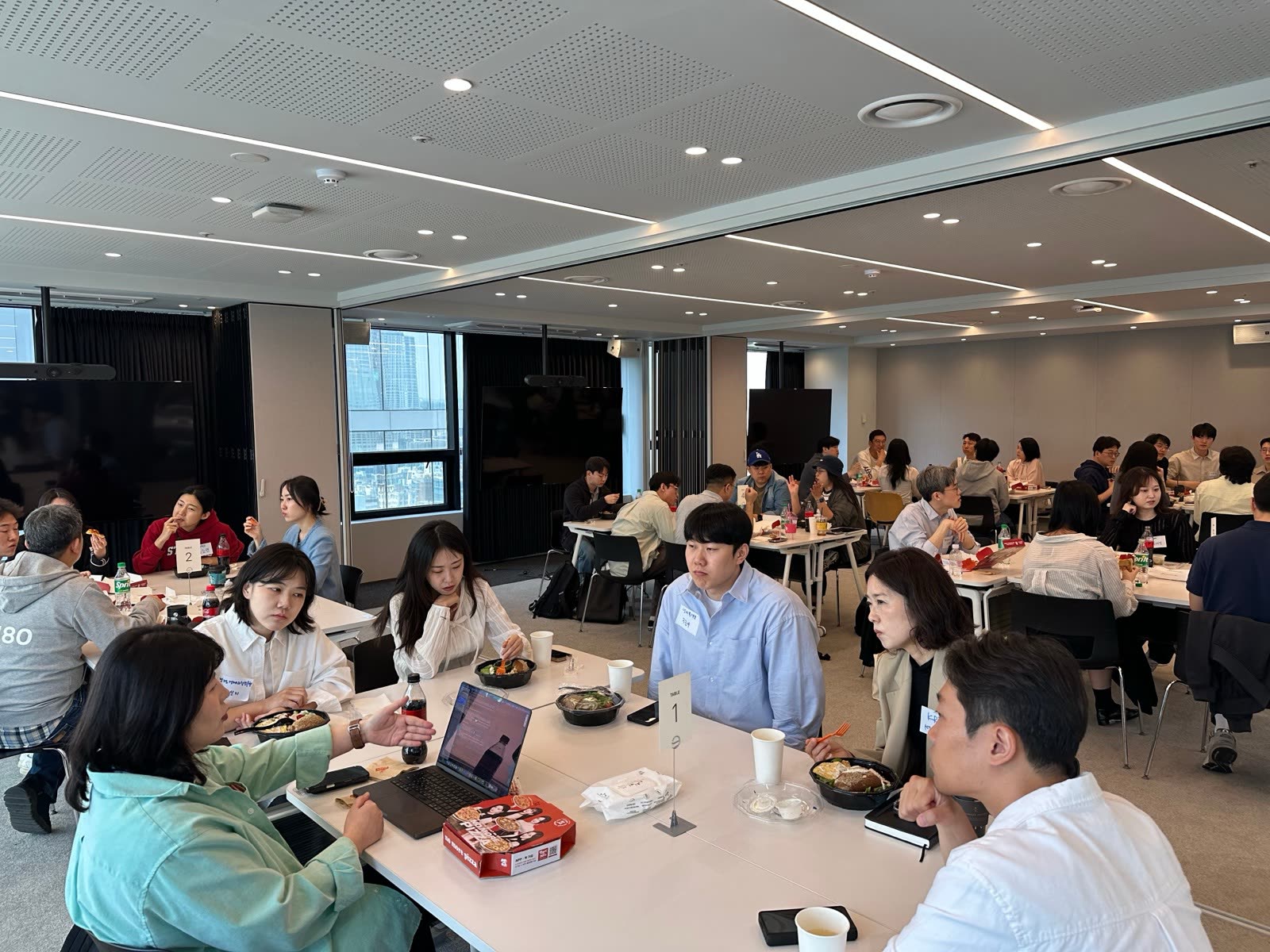
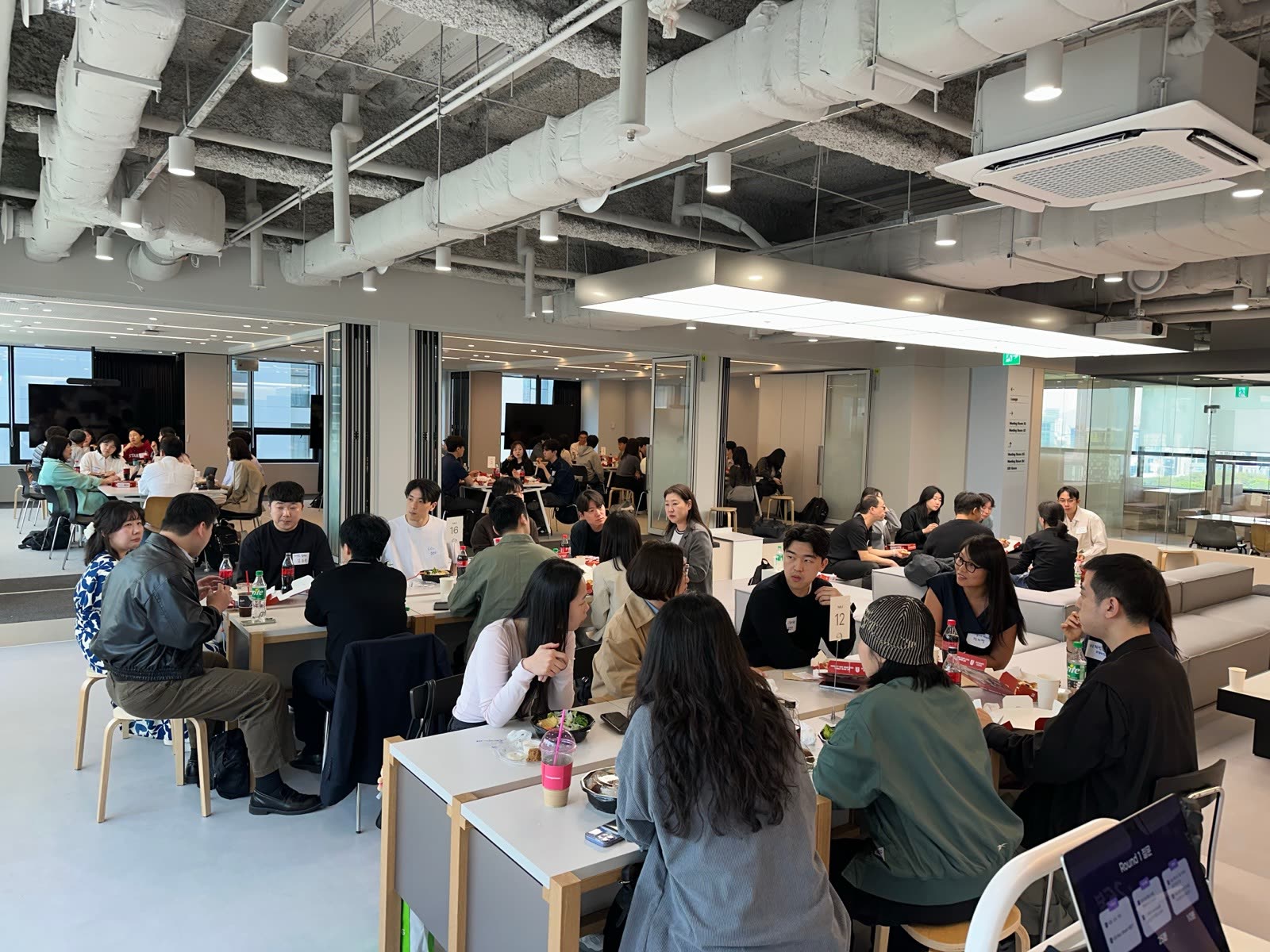
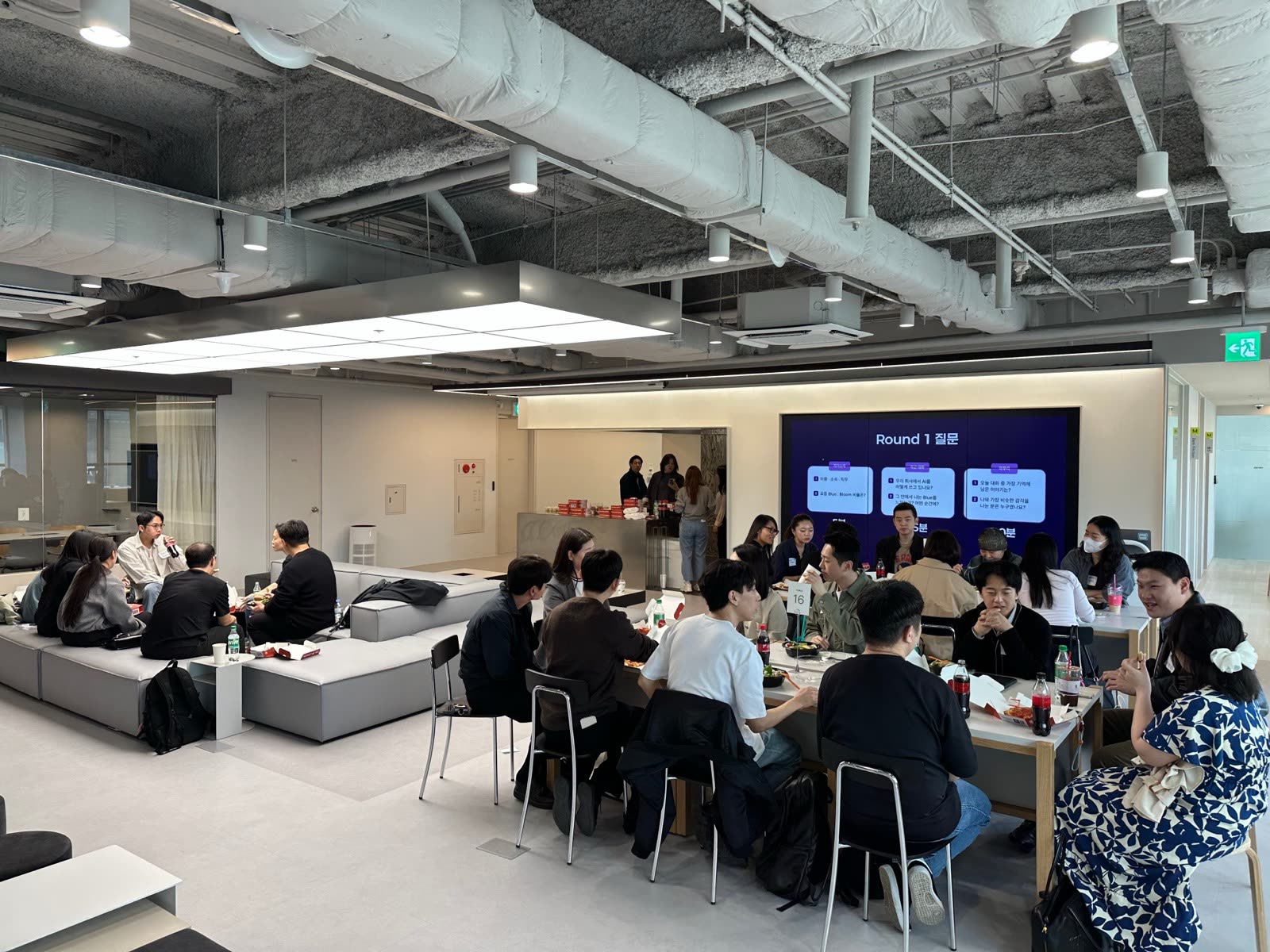
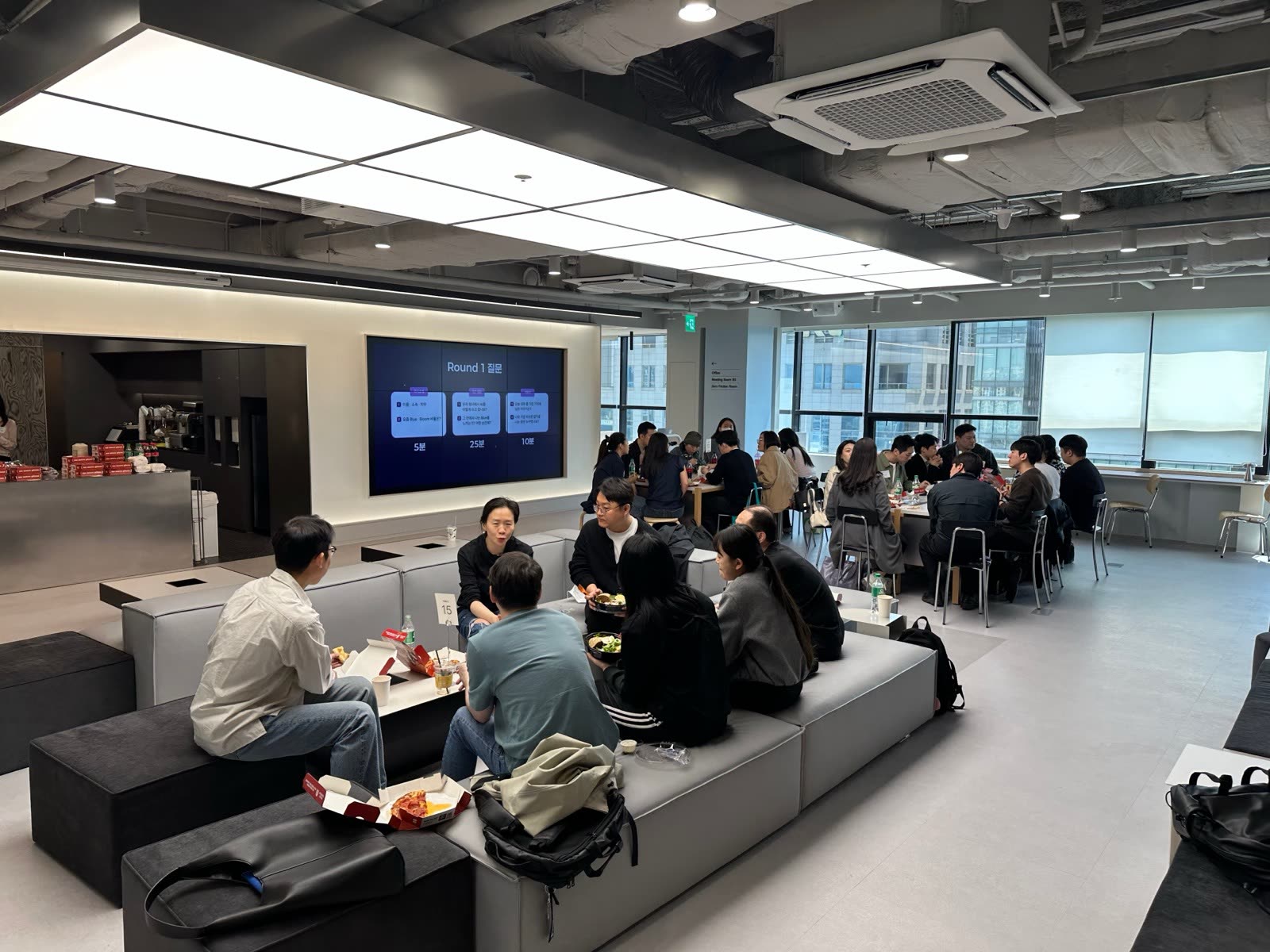
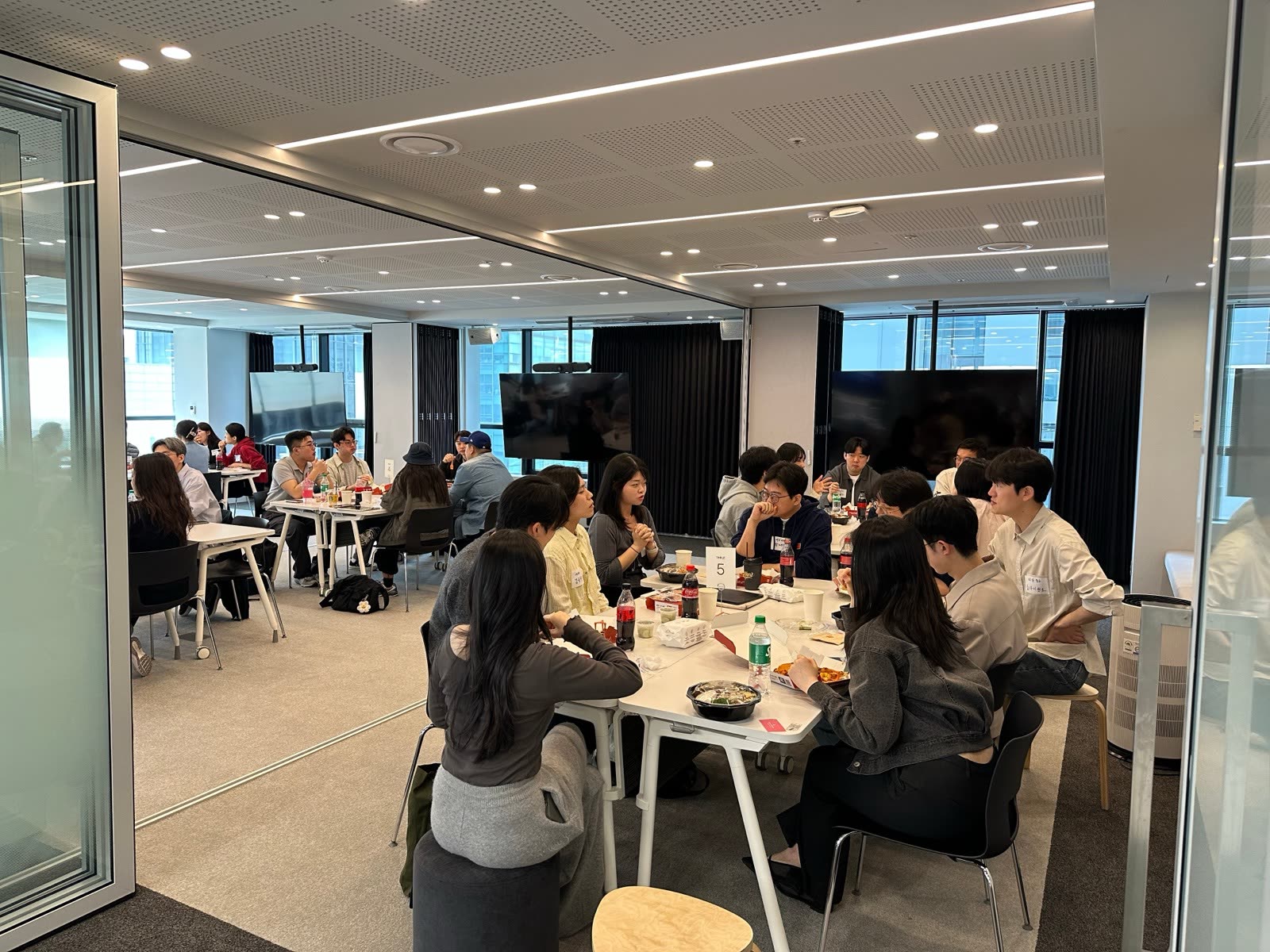
Two rounds of table discussion followed the keynote, with each table lead sharing an insight in a minute, and the word that came up most was harness. How much of the stretch between thought and execution we occupy is the same starting point whether you call it prompting, context, or harness engineering. The biggest reaction went to a participant from LG Household & Health Care. AI has made output explode, and whether that output turns into business results or changes in customer behavior is a separate matter; if anything the review burden grew, and they felt like a teacher marking papers in red pen. The conclusion was that the core capability is not producing more but defining what to make and why, and aligning output so it turns into results.
Another table went back and forth on whether a dedicated AX organization becomes a bottleneck itself, and what to do with the resources left after automation. The table on redefining seniority concluded that role consolidation will continue, and that within it everyone's homework is the ability to define problems and find creative solutions. A participant from Rebellions offered a line worth keeping: tokens are as cheap right now as they will ever be.
Something Wonjun shared in the opening summed up the mood. The mayor of San Francisco, visiting Seoul recently, advised Korean companies entering the US not to go to large conferences. What gets polished and presented there has already lost its edge and the networking has no depth, so you are better off striking up a conversation with anyone in a coffee shop. As AI digests information online with such ease, the value of what is not online goes up in inverse proportion, and sharing what is in your head, refining it, and developing it together only happens offline.
Read the full write-upEvent video
Gallery

Next event